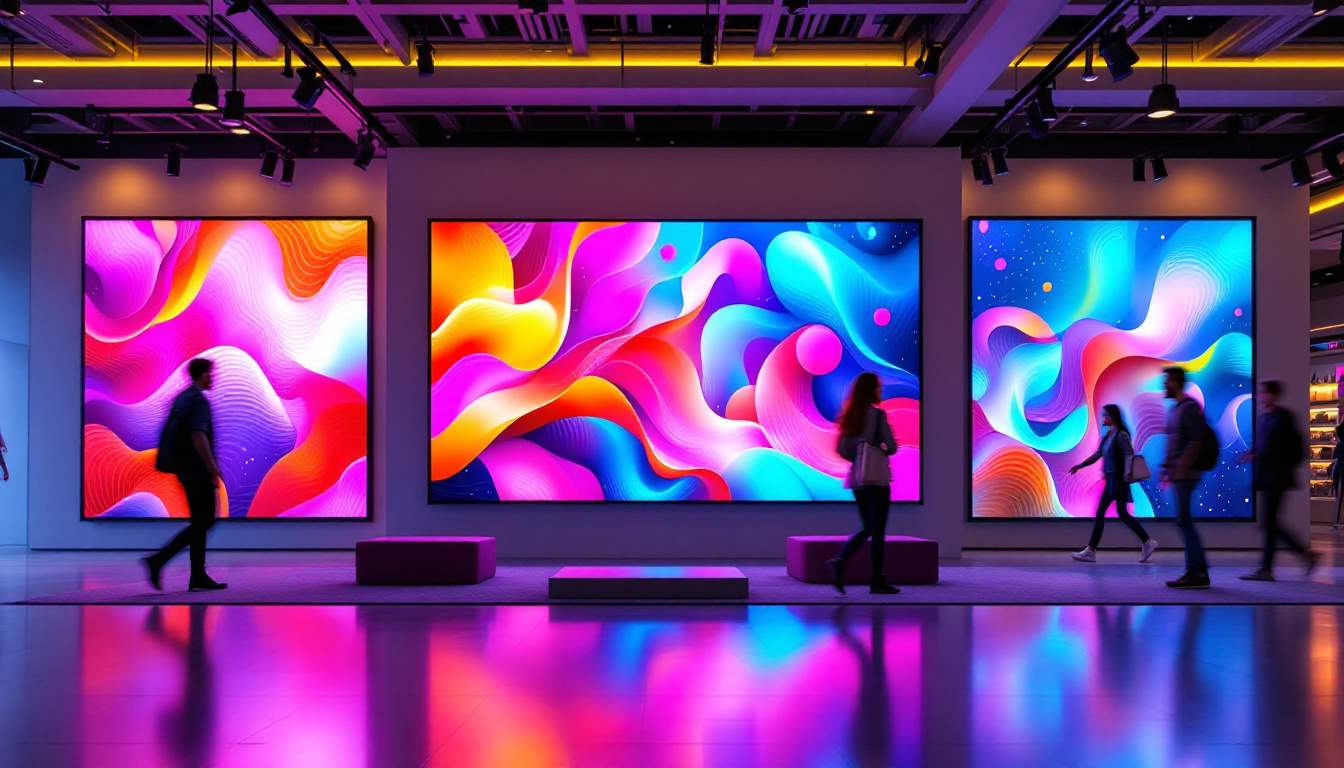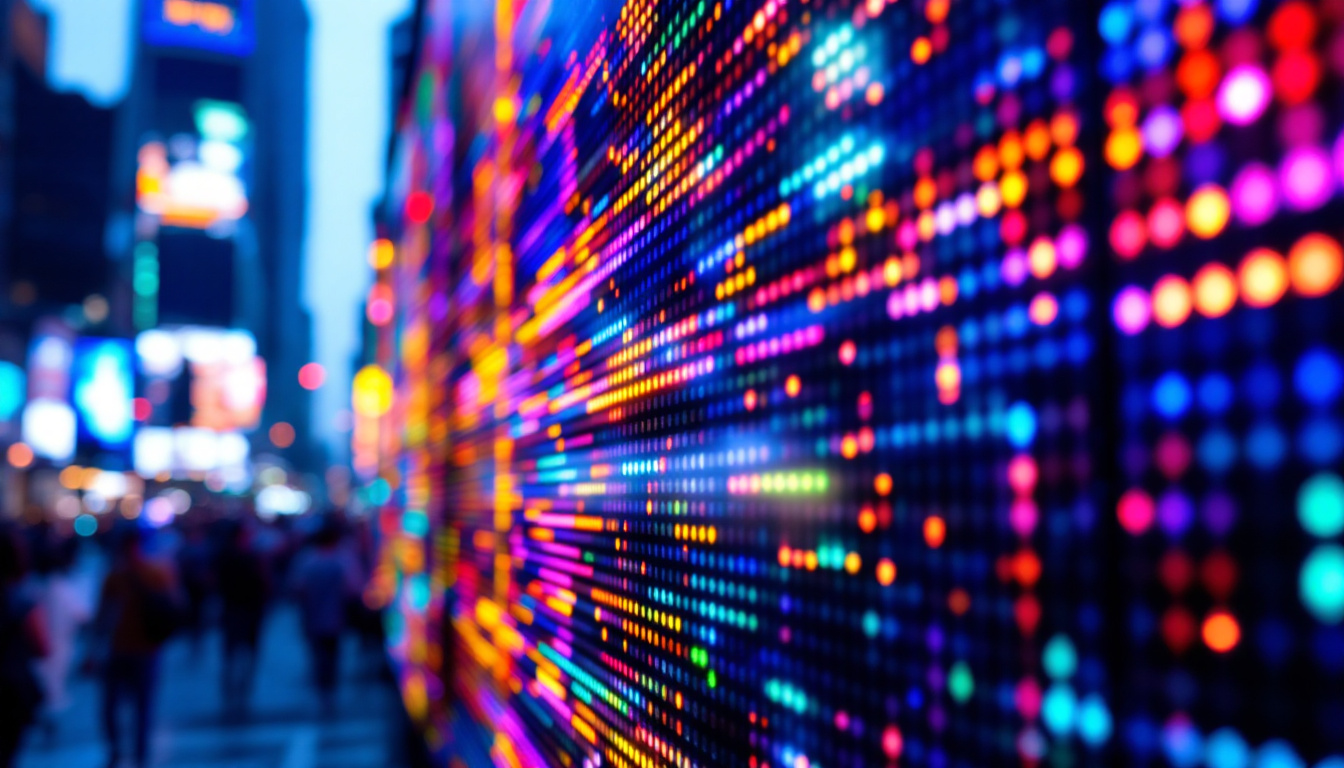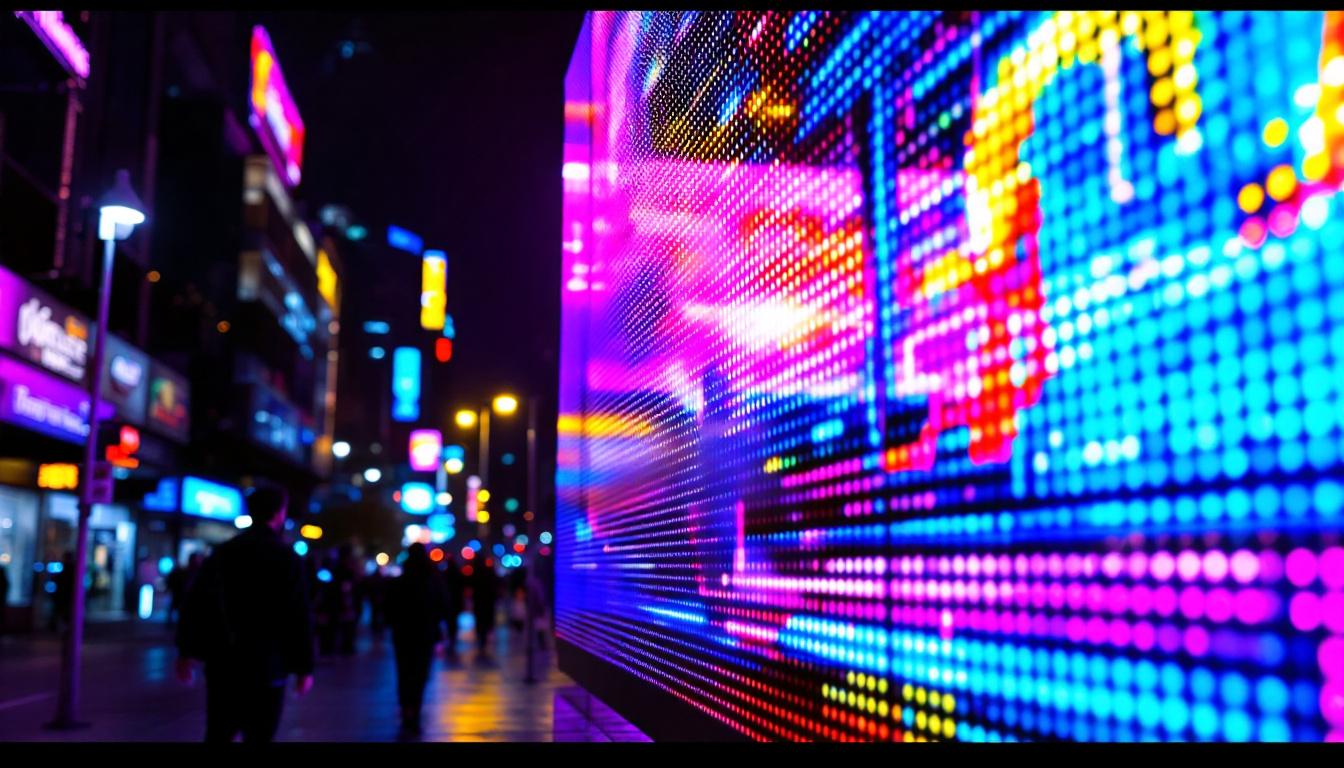
In the rapidly evolving world of digital signage and display technology, LED displays have become a cornerstone for businesses, advertisers, and event organizers. The term “Cheap LED” often sparks curiosity—how can LED displays be affordable without compromising quality? This article delves into the fundamentals of LED displays, explores what makes some options budget-friendly, and provides insights to help you make informed decisions when considering LED technology for your needs.
Understanding LED Display Technology
LED stands for Light Emitting Diode, a semiconductor device that emits light when an electric current passes through it. LED displays are composed of numerous tiny LEDs arranged in a matrix to form images, videos, or text. These displays are widely used in various applications, from outdoor billboards to indoor digital signage and even wearable devices. The versatility of LED technology has revolutionized how we communicate visually, providing dynamic and engaging content that captures attention in ways traditional displays could not.
Unlike traditional LCD screens, LED displays produce their own light, which means they don’t require a backlight. This characteristic allows for higher brightness levels and better contrast ratios, making LED displays visible even under direct sunlight. Additionally, LEDs are energy-efficient and have a longer lifespan, contributing to their growing popularity. The low power consumption not only reduces operational costs but also aligns with the increasing demand for sustainable technology solutions in various industries.
Types of LED Displays
LED displays come in several types, primarily categorized by their structure and intended use:
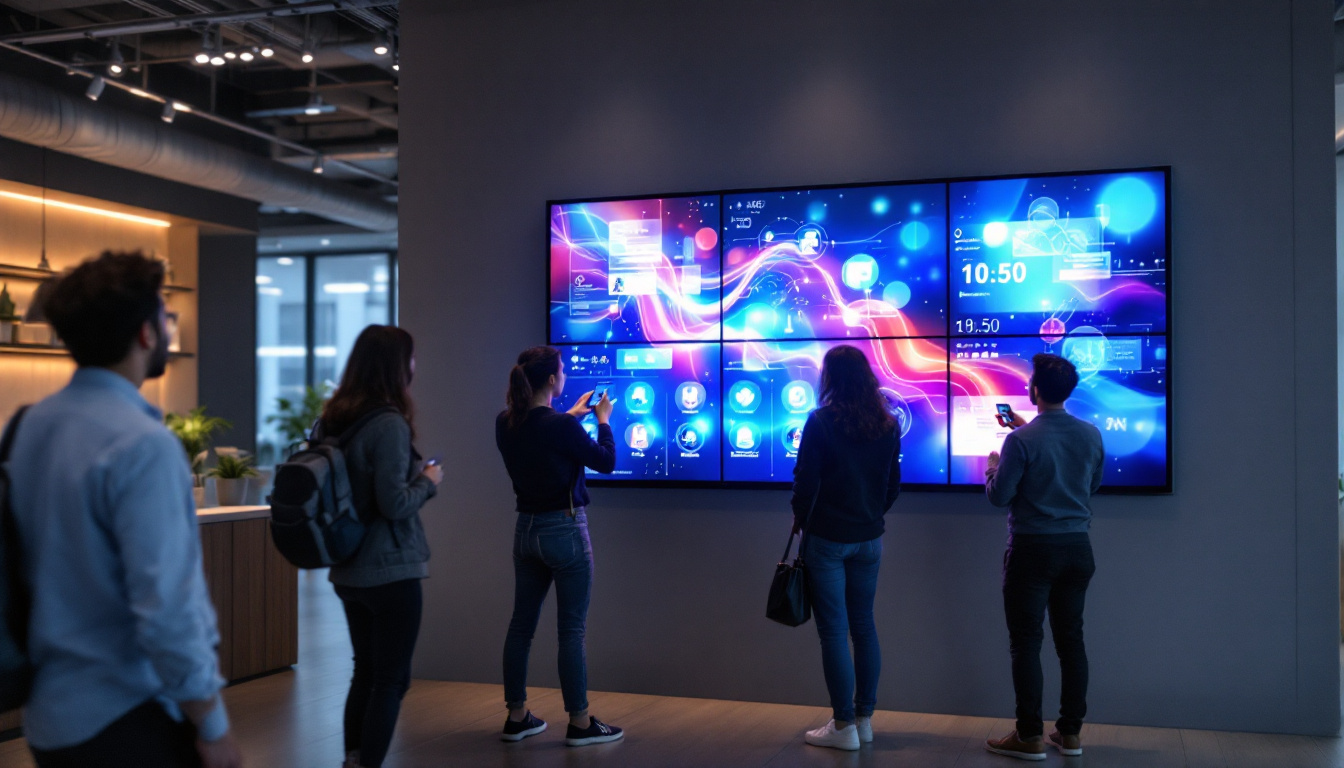
- Indoor LED Displays: Designed for controlled lighting environments, these displays have a higher pixel density and finer pitch, providing sharp and clear images at close viewing distances. They are often utilized in venues such as shopping malls, conference rooms, and theaters, where high resolution is essential for delivering detailed visual content.
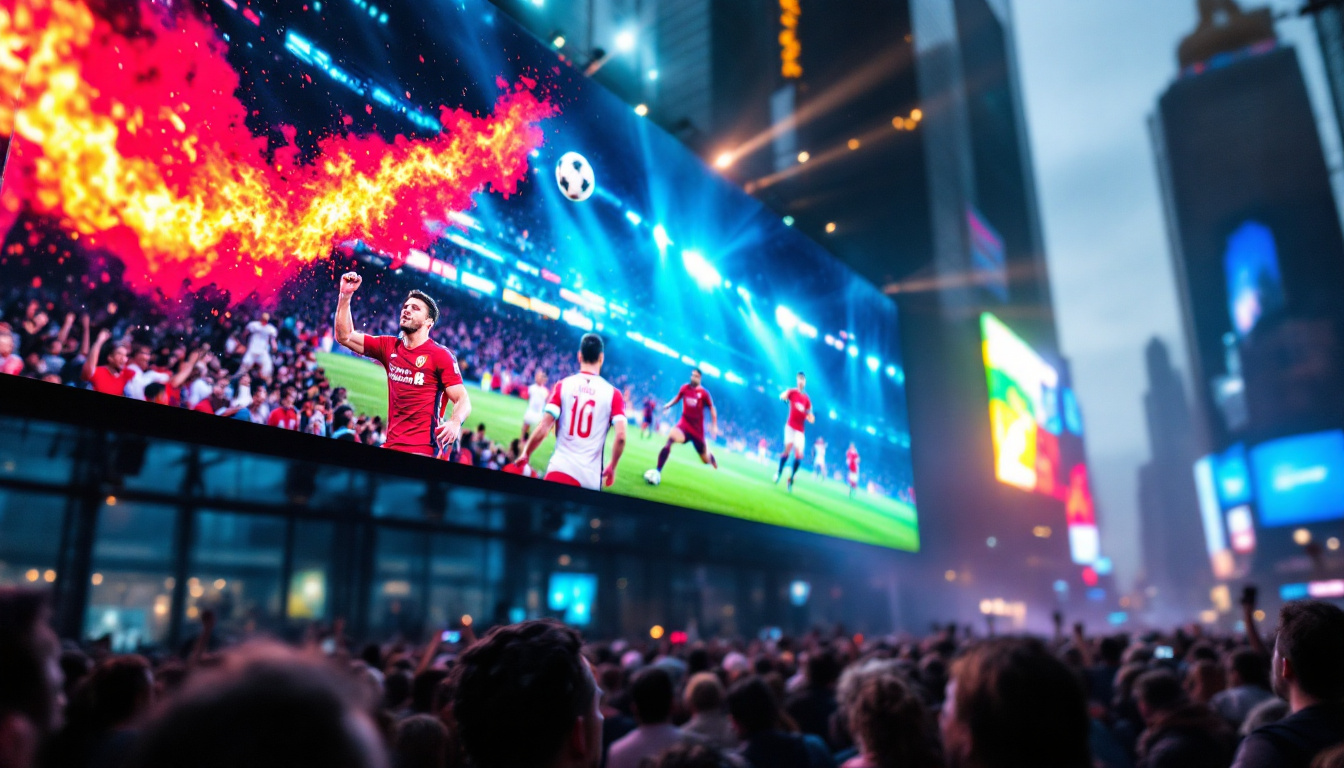
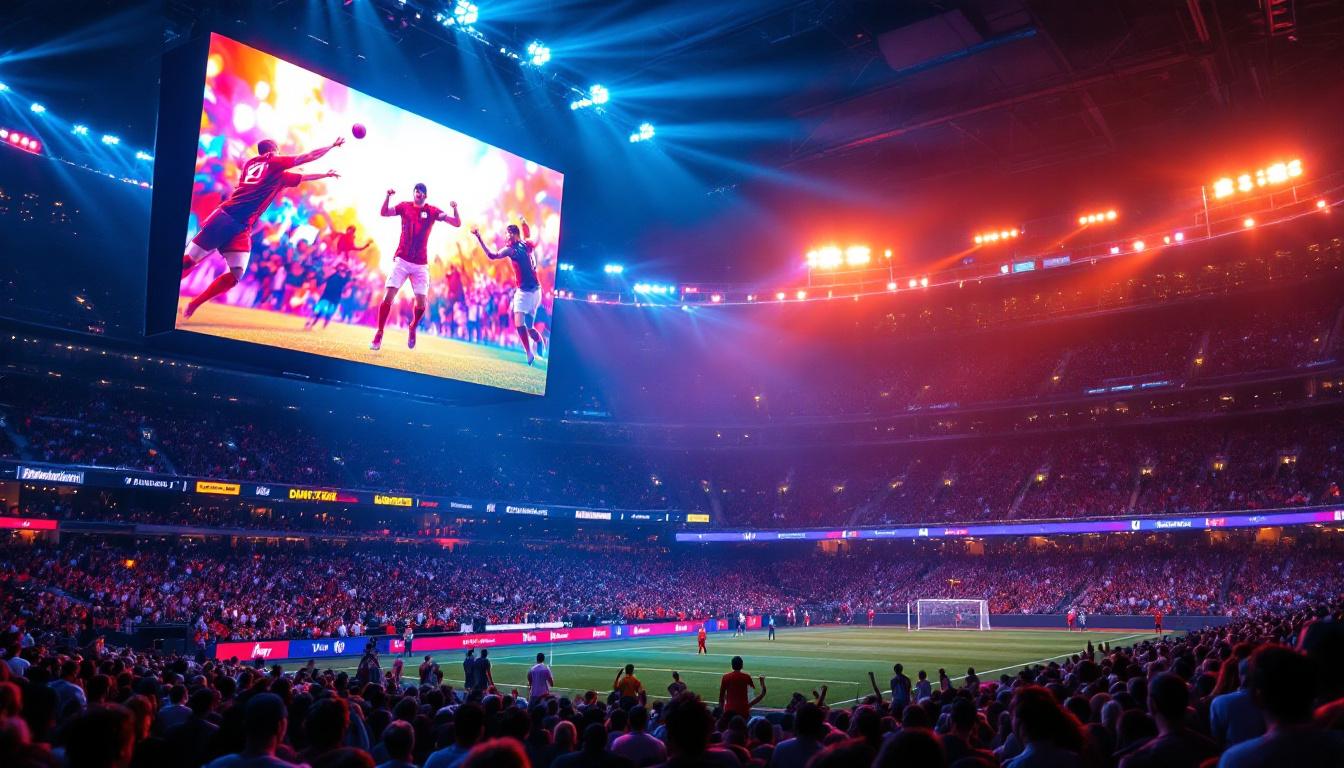
- Outdoor LED Displays: Built to withstand harsh weather conditions, these displays are brighter and more robust, with larger pixel pitches suitable for viewing from greater distances. Their durability ensures they can operate effectively in rain, snow, or extreme heat, making them ideal for stadiums, transportation hubs, and large-scale advertising.
- Flexible LED Displays: These innovative displays use flexible substrates, allowing for curved or irregular shapes, ideal for creative advertising and architectural applications. Their adaptability opens up new possibilities for design, enabling installations that can conform to unique spaces and enhance the aesthetic appeal of environments.
- Transparent LED Displays: Featuring a see-through design, these displays are used in retail windows and glass facades, blending digital content with physical surroundings. This technology not only captivates potential customers but also allows for interactive experiences that can enhance brand engagement.
As the technology continues to evolve, we are witnessing the emergence of even more advanced LED display solutions. For instance, MicroLED technology is gaining traction, offering even smaller pixel sizes and superior color accuracy, which could redefine the standards for high-end displays. Furthermore, advancements in smart LED technology are paving the way for displays that can adapt to their environment, adjusting brightness and content based on ambient light conditions or viewer proximity. This level of interactivity and responsiveness is set to transform the user experience across various sectors, from retail to entertainment.
What Makes an LED Display “Cheap”?
The phrase “Cheap LED” can mean different things depending on context. Generally, it refers to LED displays that are priced lower than typical market offerings. However, affordability can come from various factors, not all of which guarantee quality or longevity.
Factors Influencing LED Display Cost
Several elements contribute to the cost of an LED display:
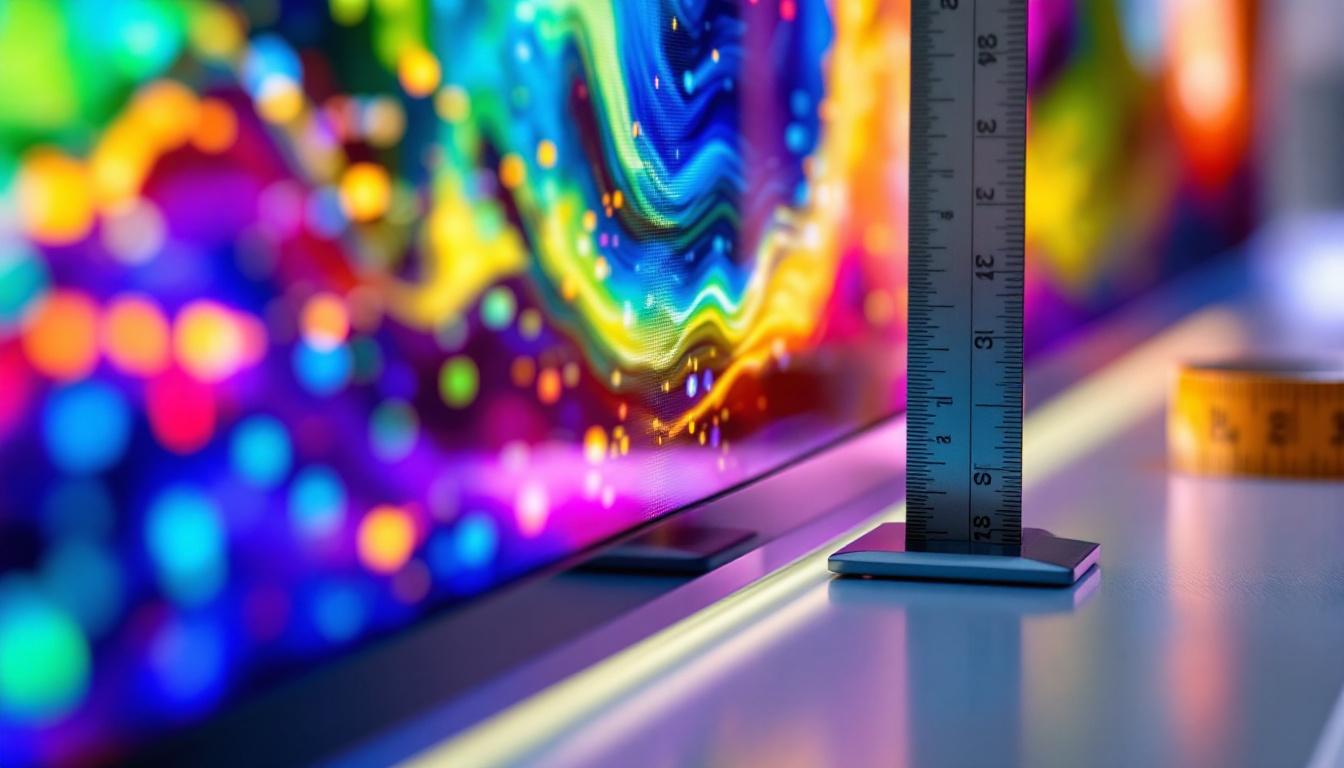
- Pixel Pitch: This is the distance between the centers of two adjacent LEDs. Smaller pixel pitches mean higher resolution and sharper images but increase manufacturing costs.
- LED Quality: The quality of the LEDs themselves affects brightness, color accuracy, and lifespan. Lower-quality LEDs may reduce cost but can lead to dimmer displays and faster degradation.
- Module and Cabinet Build: The materials and design of the modules and cabinets impact durability and weather resistance, especially for outdoor displays.
- Control Systems: Advanced control systems enable better image processing and synchronization but add to the price.
- Brand and Warranty: Established brands often charge a premium for reliability and customer support, whereas lesser-known manufacturers might offer lower prices with limited warranties.
Cheap LED displays often achieve lower prices by using larger pixel pitches, less durable materials, or simplified control systems. While these choices reduce upfront costs, they may affect performance and maintenance expenses over time. For instance, a display with a larger pixel pitch may suffice for a distant viewing audience, but it could compromise the visual experience for those closer to the screen, leading to potential customer dissatisfaction.
Examples of Affordable LED Display Applications
For businesses or individuals on a budget, affordable LED displays can still be highly effective in certain scenarios:
- Event Signage: Temporary installations for concerts, fairs, or conferences where high resolution is less critical.
- Basic Outdoor Advertising: Billboards viewed from a distance where larger pixel pitches are acceptable.
- Retail Promotions: Small indoor displays for price tags, promotional messages, or product highlights.
In these contexts, opting for a budget-friendly LED display can deliver sufficient impact without a hefty investment. Moreover, the versatility of these displays allows them to be easily transported and set up, making them ideal for short-term events or seasonal promotions. Additionally, many businesses find that even lower-cost displays can be integrated with mobile applications or social media feeds, enhancing engagement without the need for expensive technology.
Furthermore, as technology advances, the gap between low-cost and high-quality displays continues to narrow. Manufacturers are increasingly finding ways to produce affordable options that still offer decent performance, allowing small businesses and startups to leverage LED technology without breaking the bank. This democratization of display technology means that even those with limited budgets can create visually appealing environments that attract customers and enhance brand visibility.
Key Benefits of LED Displays Over Other Technologies
Choosing an LED display—whether cheap or premium—offers distinct advantages compared to alternative display technologies like LCD or projection systems.
Brightness and Visibility
LED displays can achieve brightness levels exceeding 5,000 nits, making them clearly visible in direct sunlight. This is a critical advantage for outdoor advertising and public information displays, where ambient light conditions vary significantly.
Energy Efficiency
LEDs consume less power than traditional lighting and display technologies. This efficiency translates to lower operating costs, especially for large-scale or 24/7 installations.
Durability and Longevity
High-quality LED displays can last upwards of 100,000 hours, far surpassing the lifespan of LCD panels. Their solid-state nature makes them resistant to shock and vibration, suitable for mobile or rugged environments.
Color Accuracy and Contrast
LEDs provide vibrant colors and deep blacks due to their ability to be individually controlled and turned off completely. This capability enhances image quality and viewer engagement.
How to Choose the Right LED Display for Your Needs
Selecting the appropriate LED display requires balancing budget, application requirements, and expected performance. Here are essential considerations to guide your decision:
Define Your Use Case
Understanding where and how the display will be used is fundamental. Indoor displays for close-range viewing demand higher resolution and finer pixel pitch, while outdoor billboards can tolerate larger pitches and prioritize brightness and weather resistance.
Evaluate Resolution and Pixel Pitch
Resolution affects image clarity. For example, a pixel pitch of 1.5mm is ideal for indoor environments with close viewing distances, whereas 10mm or more is common for outdoor displays viewed from afar. Choosing the right pixel pitch ensures content looks sharp without unnecessary expense.
Consider Brightness and Environmental Conditions
Outdoor displays require higher brightness levels (typically above 5,000 nits) and weatherproof enclosures rated at least IP65 to withstand rain, dust, and temperature fluctuations. Indoor displays can operate at lower brightness and may not need such rugged construction.
Check for Warranty and Support
A reliable warranty and responsive customer support can save significant costs and headaches over the display’s lifespan. Even budget-friendly options should come with clear service terms.
Review Installation and Maintenance Requirements
Some LED displays are modular and easy to install or repair, while others require professional setup. Maintenance accessibility is crucial for long-term operation, especially in outdoor or hard-to-reach locations.
Emerging Trends in Affordable LED Displays
The LED display market continues to innovate, making advanced features more accessible at lower price points. Here are some trends shaping the future of cheap LED technology:
Mini-LED and Micro-LED Technologies
Mini-LED and Micro-LED displays offer improved brightness, contrast, and energy efficiency by using smaller LEDs. While currently more expensive, mass production and technological advances are driving prices down, making these options more affordable in coming years.
Smart and Interactive Displays
Integration with IoT and interactive technologies allows LED displays to deliver dynamic, personalized content. Budget models increasingly support these features, expanding their utility beyond static signage.
Eco-Friendly Manufacturing
Manufacturers are adopting sustainable materials and processes to reduce environmental impact. Affordable LED displays are benefiting from these advances, appealing to eco-conscious consumers and businesses.
Conclusion: Balancing Cost and Quality in LED Displays
Cheap LED displays offer an attractive entry point for many applications, but understanding the trade-offs is essential. By carefully evaluating pixel pitch, LED quality, brightness, and durability, buyers can select displays that meet their needs without overspending.
LED technology continues to evolve, bringing higher quality and innovative features within reach of tighter budgets. Whether for advertising, events, or informational purposes, LED displays remain a versatile and impactful choice in the digital age.
Discover Cutting-Edge LED Displays with LumenMatrix
Ready to elevate your visual communication with LED displays that combine affordability with high performance? Look no further than LumenMatrix, a pioneer in LED display technology. Our extensive range of solutions, including Indoor and Outdoor LED Wall Displays, Vehicle and Sports LED Displays, and innovative options like LED Poster, Floor, Custom, All-in-One, and Transparent Displays, are designed to captivate your audience and amplify your message. Experience the future of digital signage with LumenMatrix and transform your brand’s visibility today. Check out LumenMatrix LED Display Solutions and join the visual revolution.