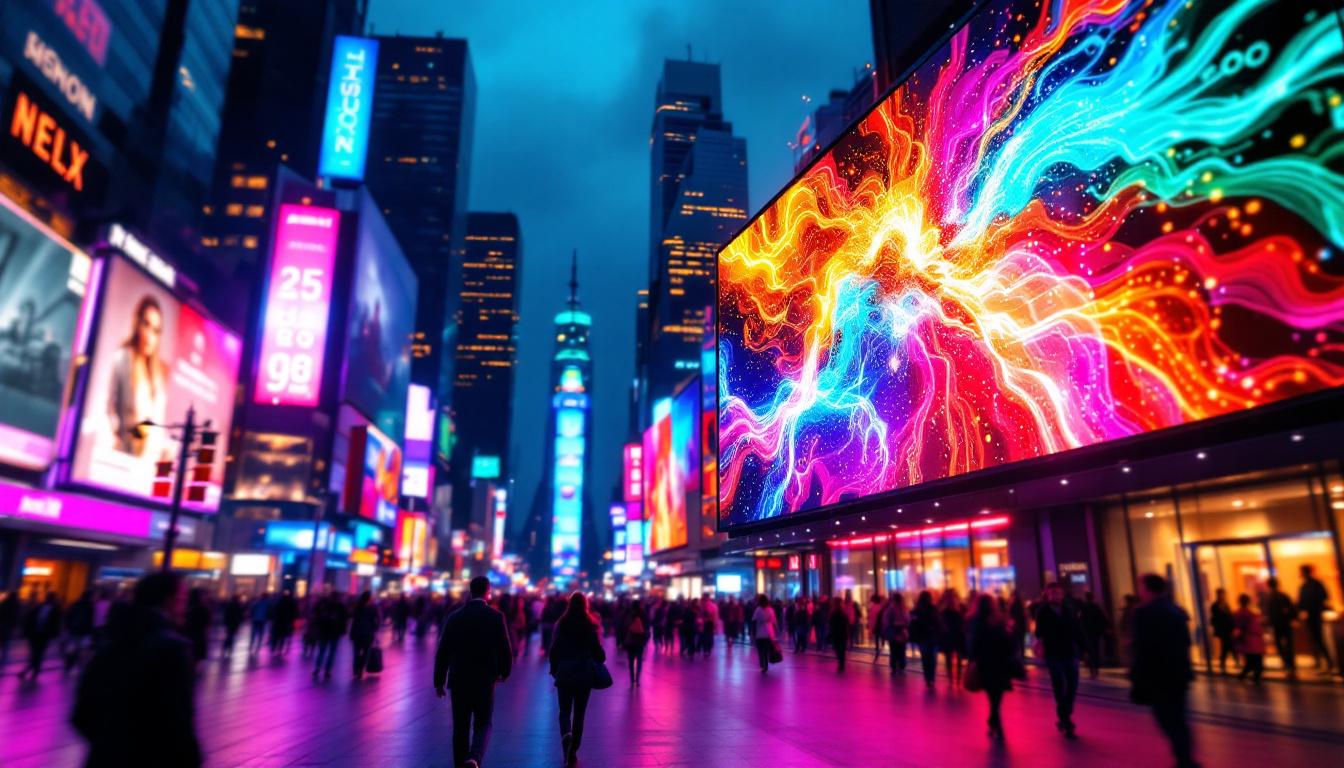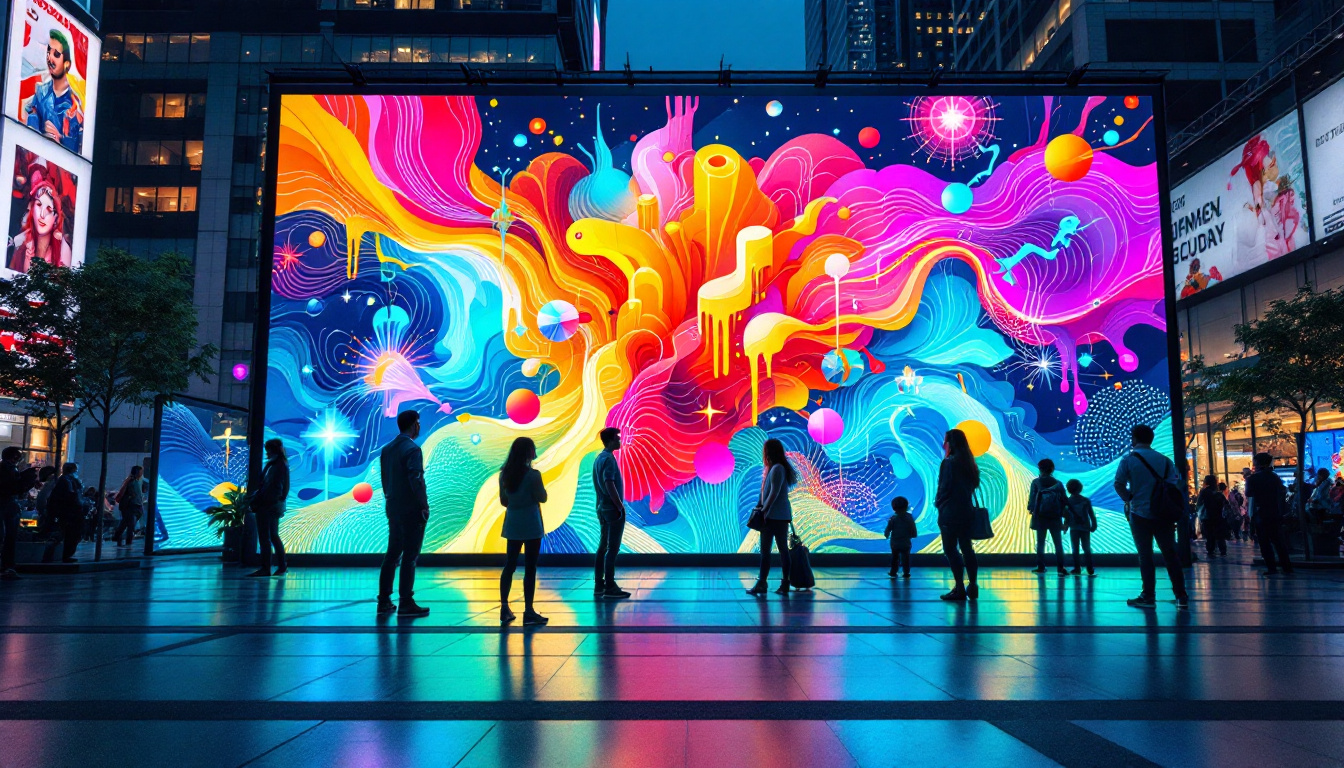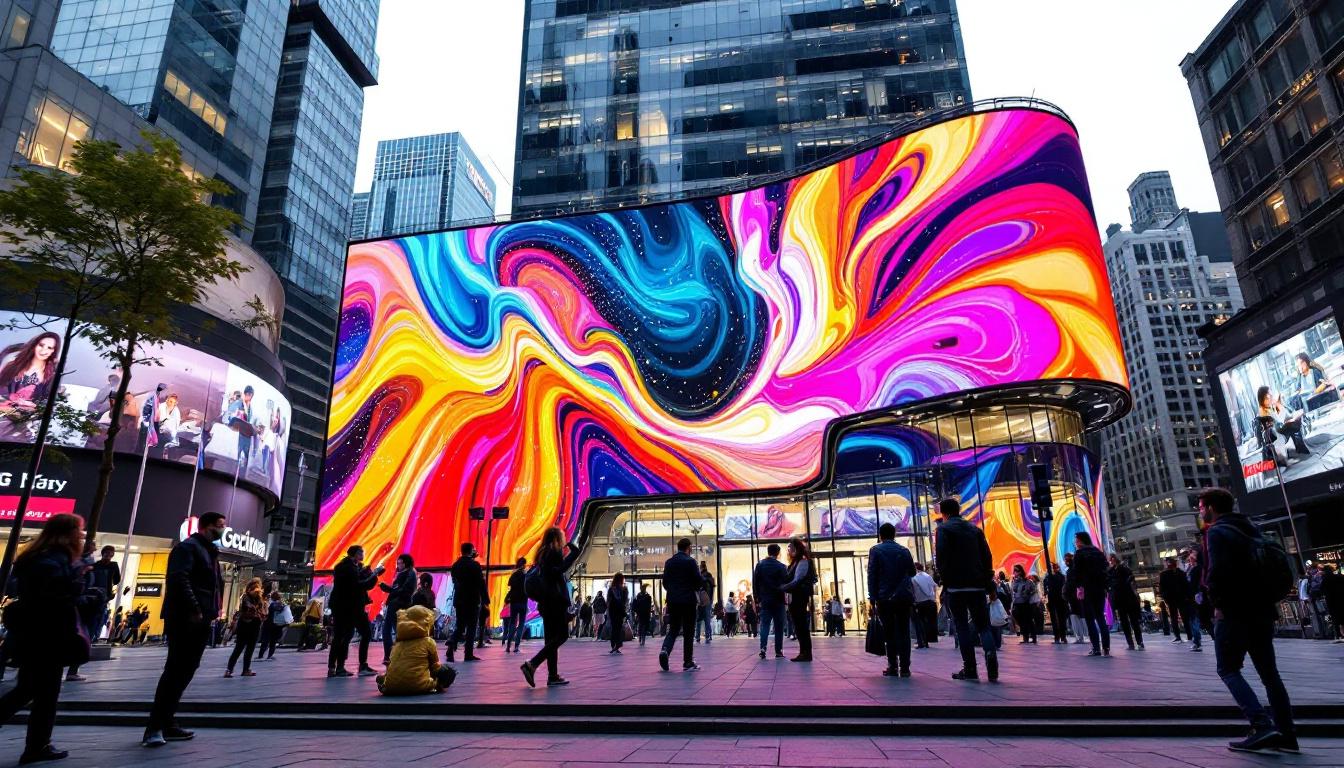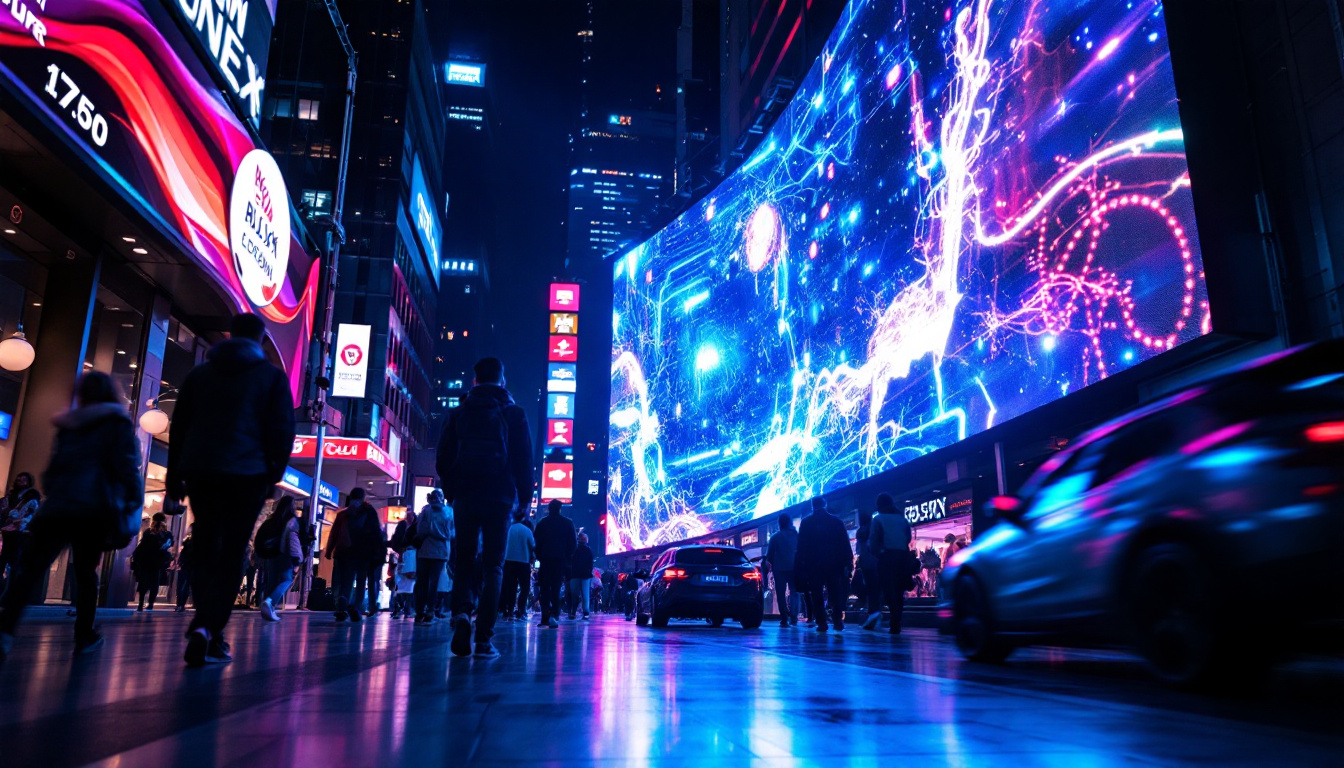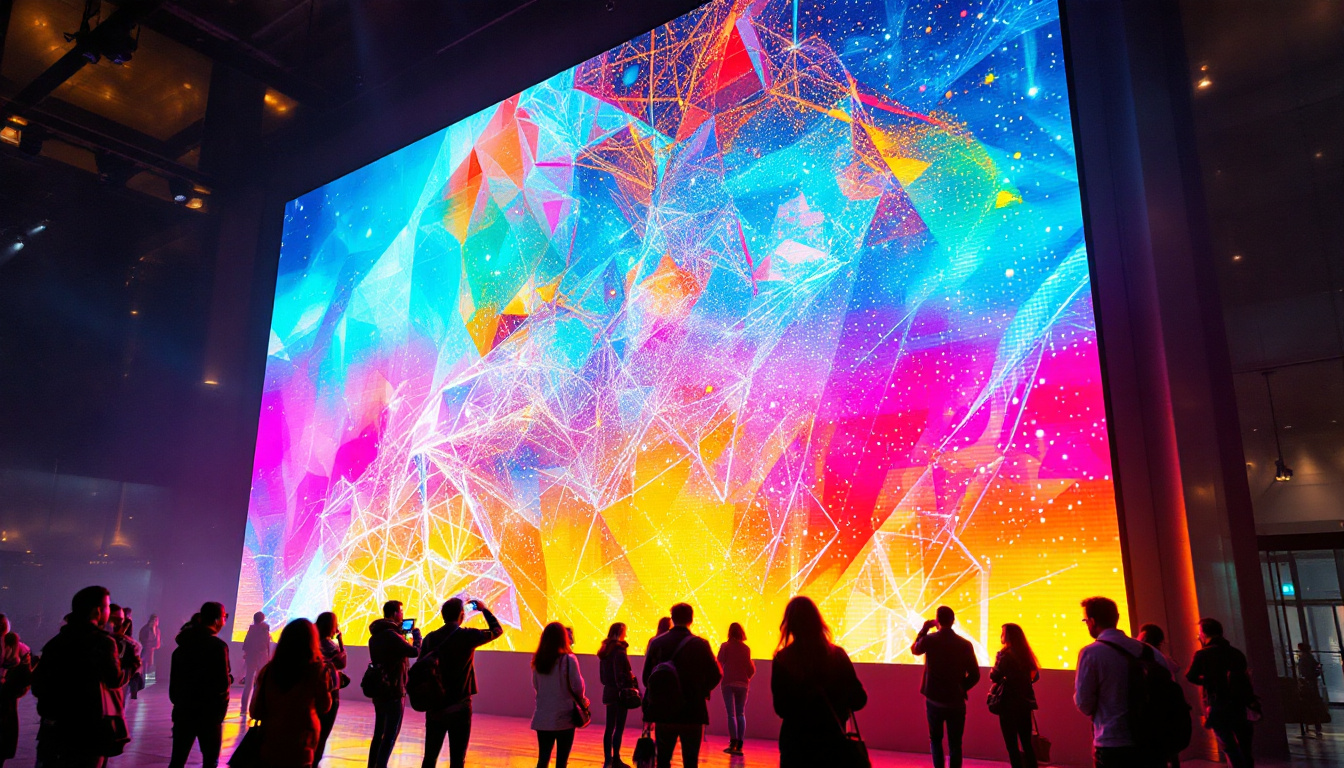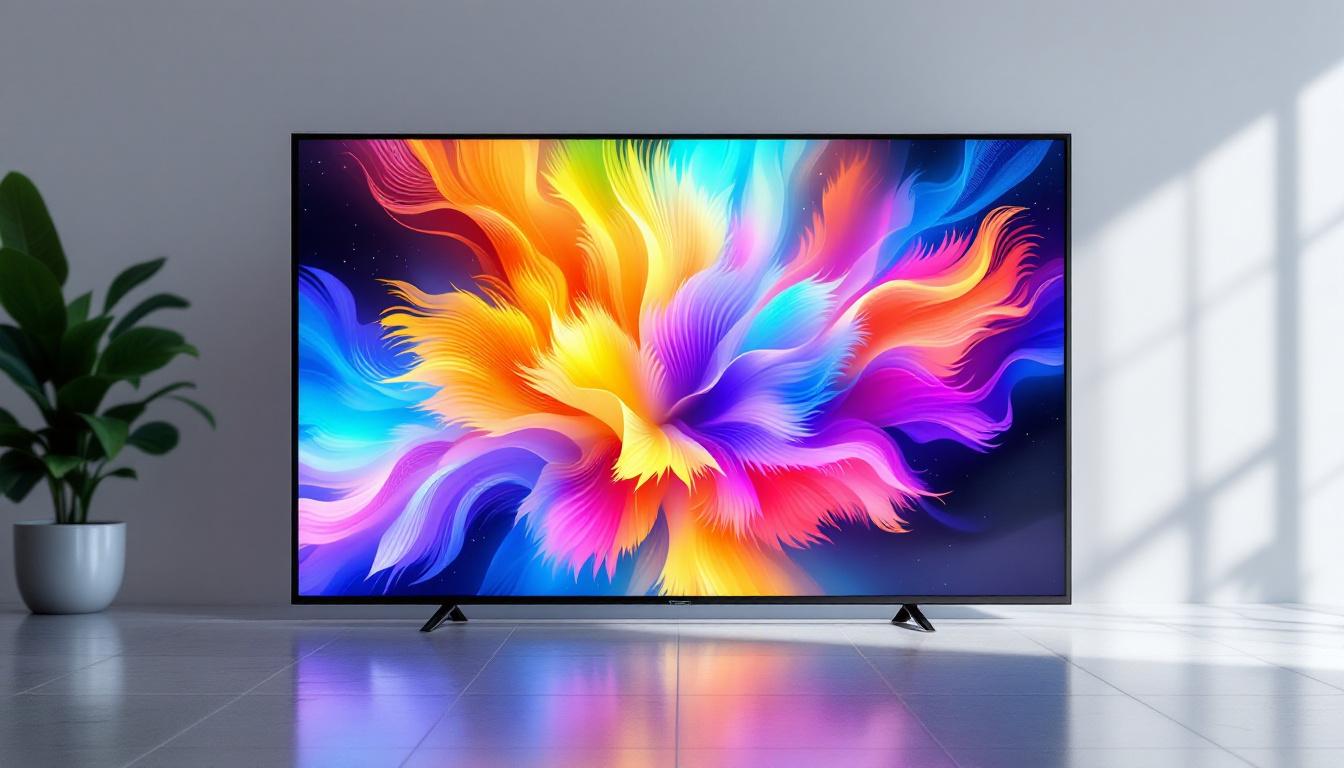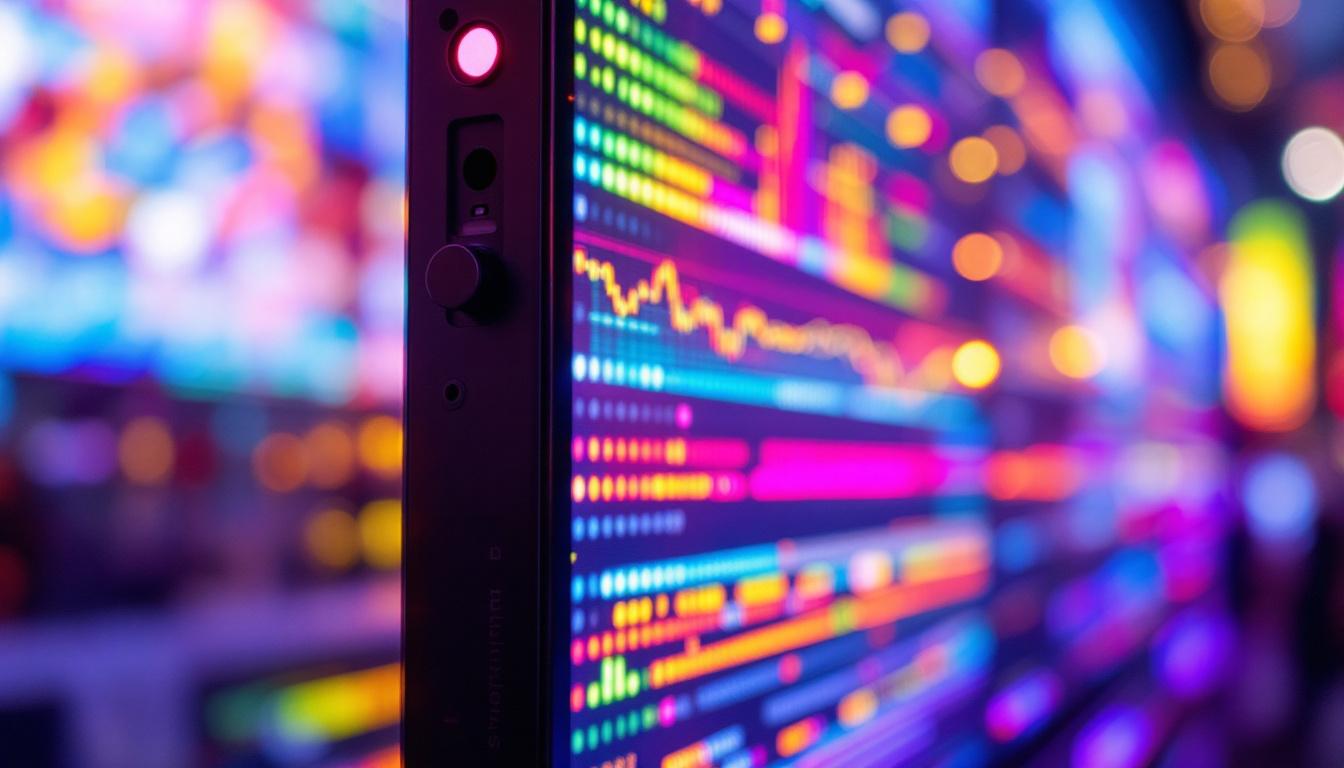
In today’s fast-paced digital world, LED displays have become a cornerstone technology for advertising, entertainment, information dissemination, and more. From the dazzling billboards in Times Square to the massive screens at sports arenas, LED displays capture attention with their vibrant colors and dynamic content. But what exactly goes into making these displays work so effectively? This article delves into the world of LED displays, explaining their technology, types, applications, and why they are increasingly preferred over other display technologies.
Understanding LED Display Technology
LED stands for Light Emitting Diode, a semiconductor device that emits light when an electric current passes through it. Unlike traditional display technologies such as LCD or plasma, LEDs produce their own light, which allows for higher brightness and better contrast ratios. This self-illumination capability is a key factor in the superior image quality and energy efficiency of LED displays.
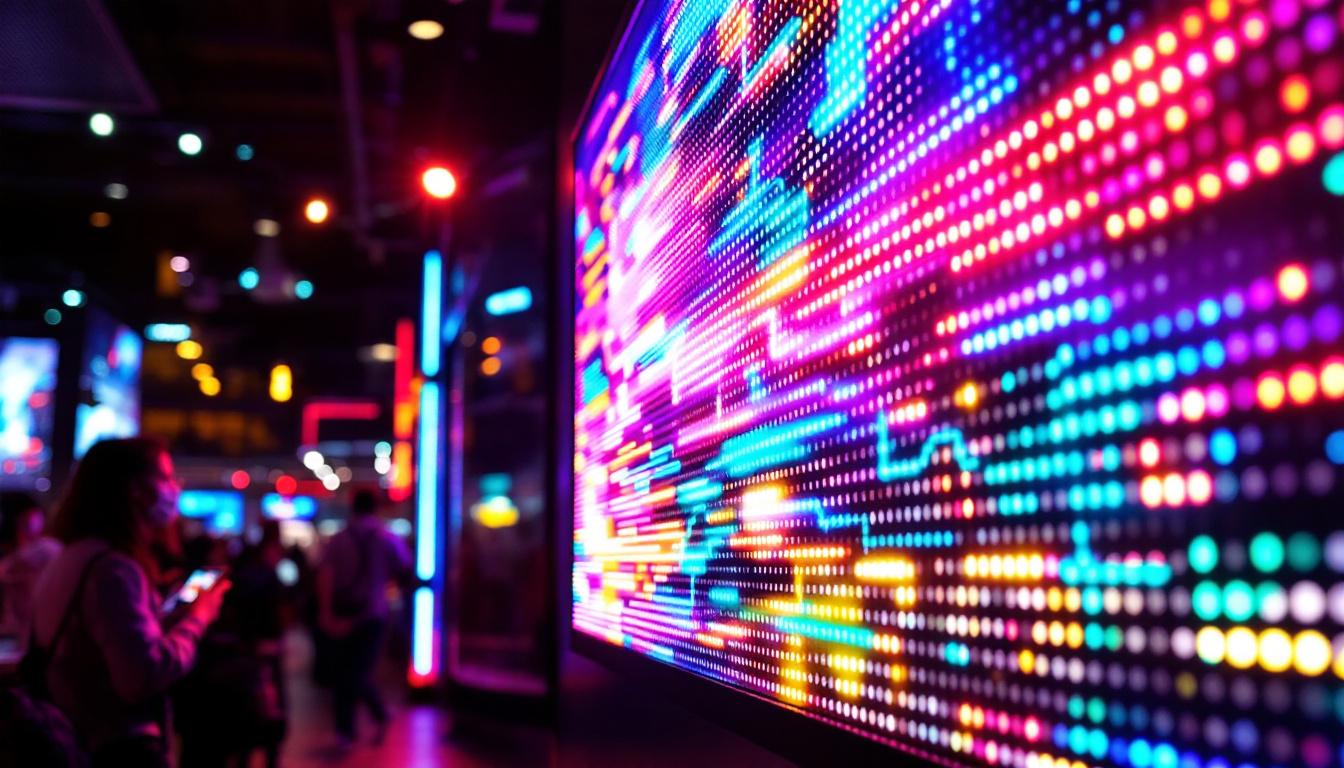
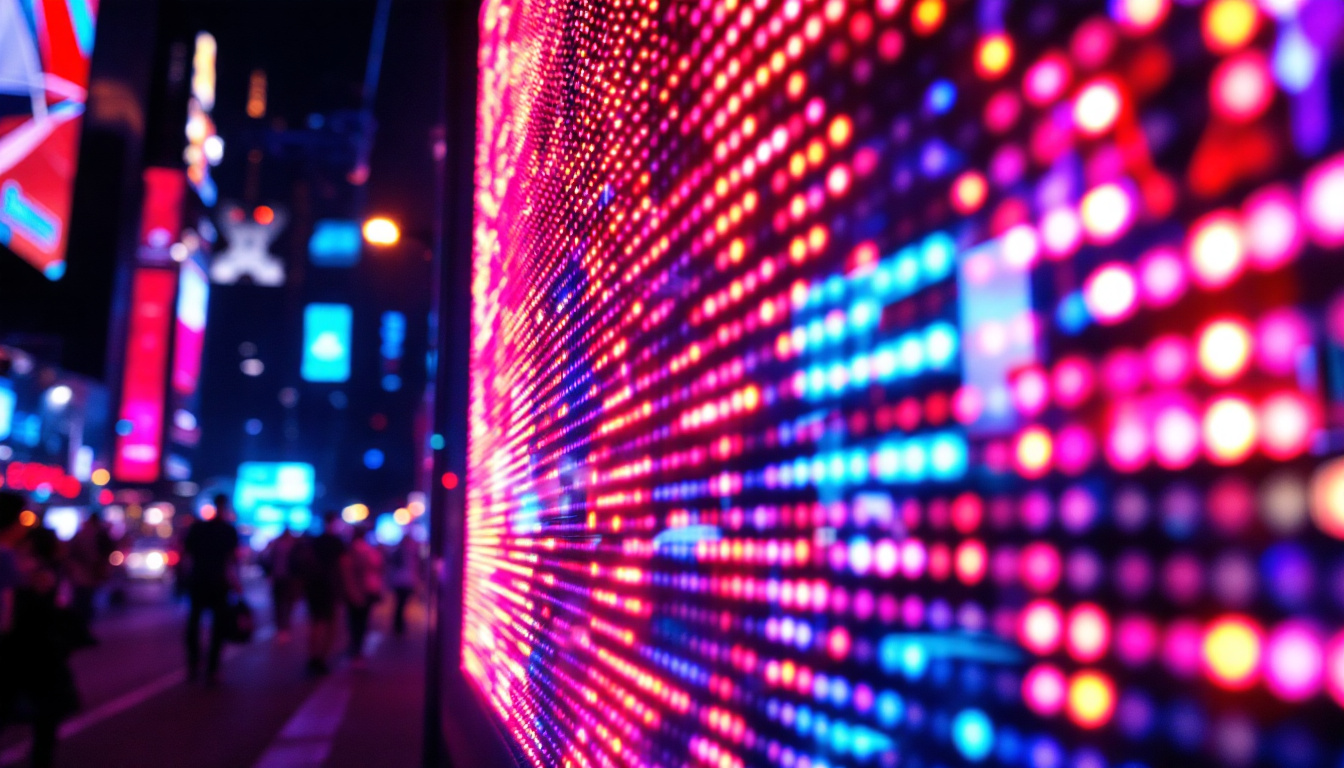
At the core of an LED display are thousands, sometimes millions, of tiny LED pixels arranged in a grid. Each pixel contains red, green, and blue diodes that combine to produce a full spectrum of colors. By adjusting the intensity of each diode, the display can render images and videos with remarkable clarity and color accuracy.
One of the most significant advantages of LED technology is its scalability. LED displays can be made in virtually any size and shape, from small digital signage screens to enormous outdoor billboards. This flexibility has driven the widespread adoption of LED displays across various industries. Furthermore, the durability of LED technology makes it ideal for both indoor and outdoor applications, as they can withstand harsh weather conditions and are less prone to damage compared to other display types.
How LED Displays Work
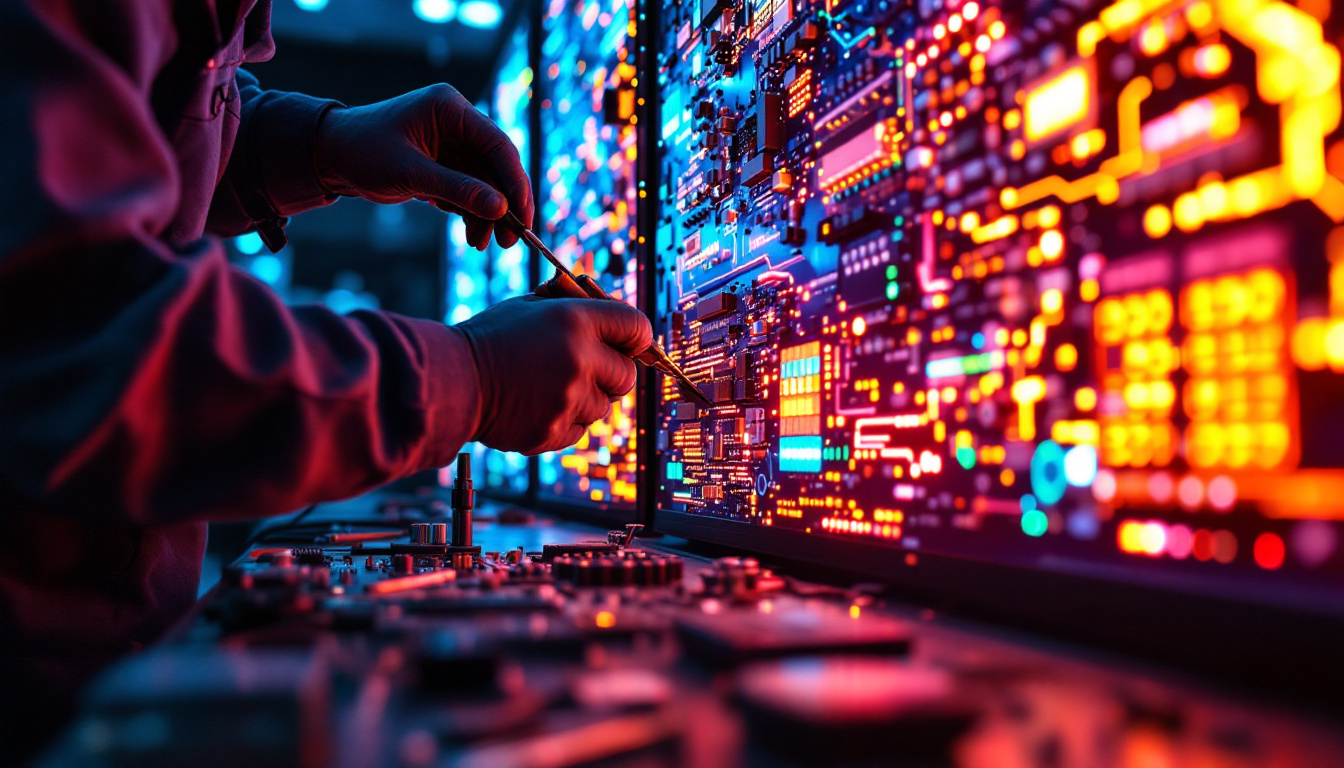
The operation of an LED display involves several components working in harmony. First, the display controller receives input signals, typically video data, from a media player or computer. This data is processed and sent to the LED driver circuits, which regulate the current flowing to each LED pixel. By controlling the brightness of individual diodes, the display can create detailed images.
Modern LED displays often incorporate advanced features like high refresh rates, HDR (High Dynamic Range), and wide color gamut support. These features enhance the viewing experience by reducing flicker, increasing color depth, and improving overall image quality. Additionally, many LED displays now come equipped with smart technology, allowing for connectivity to the internet and integration with various content management systems. This capability enables real-time updates and remote management, making it easier for businesses to display dynamic content that can be tailored to specific audiences or events.
Moreover, the evolution of LED technology has led to the development of new types of displays, such as MicroLED and MiniLED, which offer even finer pixel densities and improved performance. MicroLED, for instance, utilizes microscopic LEDs that can be arranged to create seamless, high-resolution displays without the need for a backlight. This innovation not only enhances image quality but also contributes to lower energy consumption, making it a sustainable choice for future display solutions.
Types of LED Displays
LED displays come in various forms, each suited to different applications and environments. Understanding the differences can help businesses and consumers choose the right type of display for their needs.
Indoor LED Displays
Indoor LED displays are designed for environments with controlled lighting conditions, such as shopping malls, conference rooms, and retail stores. These displays typically have a higher pixel density, resulting in sharper images and finer detail. Pixel pitch, the distance between individual LED pixels, is usually smaller (ranging from 1mm to 4mm) to accommodate close viewing distances.
Because indoor environments are less exposed to harsh weather, indoor LED displays do not require heavy-duty protective casings. They focus more on delivering high resolution and color accuracy, making them ideal for digital signage, video walls, and interactive displays.
Outdoor LED Displays
Outdoor LED displays are built to withstand extreme weather conditions, including rain, wind, dust, and sunlight. These displays have a larger pixel pitch (typically 4mm to 20mm) to ensure visibility from greater distances. They also feature higher brightness levels, often exceeding 5,000 nits, to remain clear and vibrant even under direct sunlight.
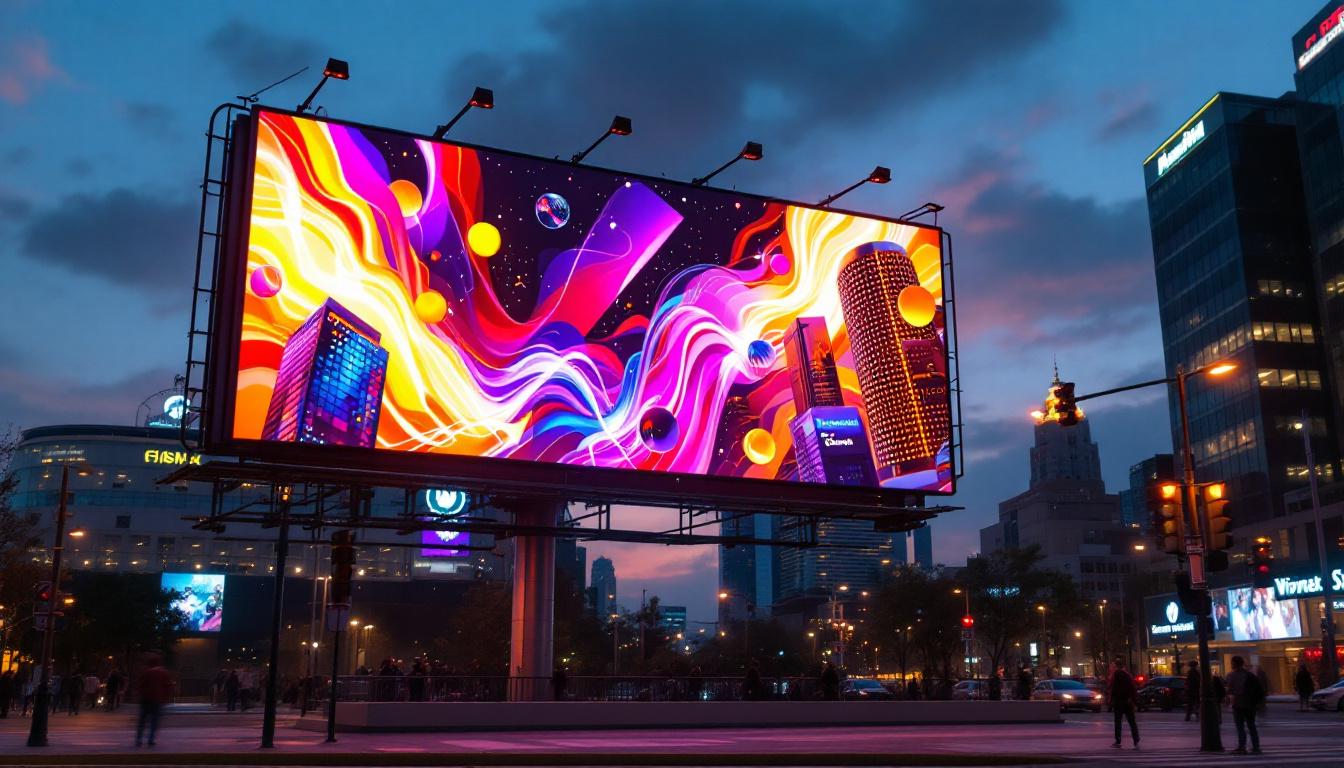
Common applications of outdoor LED displays include billboards, stadium screens, transportation signage, and public information boards. Their durability and visibility make them indispensable for outdoor advertising and communication.
Flexible and Transparent LED Displays
Recent advancements have introduced flexible and transparent LED displays, expanding the possibilities for creative installations. Flexible LED screens can bend and curve, allowing for unique shapes and designs in architectural projects and stage productions.
Transparent LED displays, on the other hand, allow light to pass through, making them perfect for glass windows and storefronts. These displays can show dynamic content without obstructing the view, blending digital and physical environments seamlessly.
Applications of LED Displays
The versatility of LED displays has led to their adoption across a wide range of industries and use cases. Their ability to deliver bright, colorful, and dynamic content makes them ideal for both commercial and public applications.
Advertising and Marketing
One of the most visible uses of LED displays is in advertising. Digital billboards and signage attract attention with moving images and vibrant colors, outperforming static posters. According to recent industry reports, digital out-of-home (DOOH) advertising, which heavily relies on LED displays, is expected to grow at a compound annual growth rate (CAGR) of over 10% through 2027.
LED displays enable advertisers to update content remotely and instantly, allowing for timely promotions and targeted messaging. This flexibility enhances engagement and improves return on investment compared to traditional advertising methods.
Sports and Entertainment
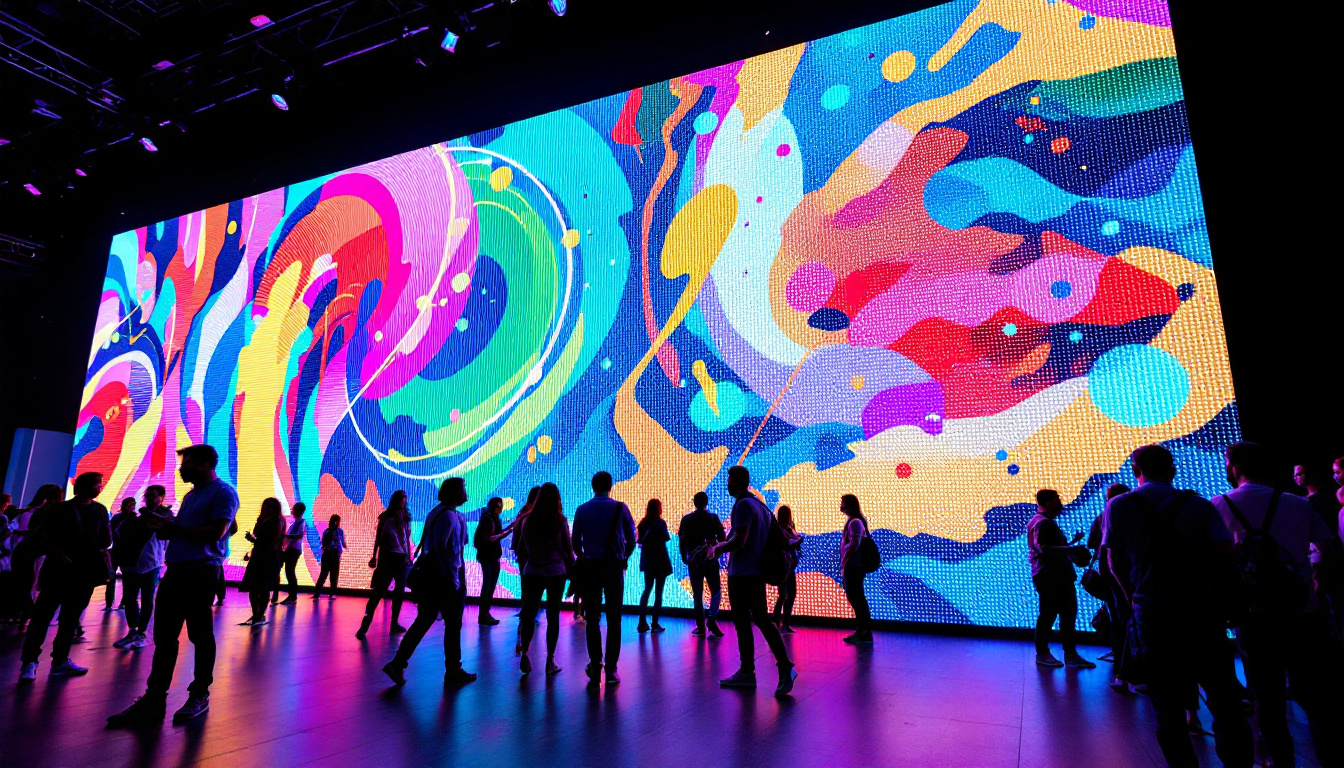
Sports arenas and concert venues utilize large-scale LED displays to enhance the spectator experience. These screens provide live action replays, scores, and interactive content that keep audiences engaged. The ability to produce ultra-high-definition visuals on massive screens is a game-changer for live events.
Moreover, LED displays are used in stage design and immersive experiences, where their brightness and color capabilities create stunning visual effects that captivate audiences.
Corporate and Educational Use
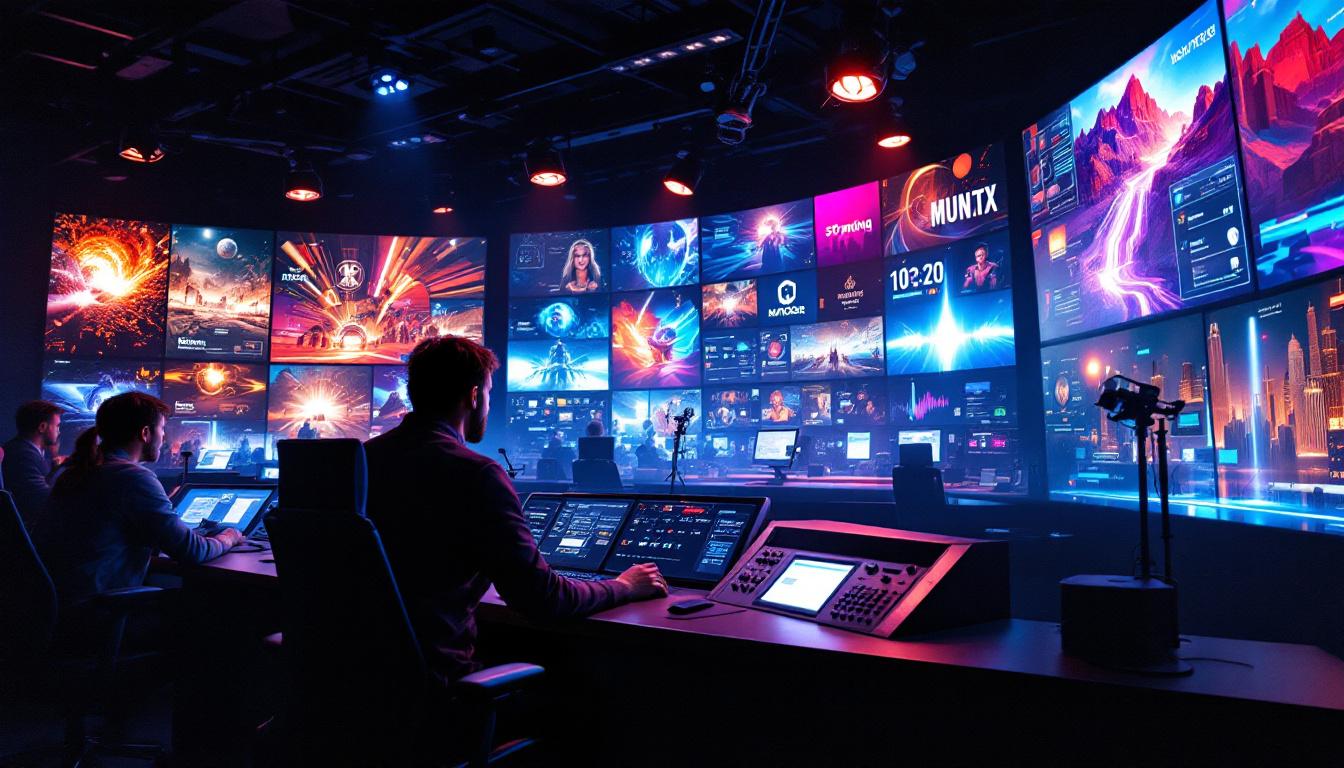
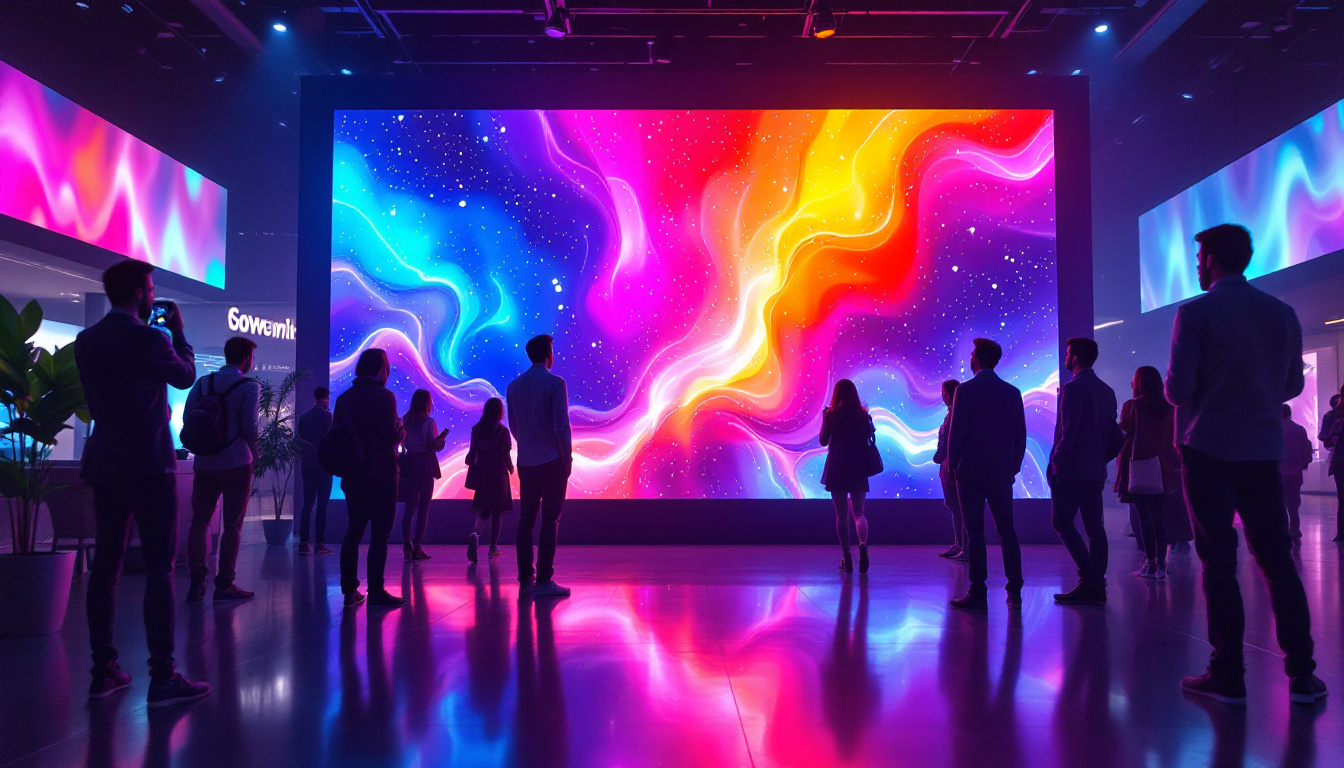
In corporate settings, LED video walls serve as powerful tools for presentations, video conferencing, and digital signage. Their high resolution and seamless scalability make them suitable for boardrooms, lobbies, and auditoriums.
Educational institutions also benefit from LED displays by using them for interactive learning, digital notice boards, and campus-wide communication. The clarity and brightness of LED screens ensure that information is accessible and engaging for students and staff alike.
Advantages of LED Displays Over Other Technologies
While LCD and OLED displays are common in consumer electronics, LED displays hold distinct advantages, especially for large-format and commercial applications.
Brightness and Visibility
LED displays can achieve brightness levels far beyond those of LCD screens, making them ideal for outdoor use where sunlight can wash out other display types. This brightness ensures content remains visible and impactful regardless of ambient lighting conditions.
Energy Efficiency and Longevity
LED technology is known for its energy efficiency. LEDs consume less power than traditional lighting and display technologies, which translates to lower operating costs. Additionally, LED displays have a long lifespan, often exceeding 100,000 hours of operation, reducing the need for frequent replacements and maintenance.
Durability and Flexibility
LED displays are robust and can be engineered to withstand harsh environments. Their modular design allows for easy repairs and upgrades. Furthermore, the flexibility of LED panels enables creative installations that are not possible with rigid LCD or plasma screens.
Key Considerations When Choosing an LED Display
Selecting the right LED display involves evaluating several factors to ensure optimal performance and return on investment.
Pixel Pitch and Resolution
The pixel pitch determines the resolution and viewing distance of the display. Smaller pixel pitch means higher resolution but also higher cost. For indoor applications where viewers are close, a pixel pitch of 1mm to 3mm is ideal. For outdoor displays viewed from a distance, a larger pixel pitch is more cost-effective and practical.
Brightness and Contrast Ratio
Brightness should be matched to the environment. Outdoor displays require high brightness levels (5,000 nits or more), while indoor displays can operate effectively at lower brightness. Contrast ratio affects image depth and clarity, so higher contrast ratios are preferable for detailed visuals.
Installation and Maintenance
Consider the ease of installation and access for maintenance. Modular LED panels simplify repairs and reduce downtime. Weatherproofing and protective enclosures are essential for outdoor displays to ensure longevity.
Content Management and Connectivity
Modern LED displays often come with integrated content management systems (CMS) that allow remote control and scheduling of content. Connectivity options such as Ethernet, Wi-Fi, and USB support flexible content delivery and integration with other digital systems.
The Future of LED Displays
As LED technology continues to evolve, new innovations are expanding the possibilities for display applications. MicroLED technology, which uses even smaller LEDs, promises higher resolution, better energy efficiency, and longer lifespan than current LED displays.
Additionally, the integration of AI and IoT technologies is enabling smarter LED displays that can adapt content based on audience demographics, environmental conditions, and real-time data. This level of interactivity and personalization is set to transform digital signage and advertising.
Environmental sustainability is also driving innovation, with manufacturers focusing on reducing the carbon footprint of LED displays through improved materials and energy-saving designs.
Conclusion
LED displays have revolutionized the way information and advertising are presented in public and private spaces. Their superior brightness, color accuracy, energy efficiency, and versatility make them the preferred choice across numerous industries. Understanding the technology behind LED displays, the different types available, and their applications can help businesses and organizations make informed decisions to maximize impact and engagement.
As the technology advances, LED displays will continue to offer new creative opportunities and enhanced performance, solidifying their role as a vital component of modern digital communication.
Discover Cutting-Edge LED Display Solutions
Ready to elevate your visual communication with the latest in LED technology? LumenMatrix is at the forefront of innovation, offering a diverse range of LED display solutions tailored to your needs. Whether you’re looking for an Indoor LED Wall Display to captivate your audience, an Outdoor LED Wall Display to withstand the elements, or specialized options like Vehicle LED Displays and LED Sports Displays, LumenMatrix has you covered. Experience the transformative power of LED displays and join the revolution in digital signage. Check out LumenMatrix LED Display Solutions today and see your vision come to life with unparalleled brightness, clarity, and efficiency.