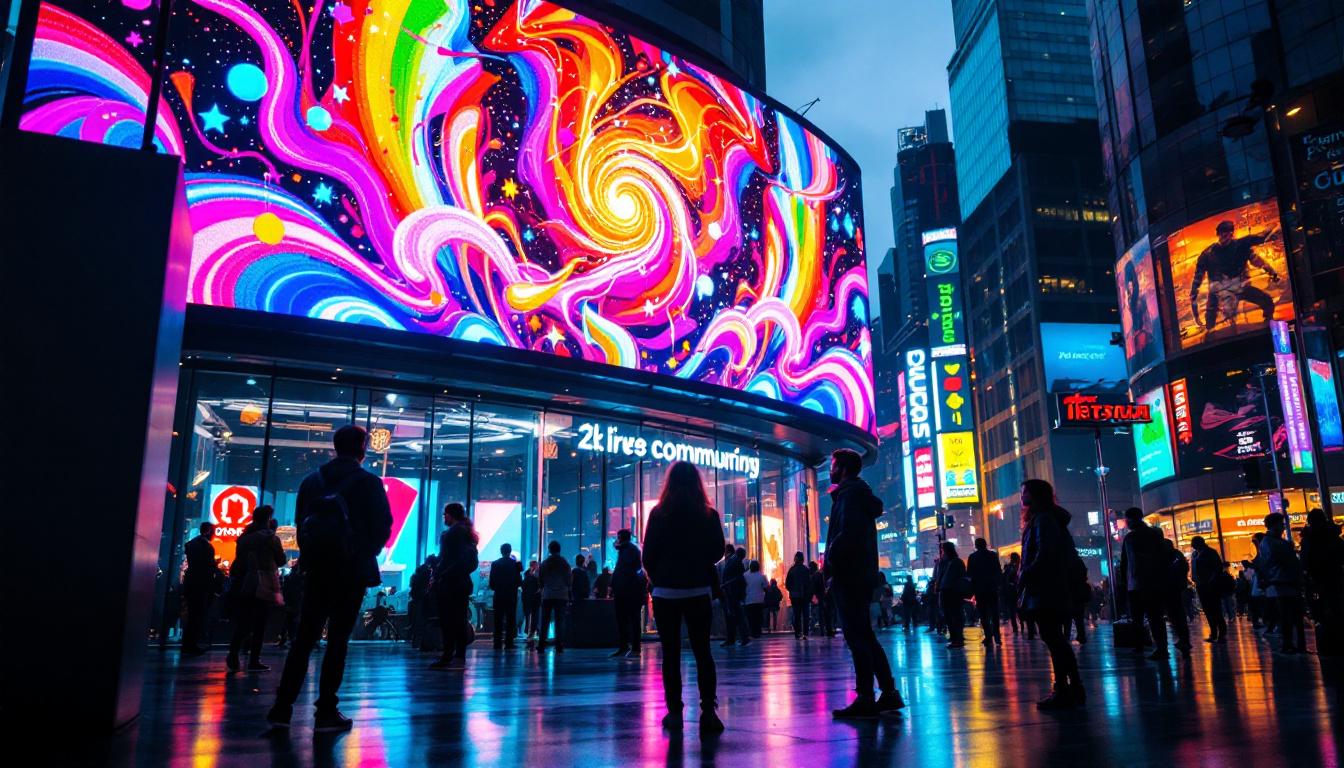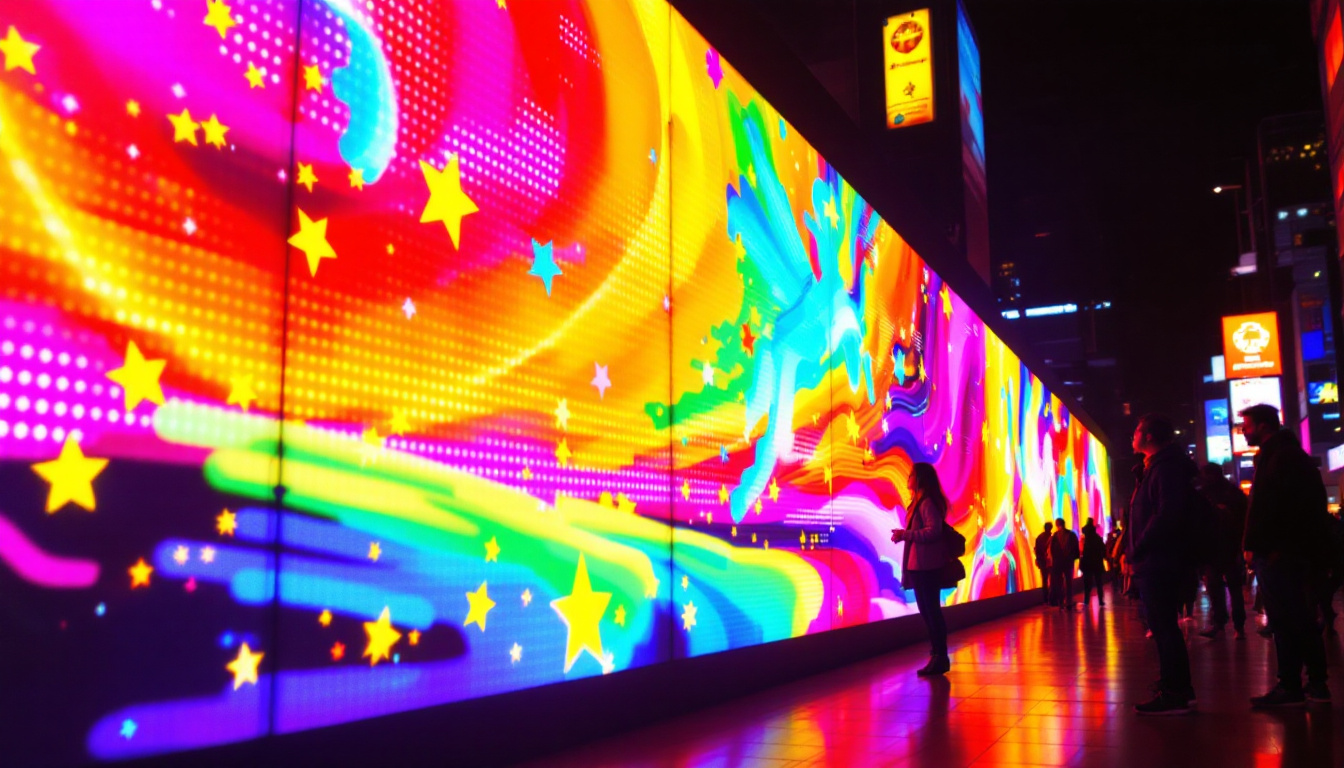
In the rapidly evolving world of digital technology, LED displays have become an integral part of how information and visuals are presented across various industries. From the vibrant billboards in Times Square to the ultra-high-definition screens in modern smartphones, LED technology powers a vast array of pixel displays that captivate audiences worldwide. This article delves into the fundamentals of LED displays, exploring their structure, types, applications, and the technological advancements shaping their future.
Understanding the Basics of LED Displays
What Is an LED Display?
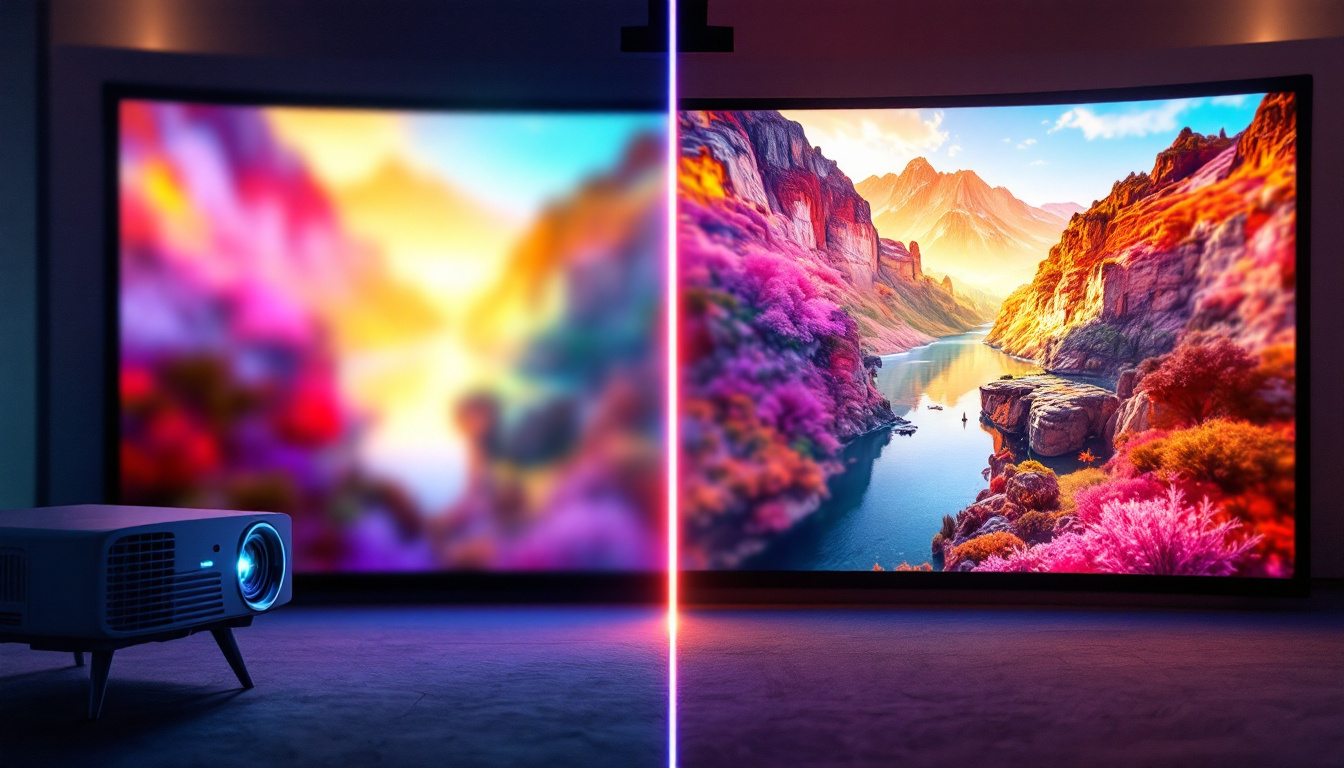
An LED (Light Emitting Diode) display is a flat-panel display technology that uses an array of tiny light-emitting diodes as pixels to create images. Each pixel typically consists of red, green, and blue LEDs, which combine to produce a full spectrum of colors through additive color mixing. Unlike traditional LCDs that rely on backlighting, LED displays emit their own light, resulting in brighter images and better contrast ratios.
LED displays are distinguished by their ability to produce vivid colors and high brightness levels, making them suitable for both indoor and outdoor environments. The self-emissive nature of LEDs allows for deeper blacks and more vibrant colors, which is why they are preferred for high-end displays such as televisions, digital signage, and large-scale video walls. Furthermore, the energy efficiency of LED technology means that these displays consume less power compared to older technologies, making them not only a visually appealing choice but also an environmentally friendly one. This has led to a growing trend in various sectors, including retail and entertainment, where businesses are increasingly opting for LED displays to attract customers with eye-catching visuals.
How Pixels Work in LED Displays
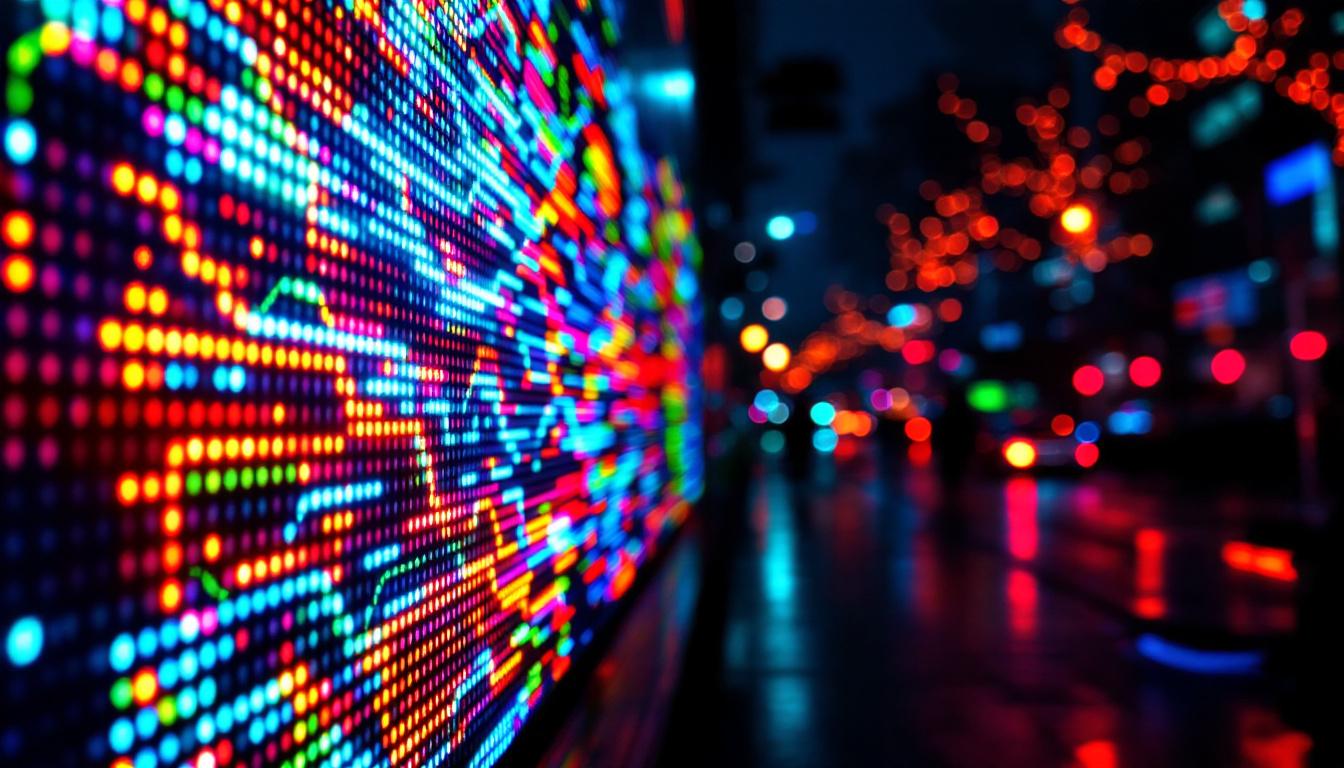
Pixels are the fundamental building blocks of any digital display. In an LED display, each pixel is made up of multiple LEDs that emit red, green, and blue light. By varying the intensity of these three colors, the pixel can produce millions of different colors. This process is known as RGB color mixing.
The resolution of an LED display depends on the number of pixels it contains. Higher pixel density means more pixels per inch (PPI), which translates to sharper and more detailed images. For example, a 4K LED display has approximately 8.3 million pixels, providing exceptional clarity for large screens. Additionally, advancements in technology have led to the development of ultra-high-definition displays, such as 8K, which boast even greater pixel counts and finer detail. This evolution not only enhances the viewing experience for consumers but also opens up new possibilities for applications in fields like virtual reality and augmented reality, where precision and detail are paramount. As the demand for high-quality visuals continues to rise, the importance of pixel technology in LED displays will only become more significant, driving innovation and creativity in digital content creation.
Types of LED Displays
Direct View LED Displays
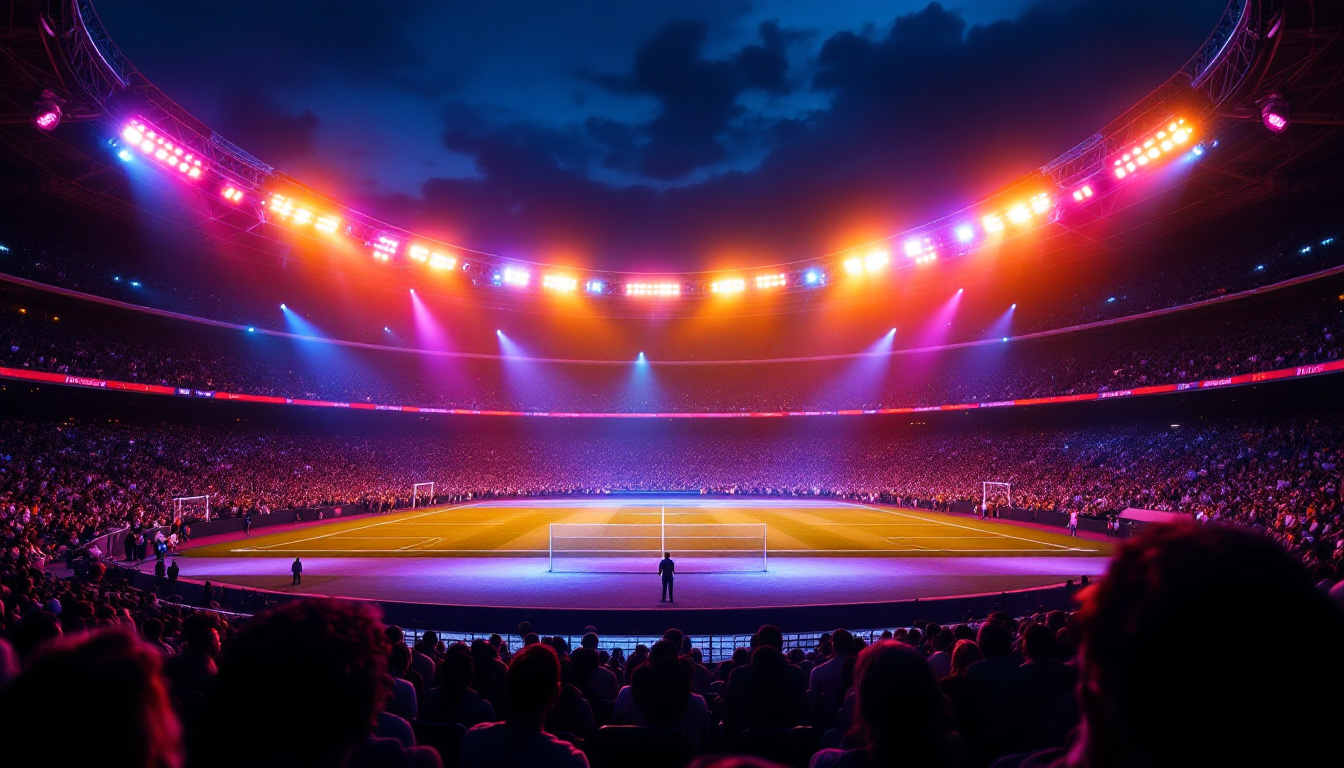
Direct view LED displays are composed of individual LEDs arranged in a matrix to form the image directly. These are commonly used in large-format applications such as stadium screens, outdoor billboards, and concert backdrops. Because the LEDs themselves produce the light, these displays can achieve extremely high brightness levels, making them visible even in direct sunlight.
One of the key advantages of direct view LED displays is their scalability. Panels can be combined seamlessly to create enormous screens of virtually any size. Additionally, the modular nature of these displays allows for easy maintenance and repair, as individual panels or pixels can be replaced without affecting the entire system.
LED-Backlit LCD Displays
Another prevalent form of LED display technology is the LED-backlit LCD. In these displays, LEDs serve as the backlight source behind an LCD panel, which modulates the light to create images. This technology is widely used in televisions, computer monitors, and smartphones.
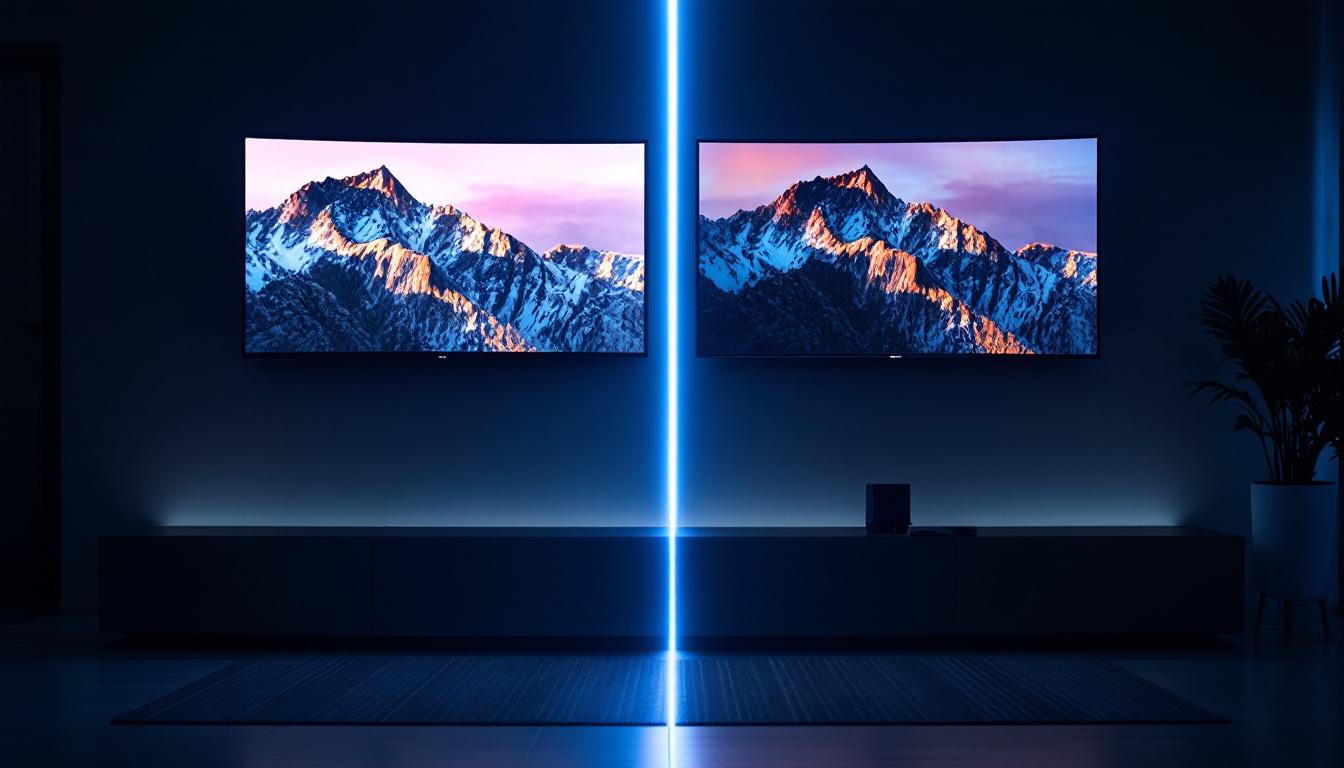
LED-backlit LCDs offer improved energy efficiency and thinner profiles compared to older CCFL (cold cathode fluorescent lamp) backlit LCDs. They also provide better color accuracy and contrast. However, since the light is still modulated by the LCD layer, the contrast ratios and black levels are generally not as deep as those found in direct view LED displays or OLED technology.
MicroLED and MiniLED: The Next Generation
Emerging technologies such as MicroLED and MiniLED are pushing the boundaries of LED display performance. MicroLED displays use microscopic LEDs as individual pixels, offering the benefits of self-emissive technology with higher brightness, improved energy efficiency, and longer lifespans compared to OLEDs.
MiniLED technology, on the other hand, uses thousands of tiny LEDs as a backlight behind an LCD panel, enabling better local dimming and higher contrast ratios. This technology is increasingly popular in high-end TVs and professional monitors, providing a middle ground between traditional LED-backlit LCDs and MicroLED displays.
Applications of LED Displays
Advertising and Digital Signage
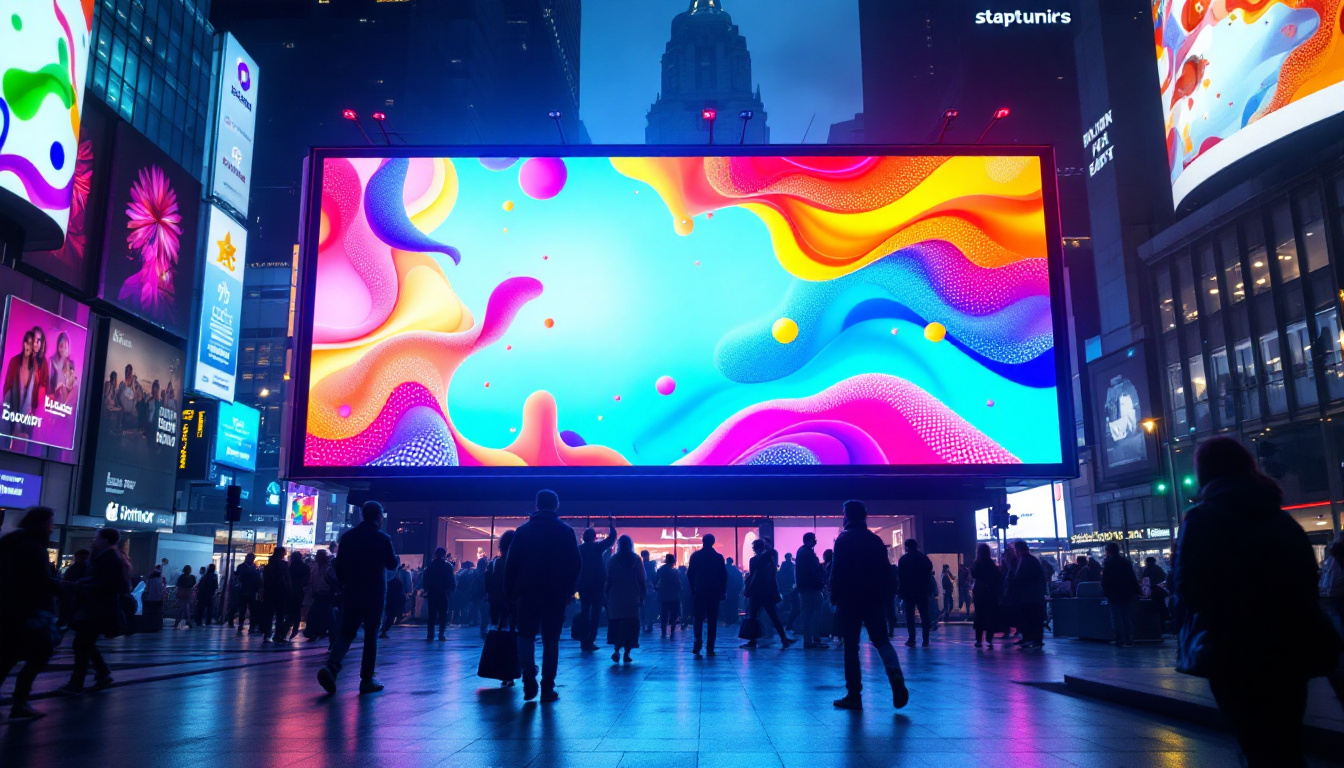
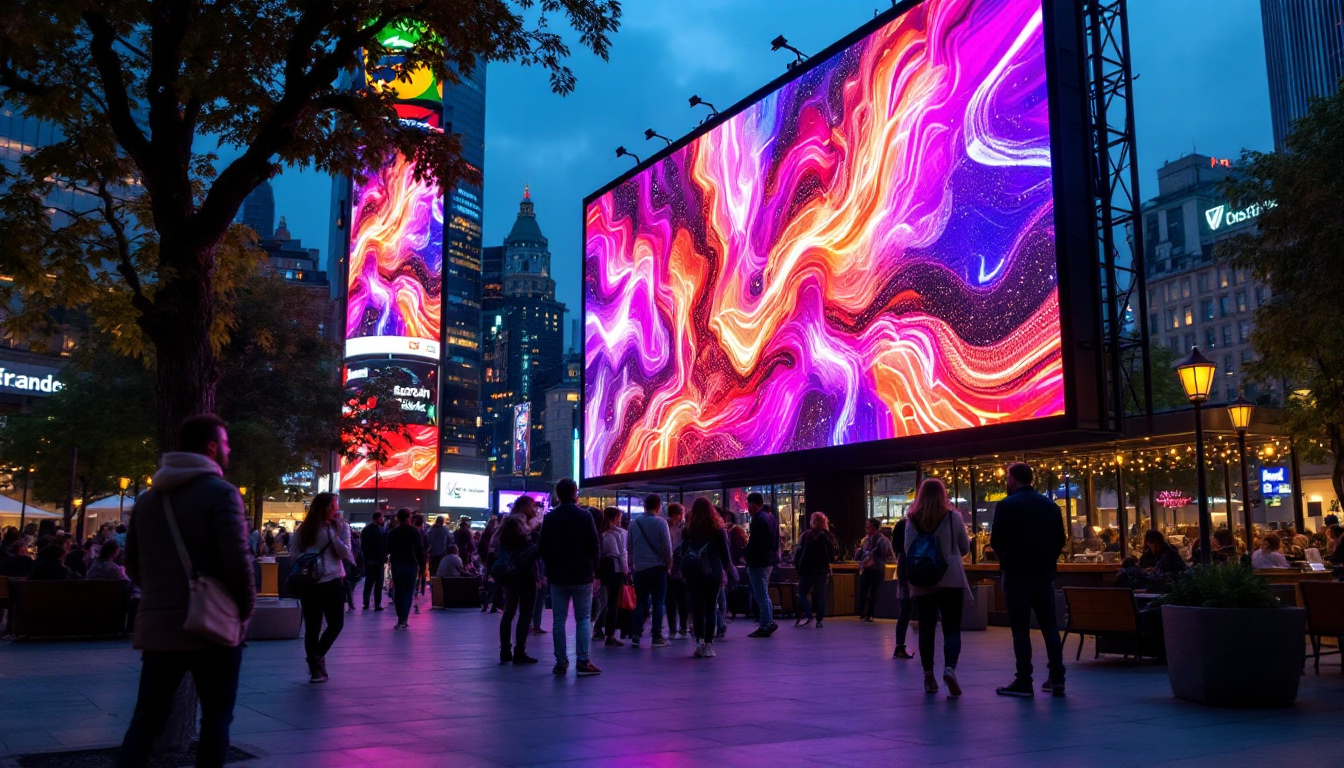
One of the most visible uses of LED displays is in advertising and digital signage. The ability to display dynamic, high-brightness content makes LED displays ideal for outdoor billboards, transit shelters, and retail environments. According to market research, the global digital signage market is expected to reach over $32 billion by 2028, with LED displays accounting for a significant share due to their versatility and durability.
LED displays enable advertisers to deliver real-time content updates, interactive experiences, and high-impact visuals that attract consumer attention. Their energy efficiency and long operational life also make them cost-effective solutions for businesses aiming to maximize return on investment.
Entertainment and Events
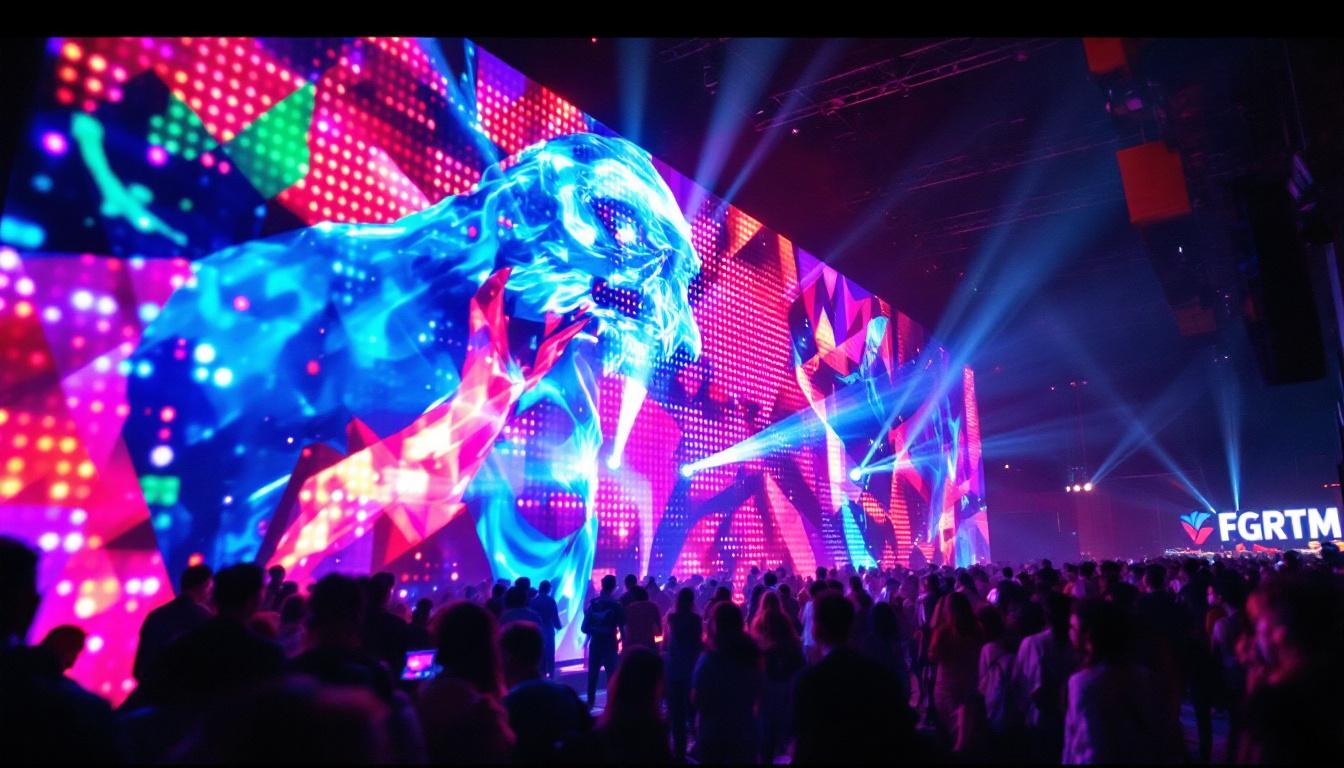
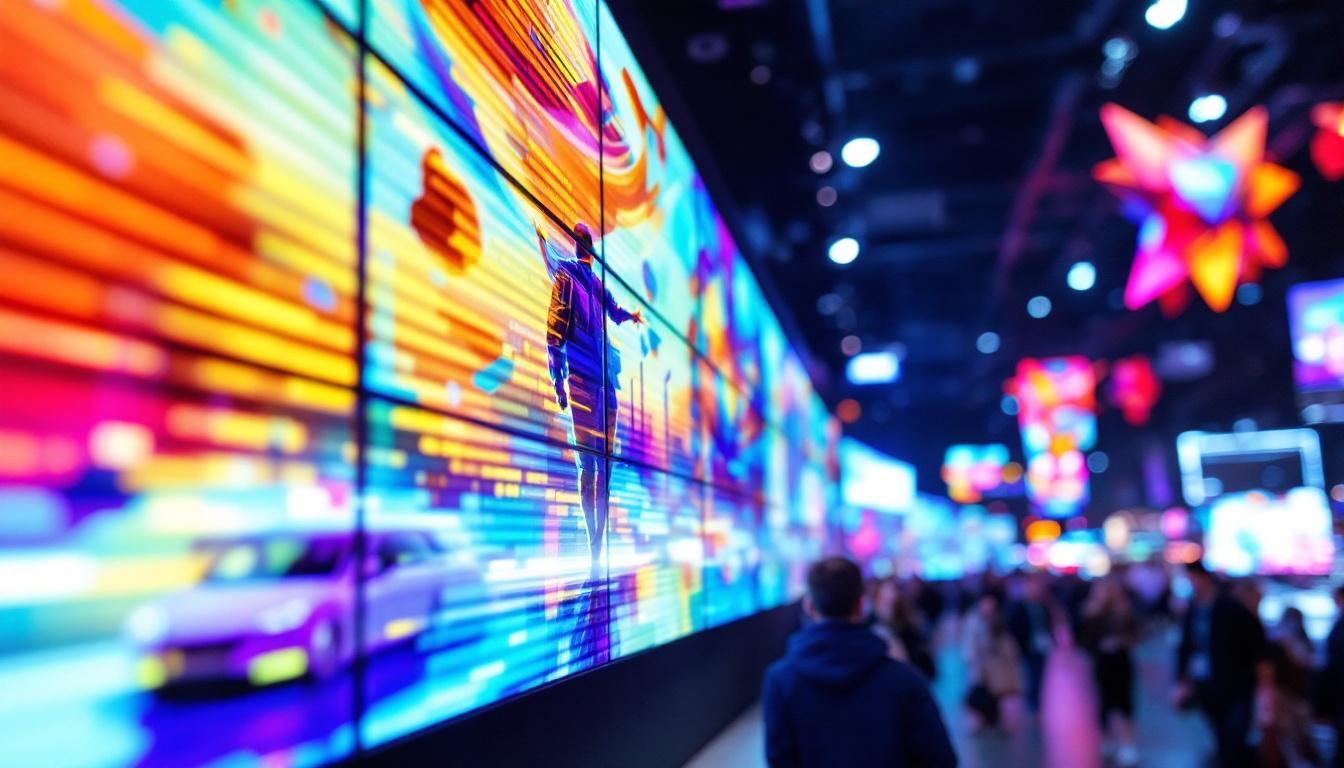
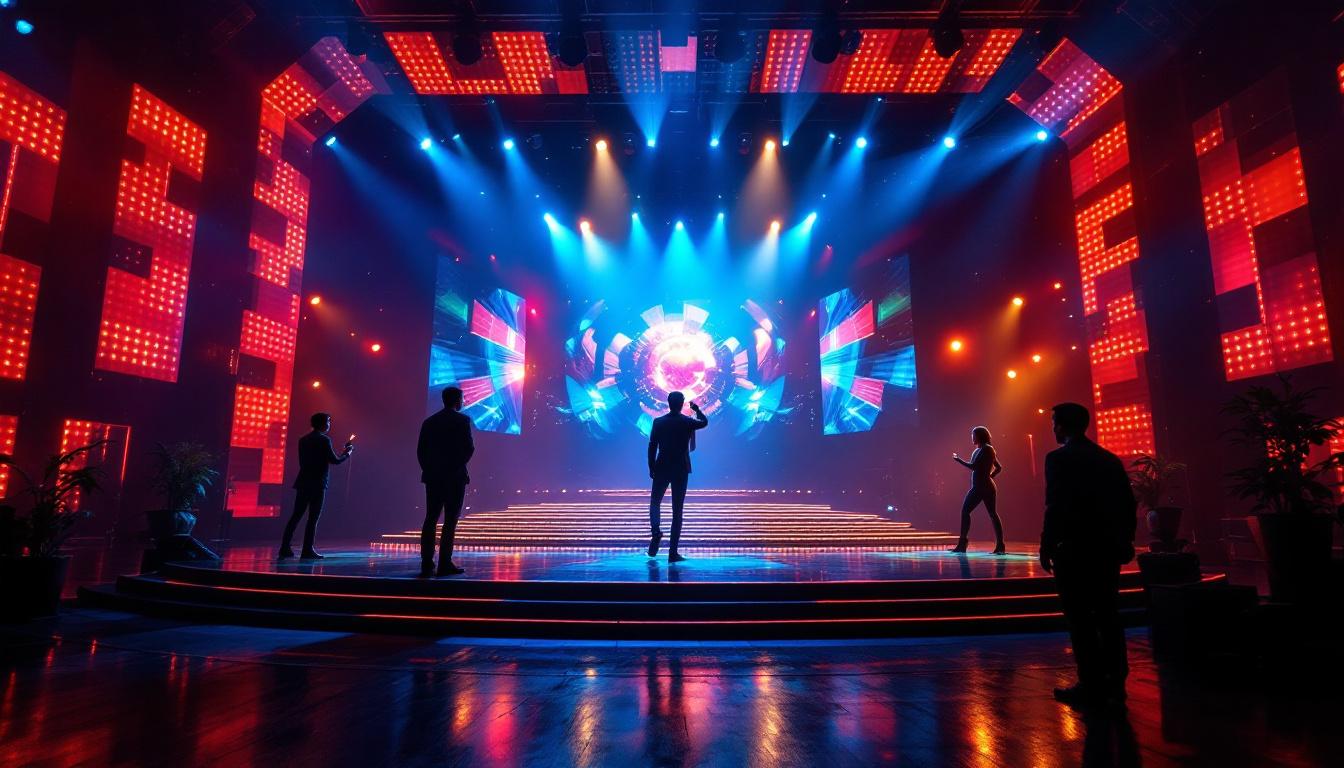
In the entertainment industry, LED displays have revolutionized stage design and audience engagement. Concerts, sports events, and theatrical productions frequently use massive LED video walls to create immersive visual experiences. The flexibility of LED panels allows for creative configurations, including curved and flexible screens, enhancing the overall spectacle.
Moreover, the high refresh rates and color accuracy of LED displays ensure smooth motion and vibrant imagery, essential for live broadcasts and dynamic content. This has made LED technology a staple in arenas, festivals, and broadcast studios worldwide.
Consumer Electronics
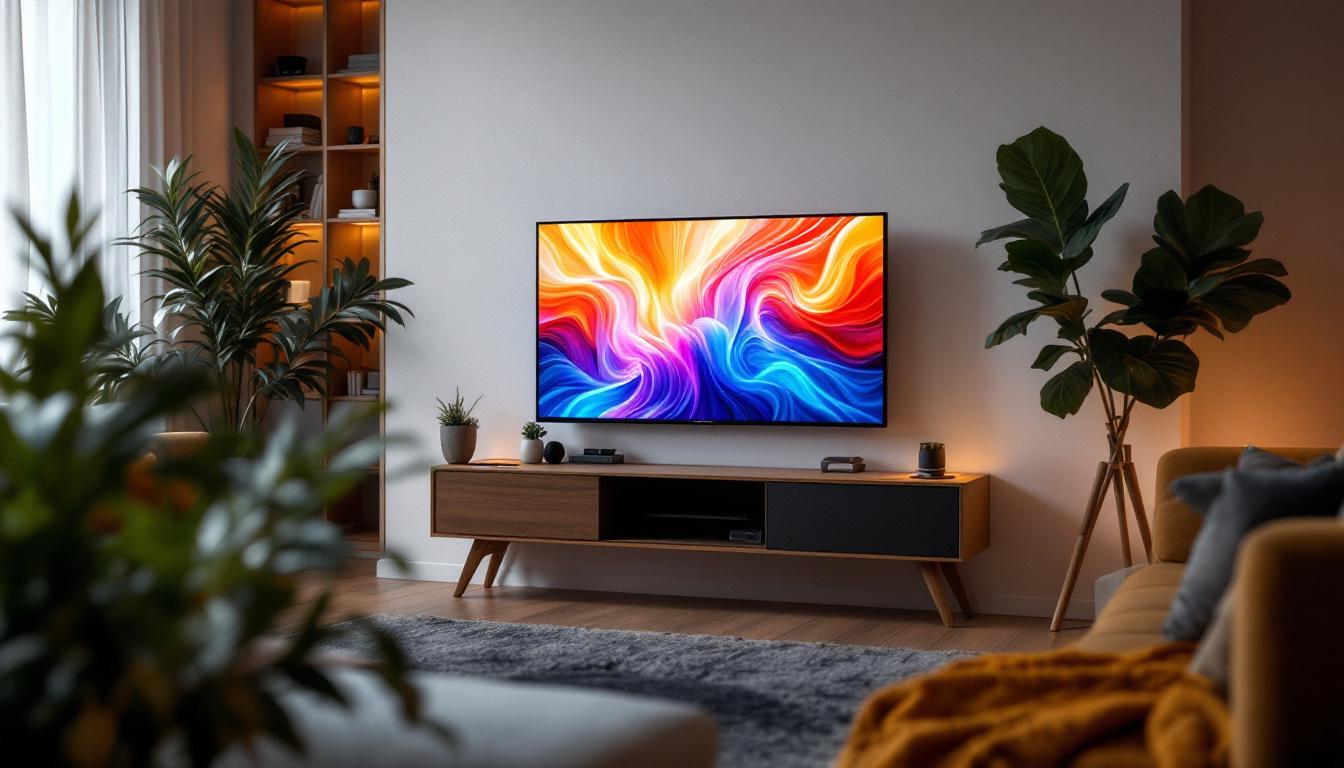
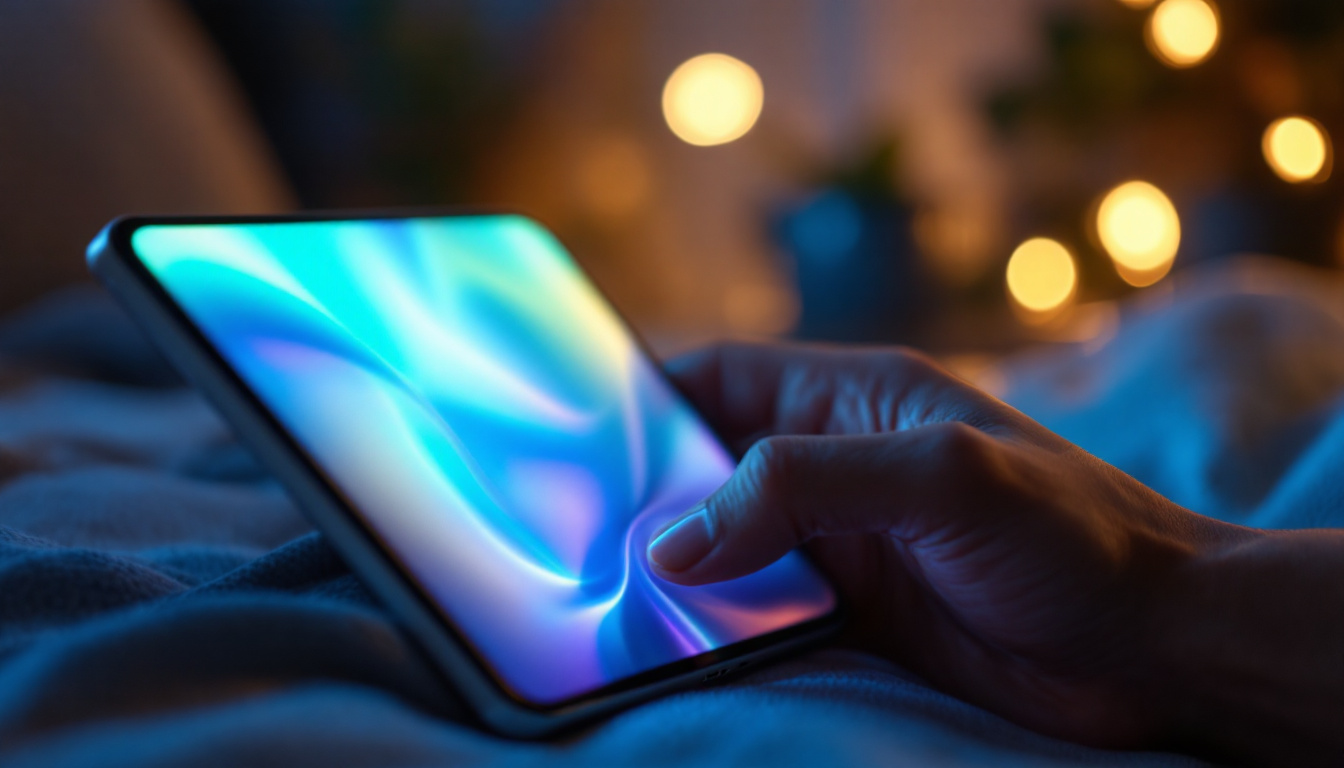
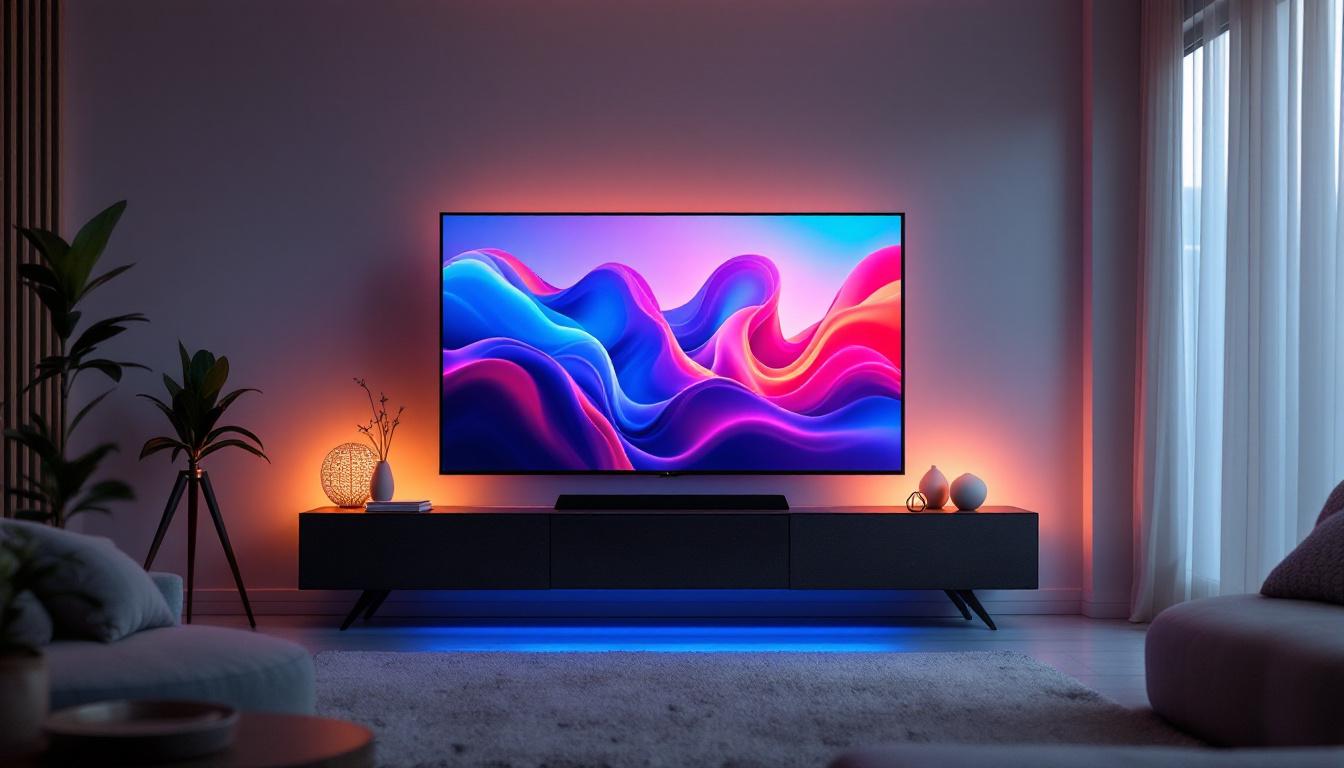
LED technology is also foundational in consumer electronics, powering everything from smartphones and tablets to televisions and wearable devices. The demand for brighter, more energy-efficient screens with better color reproduction has driven continuous innovation in LED display technology.
For instance, the transition from LCD to OLED and now MicroLED displays in premium smartphones highlights the quest for improved image quality and battery life. These advancements not only enhance user experience but also enable new form factors such as foldable and rollable displays.
Key Technical Considerations
Brightness and Contrast
Brightness is a critical parameter for LED displays, especially those used outdoors. Measured in nits (cd/m²), typical indoor LED displays range from 300 to 1,000 nits, while outdoor displays can exceed 5,000 nits to remain visible under direct sunlight. High brightness levels ensure that content is clear and legible regardless of ambient lighting conditions.
Contrast ratio, the difference between the darkest black and the brightest white a display can produce, greatly affects image quality. Direct view LED displays excel in contrast due to their ability to turn off individual LEDs completely, resulting in true blacks and vivid colors.
Pixel Pitch and Resolution
Pixel pitch refers to the distance between the centers of adjacent pixels, typically measured in millimeters. A smaller pixel pitch indicates a higher pixel density, which translates to sharper images and finer detail. For example, a pixel pitch of 1.2 mm is common in indoor LED displays designed for close viewing distances, while outdoor displays may have pixel pitches of 4 mm or more due to the greater viewing distance.
Choosing the appropriate pixel pitch and resolution depends on the intended application and viewing distance. A mismatch can result in pixelation or unnecessarily high costs without visible benefits.
Energy Efficiency and Lifespan
LED displays are generally more energy-efficient than other display technologies, consuming less power for comparable brightness levels. This efficiency reduces operating costs and environmental impact, a significant consideration for large-scale installations.
The lifespan of LEDs typically ranges from 50,000 to 100,000 hours, far exceeding that of traditional lighting and many other display technologies. However, factors such as heat management, quality of components, and usage patterns can influence longevity. Proper design and maintenance are essential to maximize the operational life of LED displays.
The Future of LED Displays
Advancements in Display Technology
Ongoing research and development are driving innovations that will further enhance LED display capabilities. MicroLED technology promises to deliver unprecedented brightness, contrast, and energy efficiency, potentially replacing OLED in many applications. Additionally, flexible and transparent LED displays are opening new possibilities for design and integration in architecture, automotive, and wearable devices.
Artificial intelligence and machine learning are also being integrated into LED display systems to optimize content delivery, energy consumption, and maintenance schedules, making these displays smarter and more adaptive.
Environmental and Sustainability Considerations
As LED displays become more ubiquitous, sustainability is gaining importance. Manufacturers are focusing on reducing hazardous materials, improving recyclability, and enhancing energy efficiency. The long lifespan of LEDs contributes positively by reducing electronic waste, but end-of-life management remains a challenge that the industry is actively addressing.
Moreover, innovations in low-power display modes and solar-powered LED signage are emerging to minimize environmental footprints, aligning with global efforts to combat climate change.
Conclusion
LED displays have transformed the way visual content is created and consumed, offering unparalleled brightness, color accuracy, and versatility. Understanding the fundamentals of pixel technology, types of LED displays, and their applications is essential for businesses and consumers alike to make informed decisions. With continuous advancements in MicroLED, MiniLED, and smart display technologies, the future of LED displays is bright—literally and figuratively.
Whether used for advertising, entertainment, or personal devices, LED displays continue to push the boundaries of digital visualization, shaping the visual landscape of the 21st century and beyond.
Explore Cutting-Edge LED Display Solutions with LumenMatrix
Ready to elevate your visual experience with the latest in LED display technology? LumenMatrix is at the forefront of innovation, offering a wide range of LED display modules designed to bring your brand to life. From Indoor and Outdoor LED Wall Displays to specialized solutions like Vehicle LED Displays, LED Sports Displays, and even Custom LED Displays, we have the technology to captivate your audience. Embrace the future of visual communication and check out LumenMatrix LED Display Solutions today to see how we can help you create impactful and engaging displays that resonate with viewers.