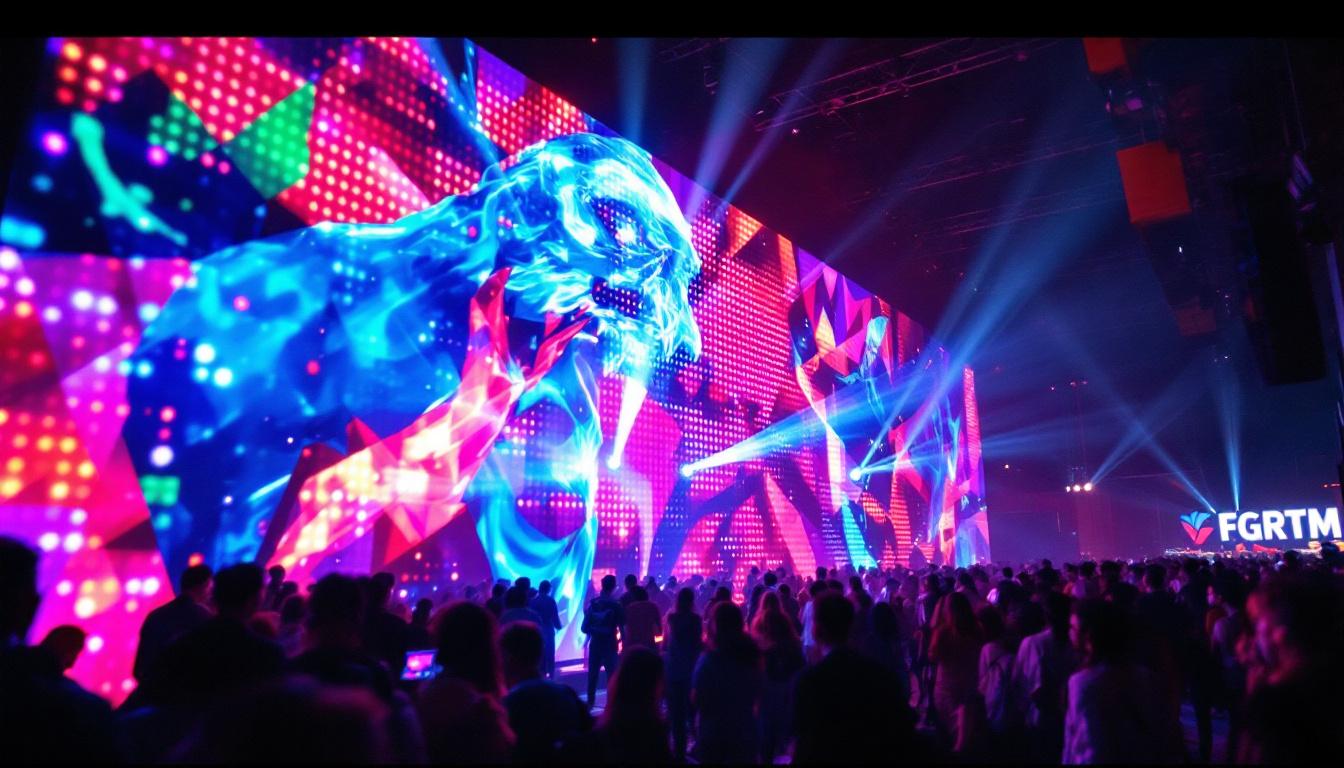
In today’s fast-paced digital world, LED displays have become ubiquitous, transforming how information and visuals are presented across industries. From vibrant billboards in Times Square to dynamic stadium screens and sleek retail signage, LED technology powers some of the most captivating visual experiences worldwide. This article explores the fundamentals of LED displays, their technological underpinnings, applications, and future trends, providing a comprehensive guide for anyone interested in understanding this revolutionary display technology.
What is an LED Display?
LED stands for Light Emitting Diode, a semiconductor device that emits light when an electric current passes through it. An LED display is a flat panel display that uses an array of these tiny LEDs as pixels to create images, videos, and text. Unlike traditional LCD or plasma screens, LED displays are self-illuminating, meaning each diode produces its own light, which results in superior brightness, contrast, and color accuracy. This self-illuminating feature not only enhances the visual experience but also contributes to energy efficiency, as LEDs consume less power compared to their predecessors.
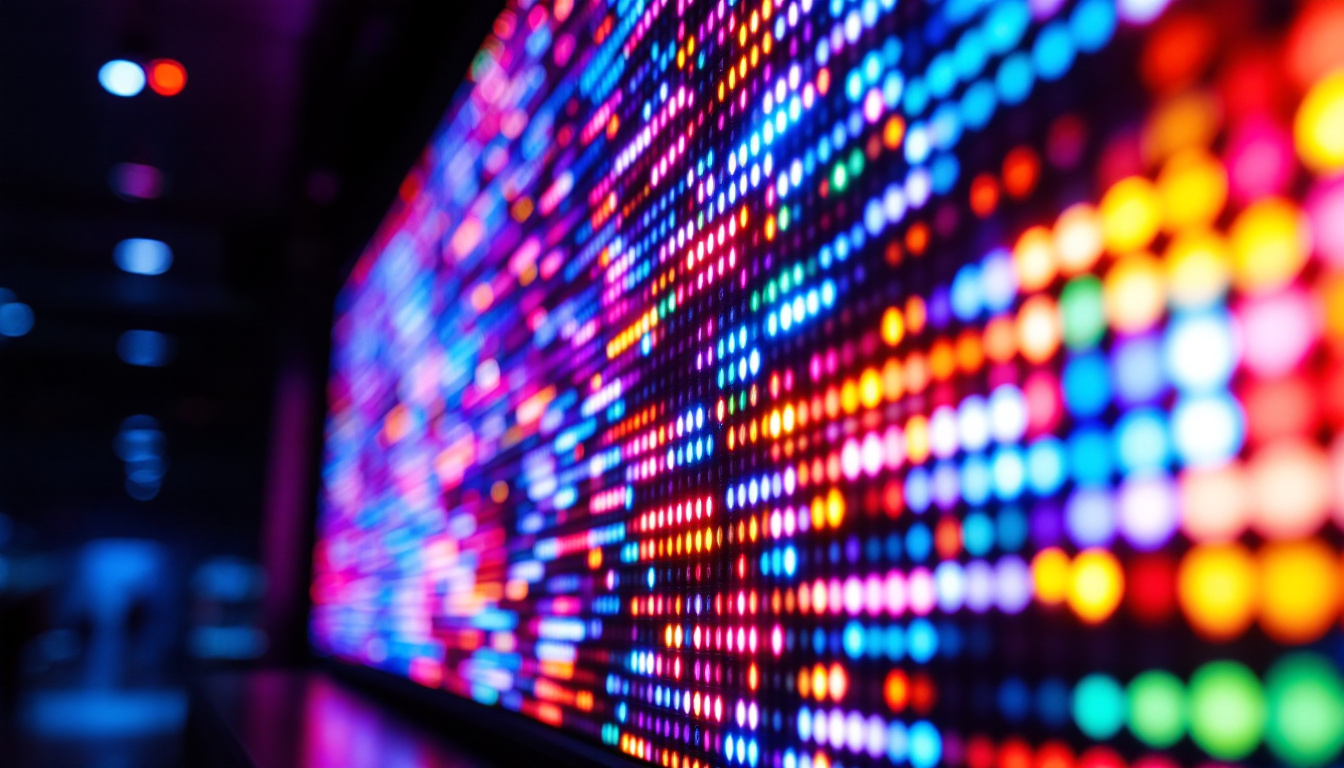
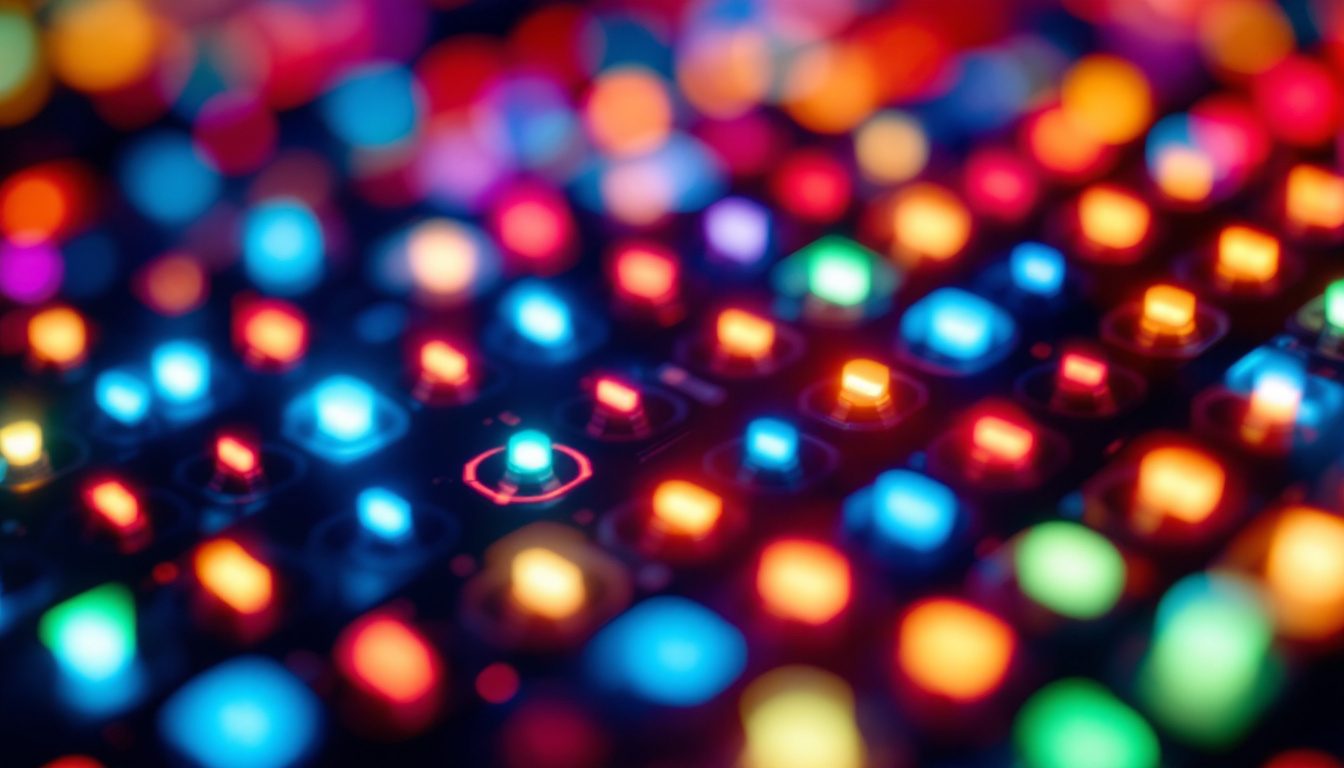
The basic building block of an LED display is the pixel, which typically consists of three sub-pixels: red, green, and blue. By varying the intensity of each sub-pixel, the display can produce a full spectrum of colors. This RGB (Red, Green, Blue) model is fundamental to all digital color displays. The ability to mix these colors in different proportions allows for the creation of millions of hues, making LED displays particularly popular in applications ranging from digital signage to high-definition televisions.
Types of LED Displays
LED displays come in several forms, each suited to different environments and purposes:
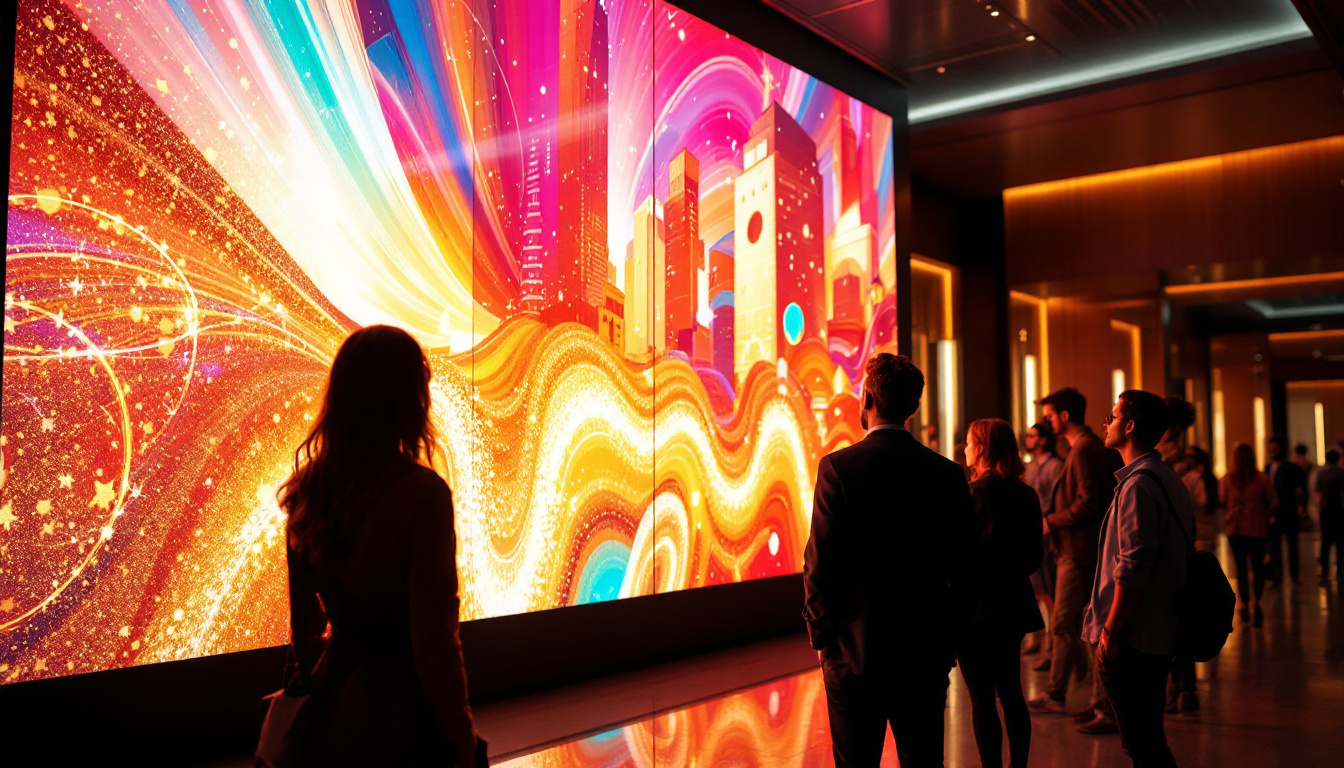
- Indoor LED Displays: Designed for close viewing distances, these displays have a high pixel density and produce vivid colors with controlled brightness to avoid glare. They are often used in venues such as theaters, conference rooms, and retail spaces where clarity and detail are paramount.
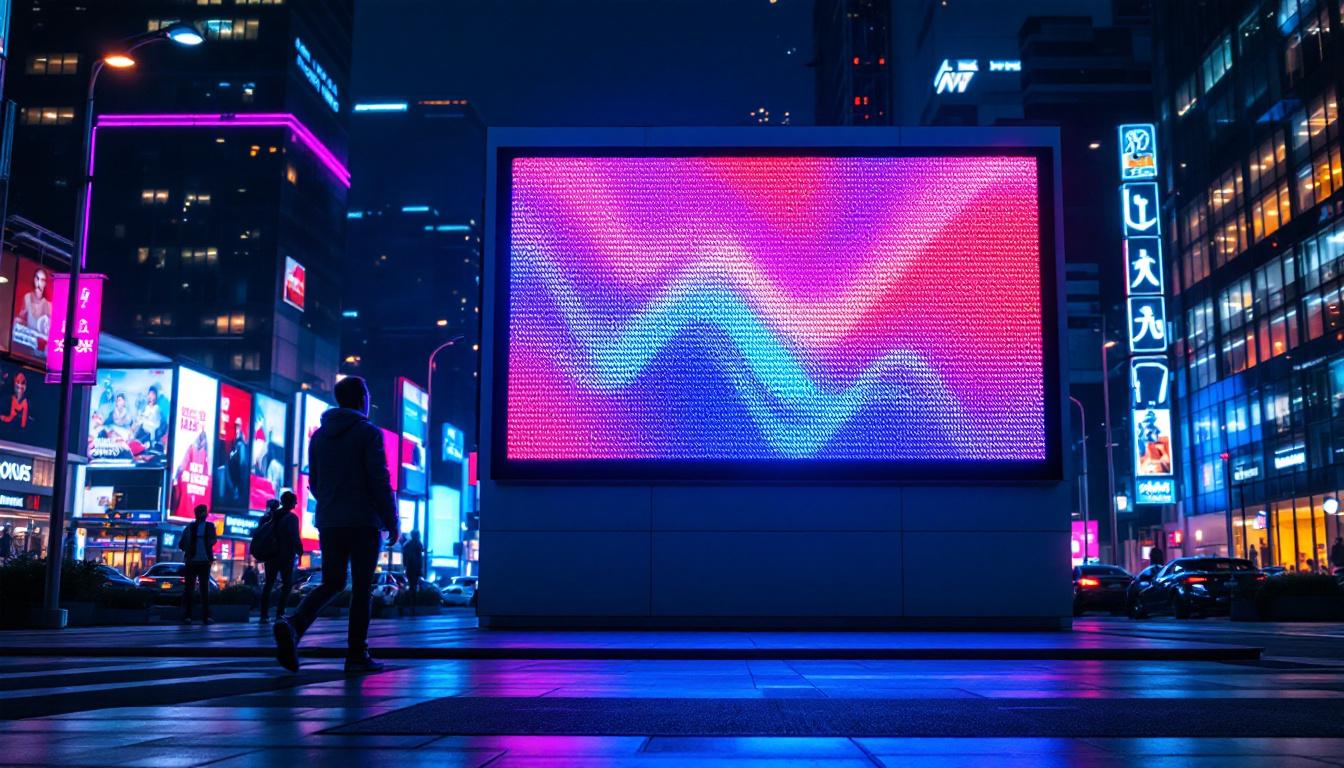
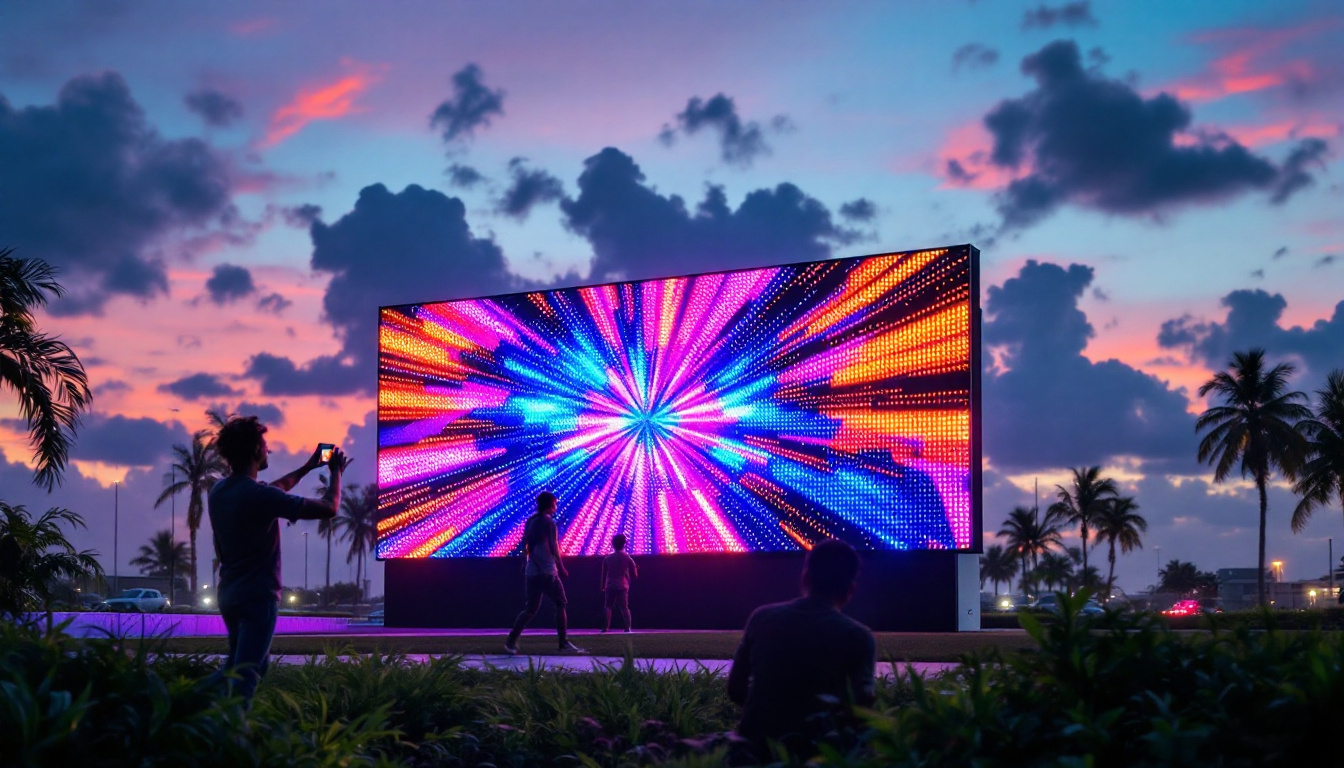
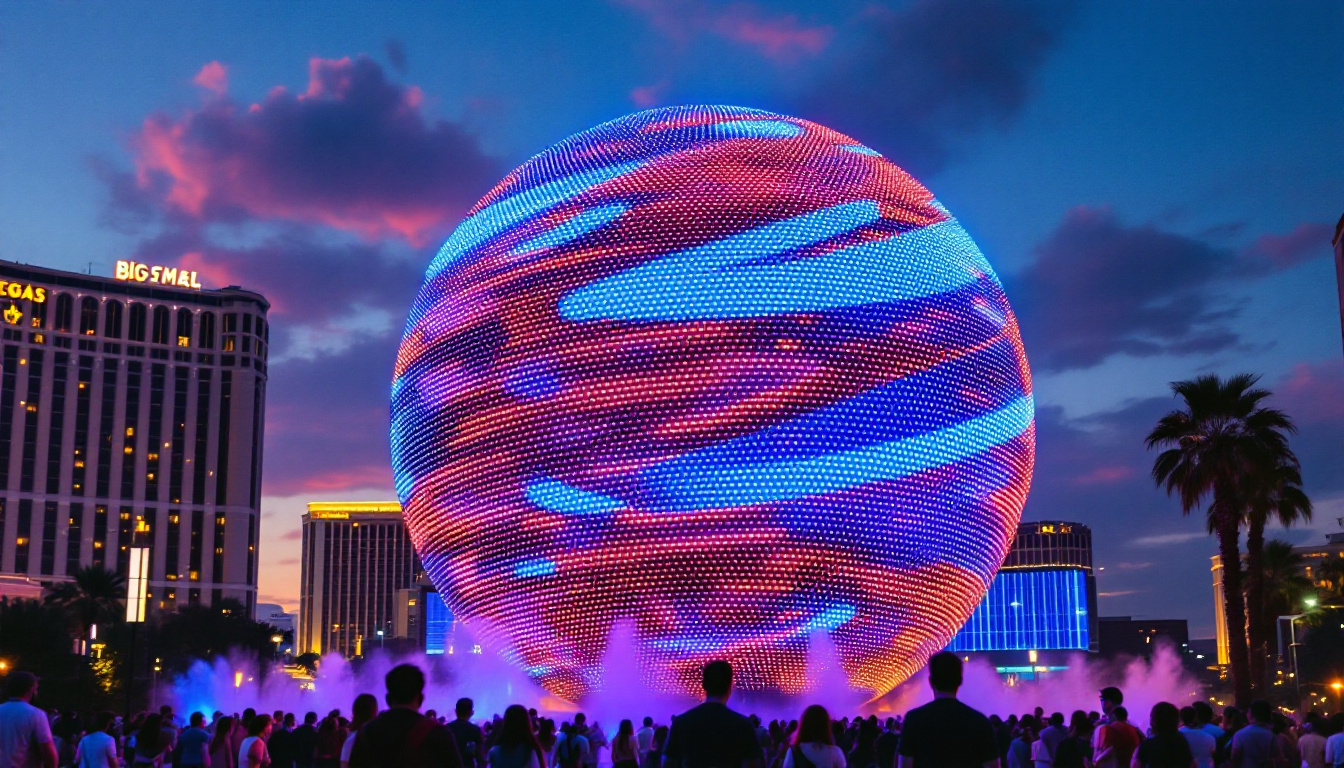
- Outdoor LED Displays: Built to withstand harsh weather conditions, these displays are brighter to combat sunlight and often have protective coatings to resist dust and moisture. They are commonly found in billboards, sports arenas, and public spaces, capturing the attention of passersby with dynamic content.
- Flexible LED Displays: These innovative displays use bendable substrates, allowing for curved or irregular shapes, ideal for creative architectural installations. Their adaptability opens up new possibilities for designers and advertisers, enabling them to create immersive environments that engage audiences in unique ways.
- Transparent LED Displays: These displays allow light to pass through, making them perfect for storefront windows or glass walls where visibility from both sides is desired. They offer a modern aesthetic while still delivering vibrant visuals, making them a popular choice for retail and exhibition spaces.
Moreover, LED technology continues to evolve, with advancements such as MicroLED and MiniLED displays, which promise even greater resolution and efficiency. MicroLED technology, for instance, utilizes microscopic LEDs to create ultra-high-definition images with exceptional brightness and contrast ratios, making them ideal for high-end applications. As the demand for high-quality visual experiences grows, the versatility and performance of LED displays are likely to expand, influencing various industries including entertainment, advertising, and education.
In addition to their visual prowess, LED displays are also becoming increasingly integrated with smart technology. Features such as remote management, real-time content updates, and interactive capabilities are transforming how businesses and organizations communicate with their audiences. This integration not only enhances user engagement but also allows for more effective marketing strategies, as content can be tailored to specific demographics or events in real-time, maximizing impact and relevance.
How Do LED Displays Work?
Understanding how LED displays function requires a look at their core components and the technology behind them. At the heart of an LED display is the LED module, which contains multiple LEDs arranged in a grid pattern. These modules are controlled by a processing unit that manages the color and brightness of each LED to form the desired image.
Pixel Pitch and Resolution
One of the most critical specifications of an LED display is its pixel pitch, which is the distance between the centers of two adjacent pixels, usually measured in millimeters. The smaller the pixel pitch, the higher the resolution and the sharper the image. For example, an indoor LED display designed for close viewing might have a pixel pitch of 1.5mm, while a large outdoor billboard might have a pixel pitch of 10mm or more.
Resolution is directly tied to pixel pitch and the physical size of the display. Higher resolution displays are necessary for applications where viewers are close to the screen, such as retail environments or control rooms.
Brightness and Contrast
LED displays are renowned for their high brightness levels, often exceeding 1,000 nits for indoor displays and reaching up to 5,000 nits or more for outdoor models. This brightness ensures visibility even under direct sunlight, a crucial factor for outdoor advertising and public information displays.
Contrast ratio, the difference between the darkest black and the brightest white the display can produce, is another important metric. LED displays typically offer superior contrast compared to LCDs because LEDs can be turned off completely to produce true black, enhancing image depth and clarity.
Color Accuracy and Calibration
Color accuracy is essential for applications such as digital signage, broadcasting, and retail displays where brand colors must be rendered faithfully. Modern LED displays use advanced calibration techniques to ensure consistent color reproduction across the entire screen. This involves adjusting the output of each LED to compensate for manufacturing variances and environmental factors.
Applications of LED Displays
LED displays have a wide range of applications across various industries, driven by their versatility, durability, and visual impact. Understanding these applications helps businesses and organizations select the right type of LED display for their needs.
Advertising and Digital Signage
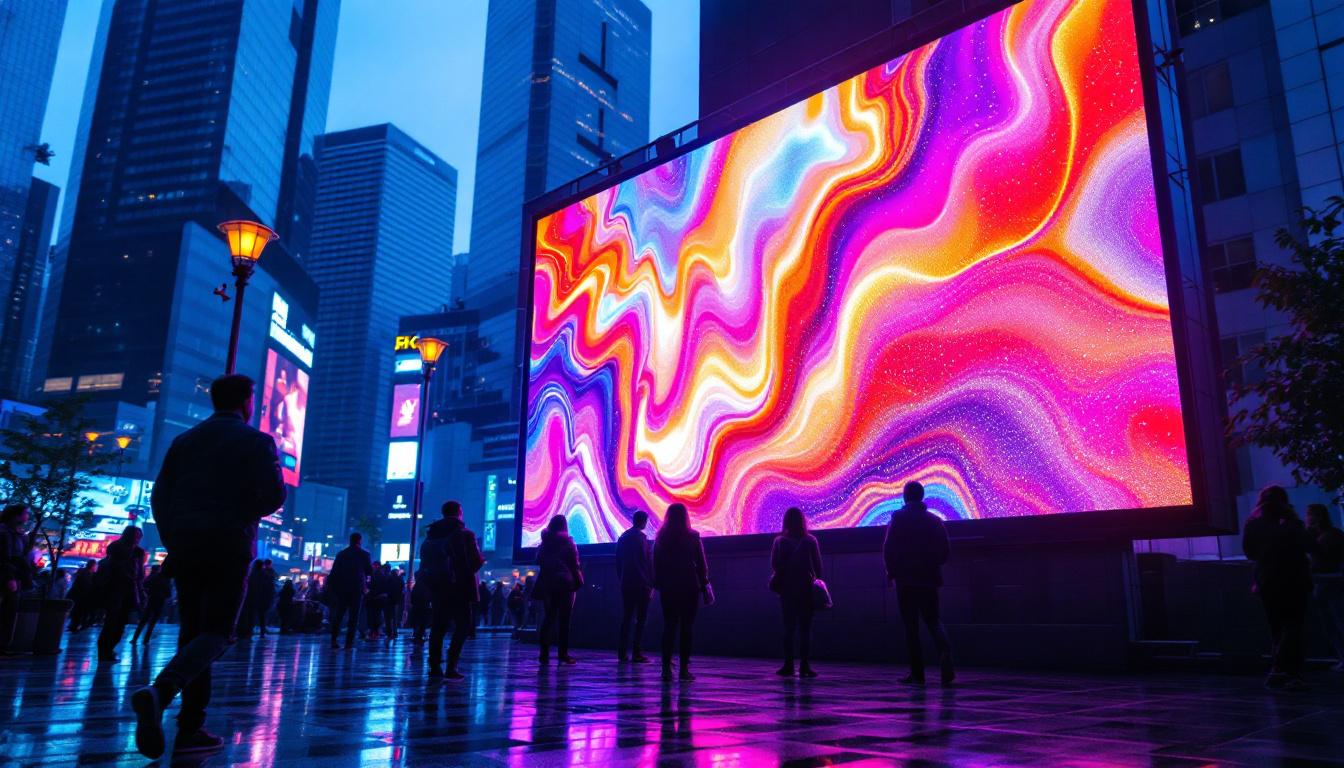
One of the most visible uses of LED displays is in outdoor advertising. Digital billboards powered by LED technology offer dynamic content capabilities, allowing advertisers to change messages in real-time, schedule ads, and engage audiences more effectively than static signs. According to the Digital Signage Federation, digital signage can increase customer engagement by up to 30%, making LED displays a powerful marketing tool.
Indoor digital signage in retail stores uses LED displays to highlight promotions, showcase products, and create immersive brand experiences. The ability to display high-resolution video content attracts shoppers’ attention and can influence purchasing decisions.
Sports and Entertainment Venues
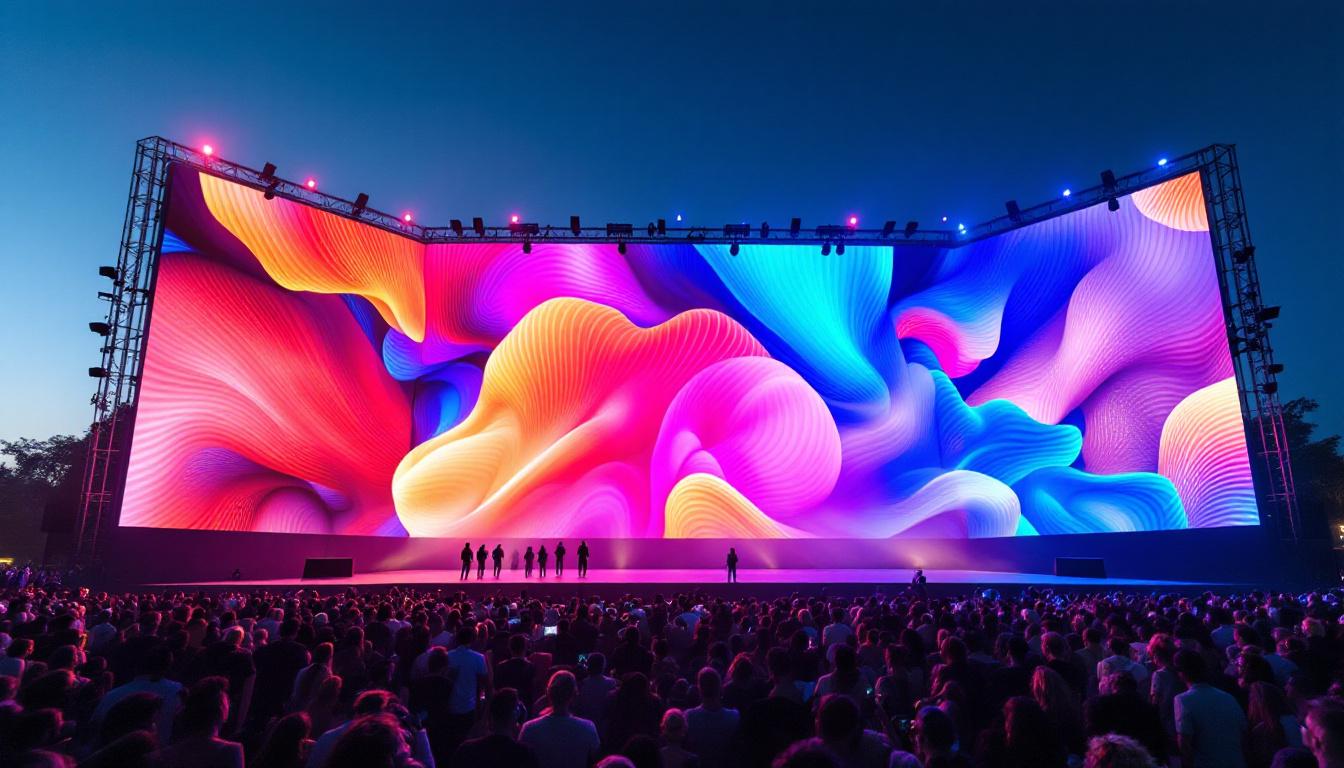
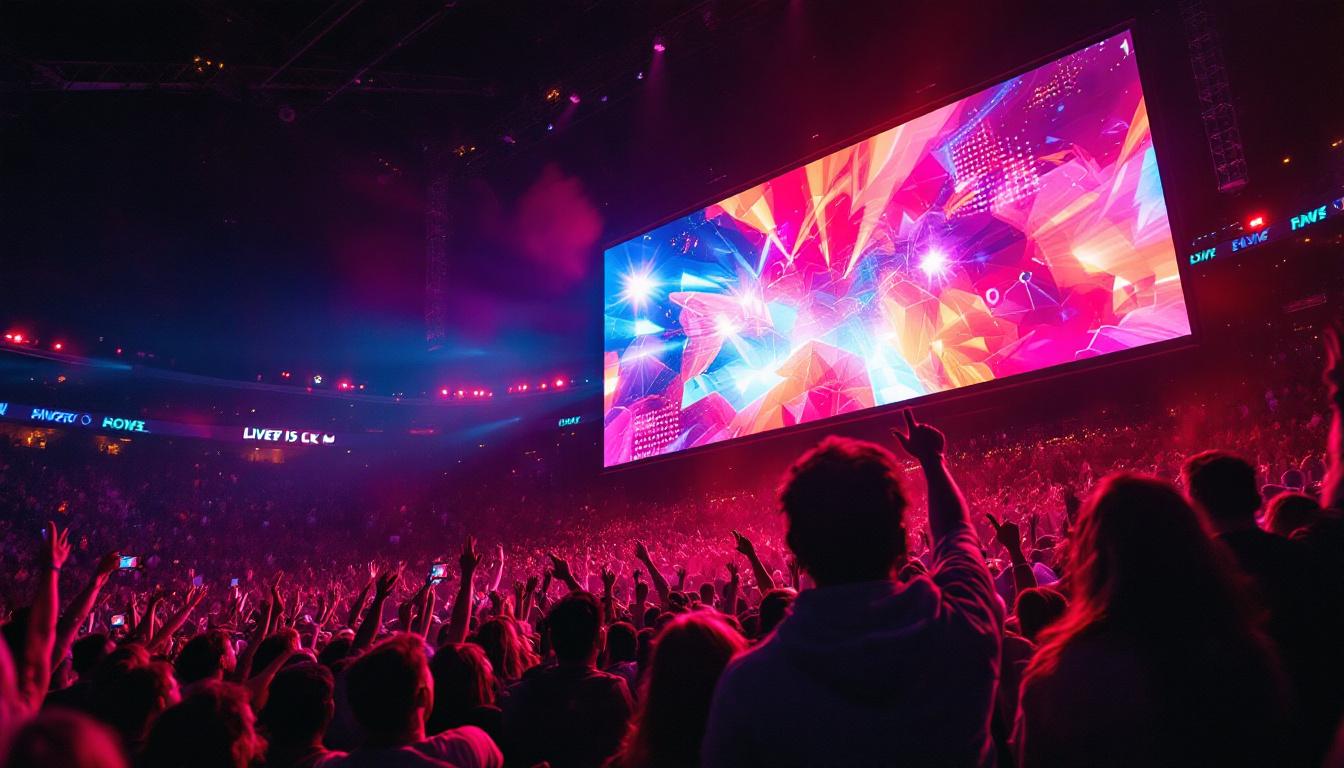
Stadiums and arenas rely heavily on large-scale LED displays for scoreboards, instant replays, and interactive fan experiences. These displays must deliver high brightness and fast refresh rates to keep up with the fast-paced action and large viewing distances. For example, the AT&T Stadium in Texas features one of the largest LED displays in the world, measuring 160 feet wide and 72 feet tall, providing an unparalleled viewing experience.
Corporate and Control Rooms
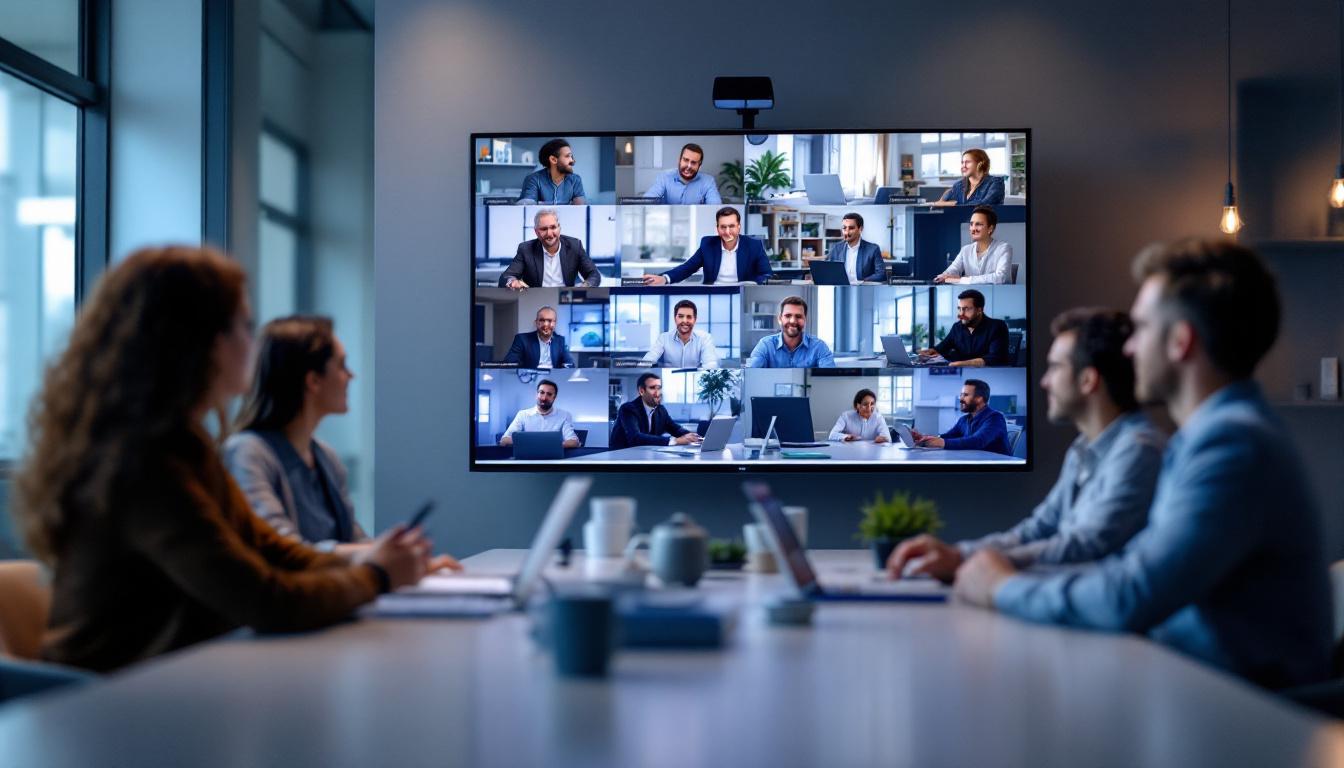
In corporate environments, LED video walls are used for presentations, video conferencing, and data visualization. Control rooms in industries such as transportation, energy, and security utilize LED displays for monitoring critical information in real-time, benefiting from the clarity and reliability of LED technology.
Architectural and Artistic Installations
LED displays have also found a niche in architectural design and public art. Buildings can be wrapped with LED façades that change colors and patterns, creating dynamic visual landmarks. Artists use flexible and transparent LED panels to craft interactive exhibits that blend technology with creativity.
Advantages of LED Displays Over Other Technologies
LED displays offer several advantages compared to other display technologies such as LCD, OLED, and projection systems. These benefits have contributed to their widespread adoption across industries.
Energy Efficiency and Longevity
LEDs consume significantly less power than traditional lighting and display technologies, making LED displays more energy-efficient. This efficiency translates to lower operational costs, especially for large-scale installations that operate for extended hours.
Additionally, LEDs have a long lifespan, often rated between 50,000 to 100,000 hours, reducing maintenance and replacement costs. This durability is particularly valuable for outdoor displays exposed to environmental stressors.
Superior Brightness and Visibility
As self-emissive devices, LEDs produce their own light, enabling displays to achieve brightness levels far beyond those of LCDs. This feature is critical for outdoor applications where sunlight can wash out other types of displays.
Wide Viewing Angles and Fast Response Times
LED displays maintain color accuracy and brightness across wide viewing angles, ensuring that images look consistent from different perspectives. Furthermore, LEDs have fast response times, making them ideal for video playback and dynamic content without motion blur.
Emerging Trends and Future Innovations
The LED display industry continues to evolve rapidly, driven by advances in materials science, manufacturing techniques, and digital processing. Several key trends are shaping the future of LED displays.
MicroLED Technology
MicroLED is an emerging display technology that uses microscopic LEDs to create pixels. This approach promises even higher brightness, better energy efficiency, and improved color accuracy compared to conventional LED displays. MicroLED displays are also thinner and more flexible, opening new possibilities for wearable devices, smartphones, and ultra-high-definition TVs.
Integration with Smart Technologies
Smart LED displays equipped with sensors, cameras, and connectivity features are enabling interactive experiences. For example, digital signage can adapt content based on audience demographics or environmental conditions, enhancing engagement and personalization.
Sustainability and Eco-Friendly Designs
As environmental concerns grow, manufacturers are focusing on eco-friendly materials and recycling programs for LED displays. Innovations in energy-efficient drivers and power management systems are also reducing the carbon footprint of LED installations.
Choosing the Right LED Display
Selecting the appropriate LED display depends on several factors, including the intended application, viewing distance, ambient lighting conditions, and budget. Here are some key considerations:
Assess Viewing Distance and Resolution Needs
For close-up viewing, such as in retail or control rooms, a display with a small pixel pitch and high resolution is essential. For large outdoor billboards viewed from a distance, a larger pixel pitch is acceptable and more cost-effective.
Consider Environmental Conditions
Outdoor displays must be weatherproof and have high brightness to combat sunlight. Indoor displays should focus on color accuracy and reduced glare.
Evaluate Content and Interactivity Requirements
Dynamic content with video and animations requires displays with fast refresh rates and color depth. Interactive applications may need touch capabilities or integration with sensors.
Budget and Total Cost of Ownership
While initial costs vary, consider long-term expenses such as maintenance, energy consumption, and potential upgrades. Investing in quality LED displays can yield better returns through durability and performance.
Conclusion
LED displays have revolutionized visual communication by delivering bright, vibrant, and versatile imaging solutions across countless applications. From advertising and entertainment to corporate environments and architectural art, their impact is profound and growing. Understanding the technology behind LED displays, their advantages, and emerging trends empowers businesses and individuals to make informed decisions when selecting and utilizing these powerful tools.
As LED technology continues to advance, the future promises even more innovative and immersive visual experiences, making LED displays an essential component of the digital landscape.
Illuminate Your Space with LumenMatrix
As you consider the transformative power of LED displays for your business or project, LumenMatrix stands at the forefront of innovation, ready to bring your vision to life. With a comprehensive range of solutions including Indoor and Outdoor LED Wall Displays, Vehicle LED Displays, and more, LumenMatrix is committed to revolutionizing visual communication. Whether you aim to captivate your audience, enhance brand visibility, or create immersive experiences, our cutting-edge technology is designed to meet your needs with precision and flair. Don’t miss the opportunity to elevate your message. Check out LumenMatrix LED Display Solutions today and step into the future of digital signage.