In the rapidly evolving world of display technology, Micro LED has emerged as a groundbreaking innovation that promises to redefine visual experiences across various devices. From smartphones and televisions to augmented reality (AR) glasses and large-scale digital signage, Micro LED displays are poised to offer unparalleled brightness, color accuracy, and energy efficiency. This article delves into the fundamentals of Micro LED technology, its advantages over existing display types, current applications, and the challenges it faces before becoming mainstream.
Understanding Micro LED Technology
What is a Micro LED Display?
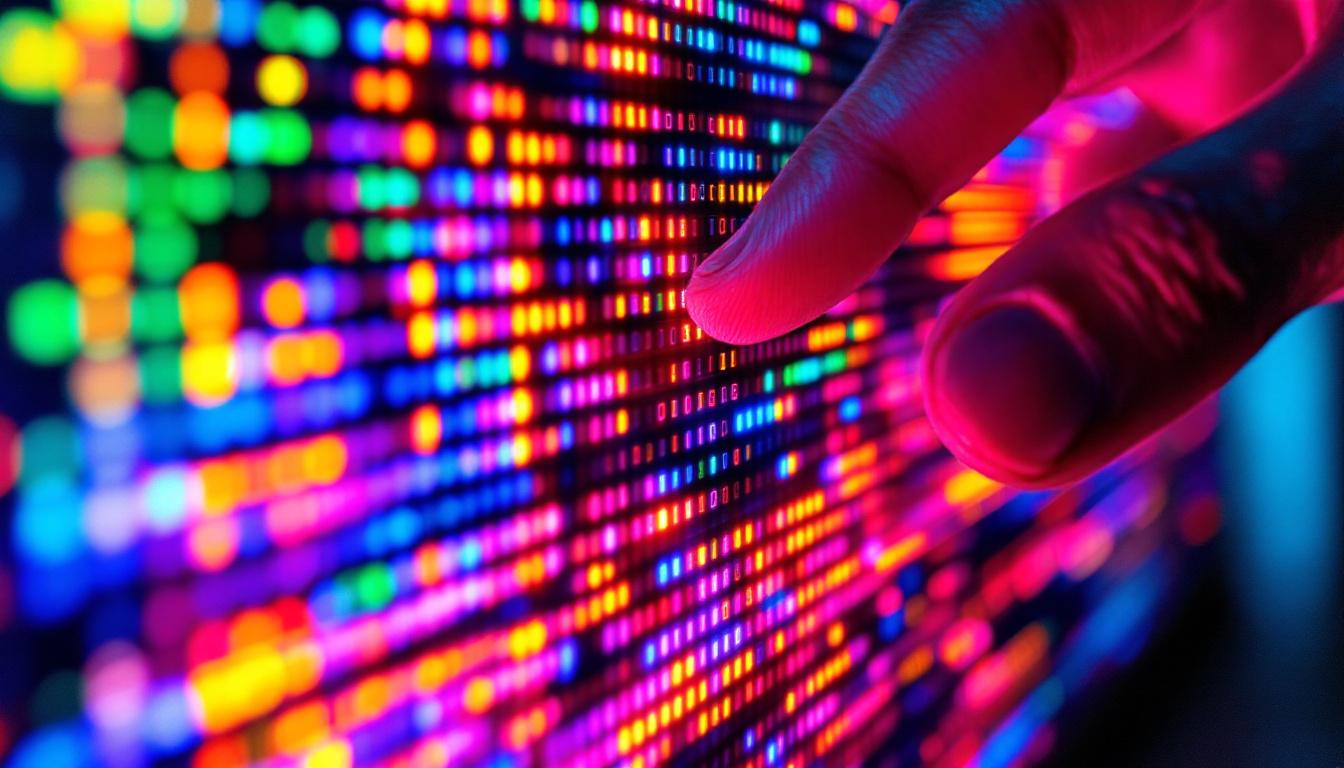
Micro LED displays consist of microscopic light-emitting diodes (LEDs) that serve as individual pixels. Unlike traditional LED displays, which use larger LEDs as backlighting behind an LCD panel, Micro LEDs emit light directly, enabling each pixel to illuminate independently. This self-emissive property allows for deeper blacks, higher contrast ratios, and more vibrant colors.
The “micro” in Micro LED refers to the size of the LEDs, which typically measure less than 100 micrometers in diameter. This miniaturization allows for incredibly high pixel densities, making Micro LED displays suitable for applications requiring ultra-high resolution and precision. The technology also facilitates flexible and transparent displays, opening up new possibilities for innovative designs in various industries, from consumer electronics to automotive displays.
Furthermore, Micro LED technology is paving the way for advancements in augmented reality (AR) and virtual reality (VR). By integrating Micro LEDs into headsets and glasses, manufacturers can create lightweight devices that deliver stunning visuals with minimal latency, enhancing the immersive experience for users. This capability is particularly crucial as the demand for high-quality graphics in gaming and professional applications continues to rise.
How Does Micro LED Differ from OLED and LCD?
To appreciate the significance of Micro LED, it’s essential to compare it with the two dominant display technologies: OLED (Organic Light Emitting Diode) and LCD (Liquid Crystal Display).
- LCD: Uses a backlight that shines through liquid crystals to create images. While LCDs are cost-effective and widely used, they suffer from limited contrast ratios, slower response times, and narrower viewing angles because the backlight cannot be turned off on a pixel-by-pixel basis.
- OLED: Each pixel emits its own light, enabling true blacks and excellent contrast. However, OLED displays can suffer from burn-in, reduced lifespan, and lower peak brightness compared to LEDs.
- Micro LED: Combines the advantages of both. Like OLED, Micro LED pixels emit their own light, but since they are inorganic LEDs, they have higher brightness, longer lifespan, and no burn-in issues. Additionally, Micro LEDs can achieve better energy efficiency and wider color gamuts.
Moreover, the manufacturing process for Micro LED displays is becoming increasingly sophisticated, with companies exploring various techniques to reduce production costs and improve yield rates. This includes advancements in mass transfer technologies, which allow for the efficient placement of millions of Micro LEDs onto a substrate. As these processes become more refined, we can expect Micro LED displays to become more accessible to consumers, potentially revolutionizing the market for televisions, smartphones, and other display devices.
Another noteworthy aspect of Micro LED technology is its environmental impact. Unlike OLED displays, which use organic materials that can degrade over time, Micro LEDs are made from inorganic materials that are more stable and less harmful to the environment. This characteristic not only enhances the longevity of the displays but also aligns with the growing consumer demand for sustainable and eco-friendly technology solutions. As manufacturers prioritize sustainability, Micro LED technology stands out as a promising option for the future of display innovation.
Key Advantages of Micro LED Displays
Superior Brightness and Contrast
One of the standout features of Micro LED displays is their ability to produce extremely high brightness levels, often exceeding 1,000 nits and potentially reaching over 5,000 nits in some prototypes. This makes them ideal for outdoor and high ambient light environments, where visibility is critical. The high brightness not only enhances the viewing experience in bright conditions but also allows for vibrant color reproduction, ensuring that images pop with life and detail.
Because each pixel can be turned off completely, Micro LED displays achieve perfect black levels, resulting in infinite contrast ratios. This capability enhances image depth and realism, especially in HDR (High Dynamic Range) content. The precision of Micro LED technology allows for stunning visual effects, making it a preferred choice for filmmakers and content creators who demand the highest quality in their productions. Furthermore, the ability to display a wider color gamut means that viewers can experience shades and tones that were previously difficult to capture, enriching the overall viewing experience.
Longevity and Durability
Unlike OLEDs, which use organic materials prone to degradation over time, Micro LEDs are made from inorganic compounds such as gallium nitride. This means they are far less susceptible to burn-in and can maintain peak performance for tens of thousands of hours. As a result, users can enjoy their displays without the worry of image retention or color fading, which is a common concern with other display technologies.
This durability makes Micro LED technology particularly attractive for commercial displays, automotive dashboards, and other applications where long-term reliability is essential. In addition, the robust nature of Micro LEDs means they can withstand harsher environmental conditions, such as extreme temperatures and humidity, making them suitable for outdoor installations and industrial applications. This resilience not only extends the lifespan of the displays but also reduces maintenance costs, providing a compelling advantage for businesses looking to invest in cutting-edge display solutions.
Energy Efficiency
Because Micro LED pixels emit light directly and can be turned off individually, they consume significantly less power than LCDs that rely on a constant backlight. Studies suggest that Micro LED displays can be up to 50% more energy-efficient than OLEDs, which is a critical advantage for battery-powered devices like smartphones and wearables. This energy efficiency not only contributes to longer battery life in portable devices but also aligns with growing consumer demand for sustainable technology.
Moreover, the lower power consumption of Micro LED displays translates to reduced heat generation, which can enhance the overall performance and longevity of electronic devices. This characteristic is particularly beneficial in compact devices where thermal management is a concern. As manufacturers increasingly focus on eco-friendly practices, the energy-efficient nature of Micro LED technology positions it as a leading choice for future innovations in display design.
Scalability and Flexibility
Micro LED technology supports modular design, allowing manufacturers to create displays of virtually any size by assembling smaller Micro LED panels. This scalability opens up possibilities for ultra-large video walls, flexible displays, and even transparent screens. The modular approach also means that displays can be easily upgraded or repaired by replacing individual panels, which can significantly reduce downtime and costs associated with display maintenance.
Moreover, Micro LEDs can be integrated into curved or irregular surfaces, expanding design freedom for innovative device form factors. This flexibility allows designers to create immersive environments, such as curved cinema screens that envelop viewers or displays that seamlessly blend into architectural elements. As the demand for unique and engaging visual experiences continues to grow, the adaptability of Micro LED technology will play a crucial role in shaping the future of display applications across various industries, from entertainment to advertising and beyond.
Current Applications and Market Trends
Consumer Electronics: TVs and Smartphones
High-end television manufacturers have begun introducing Micro LED TVs that offer superior picture quality compared to OLED and LCD counterparts. For instance, some Micro LED TVs boast 4K and even 8K resolutions with exceptional brightness and color accuracy, catering to discerning home theater enthusiasts.
In smartphones, Micro LED technology is still in the early stages but holds promise for delivering brighter, more power-efficient displays with longer lifespans. Given the competitive nature of the smartphone market, Micro LED could become a key differentiator in premium devices within the next few years.
Wearables and Augmented Reality
Wearable devices such as smartwatches and AR glasses benefit immensely from Micro LED’s compact size and energy efficiency. The technology enables high-resolution, bright displays that remain visible even in direct sunlight, a common challenge for current wearable screens.
AR and mixed reality headsets require displays with ultra-high pixel densities to create immersive experiences without visible pixelation. Micro LED’s ability to pack millions of tiny LEDs into a small area makes it an ideal candidate for these applications.
Commercial and Industrial Displays
Micro LED is gaining traction in digital signage, advertising billboards, and control room monitors due to its brightness, durability, and scalability. Its modular nature allows for easy maintenance and repair, reducing downtime in critical environments.
Additionally, automotive manufacturers are exploring Micro LED for dashboard displays and head-up displays (HUDs), where visibility and reliability are paramount.
Challenges and Future Outlook
Manufacturing Complexity and Cost
Despite its advantages, Micro LED technology faces significant hurdles in mass production. The process of transferring millions of tiny LEDs onto a substrate with high precision is technically challenging and expensive. Yield rates remain a concern, which impacts overall manufacturing costs.
Current production methods involve complex pick-and-place techniques or wafer bonding, both of which require advanced equipment and meticulous quality control. As a result, Micro LED displays are currently priced at a premium, limiting widespread adoption.
Technological Development and Standardization
Research is ongoing to develop more efficient manufacturing processes, such as self-assembly techniques and improved transfer methods, which could reduce costs and increase scalability. Industry collaborations and standardization efforts are also underway to ensure interoperability and accelerate commercialization.
Competition from Other Technologies
While Micro LED offers many benefits, it competes with mature technologies like OLED, which continue to improve in brightness, lifespan, and cost-effectiveness. LCD technology also remains dominant in many segments due to its affordability and established supply chains.
For Micro LED to become mainstream, it must demonstrate clear advantages that justify the higher price point, particularly in consumer markets.
Conclusion
Micro LED display technology represents a significant leap forward in visual display performance, combining the best attributes of existing technologies while addressing their limitations. Its superior brightness, contrast, energy efficiency, and longevity position it as a transformative solution for a wide range of applications, from premium consumer electronics to industrial and commercial displays.
However, the path to widespread adoption is paved with manufacturing challenges and cost barriers that the industry continues to tackle. As production techniques mature and economies of scale improve, Micro LED is expected to become more accessible, potentially revolutionizing how images and videos are displayed in the near future.
For consumers and businesses alike, keeping an eye on Micro LED developments is essential, as this technology is poised to shape the next generation of display experiences.
Discover the Future of LED Displays with LumenMatrix
As you consider the exciting advancements in Micro LED technology, LumenMatrix invites you to explore our comprehensive range of LED display solutions. With our commitment to innovation, we offer an array of products including Indoor and Outdoor LED Wall Displays, Vehicle LED Displays, LED Poster Displays, and more, all designed to elevate your visual storytelling. Experience the difference with our LED Sports Displays, Floor LED Displays, Custom LED Displays, All-in-One LED Displays, and LED Transparent Displays. Join us in embracing the future of visual communication and Check out LumenMatrix LED Display Solutions today to see how we can help you make a lasting impression.