How Do OLED Screens Work: LED Display Explained
In the world of display technology, OLED screens have rapidly gained popularity due to their superior image quality, vibrant colors, and energy efficiency. As consumers increasingly demand better visual experiences on their smartphones, televisions, and other devices, understanding how OLED technology works becomes essential. This article delves into the intricacies of OLED screens, explaining how they differ from traditional LED displays, the science behind their operation, and why they represent a significant leap forward in display technology.
Understanding the Basics: What is an OLED Screen?
OLED stands for Organic Light Emitting Diode. Unlike traditional LED (Light Emitting Diode) displays, which rely on a backlight to illuminate pixels, OLED screens generate light at the pixel level. This fundamental difference allows OLED displays to produce deeper blacks, higher contrast ratios, and more vibrant colors.
Each pixel in an OLED screen consists of organic compounds that emit light when an electric current passes through them. These organic materials are sandwiched between two electrodes, and when energized, they produce light without the need for an external backlight. This self-emissive property is what sets OLED apart from LCD (Liquid Crystal Display) and LED-backlit LCD screens.
Organic vs. Inorganic Materials
The “organic” in OLED refers to carbon-based compounds used in the emissive layer. These materials are flexible and can be deposited on various substrates, enabling the creation of thin, lightweight, and even flexible displays. In contrast, traditional LEDs use inorganic semiconductors like gallium arsenide, which are rigid and less adaptable to novel form factors.
One of the most exciting aspects of OLED technology is its potential for innovative applications beyond standard screens. For instance, OLEDs can be integrated into wearable devices, automotive displays, and even architectural lighting. Their flexibility allows for the creation of curved screens that conform to the shape of devices, enhancing both aesthetics and functionality. Moreover, advancements in OLED technology are paving the way for transparent displays, which could revolutionize how we interact with digital content in our environments.
Additionally, OLED screens are known for their energy efficiency, particularly when displaying darker images. Since individual pixels can be turned off completely to produce true black, OLED displays consume less power when displaying darker content compared to their LCD counterparts, which always require a backlight. This efficiency not only contributes to longer battery life in portable devices but also makes OLED a more environmentally friendly option in the long run, as it reduces overall energy consumption.
The Science Behind OLED Technology
To fully appreciate how OLED screens work, it’s important to understand the layered structure and the physical processes involved in light emission.
Layered Structure of an OLED Pixel
An OLED pixel typically consists of several thin layers:
- Substrate: The base layer, often made from glass or flexible plastic, provides structural support.
- Anode: A transparent electrode that removes electrons (adds holes) when current flows.
- Organic Layers: These include the emissive layer, where light is generated, and the conductive layer, which transports holes from the anode.
- Cathode: The electrode that injects electrons into the organic layers.
When voltage is applied, electrons and holes are injected from the cathode and anode, respectively, into the organic layers. These charge carriers recombine in the emissive layer, releasing energy in the form of photons — the light we see.
Electroluminescence: The Key Phenomenon
The light emission in OLEDs is a result of electroluminescence, a process where materials emit light in response to an electric current or field. In the emissive layer, when an electron meets a hole, they form an exciton — an excited state that releases energy as a photon when it relaxes. The color of the emitted light depends on the organic molecules used, allowing manufacturers to produce red, green, and blue subpixels necessary for full-color displays.
How OLED Differs from LED and LCD Displays
OLED technology is often compared to LED and LCD displays, but the differences are profound and affect everything from image quality to energy consumption.
LED and LCD: A Quick Overview
Traditional LED displays are actually LED-backlit LCDs. These screens use a liquid crystal layer to control light passage, but the light itself comes from LEDs positioned behind or along the edges of the screen. The liquid crystals act as shutters, blocking or allowing light to form images.
This approach has limitations, especially in achieving true black levels. Since the backlight is always on, pixels can only block light to varying degrees, leading to a grayish black rather than a true black.
OLED’s Advantages Over LED/LCD
- True Black Levels: Because OLED pixels emit their own light and can be completely turned off, they produce perfect blacks, enhancing contrast dramatically.
- Better Viewing Angles: OLED screens maintain color accuracy and brightness even when viewed from sharp angles, unlike many LCDs which can wash out or distort colors.
- Faster Response Times: OLED pixels switch on and off more quickly, reducing motion blur — a key advantage for gaming and fast-moving video content.
- Thinner and Flexible Displays: The absence of a backlight allows OLEDs to be made thinner and even flexible, enabling innovative device designs.
Energy Efficiency Considerations
OLED displays can be more energy-efficient than LED-backlit LCDs, especially when displaying darker images. Since black pixels are off, they consume no power, whereas LCD backlights remain on regardless of image content. However, bright, white-heavy content can cause OLEDs to consume more power than LCDs due to the energy needed to light each pixel individually.
Applications and Real-World Examples of OLED Screens
OLED technology has found its way into a wide range of consumer electronics and professional devices, transforming how images are displayed.
Smartphones and Wearables
Many flagship smartphones from brands like Samsung, Apple, and Google use OLED screens to deliver stunning visuals. The deep blacks and vibrant colors enhance user experience, particularly in media consumption and gaming. Additionally, the flexibility of OLED has enabled curved and edge-to-edge displays, contributing to modern phone aesthetics.
Wearables such as smartwatches also benefit from OLED displays due to their thinness and energy efficiency, which extend battery life and improve comfort.
Televisions and Monitors
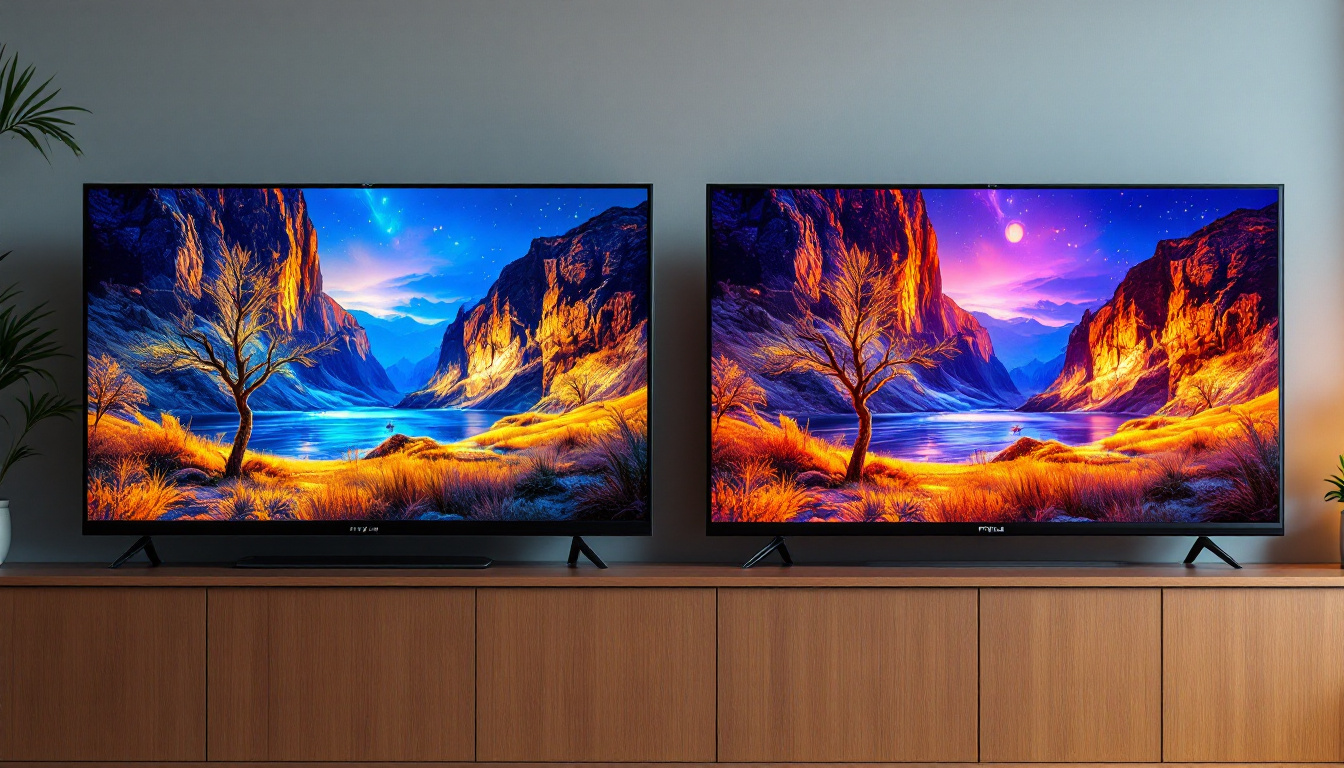
High-end televisions increasingly adopt OLED technology to provide cinematic picture quality. Brands like LG and Sony offer OLED TVs praised for their exceptional contrast ratios and color accuracy, making them favorites among home theater enthusiasts and professionals in video production.
In the monitor space, OLEDs are gaining traction for creative professionals who require precise color reproduction and fast response times.
Emerging and Future Applications
Beyond traditional screens, OLEDs are being explored for use in automotive displays, augmented reality (AR) glasses, and foldable devices. Their lightweight and flexible nature open doors to innovative form factors that were previously unattainable.
Challenges and Limitations of OLED Technology
Despite its many advantages, OLED technology faces several challenges that impact its adoption and longevity.
Burn-In and Image Retention
One of the most discussed drawbacks of OLED screens is burn-in — a phenomenon where static images left on the screen for extended periods cause permanent discoloration. This occurs because organic materials degrade unevenly over time. Manufacturers have implemented various software and hardware solutions to mitigate burn-in, but it remains a concern, especially for devices displaying static UI elements.
Lifespan and Blue Pixel Degradation
The organic compounds used in OLEDs degrade over time, with blue pixels typically having a shorter lifespan than red or green ones. This imbalance can lead to color shifts as the display ages. Advances in material science continue to improve longevity, but OLEDs generally have shorter lifespans compared to LED-backlit LCDs.
Cost and Manufacturing Complexity
Producing OLED panels is more complex and costly than traditional LCD manufacturing. The organic materials require precise deposition techniques, and yield rates can be lower. These factors contribute to higher prices for OLED devices, although costs have been decreasing steadily as the technology matures.
The Future of OLED and Display Technology
OLED technology continues to evolve, with ongoing research aimed at overcoming current limitations and expanding its capabilities.
Advancements in Materials and Manufacturing
New organic compounds and hybrid materials are being developed to enhance brightness, efficiency, and lifespan. Techniques such as inkjet printing for organic layers promise to reduce manufacturing costs and enable larger, more flexible displays.
MicroLED and Other Competing Technologies
While OLED remains dominant in premium displays, emerging technologies like MicroLED offer potential advantages, including higher brightness and longer lifespans without burn-in issues. The display industry is likely to see a diverse ecosystem where OLED, MicroLED, and advanced LCDs coexist, each serving different market needs.
Integration with Emerging Devices
Flexible and foldable OLED displays are already appearing in smartphones and tablets, and future applications may include rollable screens, wearable electronics, and transparent displays. These innovations will redefine how users interact with digital content.
Conclusion
OLED screens represent a significant advancement in display technology, offering unparalleled image quality, flexibility, and efficiency. By emitting light at the pixel level through organic compounds, OLEDs achieve true blacks, vibrant colors, and fast response times that traditional LED-backlit LCDs cannot match. While challenges such as burn-in and cost remain, ongoing research and development continue to push the boundaries of what OLED displays can achieve.
For consumers and professionals alike, understanding how OLED technology works provides insight into why these displays have become the gold standard in modern devices. As the technology matures and new innovations emerge, OLED is poised to remain at the forefront of visual display solutions for years to come.
Explore Cutting-Edge LED Displays with LumenMatrix
As you’ve seen, OLED technology is transforming the way we experience digital content. If you’re inspired by the possibilities of advanced display solutions, LumenMatrix invites you to explore our innovative LED display modules. Our offerings range from Indoor and Outdoor LED Wall Displays to specialized solutions like Vehicle LED Displays, LED Sports Displays, and even Custom LED Displays tailored to your unique needs. Embrace the future of visual communication with LumenMatrix’s mission to deliver digital signage and LED displays that captivate and engage. Check out LumenMatrix LED Display Solutions and see how we can enhance your brand visibility and create unforgettable visual experiences.