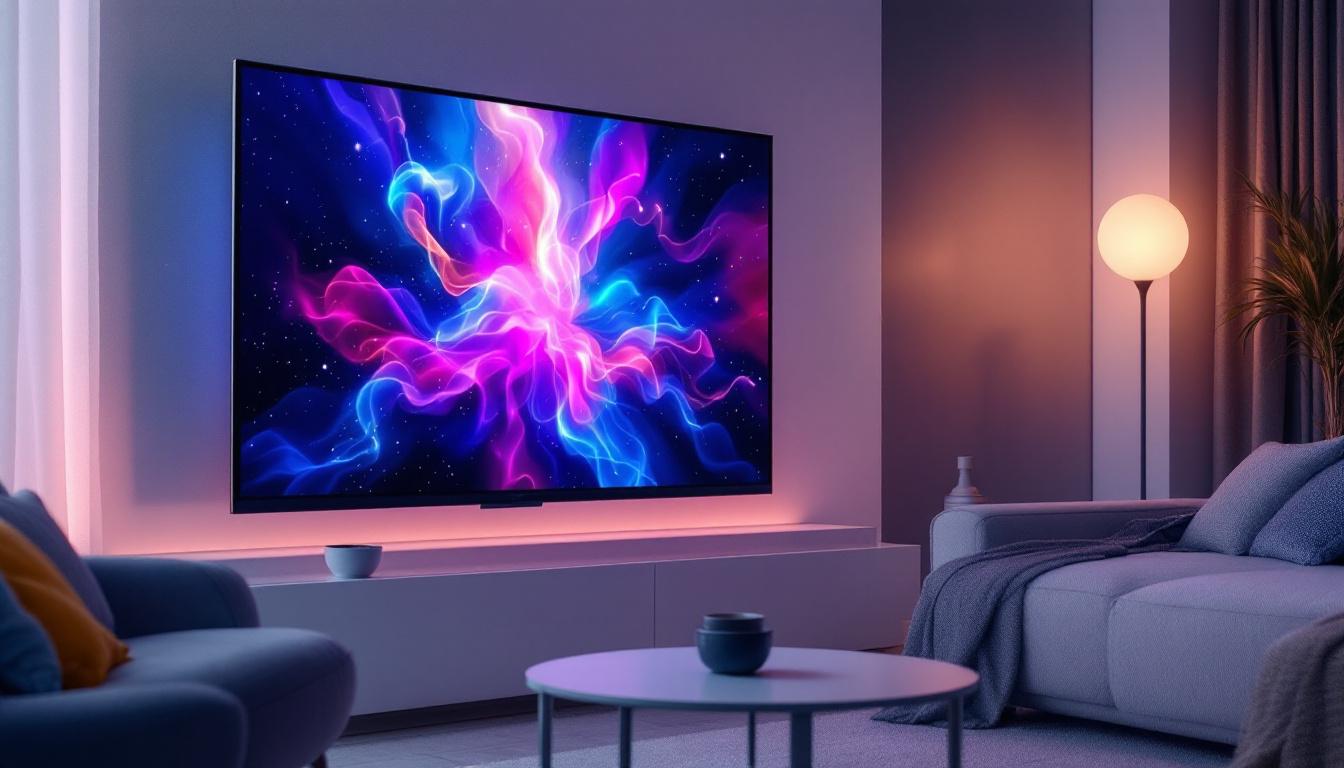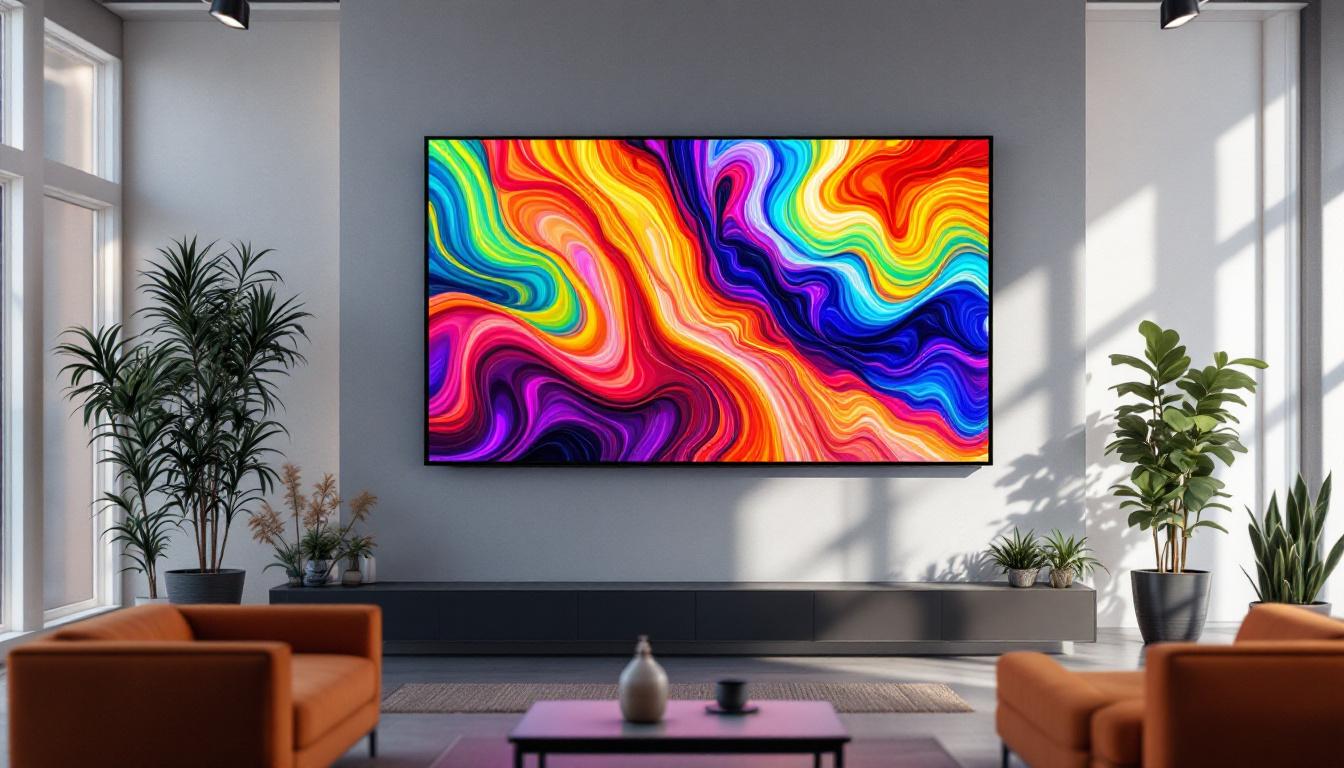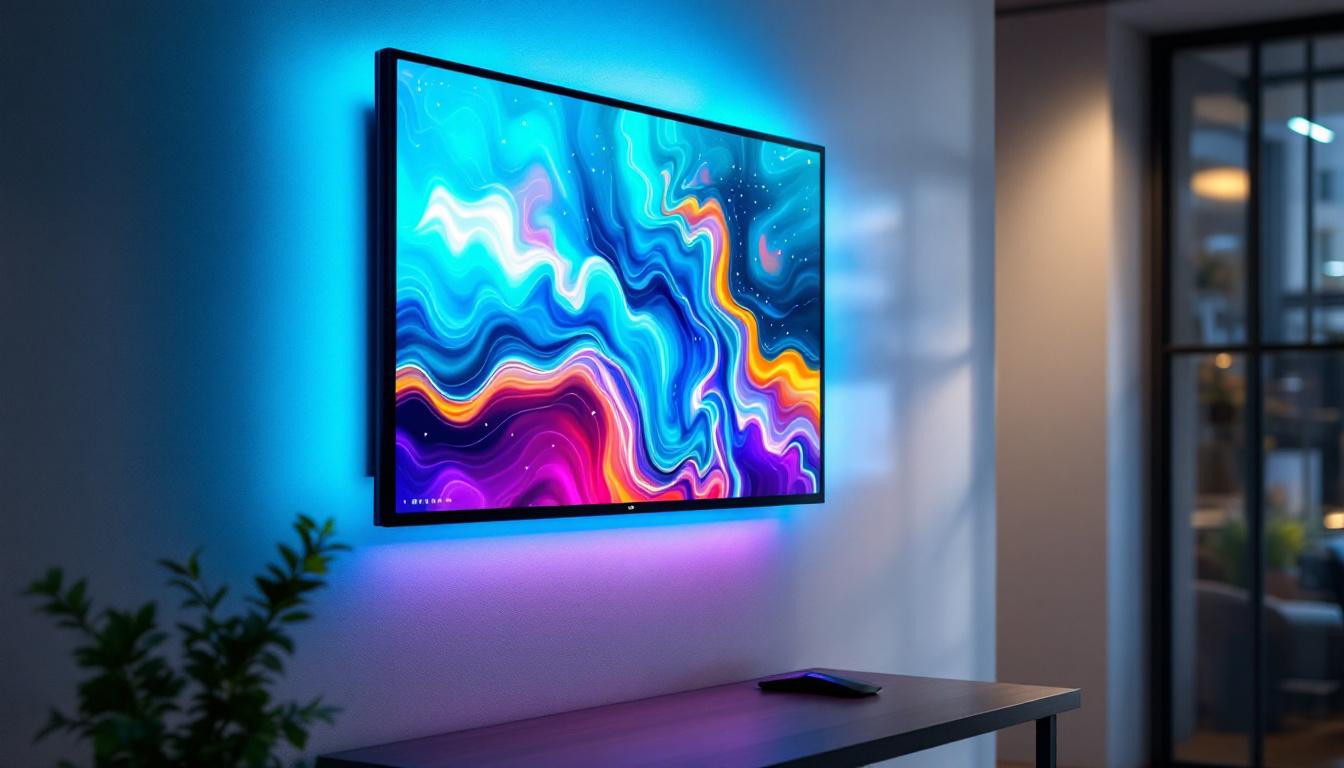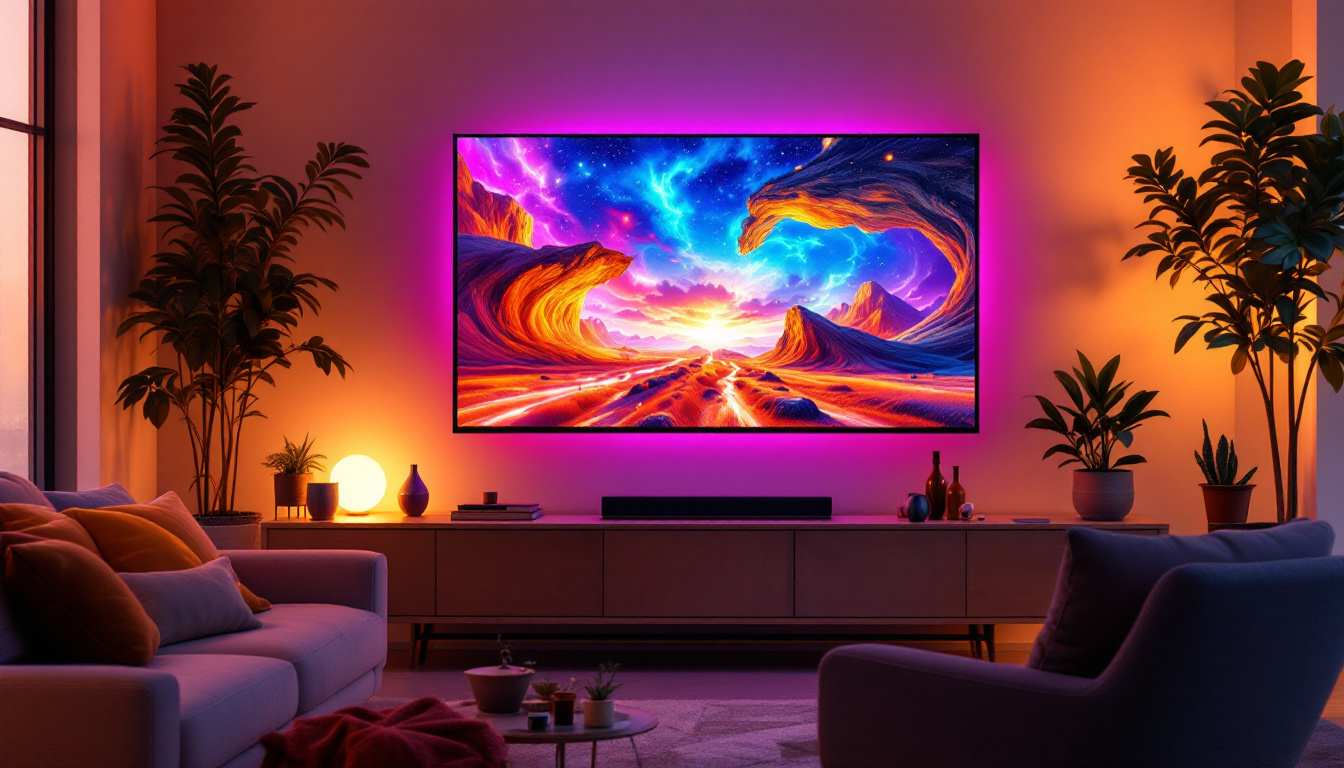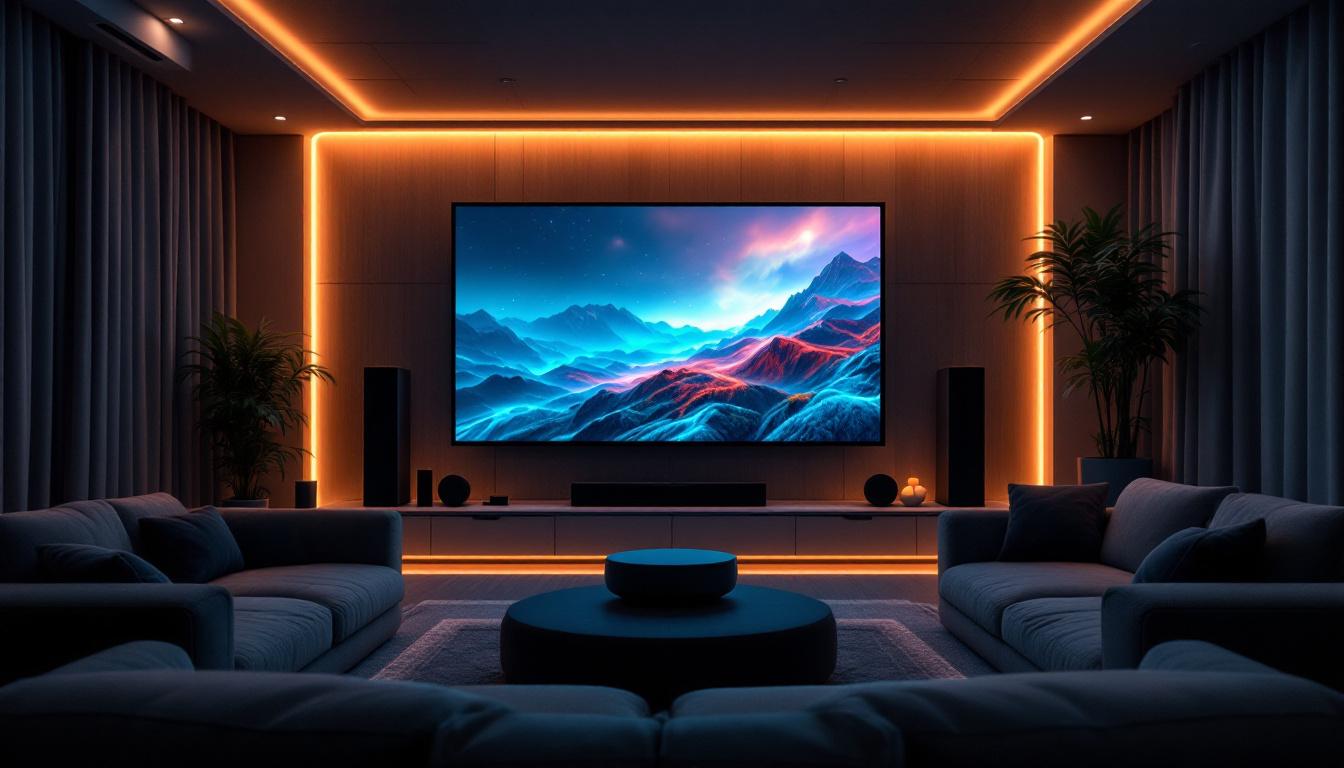
Creating a home theater that rivals the cinematic experience requires careful planning, especially when it comes to choosing the right display technology. Among the many options available today, LED displays have emerged as a popular choice for home theater enthusiasts and professionals alike. This article delves into the intricacies of LED display technology, its advantages, and how home theater design tools can help you make informed decisions to build the ultimate viewing environment.
Understanding LED Display Technology
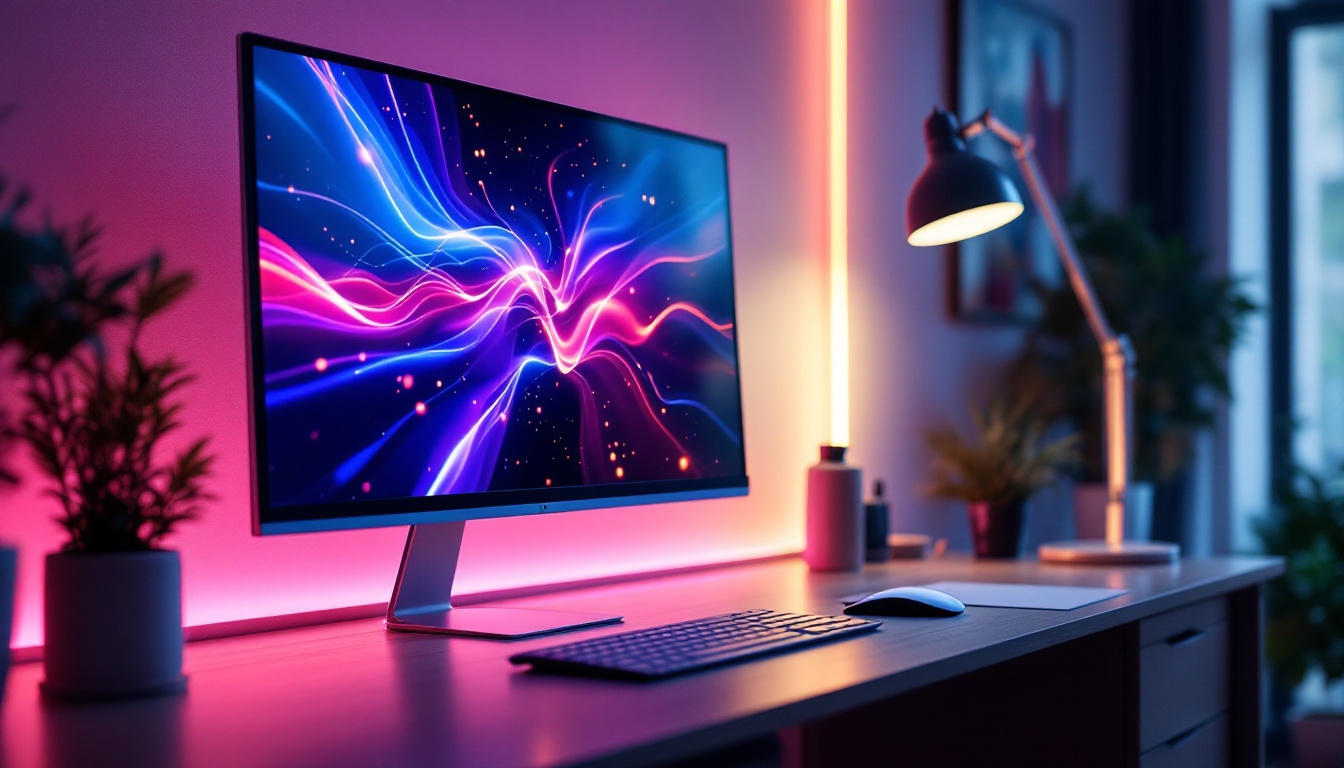
LED, or Light Emitting Diode, displays have become a staple in the world of visual technology. Unlike traditional LCD screens that rely on fluorescent backlighting, LED displays use tiny diodes that emit light when an electric current passes through them. This fundamental difference leads to several benefits, making LED a preferred option for many home theater setups. The evolution of LED technology has also paved the way for innovations such as 4K and 8K resolution displays, which provide stunning clarity and detail that enhance the viewing experience significantly.
How LED Displays Work
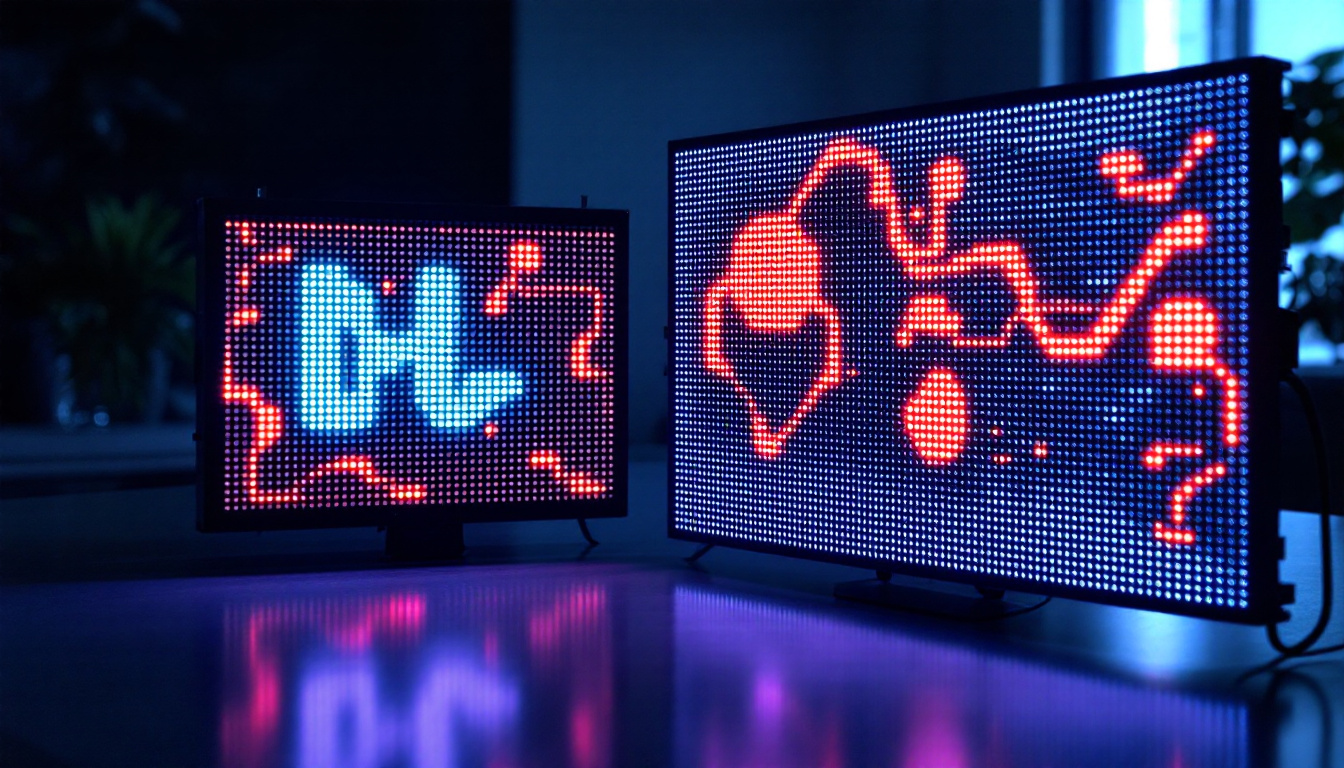
At the core of an LED display are millions of microscopic light-emitting diodes arranged in a matrix. Each diode acts as a pixel or part of a pixel, producing light in red, green, or blue. By varying the intensity of these diodes, the display can produce a full spectrum of colors, resulting in vibrant and accurate images. The technology behind LED displays has advanced to include features like local dimming, which allows specific sections of the screen to dim or brighten independently, further enhancing contrast and depth in the images displayed.
There are two main types of LED displays used in home theaters: direct LED and edge-lit LED. Direct LED displays have diodes placed directly behind the screen, offering superior brightness and contrast. Edge-lit LED displays position the diodes along the edges of the screen, allowing for thinner panels but sometimes at the expense of uniformity in lighting. Additionally, some modern LED displays incorporate quantum dot technology, which enhances color accuracy and expands the color gamut, making them even more appealing for cinematic experiences.
LED vs. Other Display Technologies
When comparing LED displays to other technologies such as OLED (Organic Light Emitting Diode) and traditional LCD, several factors come into play. LED displays generally offer higher brightness levels, which is crucial for rooms with ambient light. They also tend to be more energy-efficient and have longer lifespans compared to LCDs with fluorescent backlighting. This efficiency not only translates to lower energy bills but also contributes to a reduced environmental footprint, making LEDs an eco-friendly choice for consumers.
However, OLED displays are known for their perfect blacks and superior contrast ratios because each pixel emits its own light and can be turned off individually. Despite this, OLEDs are often more expensive and susceptible to burn-in, making LEDs a more practical choice for many home theater owners. Furthermore, the rapid advancements in LED technology have led to the development of Mini-LED and Micro-LED displays, which promise even greater performance by utilizing smaller diodes for enhanced precision in brightness and color reproduction. As these technologies continue to evolve, they are likely to redefine the standards of visual quality in home entertainment systems.
The Role of Home Theater Design Tools in Choosing LED Displays
Designing a home theater is a complex process that involves balancing room dimensions, seating arrangements, acoustics, and display technology. Home theater design tools have become invaluable in this process, offering simulations and recommendations to optimize every aspect of the setup.
Visualizing LED Display Placement and Size
One of the most critical decisions in home theater design is selecting the appropriate screen size and placement. Design tools allow users to input room dimensions and seating distances to calculate the ideal LED display size for an immersive viewing experience without causing eye strain.
For example, the Society of Motion Picture and Television Engineers (SMPTE) recommends a viewing angle of approximately 30 degrees for a cinematic experience. Design tools can simulate this angle based on your room layout, helping you choose an LED display that fits perfectly. Additionally, these tools often include 3D modeling features that allow users to visualize how different screen sizes will look within the space, making it easier to make informed decisions that enhance the overall aesthetic of the room.
Optimizing Brightness and Contrast Settings
LED displays offer adjustable brightness and contrast settings, which can be fine-tuned to suit the ambient lighting conditions of your home theater. Design tools can simulate different lighting scenarios, allowing you to see how your LED display will perform during daytime or nighttime viewing.
These tools also provide guidance on screen coatings and materials that reduce glare, enhancing the overall picture quality. This is especially important in rooms that cannot be completely darkened. Furthermore, many design tools offer the ability to analyze light sources in the room, such as windows or lamps, and suggest optimal placement for blackout curtains or shades. This ensures that your viewing experience remains uncompromised, regardless of the time of day.
Integrating Audio and Visual Components
A great home theater is more than just a great screen. Design tools help integrate LED displays with audio systems, seating, and acoustic treatments to create a balanced environment. By visualizing speaker placement and sound reflections, these tools ensure that the audio complements the high-quality visuals provided by the LED display.
Moreover, many advanced design tools include features that allow users to simulate sound waves and their interactions with various surfaces in the room. This capability can reveal potential issues with sound distortion or dead spots, enabling users to make adjustments before installation. Additionally, these tools can recommend specific types of speakers and subwoofers that match the chosen LED display, ensuring that the audio experience is as immersive as the visual one. By considering both audio and visual components in the design phase, homeowners can create a cohesive and engaging entertainment environment that elevates movie nights and gaming sessions alike.
Advantages of Using LED Displays in Home Theaters
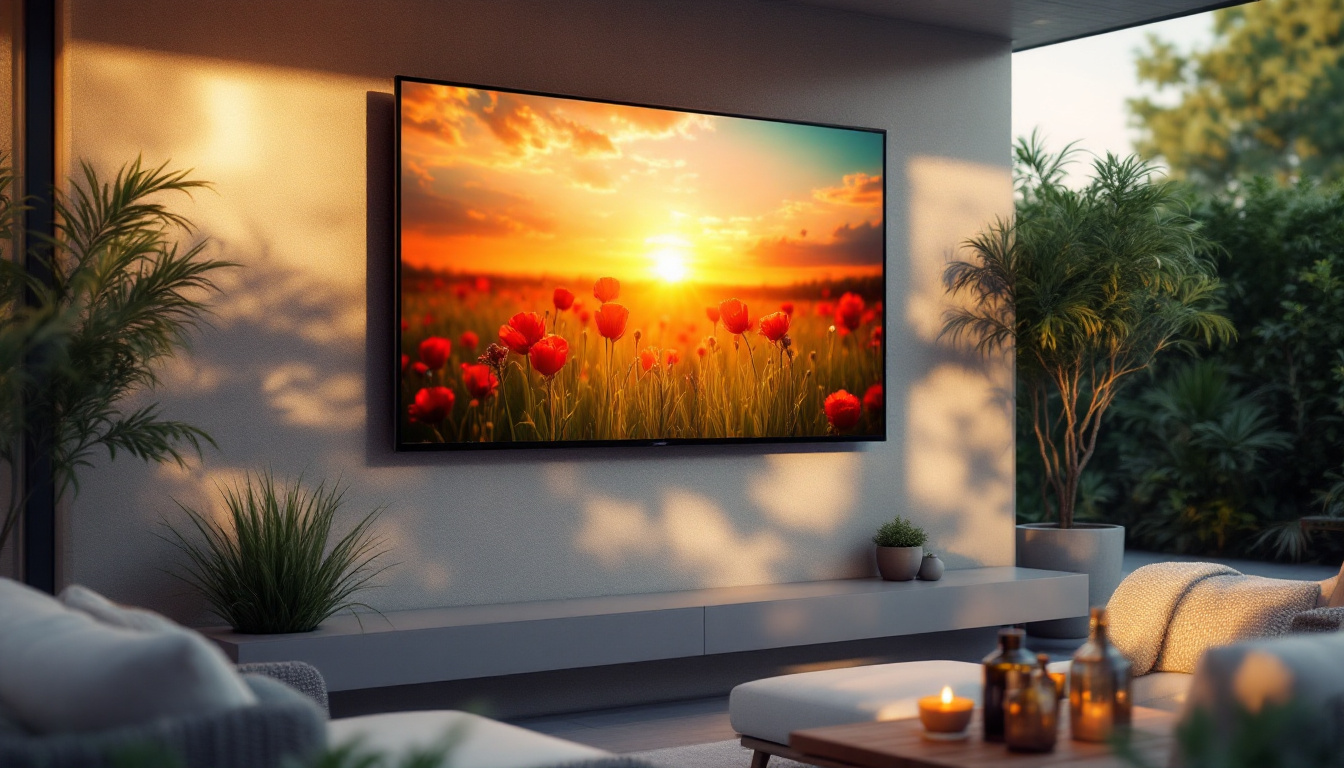
LED displays bring several advantages that make them well-suited for home theater applications. Understanding these benefits can help homeowners and designers make informed choices.
Superior Brightness and Color Accuracy
LED displays can achieve brightness levels exceeding 1,000 nits, far surpassing many traditional projectors and LCD screens. This brightness ensures vivid images even in rooms with some ambient light, reducing the need for complete blackout conditions.
Additionally, modern LED displays cover a wide color gamut, often supporting standards like DCI-P3 and Rec. 2020. This results in richer, more lifelike colors that enhance the cinematic experience.
Longevity and Energy Efficiency
LED technology is known for its durability, with many displays rated for over 50,000 hours of use. This longevity means less frequent replacements and lower maintenance costs over time.
Energy efficiency is another significant advantage. LEDs consume less power compared to traditional backlit LCDs and projectors, making them a more environmentally friendly and cost-effective choice.
Thin and Flexible Form Factors
LED displays can be manufactured in ultra-thin panels, allowing for sleek, modern home theater designs. Some advanced LED displays even offer flexible or modular configurations, enabling custom screen shapes and sizes that fit unique room layouts.
Considerations When Selecting an LED Display for Your Home Theater
While LED displays offer many benefits, certain factors must be considered to ensure the best performance and value.
Resolution and Screen Size
Resolution plays a crucial role in image clarity. For home theaters, 4K UHD (3840 x 2160 pixels) has become the standard, providing sharp details on larger screens. When using design tools, it’s important to balance screen size with resolution to avoid visible pixelation or overly small images.
Refresh Rate and Response Time
Higher refresh rates (such as 120Hz) provide smoother motion, which is beneficial for fast-paced movies and gaming. Response time affects how quickly pixels change color, influencing motion blur and ghosting effects. Selecting an LED display with optimal refresh rates and response times enhances the viewing experience.
Connectivity and Compatibility
Modern LED displays come with various input options, including HDMI 2.1, DisplayPort, and USB-C. Ensuring compatibility with your media players, gaming consoles, and streaming devices is essential. Design tools can help map out the necessary connections and cable management plans.
Budget and Warranty
LED displays vary widely in price based on size, resolution, and brand. It’s important to set a realistic budget while considering long-term value. Many manufacturers offer warranties ranging from one to several years, providing peace of mind against defects and performance issues.
Future Trends in LED Displays for Home Theaters
The world of LED display technology is continuously evolving, with innovations that promise to enhance home theater experiences even further.
MicroLED and MiniLED Technologies
MicroLED is an emerging technology that uses microscopic LEDs to create displays with exceptional brightness, contrast, and color accuracy. Unlike OLED, MicroLEDs are not prone to burn-in and can achieve higher peak brightness, making them ideal for home theaters.
MiniLED technology, which uses smaller LEDs for backlighting, improves contrast and local dimming capabilities in LED displays. This results in deeper blacks and more dynamic images without the high cost of MicroLED.
Integration with Smart Home Systems
Future LED displays are increasingly designed to integrate seamlessly with smart home ecosystems. Voice control, automation, and adaptive picture settings based on ambient conditions are becoming standard features, enhancing convenience and user experience.
Advances in Design Tools
Home theater design tools are incorporating augmented reality (AR) and virtual reality (VR) to provide immersive planning experiences. Homeowners can virtually walk through their designed theater, adjusting LED display placement and settings in real time before making purchases.
Conclusion
Choosing the right LED display is a cornerstone of building an exceptional home theater. Understanding the technology behind LED displays, leveraging home theater design tools, and considering key factors like brightness, resolution, and connectivity can make the difference between a good and a great viewing experience.
As LED technology continues to advance, home theater enthusiasts have more options than ever to create personalized, high-performance entertainment spaces. By staying informed and utilizing modern design tools, anyone can design a home theater that delivers cinema-quality visuals and immersive enjoyment for years to come.
Explore Cutting-Edge LED Displays with LumenMatrix
Ready to elevate your home theater experience with the latest in LED display technology? LumenMatrix offers a wide array of innovative solutions tailored to your needs. From the immersive Indoor LED Wall Display to the dynamic Outdoor LED Wall Display, and from the versatile Vehicle LED Display to the sleek LED Poster Display, our products are designed to captivate and engage. Discover the perfect LED Sports Display, Floor LED Display, Custom LED Display, All-in-One LED Display, or LED Transparent Display to create the ultimate viewing environment. Embrace the future of visual communication with LumenMatrix and Check out LumenMatrix LED Display Solutions today to share your message with unparalleled impact and clarity.