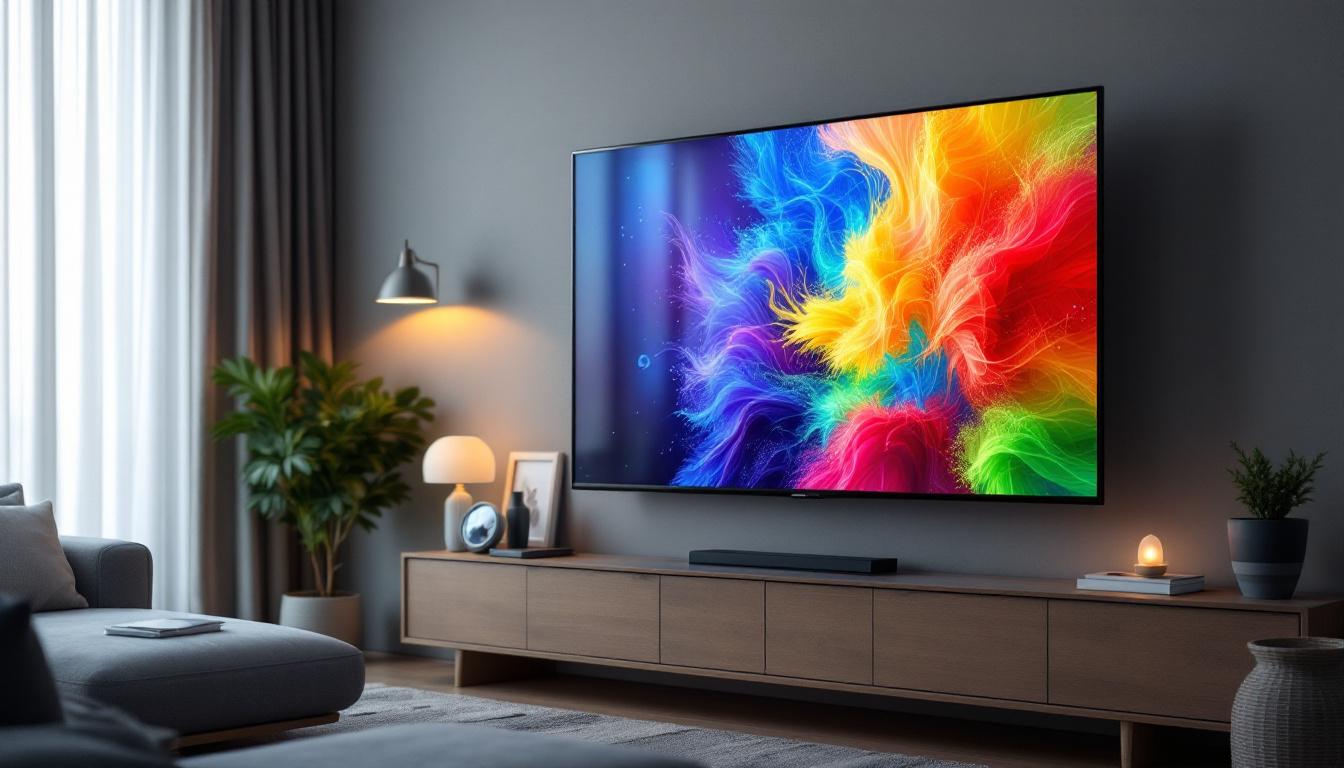
Flat Screen TV Used: LED Display Explained
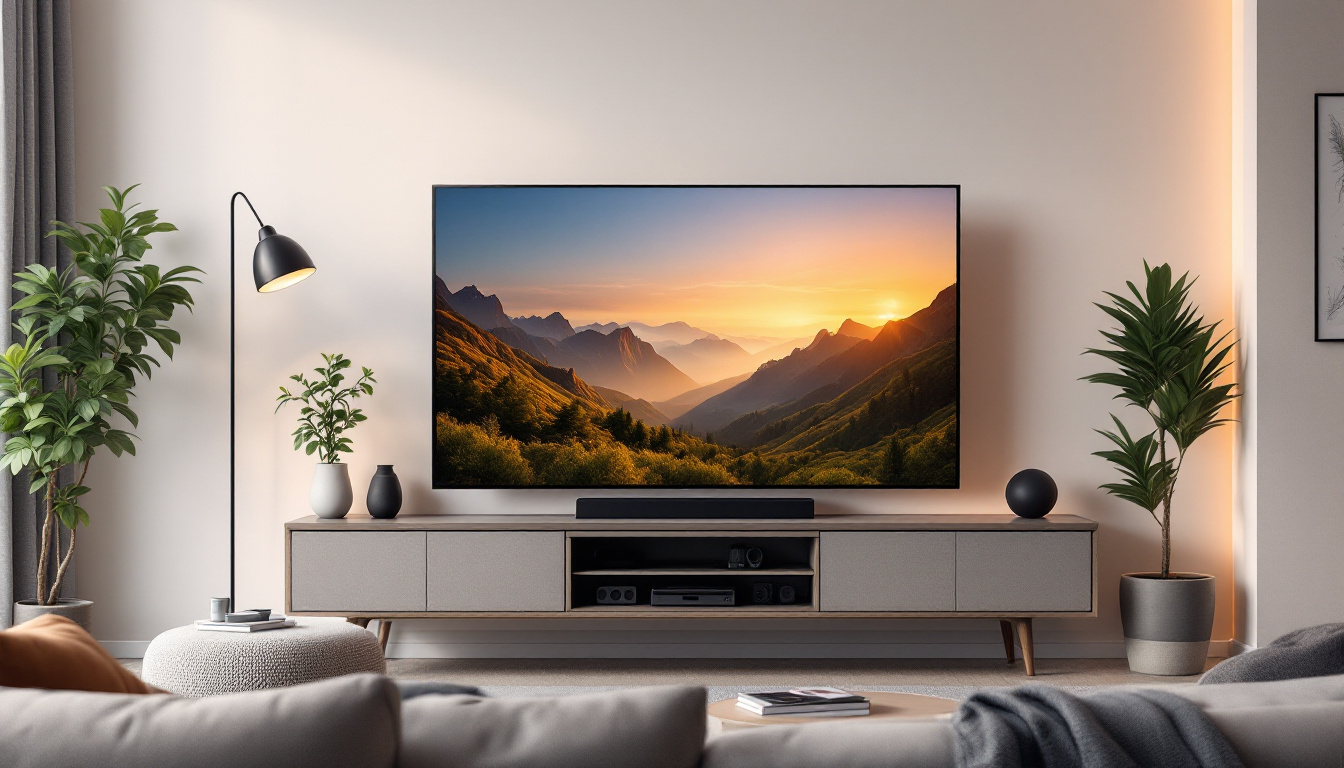
In today’s world, flat screen TVs have become an essential part of home entertainment. Among the various types of flat screen displays, LED TVs stand out for their popularity, performance, and value. Whether you are considering buying a used flat screen TV or simply want to understand the technology behind LED displays, this comprehensive guide will walk you through everything you need to know about LED TVs, their advantages, and what to look for when purchasing a used model.
Understanding LED Display Technology
LED, which stands for Light Emitting Diode, is a type of display technology used in flat screen TVs. It is important to clarify that LED TVs are essentially LCD (Liquid Crystal Display) TVs that use LED backlighting instead of the older cold cathode fluorescent lamps (CCFLs). This change in backlighting technology has significantly improved picture quality, energy efficiency, and design flexibility. The shift to LED technology has not only enhanced the visual experience but has also contributed to the trend of ultra-thin TV designs, allowing for sleeker aesthetics in modern living spaces.
How LED Displays Work
At the core of an LED TV is an LCD panel that controls the image pixels. The LCD panel itself does not emit light; it relies on a backlight to illuminate the screen. In LED TVs, this backlight is provided by an array of tiny LEDs positioned either behind the screen (full-array) or along the edges (edge-lit). These LEDs shine light through the LCD layer, which modulates the light to create images. The technology behind LED displays has evolved rapidly, with advancements in color accuracy and response times, making them suitable for a wide range of applications from home entertainment to professional displays.
The use of LEDs allows for better control over brightness and contrast compared to older CCFL backlights. Some LED TVs also incorporate local dimming technology, which can turn off or dim specific LED zones to produce deeper blacks and richer colors. This results in a more vibrant and immersive viewing experience. Additionally, many modern LED displays support high dynamic range (HDR) content, which further enhances the visual performance by providing a wider range of colors and brightness levels, making scenes appear more lifelike.
Types of LED Backlighting
There are primarily two types of LED backlighting used in flat screen TVs:
- Edge-Lit LED: LEDs are placed along the edges of the screen. Light is spread across the display using light guides. These TVs tend to be thinner and more affordable but may have uneven brightness and less effective local dimming. Edge-lit technology is particularly popular for consumers seeking a budget-friendly option without sacrificing too much on design.
- Full-Array LED: LEDs are spread evenly behind the entire screen. This allows for more precise local dimming, resulting in better contrast and uniform brightness. Full-array LED TVs are generally more expensive but offer superior picture quality. They are often favored by enthusiasts who prioritize visual fidelity and are willing to invest in a premium viewing experience.
In addition to these two primary types, some manufacturers have begun to explore advanced variations such as Mini-LED and MicroLED technologies. Mini-LED uses smaller LED chips, allowing for more LEDs to be packed into the same space, which can significantly enhance local dimming capabilities and improve overall picture quality. MicroLED, on the other hand, represents a revolutionary step forward, where each pixel is its own tiny LED, resulting in incredible brightness, contrast, and color accuracy without the need for a backlight. These innovations are paving the way for the next generation of display technologies, promising even more impressive viewing experiences in the near future.
Advantages of LED TVs
LED TVs have become the dominant flat screen TV technology for several reasons. Understanding their benefits can help consumers make informed decisions, especially when considering used models.
Energy Efficiency
Compared to older LCD TVs with CCFL backlights and plasma TVs, LED TVs consume significantly less power. According to the U.S. Department of Energy, LED TVs use about 30-50% less energy than comparable CCFL LCD TVs, making them more environmentally friendly and cost-effective to operate. This energy efficiency not only contributes to lower electricity bills but also reduces the overall carbon footprint associated with television usage, making it a responsible choice for eco-conscious consumers.
Better Picture Quality
LED backlighting enables higher brightness levels, better contrast ratios, and more accurate color reproduction. Modern LED TVs often support advanced features such as High Dynamic Range (HDR), which enhances the range of colors and luminance, providing a more lifelike image. Additionally, many LED TVs incorporate local dimming technology, which allows for deeper blacks and more vibrant colors by adjusting the brightness in specific areas of the screen. This results in a viewing experience that is not only visually stunning but also immersive, making it ideal for movie nights or gaming sessions.
Slim and Lightweight Design
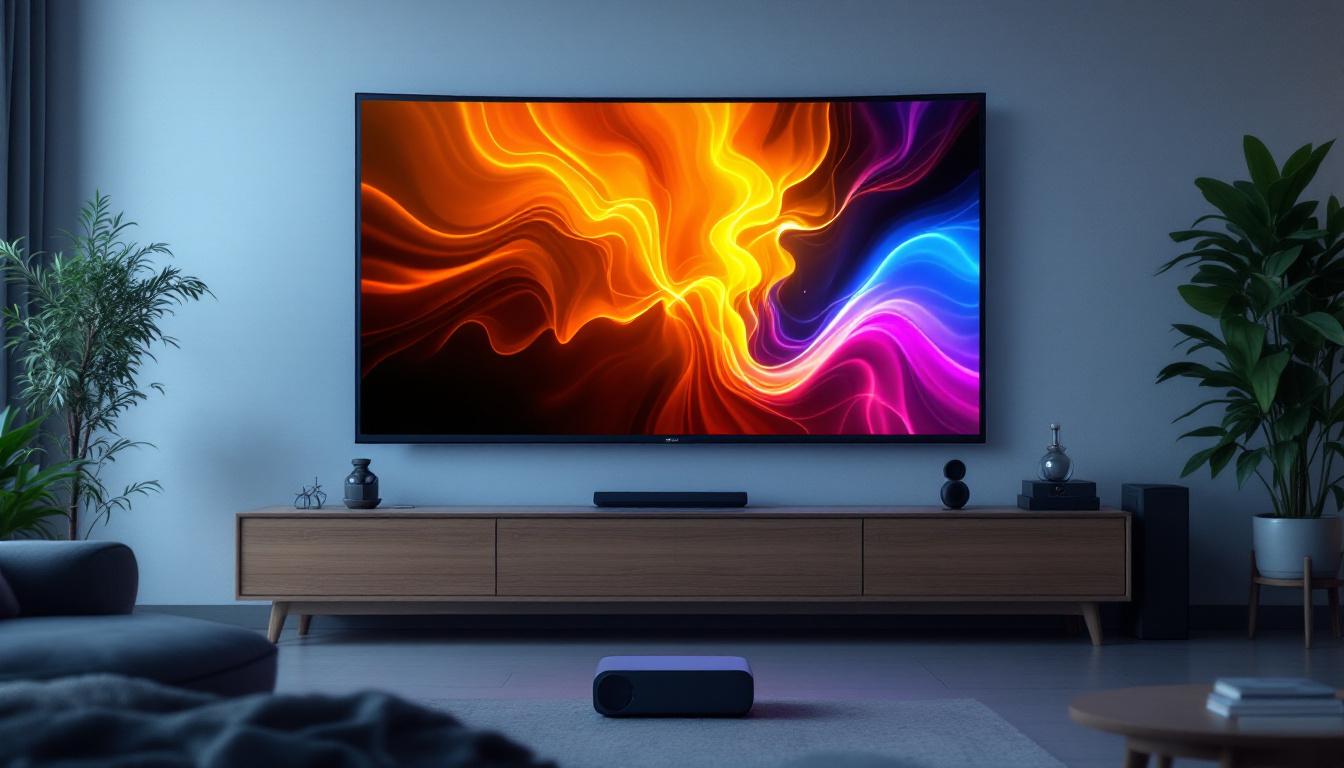
The compact size of LEDs allows manufacturers to produce ultra-thin and lightweight TVs. This makes LED TVs ideal for wall mounting and fits well in modern living spaces where aesthetics and space-saving are priorities. The sleek design often complements contemporary décor, and many models come with stylish stands or mounting options that enhance the overall look of a room. Furthermore, the lightweight nature of these TVs makes installation easier, allowing users to set up their entertainment systems without the need for professional assistance.
Longevity and Durability
LEDs have a longer lifespan compared to CCFLs and plasma displays. Most LED TVs are rated for 50,000 to 100,000 hours of use, which translates to many years of viewing without significant degradation in picture quality. This durability not only provides peace of mind for consumers but also represents a wise investment over time, as the need for replacements is minimized. Additionally, the robust construction of LED TVs often means they are more resistant to damage from impacts or environmental factors, further enhancing their longevity and making them suitable for households with children or pets.
Versatile Connectivity Options
Another significant advantage of LED TVs is their versatile connectivity options. Most modern LED TVs come equipped with multiple HDMI ports, USB ports, and even wireless connectivity, allowing users to connect various devices such as gaming consoles, streaming devices, and sound systems with ease. This flexibility not only enhances the viewing experience but also allows for seamless integration into smart home systems. With built-in Wi-Fi capabilities, users can access a wide range of streaming services directly from their TV, eliminating the need for additional devices and simplifying the entertainment setup.
Smart Features and User-Friendly Interfaces
Many LED TVs now come with smart features that provide users with access to a plethora of applications and services. These smart TVs often feature intuitive user interfaces that make navigation simple and enjoyable. Users can easily browse through streaming platforms, social media, and even browse the internet, all from the comfort of their couch. Voice control capabilities are also becoming increasingly common, allowing for hands-free operation and making it easier to switch between apps or adjust settings without needing to fumble with remotes. This integration of technology enhances the overall user experience, making LED TVs not just a viewing device, but a central hub for entertainment and connectivity in the home.
What to Consider When Buying a Used LED Flat Screen TV
Purchasing a used LED TV can be a smart way to save money while still enjoying high-quality entertainment. However, it requires careful evaluation to avoid common pitfalls. Here are key factors to keep in mind:
Screen Size and Resolution
Choose a screen size that fits your room and viewing distance. For example, a 55-inch TV is ideal for a living room viewed from about 7 to 9 feet away. Resolution is equally important; Full HD (1080p) is still common in used TVs, but 4K UHD (2160p) is now the standard for new content and streaming services. If possible, opt for a used LED TV with 4K resolution for better future-proofing.
Check for Screen Damage and Dead Pixels
Inspect the screen carefully for any scratches, cracks, or discoloration. Dead pixels—small spots on the screen that do not light up—can be distracting. While a few dead pixels might be acceptable depending on their location and number, extensive damage should be avoided.
Test the Backlighting and Brightness
Uneven backlighting or dim areas can indicate LED failure or aging. Test the TV by displaying a solid white or black screen to check for brightness uniformity. Edge-lit models may show some light bleed near the edges, but this should not be excessive.
Verify Smart TV Features and Connectivity
Many LED TVs come with built-in smart functionality, allowing access to streaming apps like Netflix, Hulu, and YouTube. Ensure the software is up to date and that the TV supports the apps you use. Also, check the availability and condition of HDMI ports, USB inputs, and Wi-Fi connectivity.
Consider the Brand and Model Reputation
Some brands are known for better build quality and longer-lasting products. Research the model you are interested in by reading reviews and user feedback. Reliable brands often provide better customer support and firmware updates.
Warranty and Return Policy
When buying used, warranty coverage is often limited or nonexistent. If possible, purchase from a reputable seller who offers a return policy or short-term warranty. This can provide peace of mind in case the TV develops issues shortly after purchase.
LED TV Trends and Innovations
The LED TV market continues to evolve rapidly, with manufacturers introducing new features and improvements. Staying informed about these trends can help buyers make better choices.
Mini-LED and Micro-LED Technologies
Mini-LED technology uses thousands of tiny LEDs as backlights, allowing for even more precise local dimming and improved contrast. This technology is becoming more common in premium TVs and offers performance close to OLED displays but with higher brightness levels.
Micro-LED is an emerging technology where each pixel is its own microscopic LED, eliminating the need for a backlight. Although still expensive and rare, Micro-LED promises exceptional picture quality with perfect blacks and unlimited brightness.
Integration with Smart Home Ecosystems
Modern LED TVs increasingly integrate with smart home systems such as Amazon Alexa, Google Assistant, and Apple HomeKit. Voice control, automation, and seamless connectivity with other devices enhance the user experience.
Improved Gaming Features
With the rise of gaming on consoles like PlayStation 5 and Xbox Series X, LED TVs now often include features like Variable Refresh Rate (VRR), Auto Low Latency Mode (ALLM), and high refresh rates (120Hz or more). These features reduce lag and screen tearing, providing a smoother gaming experience.
Conclusion: Is a Used LED Flat Screen TV a Good Investment?
Buying a used LED flat screen TV can be a cost-effective way to enjoy high-quality home entertainment. LED technology offers excellent picture quality, energy efficiency, and durability, making these TVs a solid choice for most consumers.
However, it is crucial to carefully inspect the TV, verify its features, and understand the type of LED backlighting it uses. Paying attention to screen condition, resolution, smart capabilities, and brand reputation will help ensure a satisfying purchase.
As LED technology continues to advance, options like Mini-LED and Micro-LED will become more accessible, offering even better performance. For now, a well-chosen used LED TV can provide years of enjoyment without breaking the bank.
Explore Cutting-Edge LED Displays with LumenMatrix
Ready to elevate your viewing experience with the latest in LED technology? LumenMatrix, a pioneer in LED display innovation, offers a wide array of advanced solutions tailored to meet your needs. From captivating Indoor and Outdoor LED Wall Displays to dynamic Vehicle and Sports LED Displays, each product is designed to transform your visual communication and engagement. Discover the future of digital signage with LumenMatrix’s Custom, All-in-One, and Transparent LED Displays, perfect for creating unforgettable visual experiences. Check out LumenMatrix LED Display Solutions today and see how they can enhance your brand visibility and audience captivation.