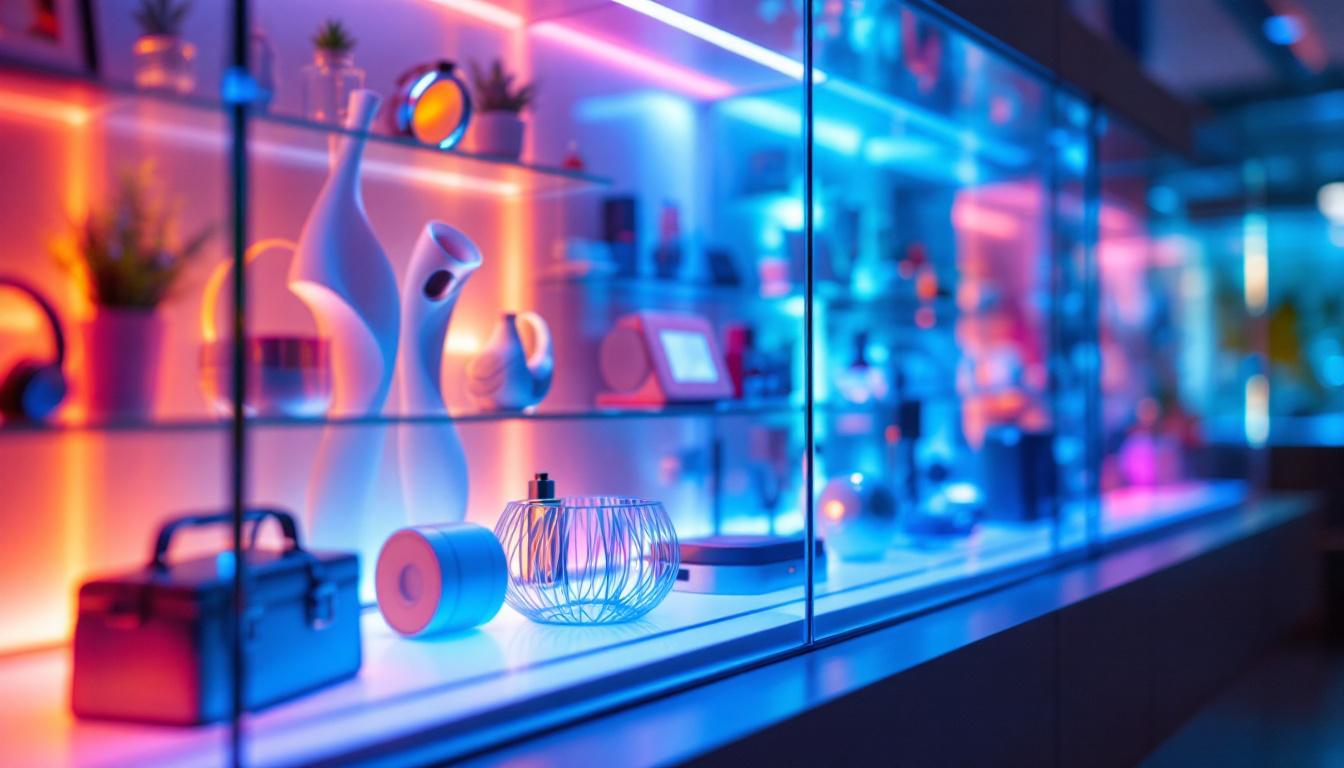
In the world of interior design and retail presentation, lighted glass display cabinets have become a staple for showcasing collectibles, merchandise, and prized possessions. The integration of LED lighting into these cabinets has revolutionized how items are displayed, offering enhanced visibility, energy efficiency, and aesthetic appeal. This article delves into the intricacies of LED lighting in glass display cabinets, exploring its benefits, types, installation considerations, and maintenance tips to help consumers and businesses make informed decisions.
Understanding LED Lighting in Glass Display Cabinets
What is LED Lighting?
LED stands for Light Emitting Diode, a semiconductor device that emits light when an electric current passes through it. Unlike traditional incandescent or fluorescent bulbs, LEDs produce light through electroluminescence, which makes them highly efficient and long-lasting. The technology has advanced rapidly over the past decade, making LEDs the preferred choice for many lighting applications, including display cabinets.
LEDs are available in various colors and intensities, allowing for customizable lighting solutions that can highlight specific features of the items within a display cabinet. Their compact size enables manufacturers to integrate them seamlessly into the cabinet design without compromising aesthetics or space. This adaptability not only enhances the visual appeal of the display but also allows for creative lighting arrangements that can transform the ambiance of a room. For instance, using RGB (red, green, blue) LED strips can create dynamic color-changing effects, making the display more engaging and interactive.
Why Choose LED Lighting for Display Cabinets?
LED lighting offers several advantages over traditional lighting methods, especially in the context of glass display cabinets:
- Energy Efficiency: LEDs consume up to 80% less energy than incandescent bulbs, reducing electricity costs significantly.
- Longevity: The average lifespan of an LED bulb ranges from 25,000 to 50,000 hours, minimizing the need for frequent replacements.
- Low Heat Emission: LEDs emit very little heat, which protects sensitive items such as antiques, artwork, or electronics from heat damage.
- Brightness and Color Options: LEDs can produce bright, focused light in various color temperatures, from warm white to cool daylight, enhancing the visual appeal of displayed items.
- Compact and Flexible Design: Their small size allows for versatile installation, including strip lights, spotlights, or integrated panels.
In addition to these benefits, LED lighting is also environmentally friendly. With a lower carbon footprint compared to traditional lighting options, LEDs contribute to sustainability efforts. They contain no toxic materials, such as mercury, and are 100% recyclable, making them a responsible choice for eco-conscious consumers. Furthermore, the durability of LEDs means they are less likely to break during handling, which is particularly advantageous in settings where display cabinets are frequently accessed or moved.
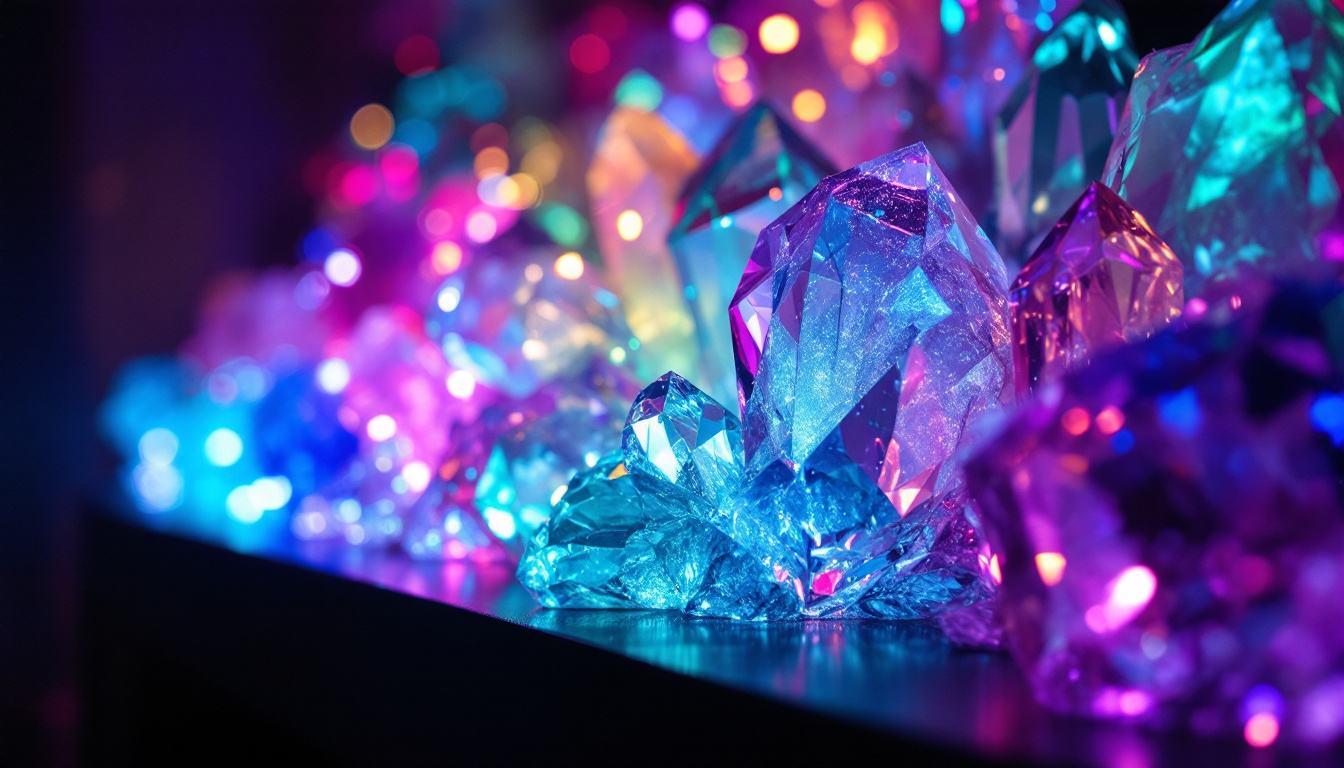
Another noteworthy aspect of LED lighting is its ability to enhance the color rendering of displayed items. High-quality LEDs can render colors more accurately than other light sources, ensuring that the true beauty and details of collectibles, jewelry, or art pieces are showcased effectively. This capability is particularly important in retail environments, where the right lighting can influence customer perceptions and purchasing decisions. By strategically placing LED lights within a display cabinet, retailers can create focal points that draw attention to key products, ultimately enhancing the shopping experience.
Types of LED Lighting Used in Glass Display Cabinets
LED Strip Lights
LED strip lights are flexible circuit boards embedded with multiple LED bulbs. They are widely used in glass display cabinets due to their adaptability and ease of installation. These strips can be cut to size and attached along the edges or shelves of the cabinet, providing uniform illumination.
Strip lights are particularly useful for highlighting multiple shelves or creating ambient lighting effects. They often come with adhesive backing, making installation straightforward without the need for complex wiring.
LED Spotlights and Puck Lights
Spotlights and puck lights are small, focused LED fixtures designed to accentuate specific items within a display cabinet. They provide directional lighting that draws attention to particular objects, creating dramatic visual effects.
These lights can be mounted on the cabinet ceiling or walls and are often adjustable, allowing users to direct the light beam precisely where needed. Their focused illumination is ideal for highlighting valuable or detailed pieces such as jewelry, sculptures, or rare collectibles.
LED Panel Lights
LED panel lights are thin, flat fixtures that provide even, diffuse lighting across a surface. When integrated into the back or sides of a glass display cabinet, they offer a clean and modern look, eliminating shadows and enhancing the overall visibility of displayed items.
Panel lights are especially popular in high-end retail environments and museums where uniform lighting is crucial for presentation and preservation.
Key Considerations When Choosing LED Lighting for Display Cabinets
Color Temperature and CRI
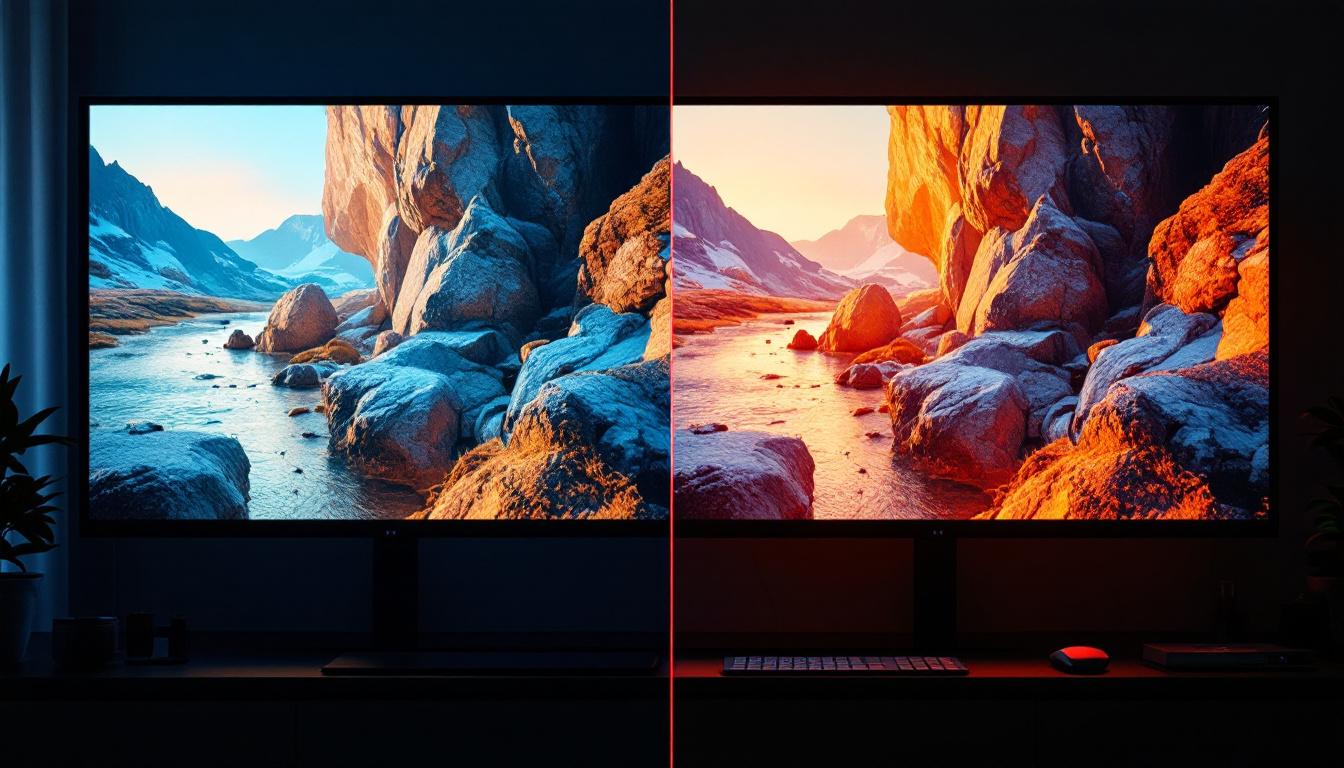
Color temperature, measured in Kelvins (K), defines the hue of the light emitted by an LED. For display cabinets, selecting the appropriate color temperature is essential to showcase items in their true colors.
- Warm White (2700K–3000K): Creates a cozy, inviting atmosphere, ideal for antiques, wooden artifacts, or decorative items.
- Neutral White (3500K–4100K): Offers balanced lighting suitable for a wide range of objects, including ceramics and glassware.
- Cool White (5000K–6500K): Produces bright, daylight-like illumination, perfect for modern items, electronics, or retail displays.
Another critical factor is the Color Rendering Index (CRI), which measures a light source’s ability to reveal the true colors of objects. LEDs with a CRI above 80 are generally recommended for display purposes, with values above 90 preferred for high-fidelity color rendering.
Brightness and Dimming Options
The brightness of LED lights is measured in lumens. For display cabinets, the ideal brightness depends on the size of the cabinet and the nature of the items displayed. Too much brightness can cause glare, while insufficient light may obscure details.
Many LED systems offer dimming capabilities, allowing users to adjust the light intensity according to the time of day, mood, or specific display needs. Dimmable LEDs add versatility and can extend the lifespan of the lighting system by reducing power consumption when full brightness is unnecessary.
Power Supply and Installation
LED lighting systems require a compatible power supply, often a low-voltage transformer, to ensure safe and efficient operation. When selecting a display cabinet with integrated LED lighting or retrofitting an existing cabinet, it is important to consider the power source and wiring requirements.
Professional installation is recommended for complex setups, especially when multiple lighting types or dimming controls are involved. However, many LED kits are designed for easy DIY installation, featuring plug-and-play connectors and adhesive mounts.
Benefits of LED Lighted Glass Display Cabinets
Enhanced Visual Appeal and Item Highlighting
LED lighting dramatically improves the visibility and attractiveness of items within a glass display cabinet. The ability to direct light precisely and choose the appropriate color temperature allows for creative presentation techniques that can enhance textures, colors, and intricate details.
For retailers, this means products can be showcased in a way that attracts customers and increases sales. For collectors and homeowners, it provides an elegant way to enjoy and protect cherished items.
Energy Savings and Environmental Impact
With rising energy costs and growing environmental concerns, the energy efficiency of LED lighting is a significant advantage. LEDs consume far less electricity than traditional bulbs, reducing operational costs over time.
Additionally, LEDs contain no hazardous materials like mercury, which is present in some fluorescent lights, making them safer to dispose of and more environmentally friendly. Their long lifespan also means fewer replacements and less waste.
Preservation of Sensitive Items
Heat and UV radiation can damage delicate objects such as photographs, textiles, and certain artworks. LEDs emit minimal heat and virtually no UV rays, making them ideal for preserving sensitive items inside display cabinets.
This protective quality is particularly important for museums, galleries, and collectors who need to maintain the integrity of their collections over time.
Maintenance and Troubleshooting of LED Display Cabinets
Routine Cleaning and Care
Maintaining the clarity of glass and the performance of LED lighting is essential for optimal display quality. Regular cleaning with a soft, lint-free cloth and non-abrasive glass cleaner prevents dust and smudges from dulling the appearance.
LED fixtures should be checked periodically for dust accumulation, which can reduce light output. Using a gentle brush or compressed air can help keep the lighting components clean without damaging them.
Addressing Common Issues
While LEDs are generally reliable, occasional issues may arise, such as flickering lights, dimming, or complete failure of individual LEDs. These problems can often be traced to loose connections, faulty power supplies, or incompatible dimmer switches.
Troubleshooting steps include verifying all wiring connections, testing the power supply, and ensuring that dimmers are compatible with LED technology. In many cases, replacing a faulty component resolves the issue without the need for a complete lighting overhaul.
Upgrading and Retrofitting
For those with existing glass display cabinets, upgrading to LED lighting can be a cost-effective way to enhance the display. Many retrofit kits are available that include LED strips or spotlights with easy installation guides.
When retrofitting, it is important to measure the cabinet dimensions accurately and select lighting options that complement the cabinet’s design and the items displayed. Consulting with lighting professionals can help ensure a successful upgrade.
Conclusion
LED lighting has transformed the functionality and aesthetics of lighted glass display cabinets, offering unparalleled advantages in energy efficiency, longevity, and visual presentation. Whether for retail environments, museums, or private collections, understanding the types of LED lighting, key specifications, and maintenance requirements empowers users to create stunning displays that protect and enhance their valued items.
As technology continues to evolve, LED lighting solutions will become even more versatile and accessible, making lighted glass display cabinets an essential feature for anyone looking to showcase their treasures with brilliance and care.
Illuminate Your Displays with LumenMatrix
Ready to elevate your display cabinets with the latest in LED technology? LumenMatrix offers a wide array of innovative LED display solutions tailored to your needs. From creating a mesmerizing indoor ambiance to capturing attention with vibrant outdoor displays, our products are designed to enhance your brand’s visibility and audience engagement. Discover the perfect LED display for your space, whether it’s a custom configuration or a sleek, all-in-one solution. Experience the future of visual presentation and check out LumenMatrix LED Display Solutions today.