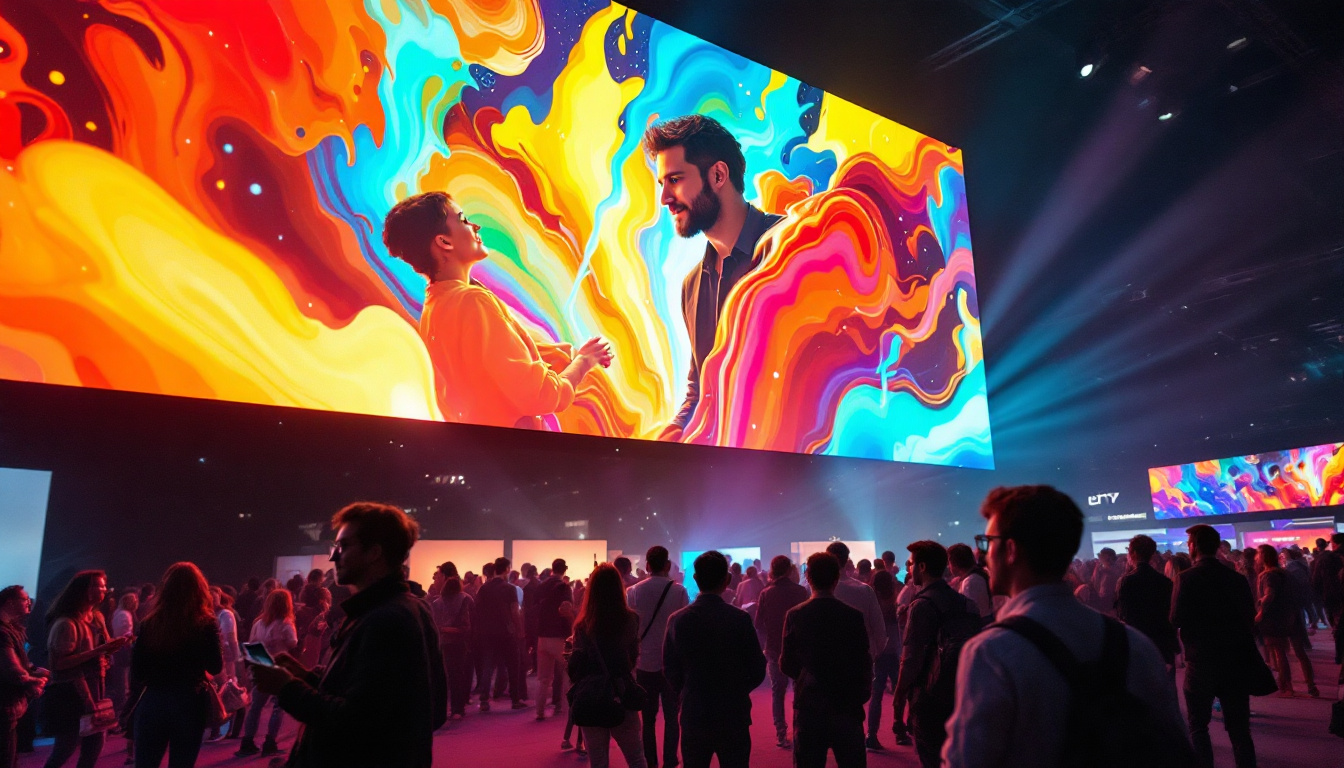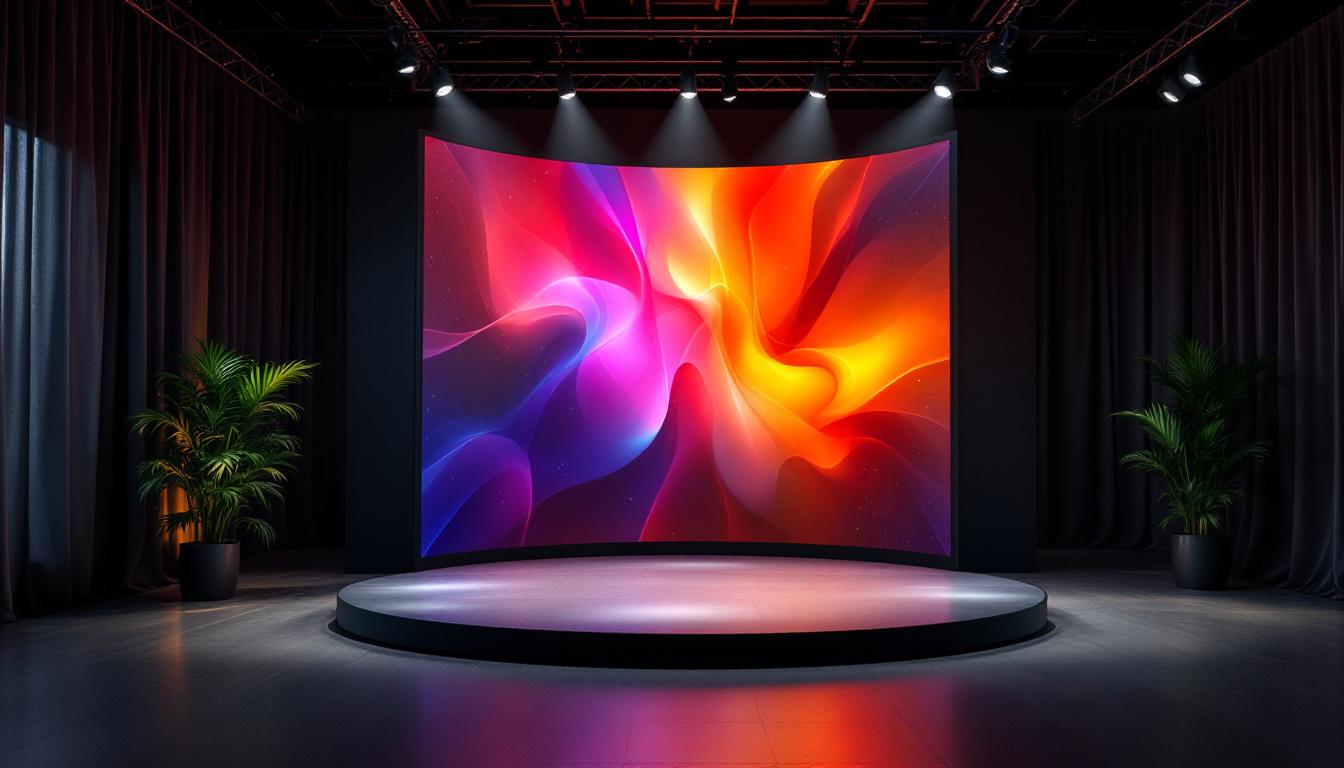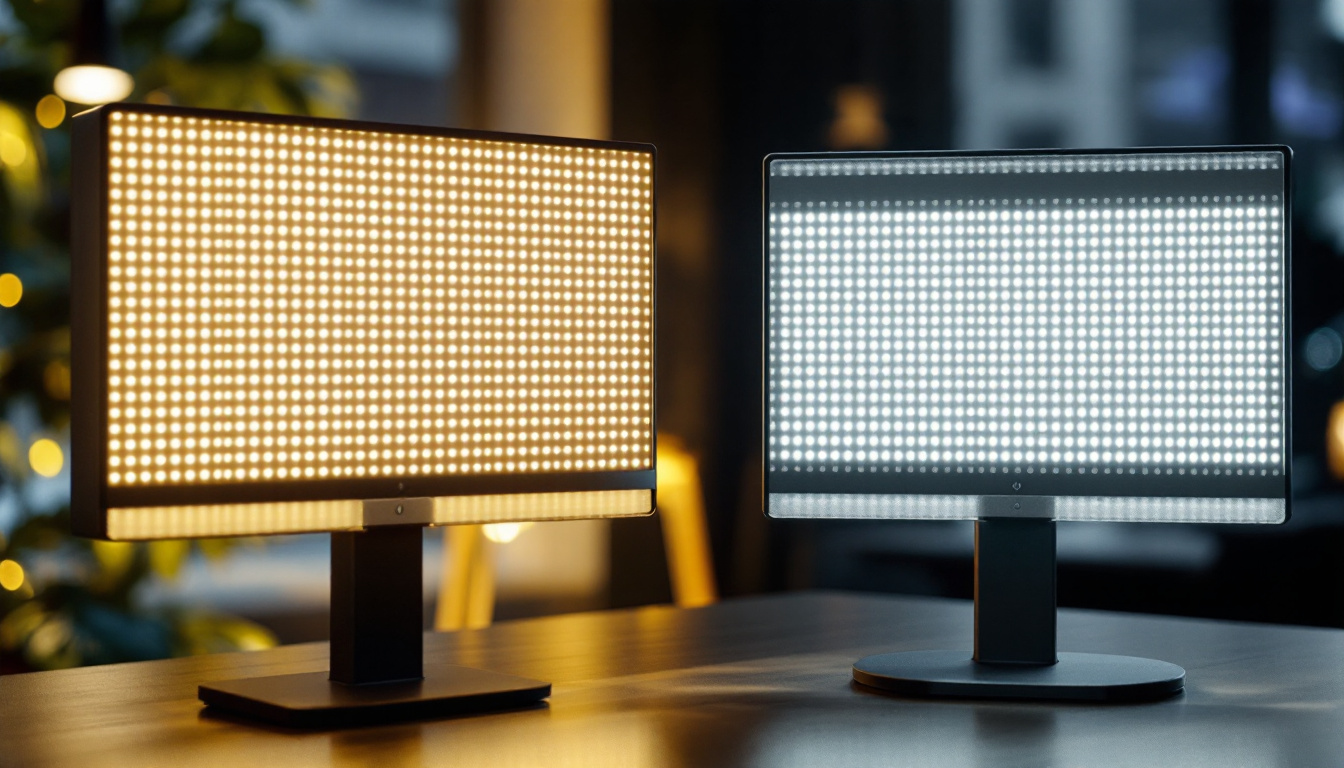
In an era where digital communication is paramount, LED displays have become a cornerstone technology across various industries. From advertising billboards to interactive kiosks and smart home devices, LED displays offer vibrant visuals, energy efficiency, and versatile applications. Among the innovations in this field, the “All In One Board” LED display stands out as a streamlined, integrated solution that simplifies design and enhances performance.
This comprehensive article delves into the concept of the All In One Board LED display, exploring its technology, advantages, use cases, and future trends. Whether you are a technology enthusiast, a business owner considering digital signage, or an engineer looking to understand modern display solutions, this guide will provide valuable insights.
Understanding LED Display Technology
What is an LED Display?
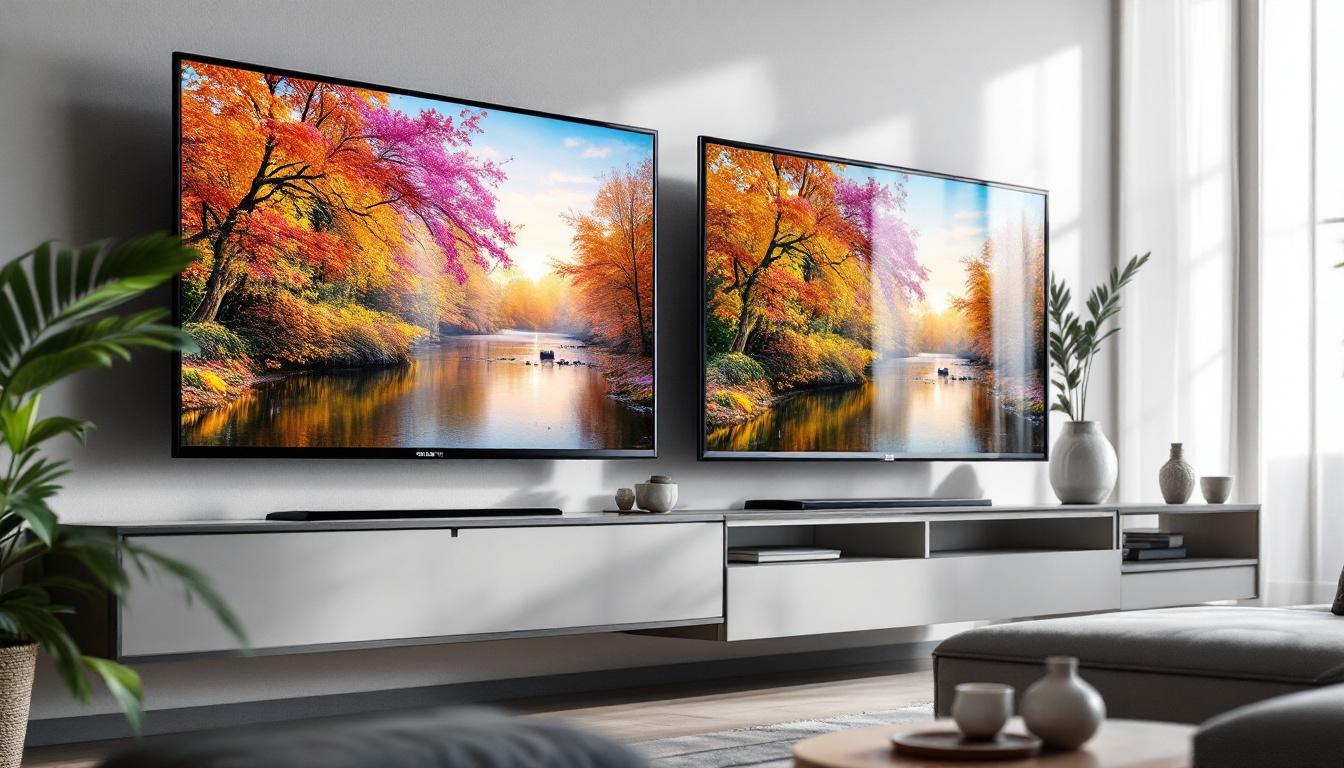
LED, or Light Emitting Diode, displays use tiny semiconductor diodes that emit light when an electric current passes through them. Unlike traditional LCDs that rely on backlighting, LEDs produce their own light, resulting in brighter images, better contrast, and improved energy efficiency. LED displays are composed of numerous pixels, each containing red, green, and blue diodes that combine to create a full spectrum of colors. This capability allows for vibrant visuals that can captivate audiences, making LED technology a popular choice for advertising and entertainment.
LED displays are widely used in various forms, including large outdoor billboards, indoor screens, video walls, and wearable devices. Their modular design allows for flexible sizing and shapes, making them adaptable to many environments. Furthermore, advancements in LED technology have led to the development of flexible and transparent displays, which open up new possibilities for creative applications in architecture and design. The ability to seamlessly integrate these displays into various surfaces enhances aesthetic appeal while providing dynamic content delivery.
Components of a Traditional LED Display System
A typical LED display system consists of several key components:
- LED Modules: These are the basic building blocks containing the LED pixels arranged in a matrix.
- Control Boards: These process the input signals and manage the LED modules to display the correct images.
- Power Supply Units: They provide the necessary electrical power to the LEDs and control electronics.
- Signal Processing Units: These handle video input conversion, scaling, and synchronization.
While effective, traditional systems often require multiple separate components and complex wiring, increasing installation time and potential points of failure. To address these challenges, newer LED display technologies have emerged, such as All-in-One LED displays, which integrate many of these components into a single unit. This innovation not only simplifies installation but also enhances reliability, as the risk of connection issues is minimized. Additionally, these modern systems often come equipped with smart technology that allows for remote monitoring and management, ensuring optimal performance and reducing maintenance costs over time.
Moreover, the evolution of LED display technology has led to the introduction of features such as high refresh rates and improved color accuracy, making them suitable for a wider range of applications, from broadcasting live events to immersive gaming experiences. As the demand for high-quality visual content continues to grow, manufacturers are constantly innovating to enhance the capabilities of LED displays, pushing the boundaries of what is possible in visual communication. This ongoing development not only benefits the entertainment industry but also enhances educational tools, advertising strategies, and public information systems, demonstrating the versatility and impact of LED technology in our daily lives.
What is an All In One Board LED Display?
Definition and Core Concept
An All In One Board LED display integrates the essential components of an LED display system—LED modules, control electronics, power management, and signal processing—onto a single, compact printed circuit board (PCB). This integration reduces the need for external wiring and separate modules, resulting in a simplified, efficient design.
By consolidating these elements, the All In One Board approach streamlines manufacturing, installation, and maintenance processes. It also enables more compact and lightweight displays, which are particularly advantageous for portable or space-constrained applications.
Key Features of All In One Board LED Displays
Some distinctive features of All In One Board LED displays include:
- Integrated Control and Power: The board contains both the LED driving circuits and power regulation components.
- Compact Form Factor: Reduced size and weight compared to traditional multi-component systems.
- Enhanced Reliability: Fewer interconnections reduce failure points and improve durability.
- Ease of Installation: Plug-and-play design simplifies setup and reduces labor costs.
- Modular Scalability: Multiple boards can be combined seamlessly to create larger displays.
Advantages of All In One Board LED Displays
Simplified Design and Reduced Complexity
One of the primary benefits of the All In One Board design is the significant reduction in system complexity. By integrating the control, power, and LED modules onto a single board, manufacturers eliminate the need for multiple connectors, cables, and separate power supplies. This simplification not only reduces assembly time but also minimizes installation errors and troubleshooting challenges.
Improved Energy Efficiency and Thermal Management
Energy efficiency is a critical consideration in LED display design. The All In One Board approach allows for optimized power distribution and more effective thermal management. Integrated circuits can be designed to operate at lower voltages with better heat dissipation strategies, extending the lifespan of the LEDs and reducing operational costs.
Cost-Effectiveness Over Time
While the initial cost of an All In One Board LED display may be comparable or slightly higher than traditional setups, the total cost of ownership tends to be lower. Savings arise from reduced installation labor, fewer replacement parts, less maintenance downtime, and longer operational life. For businesses deploying multiple displays, these savings can be substantial.
Enhanced Flexibility and Customization
The modular nature of All In One Boards allows for easy customization in terms of size, resolution, and functionality. Whether creating a small indoor display or a large outdoor video wall, manufacturers can scale the system by combining multiple boards. Additionally, integrated control electronics can support advanced features such as remote monitoring, brightness adjustment, and dynamic content management.
Applications of All In One Board LED Displays
Digital Signage and Advertising
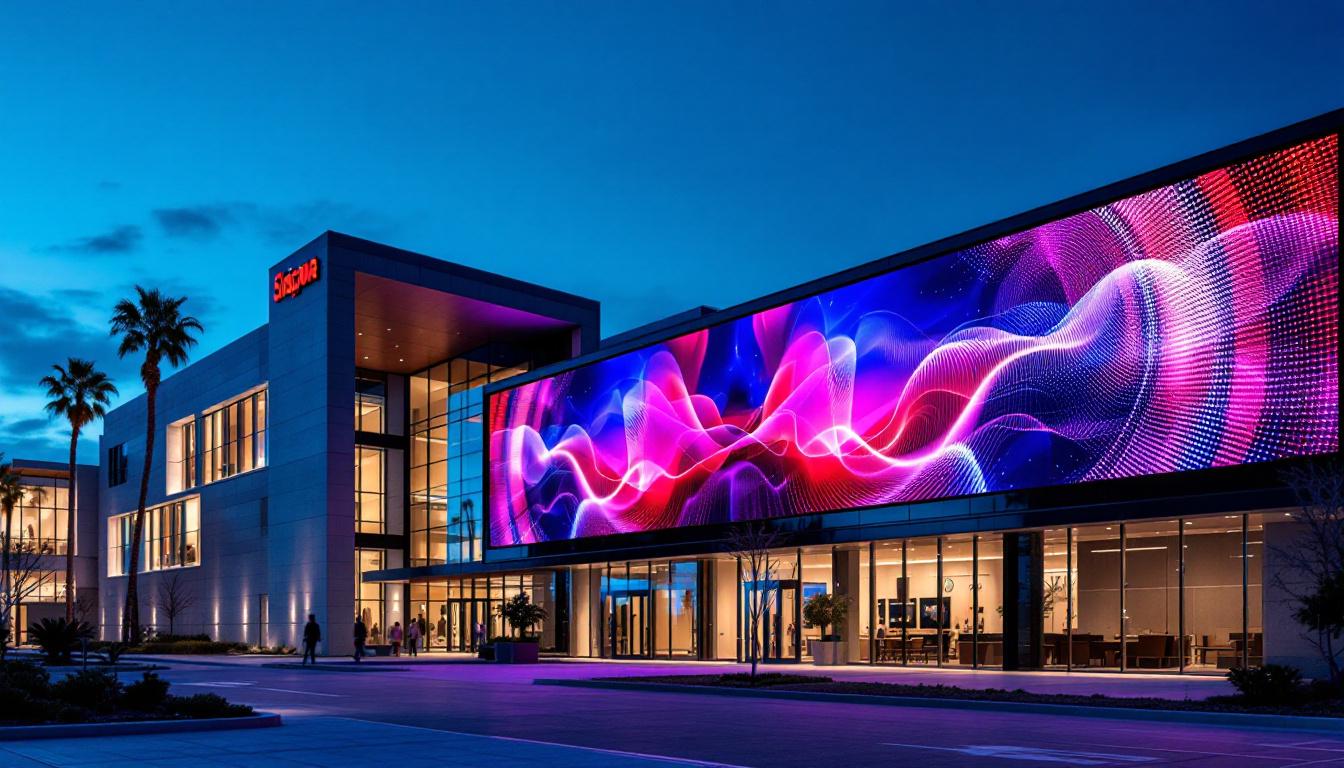
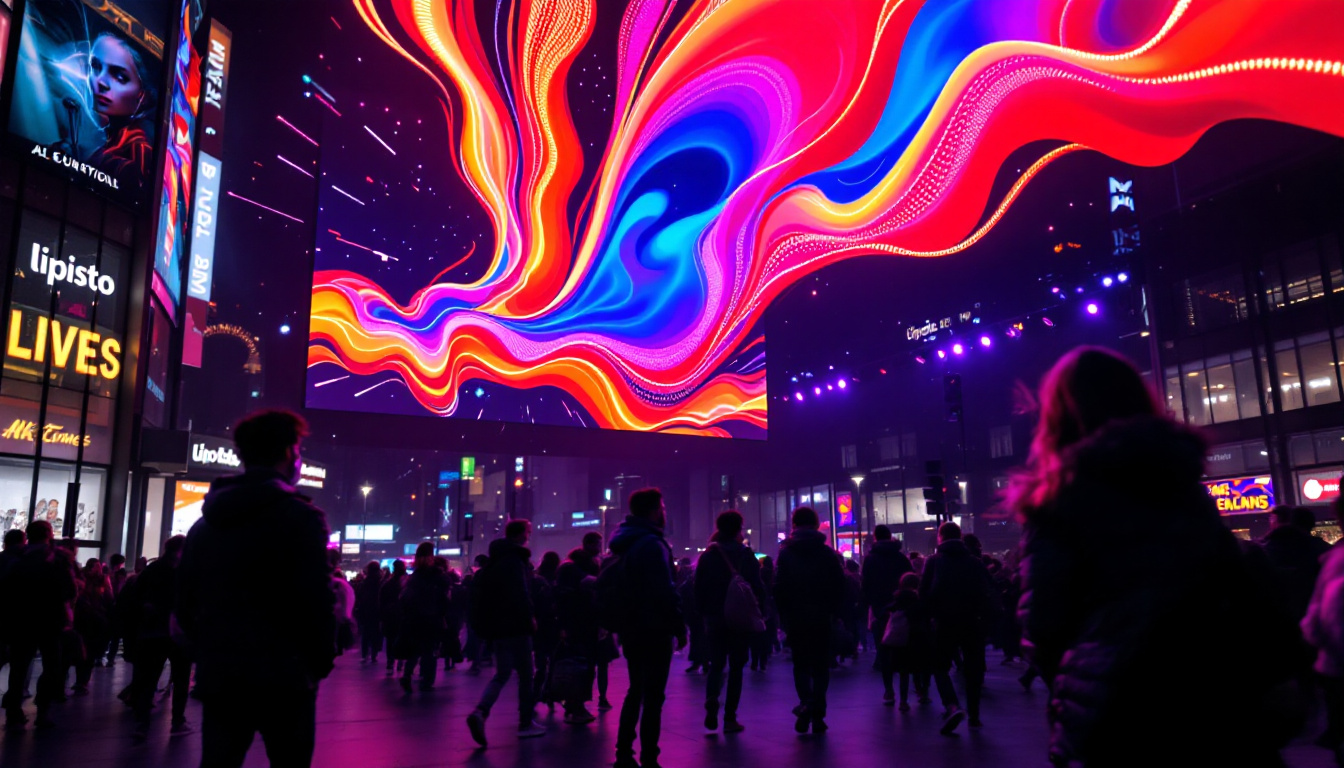
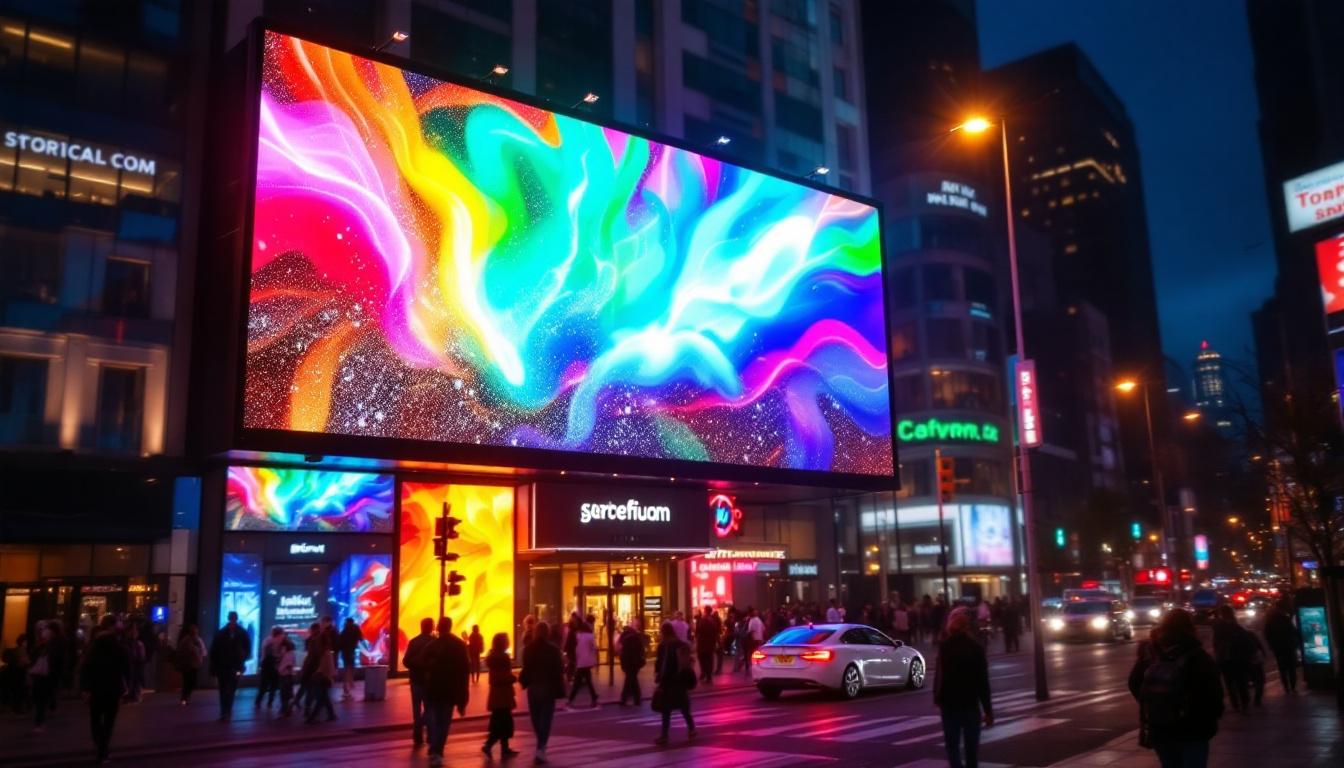
Digital signage is one of the most prominent applications of LED displays. Retail stores, shopping malls, airports, and public spaces increasingly rely on vibrant, eye-catching LED screens to engage customers and convey information. The All In One Board design enables quick deployment of signage solutions with minimal infrastructure requirements, making it ideal for temporary promotions or rapidly changing content.
Smart Home and Consumer Electronics
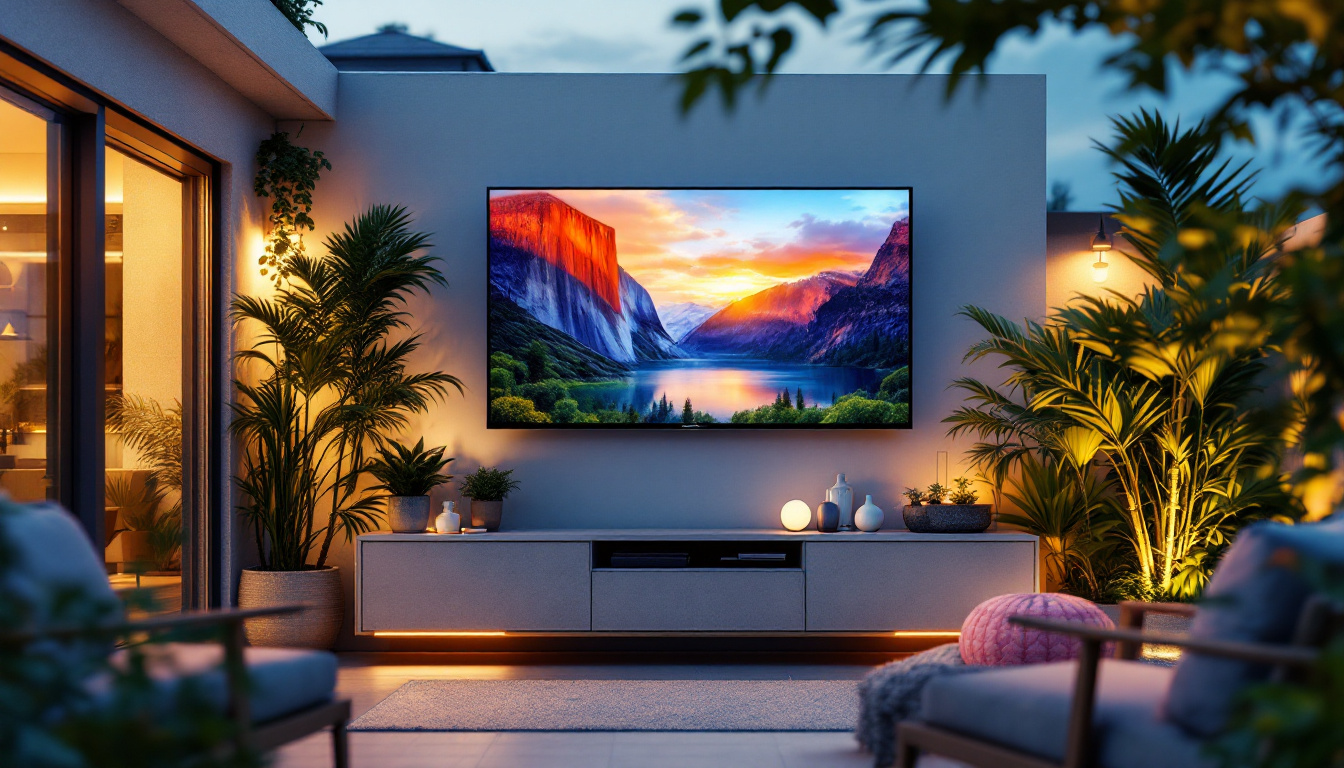
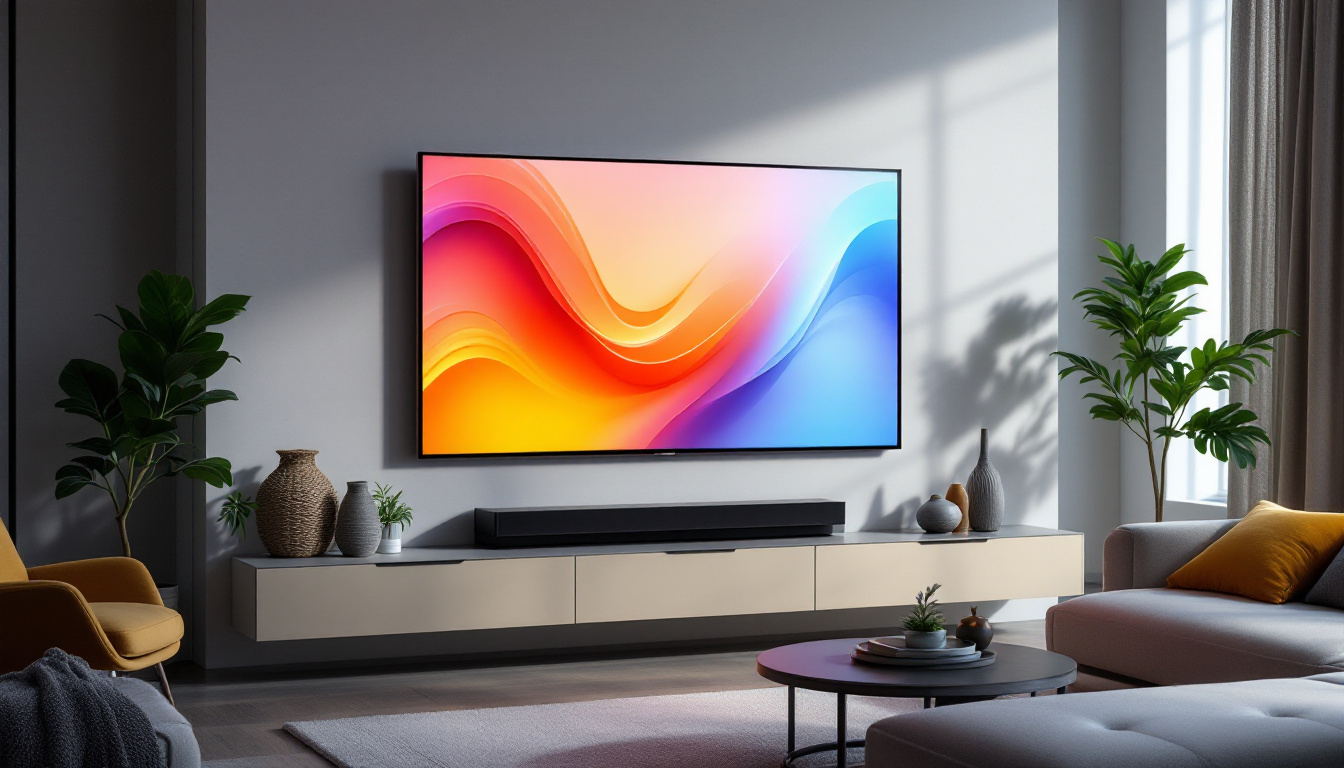
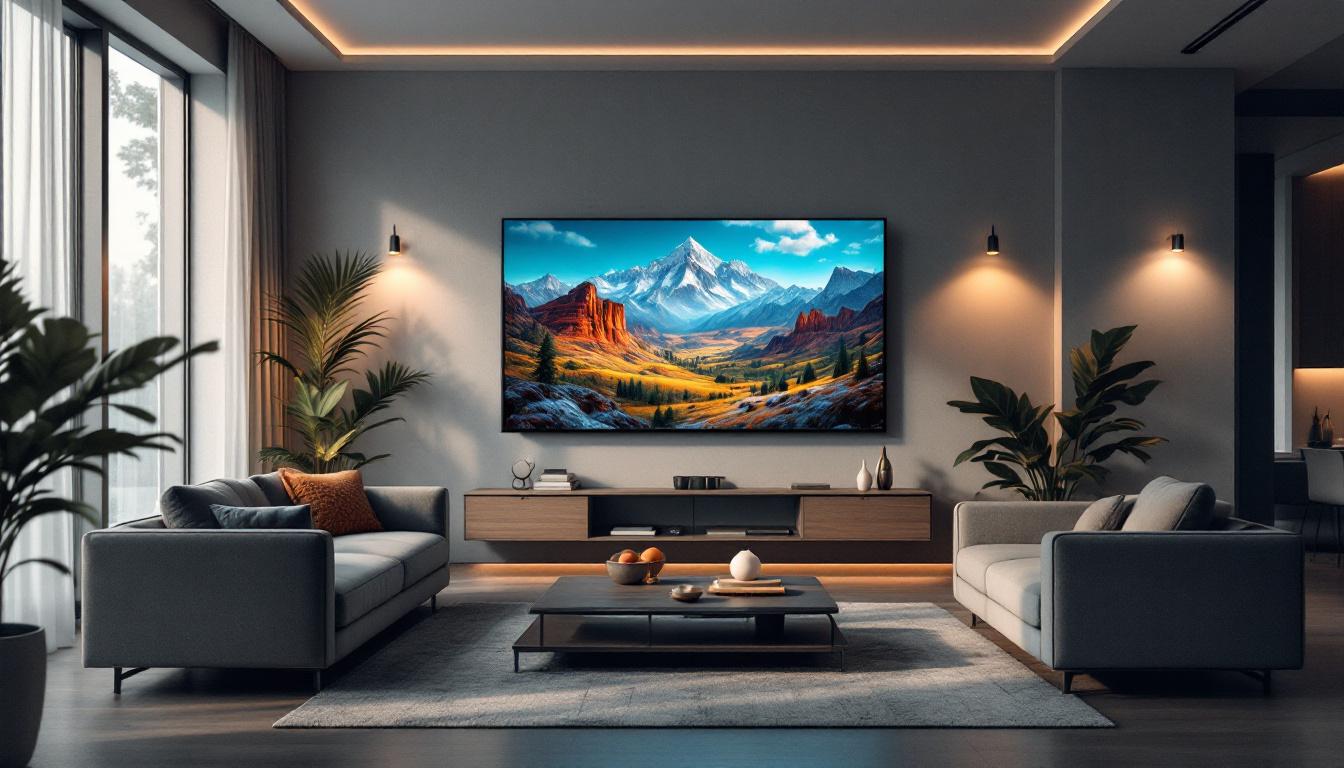
In the consumer electronics sector, All In One Board LED displays are used in smart home devices, such as smart mirrors, interactive control panels, and home automation hubs. Their compact size and integrated design allow for sleek, aesthetically pleasing products that blend seamlessly into modern interiors.
Industrial and Medical Displays
Industrial environments benefit from All In One Board LED displays due to their robustness and reliability. These displays are used for machine status indicators, control room monitors, and safety alerts. In medical settings, integrated LED displays provide clear, high-resolution imaging for diagnostic devices and patient monitoring systems.
Transportation and Public Information Systems
Transportation hubs such as train stations, airports, and bus terminals utilize LED displays for real-time scheduling, announcements, and wayfinding. The All In One Board approach ensures these displays can be installed in challenging environments with limited space and require minimal maintenance.
Technical Considerations When Choosing an All In One Board LED Display
Resolution and Pixel Pitch
Resolution and pixel pitch are critical factors influencing image quality. Pixel pitch refers to the distance between the centers of adjacent pixels, typically measured in millimeters. Smaller pixel pitches yield higher resolution and better image clarity, especially at close viewing distances. When selecting an All In One Board LED display, consider the intended viewing environment to balance resolution needs with cost.
Brightness and Viewing Angle
Brightness is measured in nits (cd/m²) and determines how well the display performs under various lighting conditions. Outdoor displays require higher brightness levels, often exceeding 5,000 nits, to remain visible in direct sunlight. Viewing angle—the range at which the display can be viewed without significant color or brightness distortion—is also essential, particularly for public or large-format displays.
Durability and Environmental Protection
For outdoor or industrial applications, the All In One Board LED display must withstand harsh conditions such as moisture, dust, temperature fluctuations, and mechanical impact. Look for displays with appropriate IP (Ingress Protection) ratings and ruggedized enclosures to ensure longevity and reliability.
Connectivity and Control Options
Modern All In One Board displays often support various input interfaces, including HDMI, DVI, USB, and wireless connectivity. Advanced models provide network capabilities for remote content management and diagnostics, which are invaluable for large-scale deployments.
Future Trends in All In One Board LED Displays
Miniaturization and Higher Integration
As semiconductor technology advances, All In One Boards are becoming even more compact and feature-rich. Emerging developments include integrating microcontrollers, sensors, and wireless communication modules directly on the board, enabling smarter and more autonomous displays.
Flexible and Transparent LED Displays
Innovations in flexible substrates and transparent LED technology are expanding the possibilities for All In One Board displays. Flexible displays can conform to curved surfaces, opening new design opportunities in automotive, wearable technology, and architectural applications. Transparent displays allow for see-through screens that blend digital content with real-world views, enhancing augmented reality experiences.
Artificial Intelligence and Interactive Capabilities
Integration of AI-powered content management and interactive features is becoming more common. All In One Board LED displays can incorporate facial recognition, gesture control, and personalized advertising, creating more engaging user experiences.
Conclusion
The All In One Board LED display represents a significant evolution in digital display technology. By integrating essential components into a single, streamlined board, this approach offers numerous benefits including simplified installation, improved reliability, energy efficiency, and design flexibility. Its versatility makes it suitable for a wide range of applications, from commercial advertising to industrial monitoring and consumer electronics.
As technology continues to advance, All In One Board LED displays are poised to become even more sophisticated, incorporating flexible materials, AI-driven interactivity, and enhanced connectivity. For businesses and developers looking to leverage the power of LED displays, understanding the capabilities and advantages of the All In One Board design is essential for making informed decisions and staying ahead in a competitive digital landscape.
Discover LumenMatrix’s Innovative LED Solutions
Ready to elevate your visual communication with the latest in LED technology? Explore LumenMatrix’s comprehensive range of LED display solutions, including our All-in-One LED Displays that embody the seamless integration and advanced features discussed in this article. Whether for indoor or outdoor applications, LumenMatrix is committed to providing displays that captivate and engage. Check out LumenMatrix LED Display Solutions today and experience the future of digital signage.