Commercial Video: LED Display Explained
In today’s fast-paced digital landscape, commercial video content plays a pivotal role in capturing audience attention and conveying brand messages effectively. One of the most dynamic and impactful mediums for displaying such content is the LED display. From bustling city centers to corporate boardrooms, LED displays have transformed how businesses engage with their audiences. This article delves into the essentials of LED displays, exploring their technology, applications, benefits, and future trends in commercial video usage.
Understanding LED Display Technology
At its core, an LED display is a flat panel display that uses light-emitting diodes (LEDs) as pixels to create images and videos. Unlike traditional LCD or projection systems, LED displays provide superior brightness, contrast, and color accuracy, making them ideal for commercial video applications in diverse environments. The advancements in LED technology have not only improved visual quality but have also made these displays more energy-efficient, which is a significant consideration for businesses looking to reduce operational costs and their carbon footprint.
How LED Displays Work
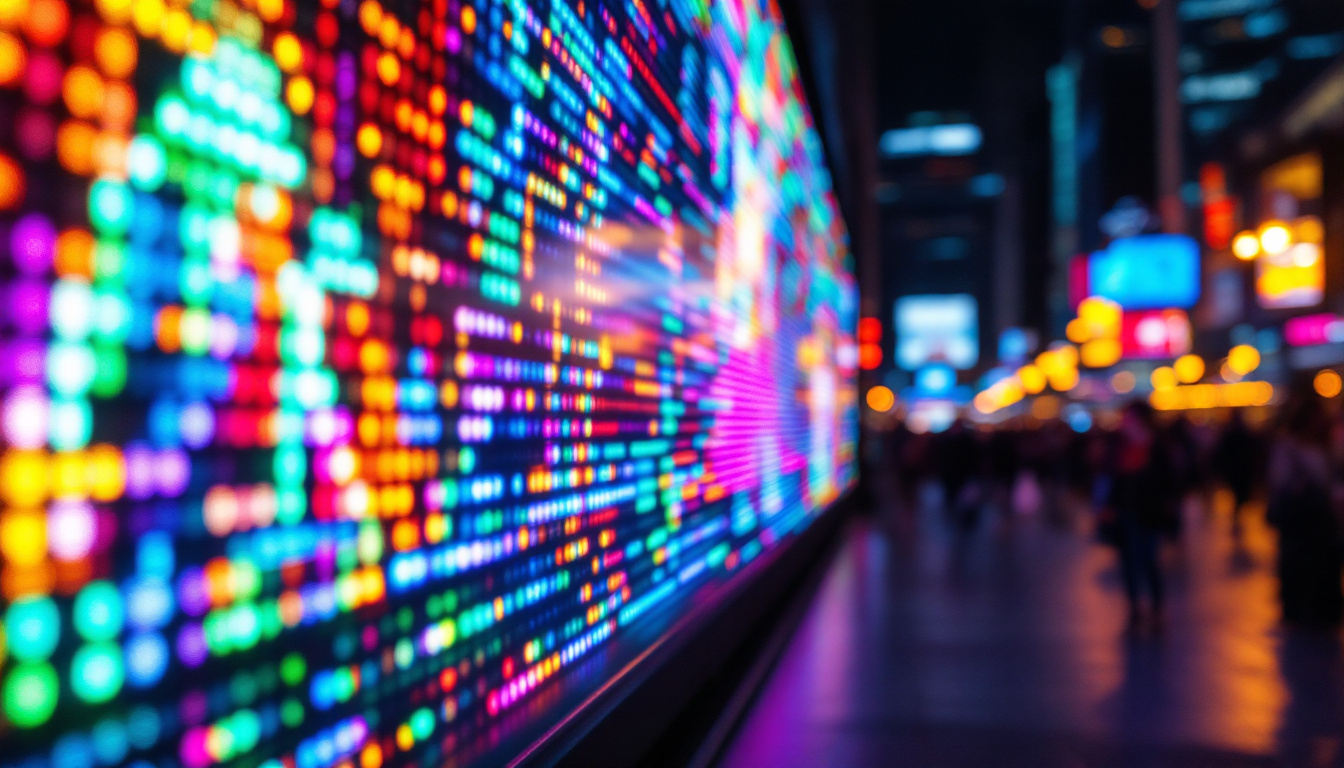
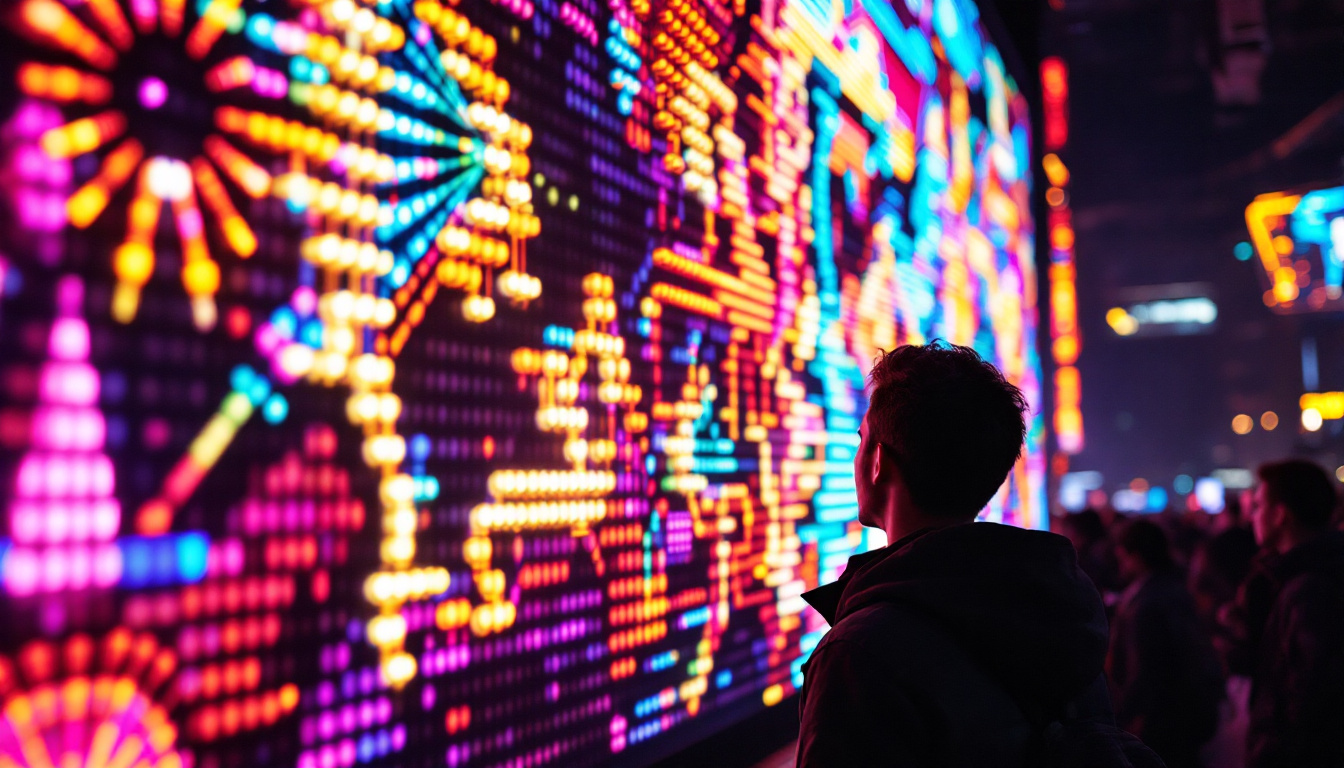
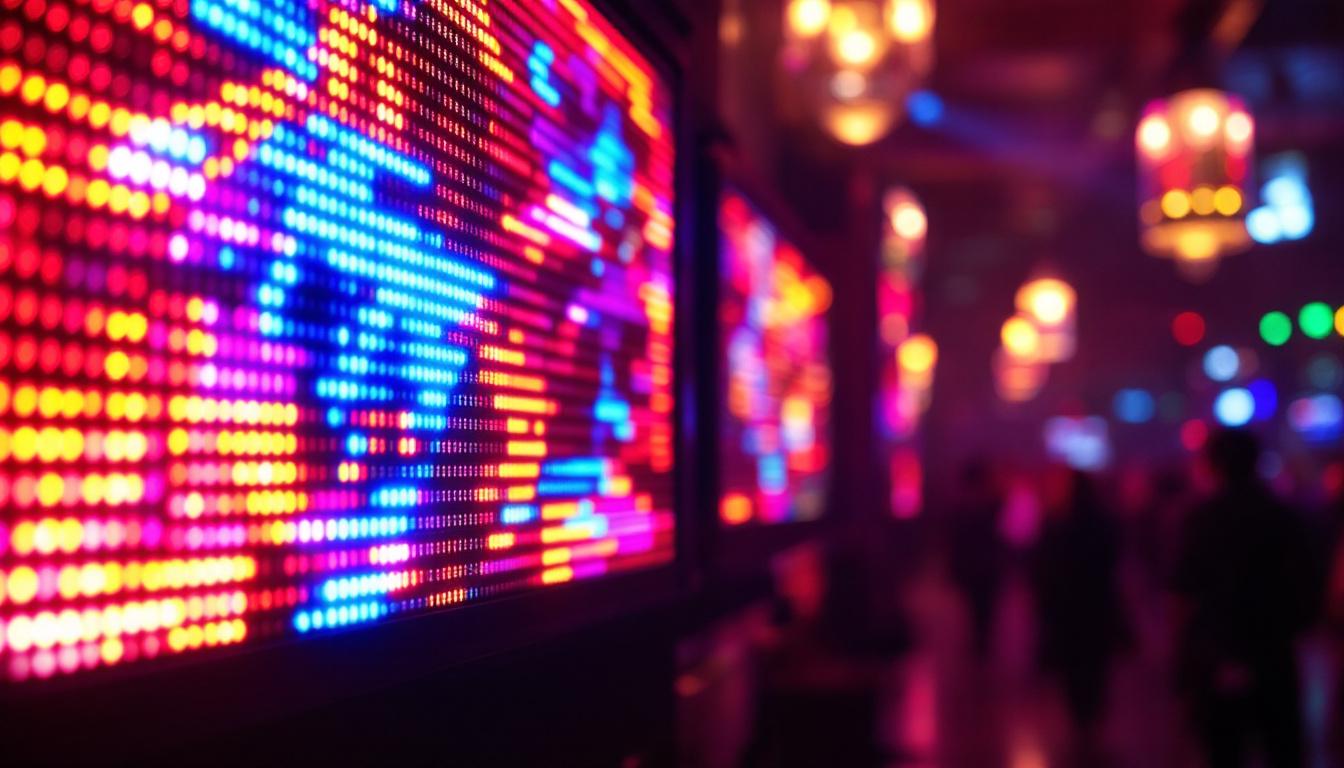
Each LED display consists of thousands to millions of tiny LEDs arranged in a grid. These LEDs emit light when an electrical current passes through them. By controlling the intensity and color of each LED, the display can produce vibrant images and videos. The LEDs are typically grouped into pixels, with each pixel containing red, green, and blue LEDs that combine to create a full spectrum of colors. This RGB configuration allows for a wide range of color reproduction, making it possible to display everything from subtle gradients to vivid, saturated hues.
Modern LED displays often use surface-mounted device (SMD) technology, where LEDs are mounted directly onto the circuit board. This allows for higher pixel density, resulting in sharper and more detailed images, especially important for close-range viewing in commercial settings. Additionally, SMD technology enhances the viewing angles of the display, ensuring that the content remains clear and vibrant from various perspectives, which is crucial in environments like trade shows or retail spaces where foot traffic can come from multiple directions.
Types of LED Displays
LED displays come in various forms, each tailored to specific commercial needs:
- Indoor LED Displays: Designed for environments with controlled lighting, these displays have a higher pixel density and finer pitch (distance between pixels), offering crisp visuals ideal for retail stores, conference rooms, and indoor advertising. The ability to display dynamic content can significantly enhance customer engagement and drive sales.
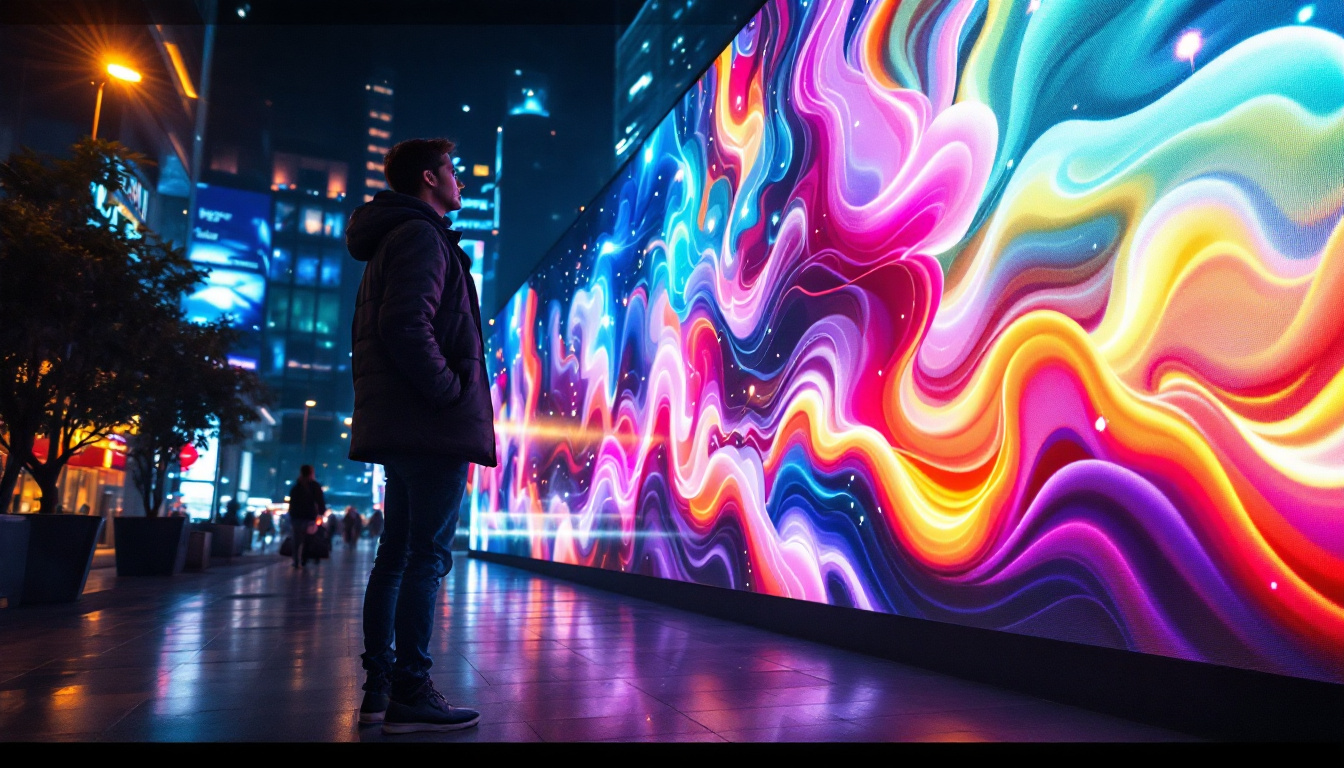
- Outdoor LED Displays: Built to withstand weather conditions and direct sunlight, these displays feature higher brightness levels and robust enclosures. They are commonly used in billboards, stadiums, and public spaces. The durability of outdoor LED displays ensures longevity and reliable performance, even in harsh climates, making them a popular choice for advertisers looking to maximize visibility.
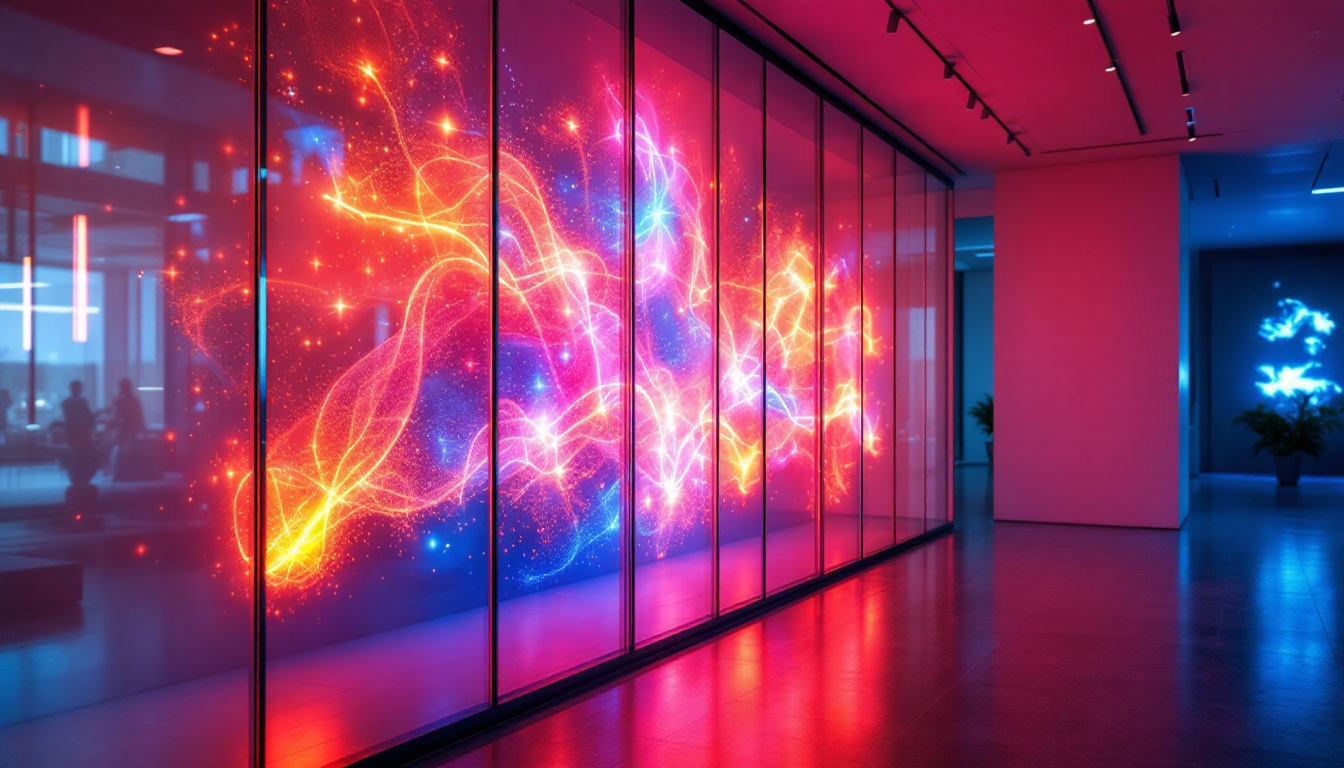
- Transparent LED Displays: These innovative displays allow light to pass through, enabling their integration into glass surfaces such as storefront windows without obstructing visibility from either side. This unique feature not only enhances aesthetic appeal but also provides businesses with a novel way to showcase promotions while maintaining an open and inviting atmosphere.
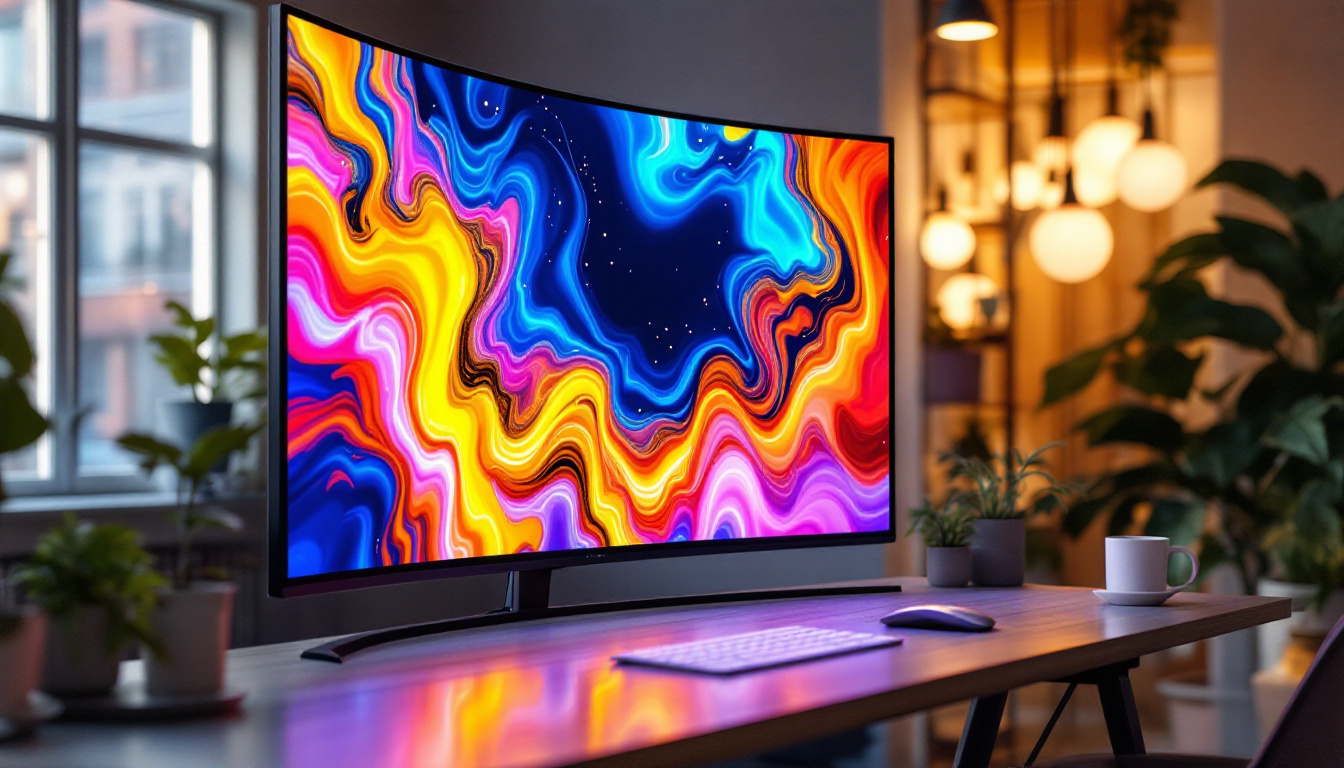
- Flexible and Curved LED Displays: Offering creative freedom, these displays can wrap around structures or form unique shapes, enhancing visual impact in commercial installations. Their adaptability makes them ideal for immersive experiences in museums, exhibitions, and themed environments, where traditional flat displays may not suffice.
Commercial Applications of LED Displays
LED displays have revolutionized the way businesses communicate with their audiences. Their versatility and visual appeal make them suitable for a wide range of commercial video applications.
Advertising and Digital Signage
One of the most prominent uses of LED displays is in advertising. According to a 2023 report by Grand View Research, the global digital signage market, largely driven by LED technology, is expected to reach $32.84 billion by 2028, growing at a CAGR of 7.5%. This growth underscores the increasing reliance on LED displays for dynamic advertising content.
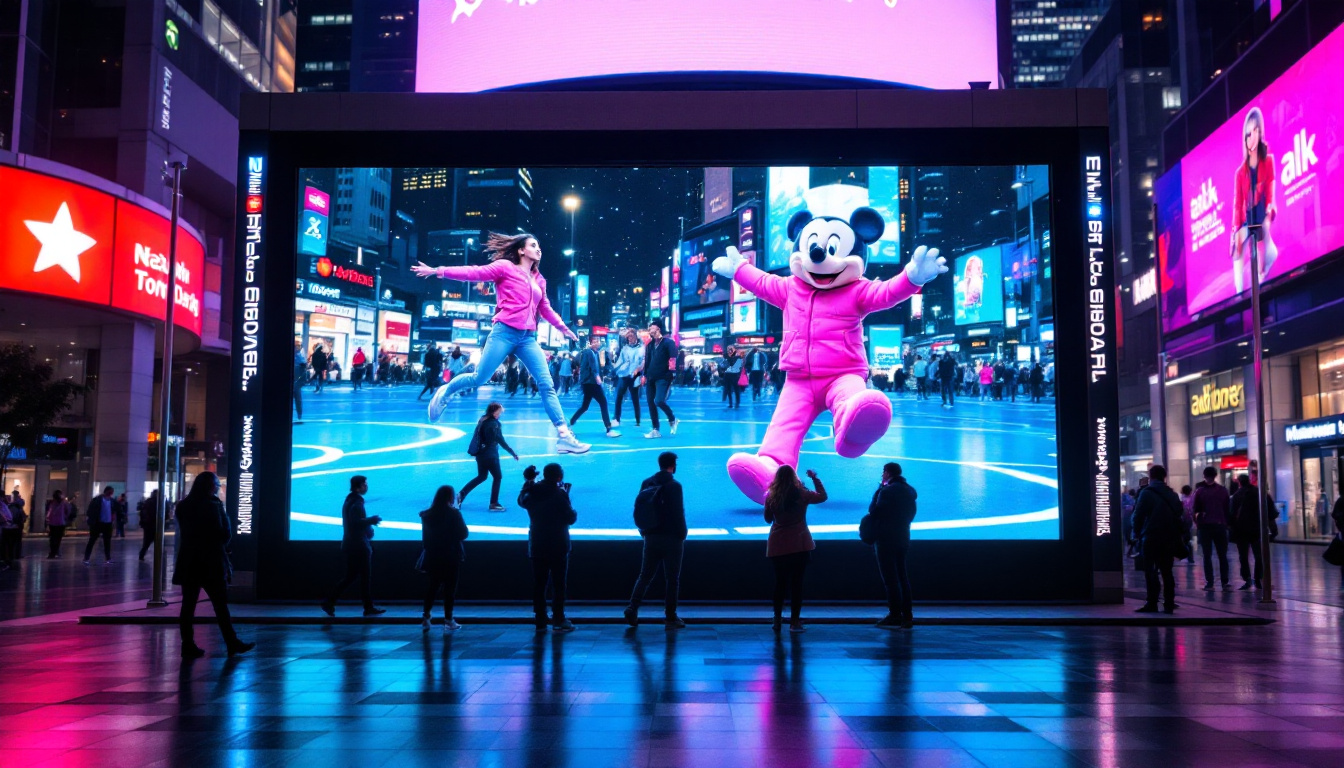
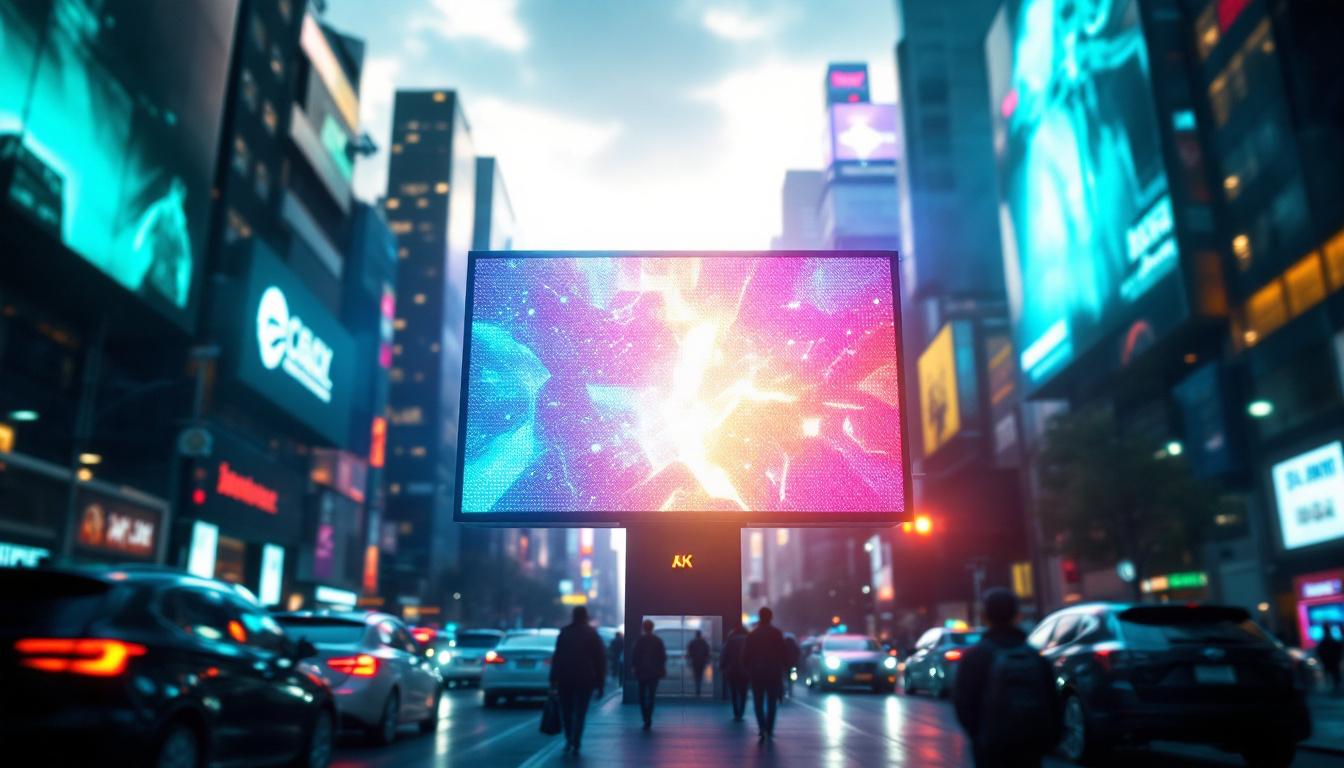
LED billboards and digital signage enable brands to deliver real-time, eye-catching video advertisements that can be updated instantly to reflect promotions, events, or seasonal campaigns. Their high brightness and vivid colors ensure visibility even in bright daylight, making them highly effective in outdoor environments. Furthermore, the integration of advanced technologies such as artificial intelligence and data analytics allows advertisers to tailor their messages based on audience demographics and behaviors, maximizing engagement and conversion rates.
Retail and Hospitality
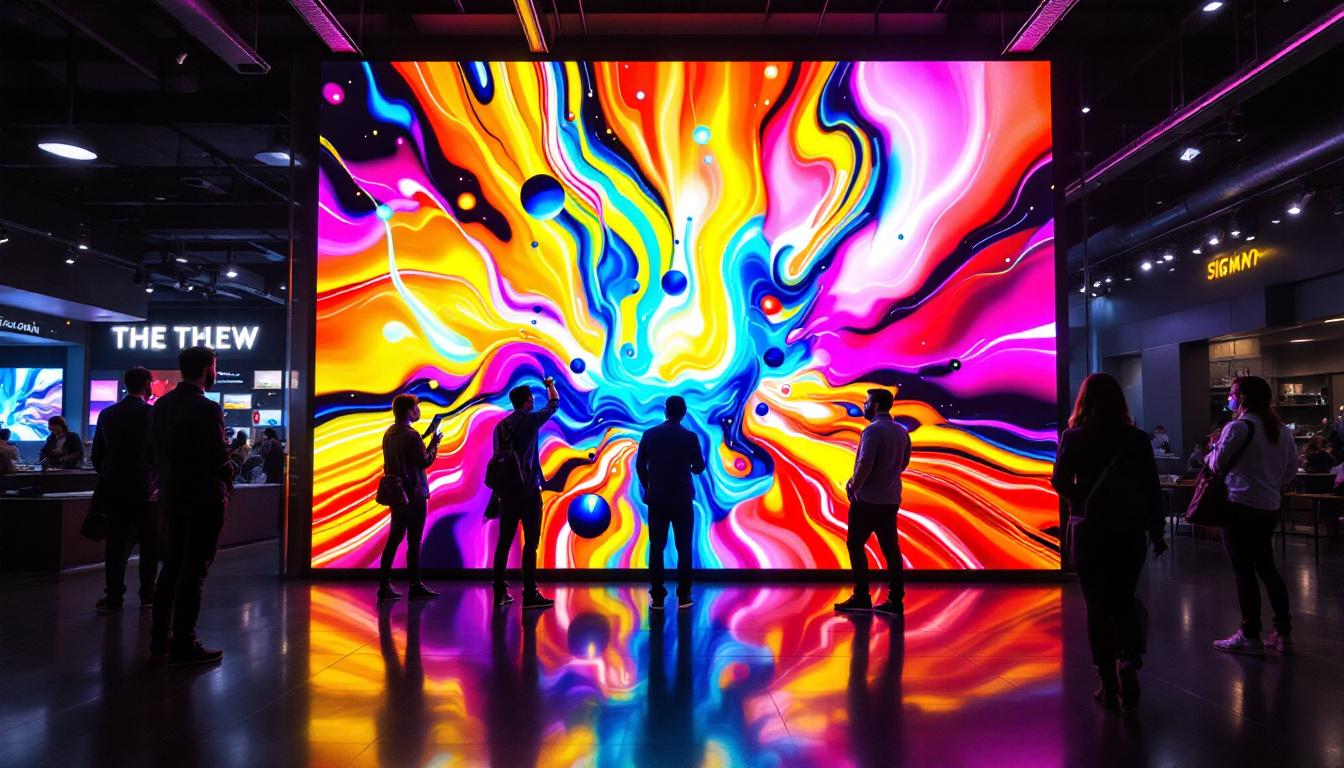
In retail spaces, LED displays enhance customer engagement by showcasing product videos, promotions, and interactive content. For example, luxury fashion brands use indoor LED walls to create immersive shopping experiences, blending video content with store aesthetics. This not only captivates the attention of shoppers but also encourages them to spend more time in-store, ultimately leading to increased sales.
Similarly, hotels and restaurants utilize LED displays to provide information, menus, and entertainment, elevating the guest experience. The ability to update content quickly allows businesses to tailor messaging to different times of day or special events. In addition, interactive LED kiosks can provide personalized recommendations, enhancing customer satisfaction and streamlining the decision-making process for guests. As a result, establishments can foster a more engaging atmosphere that keeps customers coming back.
Corporate and Event Spaces
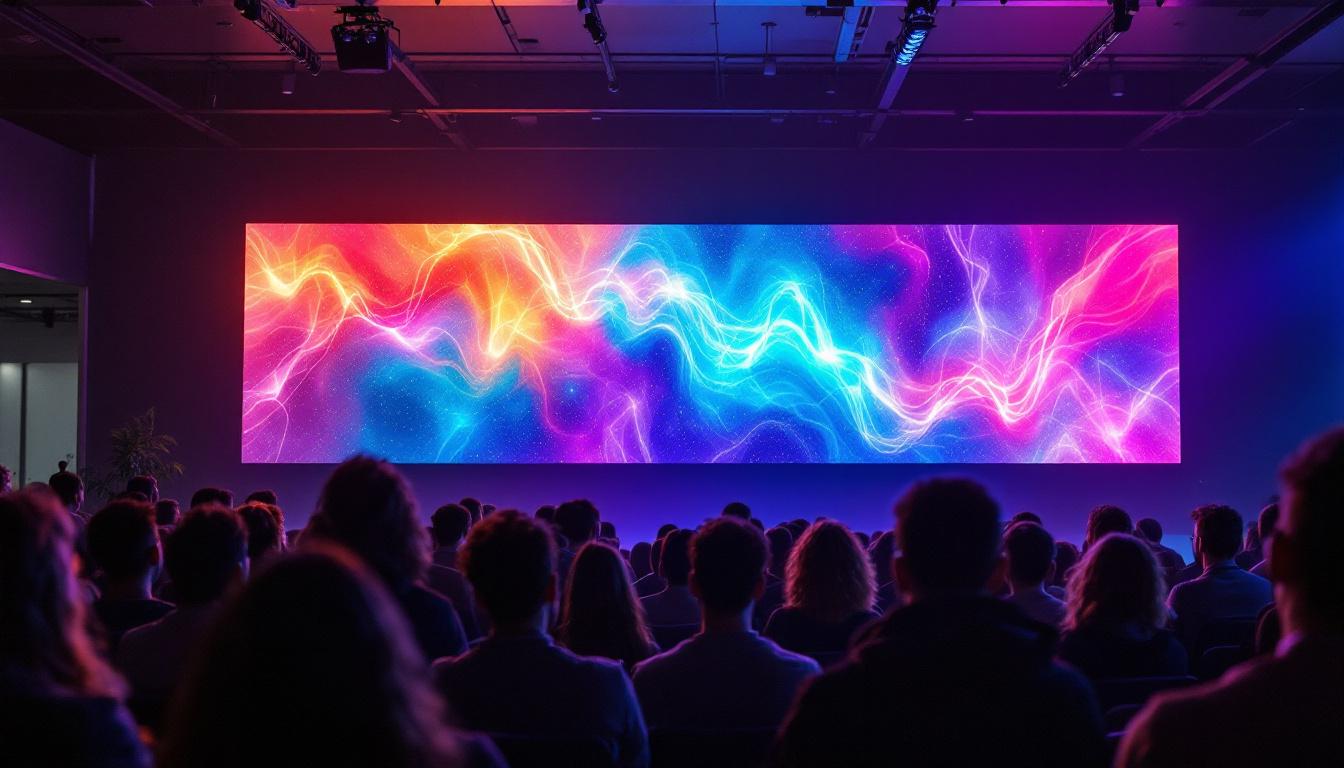
Corporate environments leverage LED displays for presentations, video conferencing, and branding. Large LED video walls in boardrooms and auditoriums facilitate clear communication and impactful storytelling during meetings and conferences. These displays can also be integrated with collaboration tools, allowing remote participants to engage seamlessly, thereby enhancing productivity and teamwork.
Event organizers use LED displays to create engaging backdrops, live feeds, and interactive elements that captivate audiences at trade shows, concerts, and sports events. The scalability of LED technology means displays can be customized to fit venues of all sizes. Moreover, the use of LED screens for live event streaming has become increasingly popular, allowing audiences who cannot attend in person to experience the event in real-time. This not only broadens the reach of the event but also opens up new revenue streams through virtual ticket sales and sponsorship opportunities, further demonstrating the versatility and impact of LED displays in the commercial sector.
Advantages of Using LED Displays for Commercial Video
LED displays offer numerous benefits that make them a preferred choice for commercial video applications. Understanding these advantages helps businesses make informed decisions about their digital display investments.
Superior Visual Quality
LED displays deliver exceptional brightness levels, often exceeding 1,000 nits for indoor models and up to 5,000 nits or more for outdoor units. This brightness ensures clear visibility in various lighting conditions, including direct sunlight. Additionally, the high contrast ratio and wide color gamut produce vibrant and true-to-life images, enhancing viewer engagement.
Energy Efficiency and Longevity
Compared to traditional display technologies like LCD or plasma, LEDs consume less power, reducing operational costs. Advances in LED manufacturing have also extended the lifespan of these displays, with many rated for over 100,000 hours of use. This durability translates to lower maintenance and replacement expenses over time.
Flexibility and Customization
LED displays can be tailored to fit almost any size or shape, allowing for creative commercial installations. Whether it’s a massive outdoor billboard or a sleek indoor video wall, LED technology adapts to the spatial and aesthetic requirements of the business environment.
Moreover, the modular nature of LED panels means damaged sections can be replaced individually, minimizing downtime and repair costs.
Real-Time Content Management
Modern LED display systems integrate with content management software that enables businesses to update and schedule video content remotely and in real-time. This capability is crucial for dynamic advertising campaigns, event promotions, and timely corporate communications.
Key Considerations When Choosing an LED Display for Commercial Video
Selecting the right LED display involves evaluating several factors to ensure optimal performance and return on investment.
Pixel Pitch and Resolution
The pixel pitch, measured in millimeters, defines the distance between the centers of adjacent pixels. A smaller pixel pitch means higher resolution and sharper images, which is essential for indoor displays viewed up close. Outdoor displays typically have larger pixel pitches since they are viewed from greater distances.
For example, a retail store might opt for a 1.5mm to 2.5mm pixel pitch for crisp visuals, while a highway billboard could use 10mm or more.
Brightness and Viewing Angle
Brightness should be sufficient to overcome ambient light, especially for outdoor installations. Additionally, a wide viewing angle ensures the content is visible from multiple directions, maximizing audience reach.
Durability and Weather Resistance
Outdoor LED displays must be rated for weather resistance, including protection against rain, dust, and temperature extremes. Look for IP65 or higher ratings for reliable performance in harsh environments.
Installation and Maintenance
Consider the complexity of installation and the availability of technical support. Modular designs facilitate easier maintenance, and some providers offer remote diagnostics to monitor display health and performance.
The Future of LED Displays in Commercial Video
As LED technology continues to evolve, its role in commercial video is set to expand with new innovations enhancing both functionality and user experience.
MicroLED and MiniLED Technologies
Emerging microLED and miniLED technologies promise even higher resolution, improved brightness, and better energy efficiency. These advancements will enable ultra-fine pixel pitches and more flexible display formats, opening new possibilities for immersive commercial video content.
Interactive and Smart Displays
Integration of touch sensors, AI, and IoT connectivity is transforming LED displays into interactive platforms. Businesses can engage customers with personalized content, augmented reality experiences, and real-time analytics, creating deeper connections and measurable outcomes.
Sustainability and Eco-Friendly Solutions
With growing environmental awareness, manufacturers are focusing on sustainable materials and energy-saving designs. LED displays with recyclable components and low power consumption align with corporate social responsibility goals and appeal to eco-conscious consumers.
Conclusion
LED displays have become indispensable tools for commercial video applications, offering unparalleled visual quality, flexibility, and efficiency. Whether for advertising, retail, corporate communication, or events, these displays enable businesses to deliver compelling video content that resonates with audiences.
By understanding the technology, evaluating key factors, and staying abreast of emerging trends, companies can harness the full potential of LED displays to enhance their brand presence and achieve their marketing objectives in an increasingly competitive digital world.
Discover LumenMatrix LED Display Solutions
Ready to elevate your commercial video content with the latest in LED display technology? Look no further than LumenMatrix, where innovation meets visual excellence. Our comprehensive range of LED display modules, from Indoor and Outdoor LED Walls to specialized solutions like Vehicle Displays and Transparent LEDs, is designed to captivate your audience and amplify your message. Embrace the future of visual communication with LumenMatrix and create unforgettable experiences. Check out LumenMatrix LED Display Solutions today and transform your brand’s presence in the digital landscape.