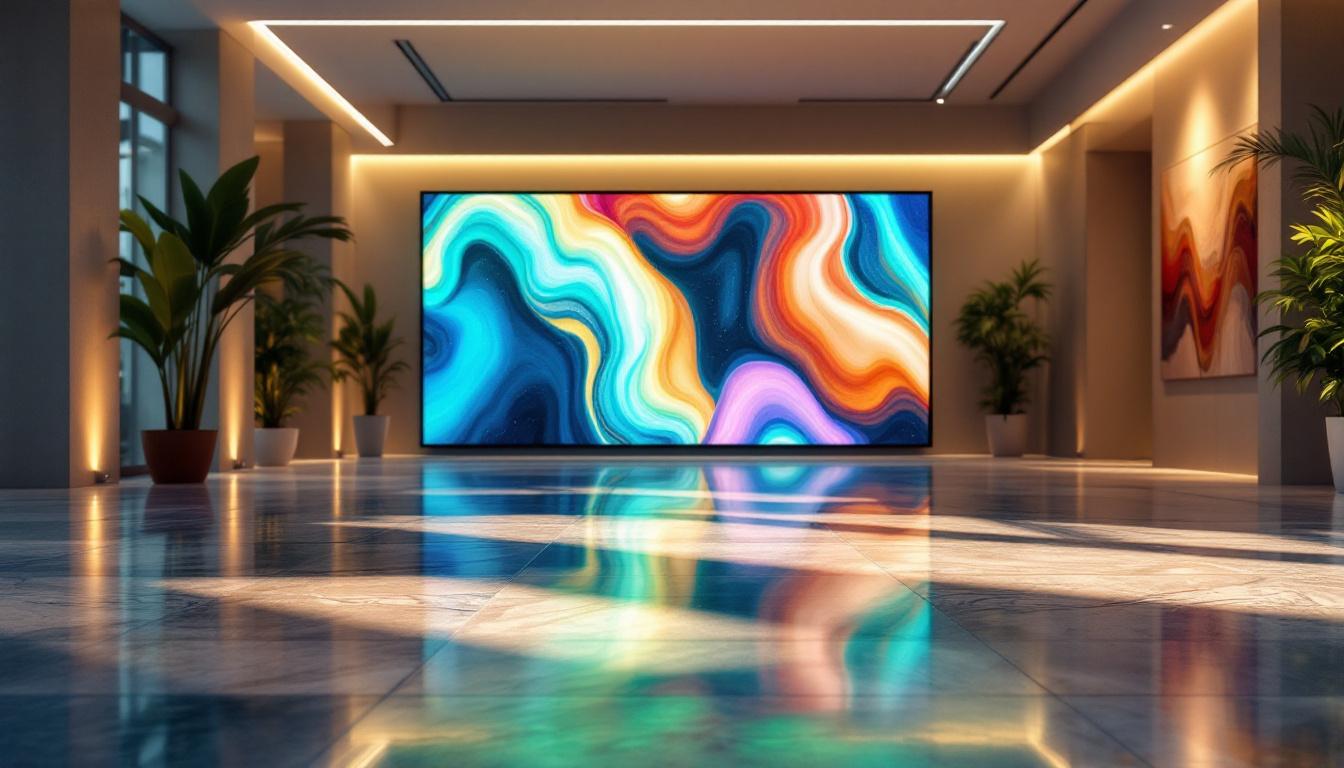
In the world of professional flooring, innovation and technology have become key drivers of quality and efficiency. One such technological advancement gaining traction is the integration of LED displays within flooring solutions. From sports arenas to commercial spaces, LED flooring systems are transforming how environments are designed and experienced. This article delves into the intricacies of LED displays used in professional flooring, exploring their technology, applications, benefits, and considerations for implementation.
Understanding LED Display Technology in Flooring
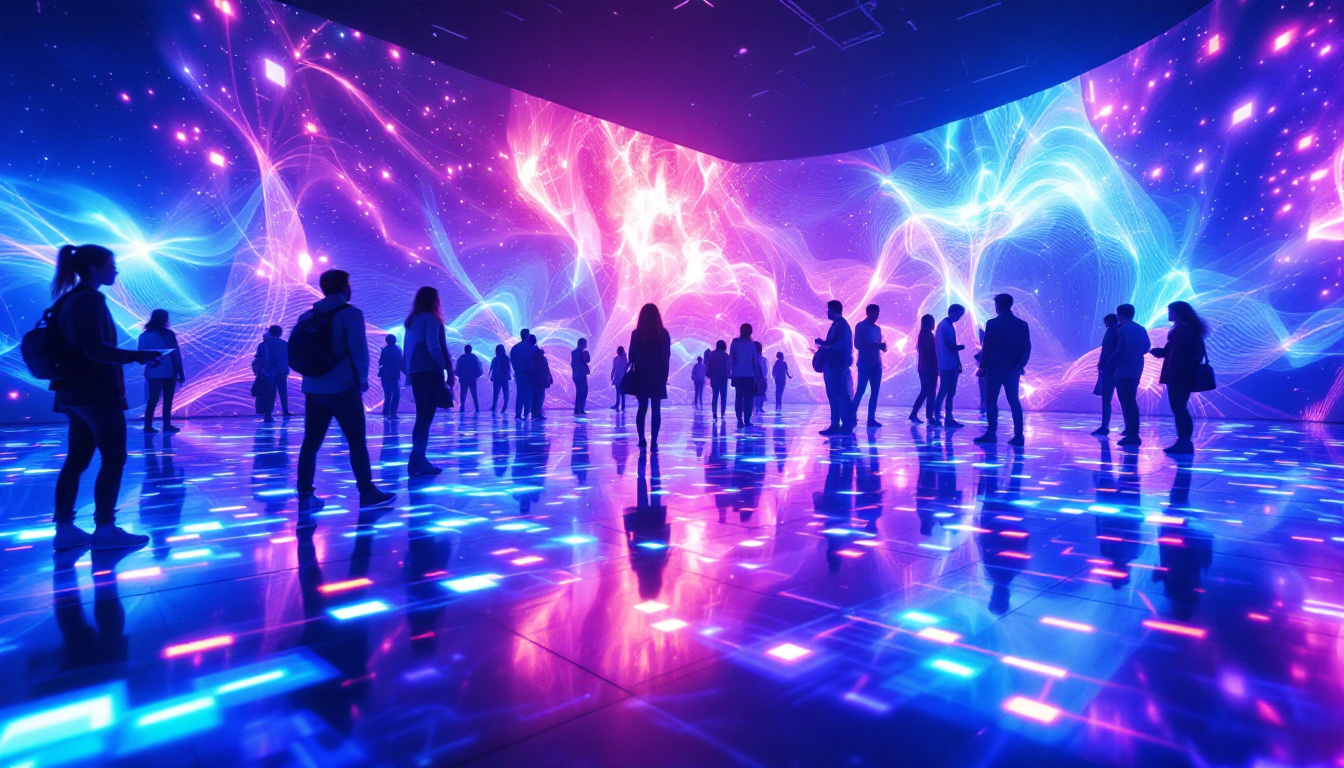
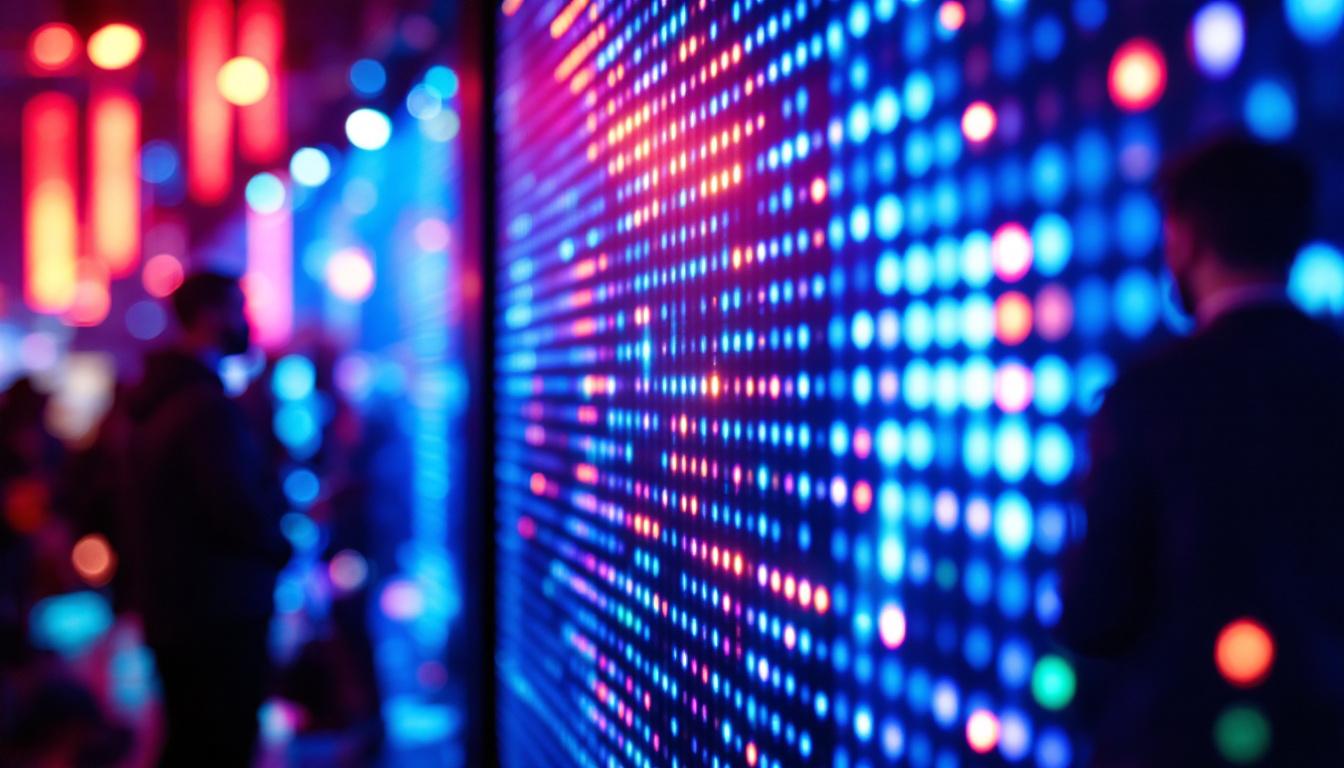
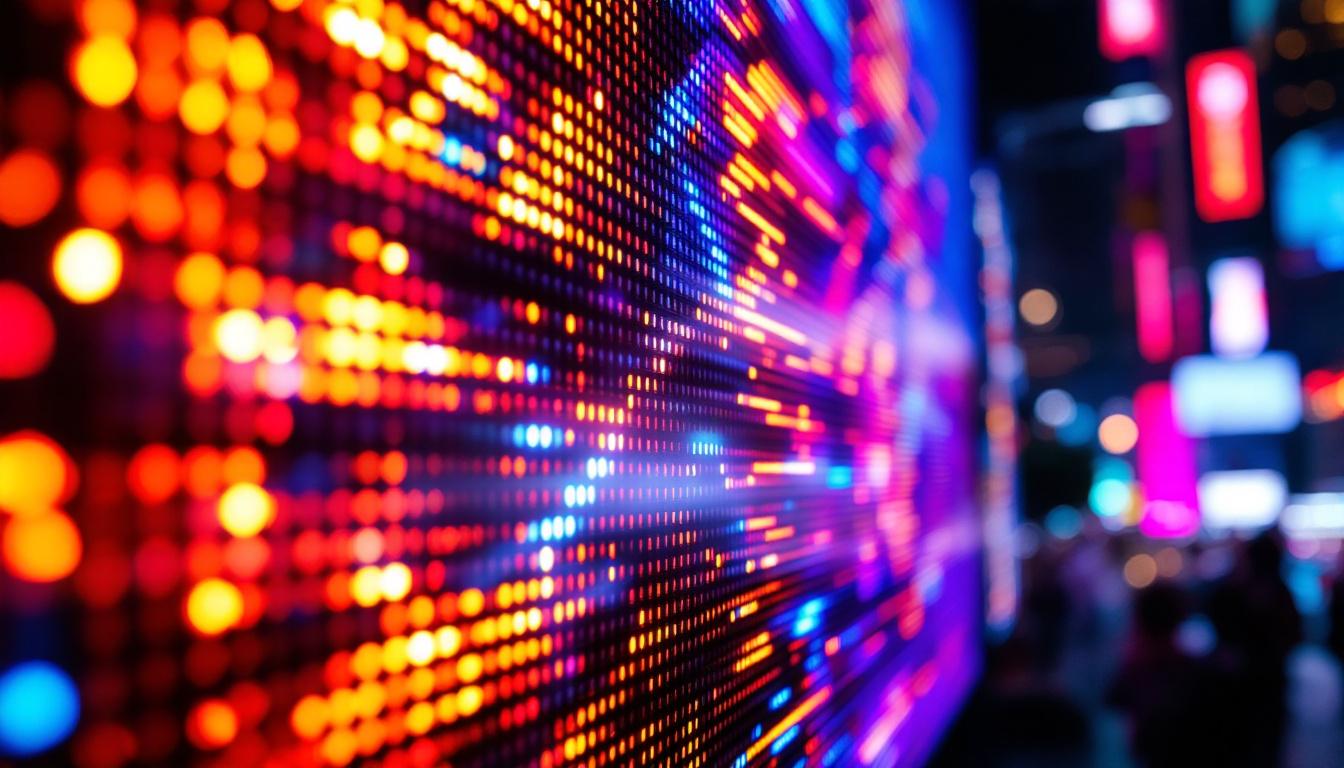
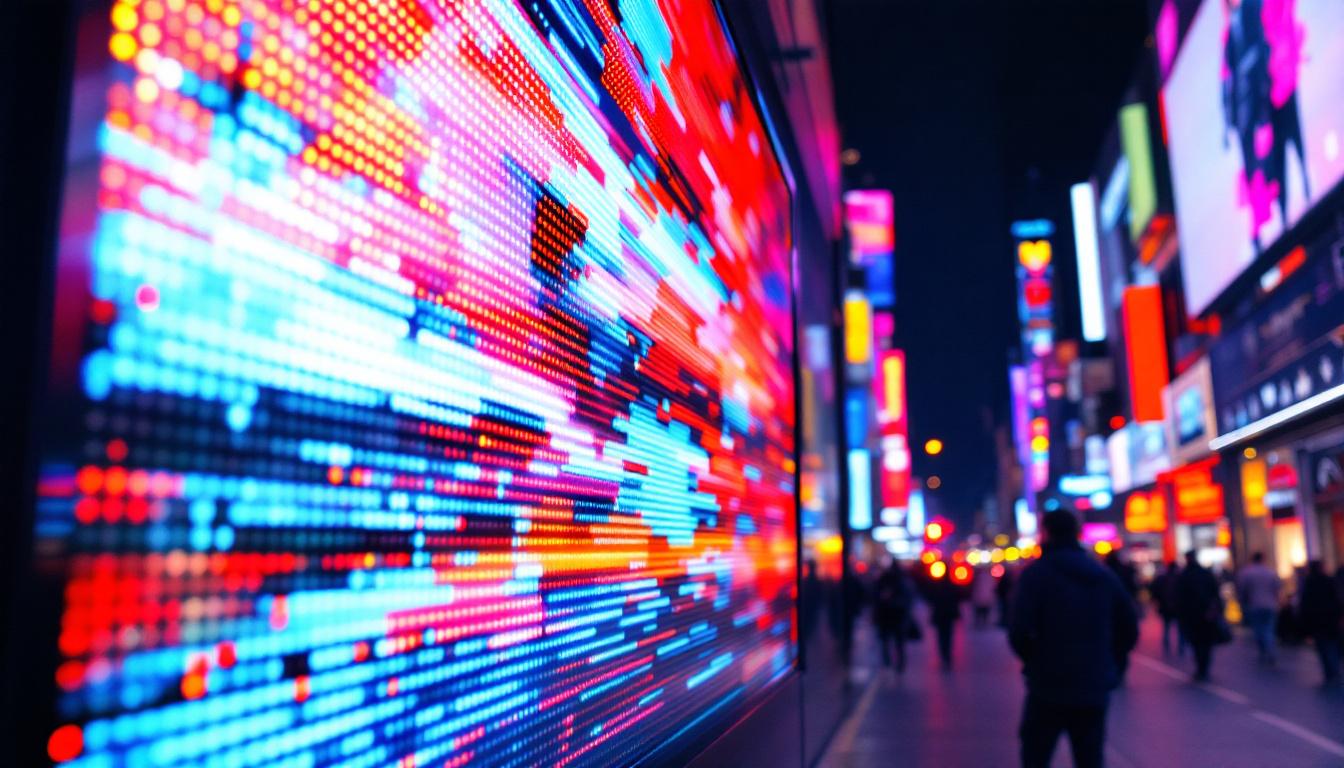
Light Emitting Diode (LED) technology has revolutionized visual displays across various industries, and flooring is no exception. At its core, an LED display consists of numerous tiny light-emitting diodes arranged in a matrix to create images, videos, or dynamic lighting effects. When integrated into flooring, these displays offer interactive and visually striking surfaces that can be customized for different environments.
Unlike traditional static flooring materials, LED flooring embeds these diodes beneath a durable, transparent surface, allowing the floor to illuminate and change dynamically. The technology typically involves modular panels, each containing a grid of LEDs, which can be connected to form large-scale displays. The resolution, brightness, and color range depend on the density and quality of the LEDs used.
Modern LED flooring systems utilize advanced control software to manage content, enabling real-time updates and interactive features. This combination of hardware and software innovation makes LED flooring a versatile solution for various professional settings. From retail spaces that use animated graphics to attract customers to event venues that create immersive environments, the applications are as diverse as they are impactful.
Key Components of LED Flooring Systems
To appreciate how LED displays function within flooring, it’s important to understand the main components involved:
- LED Modules: These are the fundamental units containing multiple LEDs arranged in a matrix. The pixel pitch (distance between LEDs) determines the display’s resolution and clarity.
- Protective Surface: A robust, transparent layer—often tempered glass or specialized acrylic—covers the LED modules to protect them from foot traffic, impacts, and environmental factors.
- Control System: This includes the hardware and software responsible for managing the display content, brightness, color calibration, and interactivity.
- Power Supply and Connectivity: Reliable power sources and data connections ensure consistent operation and synchronization across the entire floor.
In addition to these components, LED flooring systems often incorporate sensors and smart technology, allowing for enhanced interactivity. For instance, pressure sensors can detect foot traffic and adjust the display accordingly, creating a responsive environment that can change based on user engagement. This capability not only enhances the aesthetic appeal but also serves practical purposes, such as guiding visitors through a space or providing information in real-time. Furthermore, the integration of IoT (Internet of Things) technology enables seamless communication between the flooring and other smart devices, paving the way for innovative applications in smart buildings and urban environments.
The energy efficiency of LED technology also plays a significant role in its adoption for flooring solutions. Compared to traditional lighting systems, LEDs consume considerably less power, which not only reduces operational costs but also aligns with sustainability goals. As businesses and organizations increasingly prioritize eco-friendly practices, LED flooring stands out as a forward-thinking choice that combines visual impact with environmental responsibility. This dual benefit makes it an attractive option for a wide range of sectors, from hospitality to corporate offices, where creating a memorable experience is paramount.
Applications of LED Displays in Professional Flooring
LED flooring is no longer a futuristic concept; it has become a practical and impactful solution in various professional environments. The ability to combine aesthetics, functionality, and interactivity makes LED flooring an attractive option for businesses and venues seeking to enhance user experience and brand presence.
Sports and Entertainment Venues
One of the most prominent applications of LED flooring is in sports arenas and entertainment venues. These spaces benefit from dynamic floor displays that can showcase team logos, live scores, advertisements, and interactive graphics during events. For example, basketball courts with LED floors can display real-time statistics or highlight plays, engaging audiences both in the arena and watching remotely.
Additionally, LED flooring enhances stage performances by creating immersive environments that respond to performers’ movements or music cues. This integration elevates the visual storytelling aspect of concerts, theater productions, and dance performances.
Retail and Commercial Spaces
Retailers are increasingly adopting LED flooring to create memorable shopping experiences. Interactive floors can guide customers through stores, highlight promotions, or display brand messages in eye-catching ways. The adaptability of LED flooring allows businesses to update content seasonally or for special events without the need for physical renovations.
In commercial offices, LED flooring can be used for wayfinding, displaying company branding, or even creating dynamic meeting spaces that foster creativity and collaboration.
Exhibitions and Trade Shows
Trade shows and exhibitions benefit from LED flooring’s ability to attract attention and communicate information effectively. Exhibitors use LED floors to create immersive booths that stand out in crowded environments. The technology supports interactive demonstrations, product showcases, and real-time data visualization, enhancing engagement with potential clients and partners.
Benefits of LED Flooring in Professional Settings
Integrating LED displays into flooring offers several advantages that contribute to both functional and aesthetic improvements in professional environments. Understanding these benefits helps stakeholders make informed decisions about adopting this technology.
Enhanced Visual Engagement
LED flooring captivates attention through vibrant colors, motion graphics, and interactive elements. This heightened visual engagement can increase foot traffic, improve brand recall, and create memorable experiences for visitors. Studies indicate that dynamic digital displays can boost consumer engagement by up to 30%, making LED floors a powerful marketing tool.
Flexibility and Customization
Unlike traditional flooring, LED floors can be reprogrammed to display different content as needed. This flexibility allows businesses to adapt their environments to changing needs, such as seasonal promotions, special events, or updated branding. The modular design also facilitates easy expansion or reconfiguration of the display area.
Durability and Safety
Professional LED flooring systems are engineered to withstand heavy foot traffic and environmental stress. The protective surfaces are slip-resistant and impact-resistant, ensuring safety for users. Additionally, LED technology is energy-efficient, with modern modules consuming significantly less power than older display technologies.
Interactive Capabilities
Many LED flooring systems incorporate sensors and touch technology, enabling interactive experiences. For example, floors can respond to footsteps, gestures, or proximity, creating engaging games, informational kiosks, or navigational aids. This interactivity enhances user engagement and can be tailored to specific audience needs.
Considerations for Implementing LED Flooring
While the advantages of LED flooring are compelling, successful implementation requires careful planning and consideration of several factors to ensure optimal performance and return on investment.
Installation and Structural Requirements
LED flooring installation demands precise engineering to integrate the display modules seamlessly with the existing floor structure. The subfloor must be level and capable of supporting the weight of the LED panels and protective surface. Additionally, wiring and control systems need to be discreetly installed to maintain aesthetics and functionality.
Professional installation teams with experience in LED flooring are essential to avoid issues such as uneven surfaces, poor connectivity, or damage to the display components.
Maintenance and Longevity
Maintaining LED flooring involves regular cleaning of the protective surface, software updates, and periodic inspections of electrical components. While LED modules have long lifespans—often exceeding 50,000 hours—environmental factors like moisture, dust, and temperature fluctuations can affect performance.
Choosing high-quality materials and working with reputable manufacturers can minimize maintenance challenges and extend the lifespan of the flooring system.
Cost Considerations
LED flooring represents a significant investment compared to traditional flooring materials. Costs include the LED modules, protective surfaces, control systems, installation, and ongoing maintenance. However, the potential for increased revenue through enhanced customer engagement, advertising opportunities, and event hosting can offset these expenses over time.
Budgeting should also account for future upgrades or expansions, as technology evolves rapidly in this space.
Content Management and Software Integration
The effectiveness of LED flooring depends heavily on the quality and relevance of the displayed content. Investing in intuitive content management systems (CMS) allows operators to easily update and schedule visuals, animations, and interactive features. Integration with other digital systems, such as event management or marketing platforms, can further enhance functionality.
Future Trends in LED Flooring Technology
The LED flooring industry continues to evolve, driven by advancements in materials science, display technology, and digital interactivity. Emerging trends promise to make LED flooring even more versatile and impactful in professional settings.
Higher Resolution and Miniaturization
As LED technology advances, pixel pitches are shrinking, enabling higher resolution displays that rival traditional screens. This improvement allows for more detailed and vibrant visuals, expanding the creative possibilities for flooring designs.
Flexible and Curved LED Floors
Innovations in flexible LED panels are paving the way for curved and non-flat flooring installations. This capability opens new avenues for architectural creativity and immersive environments that conform to unique spatial designs.
Integration with Augmented Reality (AR) and IoT
Combining LED flooring with AR and Internet of Things (IoT) technologies will enable smarter, context-aware environments. Floors could interact with wearable devices, respond to environmental data, or provide personalized experiences based on user profiles.
Sustainability and Energy Efficiency
Future LED flooring solutions are focusing on reducing energy consumption and utilizing eco-friendly materials. Advances in LED efficiency and recyclable components will support sustainable building practices and reduce operational costs.
Conclusion
LED displays integrated into professional flooring represent a convergence of technology, design, and functionality that is reshaping modern environments. From enhancing visual engagement to providing interactive experiences, LED flooring offers numerous benefits across sports, retail, entertainment, and commercial sectors. However, successful adoption requires careful consideration of installation, maintenance, cost, and content management.
As technology continues to advance, LED flooring is poised to become an increasingly common feature in professional spaces, offering innovative ways to communicate, entertain, and inspire. For businesses and venues aiming to stay ahead in a competitive landscape, investing in LED flooring technology can be a strategic move that delivers both aesthetic appeal and practical value.
Illuminate Your Space with LumenMatrix
Ready to elevate your professional environment with the latest in LED display technology? Discover LumenMatrix’s comprehensive range of LED display solutions, from vibrant Indoor and Outdoor LED Wall Displays to dynamic Floor LED Displays and beyond. Each product is crafted to bring your brand to life, captivate your audience, and deliver your message with unparalleled clarity. Don’t miss the opportunity to transform your space. Check out LumenMatrix LED Display Solutions today and step into the future of visual engagement.