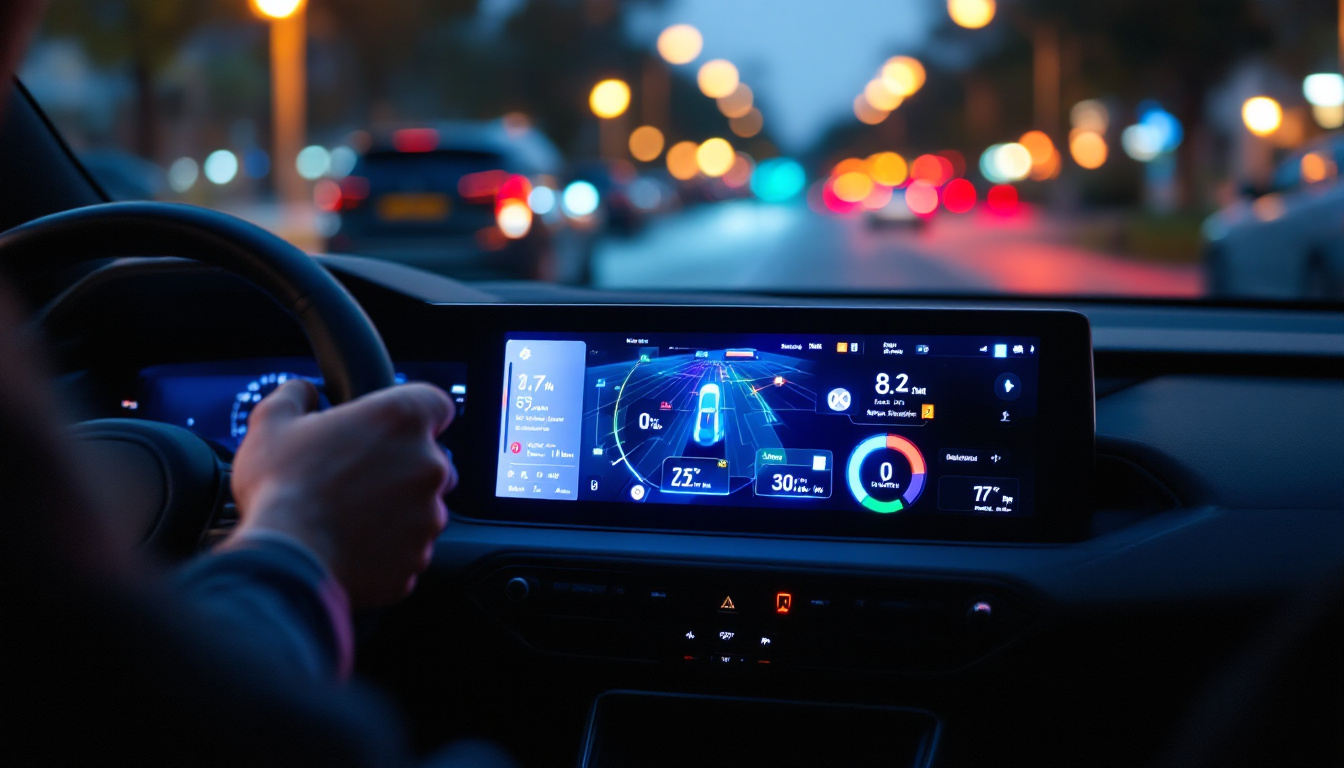
In today’s digital age, LED displays have become an integral part of how information is communicated visually. From the billboards that light up city skylines to the screens on your smartphone, LED technology is everywhere. But what exactly does LED stand for, and how do these displays work? This article will provide a comprehensive explanation of LED displays, their technology, applications, and why they have become the preferred choice for modern visual communication.
What Does LED Stand For?
LED stands for Light Emitting Diode. It is a semiconductor device that emits light when an electric current passes through it. Unlike traditional incandescent bulbs, LEDs produce light through electroluminescence, a process where electrical energy is directly converted into light energy. This mechanism not only makes LEDs more energy-efficient but also allows them to have a longer lifespan, often lasting up to 25,000 hours or more compared to the mere 1,000 hours typical of incandescent bulbs.
The invention of the LED dates back to the early 1960s, with the first visible-spectrum LED created in 1962 by Nick Holonyak Jr. Since then, LED technology has evolved significantly, enabling the development of vibrant, energy-efficient displays used worldwide. The versatility of LEDs has led to their adoption in various applications, from household lighting to automotive headlights, and even in large-scale displays like billboards and stadium screens. Their compact size and ability to emit light in different colors without the need for filters have made them a popular choice in modern technology.
Moreover, the environmental impact of LED technology cannot be understated. With their low energy consumption, LEDs contribute to reduced greenhouse gas emissions, making them a more sustainable choice for lighting. As cities around the globe look for ways to decrease their carbon footprint, many are transitioning to LED street lighting, which not only saves energy but also enhances safety with brighter, more focused illumination. Additionally, advancements in smart LED technology have paved the way for innovations like color-changing lights and programmable lighting systems, further expanding their utility and appeal in both residential and commercial settings.
How LED Displays Work
The Basics of LED Technology
At the core of an LED display are thousands to millions of tiny LEDs arranged in a matrix. Each LED acts as a pixel or part of a pixel, emitting light of specific colors—typically red, green, and blue (RGB). By varying the intensity of these three colors, an LED display can produce a wide spectrum of colors, allowing it to render images, videos, and text with remarkable clarity.
When an electric current flows through the diode, electrons recombine with holes within the device, releasing energy in the form of photons—the particles of light. The wavelength (and thus the color) of this light depends on the semiconductor materials used in the LED. This precise control over light emission is what enables LED displays to achieve high levels of brightness and energy efficiency, making them a popular choice in a variety of settings.
Moreover, the durability of LED technology is another significant advantage. Unlike traditional incandescent bulbs, LEDs have a longer lifespan, often exceeding 25,000 hours of continuous use. This longevity is particularly beneficial in applications where displays are required to operate for extended periods without maintenance, such as in advertising or public information systems. The reduced heat output of LEDs also contributes to their efficiency, as less energy is wasted in the form of heat, allowing for cooler operation and further extending their lifespan.
Types of LED Displays
LED displays come in various forms, each suited for different applications:
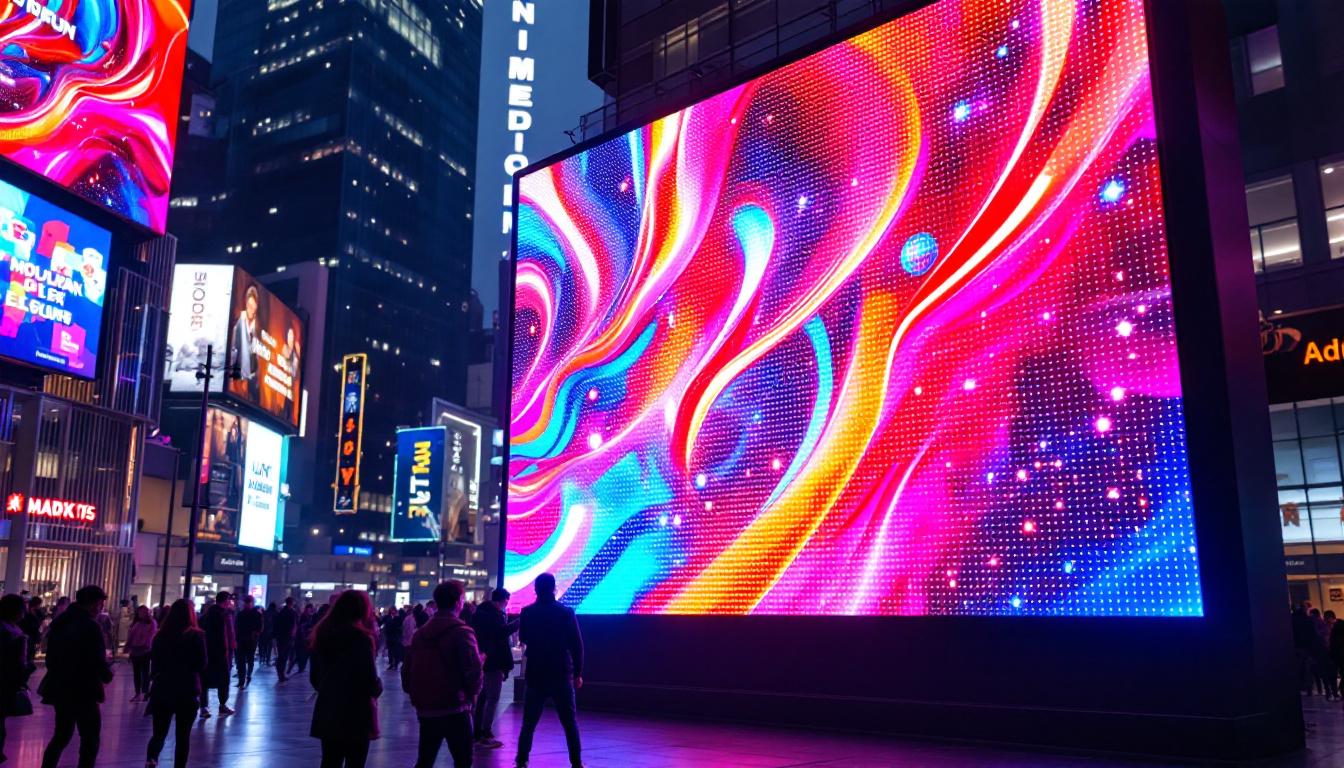
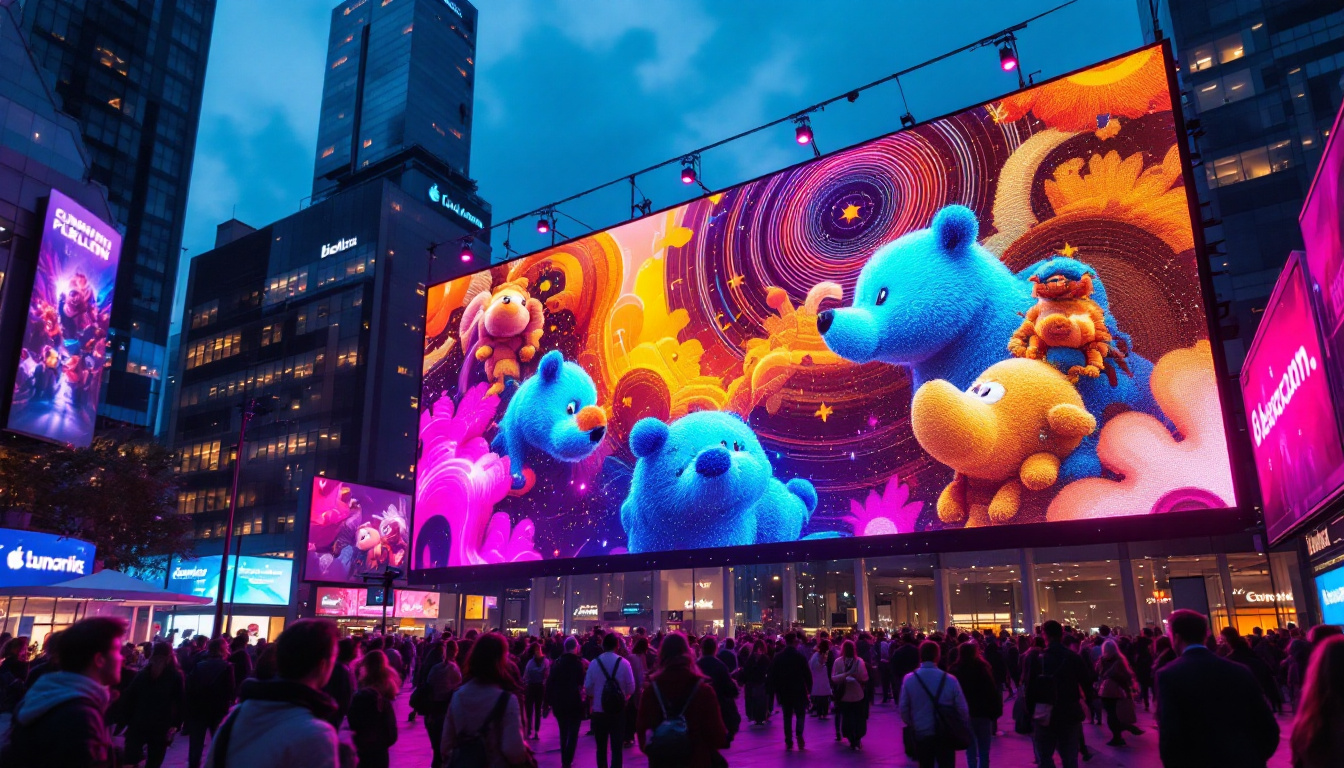
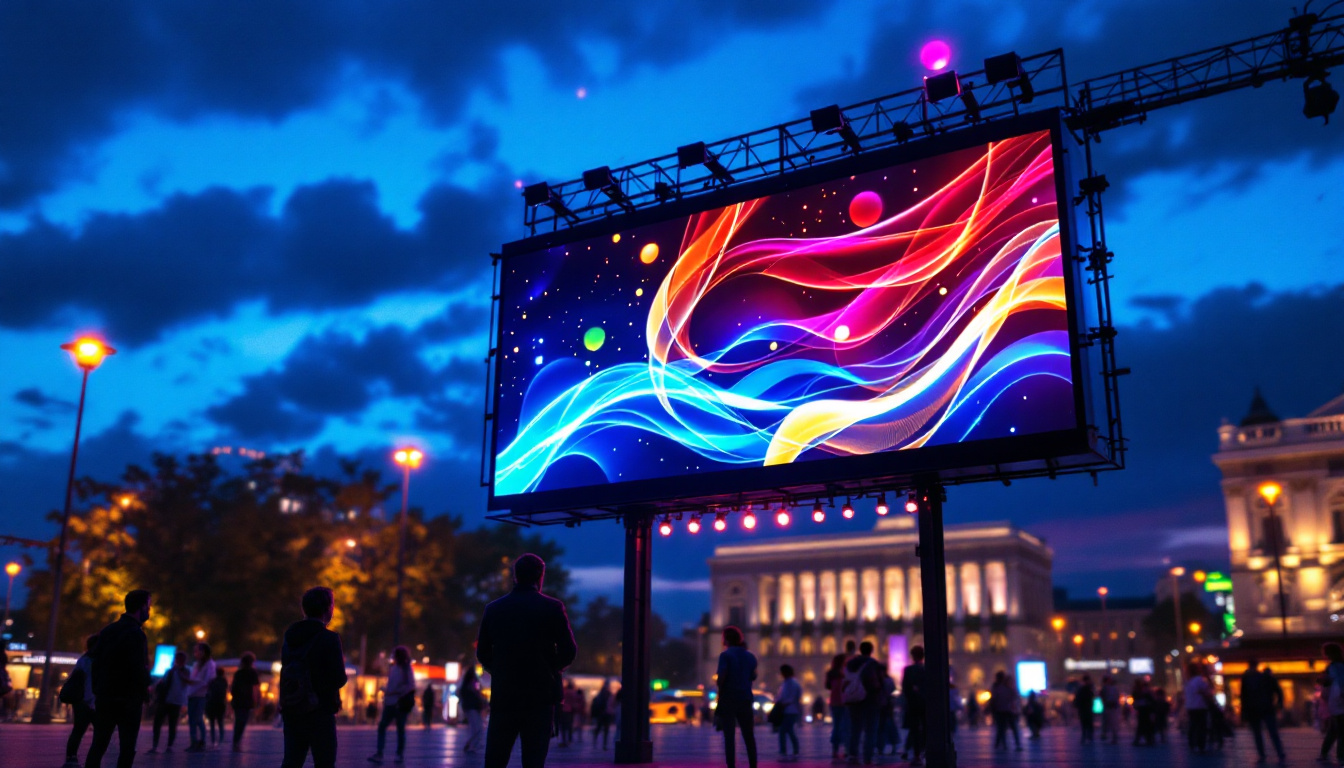
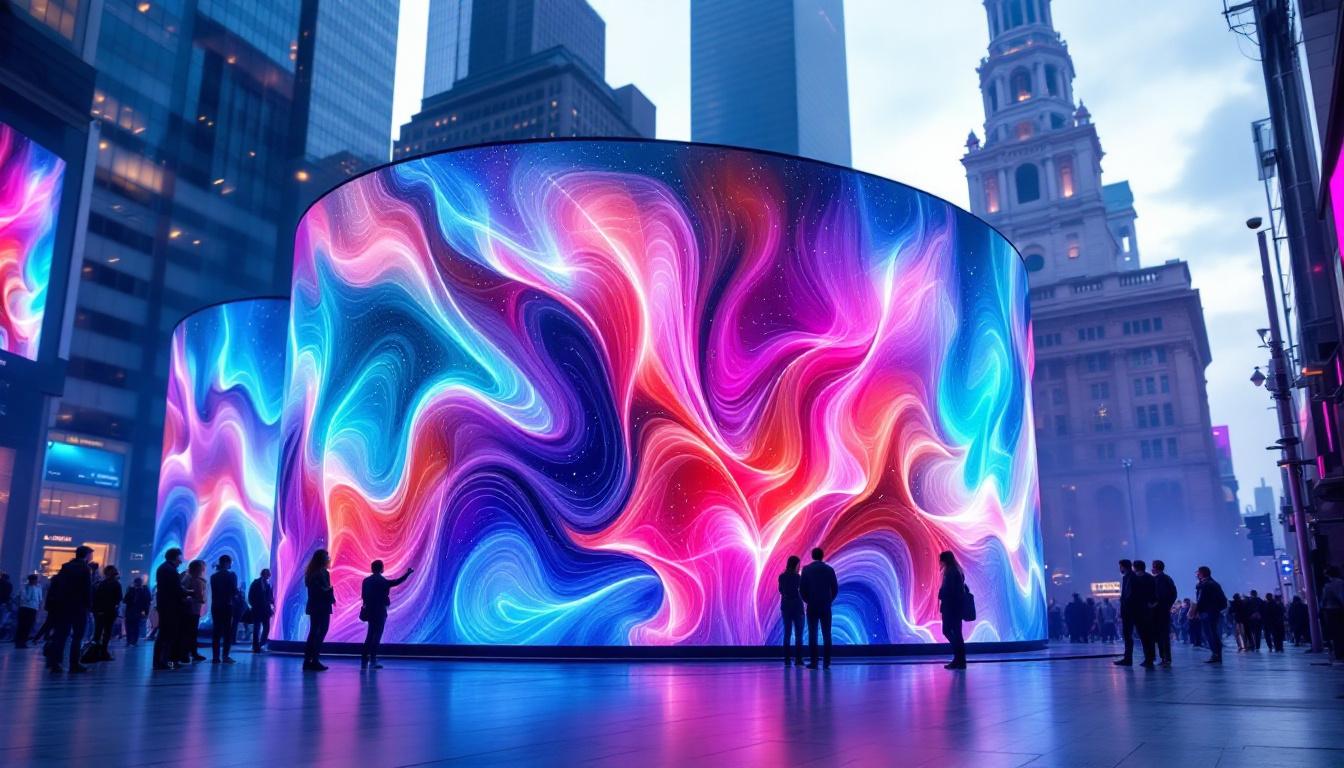
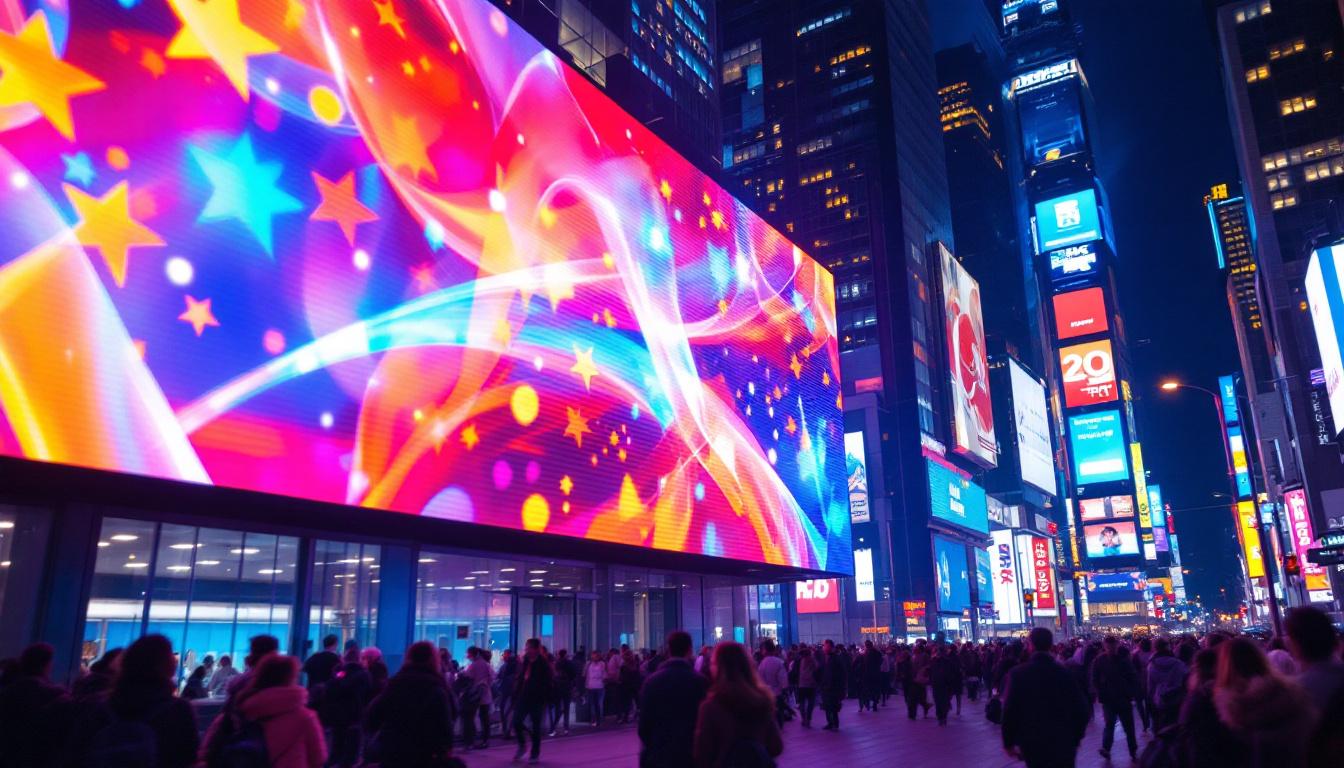
- Direct View LED Displays: These are large-scale displays made of individual LEDs visible to the naked eye. They are commonly used in stadiums, outdoor billboards, and public information screens. The ability to create massive, vibrant displays makes them ideal for attracting attention in crowded environments, where clarity and visibility from a distance are paramount.
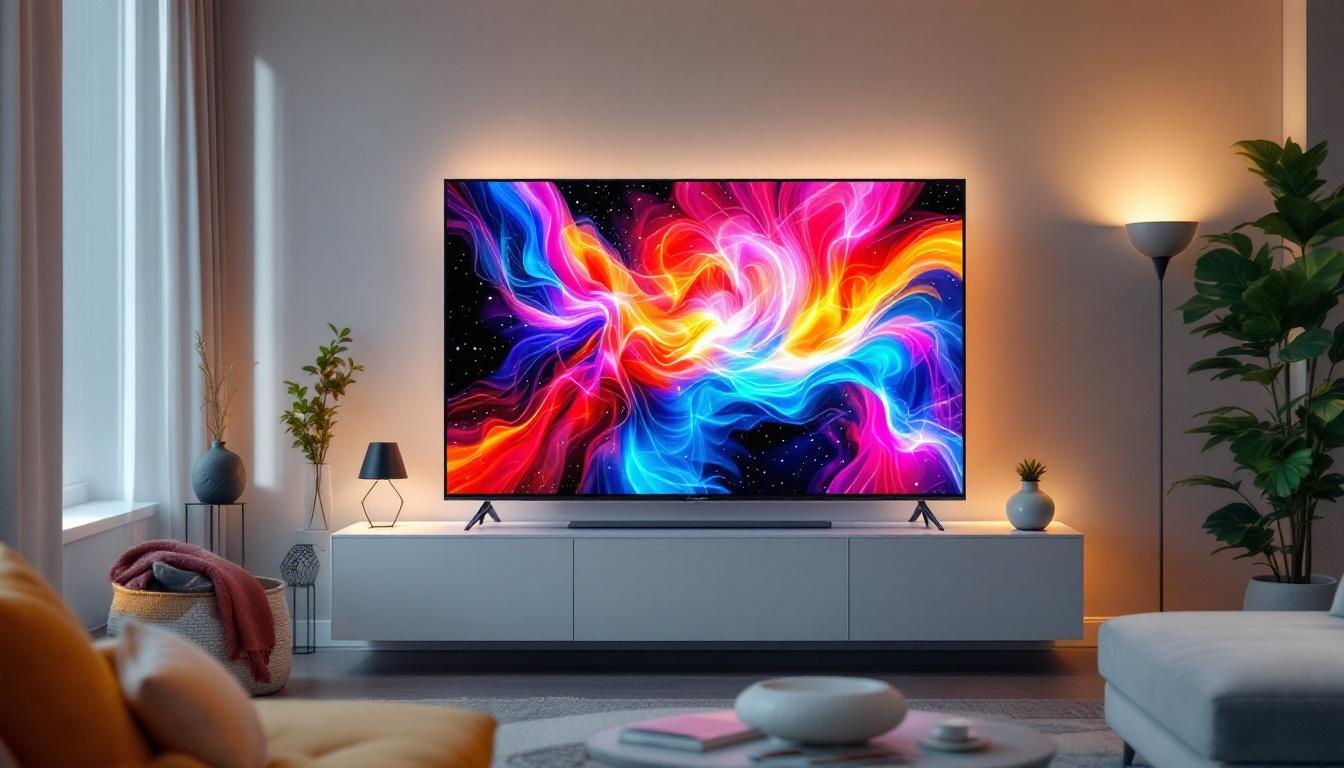
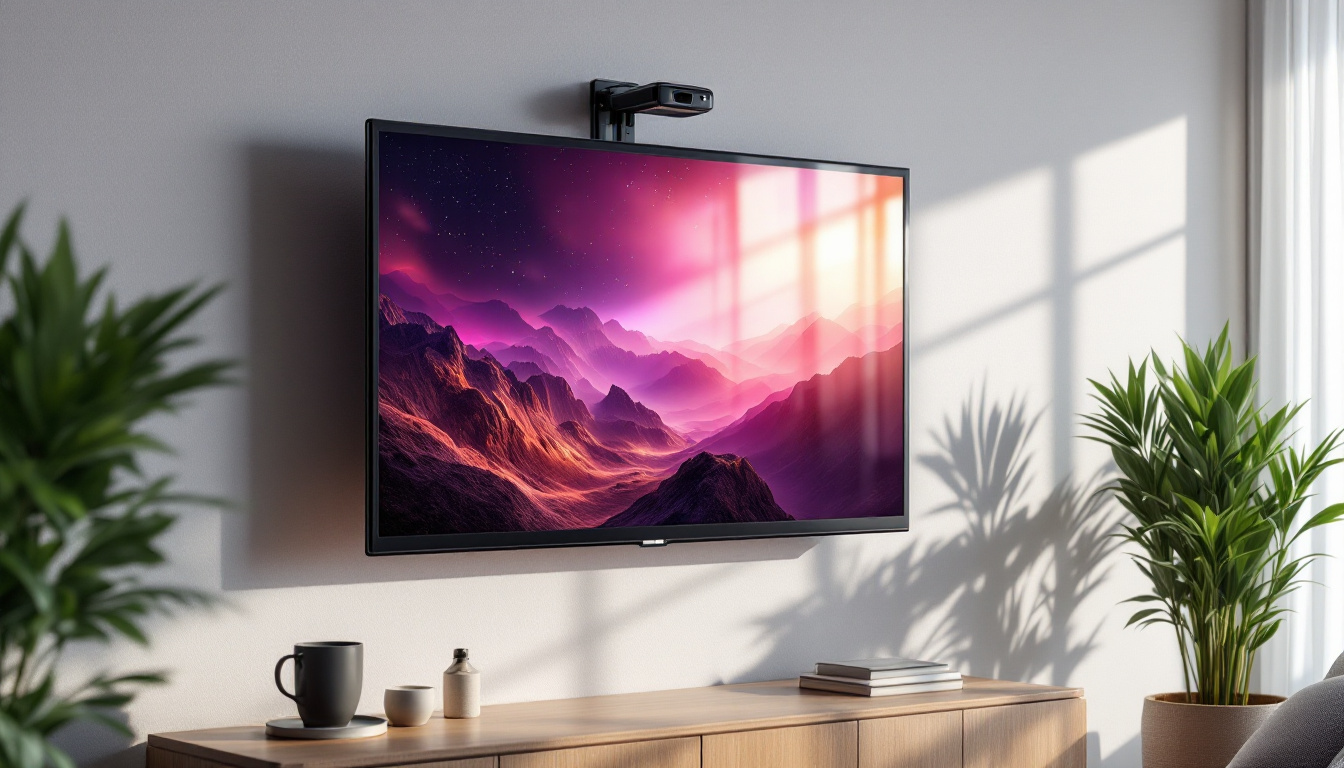
- LED-backlit LCD Displays: Many modern televisions and monitors use LEDs as a backlight behind an LCD panel to improve brightness and energy efficiency. This hybrid technology allows for thinner designs and better color reproduction, enhancing the viewing experience for consumers.
- OLED Displays: Organic LEDs (OLEDs) are a newer technology where organic compounds emit light when electrified. OLEDs offer superior contrast and color accuracy and are widely used in smartphones and high-end TVs. Their ability to produce true blacks—since individual pixels can be turned off completely—provides an immersive viewing experience that is unmatched by traditional LCDs.
In addition to these types, there are also specialized LED displays designed for niche applications. For instance, transparent LED displays are gaining popularity in retail environments, allowing for eye-catching advertising while maintaining visibility through the screen. Similarly, flexible LED displays are emerging, enabling creative installations that can conform to various shapes and surfaces, further expanding the possibilities for visual communication in architecture and design.
Advantages of LED Displays
Energy Efficiency
One of the most significant advantages of LED displays is their energy efficiency. LEDs consume far less power compared to traditional incandescent or fluorescent lighting. For example, LED displays can use up to 80% less energy than conventional display technologies, making them an environmentally friendly and cost-effective choice.
This efficiency is particularly important for large-scale installations like outdoor advertising billboards or stadium screens, where displays operate for many hours daily.
Brightness and Visibility
LED displays are known for their high brightness levels, which can reach up to several thousand nits (a measure of luminance). This makes them highly visible even in direct sunlight, a critical factor for outdoor applications. The ability to adjust brightness dynamically also helps reduce power consumption and extend the lifespan of the display.
Durability and Longevity
LEDs are solid-state devices, meaning they are more resistant to shock and vibration than traditional bulbs. This durability makes LED displays suitable for use in harsh environments, including outdoor settings exposed to weather extremes.
Moreover, LEDs have a long operational life, often exceeding 50,000 hours. This longevity reduces maintenance costs and downtime, which is especially valuable for commercial and public installations.
Common Applications of LED Displays
Outdoor Advertising and Digital Billboards
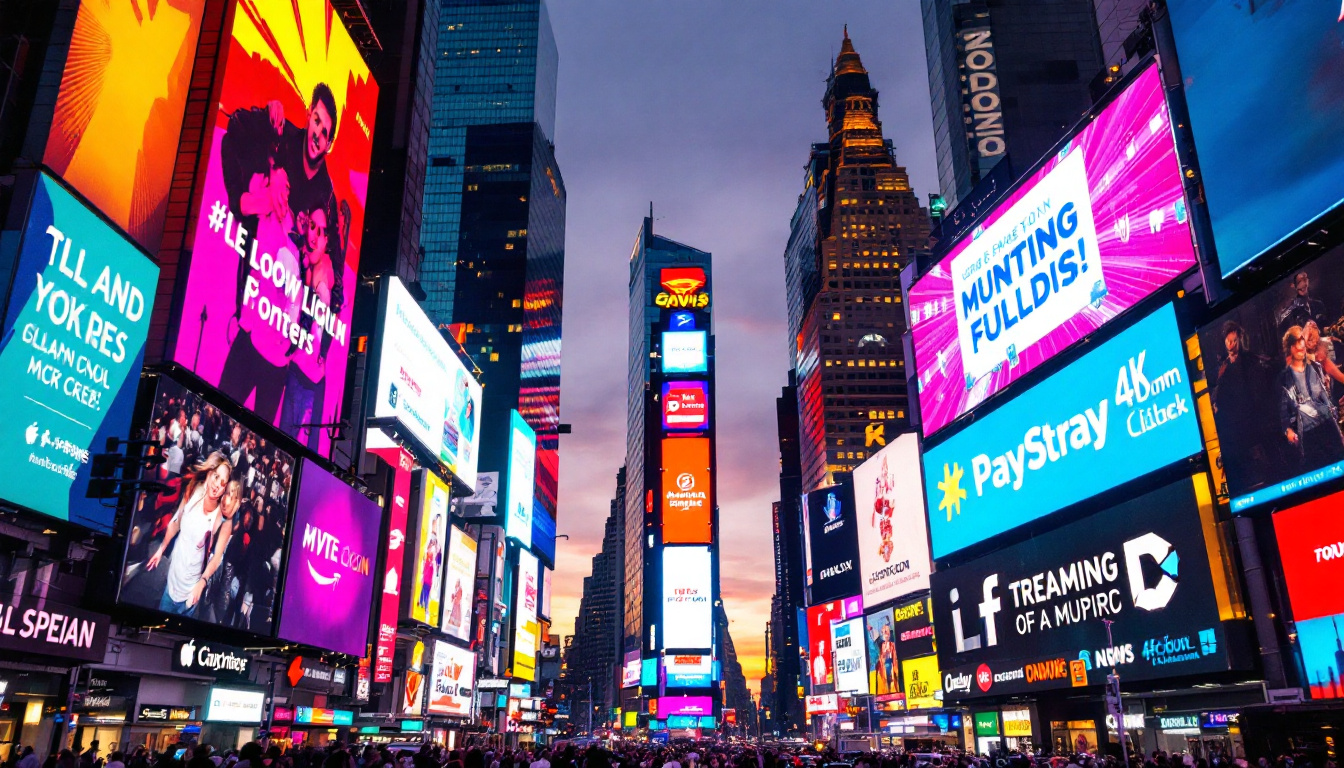
LED displays have revolutionized outdoor advertising. Digital billboards equipped with LED technology allow advertisers to change content dynamically, display video ads, and even interact with viewers in real-time. According to industry reports, the global digital billboard market is expected to grow at a compound annual growth rate (CAGR) of over 10% through 2027, driven largely by LED technology advancements.
These displays are typically large, high-resolution, and weather-resistant, making them ideal for busy urban environments.
Sports Arenas and Event Venues
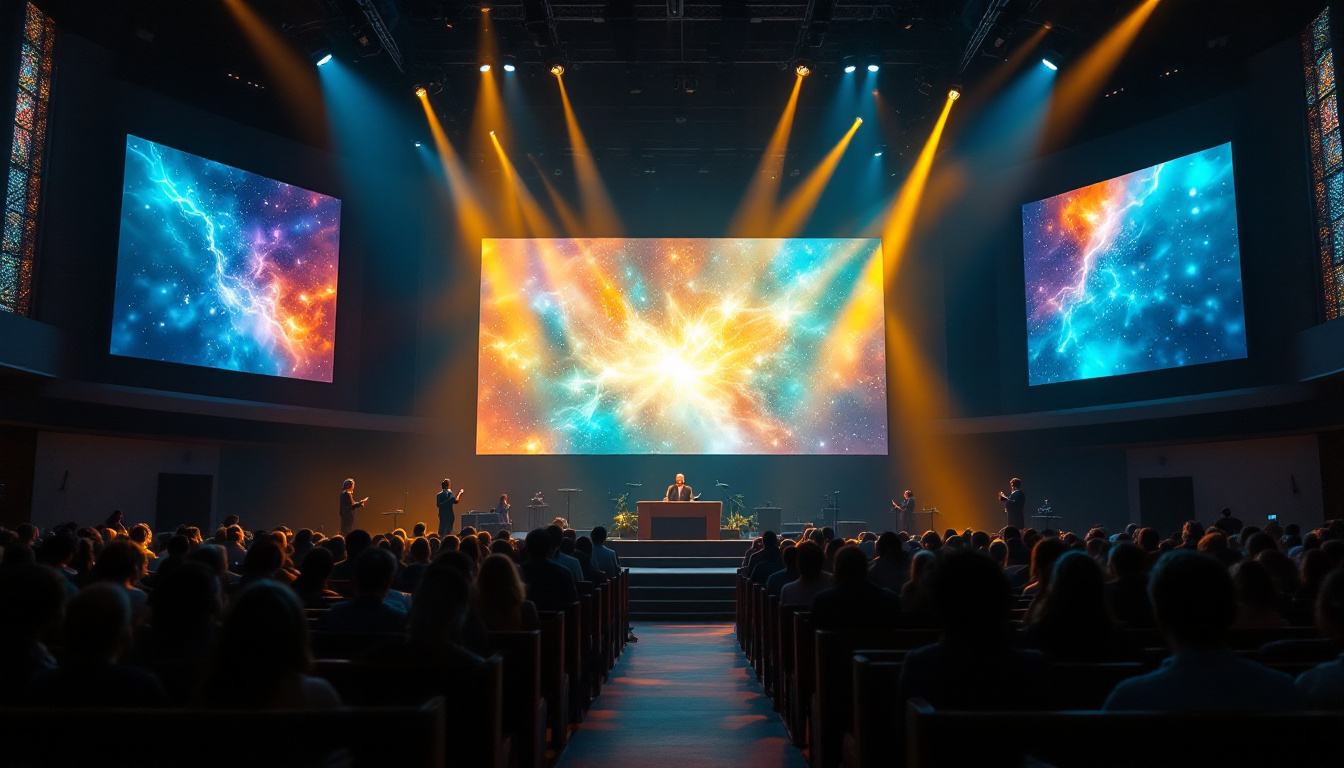
Sports stadiums and event venues rely heavily on LED displays for scoreboards, live video feeds, and advertising. The ability to deliver bright, high-contrast images ensures that spectators can see the action clearly from any seat, enhancing the overall experience.
Retail and Commercial Spaces
In retail, LED displays are used for digital signage, promotional displays, and interactive kiosks. Their vibrant colors and dynamic content capabilities help attract customers and communicate marketing messages effectively.
Transportation and Public Information Systems
LED displays are commonly found in airports, train stations, and bus terminals, providing real-time information such as arrival and departure times, alerts, and directions. Their reliability and visibility make them ideal for these critical communication points.
Technical Considerations When Choosing an LED Display
Resolution and Pixel Pitch
The resolution of an LED display is determined by the number of pixels it contains. Pixel pitch—the distance between the centers of two adjacent pixels—is a key factor affecting image clarity. Smaller pixel pitch means higher resolution and sharper images, which is essential for close viewing distances.
For example, an indoor LED display intended for close-up viewing might have a pixel pitch of 1 to 2 millimeters, while large outdoor displays may have pitches of 10 millimeters or more.
Color Accuracy and Calibration
Color accuracy is critical for applications such as retail and broadcasting. Modern LED displays often include built-in calibration tools to ensure consistent color reproduction over time, compensating for LED aging and environmental factors.
Viewing Angle
The viewing angle defines how well the display can be seen from different positions. LED displays typically offer wide viewing angles, but the quality can vary based on design and manufacturing. Wide viewing angles are particularly important in public spaces where audiences view the screen from multiple directions.
Refresh Rate and Response Time
High refresh rates reduce flicker and motion blur, which is vital for video content and fast-moving images. A refresh rate of 60 Hz or higher is common in LED displays intended for video playback.
Future Trends in LED Display Technology
MicroLED and MiniLED Innovations
Emerging technologies like MicroLED and MiniLED are pushing the boundaries of LED displays. MicroLEDs are tiny LEDs that can be used to create ultra-high-resolution displays with exceptional brightness and contrast, rivaling OLEDs but with longer lifespans and better energy efficiency.
MiniLED technology, which uses smaller LEDs for backlighting LCD panels, offers improved contrast and brightness compared to traditional LED-backlit LCDs, making it a popular choice for premium TVs and monitors.
Flexible and Transparent LED Displays
Advances in materials and manufacturing have enabled the development of flexible and transparent LED displays. These innovations open up new possibilities for creative applications, such as wearable displays, curved screens, and see-through advertising panels integrated into windows.
Integration with IoT and Smart Technologies
LED displays are increasingly being integrated with Internet of Things (IoT) platforms and smart technologies. This integration allows for real-time data-driven content updates, interactive experiences, and enhanced control via mobile devices and cloud services.
Conclusion
LED stands for Light Emitting Diode, a revolutionary technology that has transformed the way visual information is displayed across countless industries. LED displays offer unmatched brightness, energy efficiency, durability, and versatility, making them the go-to solution for everything from outdoor billboards to high-definition television screens.
As LED technology continues to evolve with innovations like MicroLED and flexible displays, its role in digital communication and entertainment will only grow stronger. Understanding the fundamentals of LED displays helps businesses, designers, and consumers make informed decisions about their visual communication needs in an increasingly digital world.
Explore Cutting-Edge LED Displays with LumenMatrix
Ready to elevate your visual communication with the latest in LED technology? LumenMatrix is at the forefront of LED display innovation, offering a wide array of solutions tailored to your needs. From Indoor and Outdoor LED Wall Displays to dynamic Vehicle and Sports LED Displays, our products are designed to capture attention and create immersive experiences. Discover the transformative power of LED Poster Displays, Floor LEDs, Custom configurations, All-in-One solutions, and LED Transparent Displays. Embrace the future of digital signage with LumenMatrix and make a lasting impression. Check out LumenMatrix LED Display Solutions today and see your message come to life with unparalleled clarity and vibrancy.