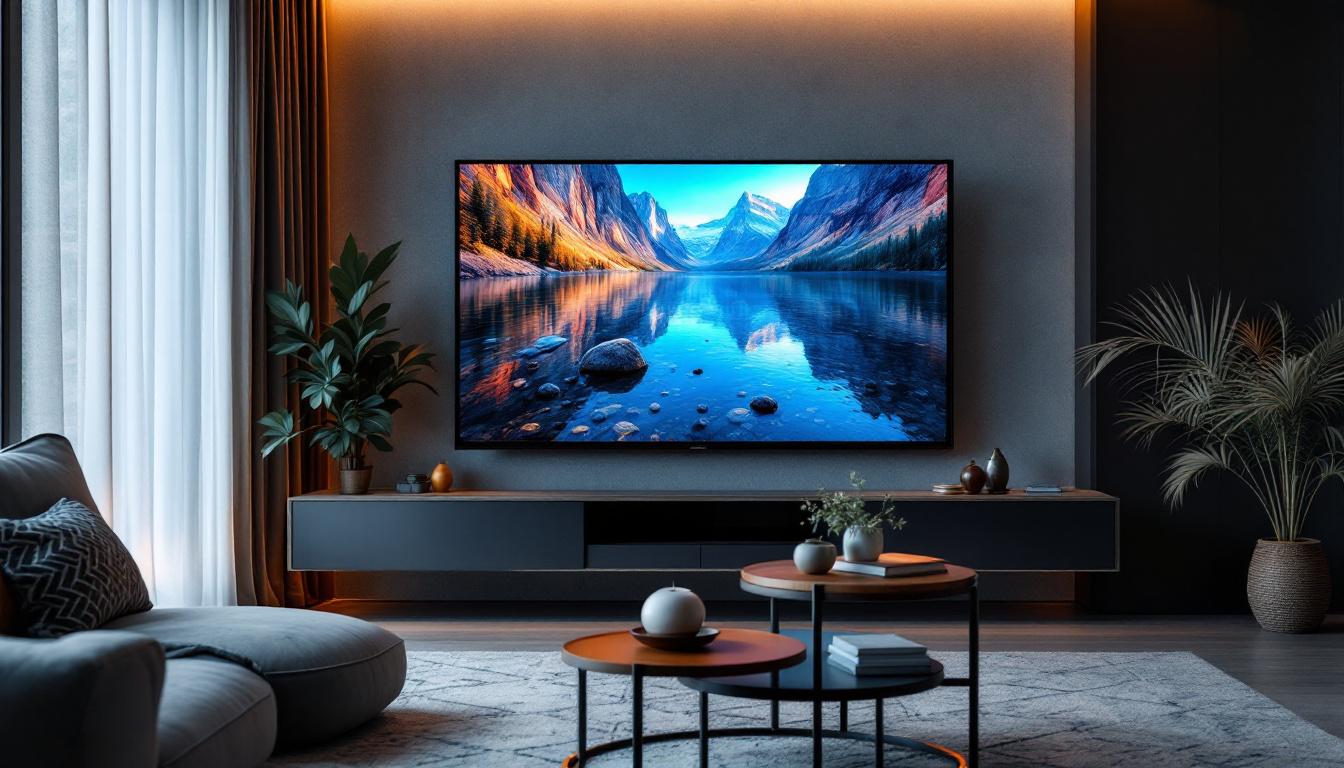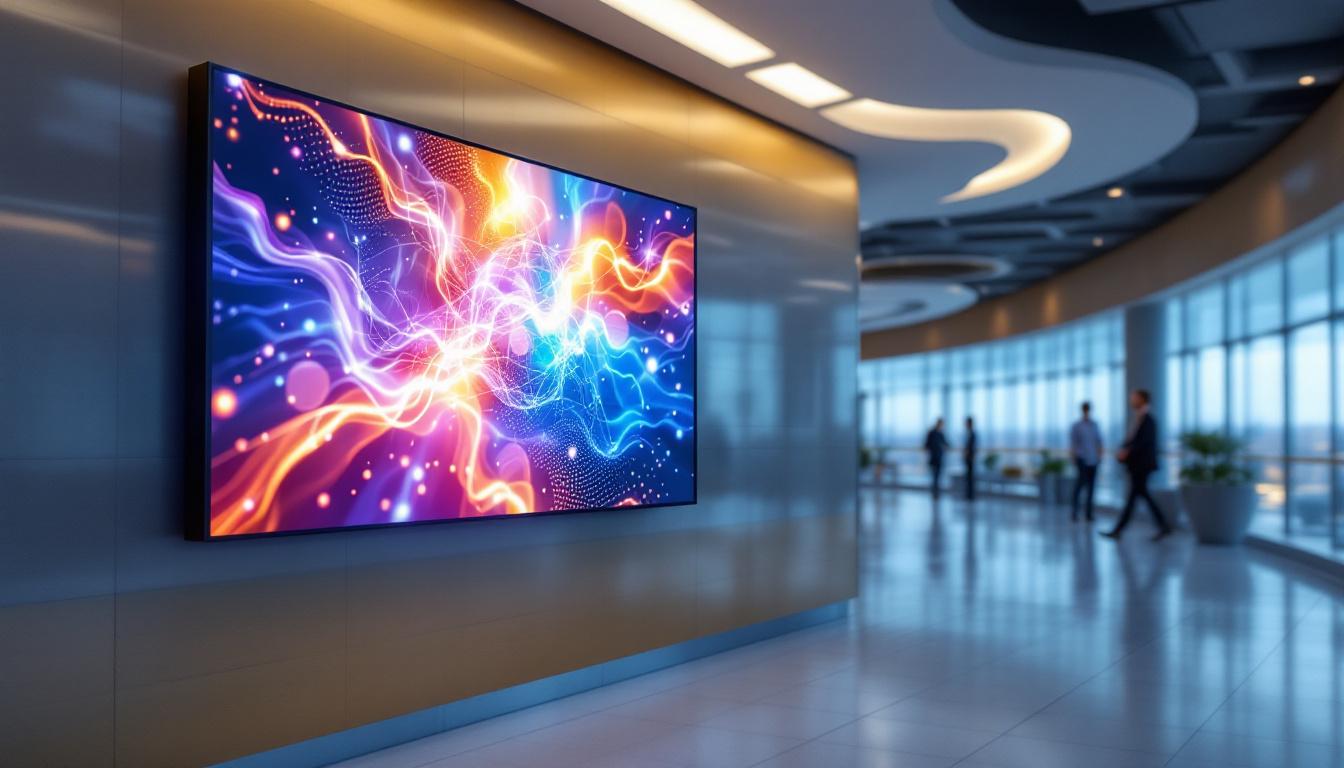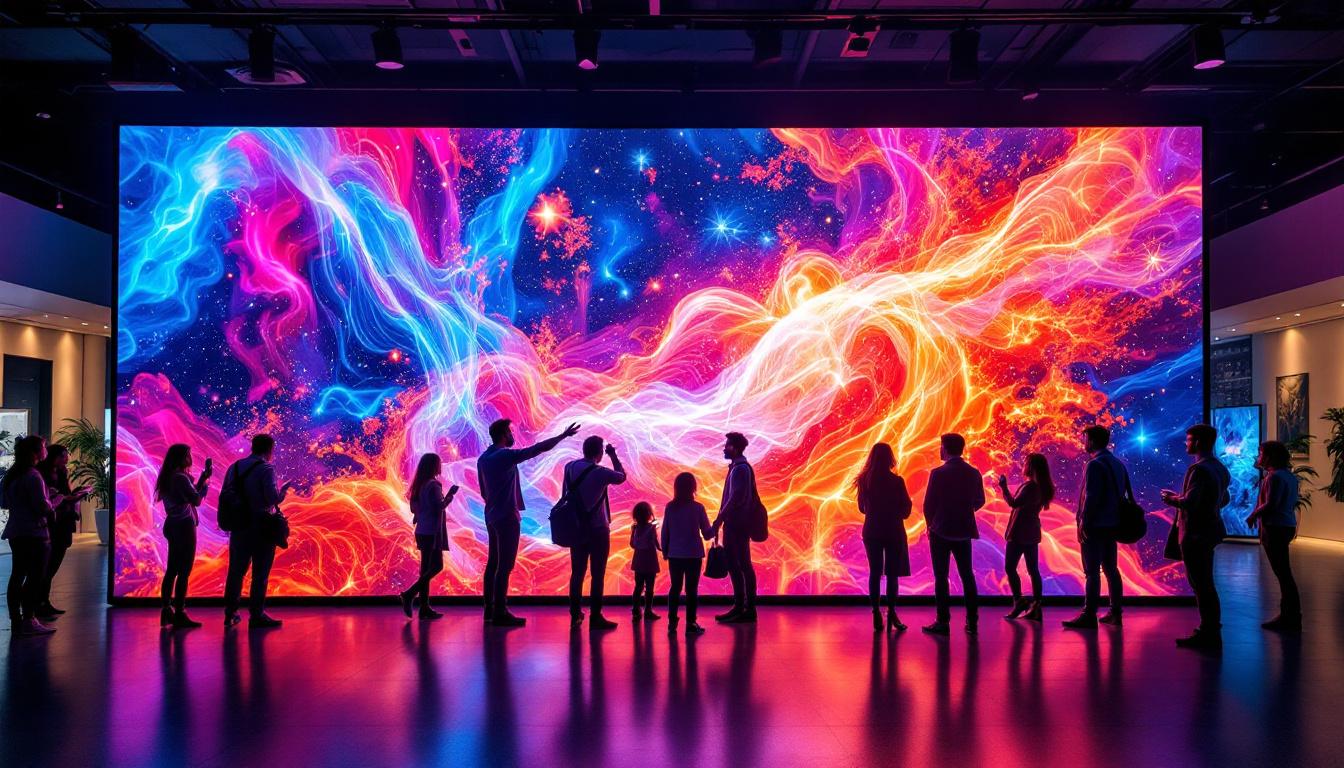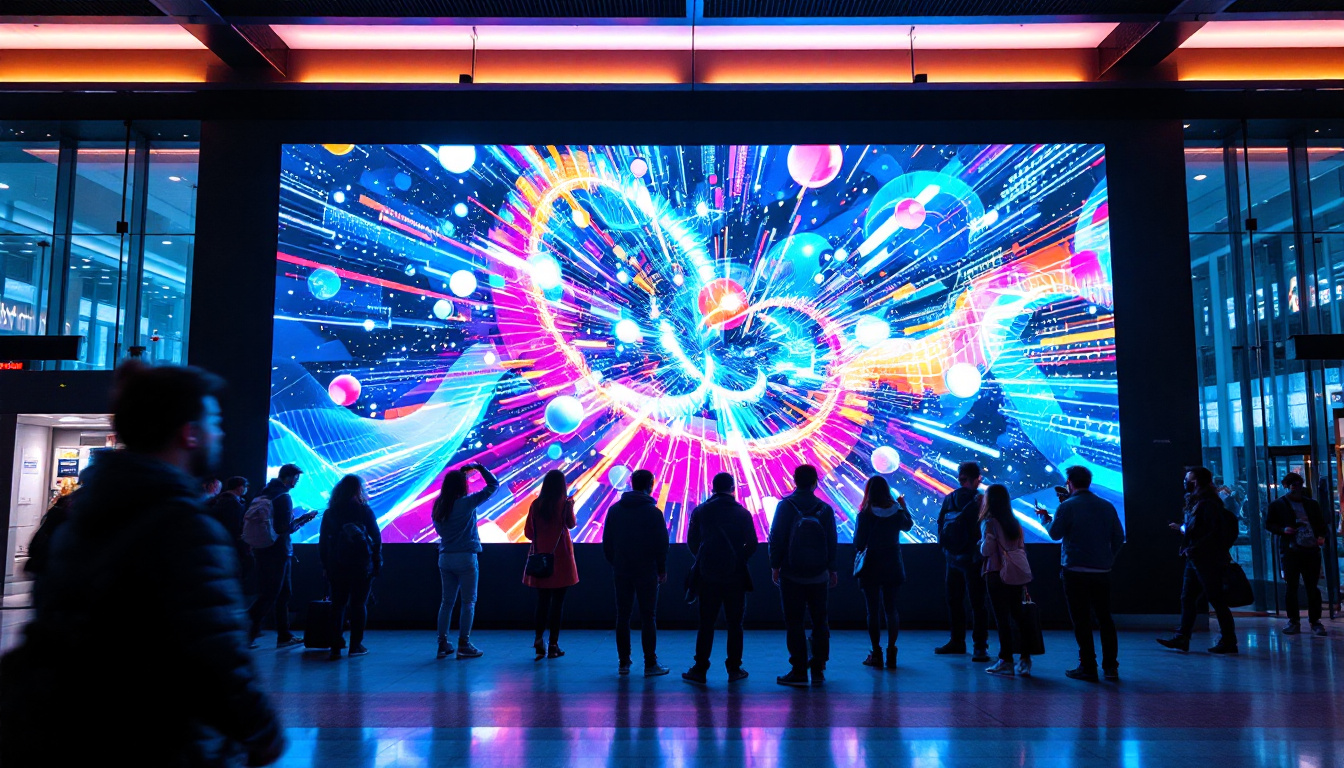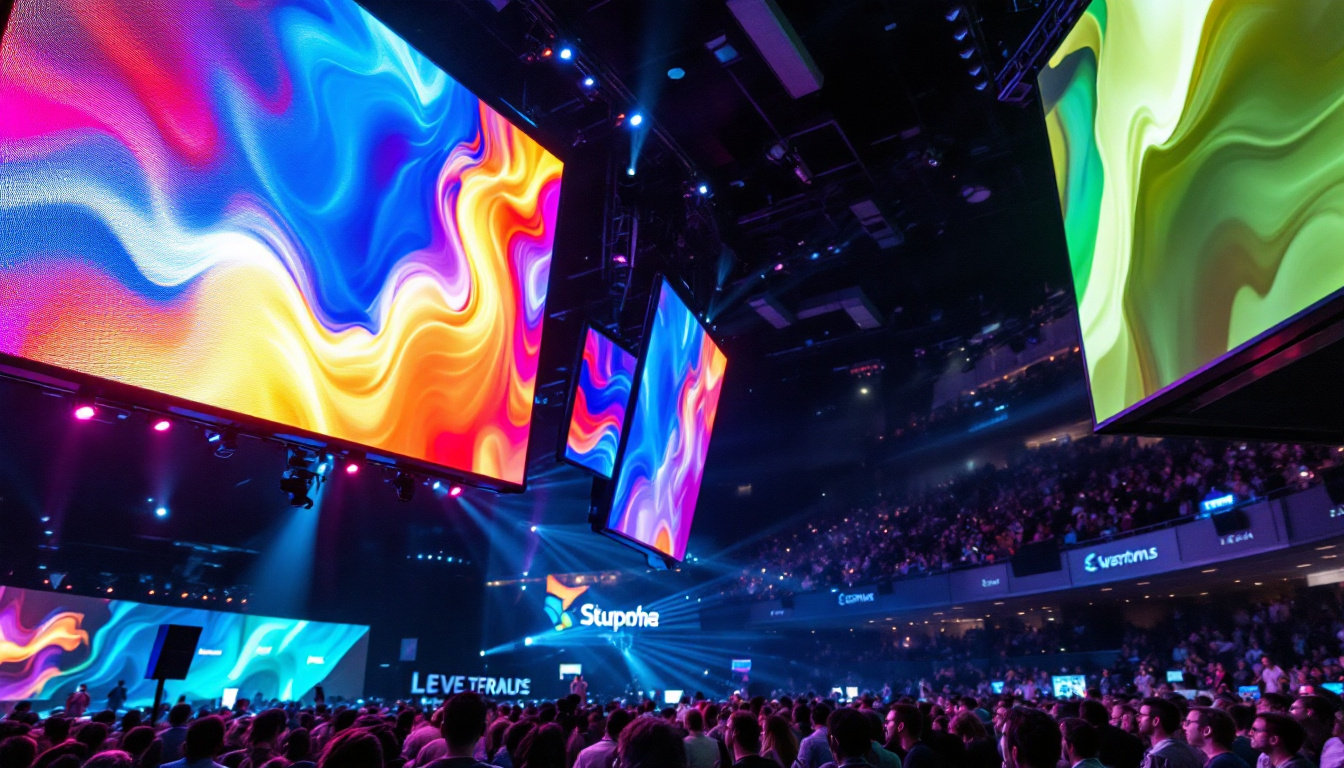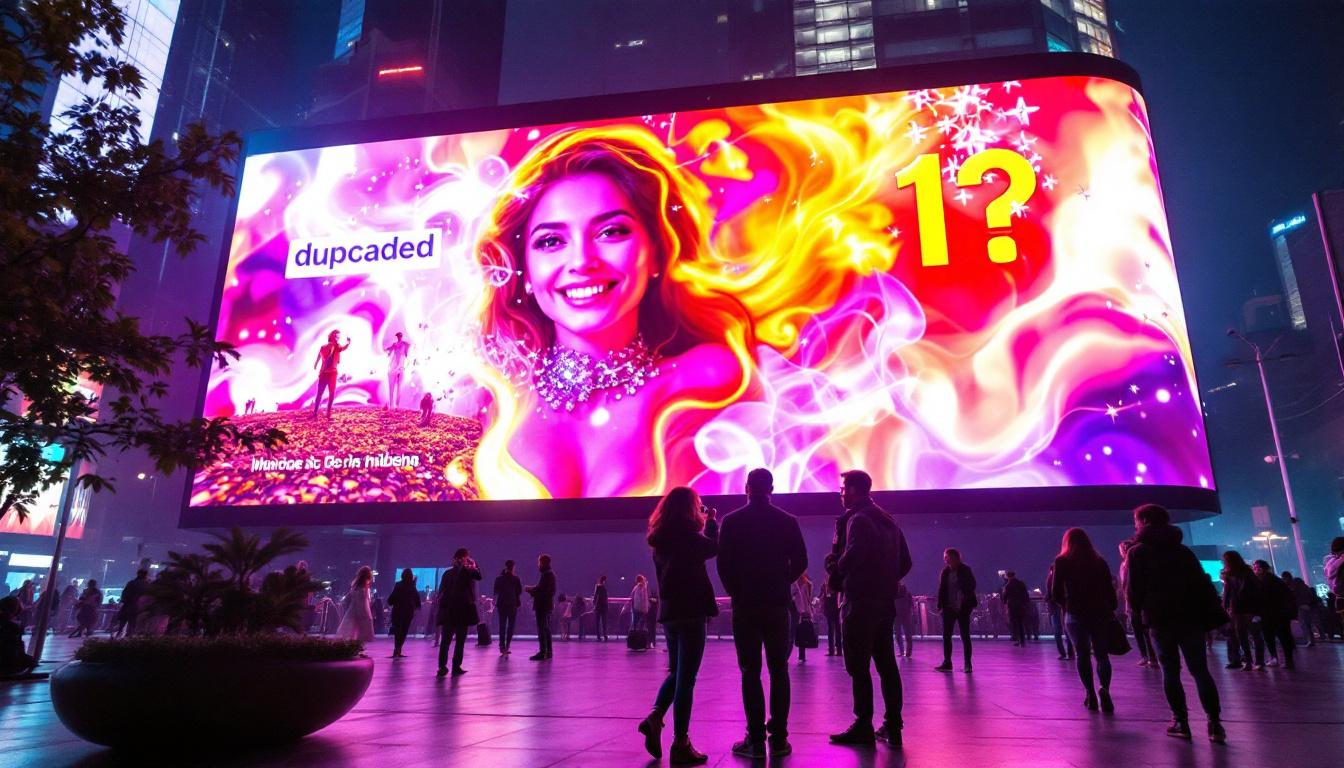
In the evolving world of event production, advertising, and interior design, LED display wall backdrops have become a transformative technology. These vibrant, dynamic displays offer unmatched visual impact, flexibility, and engagement compared to traditional static backdrops. This article delves into the fundamentals of LED display wall backdrops, exploring their technology, applications, benefits, and considerations for selecting the right system.
Understanding LED Display Wall Backdrops
What Are LED Display Wall Backdrops?
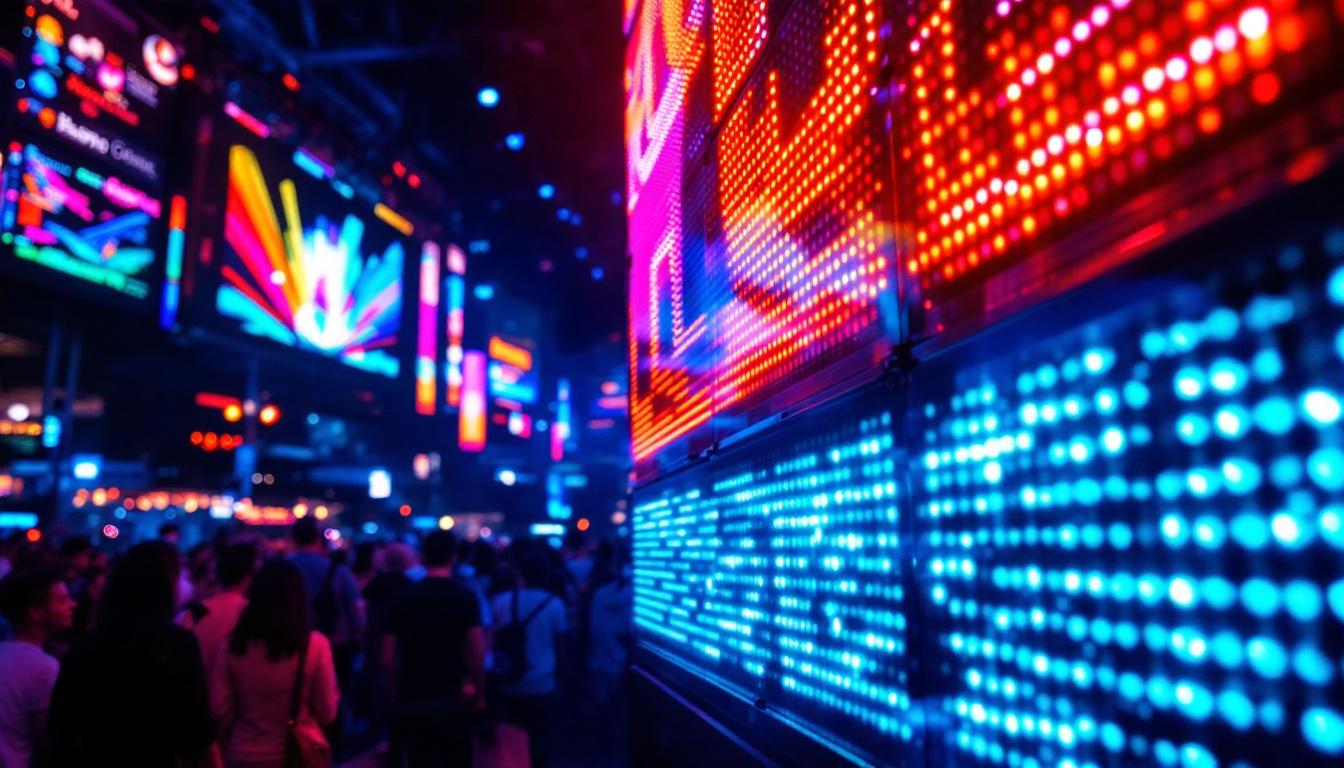
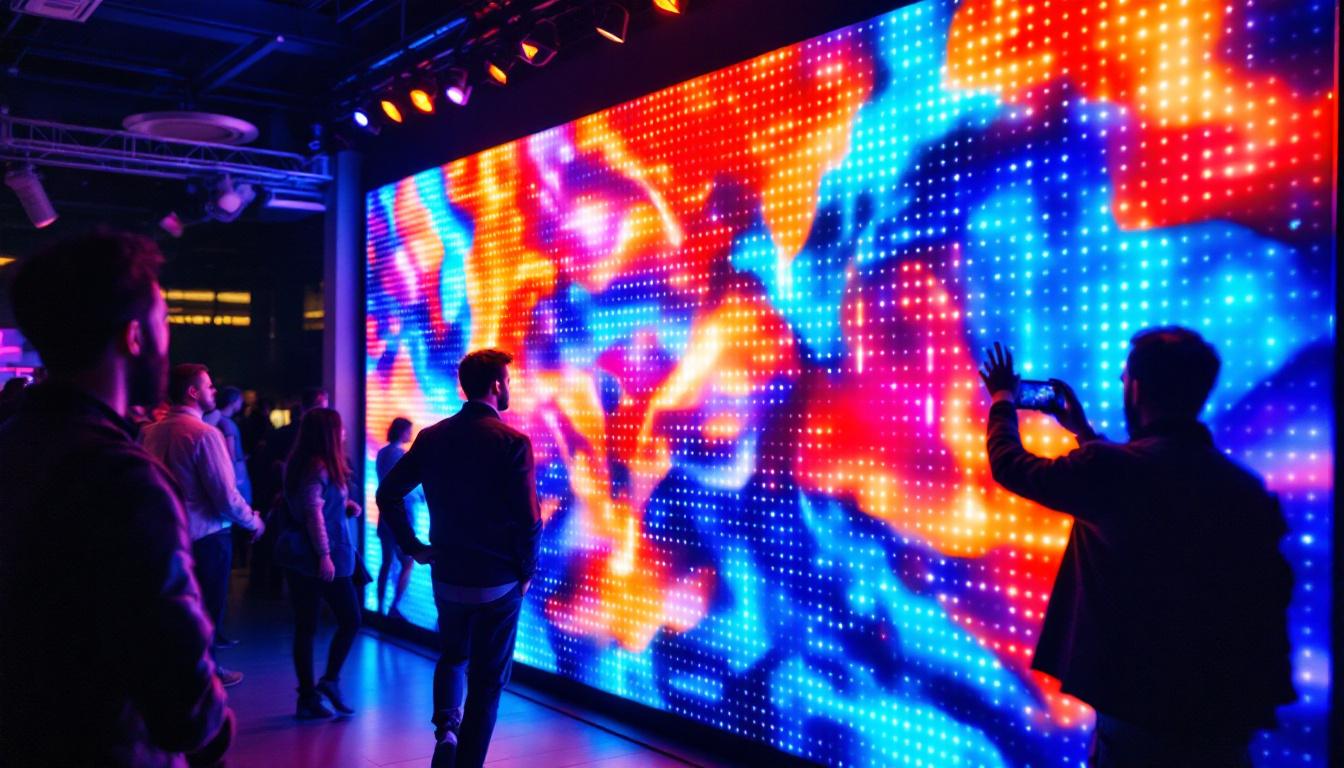
LED display wall backdrops are large-scale screens composed of numerous light-emitting diodes (LEDs) arranged in a grid. These LEDs can produce images, videos, animations, and text with high brightness and vivid colors. Unlike traditional printed or painted backdrops, LED walls are dynamic and programmable, allowing content to be changed instantly and remotely.
Typically, these backdrops are modular, meaning they are constructed from multiple panels or tiles that fit together seamlessly to create a continuous display surface. This modularity allows for customization of size and shape to fit different venues and event requirements. Whether it’s a concert, corporate event, or trade show, LED display walls can be tailored to enhance the overall aesthetic and functionality of the space, providing an engaging visual experience for the audience.
Moreover, LED display walls can be used not just for decorative purposes but also for interactive experiences. By integrating touch technology or motion sensors, these backdrops can respond to audience interactions, creating a more immersive environment. This capability is particularly popular in exhibitions and promotional events, where engaging potential customers can lead to a memorable brand experience.
How Do LED Displays Work?
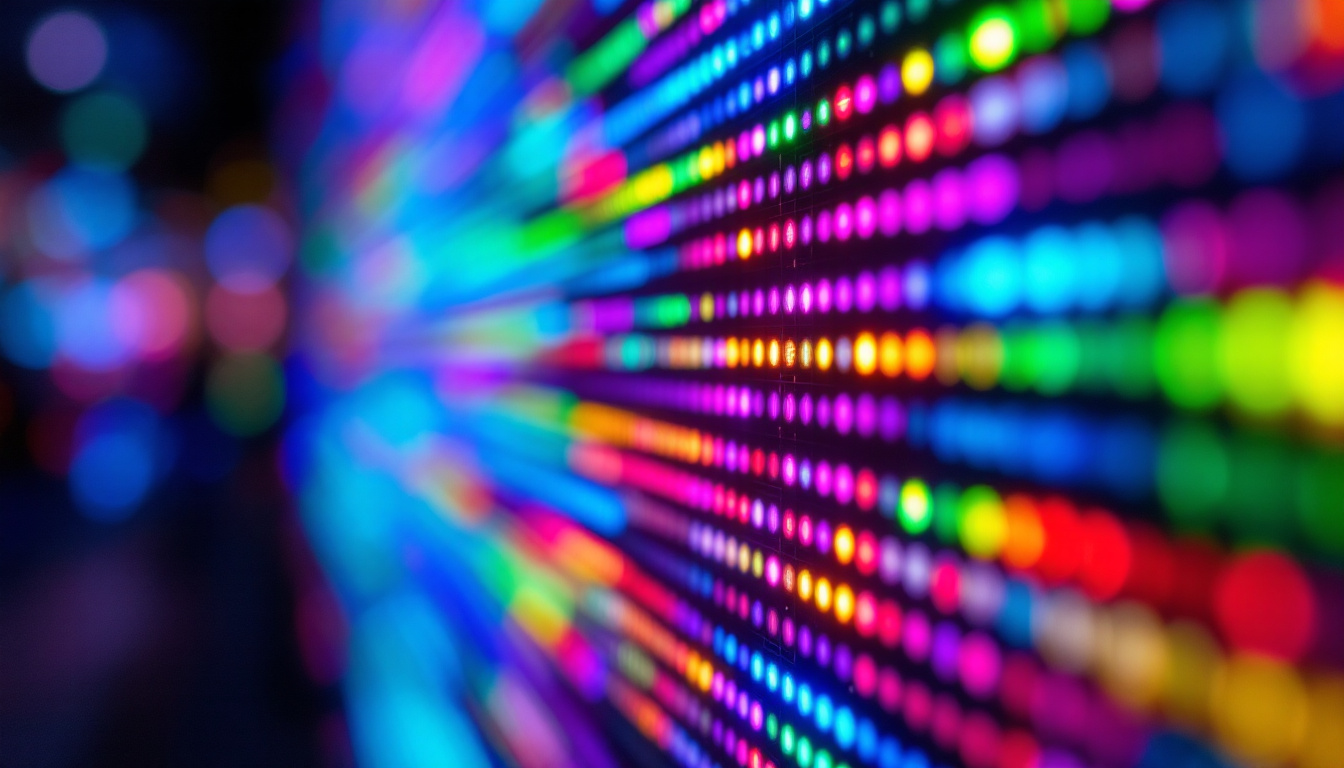
Each LED module contains tiny diodes that emit red, green, and blue light. By adjusting the intensity of each color, the display can create a full spectrum of colors. The LEDs are controlled by a processor that receives digital signals from a media server or computer, translating the content into light patterns on the screen.
The resolution of an LED display is determined by its pixel pitch, which is the distance between the centers of two adjacent LEDs. Smaller pixel pitch means higher resolution and sharper images, especially at close viewing distances. For example, a 1.5mm pixel pitch LED wall is suitable for indoor events where viewers are close, while a 10mm pitch might be used outdoors where viewers are farther away.
Additionally, LED displays are designed with energy efficiency in mind. Modern LED technology consumes significantly less power compared to traditional projection systems, making them a more sustainable option for large-scale displays. This efficiency not only reduces operational costs but also minimizes the environmental impact, aligning with the growing trend towards eco-friendly event solutions. Furthermore, the longevity of LED lights means that they can withstand the rigors of frequent transport and setup, making them a reliable choice for event organizers who need durable and high-performance equipment.
Applications of LED Wall Backdrops
Event Production and Concerts
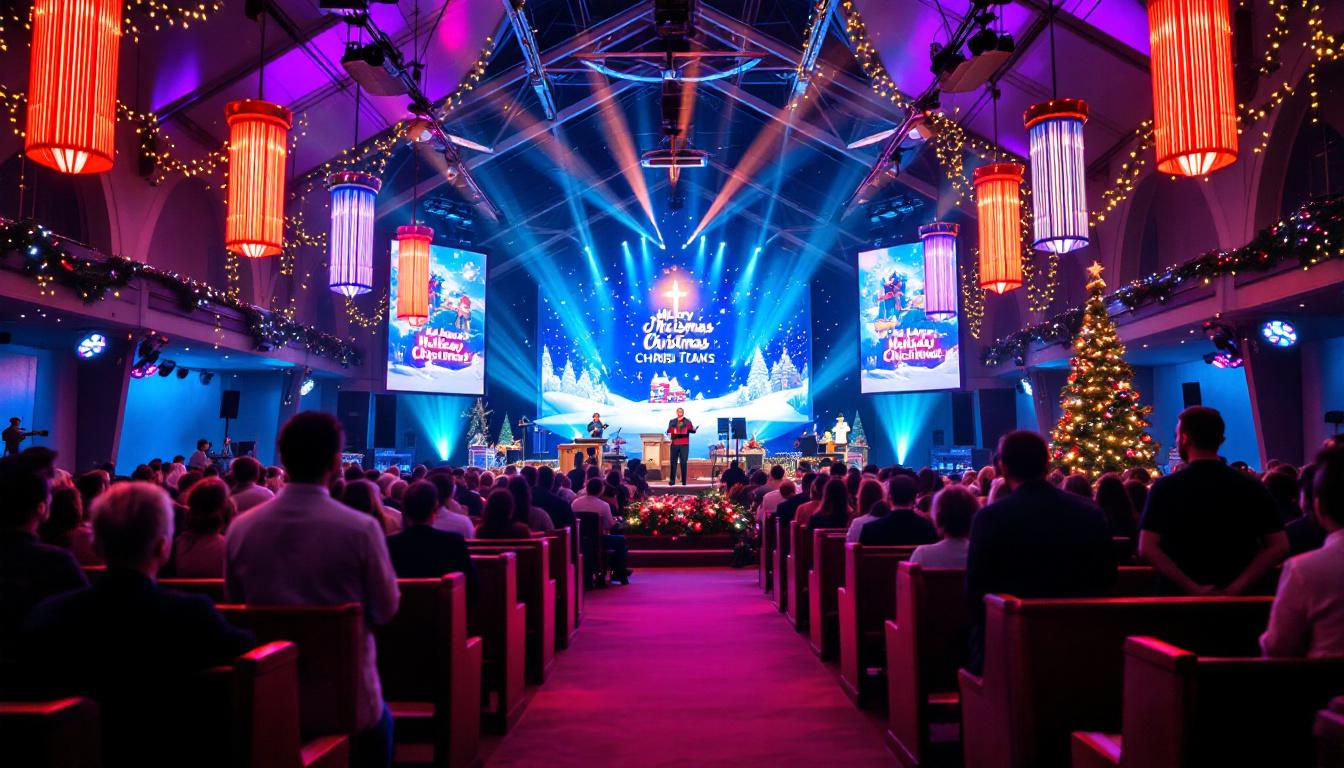
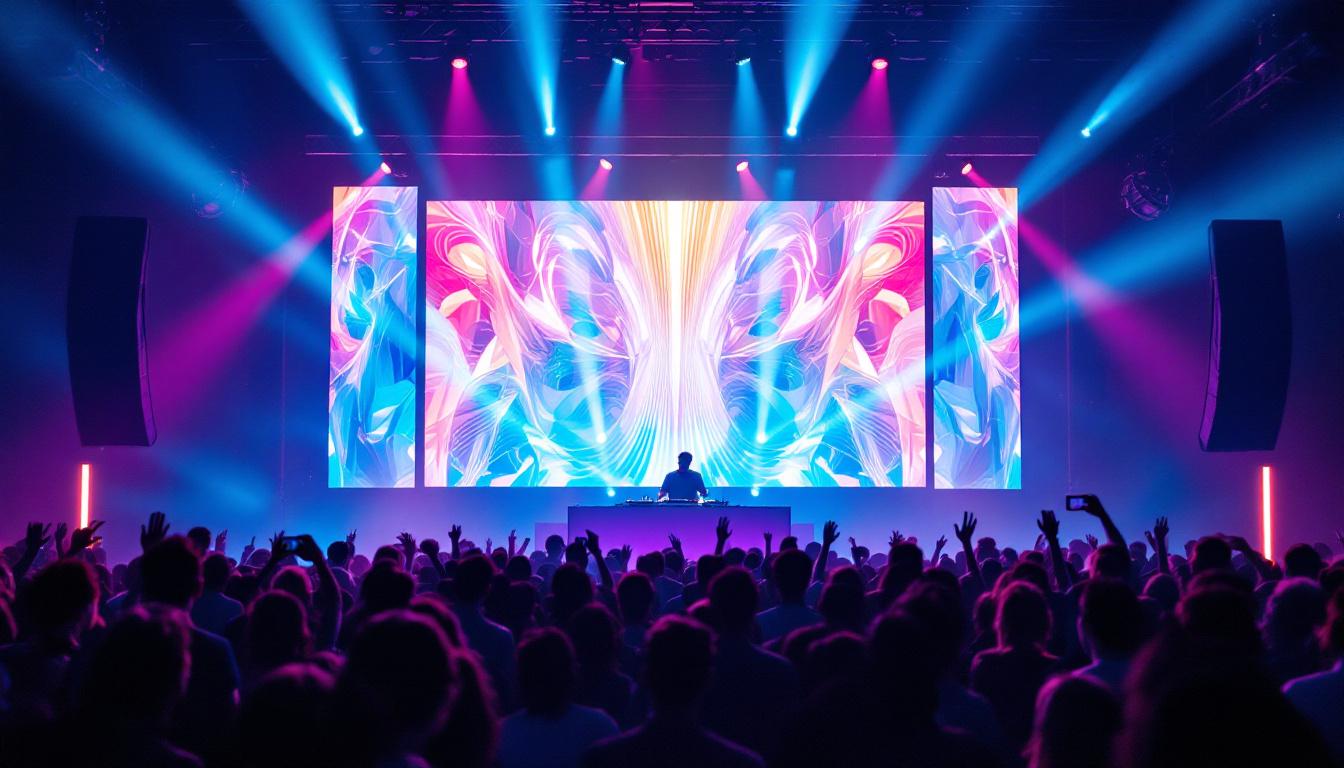
One of the most prominent uses of LED display wall backdrops is in live events such as concerts, conferences, and theatrical productions. These walls provide immersive visual experiences that can transform a stage environment. Artists and event producers use LED walls to display live feeds, dynamic graphics, and interactive content that enhances storytelling and audience engagement.
For instance, major music festivals like Coachella and Tomorrowland employ massive LED walls to create stunning visual effects synchronized with performances. The ability to change visuals instantly allows for versatile stage designs and seamless transitions between acts.
Corporate and Trade Shows
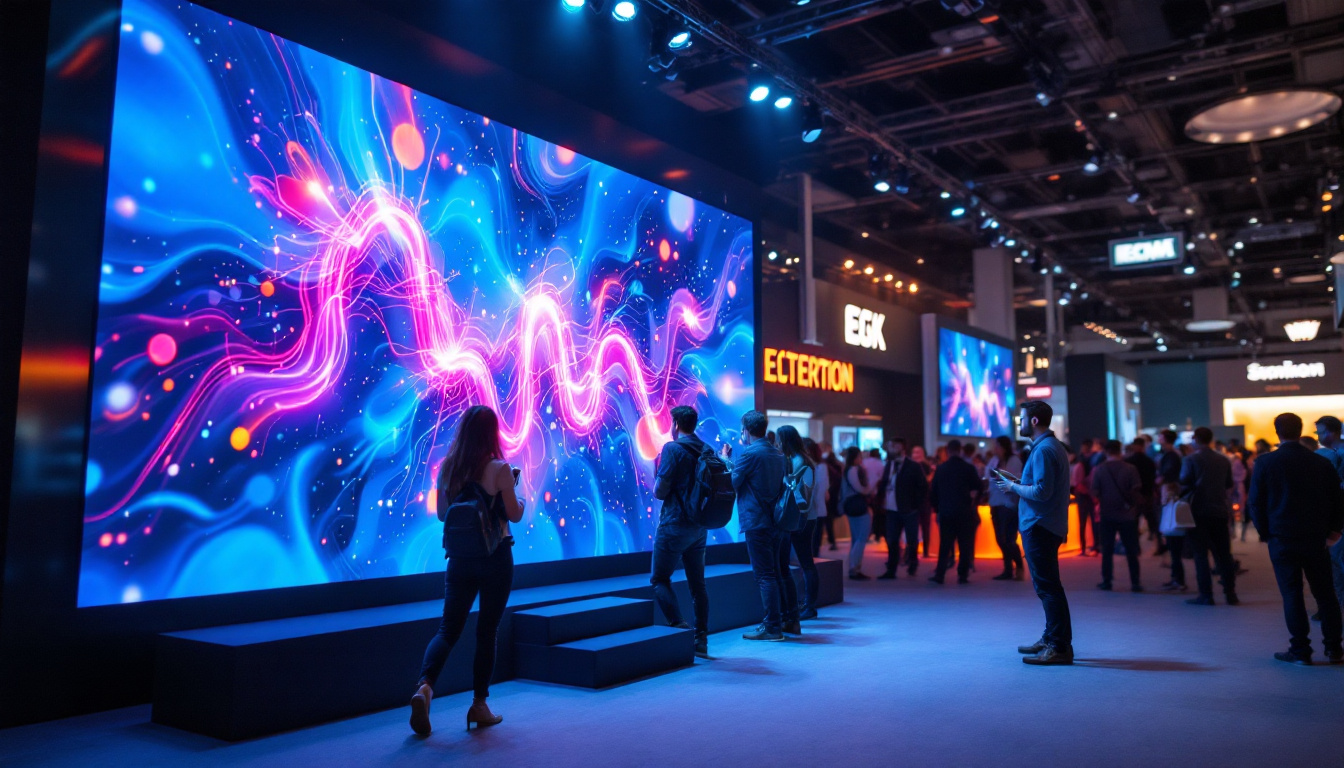
In corporate settings, LED backdrops serve as powerful branding tools. Trade shows and exhibitions leverage these displays to showcase product demos, promotional videos, and interactive presentations. The high brightness and clarity of LED walls ensure visibility even in well-lit convention centers.
Companies benefit from the adaptability of LED backdrops, which can be reprogrammed for different events without the need for physical replacement. This reduces costs and increases the impact of their marketing efforts.
Retail and Hospitality Environments
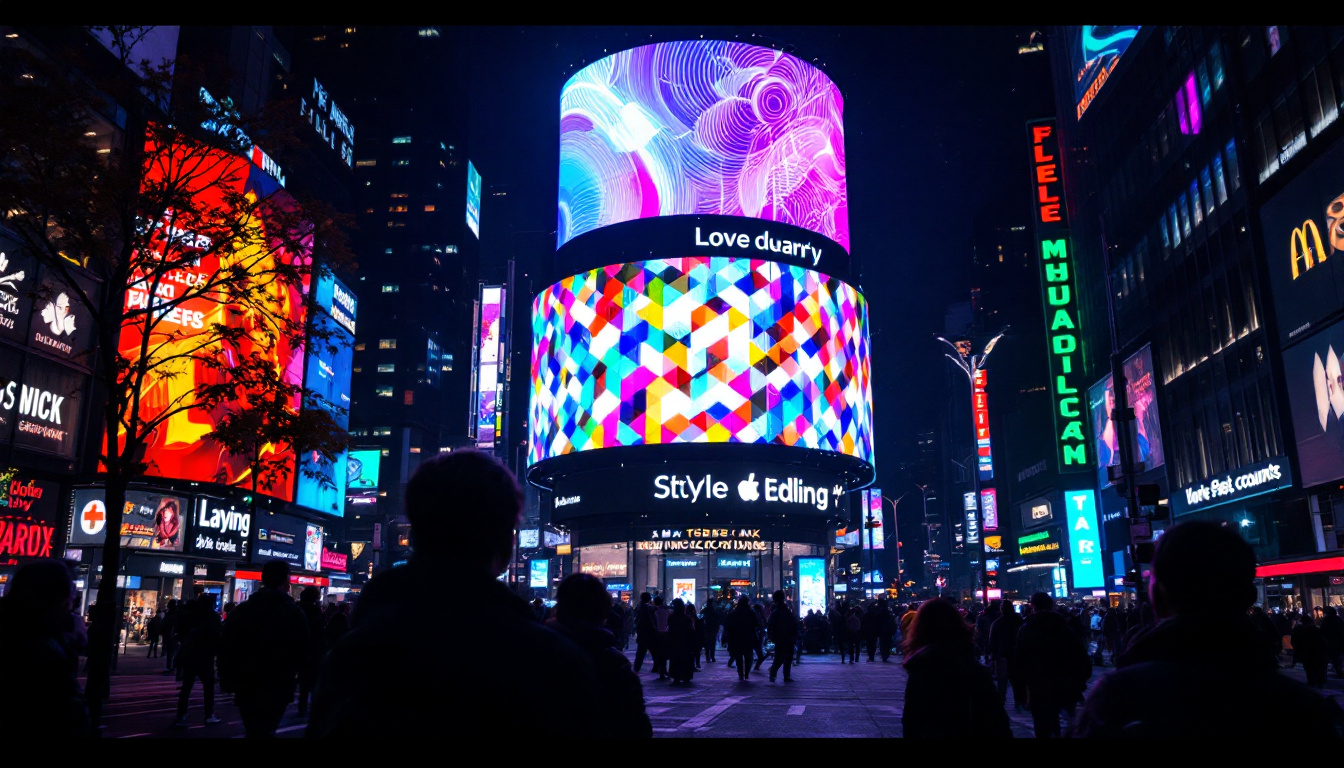
Retail stores and hotels increasingly incorporate LED display walls into their interior design to attract customers and create memorable experiences. Digital signage with LED technology can display promotional content, wayfinding information, or ambient visuals that enhance the atmosphere.
For example, luxury hotels may use LED walls in lobbies to showcase artwork or scenic videos, while retail outlets use them for dynamic advertising that can be updated daily based on campaigns or seasons.
Broadcast and Media Studios
Broadcast studios utilize LED backdrops to create versatile and visually appealing sets. These walls can simulate various environments, from newsrooms to virtual landscapes, without the need for physical set changes. This flexibility reduces production costs and time.
During live broadcasts, LED walls can also display real-time data, social media feeds, or graphics that enhance viewer engagement.
Key Benefits of LED Display Wall Backdrops
Vivid Visual Quality and Brightness
LED walls offer superior brightness levels compared to LCD or projection-based displays, making them visible even in direct sunlight or brightly lit indoor spaces. Their vivid color reproduction and high contrast ratios create striking images that captivate audiences.
This brightness advantage is critical for outdoor events or venues with ambient lighting challenges, ensuring that content remains clear and impactful.
Flexibility and Customization
The modular design of LED backdrops allows for flexible sizing and shapes. Whether it’s a massive rectangular screen or a curved, irregularly shaped installation, LED walls can be tailored to fit the creative vision and spatial constraints.
Additionally, content can be changed instantly, enabling event organizers to adapt messaging or visuals in real time. This adaptability is invaluable for multi-day events or venues hosting diverse activities.
Durability and Longevity
LED technology is known for its long lifespan and robustness. High-quality LED modules can operate for tens of thousands of hours with minimal degradation. Many LED walls are designed to withstand environmental factors such as moisture, dust, and temperature variations, especially outdoor-rated models.
This durability reduces maintenance costs and ensures reliable performance over time, making LED backdrops a sound investment.
Energy Efficiency
Compared to other lighting and display technologies, LEDs consume less power while delivering high brightness. This energy efficiency is beneficial for reducing operational costs and minimizing environmental impact.
Modern LED systems often incorporate smart controls that adjust brightness based on ambient light, further optimizing energy use.
Choosing the Right LED Display Wall Backdrop
Consider Viewing Distance and Pixel Pitch
One of the most important factors in selecting an LED backdrop is understanding the typical viewing distance. Pixel pitch should be chosen to ensure that individual pixels are not discernible to the audience, providing a smooth and clear image.
For example, if viewers will be standing 10 feet away, a pixel pitch of 3mm or smaller might be necessary. For larger venues where viewers are farther away, a larger pixel pitch can be used without compromising perceived image quality.
Indoor vs. Outdoor Use
LED walls designed for outdoor use must meet higher standards for brightness, waterproofing, and durability. Outdoor models typically have higher brightness levels (often exceeding 5,000 nits) to combat sunlight glare, whereas indoor models operate efficiently at lower brightness levels.
It’s essential to select an LED backdrop rated for the intended environment to ensure longevity and optimal performance.
Resolution and Size Requirements
The resolution of the LED wall is a function of pixel pitch and overall size. Larger walls with coarse pixel pitch can still deliver impressive visuals when viewed from a distance, but for close-up viewing, higher resolution is necessary.
Determining the right balance between size, resolution, and budget is crucial. Higher resolution LED walls generally cost more, so aligning specifications with actual use cases avoids unnecessary expenses.
Installation and Maintenance
Consider the complexity of installation and ongoing maintenance when choosing an LED display system. Some LED walls are designed for quick assembly and disassembly, ideal for touring events or temporary setups.
Permanent installations may require additional considerations such as structural support, ventilation, and access for servicing. Partnering with experienced installers and suppliers ensures smooth deployment and long-term reliability.
Emerging Trends and Innovations in LED Wall Backdrops
MicroLED and MiniLED Technologies
Advancements in LED technology have led to the development of MicroLED and MiniLED displays, which feature significantly smaller diodes and tighter pixel pitches. These innovations enable ultra-high resolution and improved color accuracy, pushing the boundaries of visual quality.
While currently more expensive, MicroLED walls are gaining traction in premium applications such as luxury retail, broadcast studios, and flagship events.
Interactive LED Walls
Integration of touch and motion sensors with LED backdrops is enabling interactive experiences. Audiences can engage directly with the display, triggering animations or changing content through gestures or touch.
This interactivity is particularly popular in trade shows, museums, and retail environments where immersive customer experiences drive engagement and brand loyalty.
Energy-Saving and Eco-Friendly Solutions
With growing emphasis on sustainability, LED display manufacturers are focusing on reducing energy consumption and using recyclable materials. Smart brightness controls, low-power components, and eco-friendly manufacturing processes are becoming standard features.
Event organizers and venue operators increasingly prioritize green technologies, making energy-efficient LED walls a competitive advantage.
Conclusion
LED display wall backdrops represent a significant leap forward in visual communication, offering dynamic, high-impact solutions across a wide range of industries. Their ability to deliver bright, vivid imagery combined with flexibility and durability makes them indispensable for modern event production, advertising, retail, and media environments.
Understanding the key technical aspects such as pixel pitch, brightness, and environmental suitability is essential for selecting the right LED backdrop system. As technology continues to advance, innovations like MicroLED and interactive displays will further enhance the possibilities for creative expression and audience engagement.
For organizations looking to elevate their visual presence, investing in LED display wall backdrops is a strategic choice that delivers both immediate impact and long-term value.
Illuminate Your Space with LumenMatrix
Ready to transform your venue with the vibrant, dynamic capabilities of LED display wall backdrops? LumenMatrix is at the forefront of LED display innovation, offering a comprehensive range of solutions tailored to your unique needs. From Indoor and Outdoor LED Wall Displays to specialized options like Vehicle, Sports, and Floor LED Displays, our technology is designed to captivate and engage. Discover the power of advanced LED display modules and revolutionize your visual communication today. Check out LumenMatrix LED Display Solutions and see how we can illuminate your brand’s message with clarity and impact.