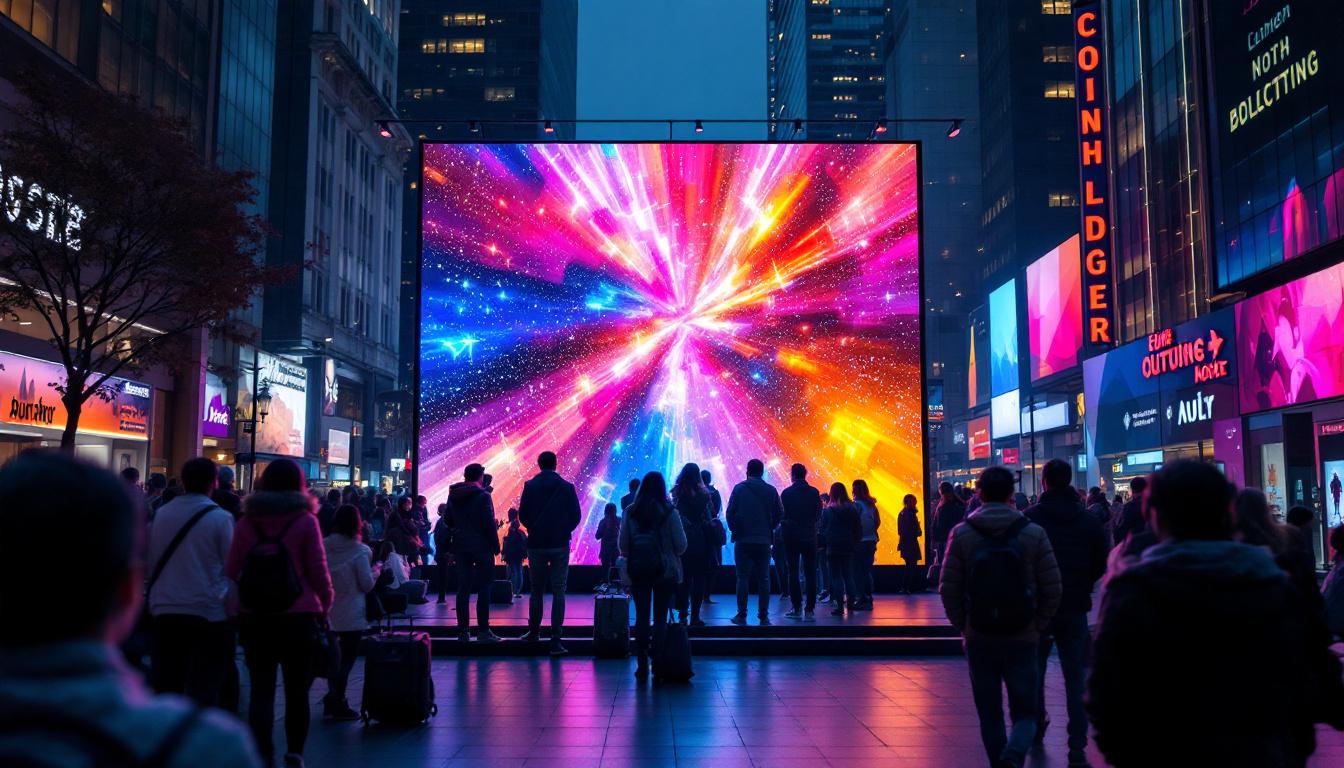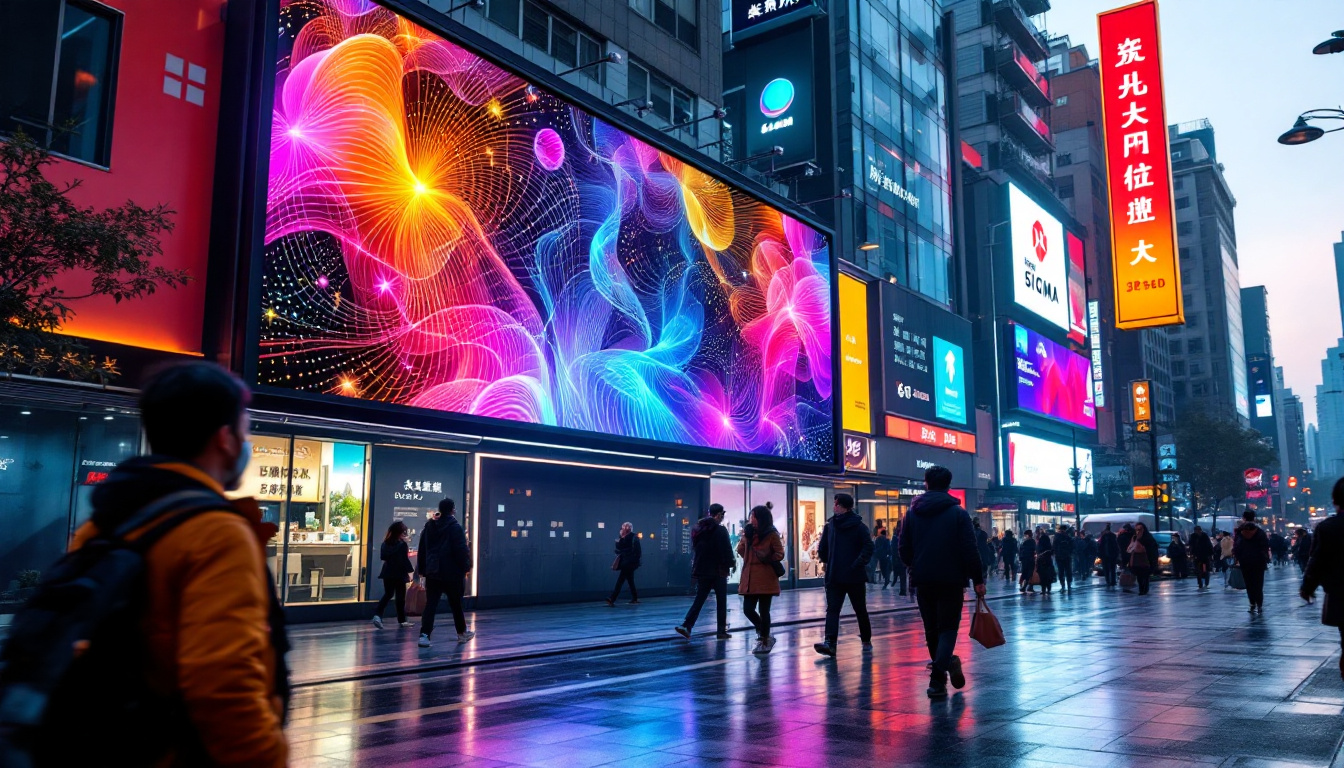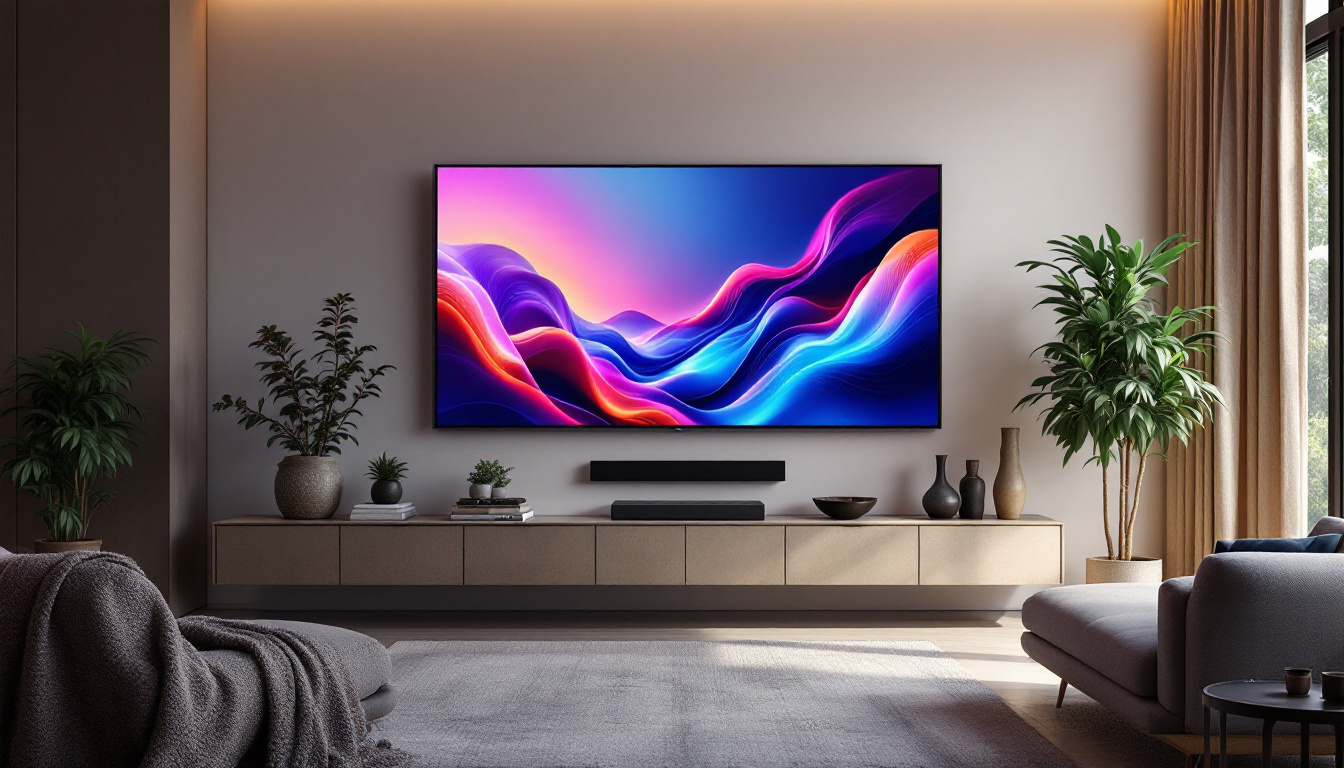
In today’s fast-paced digital world, LED displays have become an integral part of visual communication. From giant billboards in Times Square to the screens on smartphones and televisions, LED technology powers a vast array of displays that captivate audiences worldwide. But what exactly is an LED display, how does it work, and why has it become the preferred choice for so many applications? This comprehensive guide explores the fundamentals, technology, types, and benefits of LED displays, providing a clear understanding of this dynamic and versatile technology.
Understanding LED Display Technology
What is an LED Display?
LED stands for Light Emitting Diode, a semiconductor device that emits light when an electric current passes through it. An LED display is a flat panel display that uses an array of these tiny LEDs to produce images, videos, and text. Unlike traditional LCD or plasma screens, LED displays rely on direct emission of light from individual diodes, resulting in brighter and more vibrant visuals.
LED displays can be found in various sizes and resolutions, ranging from small indicator lights to massive outdoor advertising screens. The technology behind these displays allows for high contrast ratios, excellent color accuracy, and energy efficiency, making them suitable for both indoor and outdoor use. This versatility has made LED displays a popular choice in a wide range of applications, from digital signage in retail environments to high-definition screens in sports arenas. The ability to create dynamic, eye-catching visuals has transformed how businesses communicate with their audiences, drawing attention in a crowded marketplace.
How Do LED Displays Work?
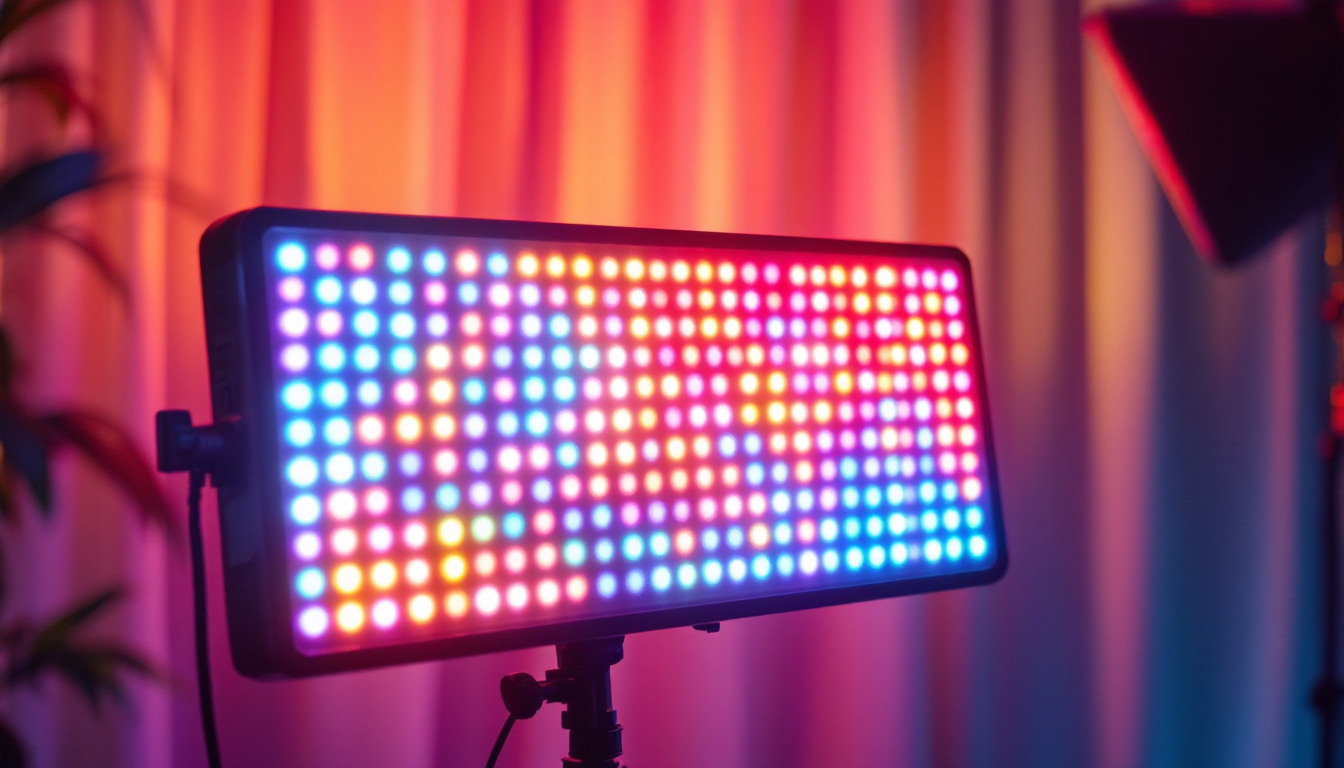
At the core of an LED display is a matrix of tiny LEDs arranged in rows and columns. Each LED can be controlled individually to emit different colors and brightness levels. By switching these LEDs on and off rapidly and adjusting their intensity, the display can render complex images and videos.
Most modern LED displays use Red, Green, and Blue (RGB) LEDs to create a full spectrum of colors through color mixing. By varying the intensity of each RGB component, the display can produce millions of colors, enabling vivid and lifelike images. The control system behind the display processes input signals and translates them into precise commands for each LED, ensuring smooth and accurate rendering. Additionally, advancements in technology have led to the development of smart LED displays that can adapt to environmental conditions, such as adjusting brightness based on ambient light levels. This not only enhances the viewing experience but also contributes to energy savings, making LED displays a more sustainable option in the long run.
Types of LED Displays
1. Direct View LED Displays
Direct View LED (DV-LED) displays consist of LEDs that are visible directly to the viewer without any intermediary layers. These are commonly used in large-scale applications such as stadium screens, outdoor billboards, and digital signage. DV-LED displays are known for their high brightness, durability, and ability to function well under sunlight, making them ideal for outdoor environments.
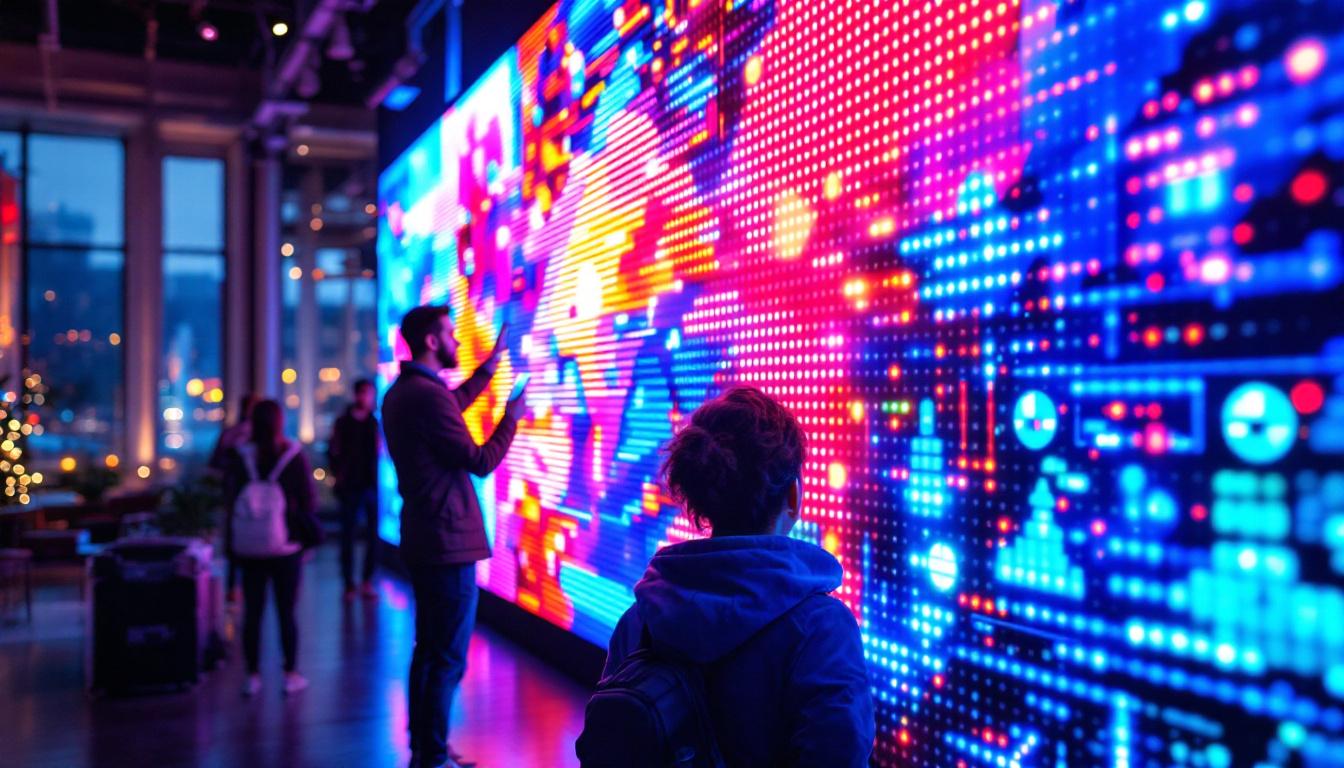
The pixel pitch, or the distance between individual LEDs, plays a crucial role in image clarity. Smaller pixel pitches result in higher resolution and sharper images, which is why indoor LED displays often have pixel pitches as low as 0.9 mm, while outdoor displays typically range from 4 mm to 20 mm. Additionally, the modular design of DV-LED displays allows for easy scalability; they can be assembled in various configurations to fit different spaces, whether it be a massive sports arena or a more intimate retail setting. This flexibility not only enhances their utility but also allows for creative and dynamic advertising solutions that can be tailored to specific audiences.
2. LED-backlit LCD Displays
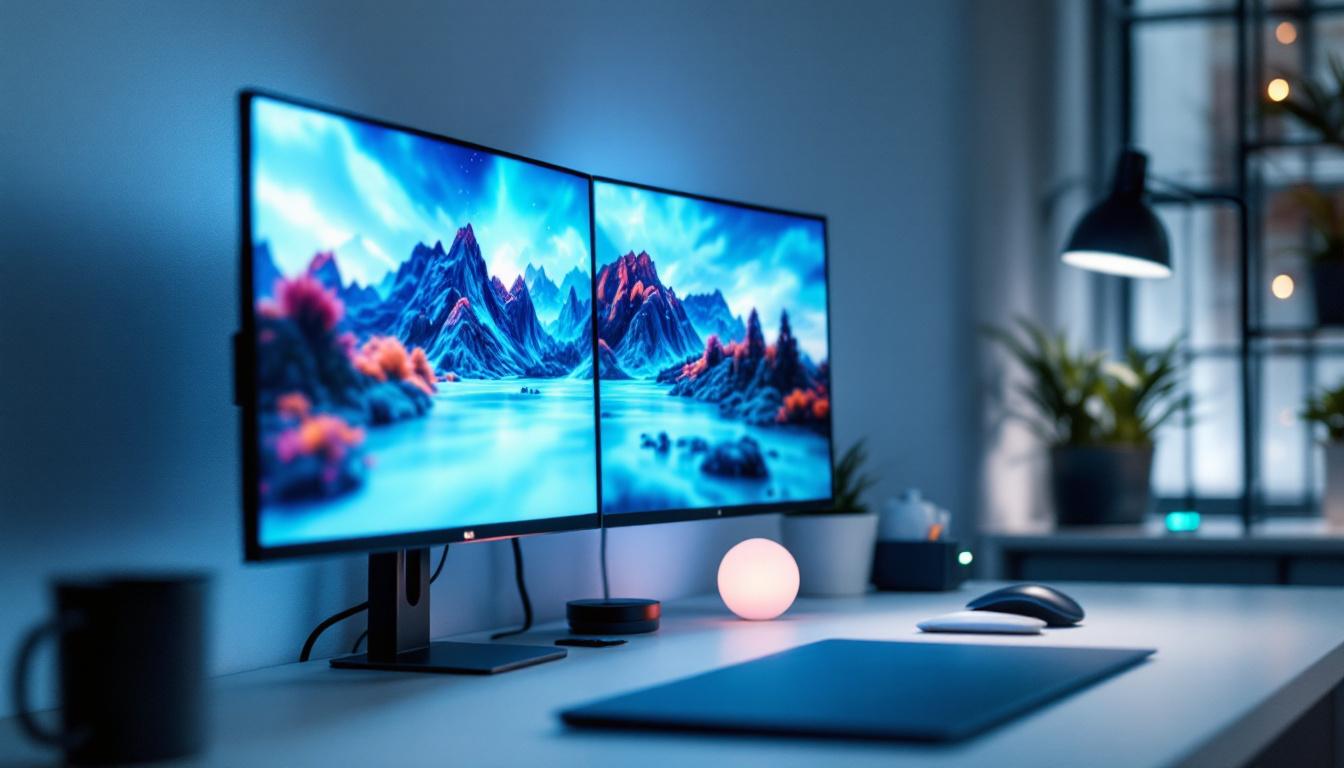
Many consumer electronics, including televisions, monitors, and laptops, use LED-backlit LCD technology. In these displays, an LCD panel controls the image, while an array of LEDs provides the backlighting. This combination offers improved brightness and energy efficiency compared to older cold cathode fluorescent lamp (CCFL) backlighting.
Though the LEDs are not directly visible in these displays, their presence significantly enhances picture quality, contrast, and color reproduction. This technology has become the standard for most modern screens due to its balance of cost, performance, and energy consumption. Furthermore, advancements in local dimming technology have allowed for even greater control over backlighting, resulting in improved contrast ratios and deeper blacks. As a result, LED-backlit LCD displays are increasingly favored for applications that require precise color accuracy, such as graphic design and video editing, where visual fidelity is paramount.
3. OLED Displays
Organic Light Emitting Diode (OLED) displays are a specialized form of LED technology where organic compounds emit light when electrically stimulated. Unlike traditional LED displays, OLEDs do not require a backlight, as each pixel emits its own light. This results in deeper blacks, higher contrast ratios, and thinner, more flexible screens.
OLED technology is widely used in high-end smartphones, televisions, and wearable devices. While OLEDs offer superior image quality, they tend to be more expensive and have a shorter lifespan compared to traditional LEDs. Additionally, the flexibility of OLED technology has opened up new possibilities in design, allowing for curved and even rollable screens that can adapt to various environments and user needs. This innovative approach not only enhances the aesthetic appeal of devices but also paves the way for future advancements in display technology, such as transparent screens and immersive augmented reality experiences. As research continues, the potential for OLEDs in both consumer and commercial applications remains vast and exciting.
Applications and Advantages of LED Displays
Versatility Across Industries
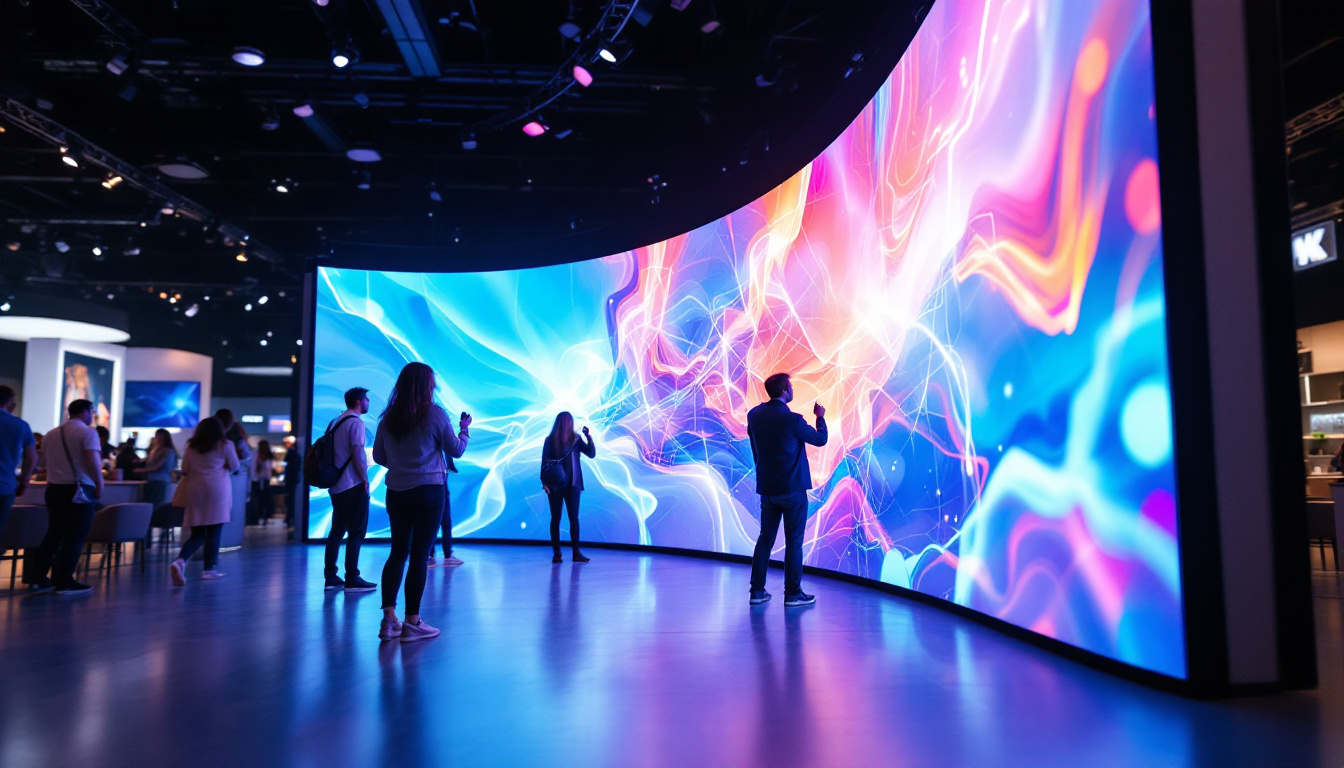
LED displays have revolutionized visual communication across multiple sectors. In advertising, large LED billboards capture attention with dynamic, bright content that can be updated instantly. Retail stores use LED displays for digital signage to promote products and enhance customer engagement.
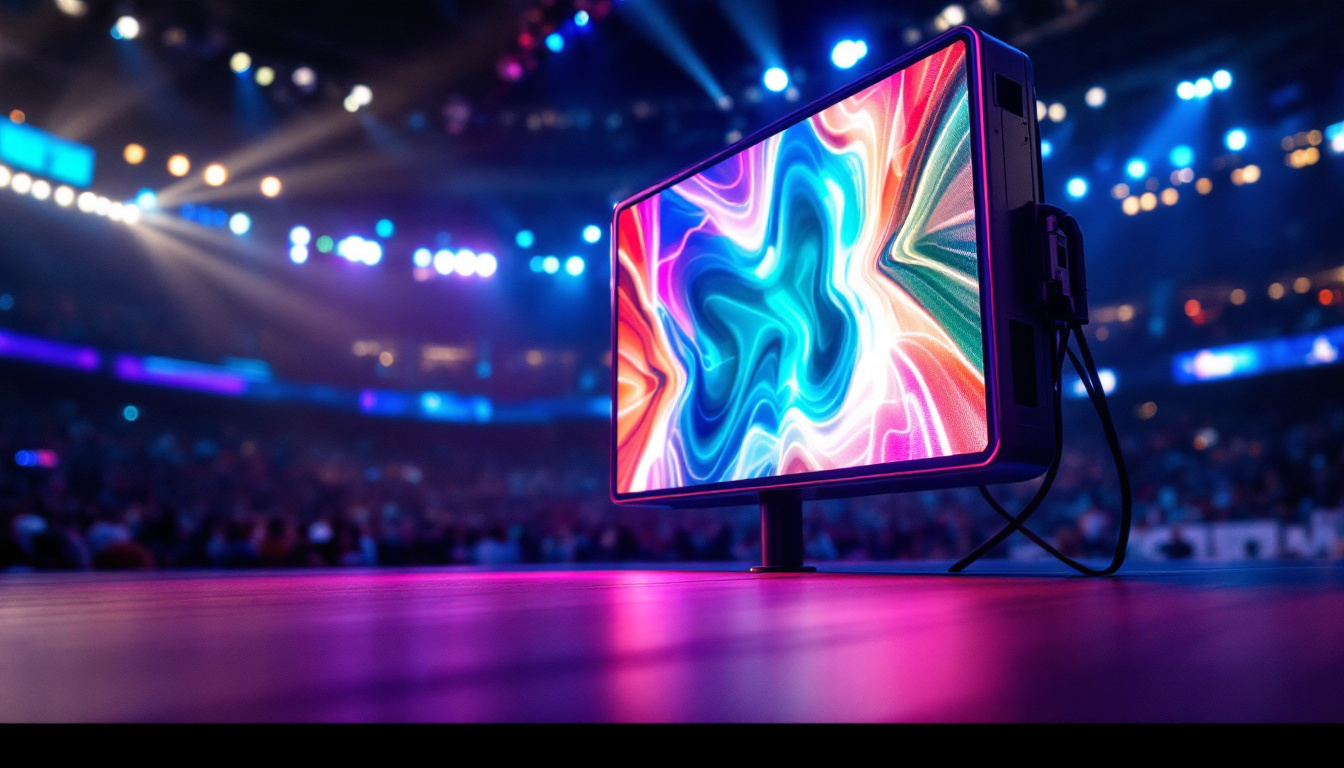
In sports and entertainment, LED screens provide immersive experiences, from scoreboards to stage backdrops. Transportation hubs utilize LED displays for real-time information on arrivals, departures, and safety announcements. Even in healthcare and education, LED technology supports interactive displays and digital boards that improve communication and learning.
Key Benefits of LED Displays
Brightness and Visibility: LED displays offer superior brightness levels, often exceeding 5,000 nits for outdoor screens, ensuring clear visibility even in direct sunlight. This makes them ideal for outdoor advertising and public information systems.
Energy Efficiency: Compared to traditional lighting and display technologies, LEDs consume significantly less power. This translates into lower operating costs and reduced environmental impact, which is increasingly important for businesses aiming for sustainability.
Durability and Longevity: LEDs are solid-state devices with no fragile filaments or glass tubes, making them resistant to shock and vibration. Many LED displays can operate continuously for over 100,000 hours, providing long-term reliability.
Color Accuracy and Contrast: The ability to control each LED individually allows for precise color rendering and high contrast ratios. This results in vivid images with deep blacks and bright whites, enhancing viewer experience.
Technical Considerations When Choosing an LED Display
Resolution and Pixel Pitch
Resolution refers to the number of pixels displayed horizontally and vertically, while pixel pitch is the physical distance between the centers of adjacent pixels. A smaller pixel pitch means higher resolution and better image clarity, especially at close viewing distances.
For indoor applications where viewers are close to the screen, pixel pitches between 0.9 mm and 2.5 mm are common. Outdoor displays, viewed from greater distances, typically have pixel pitches ranging from 4 mm to 20 mm. Selecting the appropriate pixel pitch ensures optimal image quality without unnecessary cost.
Brightness and Contrast Ratio
Brightness is measured in nits, with higher values indicating a brighter display. Outdoor LED displays often require brightness levels above 5,000 nits to remain visible under direct sunlight, while indoor displays usually operate between 300 and 1,000 nits.
The contrast ratio—the difference between the darkest black and the brightest white a display can produce—is equally important for image quality. LED displays generally offer excellent contrast ratios, especially OLEDs, which can achieve near-infinite contrast due to their ability to turn off individual pixels completely.
Viewing Angle and Refresh Rate
A wide viewing angle ensures that the image remains clear and color-accurate from different perspectives. Most LED displays offer viewing angles of 120 degrees or more horizontally and vertically, which is essential for public installations where audiences view the screen from various positions.
The refresh rate, measured in hertz (Hz), indicates how many times per second the display updates its image. Higher refresh rates reduce flicker and motion blur, improving the viewing experience, especially for video content and fast-moving images. Modern LED displays typically feature refresh rates of 60 Hz or higher, with some specialized models reaching 120 Hz or more.
Future Trends in LED Display Technology
Mini-LED and Micro-LED Innovations
Recent advancements in LED technology focus on miniaturization and enhanced performance. Mini-LED displays use thousands of tiny LEDs as backlights, allowing for better local dimming and improved contrast compared to traditional LED-backlit LCDs. This technology is gaining traction in high-end televisions and monitors.
Micro-LED technology takes this a step further by using microscopic LEDs as individual pixels, combining the benefits of OLED’s self-emissive properties with the durability and brightness of traditional LEDs. While still emerging, micro-LED displays promise unprecedented brightness, efficiency, and lifespan, potentially transforming the display market in the coming years.
Integration with Smart Technologies
LED displays are increasingly integrated with smart technologies such as IoT (Internet of Things), AI (Artificial Intelligence), and cloud-based content management. This allows for dynamic, personalized content delivery, remote monitoring, and automated adjustments based on environmental conditions or audience behavior.
For instance, digital signage networks can automatically update advertisements based on time of day, weather, or demographic data, maximizing engagement and ROI. These intelligent systems are reshaping how businesses and organizations utilize LED displays for communication and marketing.
Conclusion
LED displays have fundamentally changed the landscape of visual communication, offering unmatched brightness, color accuracy, and versatility across numerous applications. Understanding the technology behind LED displays, their types, and key technical considerations enables businesses and consumers to make informed decisions when selecting the right display for their needs.
As LED technology continues to evolve with innovations like mini-LED, micro-LED, and smart integration, the future promises even more immersive and efficient visual experiences. Whether for advertising, entertainment, information, or personal use, LED displays remain at the forefront of digital display technology, illuminating the way forward in a visually connected world.
Discover LumenMatrix’s Innovative LED Solutions
Ready to elevate your visual communication with cutting-edge LED technology? Explore LumenMatrix’s comprehensive range of LED display modules, designed to captivate and engage your audience. From vibrant Indoor and Outdoor LED Wall Displays to dynamic Vehicle and Sports LED Displays, our solutions are tailored to meet your unique needs. Experience the future of digital signage with our All-in-One LED Displays, LED Transparent Displays, and more. Check out LumenMatrix LED Display Solutions today and transform your space into a visually stunning experience.