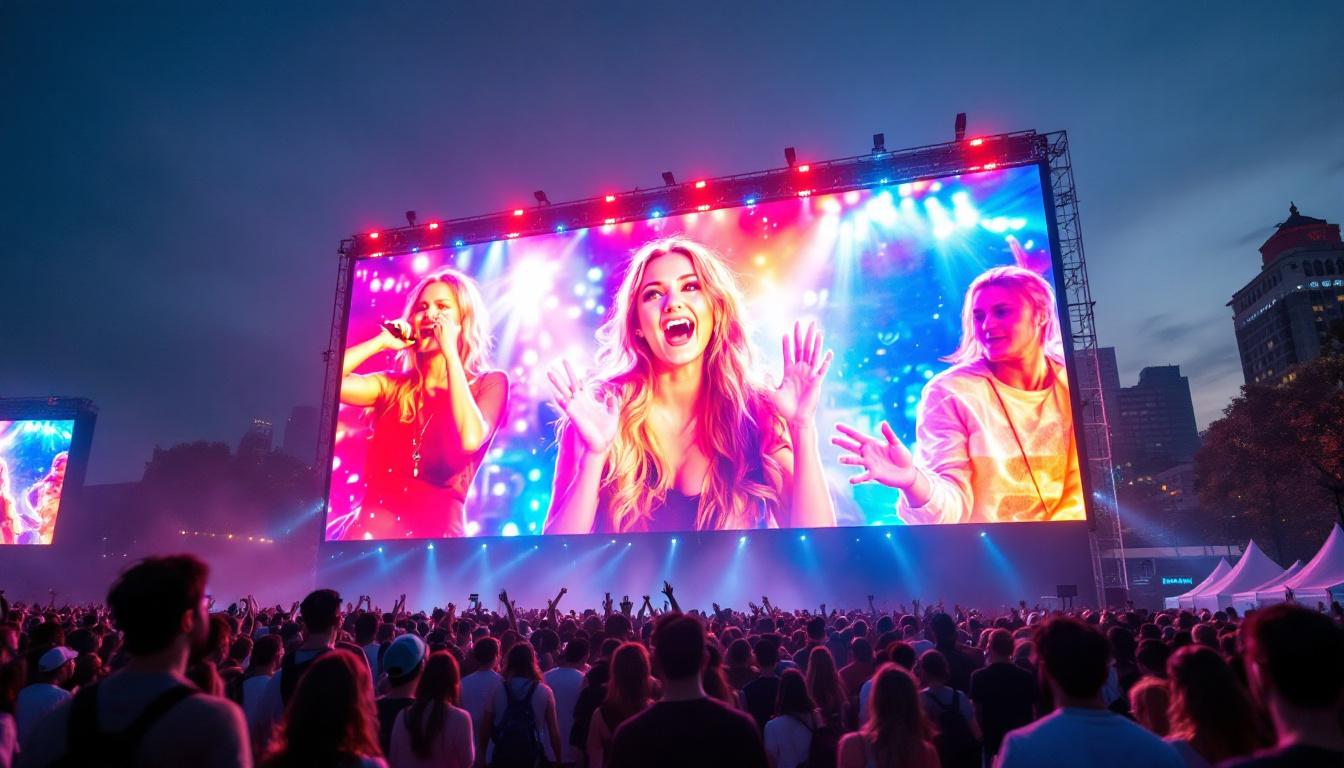
In today’s fast-paced world, capturing attention is more challenging than ever. Whether it’s at a sports stadium, a concert, a corporate event, or a public gathering, large-scale digital displays have become essential tools for communication and entertainment. Among these, Jumbotrons—large LED display screens—stand out for their vibrant visuals, durability, and versatility. This article dives deep into what Jumbotron LED displays are, how they work, why they are a smart investment, and what to consider when buying one.
What Is a Jumbotron LED Display?
The term “Jumbotron” was originally a brand name coined by Sony in the 1980s to describe their large-scale video screens used in stadiums and arenas. Today, it has become a generic term referring to any giant LED display screen that delivers high-resolution video and images to large audiences. These displays are typically used in public venues to broadcast live events, advertisements, and informational content.
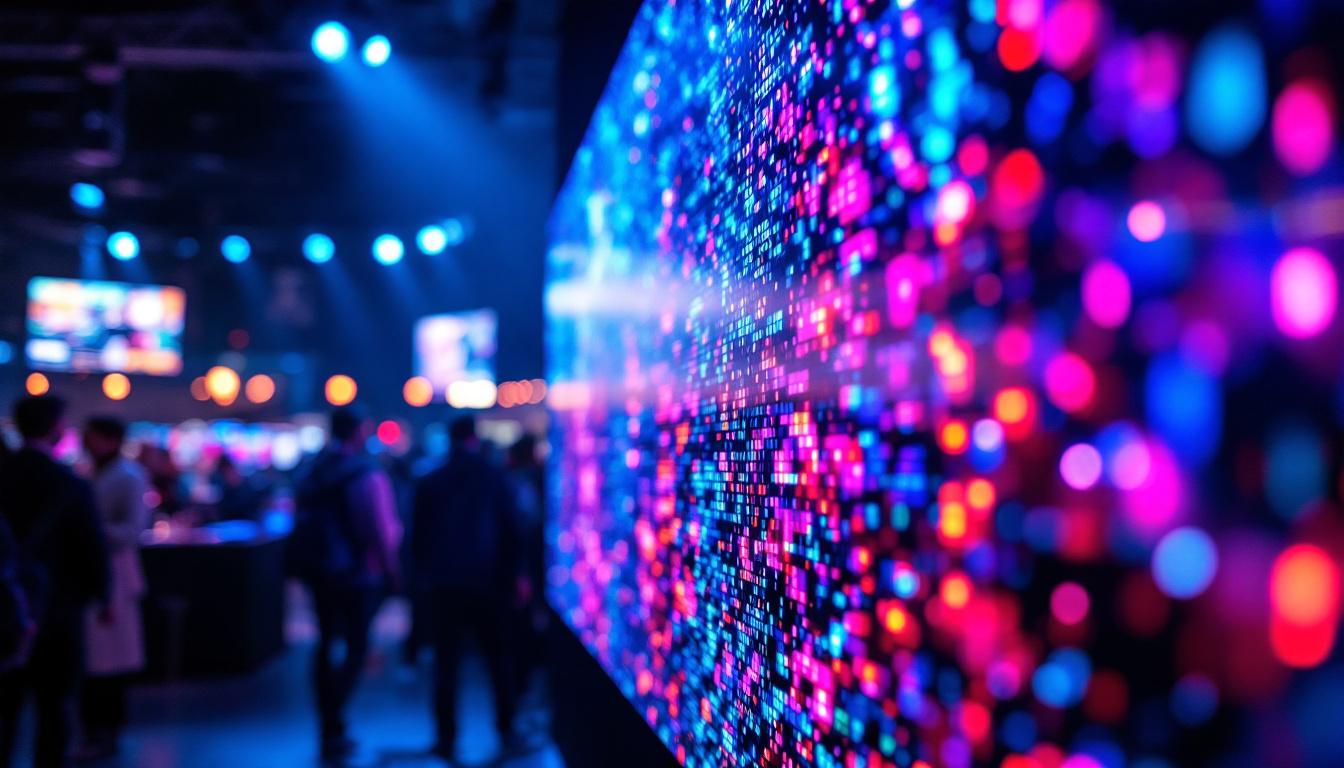
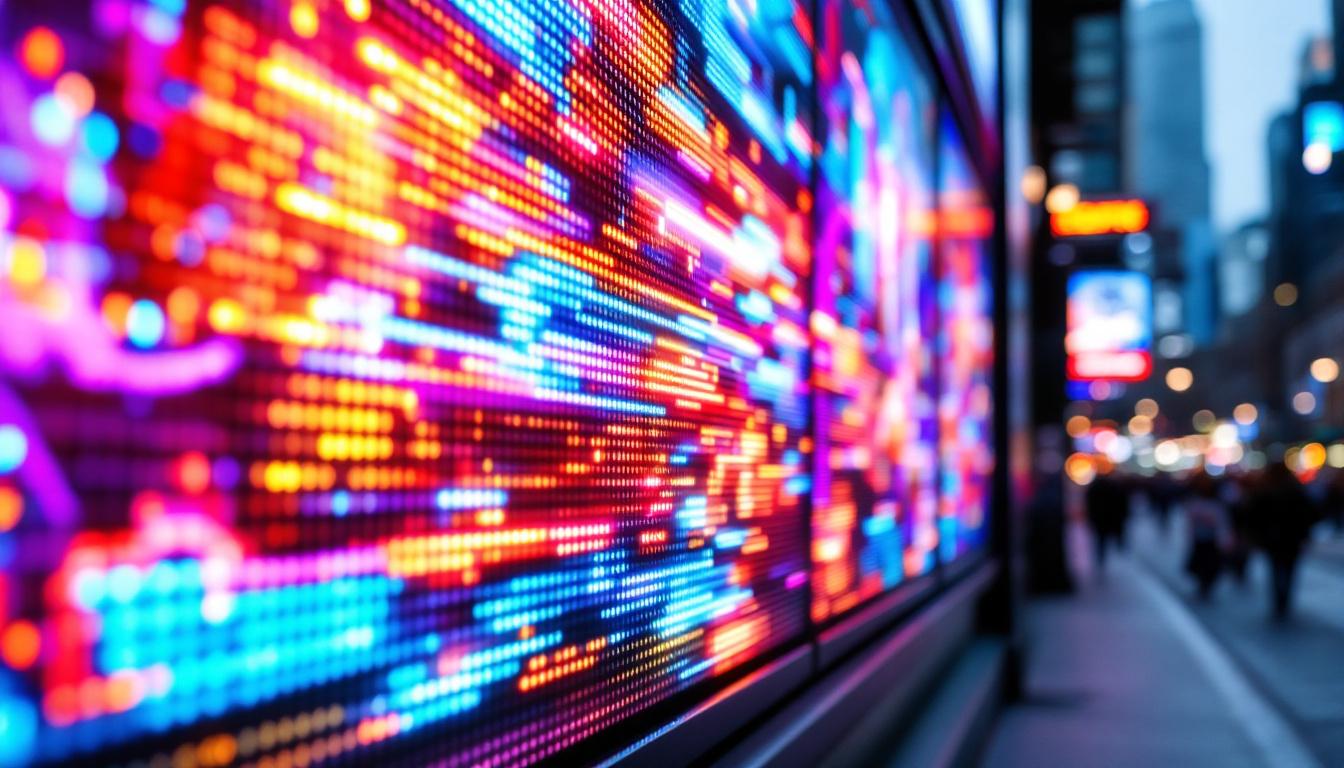
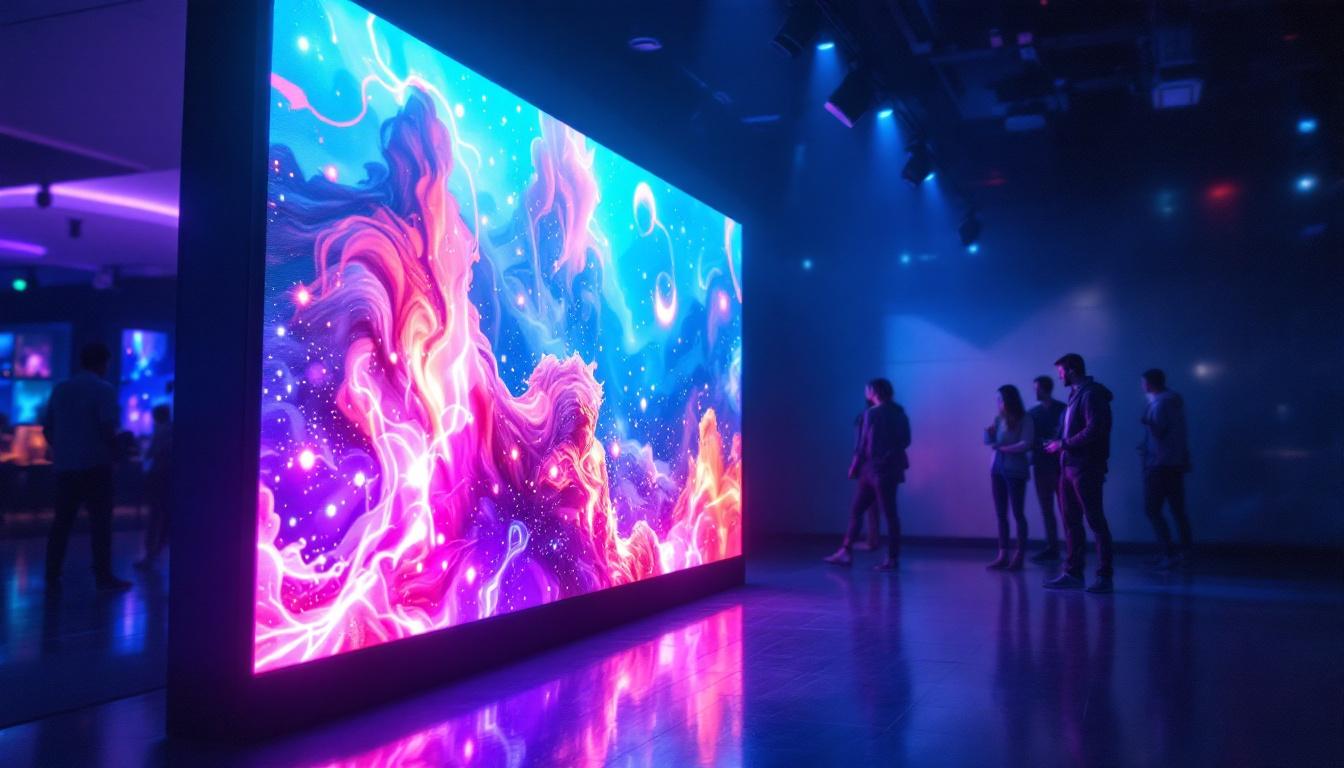
Modern Jumbotron LED displays are composed of thousands of tiny light-emitting diodes (LEDs) arranged in a grid. Each LED acts as a pixel, and together they form a bright, colorful image that can be seen clearly even in direct sunlight. This makes them ideal for outdoor use, where traditional screens often struggle with visibility. The versatility of Jumbotrons extends beyond sports arenas; they are also commonly found in concert venues, shopping malls, and even city squares, serving as a dynamic canvas for creative visual storytelling.
How Does an LED Jumbotron Work?
LED Jumbotrons work by controlling the brightness and color of each individual LED pixel. The LEDs are typically grouped into modules, which are then assembled into a larger screen. The screen is connected to a video processor that receives input from cameras, computers, or media players and converts the signals into the appropriate LED commands.
Because LEDs emit light directly, they do not require backlighting like LCD screens, which results in higher brightness and better contrast ratios. This direct emission also contributes to energy efficiency and longer lifespan. Additionally, the modular design allows for easy maintenance and scalability—damaged modules can be replaced without dismantling the entire screen. Furthermore, advancements in technology have led to the development of smart Jumbotrons that can integrate with social media platforms, allowing real-time updates and interaction with viewers. This capability enhances audience engagement, making events more immersive and participatory.
Key Advantages of Jumbotron LED Displays
Exceptional Visibility and Brightness
One of the primary reasons Jumbotrons are preferred over other display technologies is their outstanding visibility. With brightness levels often exceeding 5,000 nits, these screens remain clear and vibrant even under direct sunlight. This makes them perfect for outdoor advertising, sports events, and concerts where ambient light conditions vary significantly. Additionally, the high contrast ratios of LED technology ensure that colors are rendered accurately and vividly, making advertisements and announcements more eye-catching. This exceptional visibility not only enhances the viewer’s experience but also increases engagement, as passersby are more likely to notice and interact with the content displayed.
Durability and Weather Resistance
Jumbotron LED displays are built to withstand harsh environmental conditions. Most outdoor models come with IP65 or higher ratings, meaning they are dust-tight and protected against water jets. This durability ensures that the display continues to function flawlessly through rain, wind, and extreme temperatures, reducing downtime and maintenance costs. Furthermore, many Jumbotrons are equipped with protective features like anti-glare coatings and reinforced glass, which help to prevent damage from impacts or debris. This resilience not only extends the lifespan of the display but also ensures that it remains a reliable source of information and entertainment for audiences, regardless of the weather.
Flexibility and Customization
Whether you need a square screen for a conference hall or a massive curved display for a stadium, LED Jumbotrons can be tailored to fit the space and purpose. Their modular nature allows for custom sizes and shapes, and they support various pixel pitches (the distance between LEDs) to balance resolution and viewing distance. This flexibility makes them suitable for a wide range of applications. Additionally, Jumbotrons can be integrated with advanced technologies such as augmented reality and interactive features, providing a dynamic experience that can be tailored to specific events or audiences. This level of customization not only enhances the aesthetic appeal but also maximizes the effectiveness of the display in conveying messages.
Energy Efficiency and Cost Savings
Compared to traditional projection or LCD screens, LED Jumbotrons consume less power due to their efficient light-emitting technology. Over time, this translates into significant savings on electricity bills, especially for installations that operate for many hours daily. Moreover, LEDs have a longer operational lifespan, often exceeding 100,000 hours, which reduces replacement frequency and associated costs. The energy efficiency of Jumbotrons also contributes to a smaller carbon footprint, making them an environmentally friendly choice for businesses looking to promote sustainability. As companies increasingly prioritize eco-conscious practices, the use of energy-efficient displays not only aligns with these values but can also enhance brand reputation among environmentally aware consumers.
Applications of Jumbotron LED Displays
Sports and Entertainment Venues
Jumbotrons are synonymous with sports arenas and concert venues. They enhance the spectator experience by displaying live action replays, player statistics, advertisements, and interactive content. For example, the Dallas Cowboys’ AT&T Stadium features one of the world’s largest center-hung LED video boards, measuring 160 feet wide and 72 feet tall, providing crystal-clear visuals to over 100,000 fans.
Advertising and Marketing
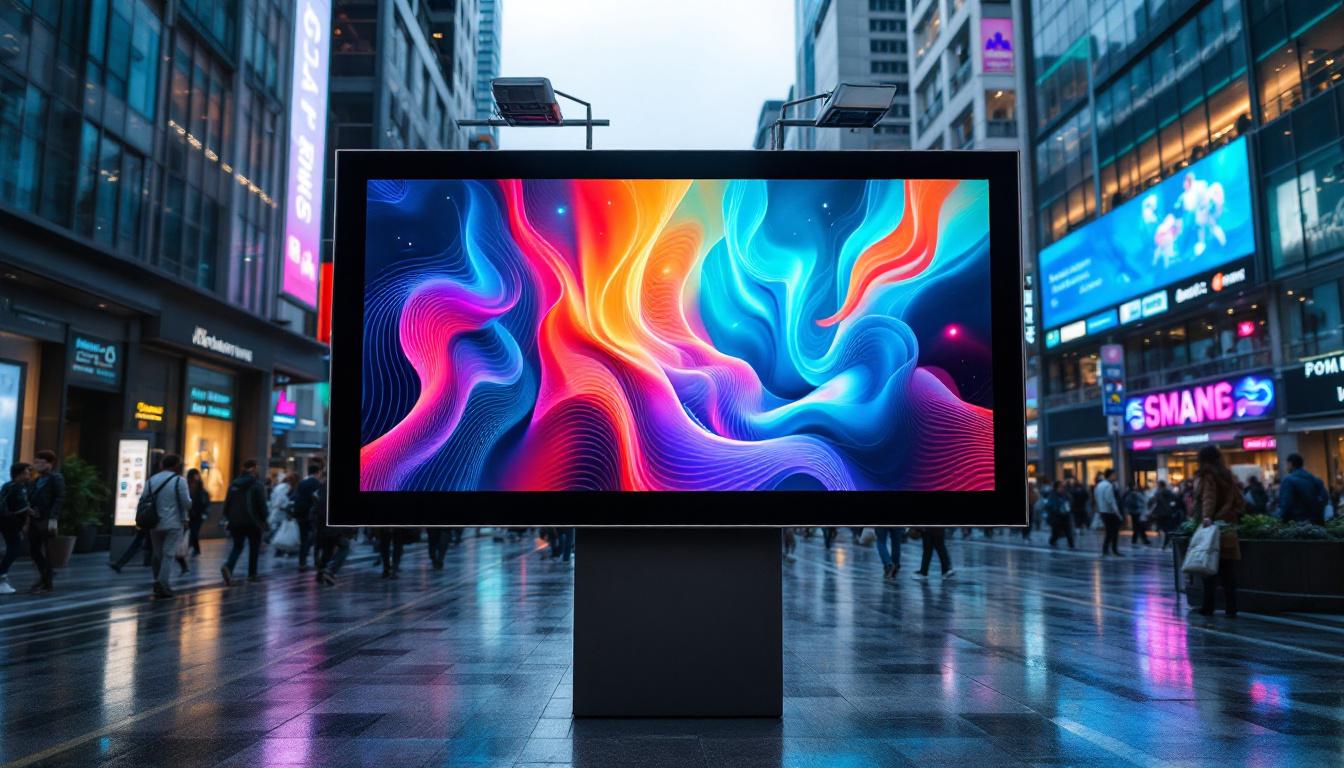
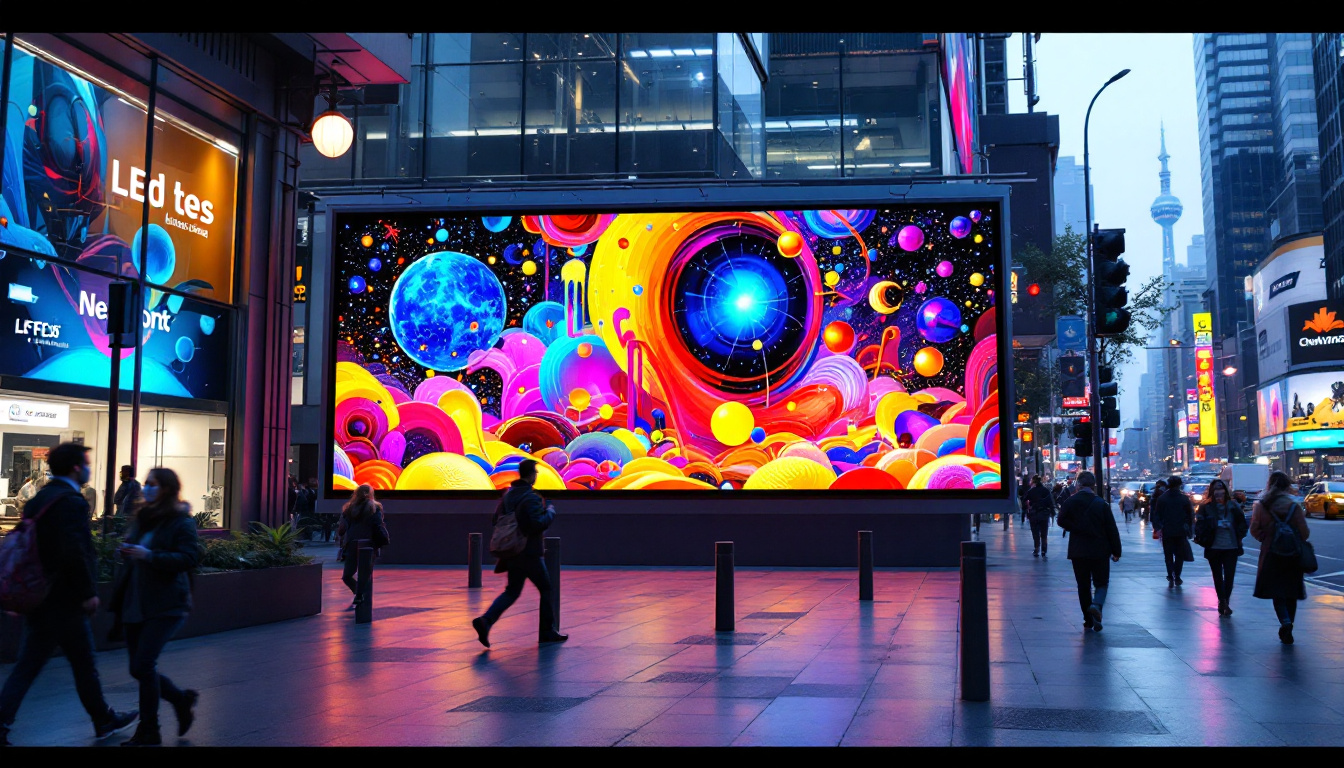
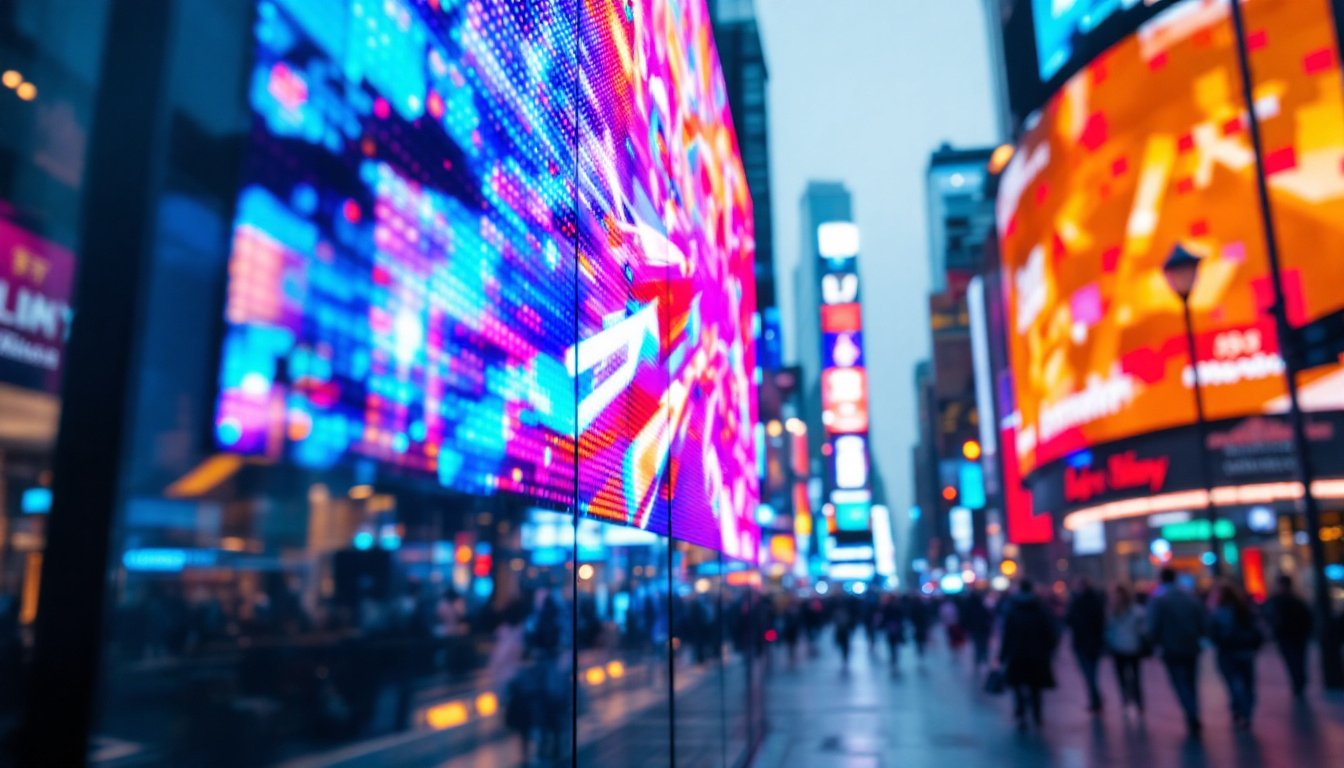
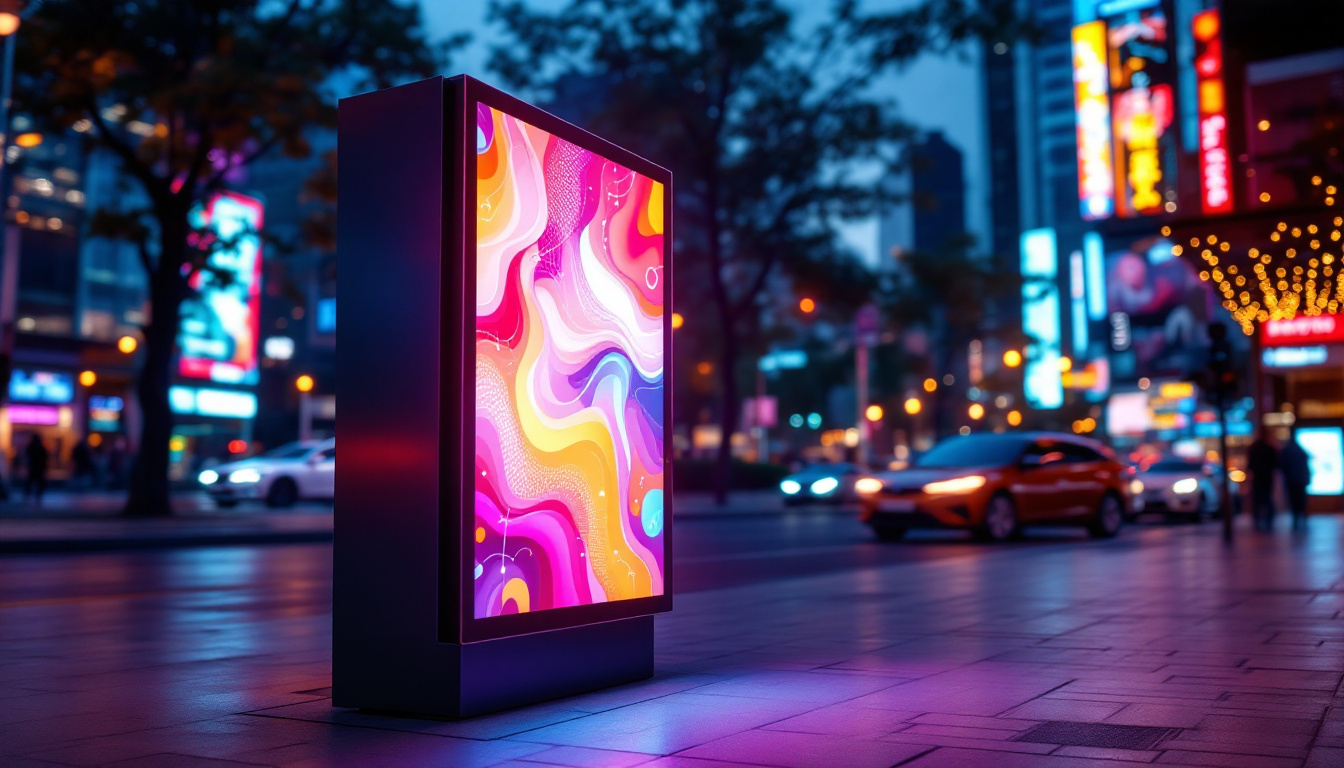
Outdoor advertising has been revolutionized by Jumbotron LED displays. Brands leverage these screens in high-traffic areas like Times Square in New York or Piccadilly Circus in London to deliver dynamic, eye-catching campaigns. The ability to update content in real-time allows marketers to tailor messages to specific audiences or events, increasing engagement and return on investment.
Corporate and Public Events
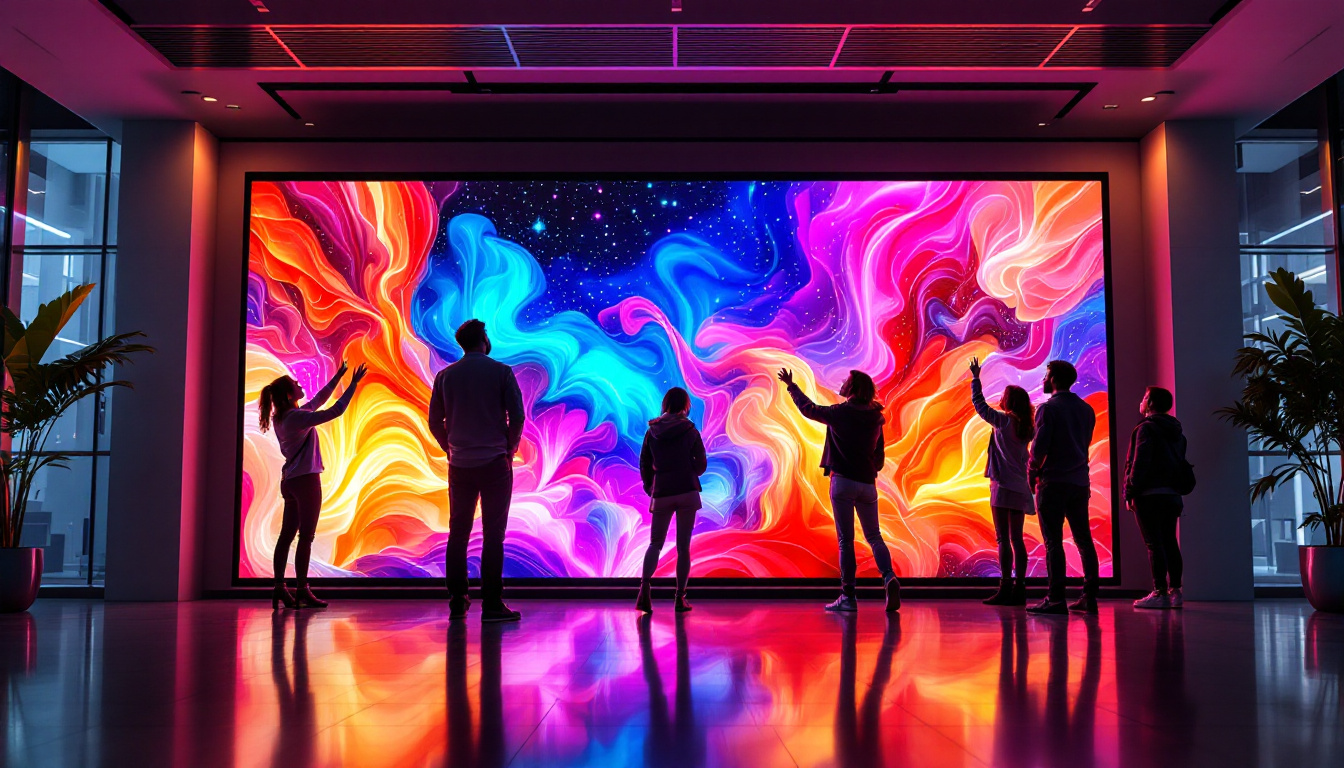
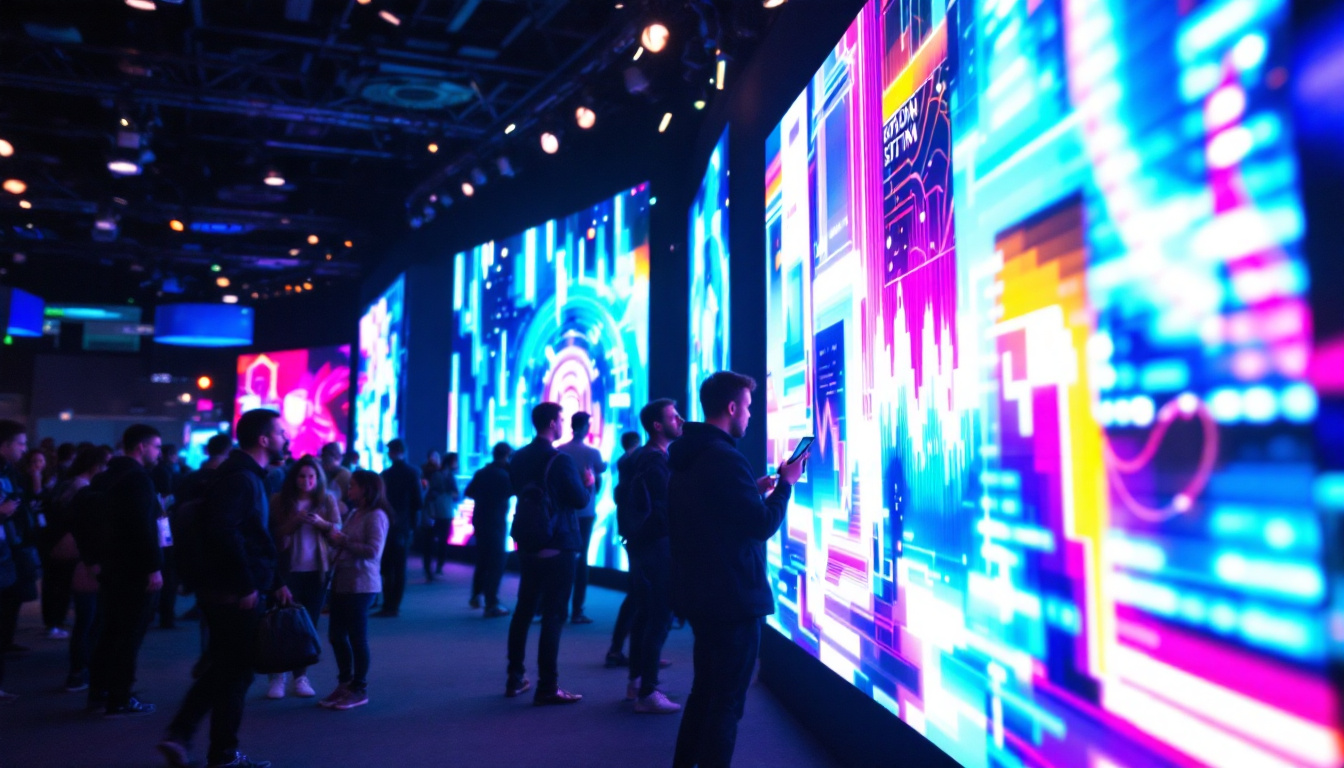
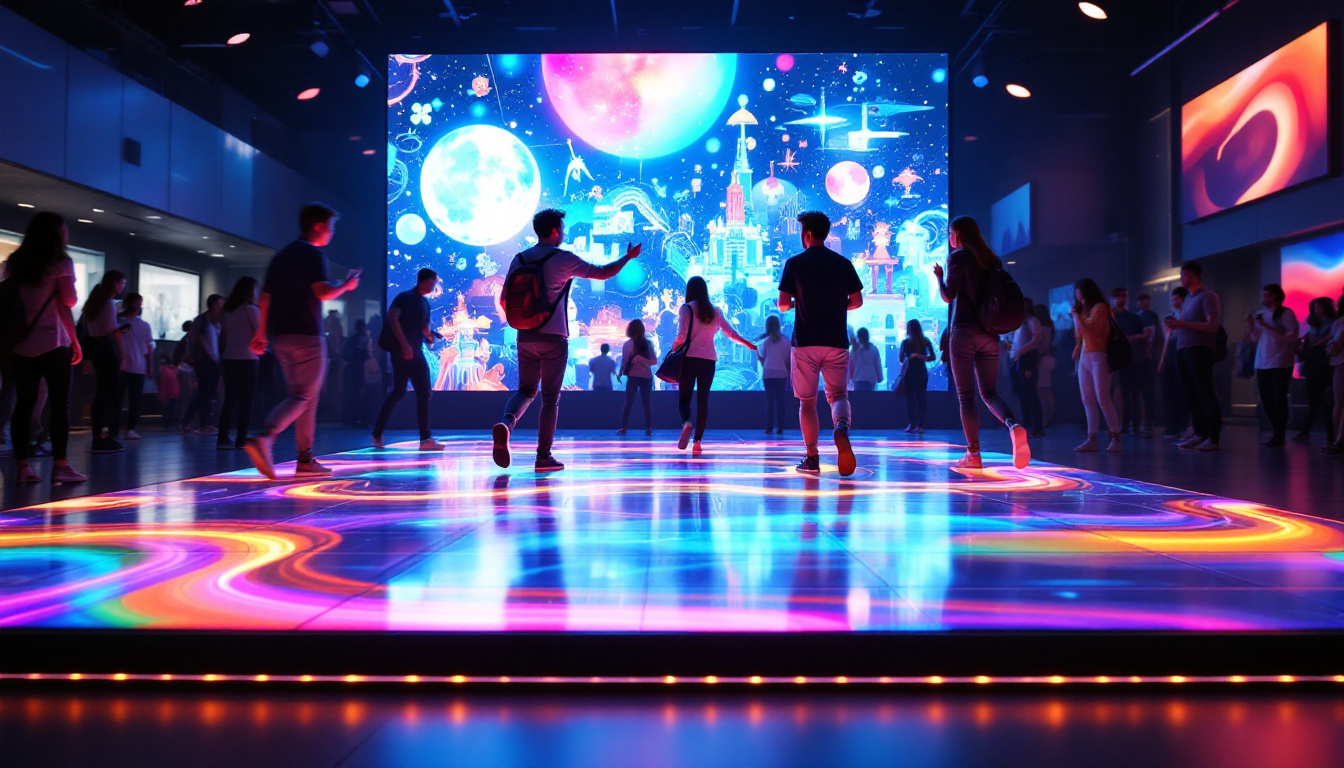
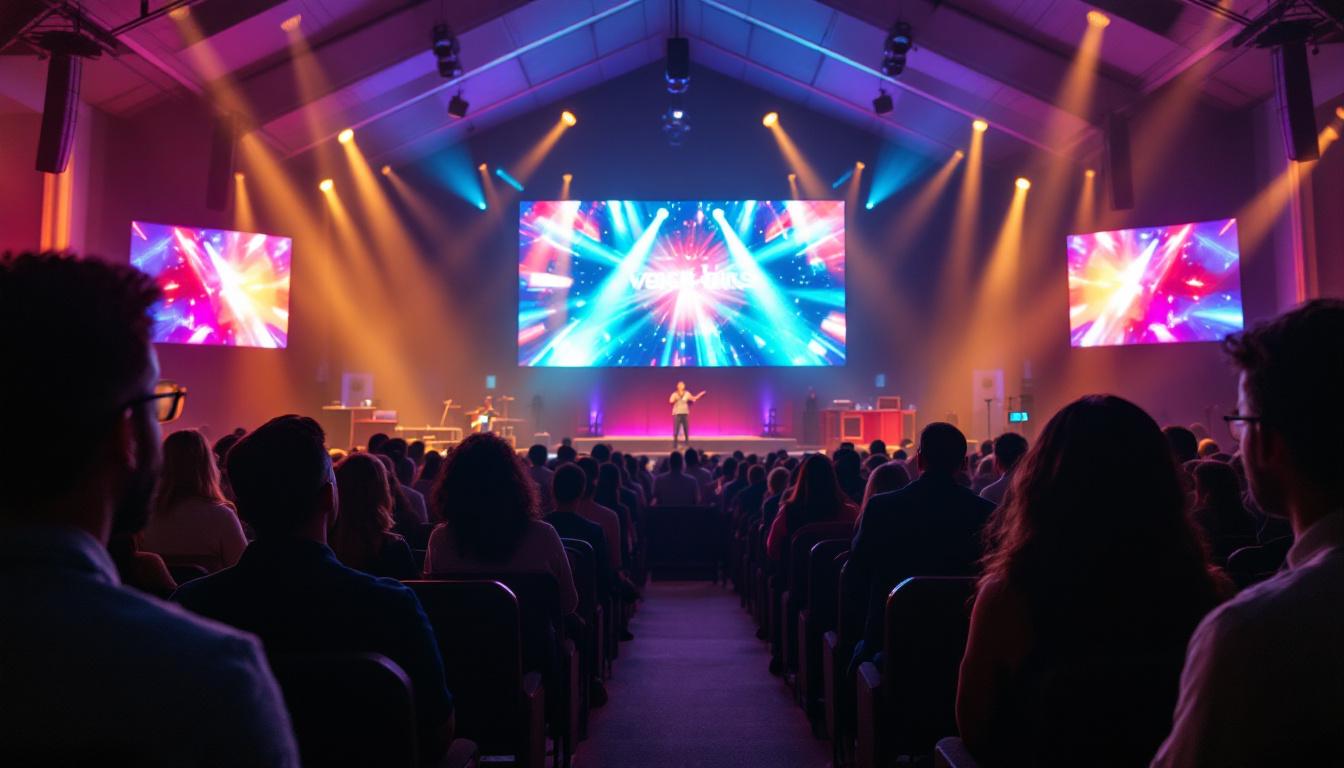
From product launches to political rallies, large LED screens help organizers communicate effectively with large crowds. They provide a platform for presentations, live video feeds, and interactive content, ensuring that every attendee has a clear view regardless of their location. Portable Jumbotron units are also popular for temporary setups at trade shows and festivals.
Important Factors to Consider When Buying a Jumbotron
Pixel Pitch and Resolution
Pixel pitch is the distance between the centers of two adjacent LED pixels, usually measured in millimeters. It directly impacts the screen’s resolution and optimal viewing distance. Smaller pixel pitches (e.g., 2mm to 4mm) offer higher resolution and are ideal for close-up viewing, such as indoor events or corporate presentations. Larger pixel pitches (e.g., 10mm to 20mm) are more suitable for outdoor stadiums where viewers are farther away.
Choosing the right pixel pitch ensures that the content appears sharp and clear without unnecessary costs associated with ultra-high resolution for distant viewing.
Brightness and Contrast Ratio
Brightness, measured in nits, determines how well the screen performs under various lighting conditions. For outdoor use, a minimum of 5,000 nits is recommended to combat sunlight glare. Indoor screens can operate effectively at lower brightness levels, typically around 1,000 to 2,000 nits.
Contrast ratio—the difference between the darkest black and brightest white the screen can display—is also crucial for image quality. Higher contrast ratios result in more vivid and lifelike images.
Screen Size and Viewing Distance
The physical size of the Jumbotron should be proportional to the venue and the expected audience size. Larger screens are necessary for big stadiums to ensure visibility from all seating areas. Additionally, the viewing distance influences pixel pitch selection and resolution requirements.
Consulting with a professional installer or manufacturer can help determine the optimal size and configuration based on the venue’s dimensions and audience layout.
Installation and Maintenance
Consider the complexity of installation, especially for permanent outdoor setups. Structural support, power supply, and weatherproofing must be planned carefully. Modular designs simplify maintenance by allowing individual panels to be replaced without dismantling the entire screen.
Also, inquire about warranty terms, technical support, and availability of replacement parts to ensure long-term reliability.
Budget and Total Cost of Ownership
While upfront costs for Jumbotron LED displays can be significant, it is essential to evaluate the total cost of ownership, including installation, operation, maintenance, and potential upgrades. Energy-efficient models and durable components can reduce ongoing expenses.
Comparing quotes from reputable manufacturers and considering financing options can make the investment more manageable.
Emerging Trends in Jumbotron Technology
Higher Resolutions and 8K Displays
As LED technology advances, manufacturers are pushing the boundaries of resolution. 8K Jumbotron displays are becoming more accessible, offering unparalleled image clarity and detail. This is particularly beneficial for venues that host high-definition broadcasts and immersive experiences.
Curved and Flexible LED Screens
Innovations in flexible LED panels allow for curved and even wrap-around displays. These designs enable creative installations that enhance audience engagement and provide unique visual effects.
Integration with Interactive Technologies
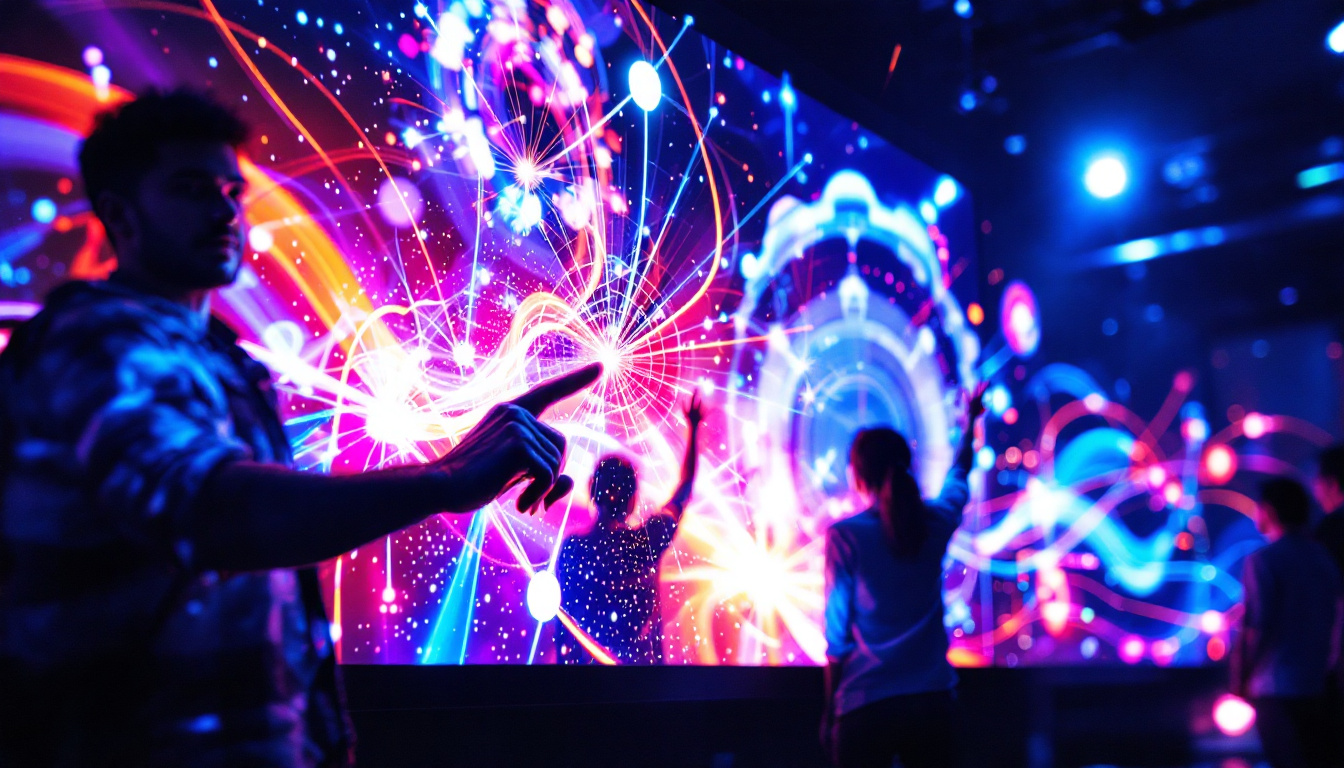
Modern Jumbotrons are increasingly integrated with interactive elements such as touch sensors, augmented reality (AR), and real-time data feeds. This transforms passive viewing into dynamic participation, opening new possibilities for marketing and entertainment.
Conclusion: Is Buying a Jumbotron Right for You?
Investing in a Jumbotron LED display can significantly elevate the impact of your events, advertising campaigns, or venue experience. Their superior brightness, durability, and flexibility make them ideal for a wide range of applications, from sports arenas to corporate conferences.
However, buying a Jumbotron requires careful consideration of technical specifications, installation logistics, and budget constraints. Working with experienced suppliers and understanding your audience’s needs will ensure you select the right display that delivers maximum value.
As LED technology continues to evolve, Jumbotrons will become even more versatile and powerful tools for communication. Whether you are a stadium manager, event organizer, or marketing professional, understanding the fundamentals of LED Jumbotron displays is the first step toward making an informed purchase that captivates and inspires.
Discover LumenMatrix’s Advanced LED Solutions
Ready to transform your venue with a Jumbotron that offers unparalleled brightness, durability, and flexibility? LumenMatrix is at the forefront of LED display innovation, providing a comprehensive range of solutions tailored to your unique needs. From Indoor and Outdoor LED Walls to specialized LED Sports Displays and beyond, our mission is to revolutionize your visual communication. Check out LumenMatrix LED Display Solutions today and take the first step towards creating a truly captivating visual experience for your audience.