In today’s fast-paced digital world, LED poster displays have become a cornerstone for advertising, information dissemination, and public engagement. Whether in retail environments, transportation hubs, or corporate settings, these vibrant digital displays offer unparalleled visibility and flexibility. However, understanding the pricing of LED poster displays can be complex due to the variety of factors involved. This article delves into the details of LED display technology, the elements influencing their cost, and how to make informed purchasing decisions.
Understanding LED Poster Displays
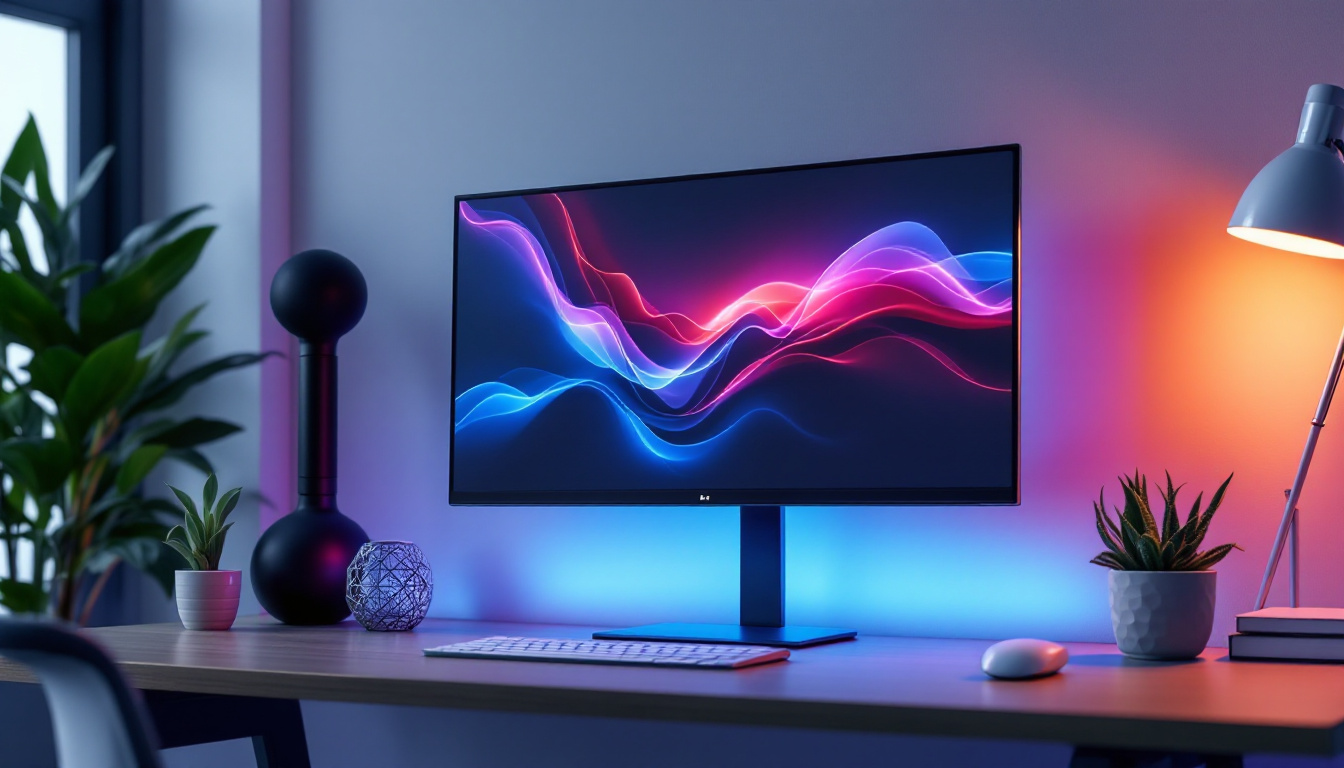
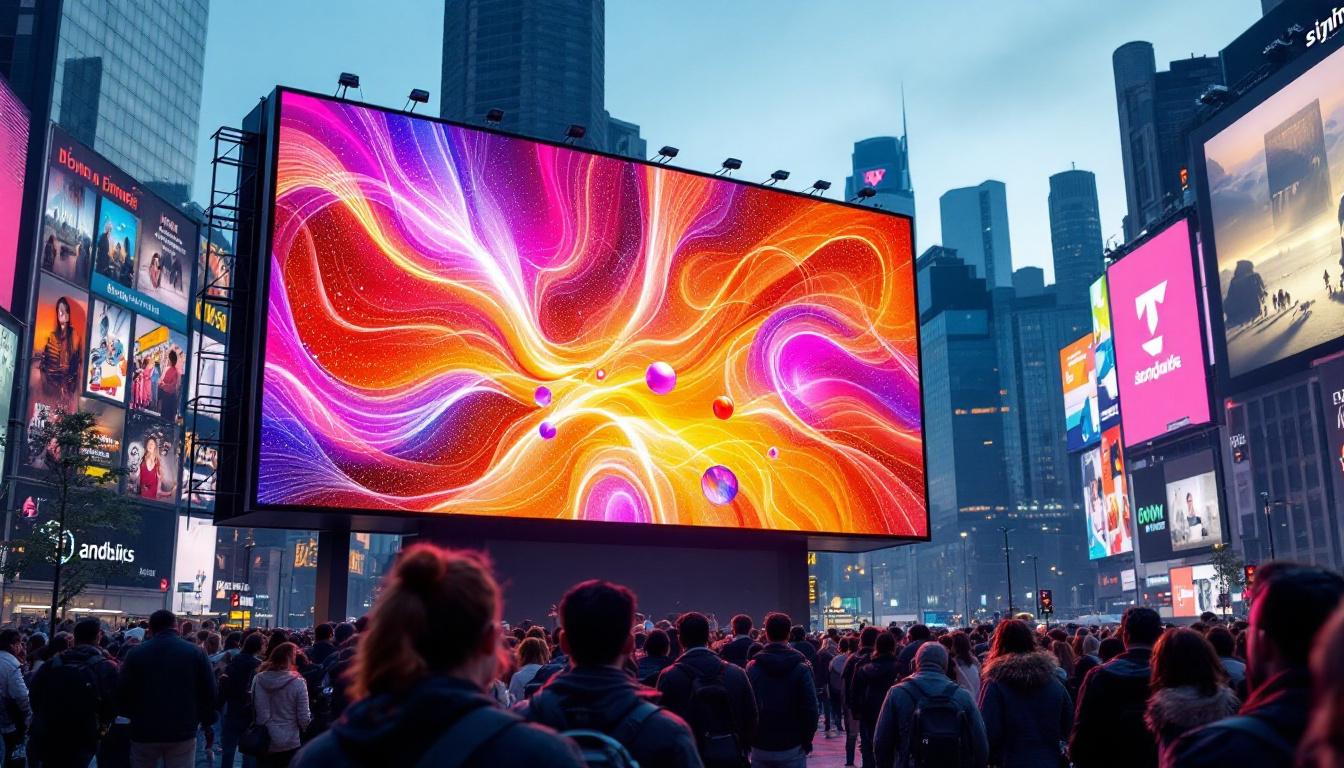
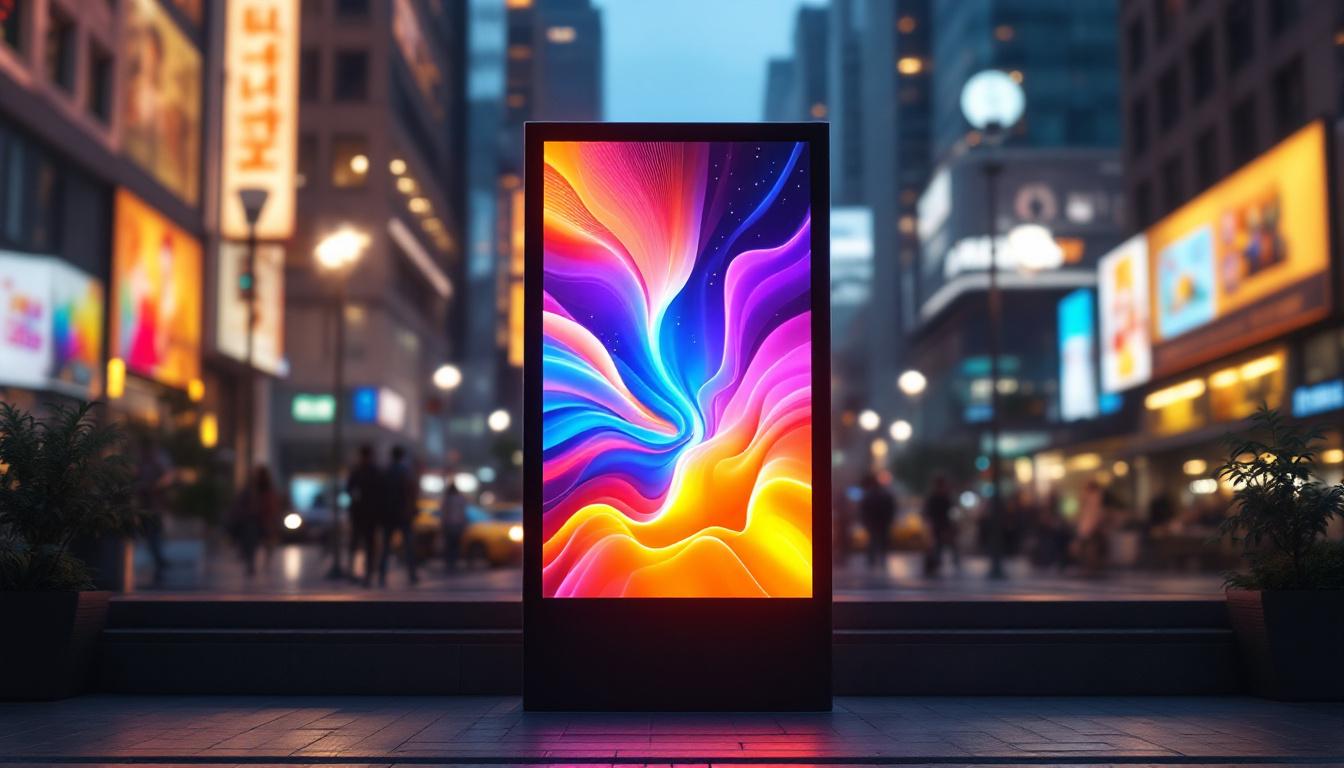
LED poster displays are digital signage solutions that utilize light-emitting diodes (LEDs) to create bright, colorful images and videos. Unlike traditional printed posters, LED displays offer dynamic content capabilities, allowing businesses to update information in real-time and attract more attention.
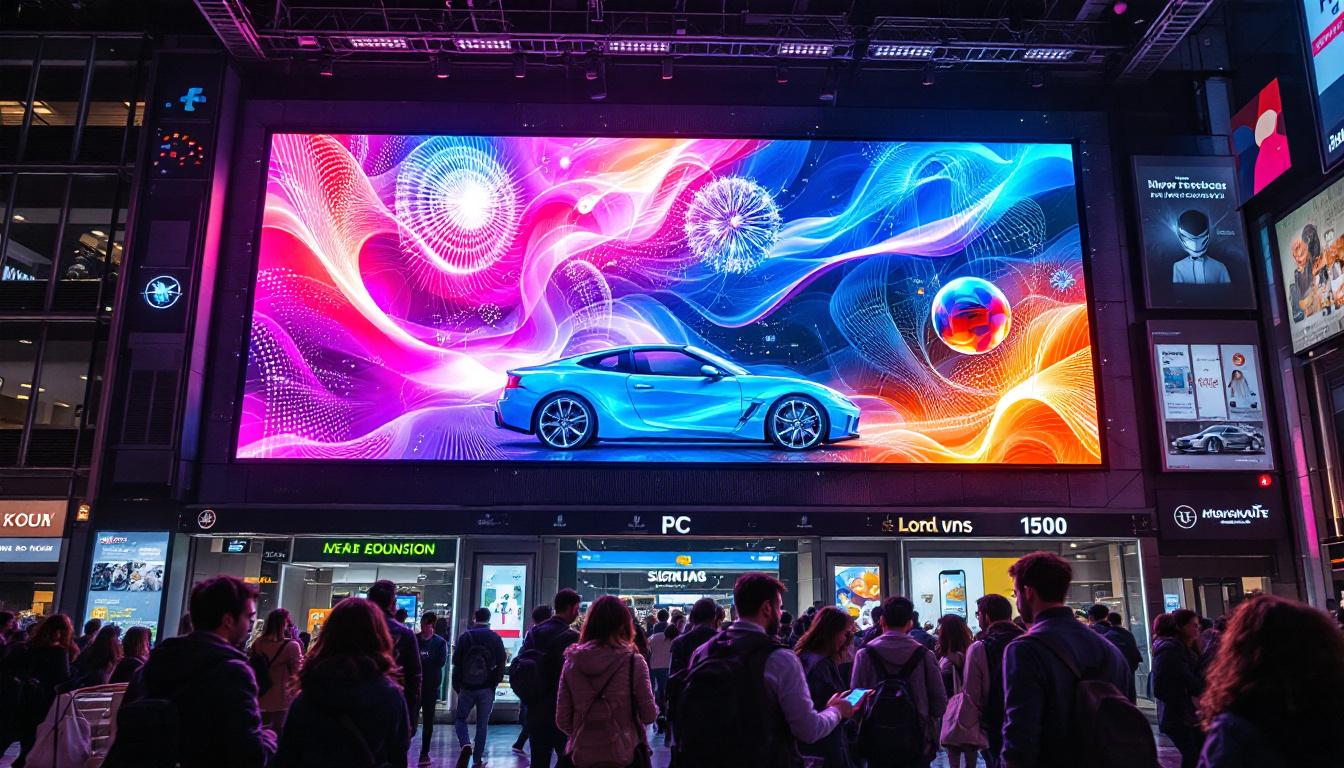
These displays come in various sizes and resolutions, often designed to mimic the proportions of traditional posters but with enhanced visual impact. They are commonly used for advertising promotions, event announcements, wayfinding, and interactive content in both indoor and outdoor settings. The versatility of LED poster displays makes them an essential tool for modern marketing strategies, enabling brands to engage customers more effectively through eye-catching visuals and timely messaging.
Moreover, the integration of LED technology into digital signage has revolutionized how information is conveyed. With the ability to display animations, videos, and even live feeds, businesses can create immersive experiences that resonate with their audience. For instance, a retail store might showcase a vibrant video of a new product line, while a restaurant could display mouth-watering images of daily specials, enticing customers to step inside.
How LED Technology Works
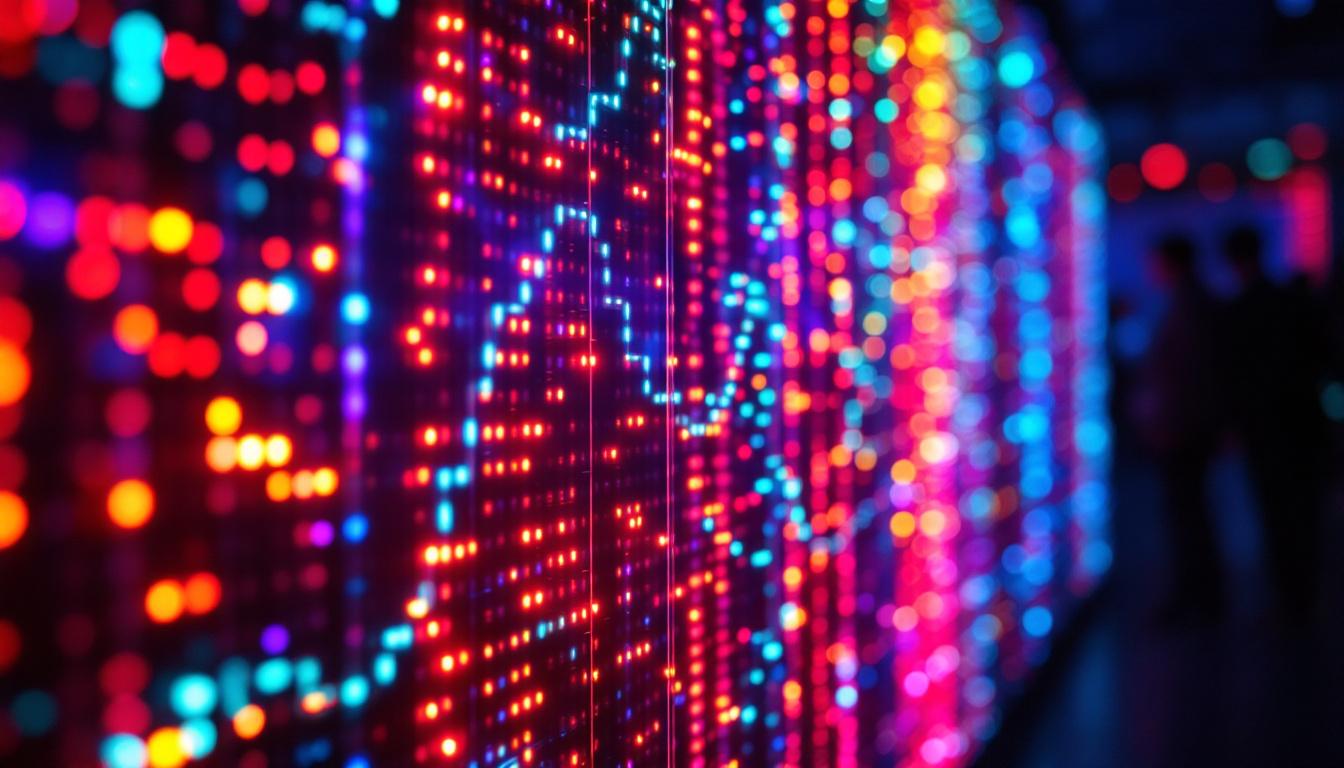
At the core of LED displays are tiny semiconductor devices that emit light when an electric current passes through them. These LEDs are arranged in a grid called a pixel matrix, where each pixel typically consists of red, green, and blue diodes. By adjusting the brightness of each diode, the display can produce a full spectrum of colors.
The resolution of an LED poster display depends on the pixel pitch—the distance between the centers of two adjacent pixels. Smaller pixel pitches mean higher resolution and sharper images, which is crucial for close-up viewing environments such as retail stores or corporate lobbies. This feature allows businesses to maintain a professional appearance while ensuring that their messages are conveyed clearly and attractively, regardless of the viewing distance.
Additionally, advancements in LED technology have led to improved energy efficiency and longer lifespans for these displays. Many modern LED poster displays are designed to consume less power while maintaining high brightness levels, making them an environmentally friendly choice for businesses looking to reduce their carbon footprint. This efficiency not only helps in cutting down operational costs but also aligns with the growing consumer demand for sustainable practices.
Types of LED Poster Displays
LED poster displays can be broadly categorized based on their intended environment and technical specifications:
- Indoor LED Displays: Designed for controlled lighting conditions, these displays have smaller pixel pitches, typically ranging from 1.2mm to 4mm, offering high-definition visuals.
- Outdoor LED Displays: Built to withstand weather elements, these displays have larger pixel pitches (4mm to 10mm or more) and higher brightness levels to combat sunlight glare.
- Transparent LED Displays: These innovative displays allow light to pass through the screen, making them ideal for storefront windows without obstructing the view.
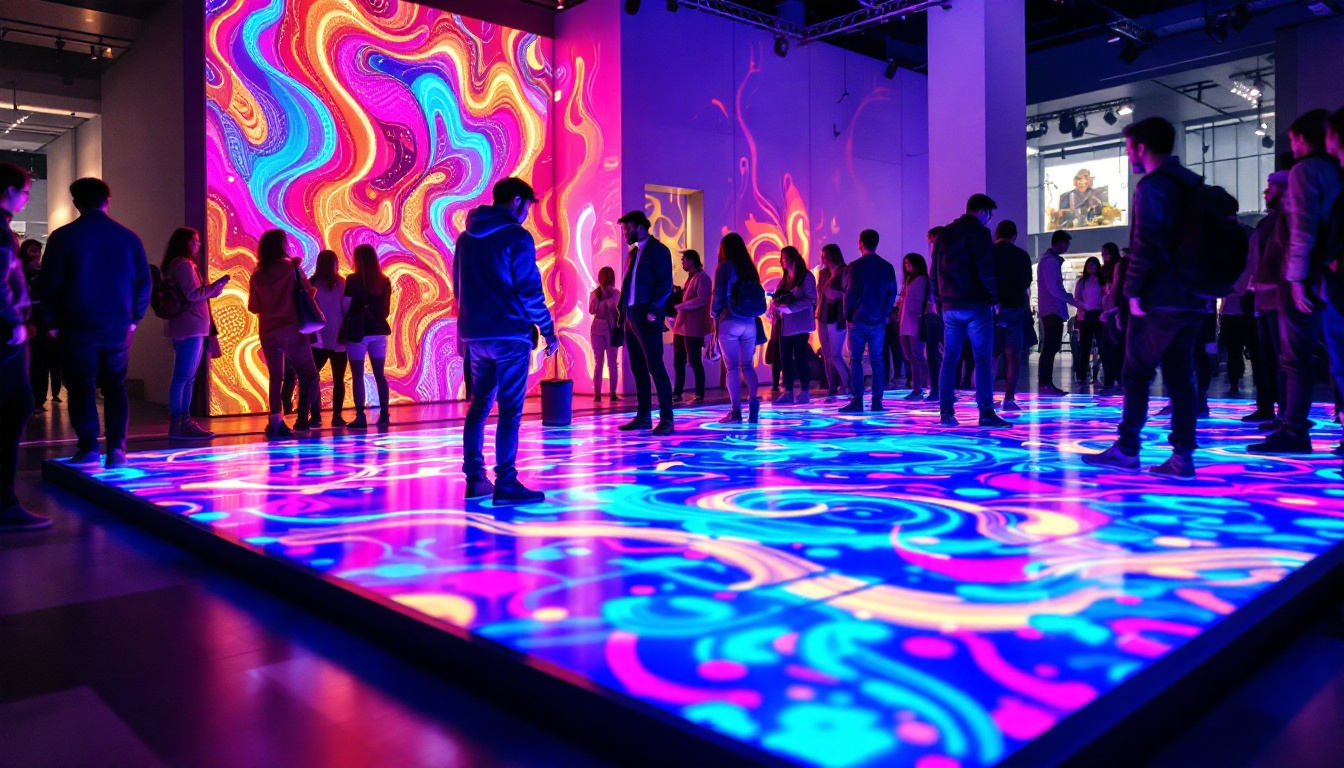
In addition to these categories, LED poster displays can also be customized to fit specific business needs. For example, some displays feature modular designs that allow for easy resizing and reconfiguration, making them adaptable for various marketing campaigns or events. Others may come equipped with interactive touch capabilities, enabling customers to engage directly with the content, thereby enhancing the overall experience. This adaptability ensures that businesses can leverage LED technology in a way that best suits their branding and communication goals.
Factors Influencing LED Poster Display Price
The price of an LED poster display varies widely depending on several technical and practical considerations. Understanding these factors helps businesses select the right product that balances cost with performance.
Pixel Pitch and Resolution
Pixel pitch is one of the most significant determinants of LED display cost. A smaller pixel pitch means more LEDs per square meter, resulting in higher resolution and finer image quality. For example, an indoor display with a 1.5mm pixel pitch can cost two to three times more than a similar-sized display with a 4mm pitch.
Higher resolution is essential for displays viewed at close distances, such as in retail or corporate environments, while larger pixel pitches are acceptable for displays viewed from afar, like billboards or stadium screens.
Display Size
The physical dimensions of the LED poster display directly impact the price. Larger screens require more LEDs, more complex power management, and sturdier structural components. For instance, a 55-inch LED poster display will generally cost significantly more than a 32-inch model, even if they share similar pixel pitches.
However, it’s important to consider the viewing distance and environment to avoid overspending on unnecessarily large or high-resolution displays.
Brightness and Contrast Ratio
Brightness, measured in nits, determines how well the display performs under various lighting conditions. Outdoor LED displays often require brightness levels exceeding 5,000 nits to remain visible in direct sunlight, which increases manufacturing costs.
Indoor displays typically range between 800 and 1,500 nits, sufficient for ambient lighting conditions. Contrast ratio also plays a role in image quality, affecting how vivid and clear the visuals appear.
Build Quality and Durability
Durability factors such as waterproofing, dust resistance, and impact protection influence the price, especially for outdoor installations. High-quality materials and protective coatings increase the initial investment but reduce maintenance costs and extend the display’s lifespan.
For indoor displays, features like anti-glare screens and robust casing contribute to a higher price but enhance user experience and longevity.
Control Systems and Software
Modern LED poster displays come with sophisticated control systems that allow for remote content management, scheduling, and integration with other digital platforms. The complexity and capabilities of these systems can affect the overall cost.
Some displays include built-in media players and wireless connectivity, while others require external hardware. Additionally, software licensing fees for content management platforms may add to the total expenditure.
Installation and Maintenance Costs
Beyond the purchase price, installation can be a significant expense, particularly for large or outdoor LED displays. Professional installation ensures proper mounting, electrical connections, and calibration, which are critical for optimal performance.
Maintenance costs, including cleaning, repairs, and software updates, should also be factored into the total cost of ownership. High-quality displays with better components generally incur lower maintenance expenses over time.
Price Ranges and Market Examples
To provide a clearer picture, here are typical price ranges for LED poster displays based on size and type as of 2024:
Indoor LED Poster Displays
Small to medium indoor LED poster displays (32 to 55 inches) with pixel pitches between 1.5mm and 3mm usually cost between $3,000 and $15,000. For example, a 43-inch display with a 2mm pixel pitch might be priced around $7,000, including basic control software.
Higher-end models with ultra-fine pixel pitches (below 1.5mm) and advanced features can exceed $20,000, especially when customized for specific corporate or retail environments.
Outdoor LED Poster Displays
Outdoor LED poster displays are generally more expensive due to their rugged construction and higher brightness requirements. A 55-inch outdoor display with a 4mm pixel pitch can range from $15,000 to $30,000.
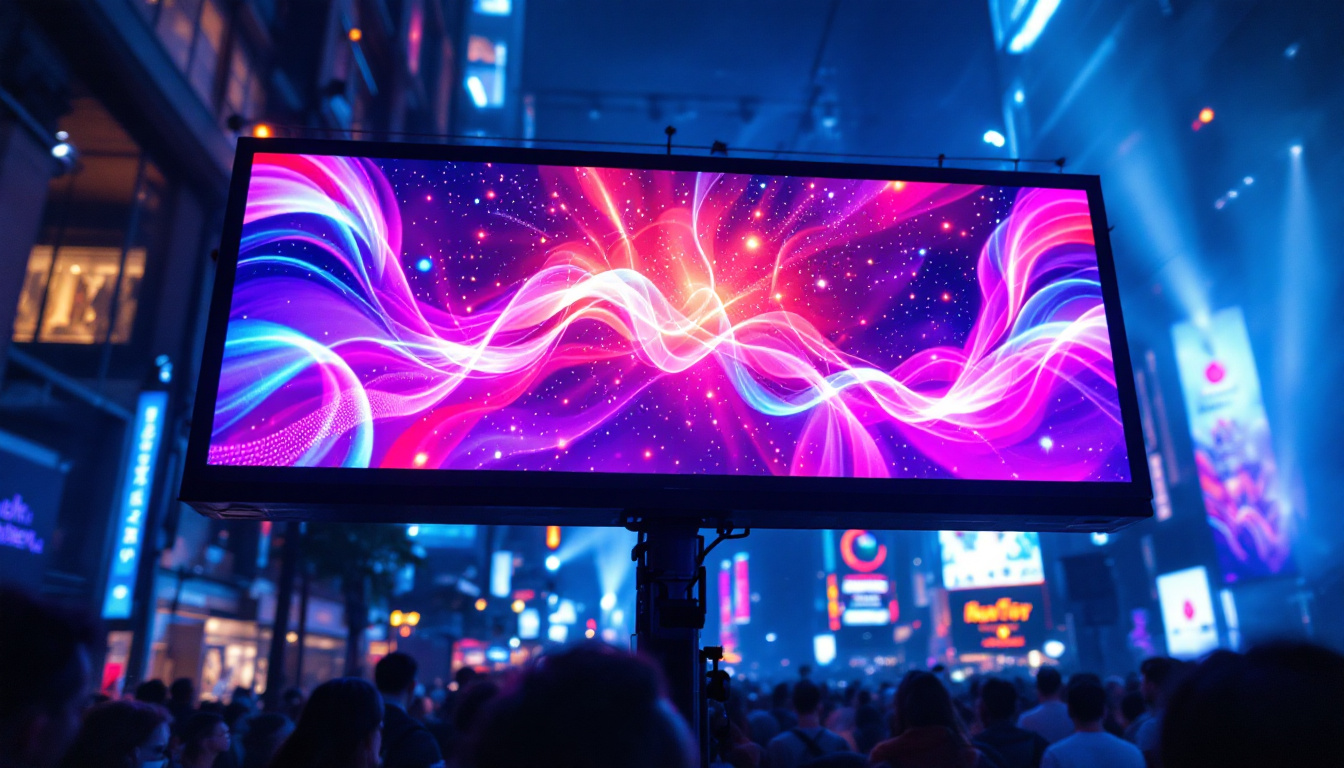
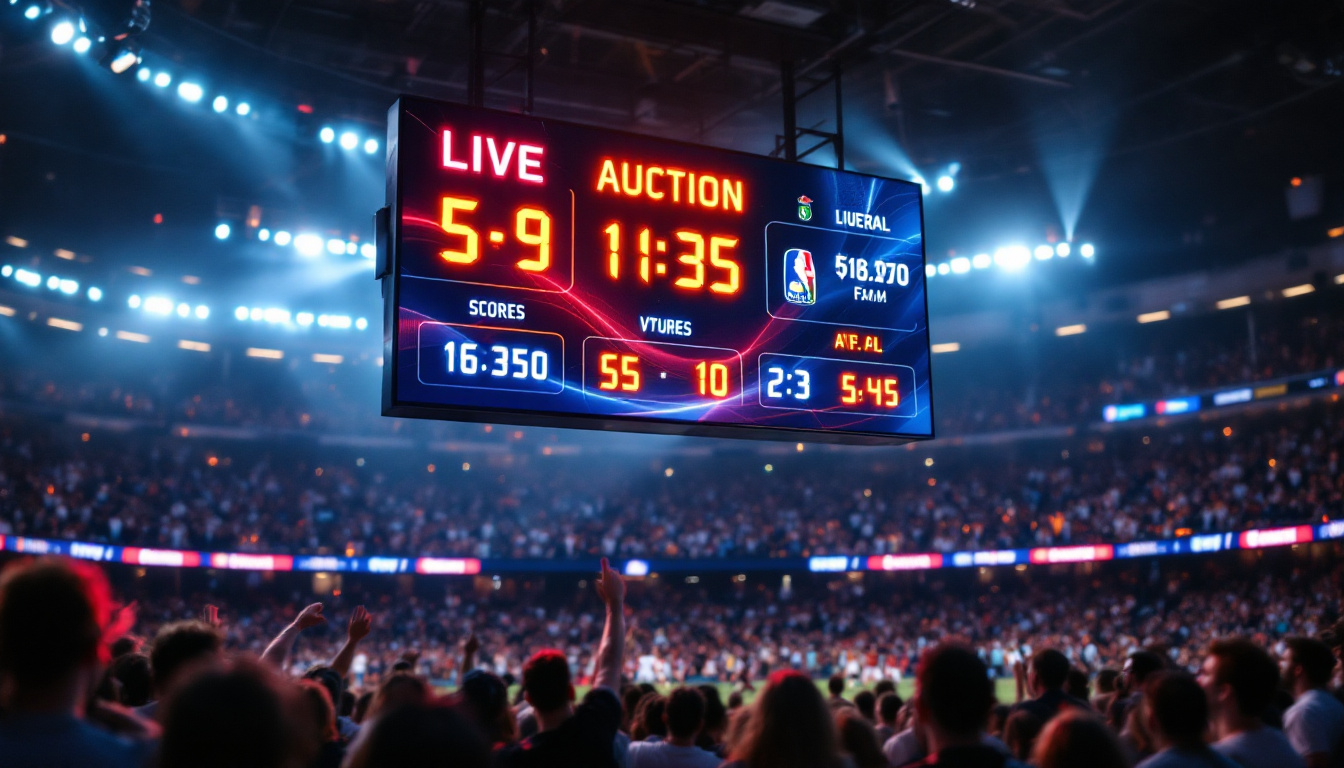
Large-format outdoor LED billboards or posters with pixel pitches of 6mm or more can cost upwards of $50,000 depending on size and installation complexity.
Transparent and Specialized LED Displays
Transparent LED poster displays are a premium product, often priced 30% to 50% higher than traditional LED displays of similar size and resolution. Prices typically start around $20,000 for smaller models and can exceed $60,000 for larger installations.
Making the Right Investment: Tips for Buyers
Choosing the right LED poster display requires balancing budget, technical requirements, and long-term goals. Here are some tips to guide the purchasing process:
Assess Viewing Distance and Environment
Understanding where and how the display will be viewed helps determine the appropriate pixel pitch and brightness. For close-range indoor viewing, prioritize high resolution and moderate brightness. For outdoor or distant viewing, focus on durability and high brightness.
Consider Content and Usage Frequency
If the display will showcase dynamic content updated regularly, investing in advanced control systems and reliable software is crucial. For static or infrequently changed content, simpler setups may suffice.
Evaluate Total Cost of Ownership
Beyond the initial purchase price, factor in installation, maintenance, and potential upgrade costs. Investing in quality upfront can reduce downtime and repair expenses.
Request Demonstrations and Samples
Whenever possible, view the display in action or request sample content demonstrations to assess image quality, color accuracy, and user interface before committing.
Future Trends in LED Poster Displays
The LED display market continues to evolve rapidly, driven by advances in technology and changing consumer expectations. Several trends are shaping the future landscape:
Mini-LED and Micro-LED Technologies
Emerging mini-LED and micro-LED technologies promise even higher resolutions, improved energy efficiency, and longer lifespans. These innovations could reduce pixel pitch below 1mm, enabling near-retina quality displays.
Integration with AI and IoT
Smart LED displays integrated with artificial intelligence and Internet of Things (IoT) devices can deliver personalized content, optimize energy use, and provide real-time analytics for advertisers.
Flexible and Curved Displays
Flexible LED panels allow for curved or irregularly shaped displays, opening new creative possibilities for advertising and architectural integration.
Conclusion
LED poster displays offer dynamic, eye-catching solutions for modern communication and advertising needs. Their pricing reflects a complex interplay of technical specifications, build quality, and additional features. By understanding the factors that influence cost and carefully assessing specific requirements, businesses can make informed investments that maximize impact and return on investment.
As technology advances, LED displays will become more versatile and accessible, continuing to transform the way brands engage with audiences in both indoor and outdoor environments.
Discover LumenMatrix’s Advanced LED Solutions
Ready to elevate your brand’s presence and captivate your audience with the latest in LED technology? Look no further than LumenMatrix. Our extensive range of LED display solutions, from Indoor and Outdoor LED Walls to specialized displays like Vehicle, Sports, Floor, and Custom LED, is designed to bring your visual communications to life. Embrace the future of digital signage with our All-in-One and Transparent LED Displays, crafted to deliver your message with unparalleled clarity and impact. Check out LumenMatrix LED Display Solutions today and experience the revolution in visual storytelling.