In today’s digital landscape, touch panels combined with LED displays have become ubiquitous, powering everything from smartphones and tablets to industrial control systems and interactive kiosks. Understanding how these technologies work together is essential for professionals in electronics, design, and user experience fields, as well as anyone interested in the evolution of display technology.
This article delves into the fundamentals of touch panels and LED displays, explores their integration, and highlights the latest advancements shaping the future of interactive visual interfaces.
Understanding LED Displays: Basics and Types
LED (Light Emitting Diode) displays have revolutionized the way information is presented visually. Unlike traditional LCDs that rely on backlighting, LED displays use individual light-emitting diodes to create images, resulting in superior brightness, contrast, and energy efficiency.
What is an LED Display?
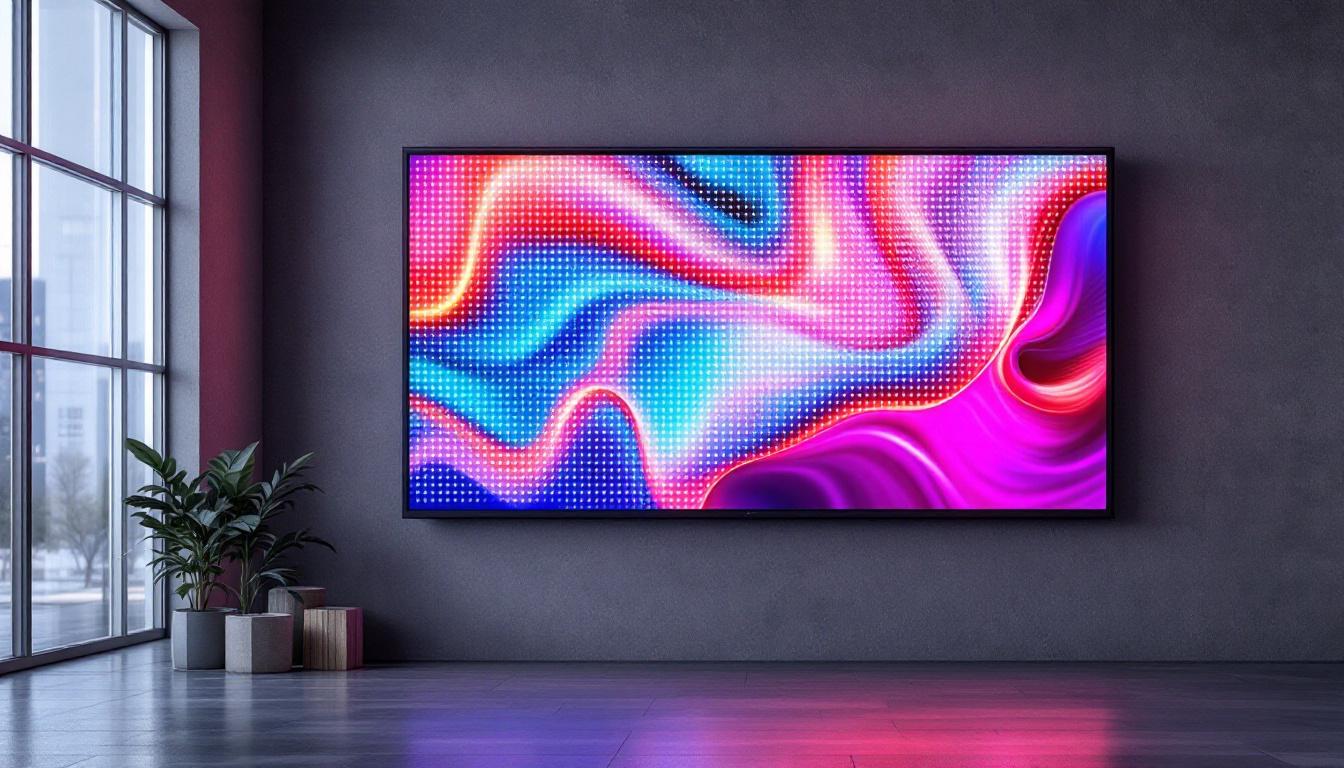
At its core, an LED display consists of an array of tiny LEDs that emit light when an electric current passes through them. These LEDs can be arranged in various configurations to form pixels, which collectively produce images and videos. The ability to control each LED individually allows for vibrant colors and deep blacks, making LED displays highly desirable for both indoor and outdoor applications. This technology not only enhances the visual experience but also allows for dynamic content that can be easily updated, making LED displays ideal for advertising, information dissemination, and entertainment.
Types of LED Displays
There are several types of LED displays, each suited for different use cases:
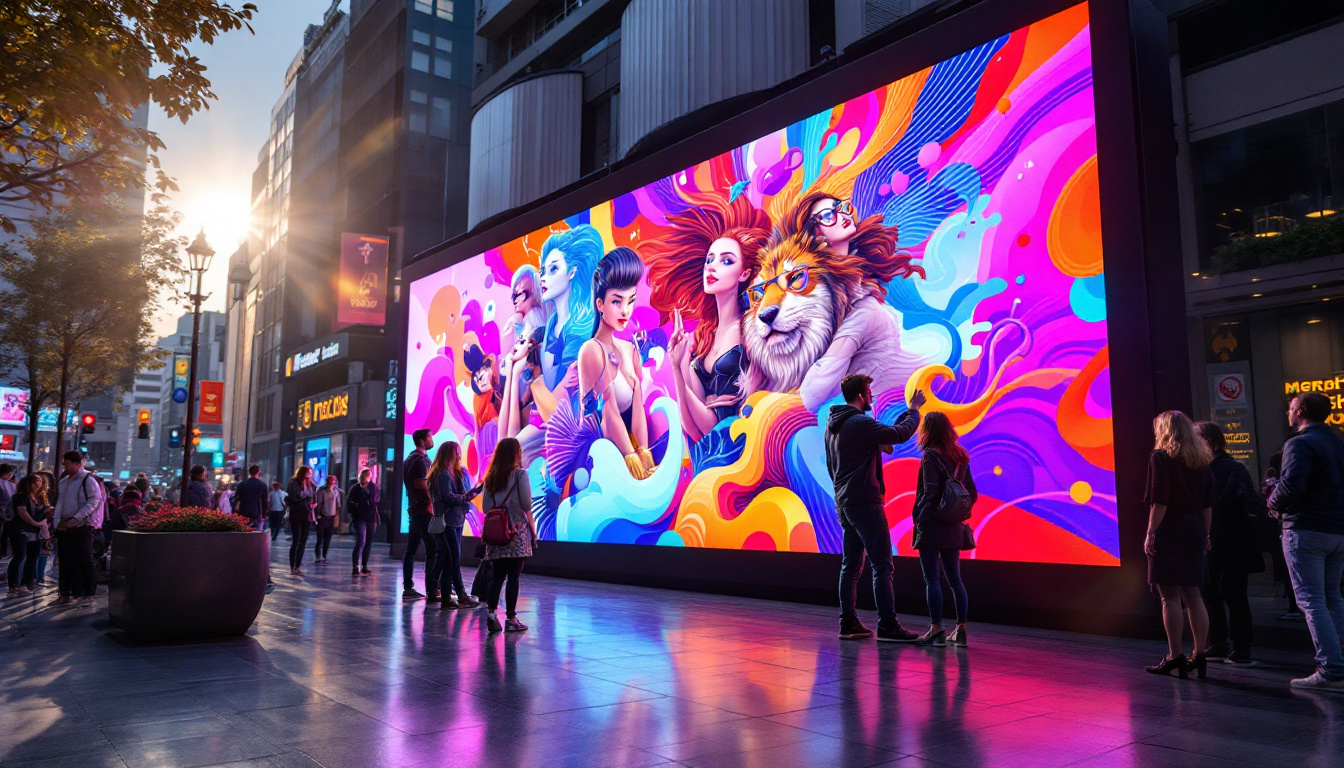
- Direct View LED (DV-LED): This type uses LEDs as the actual pixels of the display. It is commonly used in large-scale outdoor screens, stadium displays, and billboards due to its high brightness and visibility under sunlight. These displays are often modular, allowing for easy installation and maintenance, which is crucial for high-traffic areas.
- LED-backlit LCD: This more common form uses LEDs as a backlight source behind an LCD panel. It offers improved energy efficiency and color accuracy compared to older CCFL-backlit LCDs and is found in most consumer electronics like TVs, monitors, and smartphones. The integration of LED backlighting has also enabled thinner and lighter devices, enhancing portability without sacrificing display quality.
- MicroLED: An emerging technology that uses microscopic LEDs to form pixels. MicroLED promises superior brightness, contrast, and lifespan without the burn-in issues typical of OLEDs, making it a promising future display technology. Its modular nature allows for seamless scaling, enabling manufacturers to create displays of any size without compromising resolution or performance.
In addition to these primary types, LED displays can also be categorized based on their application. For instance, indoor LED displays are designed for close viewing distances and often feature higher pixel densities, making them ideal for venues like theaters and conference rooms. Conversely, outdoor displays are built to withstand environmental conditions, featuring robust casings and higher brightness levels to combat sunlight glare. Furthermore, advancements in technology have led to the development of flexible LED displays, which can be bent or shaped to fit unconventional spaces, opening up new possibilities for creative installations in architecture and design.
The Role of Touch Panels in Modern Displays
Touch panels transform passive displays into interactive interfaces, enabling users to engage directly with the content. The integration of touch technology with LED displays has opened new possibilities in user experience design and device functionality. This transformation has not only enhanced personal devices like smartphones and tablets but has also revolutionized industries such as retail, education, and healthcare, where interactive displays facilitate more engaging and efficient interactions.
How Touch Panels Work
Touch panels detect the presence and location of a touch within the display area. There are several common technologies used to achieve this:
- Resistive Touch: Consists of two flexible layers separated by a gap. When pressed, the layers touch, registering the location. While cost-effective and compatible with styluses, resistive touch panels offer lower clarity and durability.
- Capacitive Touch: Uses the electrical properties of the human body to detect touch. A grid of electrodes senses changes in capacitance when a finger touches the screen. Capacitive panels provide better clarity, multi-touch support, and durability, making them standard in smartphones and tablets.
- Infrared and Optical Touch: Employ infrared light beams or cameras around the screen edges to detect touch. These are often used in large interactive displays and kiosks.
Integration Challenges Between Touch Panels and LED Displays
Combining touch panels with LED displays requires careful engineering to maintain display quality and touch responsiveness. Factors such as thickness, transparency, and electrical interference must be managed to avoid degrading image clarity or touch accuracy.
For example, capacitive touch panels must be thin enough to allow the LEDs’ light to pass through without distortion, yet robust enough to withstand repeated use. Additionally, the touch controller must be shielded properly to prevent interference from the high-frequency signals driving the LEDs. These challenges are compounded by the need for manufacturers to balance cost and performance, often leading to innovative solutions that push the boundaries of current technology.
Moreover, as touch technology continues to evolve, new materials and manufacturing techniques are being explored. For instance, the development of flexible touch panels has the potential to create curved or foldable devices, enhancing portability and user engagement. This innovation could lead to entirely new form factors for devices, allowing for immersive experiences in gaming, virtual reality, and augmented reality applications. As the demand for more interactive and responsive displays grows, the collaboration between touch technology and LED advancements will likely play a pivotal role in shaping the future of digital interfaces.
Applications of Touch Panel LED Displays
The synergy of touch panels and LED displays has led to widespread adoption across numerous industries, transforming how users interact with technology.
Consumer Electronics
Smartphones, tablets, laptops, and smartwatches rely heavily on capacitive touch panels paired with LED-backlit LCD or OLED displays. The high brightness and color accuracy of LED displays enhance media consumption, gaming, and productivity, while touch panels provide intuitive navigation and control. Furthermore, advancements in haptic feedback technology are enriching the user experience by simulating tactile sensations, making interactions feel more natural and responsive. As a result, users can enjoy a seamless blend of visual and tactile engagement, whether they’re scrolling through social media, playing immersive games, or conducting video calls.
Retail and Advertising
Interactive digital signage powered by large direct-view LED displays and touch panels is reshaping retail environments. Customers can browse product catalogs, customize orders, or access promotions through engaging touch interfaces. According to a 2023 report by Grand View Research, the global digital signage market is expected to grow at a CAGR of 7.5% through 2030, driven by demand for interactive displays. Retailers are also leveraging data analytics from these touch interfaces to better understand customer preferences and behaviors, allowing for personalized marketing strategies. This not only enhances the shopping experience but also fosters customer loyalty as brands can tailor their offerings to meet specific needs and desires.
Industrial and Medical Use
In industrial settings, rugged touch panel LED displays serve as control interfaces for machinery, providing real-time data visualization and command input. Similarly, medical devices utilize touch-enabled LED displays for diagnostics, imaging, and patient monitoring, where precision and durability are critical. The ability to interact with complex data sets through intuitive touch controls allows operators to make informed decisions quickly, which is vital in high-stakes environments. Moreover, the integration of touch panel LED displays in telemedicine applications has revolutionized patient care, enabling healthcare professionals to interact with patients remotely while accessing vital health information in real-time.
Education and Public Spaces
Interactive whiteboards and kiosks equipped with touch panel LED displays enhance learning experiences and provide accessible information in public spaces such as museums, airports, and libraries. These displays facilitate collaborative learning, allowing students to engage with educational content dynamically, whether through interactive lessons or group projects. In public spaces, touch panel LED displays serve as information hubs, offering wayfinding assistance, event schedules, and local information. The integration of augmented reality features into these displays further enriches the user experience, making learning and exploration more immersive and engaging for visitors of all ages. As technology continues to evolve, the potential applications for touch panel LED displays in educational and public contexts are bound to expand, paving the way for innovative learning and information-sharing solutions.
Advancements and Future Trends
The evolution of touch panel LED displays continues at a rapid pace, driven by innovations in materials science, electronics, and software.
Flexible and Transparent Displays
Emerging technologies are enabling flexible LED displays integrated with touch panels, allowing for curved, foldable, or rollable devices. Transparent LED displays with touch capabilities are also gaining traction, offering new possibilities for augmented reality and heads-up displays.
Improved Touch Sensitivity and Multi-Touch Support
Advancements in capacitive sensing and signal processing have enhanced touch sensitivity, enabling more precise gestures and multi-finger inputs. This improvement supports complex interactions such as pinch-to-zoom, handwriting recognition, and gesture controls.
Integration with AI and IoT
Smart touch panel LED displays are increasingly integrated with artificial intelligence and Internet of Things (IoT) ecosystems. This integration allows for adaptive interfaces, personalized content, and seamless connectivity across devices and environments.
Key Considerations When Choosing Touch Panel LED Displays
Selecting the right touch panel LED display depends on several factors tailored to specific applications and environments.
Display Size and Resolution
The intended use dictates the optimal display size and resolution. For example, handheld devices prioritize high pixel density for sharp images, while large public displays emphasize visibility and brightness.
Touch Technology
Choosing between resistive, capacitive, or optical touch depends on factors such as budget, durability, touch precision, and environmental conditions. Capacitive touch is generally preferred for consumer electronics, whereas resistive or infrared may be better suited for industrial or outdoor use.
Environmental Durability
Displays used outdoors or in harsh environments require protection against dust, moisture, and temperature extremes. Features like IP ratings, anti-glare coatings, and reinforced glass are important considerations.
Power Consumption and Lifespan
Energy efficiency is critical, especially for battery-powered devices or large installations. LED displays typically consume less power than traditional backlit LCDs, but factors like brightness levels and touch controller efficiency also impact overall consumption.
Conclusion
Touch panel LED displays represent a convergence of two transformative technologies that have redefined user interaction and visual communication. From the vibrant, energy-efficient lighting of LEDs to the intuitive control enabled by touch panels, these systems continue to evolve and expand their applications.
Understanding the underlying principles, types, and integration challenges is essential for professionals designing or selecting these displays. As advancements in flexible materials, AI integration, and sensing technologies progress, touch panel LED displays will become even more versatile, immersive, and indispensable in everyday life and industry.
Discover Cutting-Edge LED Displays with LumenMatrix
Ready to elevate your visual communication with the latest in LED display technology? LumenMatrix is at the forefront of innovation, offering a wide array of LED display solutions tailored to your needs. From captivating Indoor and Outdoor LED Wall Displays to dynamic Vehicle and Sports LED Displays, our products are designed to make your brand stand out. Experience the future of interactive visual experiences with our All-in-One, Custom, and Transparent LED Displays. Check out LumenMatrix LED Display Solutions today and transform the way you engage with your audience.