Jumbotron: LED Display Explained
In today’s fast-paced world, visual communication plays a crucial role in capturing attention and conveying messages effectively. Among the most striking and impactful tools for large-scale visual display is the Jumbotron, a giant LED screen commonly seen in stadiums, concerts, public squares, and advertising billboards. This article explores the technology behind Jumbotrons, their applications, benefits, and the future of LED display technology.
What Is a Jumbotron?
The term “Jumbotron” originally referred to a specific brand of large-screen video displays developed by Sony in the 1980s. Over time, it has become a generic term used to describe any large-scale LED display screen, especially those used in outdoor venues. These massive screens are designed to display live video, graphics, advertisements, and other multimedia content to audiences ranging from thousands to tens of thousands of people.
Jumbotrons are characterized by their immense size, high brightness, and ability to deliver clear images even in broad daylight. Unlike traditional projection screens, Jumbotrons use LED (Light Emitting Diode) technology, which offers superior durability and visibility. They have become a staple at major sporting events, concerts, and festivals, where they enhance the audience’s experience by providing real-time updates, instant replays, and captivating visuals that keep viewers engaged.
LED Technology at the Core
At the heart of every Jumbotron is an array of LEDs. These tiny semiconductor devices emit light when an electric current passes through them. Unlike older display technologies such as LCD or plasma, LEDs provide higher brightness, better contrast, and longer lifespan. They are also energy-efficient and capable of displaying vibrant colors with excellent accuracy. This efficiency not only reduces operational costs but also makes them environmentally friendly, as they consume less power compared to traditional displays.
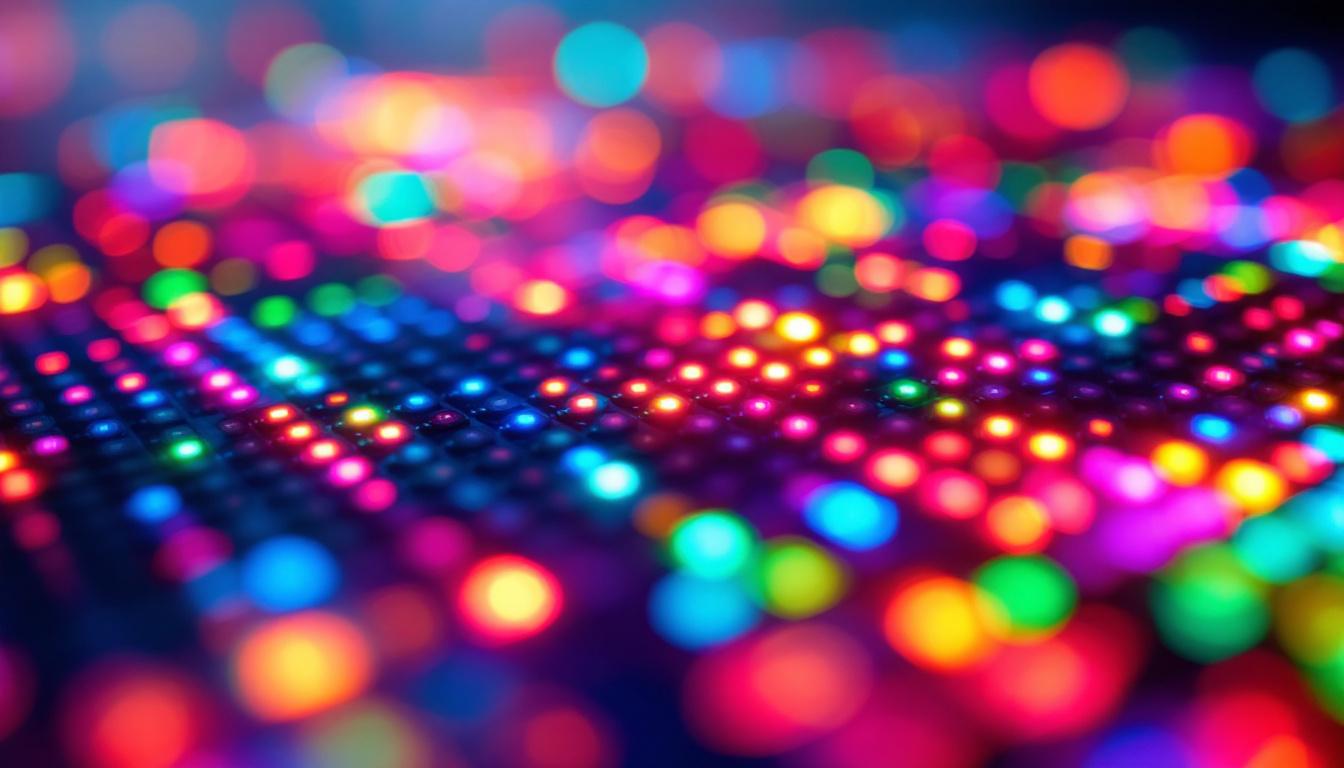
Modern Jumbotrons consist of thousands to millions of these LEDs arranged in a grid pattern. Each LED acts as a single pixel or part of a pixel, allowing the screen to create detailed images and videos. The pixel pitch, which is the distance between the centers of two adjacent LEDs, determines the resolution and viewing distance of the display. Smaller pixel pitch means higher resolution and closer viewing capability. This technology has also evolved to include features like 3D capabilities and interactive elements, allowing audiences to engage with the content in new and exciting ways. As a result, Jumbotrons have transformed not only how we consume entertainment but also how brands connect with their audiences, making them an integral part of modern advertising strategies.
How Do Jumbotrons Work?
Understanding how Jumbotrons operate requires a look at their key components and the process of image rendering.
Modular Design
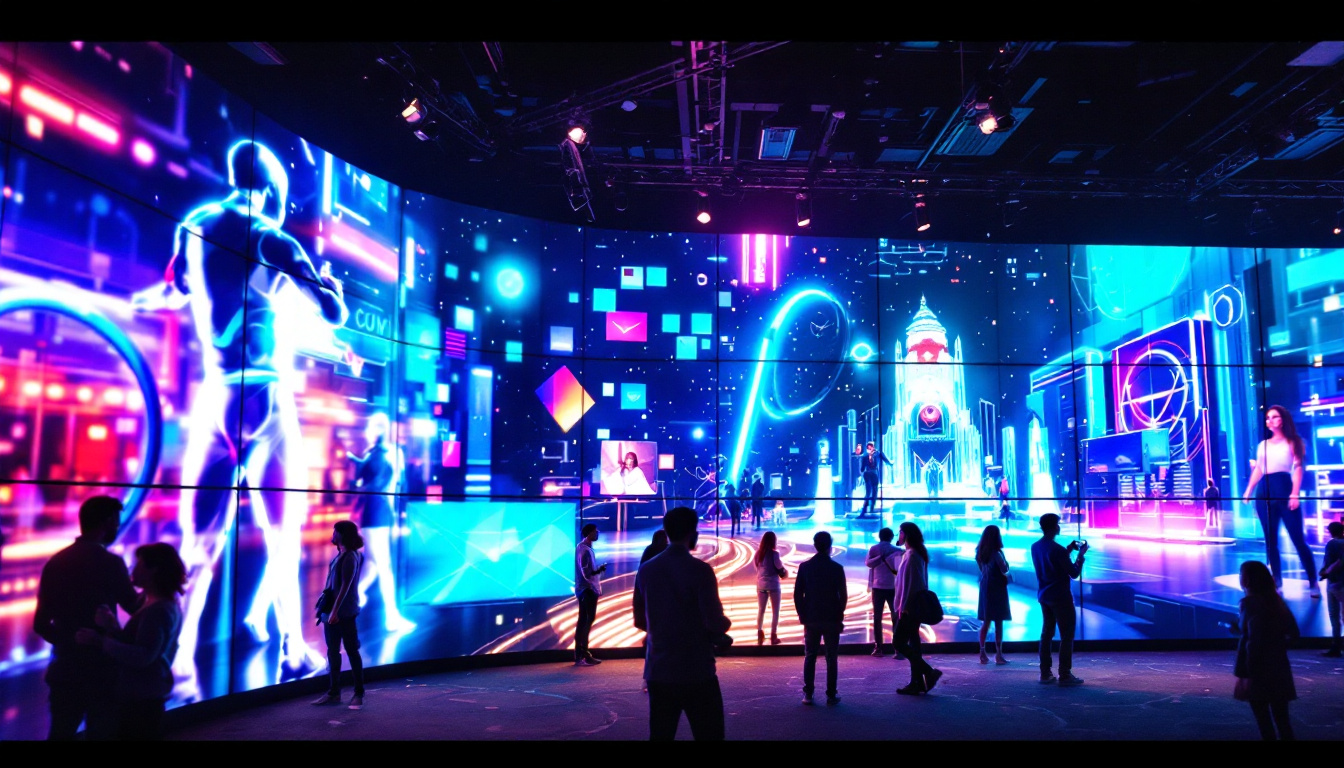
Jumbotron screens are typically constructed from modular panels. Each panel contains hundreds or thousands of LEDs and associated circuitry. These panels are assembled like building blocks to form the full screen. This modular design allows for flexible screen sizes and easy maintenance, as faulty panels can be replaced without dismantling the entire display. Additionally, this design facilitates the creation of curved or irregularly shaped screens, which can enhance the visual experience in various venues, from stadiums to concert halls.
Control Systems and Content Management
The content displayed on a Jumbotron is managed by a sophisticated control system. This system receives input from various sources such as cameras, computers, or media players and processes the video or image data to be displayed. Advanced software allows for real-time content switching, video playback, live feeds, and even interactive elements. This capability is particularly valuable in settings like sports arenas, where the audience expects dynamic updates and engaging content. For example, during a sports event, the Jumbotron can show live game footage, instant replays, player statistics, and advertisements, all seamlessly integrated and controlled from a central command center. Furthermore, some Jumbotrons can support multiple content streams simultaneously, allowing for the display of different messages or feeds tailored to various audience segments.
Brightness and Visibility
One of the defining features of Jumbotrons is their ability to remain visible under direct sunlight. Typical LED brightness for outdoor Jumbotrons ranges from 5,000 to 10,000 nits (a nit is a unit of luminance). For comparison, a standard television screen has a brightness of around 300 to 500 nits. This high brightness ensures that images and videos remain sharp and clear, regardless of environmental lighting conditions. Moreover, the technology behind these displays often includes advanced sensors that automatically adjust brightness levels based on ambient light, ensuring optimal visibility at all times. This adaptability not only enhances viewer experience but also contributes to energy efficiency, as the display can lower its brightness during darker conditions, reducing power consumption without sacrificing quality.
Applications of Jumbotrons
Jumbotrons have become an integral part of many industries due to their versatility and impact. Their applications span entertainment, advertising, sports, public information, and more.
Sports and Entertainment Venues
Perhaps the most iconic use of Jumbotrons is in sports stadiums and arenas. These massive screens enhance the spectator experience by displaying live action, replays, scores, and interactive content. For instance, the AT&T Stadium in Texas boasts one of the largest Jumbotron screens in the world, measuring approximately 160 feet wide and 72 feet tall.
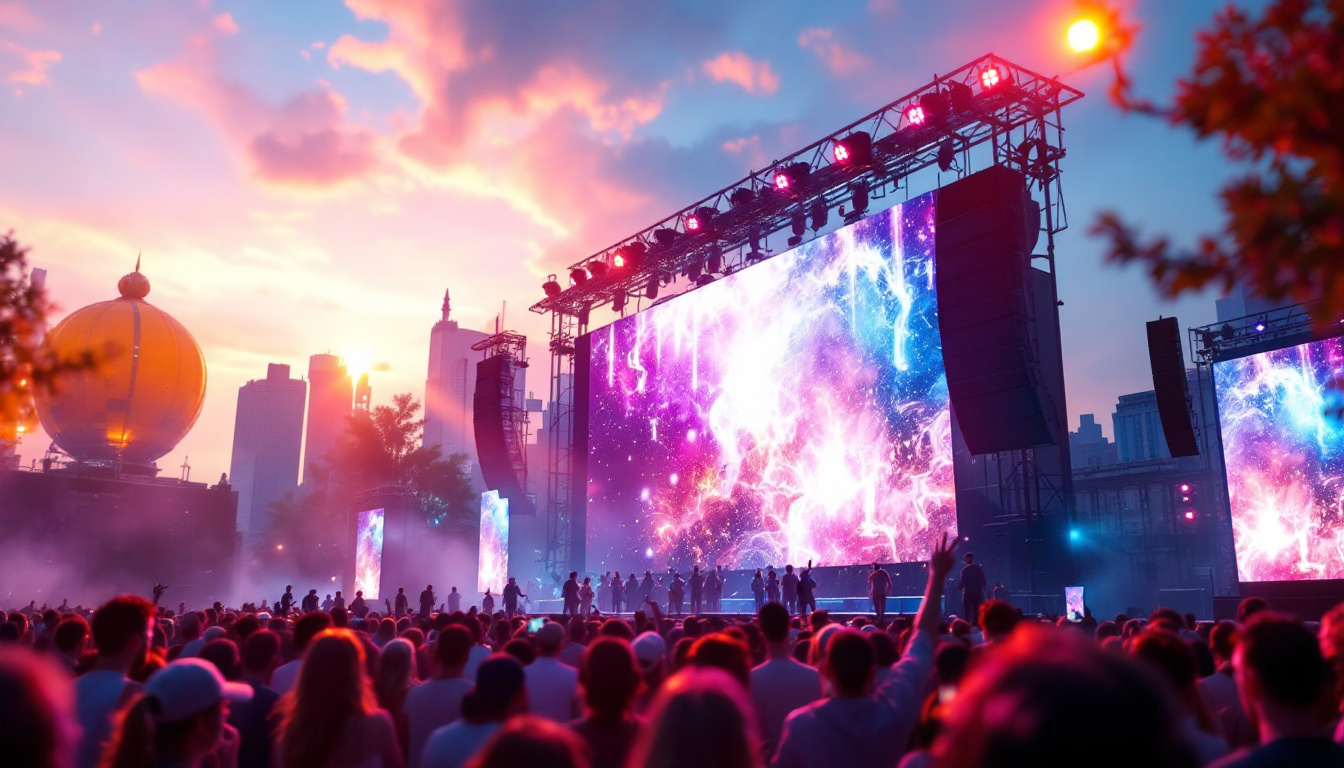
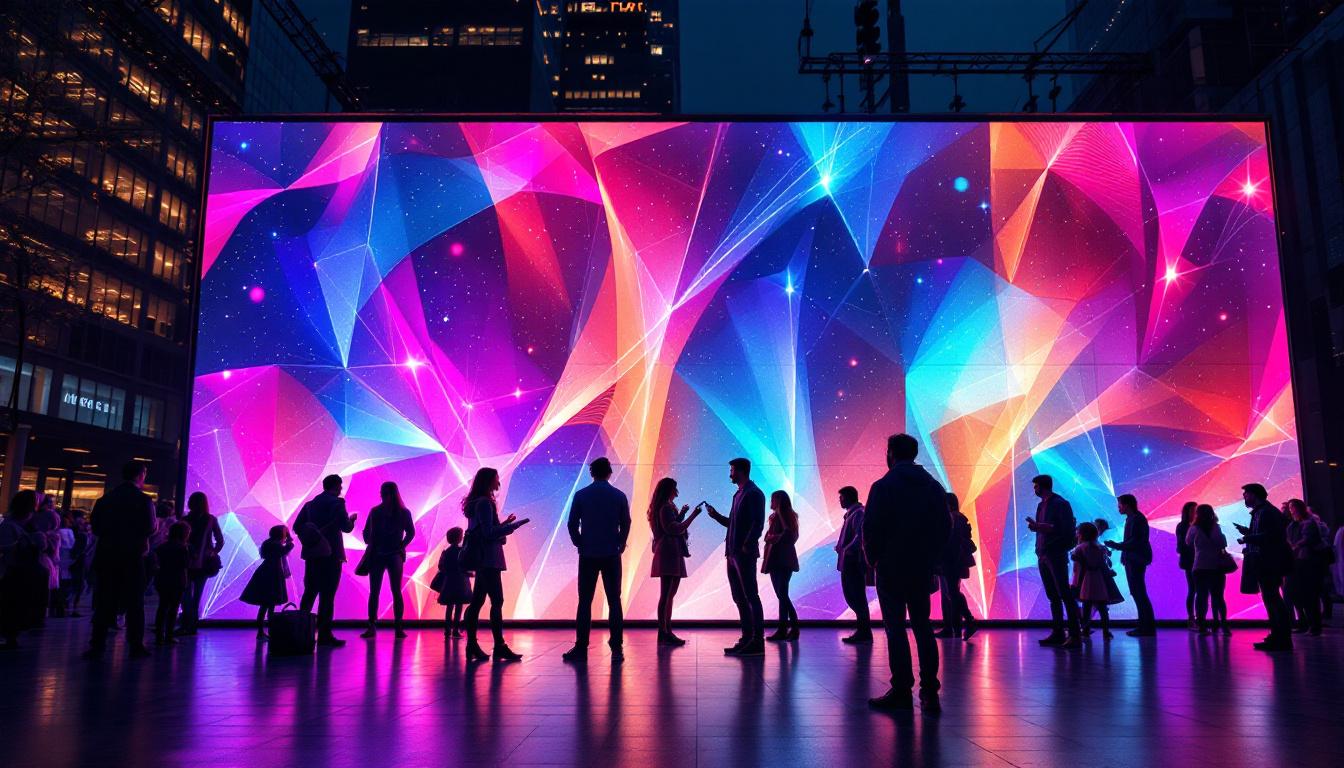
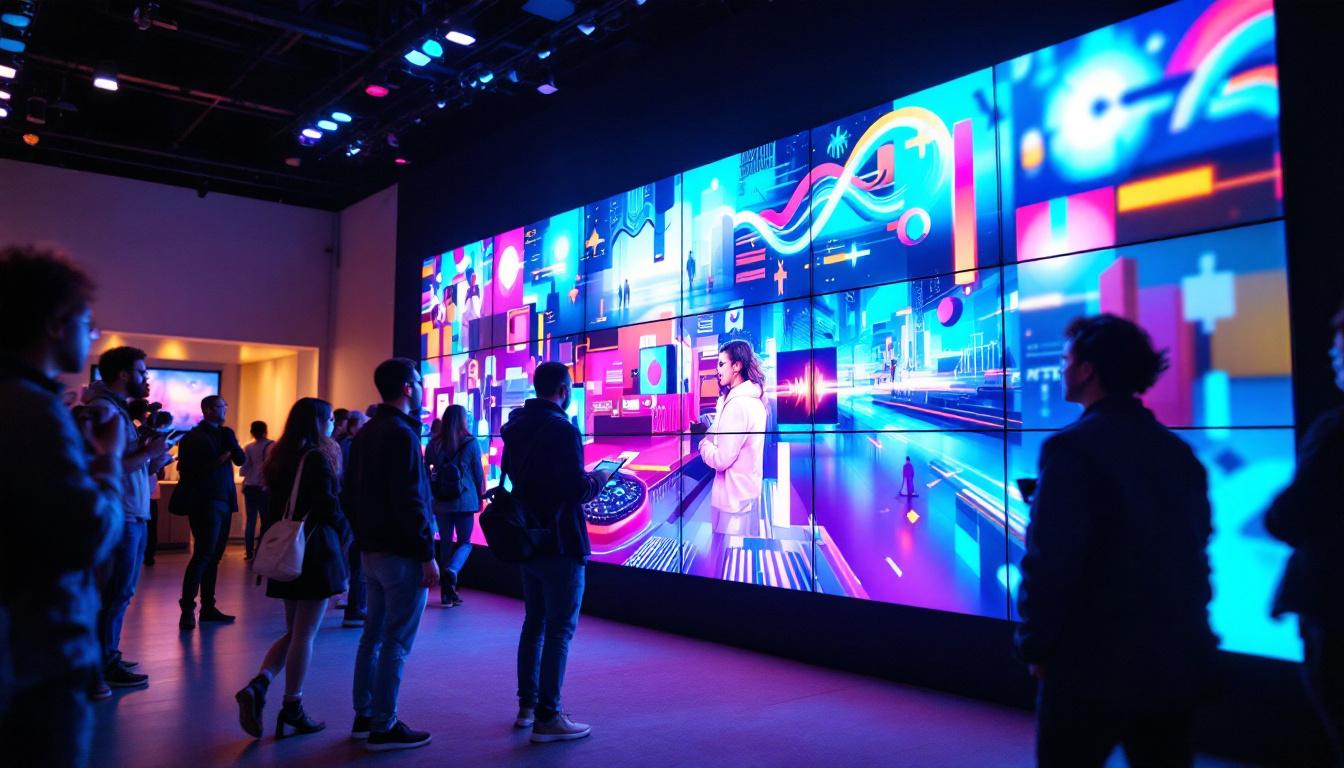
Concerts and festivals also use Jumbotrons to provide close-up views of performers to large audiences, ensuring that even those far from the stage can enjoy the event. These screens often display not just the performers but also stunning visual effects that complement the music, creating an immersive experience. Additionally, Jumbotrons can facilitate fan engagement through live polls, social media interactions, and real-time contests, further enhancing the atmosphere and making attendees feel like part of the action.
Advertising and Marketing
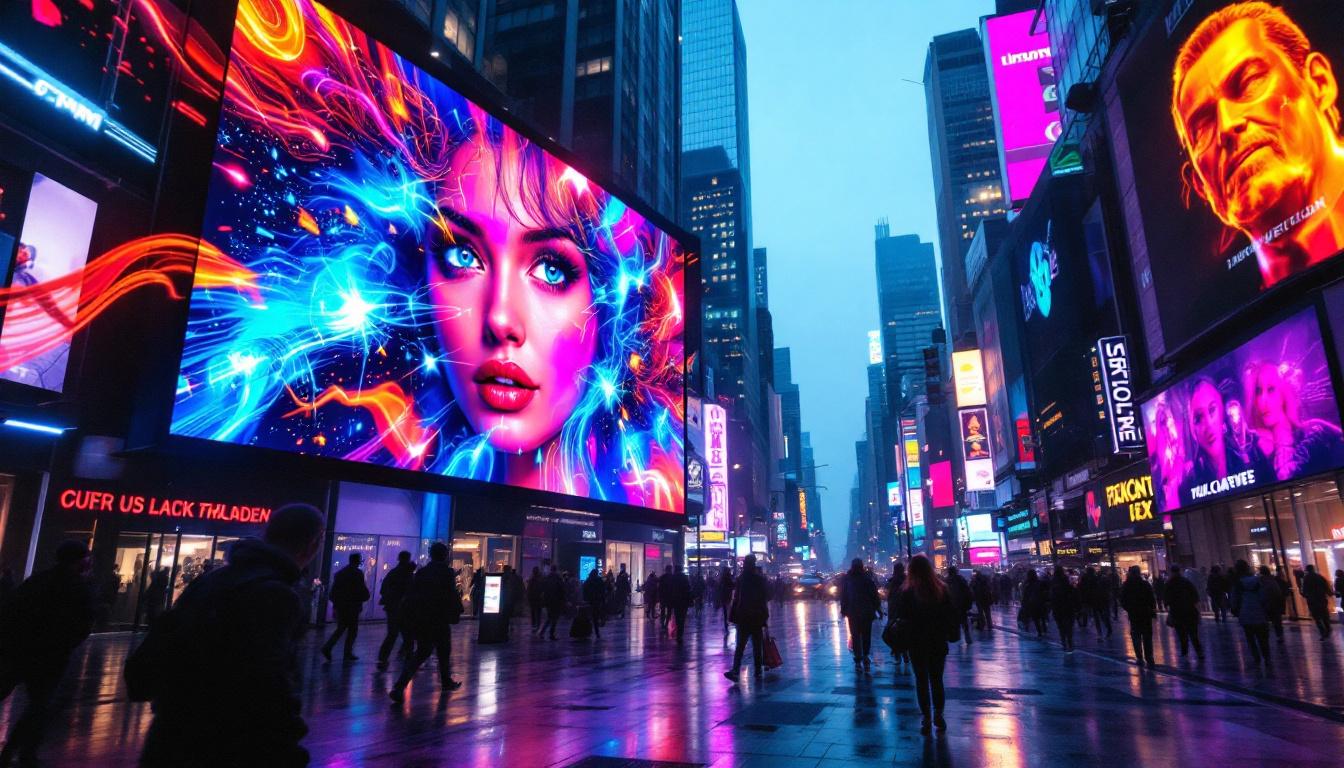
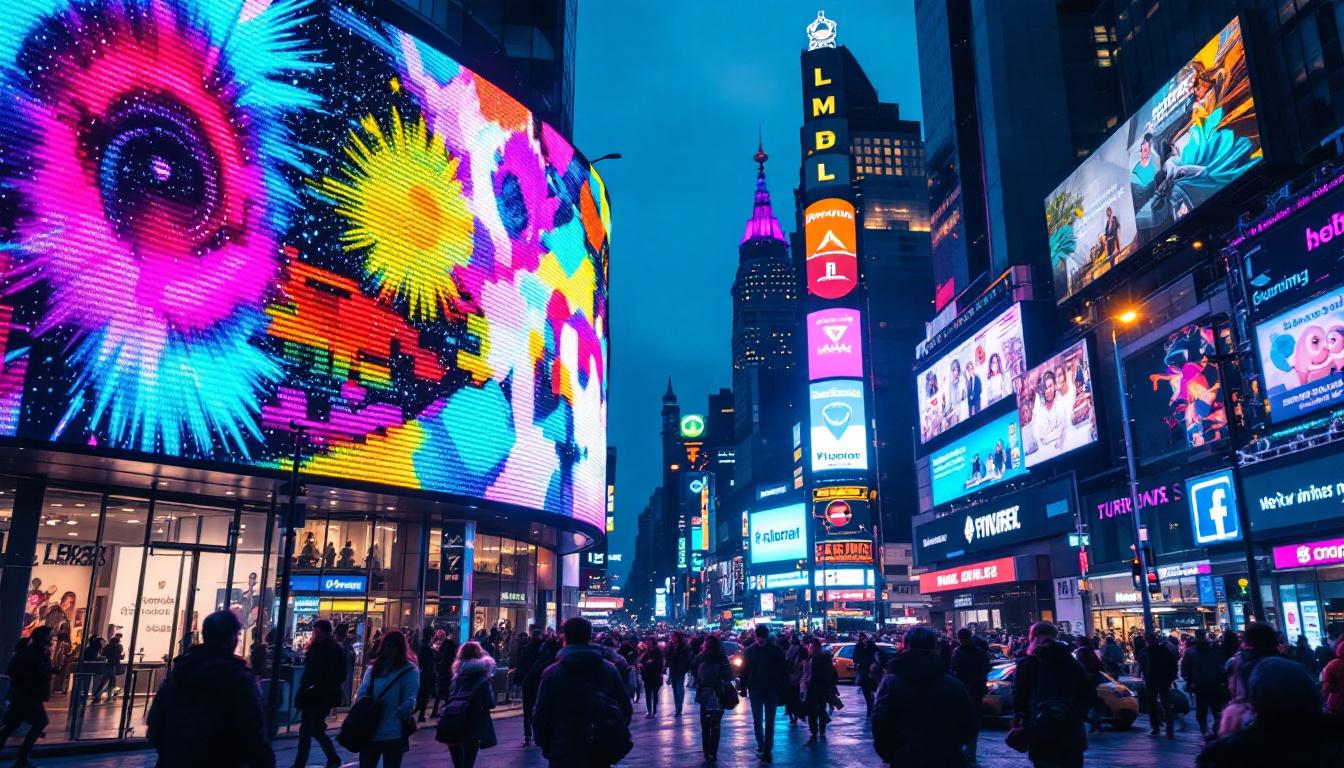
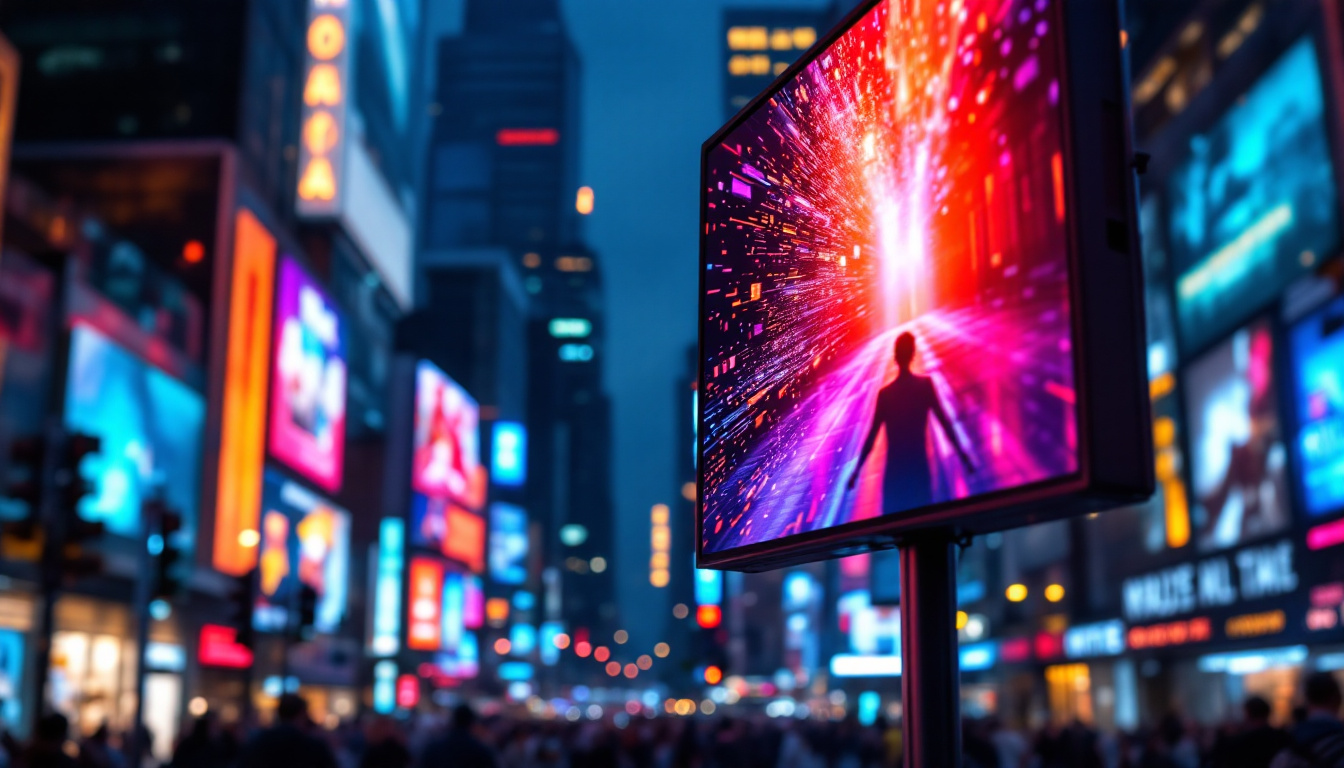
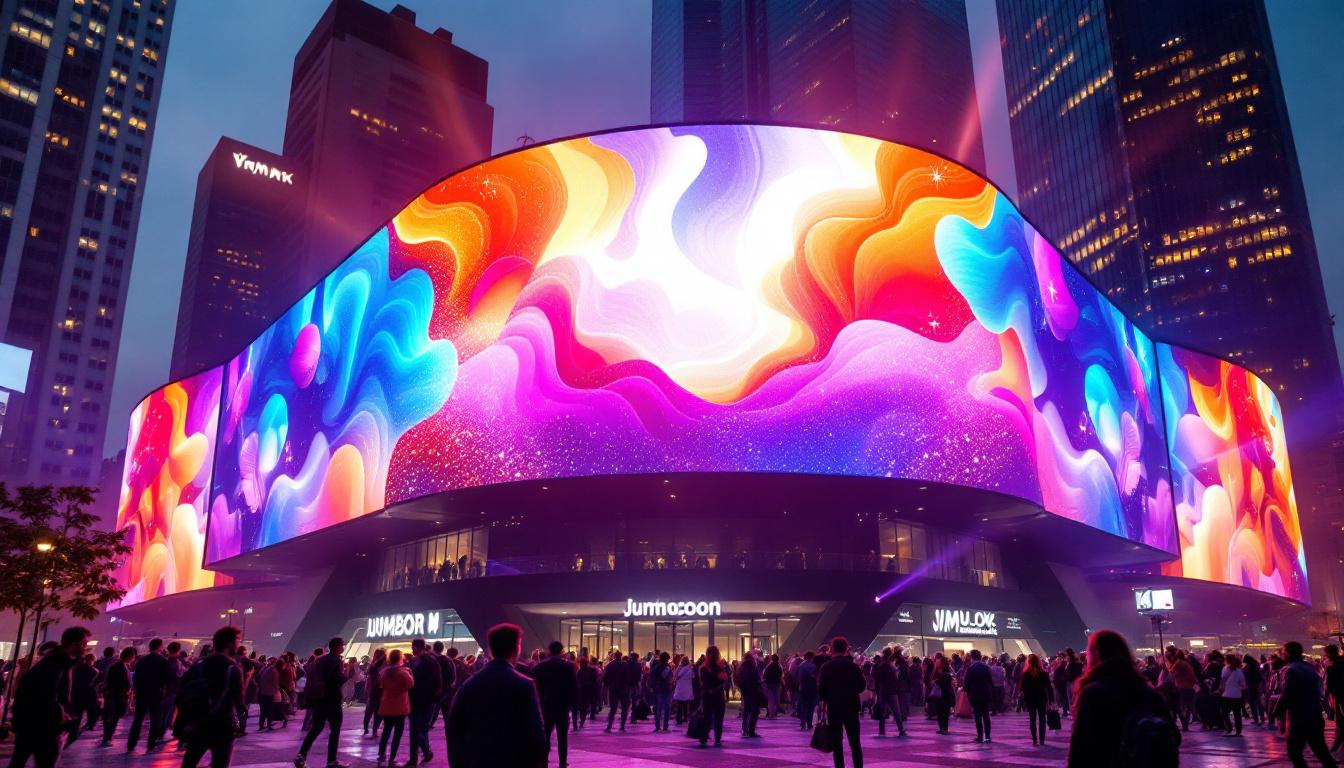
Outdoor advertising has been revolutionized by Jumbotron LED displays. Their ability to display dynamic, colorful, and eye-catching content makes them highly effective for brand promotion. Times Square in New York City is a prime example, where multiple Jumbotrons create a dazzling visual landscape that attracts millions of visitors annually.
Moreover, digital billboards powered by LED technology allow advertisers to change content remotely and instantly, enabling targeted and timely campaigns. This flexibility means that brands can tailor their messages to specific audiences based on time of day, local events, or even weather conditions. As a result, Jumbotrons have become a canvas for creative marketing strategies, where brands can showcase not just products but also stories that resonate with viewers, making their advertising efforts more memorable and impactful.
Public Information and Safety
Governments and municipalities utilize Jumbotrons for public announcements, emergency alerts, and community events. Their high visibility ensures that important information reaches a broad audience quickly. For example, during natural disasters or public health emergencies, these displays can broadcast critical instructions and updates.
Additionally, Jumbotrons serve as platforms for promoting local events, cultural festivals, and community initiatives, fostering a sense of unity and engagement among residents. They can also be used to display real-time traffic updates, weather forecasts, and public service announcements, making them invaluable tools for enhancing community awareness and safety. By integrating Jumbotrons into urban planning, cities can create more informed and connected communities, ensuring that residents are always in the loop about what’s happening around them.
Advantages of LED Jumbotrons Over Other Display Technologies
While there are several large-screen display technologies available, LED Jumbotrons stand out for multiple reasons:
Durability and Weather Resistance
LED Jumbotrons are built to withstand harsh outdoor conditions including rain, snow, and extreme temperatures. Their solid-state design makes them less prone to damage compared to projection-based systems that rely on delicate bulbs or lenses.
Energy Efficiency
LEDs consume significantly less power than traditional lighting and projection technologies. This efficiency reduces operating costs and environmental impact, which is especially important for large-scale installations that run for extended hours.
High Brightness and Contrast
The superior brightness and contrast ratio of LED displays ensure vivid images that are easily visible from long distances. This is critical for outdoor applications where ambient light can be intense.
Flexibility and Scalability
Modular LED panels allow for screens of virtually any size and shape. This flexibility enables custom installations tailored to specific venue requirements, from curved screens to irregularly shaped displays.
Challenges and Considerations When Using Jumbotrons
Despite their many benefits, deploying Jumbotrons involves certain challenges that must be addressed to maximize effectiveness.
Cost and Installation
High-quality LED Jumbotrons require significant upfront investment, including the cost of panels, control systems, and installation. Large screens also demand structural support and electrical infrastructure, which can add to expenses.
Maintenance and Lifespan
While LEDs have long lifespans (often exceeding 100,000 hours), regular maintenance is necessary to ensure consistent performance. This includes cleaning, calibration, and occasional replacement of malfunctioning modules.
Content Quality and Resolution
The effectiveness of a Jumbotron depends heavily on the quality of the content displayed. Low-resolution videos or poorly designed graphics can diminish the impact. Choosing the right pixel pitch based on viewing distance is essential to ensure sharp images.
The Future of Jumbotron LED Displays
As LED technology advances, the capabilities and applications of Jumbotrons continue to expand. Emerging trends include:
Higher Resolution and Pixel Density
Improvements in LED manufacturing allow for smaller pixel pitches, enabling ultra-high-definition displays even on massive screens. This development enhances image clarity and allows for closer viewing distances.
Interactive and Smart Displays
Integration with sensors, cameras, and AI is paving the way for interactive Jumbotrons that can respond to audience behavior, display personalized content, or provide augmented reality experiences.
Energy-Efficient and Sustainable Solutions
Manufacturers are focusing on reducing power consumption further and using eco-friendly materials. Solar-powered and energy-harvesting displays are also being explored to minimize environmental impact.
Flexible and Transparent Displays
Innovations in flexible LED panels and transparent displays open new possibilities for creative installations, such as curved screens or windows that double as digital displays.
Conclusion
Jumbotrons have transformed the way large audiences experience visual content, combining cutting-edge LED technology with innovative design to deliver vibrant, dynamic, and impactful displays. Their applications span entertainment, advertising, public safety, and beyond, making them indispensable tools in modern communication.
Understanding the technology, benefits, and challenges of Jumbotron LED displays equips businesses, event organizers, and municipalities to make informed decisions about deploying these powerful visual platforms. As technology continues to evolve, Jumbotrons will undoubtedly become even more versatile, immersive, and sustainable, shaping the future of large-scale digital communication.
Explore the Future of Visual Communication with LumenMatrix
Ready to elevate your visual presence and engage your audience like never before? Discover LumenMatrix’s comprehensive range of LED display solutions, from the vibrant Indoor and Outdoor LED Wall Displays to the innovative Vehicle LED Displays and beyond. Our mission is to revolutionize your visual storytelling with displays that not only captivate but also deliver your message with unparalleled clarity. Whether you’re looking to create an immersive sports experience with our LED Sports Display or make a statement with a Custom LED Display, LumenMatrix is your partner in crafting unforgettable visual experiences. Check out LumenMatrix LED Display Solutions today and join the forefront of digital signage innovation.