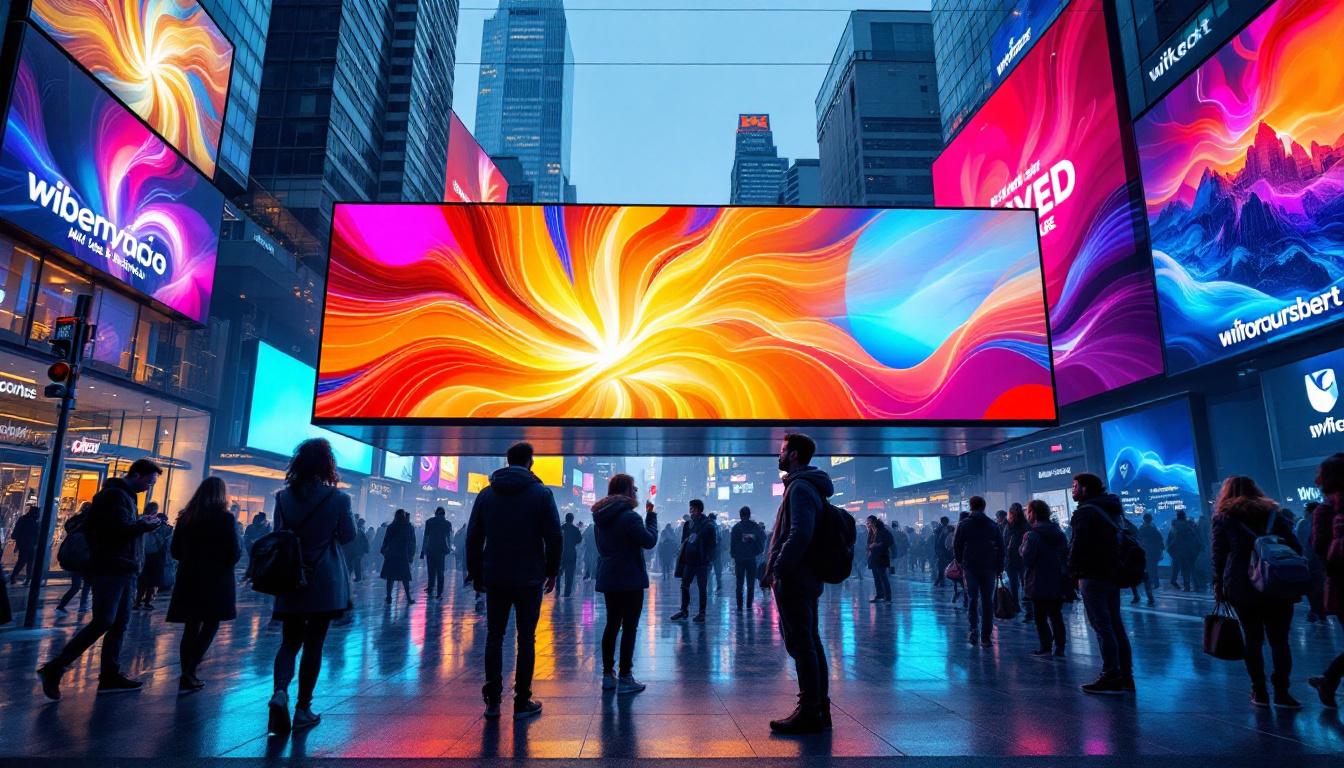
In today’s digital world, LED displays have become a cornerstone of visual communication, transforming everything from advertising and entertainment to corporate presentations and public information systems. Understanding LED screen sizes is crucial for selecting the right display that meets specific needs, whether it’s for a small retail store or a massive outdoor stadium. This comprehensive guide will delve into the fundamentals of LED displays, explore the variety of screen sizes available, and explain how to choose the best LED screen for different applications.
What Is an LED Display?
LED stands for Light Emitting Diode, a semiconductor device that emits light when an electric current passes through it. An LED display is a flat panel display that uses an array of these tiny LEDs as pixels to create images, videos, and text. Unlike traditional LCD or plasma screens, LED displays offer superior brightness, energy efficiency, and durability, making them ideal for both indoor and outdoor use.
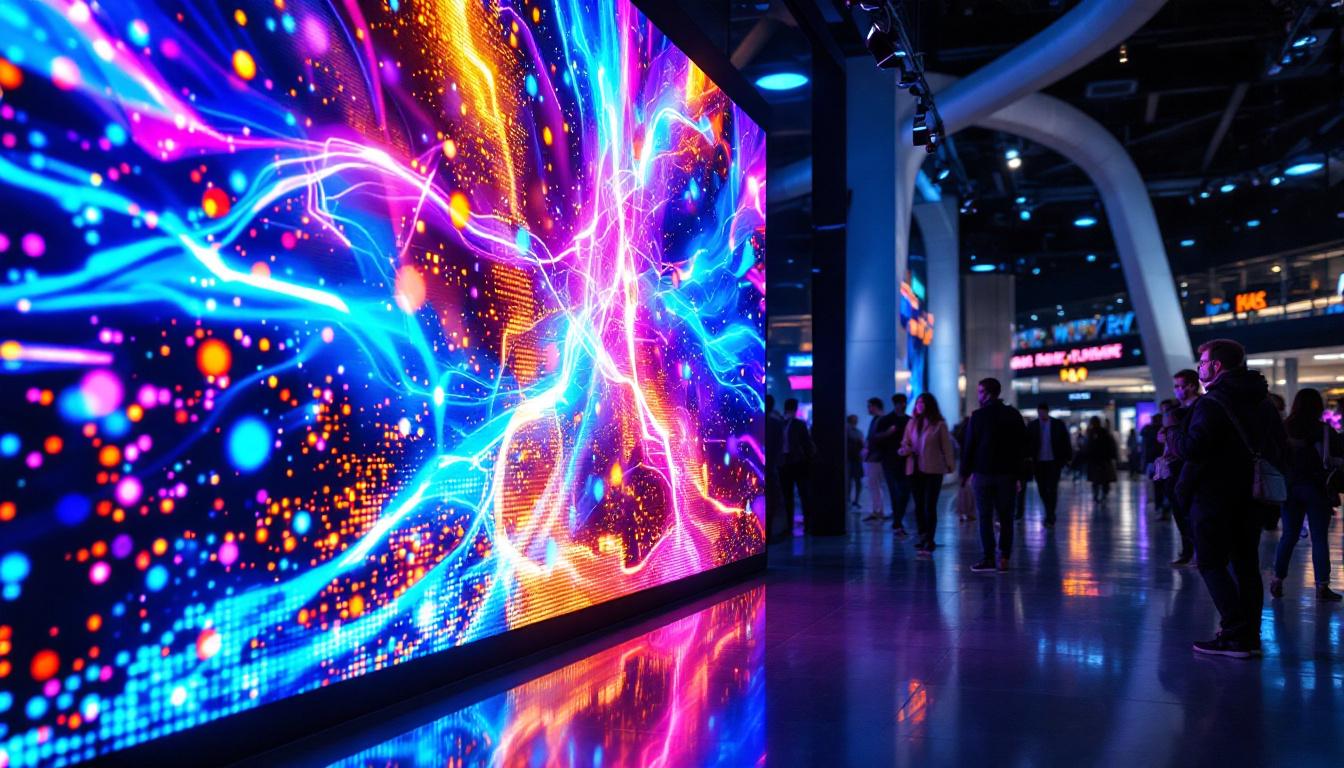
Modern LED displays can range from small, handheld screens to massive video walls spanning hundreds of square meters. Their modular design allows for flexible sizing and shapes, which is why LED technology has become the preferred choice for dynamic visual content in various industries.
In addition to their versatility in size and application, LED displays are also known for their vibrant color reproduction and high contrast ratios. This capability enables them to produce stunning visuals that can capture the attention of viewers, making them a popular choice for advertising, concerts, and sporting events. Furthermore, advancements in LED technology have led to the development of high-definition displays, which provide even greater clarity and detail. This has opened up new possibilities for creative content, allowing designers to push the boundaries of what can be achieved visually.
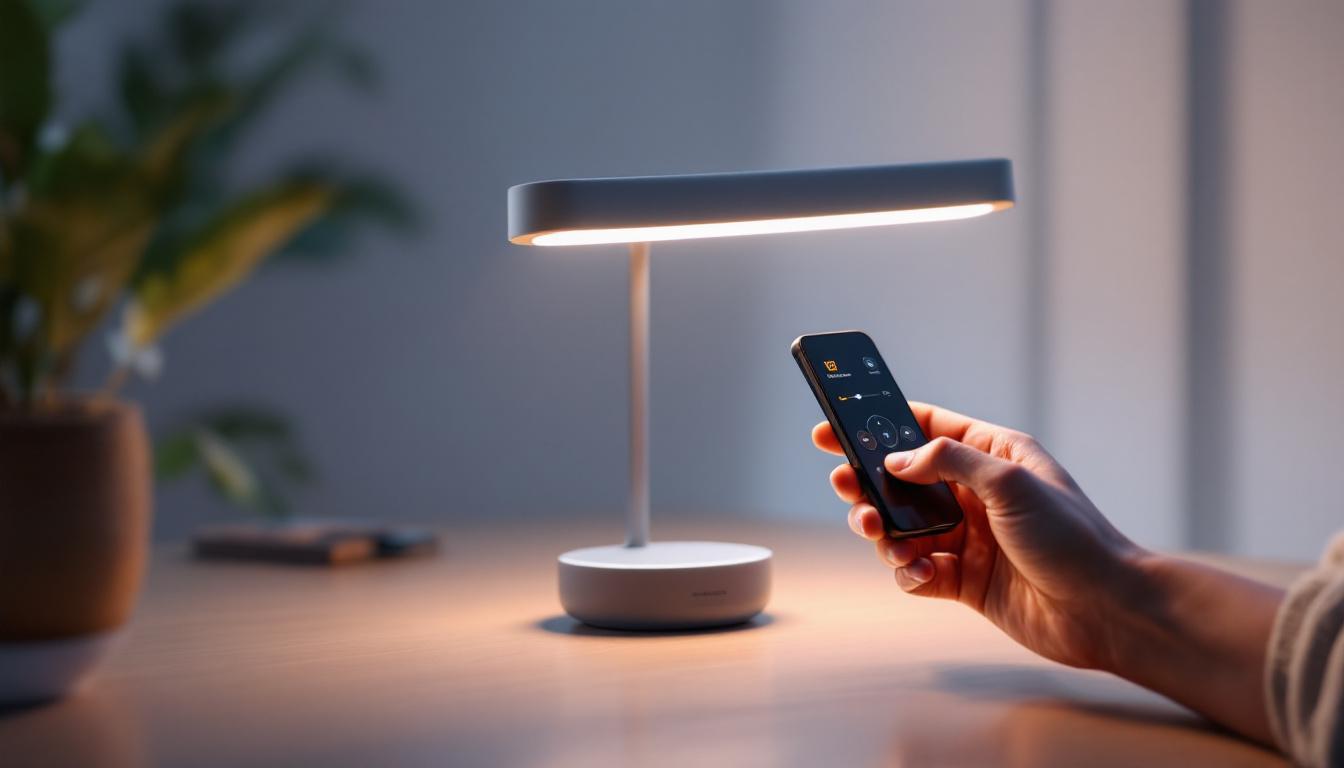
Moreover, LED displays are increasingly being integrated with smart technology, enabling features such as remote management and real-time content updates. This integration allows businesses to tailor their messaging instantly based on audience engagement or environmental factors, enhancing the effectiveness of their communication strategies. As the demand for interactive and immersive experiences grows, LED displays continue to evolve, incorporating touch-sensitive capabilities and augmented reality features that further enrich the viewer’s experience.
Understanding LED Screen Sizes
When discussing LED screen sizes, it’s important to consider several key factors, including physical dimensions, pixel pitch, resolution, and viewing distance. These elements collectively determine the quality and effectiveness of the display.
Physical Dimensions
The physical size of an LED screen is typically measured in width and height, expressed in meters or feet. LED screens can be custom-built to almost any size, from a 1-meter by 1-meter indoor display to a 20-meter by 10-meter outdoor billboard. The size you choose depends largely on the intended viewing environment and content. For instance, smaller screens are ideal for intimate settings like retail stores or conference rooms, where close-up viewing is common, while larger screens are suited for stadiums or public squares, where they need to capture the attention of a larger audience from a distance.
Additionally, the aspect ratio of the screen plays a crucial role in its application. Common aspect ratios include 16:9 for widescreen displays and 4:3 for traditional formats. Depending on the content being displayed, such as videos, presentations, or advertisements, selecting the right aspect ratio can enhance the viewing experience and ensure that the visuals are presented in the most effective manner. This consideration is particularly important in environments where multiple screens are used in conjunction, as maintaining a consistent aspect ratio across displays can contribute to a harmonious visual presentation.
Pixel Pitch and Resolution
Pixel pitch refers to the distance between the centers of two adjacent LED pixels, usually measured in millimeters. A smaller pixel pitch means more pixels per square meter, resulting in higher resolution and sharper images. For example, an indoor LED screen might have a pixel pitch of 1.5mm to 4mm, while outdoor screens typically have a larger pitch, such as 10mm to 20mm, to accommodate longer viewing distances. This distinction is crucial for applications where image clarity is paramount, such as in high-definition broadcasts or detailed graphical displays.
Resolution is the total number of pixels displayed horizontally and vertically. Higher resolution screens provide clearer and more detailed images but require more processing power and can be more expensive. Choosing the right pixel pitch and resolution is critical for ensuring optimal image quality based on the viewing distance and screen size. Furthermore, advancements in technology have led to the development of ultra-high-definition (UHD) screens, which boast resolutions of 4K and even 8K. These screens are increasingly popular in settings like museums and art galleries, where the fidelity of the displayed content can significantly enhance the viewer’s experience.
Viewing Distance
The ideal viewing distance is the minimum distance from which the human eye can comfortably view the screen without noticing pixelation. As a rule of thumb, the viewing distance should be roughly 1.5 to 2 times the pixel pitch in millimeters. For example, a screen with a 4mm pixel pitch is best viewed from 6 to 8 meters away. This relationship helps determine the appropriate pixel pitch and size for a given application. Understanding this distance is particularly important in venues like theaters or auditoriums, where seating arrangements can vary widely, and ensuring that all attendees have a good view of the screen is essential.
Moreover, the viewing angle is another critical factor to consider. LED screens can have varying degrees of viewing angles, which affect how well the content can be seen from different positions. A wider viewing angle is beneficial in crowded spaces, ensuring that more viewers can enjoy the display without distortion or color shift. This is especially relevant for outdoor installations, where sunlight and ambient lighting can impact visibility. Therefore, when selecting an LED screen, it’s important to evaluate both the viewing distance and angle to ensure that the display meets the needs of the intended audience effectively.
Common LED Screen Sizes and Their Applications
LED screens come in a wide range of sizes, each suited for specific environments and uses. Below are some common screen sizes and typical applications to help contextualize their usage.
Small LED Screens (Up to 2m²)
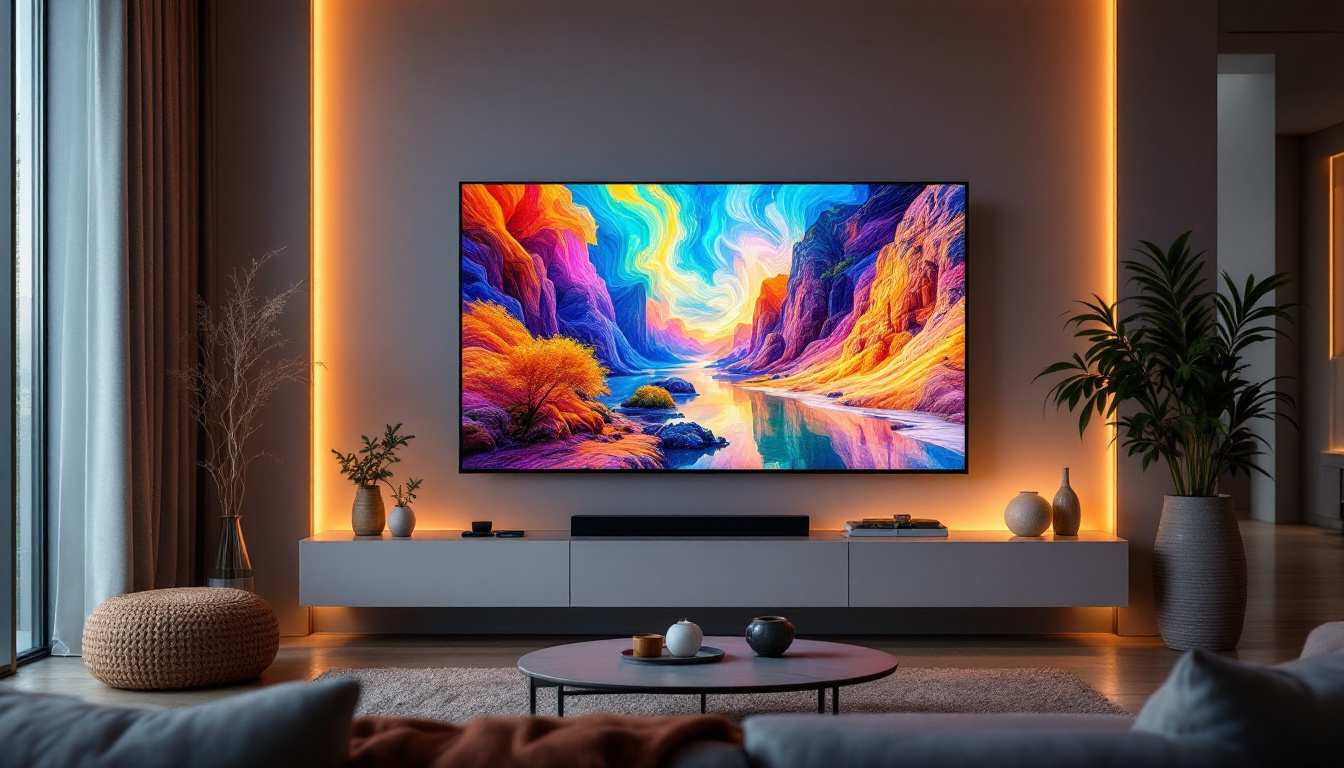
Small LED screens, typically less than 2 square meters, are ideal for indoor use in retail stores, corporate offices, and small event venues. These screens often feature fine pixel pitches (1.5mm to 3mm) to deliver high-resolution images in close viewing environments.
For instance, a 1.5m by 1.2m LED display with a 2mm pixel pitch is perfect for digital signage in shopping malls, menu boards in restaurants, or information displays in airports and train stations. Their compact size allows for easy installation and flexibility in placement.
Medium LED Screens (2m² to 20m²)
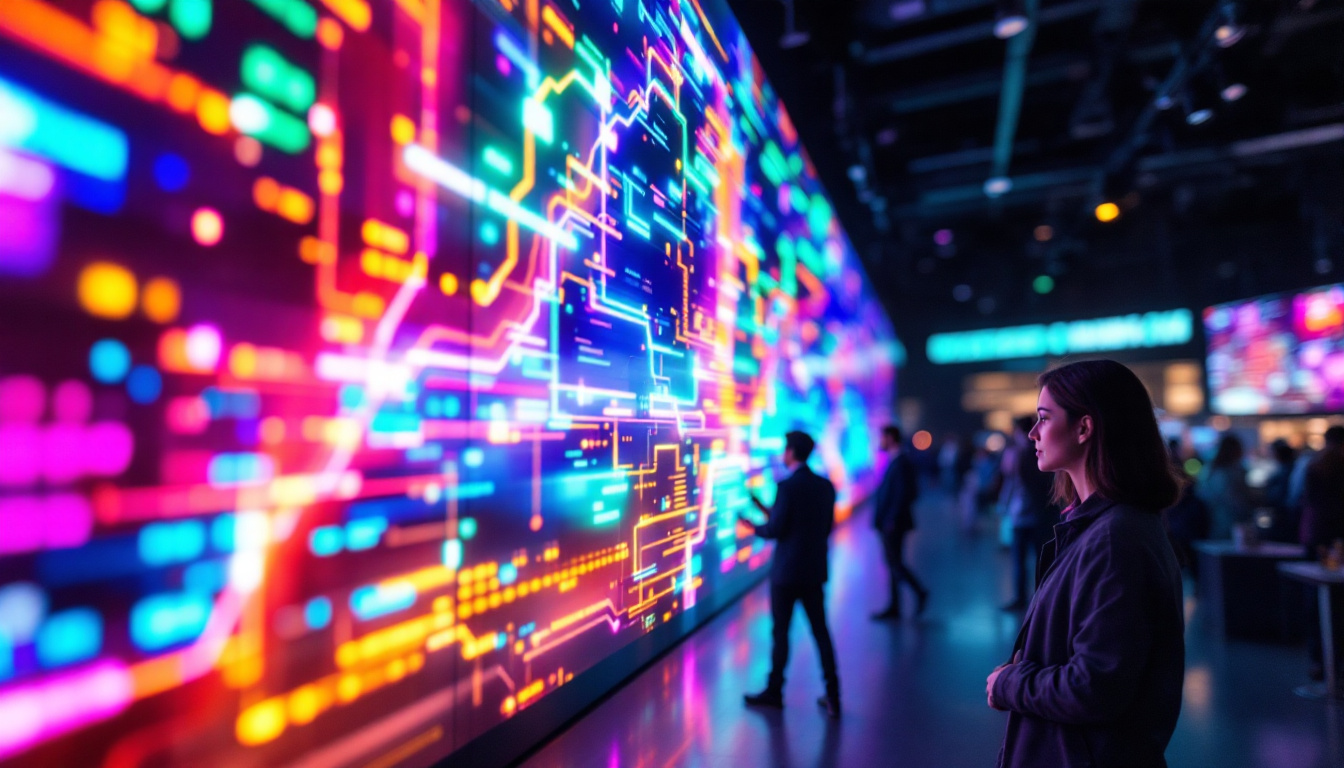
Medium-sized LED screens are commonly used in conference rooms, auditoriums, and mid-sized retail spaces. These screens often range from 2 to 20 square meters and balance resolution with size to accommodate a broader audience.
A popular example is a 4m by 3m LED video wall with a 4mm pixel pitch, suitable for corporate presentations, live event backdrops, and indoor advertising. These screens provide clear visuals from moderate distances, typically 6 to 12 meters.
Large LED Screens (Over 20m²)
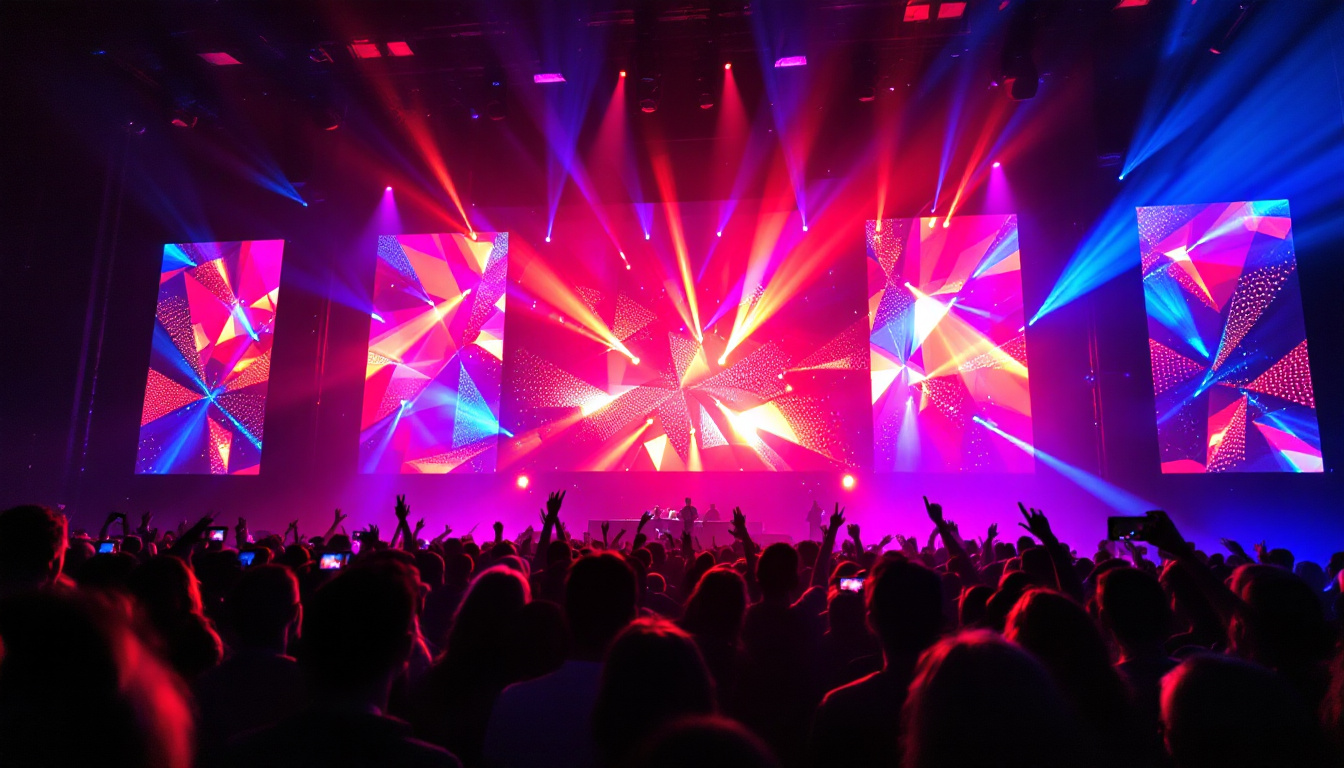
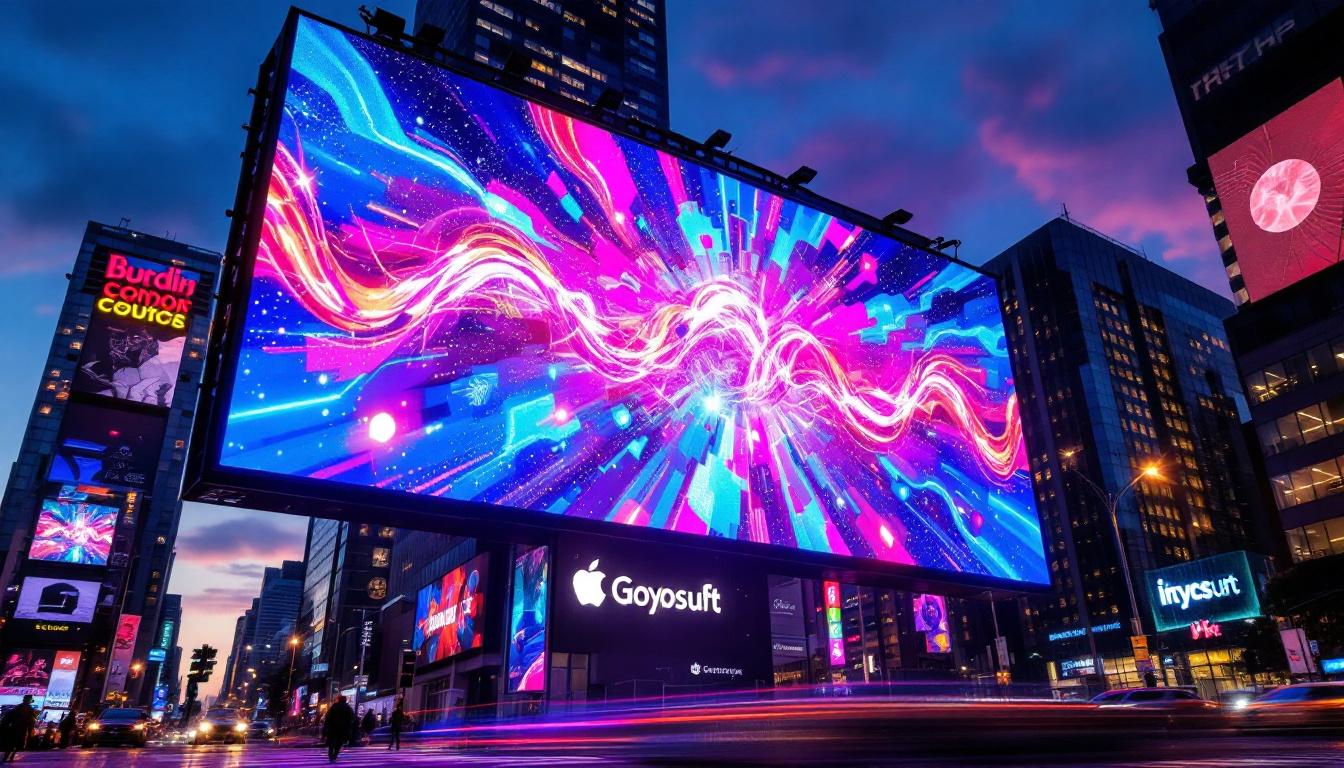
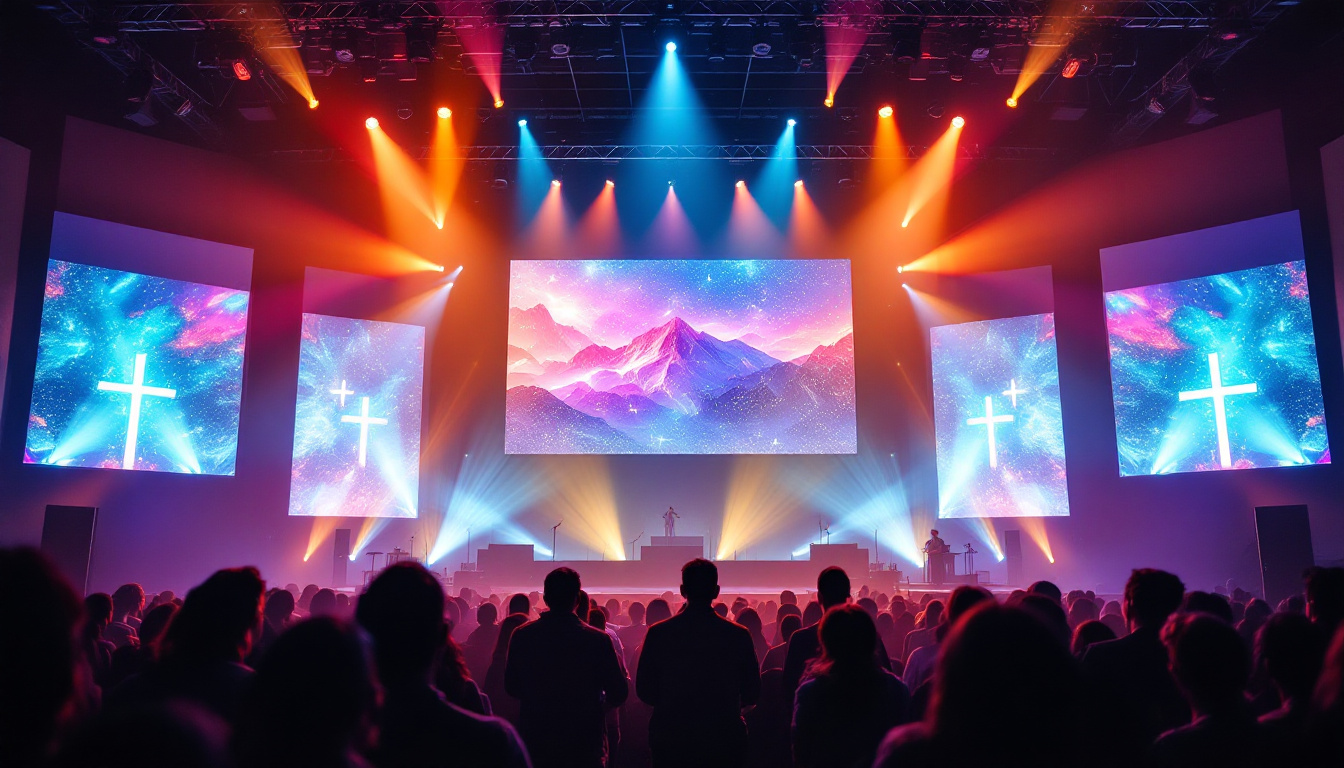
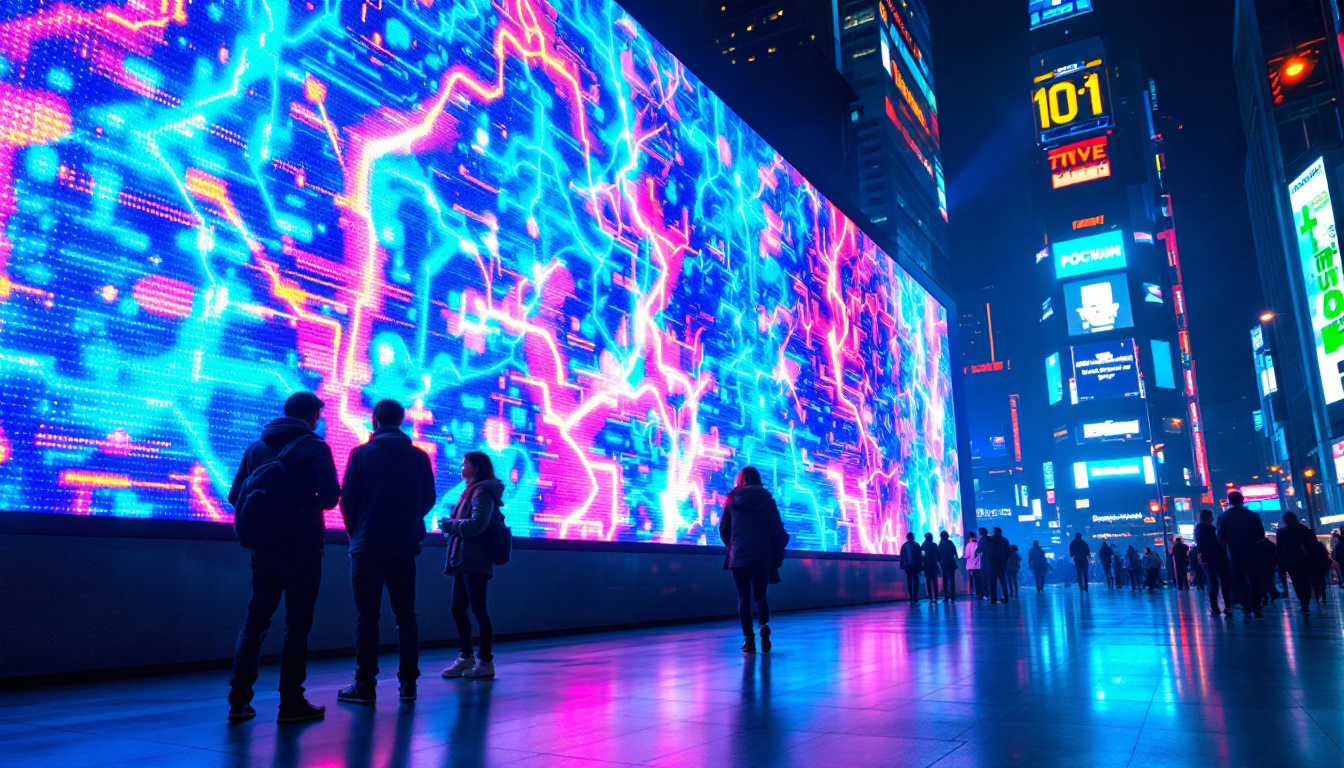
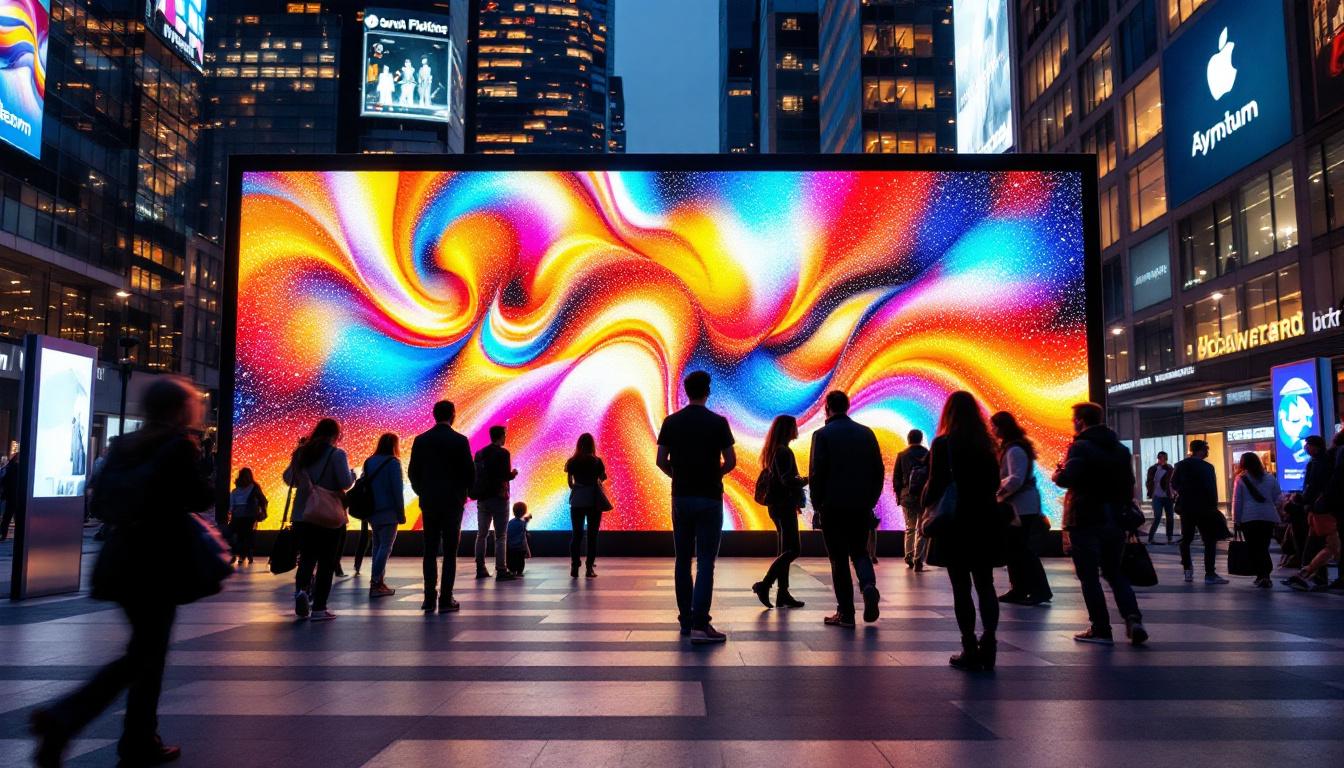
Large LED screens are designed for outdoor environments such as stadiums, concert venues, and large public squares. These displays can exceed 100 square meters and use larger pixel pitches (10mm to 20mm) to ensure visibility from long distances.
For example, a 15m by 10m LED billboard with a 16mm pixel pitch can be seen clearly from over 100 meters away, making it ideal for highway advertising or large-scale event broadcasting. The robust construction of these screens ensures durability against weather and environmental factors.
Factors to Consider When Choosing LED Screen Sizes
Selecting the right LED screen size involves more than just picking a physical dimension. Several critical factors influence the decision-making process to ensure the display meets performance expectations and budget constraints.
Purpose and Content Type
The type of content you plan to display plays a significant role in determining the screen size and resolution. High-definition video and detailed graphics require higher resolution screens with smaller pixel pitches, especially for close-up viewing. Conversely, simple text or basic images can be effectively displayed on larger pixel pitch screens.
Viewing Environment
Indoor and outdoor environments have vastly different requirements. Indoor screens benefit from higher resolution and lower brightness levels, while outdoor screens need to be brighter and weather-resistant. The ambient light, viewing angles, and distance all influence the optimal screen size and specifications.
Budget and Installation Constraints
LED displays can vary widely in cost depending on size, resolution, and features. Larger, higher-resolution screens are more expensive both to purchase and install. Additionally, structural support, power supply, and maintenance considerations can impact the overall budget. It’s essential to balance desired performance with practical financial and logistical constraints.
Emerging Trends in LED Screen Technology
The LED display industry is rapidly evolving, with innovations that enhance screen size flexibility, image quality, and energy efficiency.
MicroLED and MiniLED Technologies
MicroLED and MiniLED represent the next generation of LED displays, offering even smaller pixel pitches and improved brightness. MicroLED, in particular, enables ultra-high resolution with excellent color accuracy and contrast, making it ideal for premium indoor applications such as control rooms and luxury retail.
Flexible and Curved LED Screens
Advancements in LED module design have enabled the creation of flexible and curved screens, allowing for creative and immersive display shapes. These are increasingly used in architectural installations, retail environments, and experiential marketing to capture audience attention in novel ways.
Energy Efficiency and Sustainability
Modern LED displays consume significantly less power than older technologies, and manufacturers are focusing on sustainability by using recyclable materials and reducing heat output. This trend not only lowers operational costs but also aligns with growing environmental responsibility standards.
Conclusion: Choosing the Right LED Screen Size
LED displays are a powerful tool for communication, capable of captivating audiences with vibrant visuals and dynamic content. Understanding the nuances of LED screen sizes—from pixel pitch and resolution to viewing distance and application environment—is essential for making an informed choice.
Whether selecting a small indoor display for a retail store or a massive outdoor billboard for a sports stadium, the key is to balance size, resolution, and budget to meet the specific needs of the project. Keeping abreast of emerging technologies and trends can also provide opportunities to enhance visual impact and operational efficiency.
Ultimately, the right LED screen size not only delivers stunning visuals but also maximizes engagement, ensuring that your message is seen and remembered.
Discover the Perfect LED Screen with LumenMatrix
Ready to elevate your visual communication with the ideal LED display? LumenMatrix is at the forefront of LED display innovation, offering a comprehensive range of solutions tailored to your unique needs. From Indoor and Outdoor LED Wall Displays to specialized options like Vehicle, Sports, and Floor LED Displays, we have the technology to bring your vision to life. Embrace the future of digital signage with our Custom, All-in-One, and Transparent LED Displays, designed to captivate and engage your audience. Check out LumenMatrix LED Display Solutions today and transform your space with unparalleled clarity and impact.