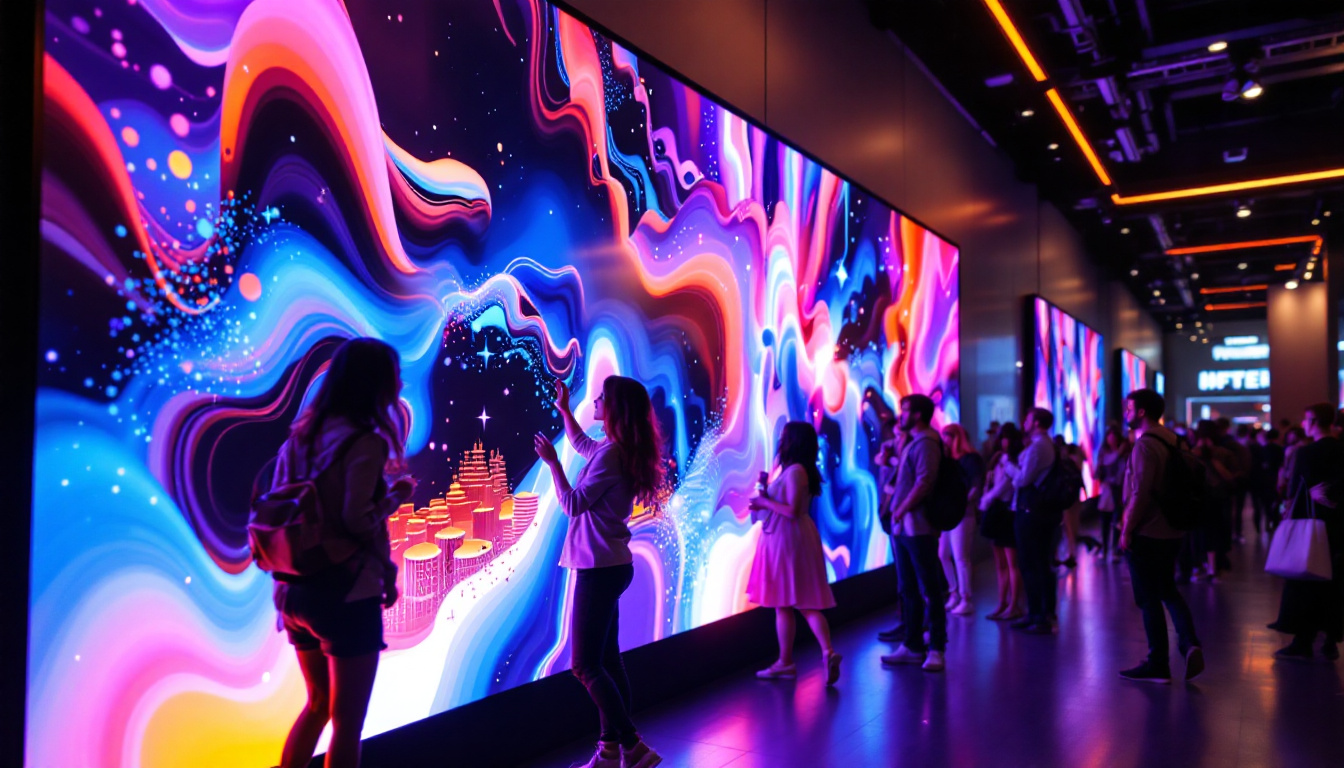
In the evolving landscape of audio-visual technology, the concept of a “Digital Sound Wall” has emerged as a revolutionary approach to immersive sound experiences. Combining sophisticated LED display technology with advanced audio systems, digital sound walls are transforming how venues, studios, and public spaces present sound and visuals. This article delves into the technology behind digital sound walls, their applications, and why they are becoming indispensable in modern multimedia environments.
What is a Digital Sound Wall?
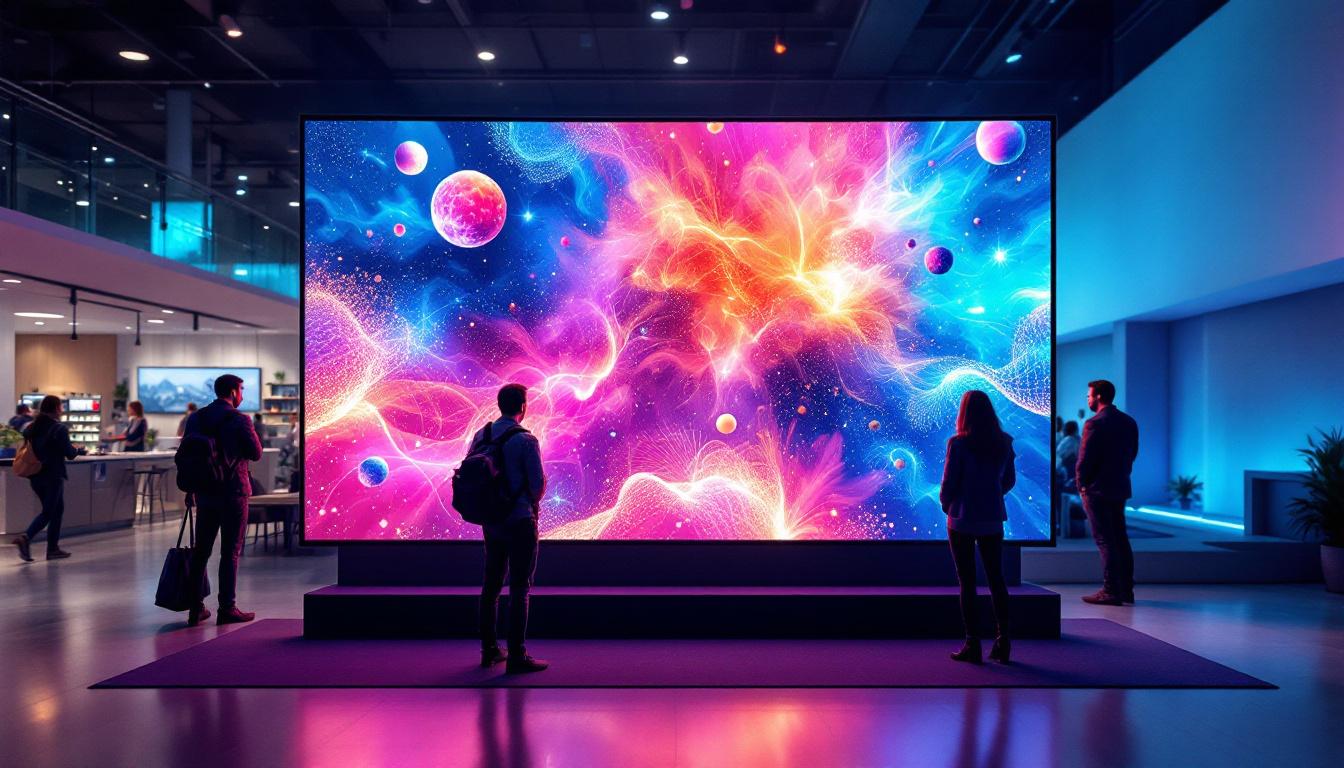
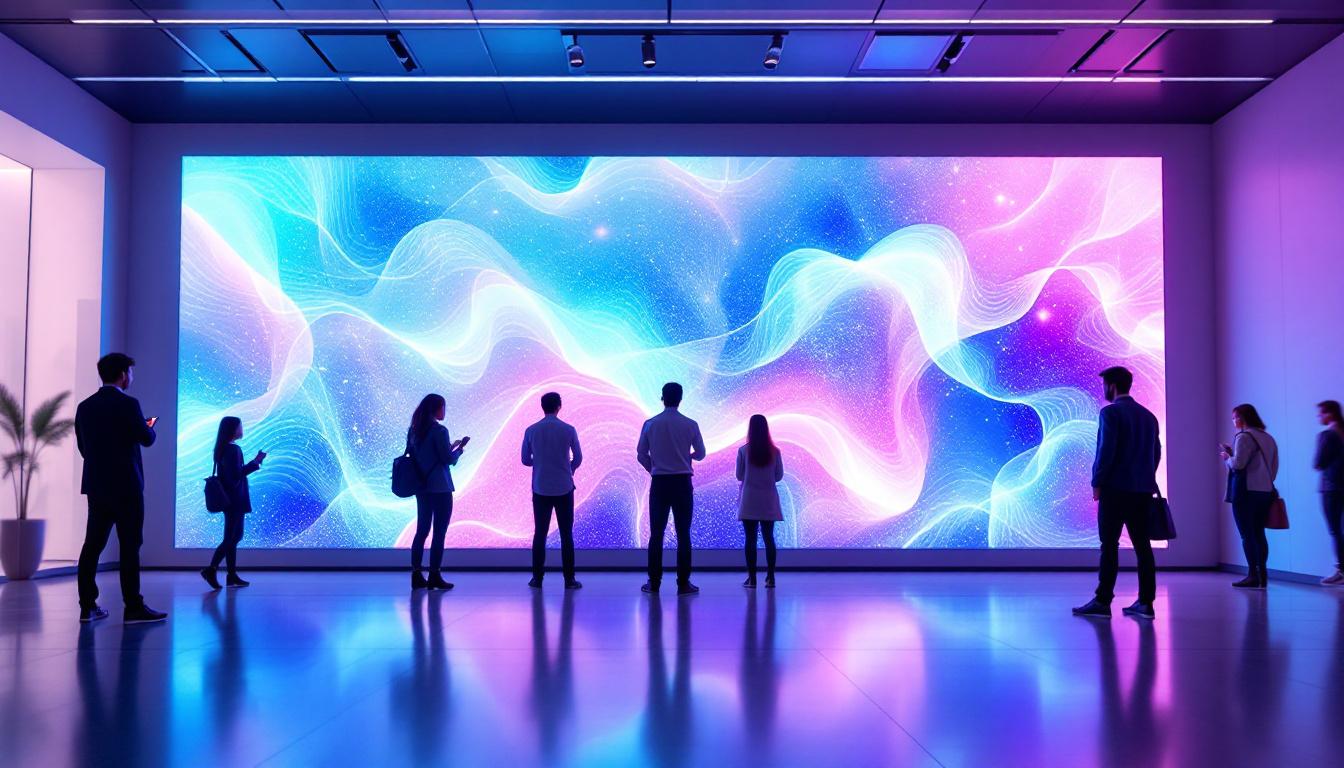
A digital sound wall is an integrated system that combines LED display panels with high-fidelity audio components to create an immersive, interactive audio-visual environment. Unlike traditional speaker setups that rely solely on sound projection, digital sound walls use visual elements to enhance the perception of sound, often synchronizing audio cues with dynamic LED visuals.
This integration allows for a multidimensional experience where sound is not just heard but also seen, making it particularly effective in environments where engagement and sensory impact are critical. The term “sound wall” originally referred to physical barriers designed to block or absorb noise, but in the digital context, it signifies a seamless blend of sound and light technologies.
Core Components of a Digital Sound Wall
The fundamental components of a digital sound wall include:
- LED Display Panels: High-resolution LED panels capable of displaying vibrant visuals that can be synchronized with audio output.
- Audio System: This includes speakers, amplifiers, and digital signal processors (DSPs) designed to deliver clear and spatially accurate sound.
- Control Software: Sophisticated software platforms that manage the synchronization of audio and visual elements, often allowing real-time adjustments and interactive features.
- Sensors and Microphones: In some advanced setups, these components capture environmental sound or user interaction to dynamically adjust the output.
In addition to these core components, digital sound walls often incorporate advanced technologies such as augmented reality (AR) and virtual reality (VR) elements. These enhancements can create even more immersive experiences, allowing users to interact with the sound wall in ways that were previously unimaginable. For example, users might be able to manipulate sound and visuals through gestures or mobile applications, creating a personalized experience that adapts to their preferences and actions.
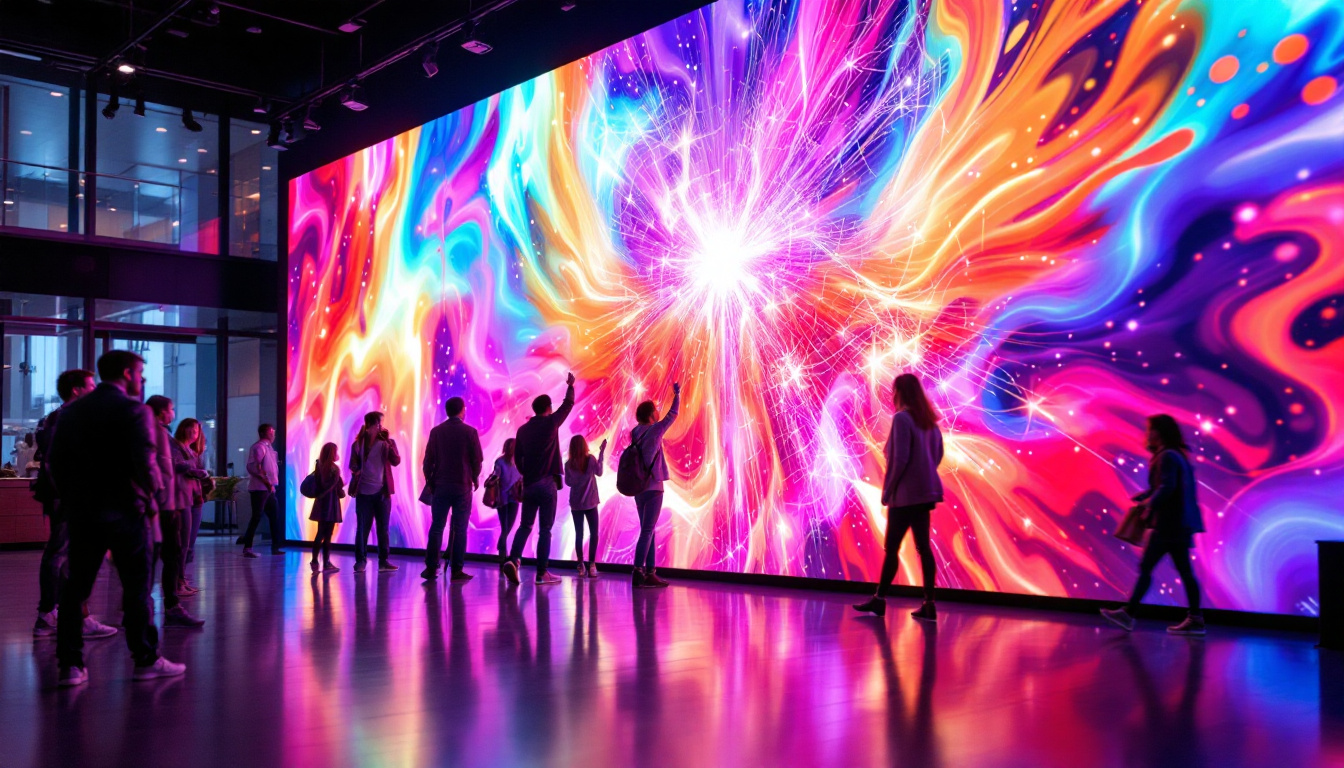
Furthermore, the applications of digital sound walls are diverse and expanding rapidly. They can be found in various settings, including museums, concert venues, corporate environments, and even public spaces like parks and plazas. In museums, digital sound walls can enhance exhibitions by providing contextually relevant soundscapes that complement visual displays, while in corporate settings, they can be used for dynamic presentations that captivate audiences. The versatility of these systems makes them a powerful tool for storytelling and engagement, bridging the gap between technology and human experience.
How LED Technology Enhances Sound Experience
LED displays have revolutionized visual communication, but their role in sound systems is equally transformative. By pairing LED technology with audio, digital sound walls create a synesthetic experience where sound and visuals complement each other.
Visualizing Sound Waves and Frequencies
One of the most compelling uses of LED displays in sound walls is the visualization of sound waves and frequencies. This can be particularly useful in educational settings, music production studios, or live performances, where seeing the sound’s shape and intensity adds an extra layer of understanding and engagement.
For example, during a live concert, LED panels can display real-time frequency spectrums or waveform animations that react to the music, enhancing the audience’s sensory experience. This visual feedback can also help sound engineers fine-tune audio outputs more effectively.
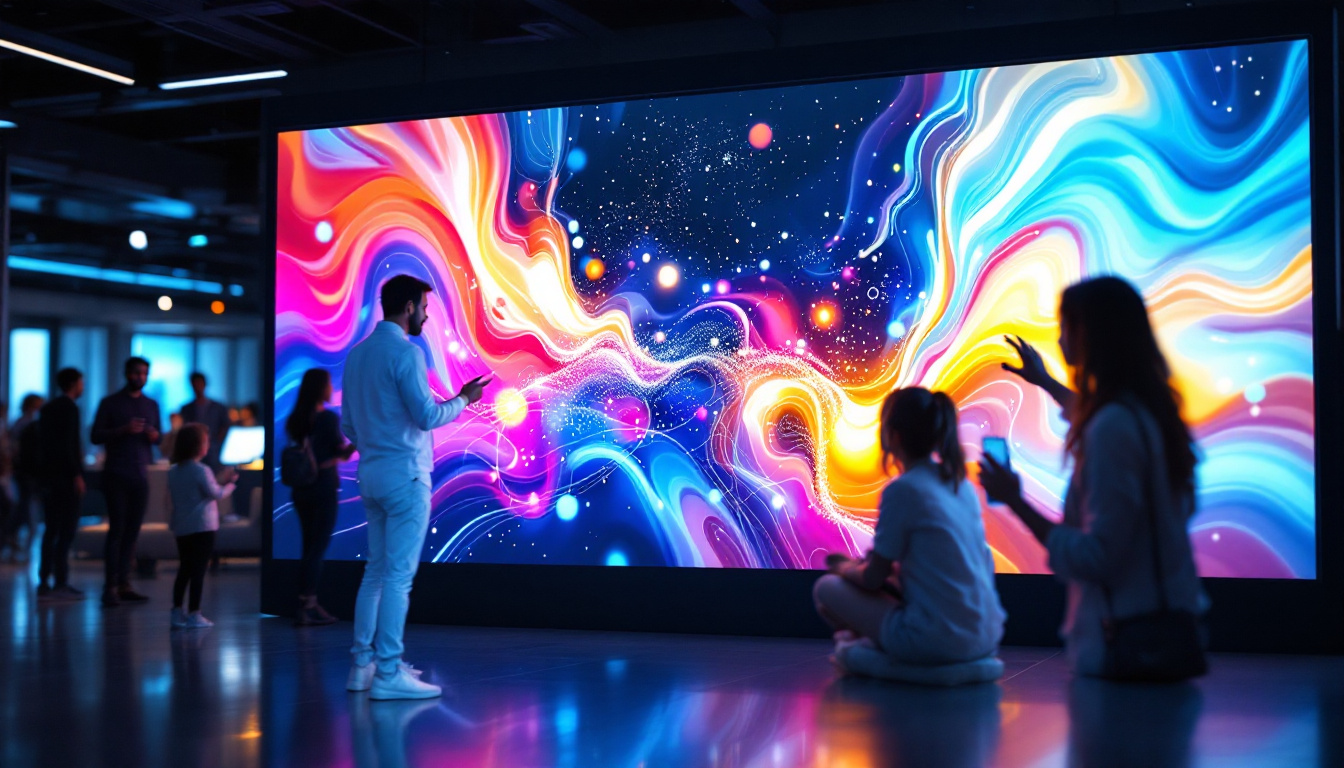
Moreover, the integration of LED technology allows for interactive installations where audiences can influence the visuals based on their movements or vocal inputs. This not only captivates the audience but also fosters a deeper connection between them and the performance, transforming passive listeners into active participants in the auditory journey.
Creating Ambiance and Mood
LED displays can project colors, patterns, and images that correspond to the mood or theme of the audio content. This capability is widely used in environments such as nightclubs, theaters, and corporate events, where creating the right ambiance is essential.
By adjusting brightness, color temperature, and animation speed, digital sound walls can evoke emotions that complement the sound, making the overall experience more immersive and memorable.
Additionally, the versatility of LED technology allows for dynamic storytelling through visuals that align with the audio narrative. In theatrical productions, for instance, the backdrop can shift in real-time to reflect the emotional arc of the performance, enhancing the audience’s emotional engagement. This synergy between sound and visual storytelling not only captivates but also leaves a lasting impression, as viewers are drawn into a multi-sensory world that resonates long after the performance ends.
Applications of Digital Sound Walls
The versatility of digital sound walls means they have found applications across various industries. Their ability to merge sight and sound opens up new possibilities for communication, entertainment, and education.
Entertainment and Live Events
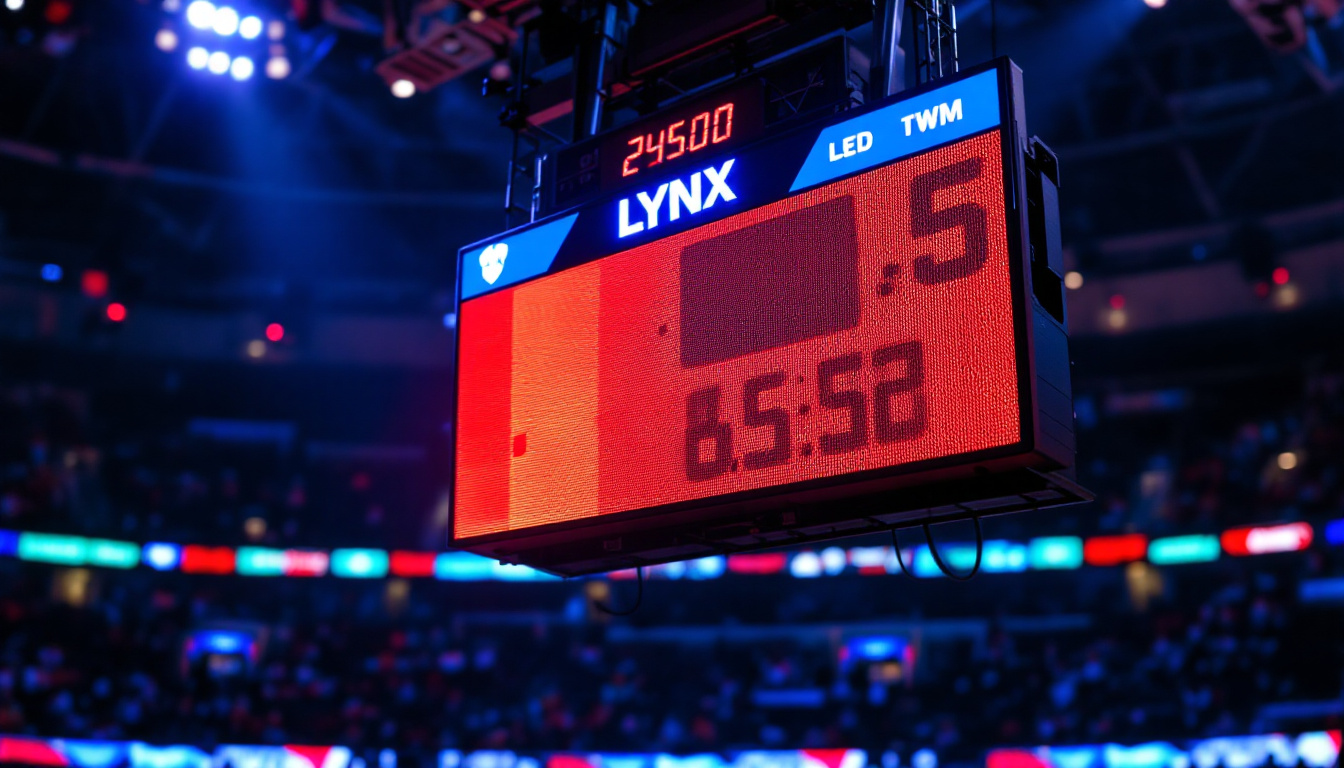
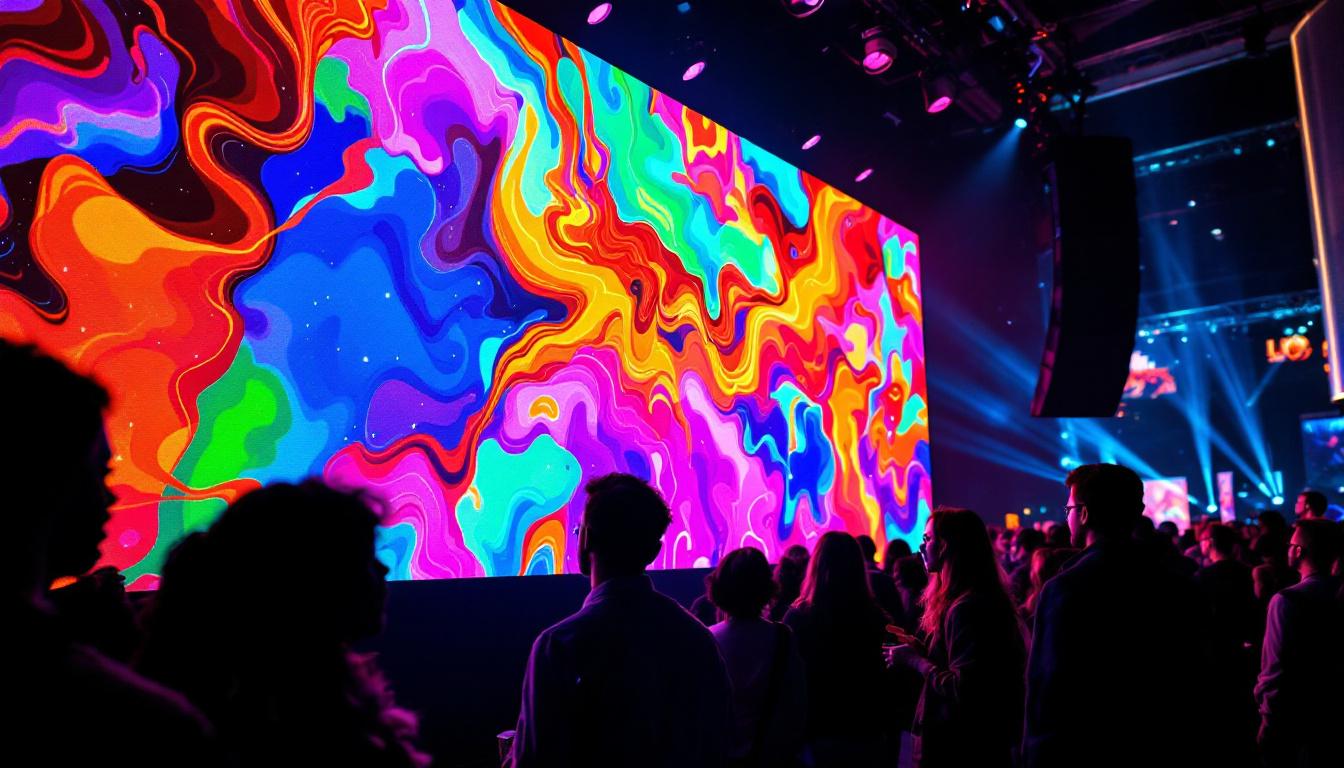
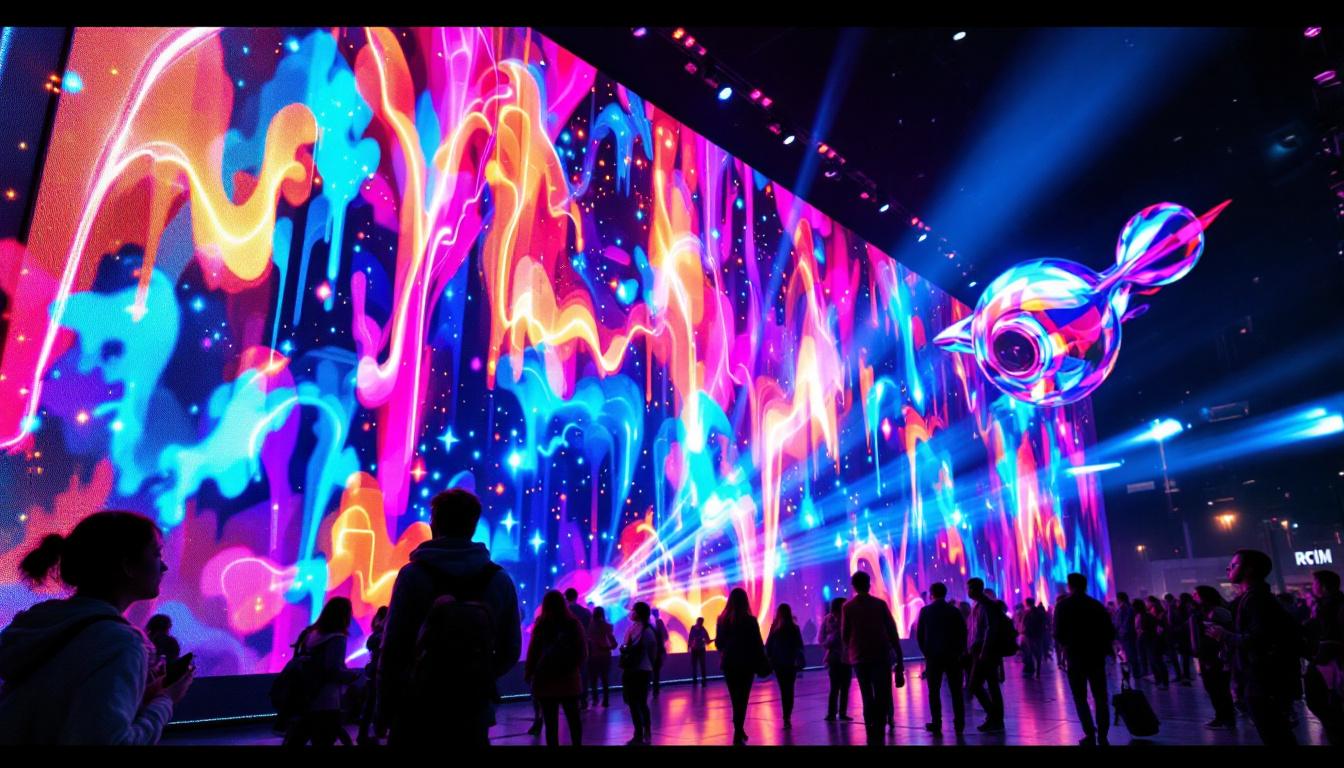
In concerts, festivals, and theater productions, digital sound walls are increasingly used to create spectacular visual effects that synchronize with live audio. This integration enhances audience engagement and can transform a performance into a fully immersive experience.
For instance, major music festivals often employ massive LED walls that display real-time visuals reacting to the music’s tempo and intensity, creating a dynamic environment that captivates thousands of attendees simultaneously.
Corporate and Commercial Spaces
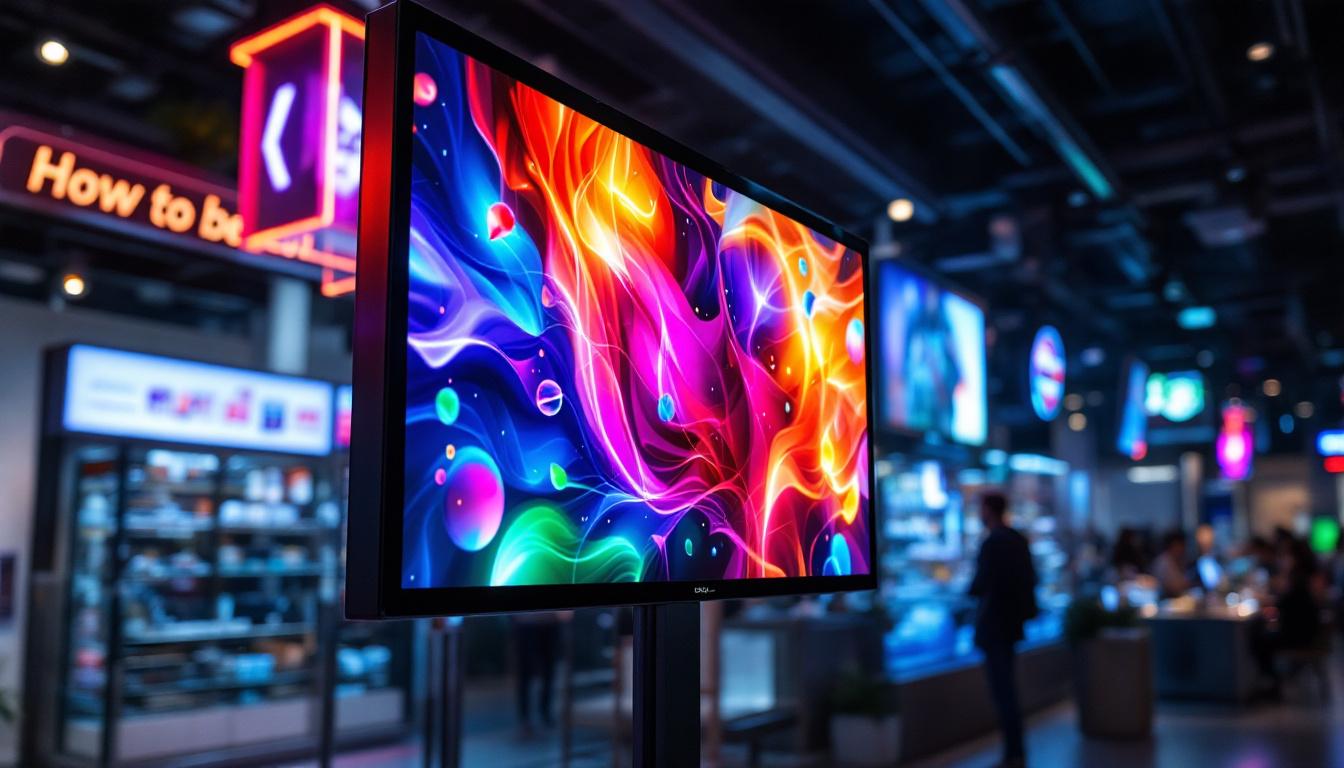
Businesses are leveraging digital sound walls in lobbies, conference rooms, and retail environments to communicate brand messages more effectively. The combination of sound and visuals helps capture attention and can influence customer behavior.
For example, retail stores use LED sound walls to play promotional videos with synchronized audio, enhancing the sensory appeal of their products. In corporate settings, these walls can be used for presentations, virtual meetings, or interactive displays that engage employees and clients alike.
Educational and Training Environments
Digital sound walls are valuable tools in classrooms and training centers where audio-visual learning is essential. By visualizing sound and providing interactive features, these walls help students grasp complex concepts in subjects like physics, music, and language learning.
Moreover, in professional training scenarios such as pilot simulators or medical education, integrating sound with visual cues improves situational awareness and retention of information.
Technical Considerations When Implementing a Digital Sound Wall
Deploying a digital sound wall requires careful planning and consideration of several technical factors to ensure optimal performance and user experience.
LED Panel Resolution and Refresh Rate
The resolution of LED panels directly impacts the clarity and detail of the visuals displayed. High-resolution panels are essential for close viewing distances or detailed content, while lower resolutions may suffice for large venues where viewers are farther away.
Additionally, the refresh rate of the LED display affects the smoothness of animations and the synchronization with audio signals. A higher refresh rate reduces flicker and latency, which is crucial for real-time audio-visual synchronization.
Audio Quality and Speaker Placement
High-quality speakers and precise placement are critical for delivering clear, immersive sound. Digital sound walls often use line array speakers or distributed audio systems to ensure even sound coverage across the audience area.
Acoustic treatment of the environment also plays a role in minimizing echoes and reverberations that can degrade sound quality. Integrating the audio system with the LED display’s control software allows for fine-tuning and adaptive sound management.
Synchronization and Latency Management
One of the biggest challenges in digital sound walls is maintaining perfect synchronization between audio and visual elements. Latency, or delay, in either system can cause noticeable mismatches that disrupt the immersive experience.
Advanced control systems use time-stamping, buffering, and real-time processing to align audio and video streams precisely. Network infrastructure and hardware capabilities must support low-latency data transmission to achieve this.
Future Trends in Digital Sound Walls
As technology advances, digital sound walls are poised to become even more sophisticated, offering new functionalities and applications.
Integration with Artificial Intelligence and Machine Learning
AI and machine learning algorithms are being developed to analyze audio content and environmental factors in real-time, enabling digital sound walls to adapt dynamically. For example, AI can adjust visual themes based on the mood of the music or optimize sound levels according to ambient noise.
Such intelligent systems will enhance user interaction and personalization, making digital sound walls more responsive and engaging.
Augmented Reality (AR) and Virtual Reality (VR) Synergies
The convergence of digital sound walls with AR and VR technologies promises to create fully immersive environments where users can interact with both sound and visuals in three-dimensional space.
This could revolutionize entertainment, training, and even remote collaboration by providing sensory-rich experiences that go beyond traditional screens and speakers.
Energy Efficiency and Sustainability
With growing emphasis on sustainability, future digital sound walls are expected to incorporate energy-efficient LED panels and audio components. Innovations in low-power electronics and smart energy management systems will reduce operational costs and environmental impact.
Conclusion
The digital sound wall represents a significant leap forward in the integration of audio and visual technologies. By harnessing the power of LED displays and advanced sound systems, these walls create immersive, engaging environments that enhance communication, entertainment, and education.
As the technology continues to evolve, digital sound walls will become more intelligent, interactive, and sustainable, opening new horizons for how sound and light can be experienced together. For businesses, educators, and event organizers, investing in digital sound walls offers a compelling way to captivate audiences and deliver memorable sensory experiences.
Discover the Future of Immersive Experiences with LumenMatrix
Ready to elevate your space with the cutting-edge integration of sound and light? LumenMatrix is at the forefront of LED display innovation, offering a diverse range of solutions that bring your audio-visual experiences to life. From Indoor and Outdoor LED Walls to Custom and Transparent Displays, our technology is designed to captivate and engage. Don’t just take our word for it; see the difference for yourself. Check out LumenMatrix LED Display Solutions and join the revolution in visual communication.