In the dynamic world of event production and large-scale visual presentations, LED displays have become a cornerstone technology. Their ability to deliver vivid, high-resolution images and videos in various environments has revolutionized how audiences engage with content. A critical yet often overlooked component in the success of these installations is the ground support truss system. This article explores the intricacies of ground support trusses, their role in LED display setups, and why they are essential for safety, flexibility, and performance.
Understanding Ground Support Truss Systems
At its core, a ground support truss is a structural framework designed to support LED displays from the ground rather than suspending them from overhead rigging points. This system is especially popular in outdoor events, concerts, trade shows, and exhibitions where overhead rigging may be impractical or unavailable. The versatility of ground support trusses allows event planners to create dynamic visual experiences without the constraints of existing infrastructure, making them an essential tool in the production toolkit.
Typically constructed from lightweight yet durable materials like aluminum alloy, ground support trusses offer a balance between strength and portability. Their modular design allows for various configurations, accommodating LED screens of different sizes and weights. This adaptability not only makes setup and teardown more efficient but also enhances the creative possibilities for staging and display arrangements, enabling designers to experiment with different layouts that can captivate audiences.
Key Components of Ground Support Trusses
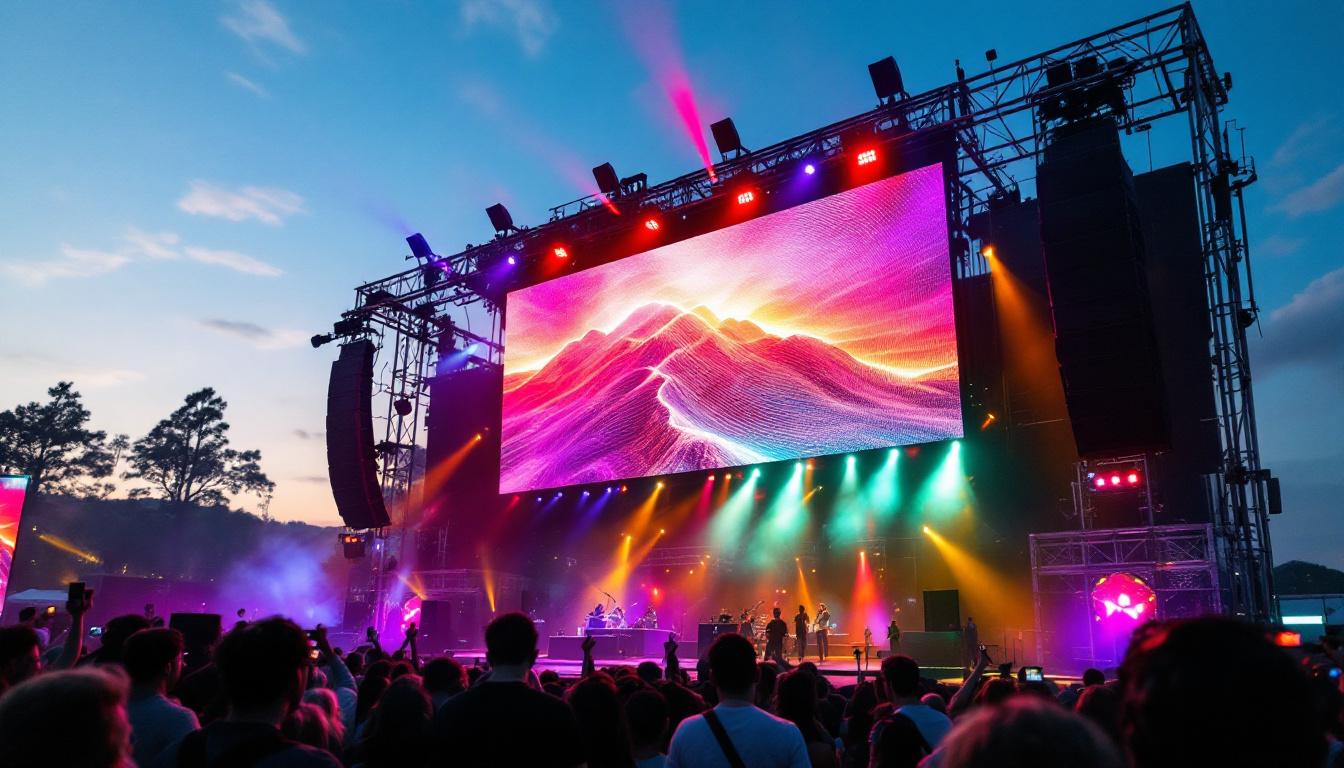
A standard ground support truss system includes vertical towers, horizontal cross beams, base plates or ballast systems, and connecting hardware. The vertical towers provide the primary load-bearing capacity, while the cross beams support the LED panels. Base plates or ballast weights stabilize the entire structure, preventing tipping or movement due to wind or accidental contact. The careful engineering of these components ensures that the truss can withstand various environmental conditions, making it a reliable choice for outdoor applications.
Modern systems often integrate adjustable features such as height extensions and angle modifications, enabling precise positioning of LED displays to optimize audience viewing angles and sightlines. Additionally, many ground support trusses are designed with quick-release mechanisms, allowing for rapid assembly and disassembly. This feature is particularly advantageous for events with tight schedules, where time is of the essence. Furthermore, advancements in technology have led to the incorporation of smart features, such as load monitoring systems, which provide real-time data on the structural integrity of the truss, ensuring safety and performance throughout the event.
The Role of Ground Support Trusses in LED Display Installations
Ground support trusses serve multiple critical functions in LED display setups. Their importance extends beyond mere physical support; they contribute significantly to the overall safety, aesthetics, and operational efficiency of an event.
Safety and Stability
One of the foremost considerations in any LED display installation is safety. Ground support trusses provide a stable base that can withstand environmental factors such as wind loads and uneven terrain. This stability is crucial for outdoor events where unpredictable weather conditions can pose risks.
Engineering standards and safety codes often dictate the specifications for truss systems, including load ratings and anchoring requirements. Using certified ground support trusses ensures compliance with these regulations, protecting both the equipment and the audience. Furthermore, the trusses are often equipped with safety features such as safety cables and weight distribution systems that further enhance their reliability. These additional safety measures are essential, especially in high-traffic areas where large crowds gather, ensuring that the installation remains secure throughout the duration of the event.
Flexibility and Versatility
Unlike overhead rigging, which depends on existing structural points, ground support trusses offer unparalleled flexibility. They can be erected in open fields, parking lots, or indoor venues without ceiling infrastructure. This adaptability makes them ideal for temporary setups and touring productions.
Moreover, the modular nature of these trusses allows for creative configurations. Event designers can build curved, angled, or multi-level LED walls, enhancing the visual impact and audience engagement. The ability to customize the layout not only maximizes visibility from various angles but also allows for thematic designs that can transform a space dramatically. For instance, during a music festival, the trusses can be arranged to create immersive environments that complement the performance, drawing the audience into a captivating visual experience that resonates with the event’s theme.
Ease of Installation and Maintenance
Ground support truss systems are designed for relatively quick assembly and disassembly. This efficiency reduces labor costs and downtime between events. Additionally, since the LED panels are mounted at accessible heights, maintenance and troubleshooting become more straightforward compared to suspended displays.
This ease of access not only facilitates routine maintenance but also allows for rapid upgrades or changes to the display setup. In fast-paced environments like corporate events or live broadcasts, the ability to swiftly swap out panels or adjust configurations can be a game-changer. Furthermore, many modern ground support trusses come with integrated cable management systems, which help keep the setup tidy and organized, minimizing the risk of accidents caused by loose cables and enhancing the overall aesthetic of the installation.
Technical Considerations When Choosing a Ground Support Truss
Selecting the appropriate ground support truss system for an LED display involves evaluating several technical factors to ensure optimal performance and safety.
Load Capacity and Weight Distribution
The total weight of the LED display, including panels, cabling, and any additional equipment, must be accurately calculated. Ground support trusses are rated for specific load capacities, and exceeding these limits can compromise structural integrity.
Proper weight distribution across the truss system is equally important. Uneven loads can cause stress concentrations, leading to potential failure points. Engineers often use load simulation software to model and verify the distribution before installation. This software can take into account various scenarios, such as dynamic loads from wind or vibrations from nearby equipment, ensuring that the truss system can handle unexpected stresses. Additionally, regular inspections and maintenance checks are crucial to identify any wear or damage that could affect load distribution over time.
Environmental Factors
Outdoor events expose truss systems to wind, rain, and temperature fluctuations. Wind load calculations are critical, especially for tall or large LED walls. Ballast systems or ground anchors are employed to counteract these forces.
Materials used in the truss must also resist corrosion and wear. Aluminum alloys with protective coatings are common choices for their durability and lightweight properties. In regions prone to extreme weather conditions, such as heavy snowfall or intense heat, it may be necessary to select truss systems designed specifically for those environments. Furthermore, the choice of materials can also impact the overall aesthetic of the installation, as some finishes can enhance the visual appeal of the display while still providing the necessary structural support.
Compatibility with LED Panels and Accessories
Not all ground support trusses are universally compatible with every LED panel model. The mounting hardware and connection points must align with the specific display’s design. Additionally, considerations for cable management, power supplies, and control systems influence the choice of truss configurations.
Moreover, the integration of accessories such as lighting fixtures, cameras, or sound equipment can further complicate compatibility. Each accessory adds additional weight and may require specific mounting solutions, which must be accounted for in the truss design. It’s also essential to consider future upgrades or changes to the LED display setup, as a flexible truss system can accommodate new technologies or configurations without necessitating a complete overhaul. This forward-thinking approach ensures that the investment in a ground support truss remains viable over time, adapting to the evolving needs of the event production landscape.
Case Studies: Ground Support Trusses in Action
Examining real-world applications highlights the practical benefits and challenges of using ground support truss systems for LED displays.
Music Festivals and Outdoor Concerts
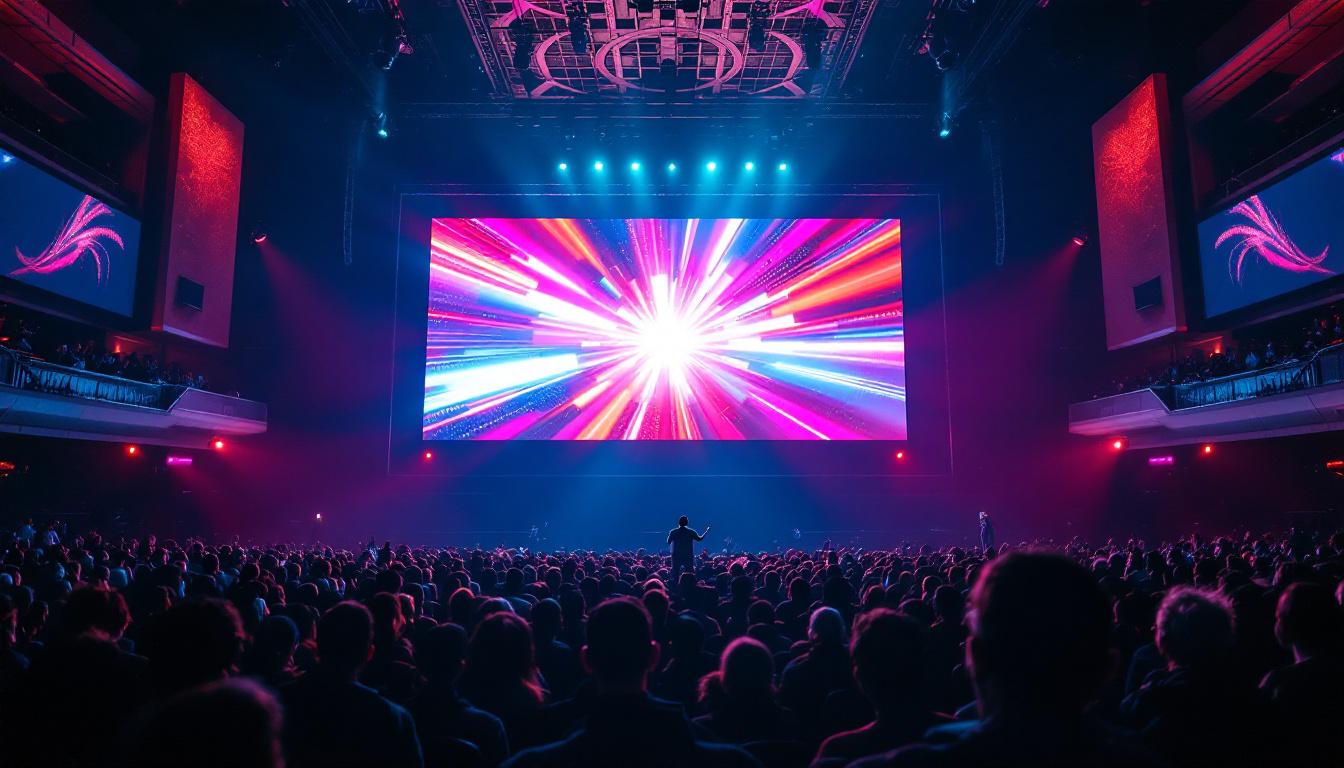
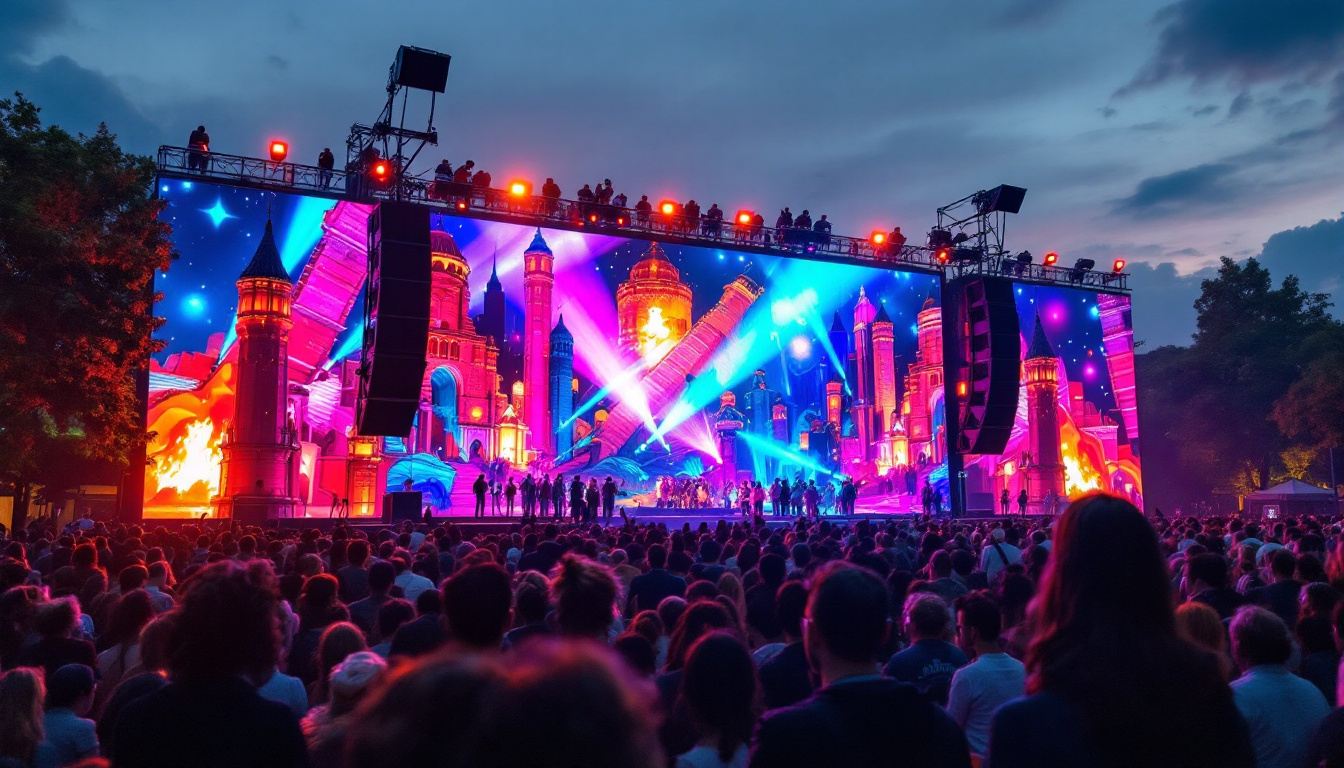
Large-scale music festivals often deploy massive LED walls to enhance the visual experience. Ground support trusses enable the creation of expansive screens that can be positioned strategically around the stage. For example, the Coachella Valley Music and Arts Festival utilizes ground support systems to erect LED displays that withstand desert winds and provide clear sightlines to tens of thousands of attendees.
These setups require robust engineering to ensure safety and reliability over multiple days of performances, often under extreme weather conditions.
Sports Events and Stadium Installations
In stadiums lacking sufficient overhead rigging points, ground support trusses provide a practical solution for temporary LED advertising boards and scoreboards. Their modularity allows for quick reconfiguration between events, accommodating different sports and audience sizes.
For instance, during international soccer tournaments, ground support trusses have been used to mount LED perimeter advertising that can be rapidly installed and removed without damaging the playing surface.
Corporate Events and Trade Shows
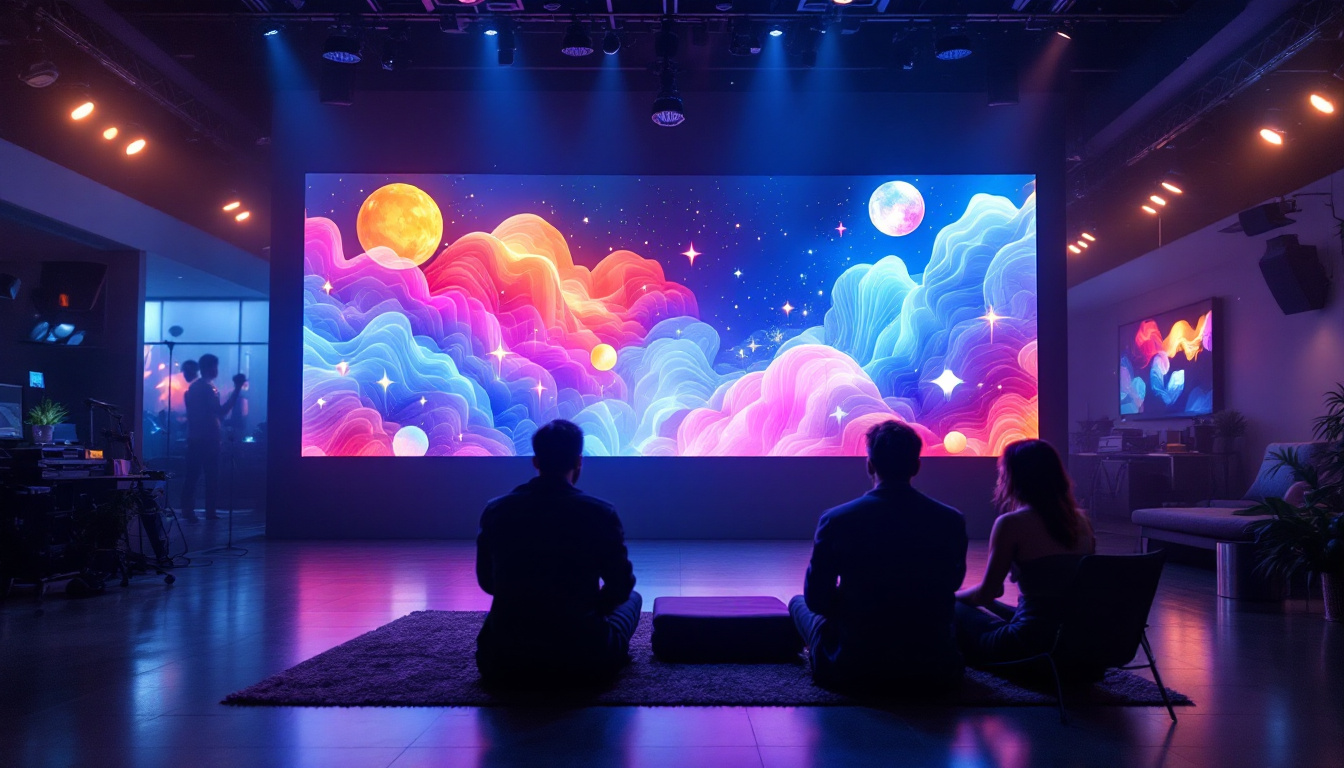
Indoor corporate events benefit from ground support trusses by enabling large LED video walls without relying on ceiling mounts, which may be restricted by venue policies. This flexibility allows event organizers to create immersive brand experiences with dynamic content displayed on high-quality screens.
Trade shows often use these systems to build eye-catching booths that attract visitors and facilitate presentations, demonstrating the versatility of ground support trusses in controlled environments.
Future Trends and Innovations in Ground Support Truss Systems
As LED technology and event production continue to evolve, ground support truss systems are also advancing to meet new demands.
Lightweight and High-Strength Materials
Research into advanced composites and alloys aims to reduce the weight of truss components without sacrificing strength. This innovation will improve transport efficiency and ease of assembly, especially for touring productions that require frequent setup and teardown.
Integrated Smart Features
Emerging designs incorporate sensors and IoT technology to monitor structural integrity in real-time. These smart trusses can alert operators to potential issues such as excessive loads or movement, enhancing safety and preventative maintenance.
Eco-Friendly and Sustainable Designs
Environmental considerations are increasingly influencing material selection and manufacturing processes. Recyclable materials and energy-efficient production methods are becoming standard, aligning with broader industry goals for sustainability.
Conclusion
Ground support truss systems are indispensable in the deployment of LED displays across a wide range of applications. Their ability to provide safe, flexible, and efficient support structures enables event producers and designers to push creative boundaries while ensuring audience safety and operational reliability.
Understanding the technical aspects, environmental considerations, and practical applications of ground support trusses empowers professionals to make informed decisions that optimize both performance and safety. As technology advances, these systems will continue to evolve, offering even greater capabilities and innovations in the field of LED display installations.
Explore Cutting-Edge LED Display Solutions with LumenMatrix
Ready to elevate your event with unparalleled visual experiences? Discover LumenMatrix’s innovative LED display technologies, crafted to bring your vision to life. From immersive Indoor LED Walls to dynamic Outdoor LED Displays, and from versatile Vehicle LED Displays to engaging LED Sports Displays, LumenMatrix offers a comprehensive range of solutions tailored to your needs. Embrace the future of visual communication with our Custom, All-in-One, and Transparent LED Displays. Check out LumenMatrix LED Display Solutions today and transform how you connect with your audience.