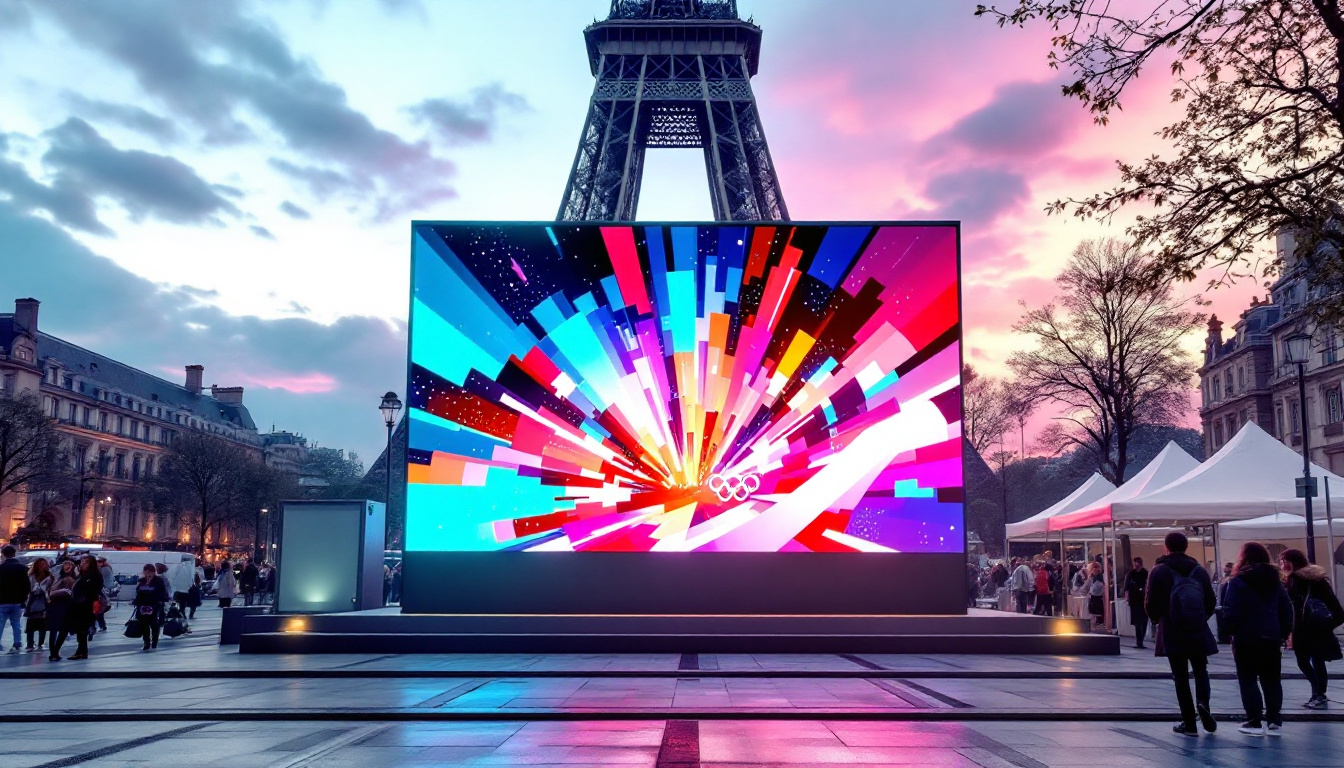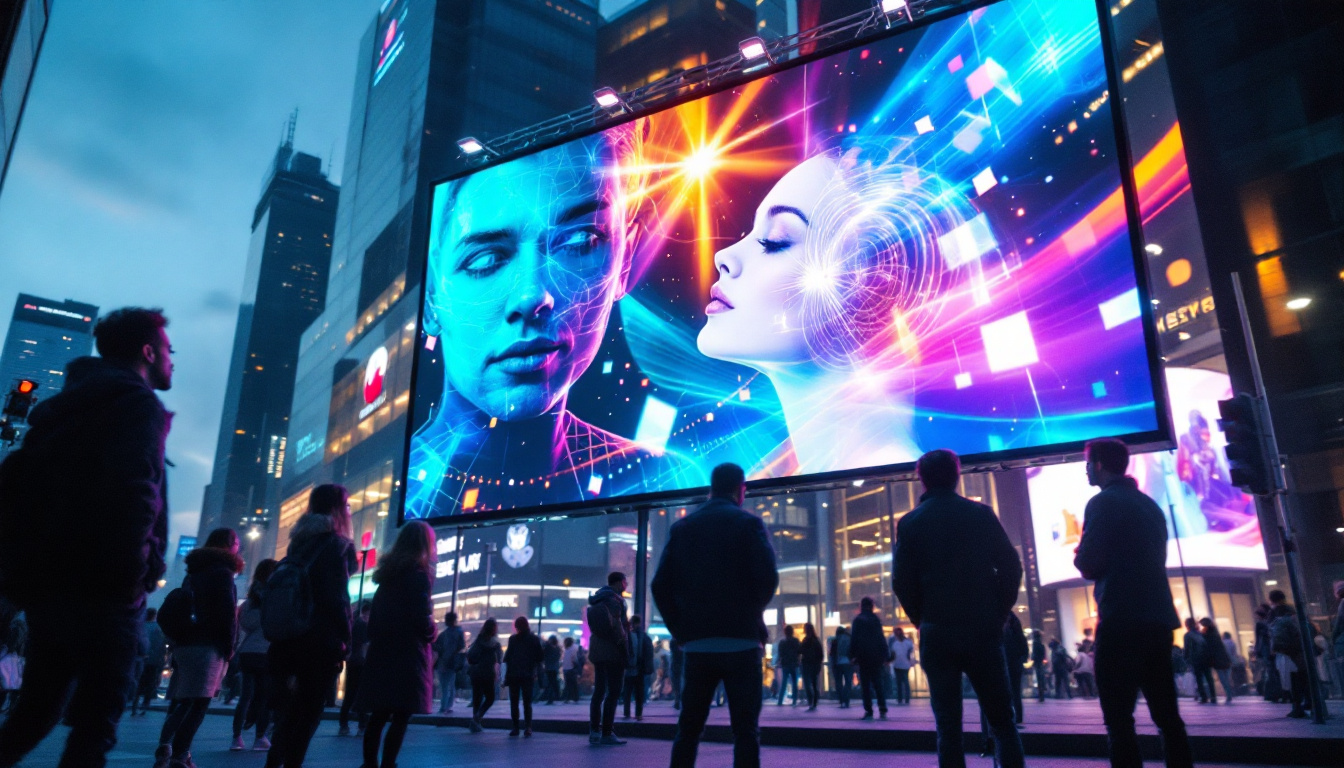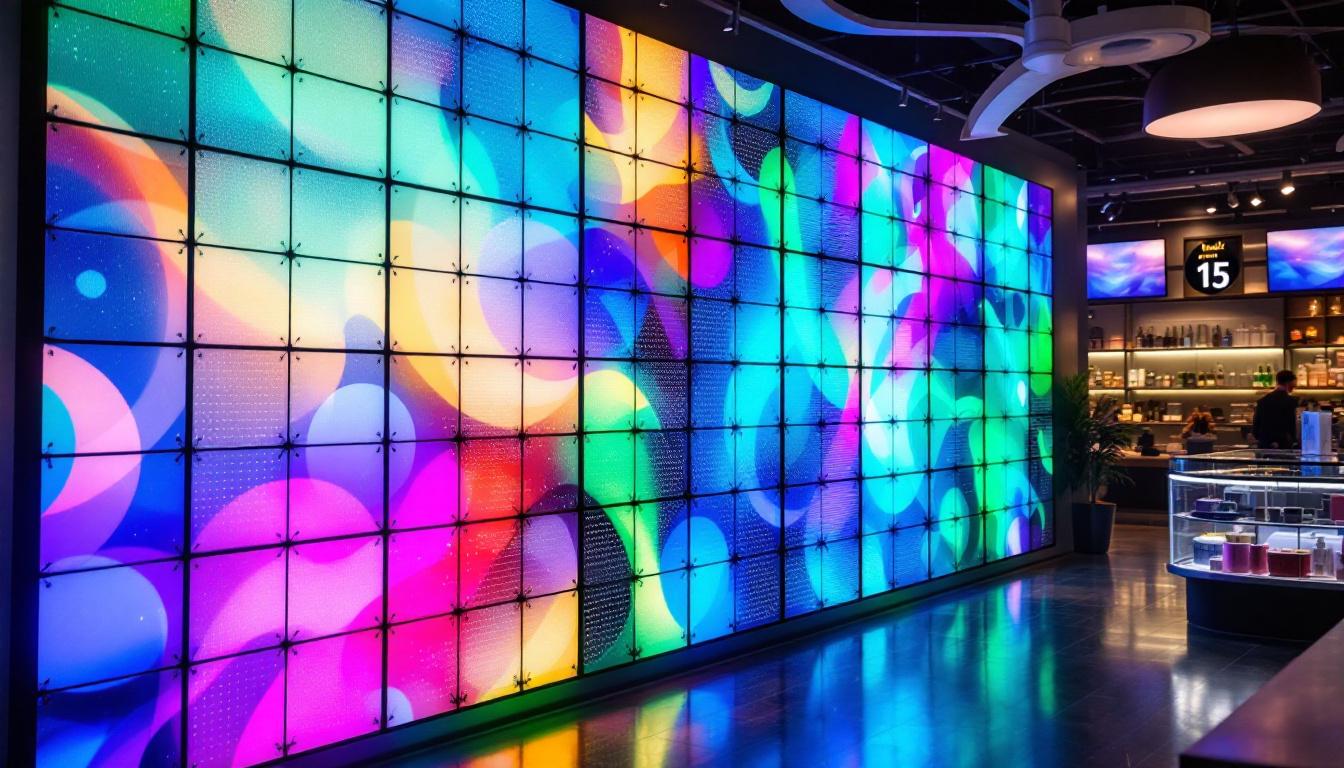
In the rapidly evolving landscape of digital signage and visual communication, Direct View LED (DVLED) display walls have emerged as a leading technology. Offering unparalleled brightness, color accuracy, and flexibility, these displays are transforming environments from retail stores and corporate offices to stadiums and control rooms. This article delves into the fundamentals of Direct View LED display walls, exploring their technology, advantages, applications, and future trends.
Understanding Direct View LED Technology
What is a Direct View LED Display Wall?
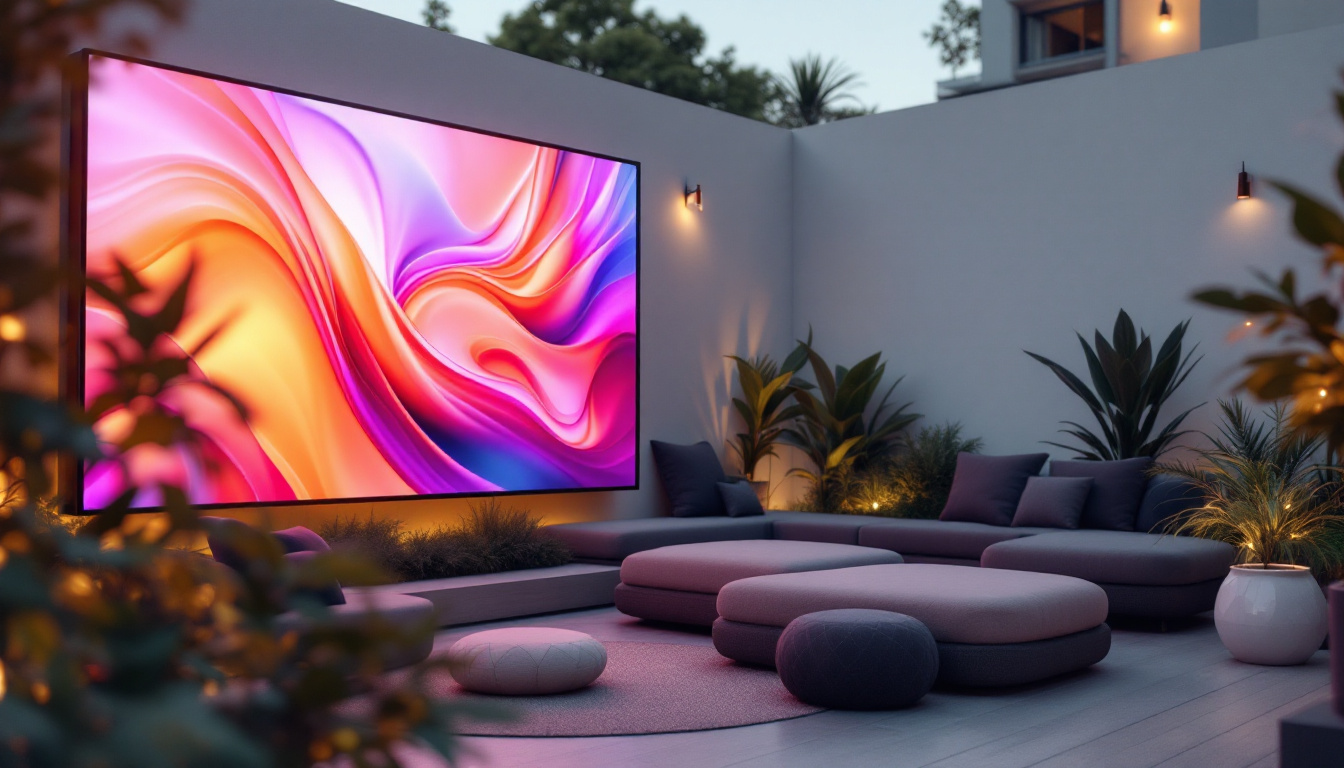
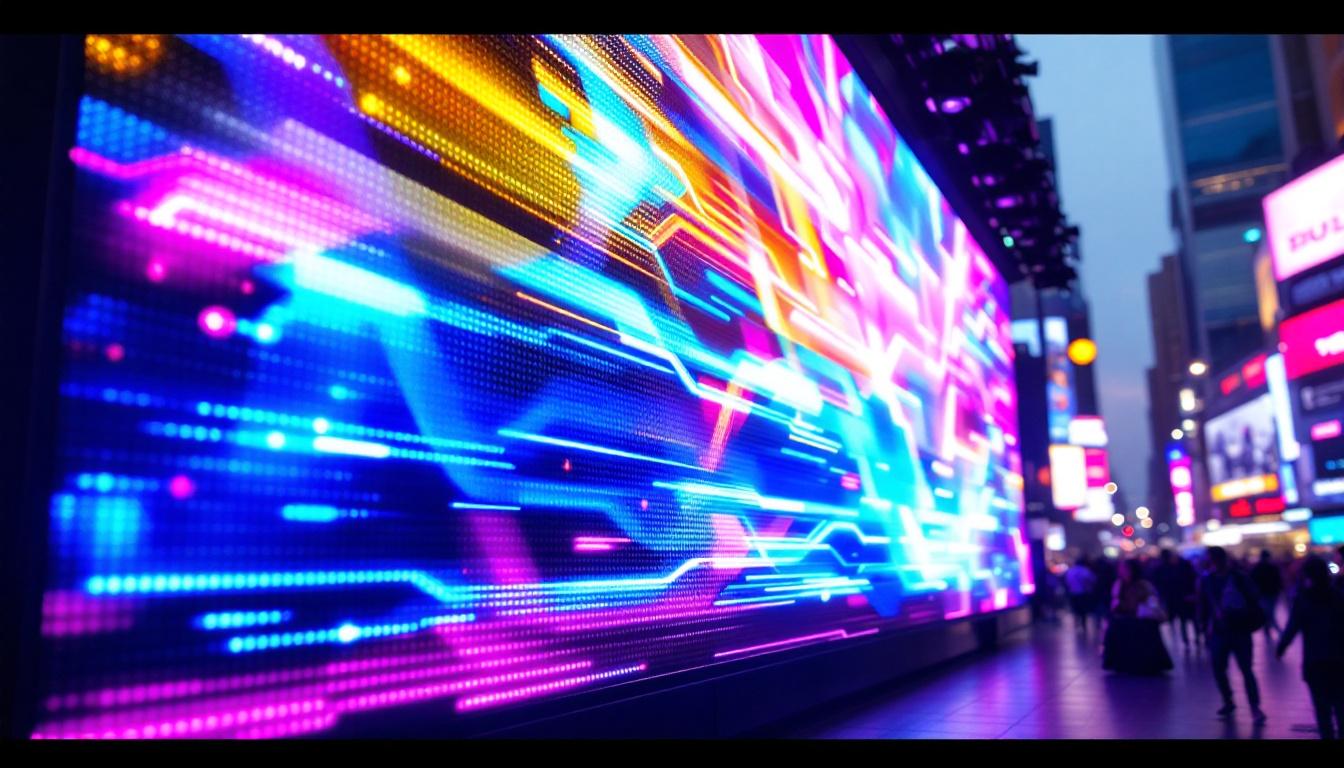
A Direct View LED display wall is a large-scale screen composed of numerous tiny light-emitting diodes (LEDs) arranged in a grid. Unlike traditional LCD or projection-based screens, DVLEDs emit light directly from each pixel, resulting in vibrant colors and high contrast ratios. This direct emission of light is what distinguishes DVLEDs from other display technologies and makes them ideal for high-impact visual presentations.
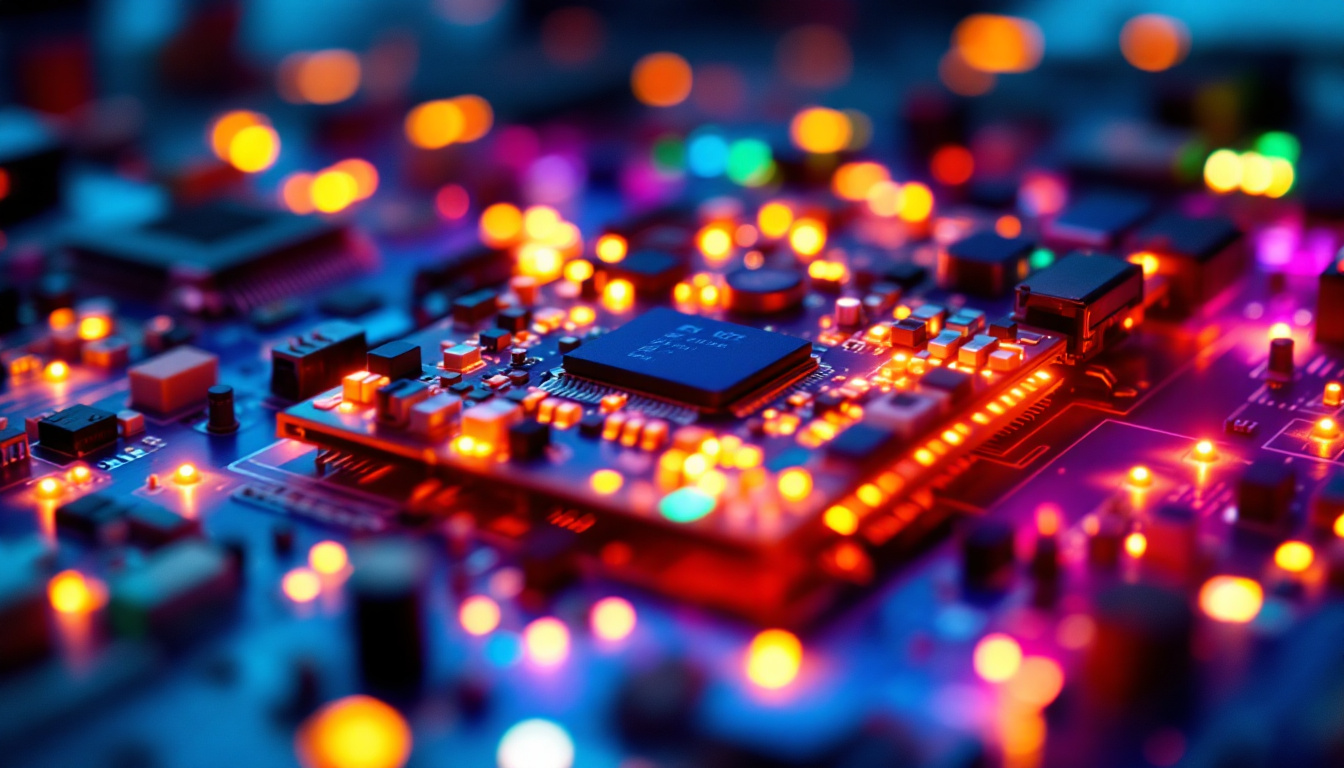
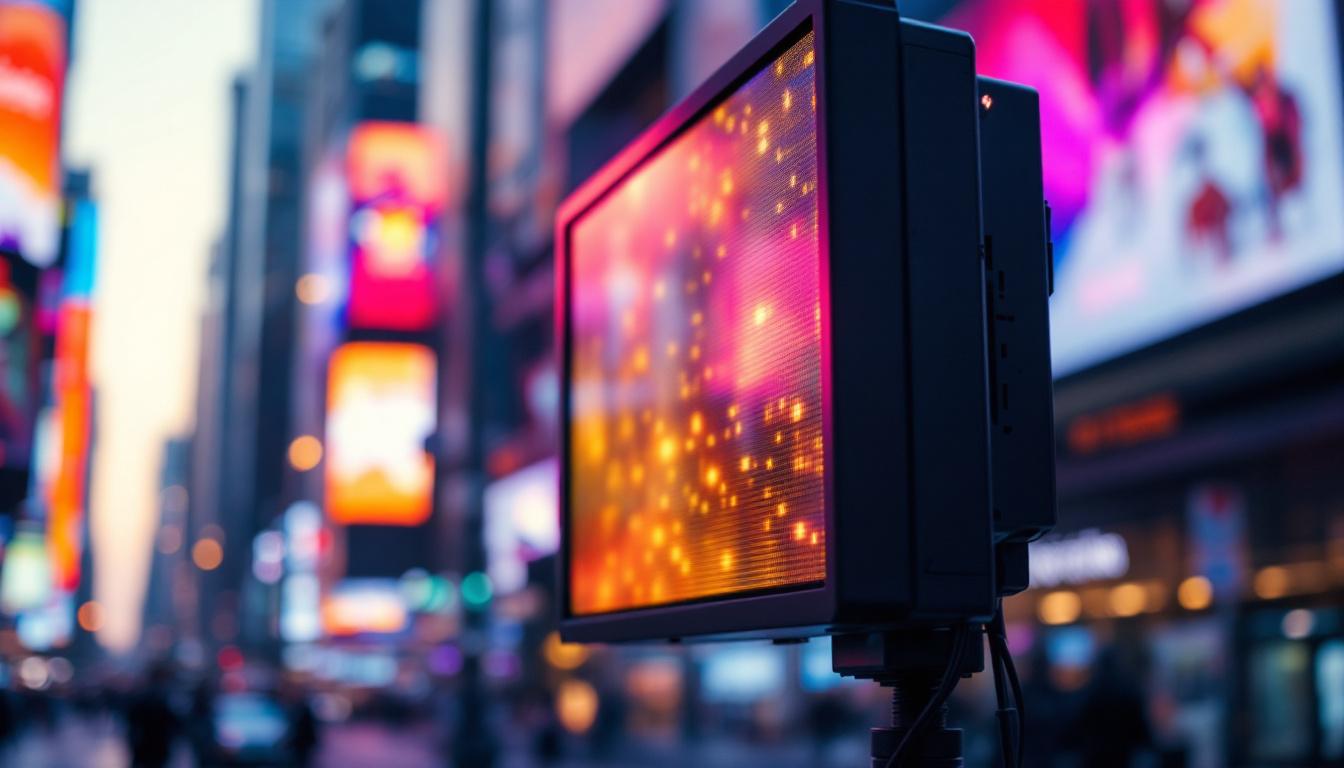
Each pixel in a DVLED display typically consists of red, green, and blue LEDs that combine to produce a full spectrum of colors. By controlling the intensity of these LEDs, the display can render images and videos with remarkable clarity and brightness. The modular nature of these displays allows for flexible sizing and aspect ratios, enabling custom configurations for various environments.
How Does Direct View LED Differ from Other Display Technologies?
Traditional displays, such as LCD or OLED screens, rely on backlighting or organic compounds to produce images. LCDs use a backlight that shines through liquid crystals, while OLEDs generate light through organic materials that emit light when electrically stimulated. DVLED displays, in contrast, use discrete LEDs that emit light directly, which has several implications:
- Brightness and Visibility: DVLEDs can achieve much higher brightness levels, often exceeding 1,000 nits, making them suitable for both indoor and outdoor use, even under direct sunlight.
- Contrast and Color Accuracy: Since each LED emits light independently, DVLEDs can produce true blacks by turning off pixels completely, resulting in superior contrast ratios compared to LCDs.
- Viewing Angles: DVLED displays maintain color fidelity and brightness across wide viewing angles, often up to 160 degrees or more, ensuring consistent image quality from different perspectives.
- Durability and Longevity: LEDs have a longer lifespan and are more resistant to burn-in and image retention than OLEDs, making DVLEDs a reliable choice for continuous operation.
Key Components and Specifications of Direct View LED Walls
Pixel Pitch and Resolution
One of the most critical specifications for DVLED displays is the pixel pitch, which refers to the distance between the centers of two adjacent pixels, usually measured in millimeters. Pixel pitch directly affects the display’s resolution and viewing distance:
- Smaller Pixel Pitch: Ranges from 0.7 mm to 2 mm, ideal for close-up viewing environments such as control rooms, broadcast studios, and corporate lobbies. These displays offer high resolution and fine detail.
- Larger Pixel Pitch: Typically 3 mm and above, suitable for large venues like stadiums, outdoor billboards, and event stages where viewers are farther away.
Choosing the appropriate pixel pitch depends on the intended viewing distance and content type. For example, a retail store window display might use a 1.2 mm pitch for sharp imagery at arm’s length, while a highway billboard might use a 10 mm pitch for visibility from hundreds of meters away.
Brightness and Contrast Ratios
Brightness is a vital factor for DVLED displays, especially for outdoor applications where ambient light levels can be very high. Modern DVLED walls can achieve brightness levels ranging from 800 nits indoors to over 5,000 nits outdoors, ensuring clear visibility in various lighting conditions.
Contrast ratio, the difference between the darkest black and the brightest white, is another essential metric. DVLEDs can achieve contrast ratios exceeding 5,000:1, thanks to their ability to turn off individual LEDs completely. This capability enhances image depth and realism, particularly in dark scenes.
Refresh Rate and Color Depth
Refresh rate determines how often the display updates its image per second, measured in Hertz (Hz). Higher refresh rates, such as 120 Hz or more, reduce flicker and improve motion clarity, which is crucial for dynamic content like sports broadcasts or video walls in control centers.
Color depth refers to the number of colors a display can reproduce. DVLED walls typically support 16-bit or higher color depth, allowing for billions of colors and smooth gradients. This richness in color reproduction enhances the viewer’s experience by delivering vivid and lifelike images.
Advantages of Direct View LED Display Walls
Superior Visual Performance
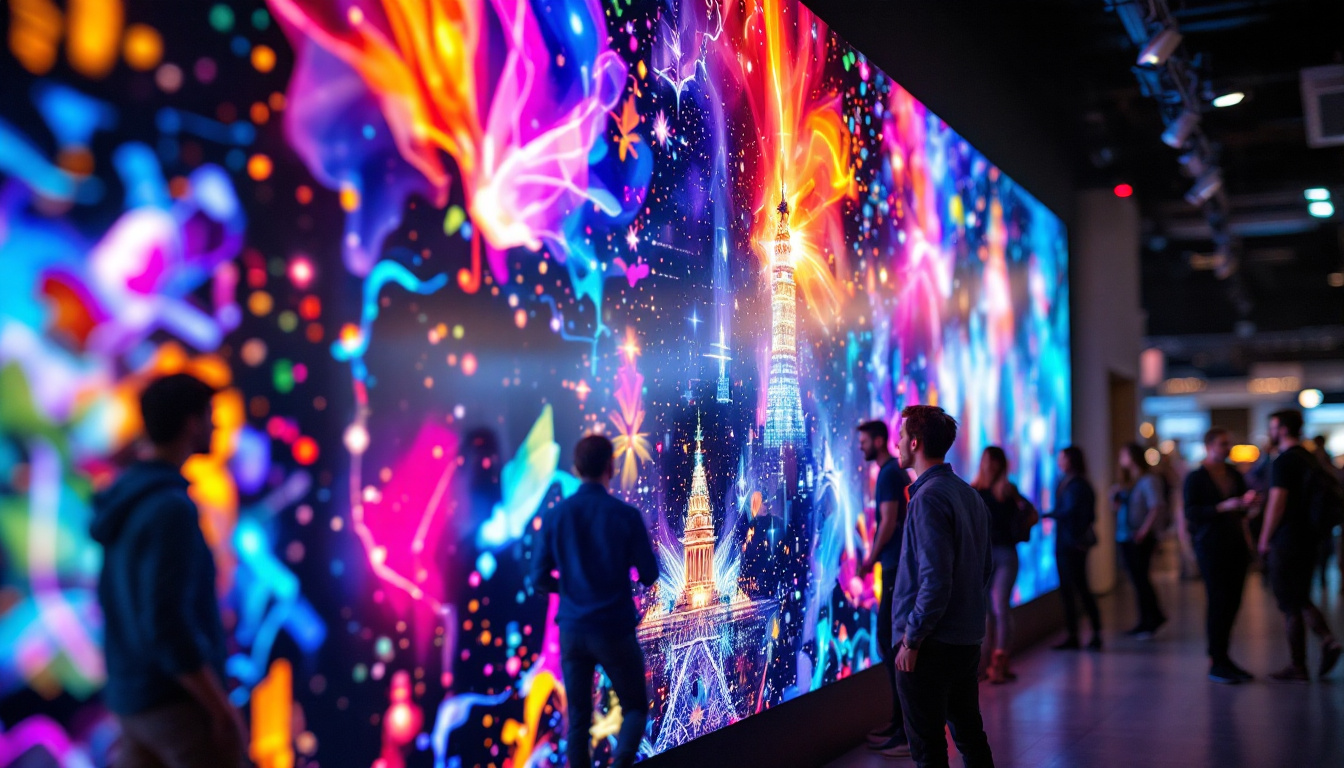
Direct View LED displays deliver exceptional image quality with vibrant colors, deep blacks, and uniform brightness. The ability to maintain consistent brightness and color across the entire display surface ensures that large-scale visuals remain impactful and engaging. This makes DVLED walls ideal for environments where visual clarity is paramount, such as museums, retail environments, and corporate branding installations.
Scalability and Flexibility
The modular design of DVLED panels allows for virtually unlimited screen sizes and aspect ratios. Panels can be seamlessly joined to create massive video walls or custom shapes, adapting to architectural constraints and creative design requirements. This flexibility empowers businesses to craft unique visual experiences tailored to their space and audience.
Energy Efficiency and Longevity
LED technology is inherently energy-efficient compared to traditional lighting and display methods. DVLED walls consume less power while delivering higher brightness, reducing operational costs over time. Additionally, LEDs have a long operational lifespan, often exceeding 100,000 hours, minimizing maintenance and replacement expenses.
Durability and Reliability
Designed to withstand harsh environments, especially outdoor models, DVLED displays are resistant to moisture, dust, and temperature fluctuations. Their robust construction ensures reliable performance in diverse settings, from bustling city streets to industrial control rooms. This durability translates to reduced downtime and increased return on investment.
Applications of Direct View LED Display Walls
Retail and Advertising
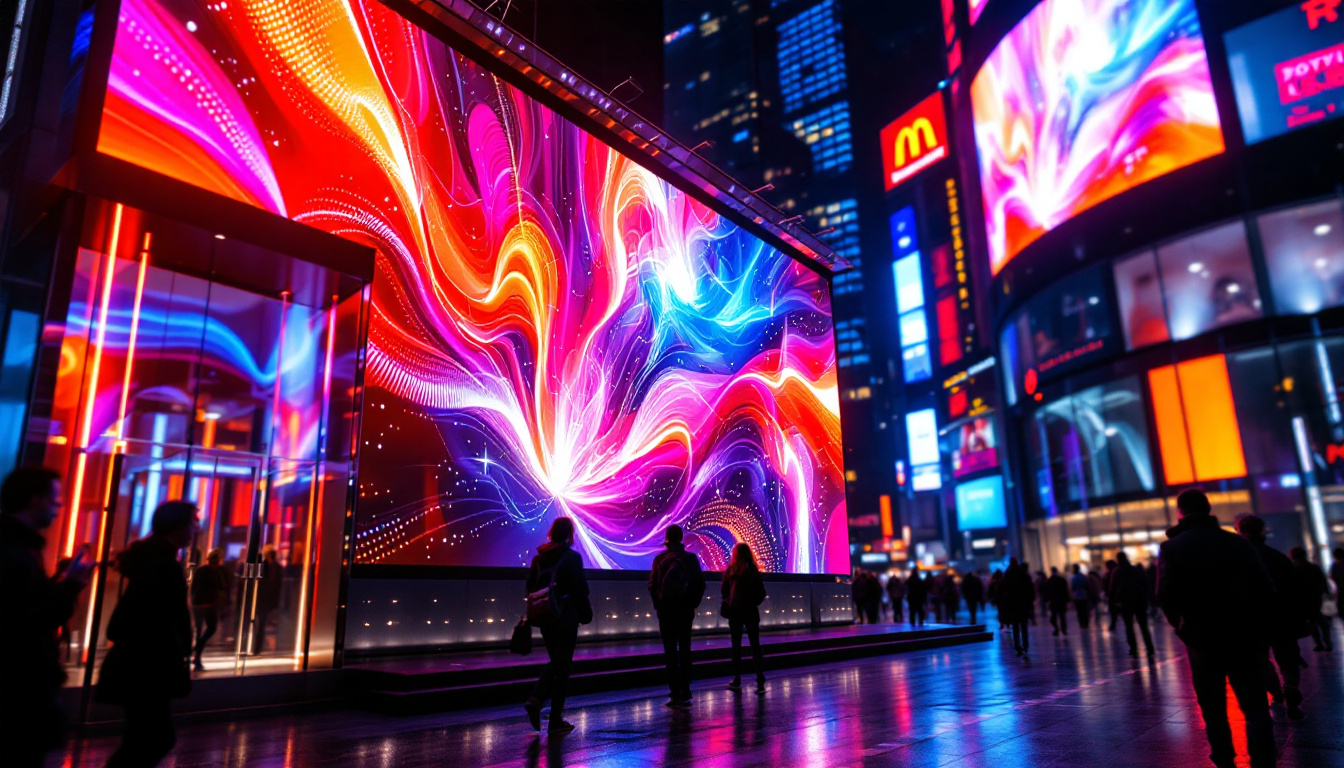
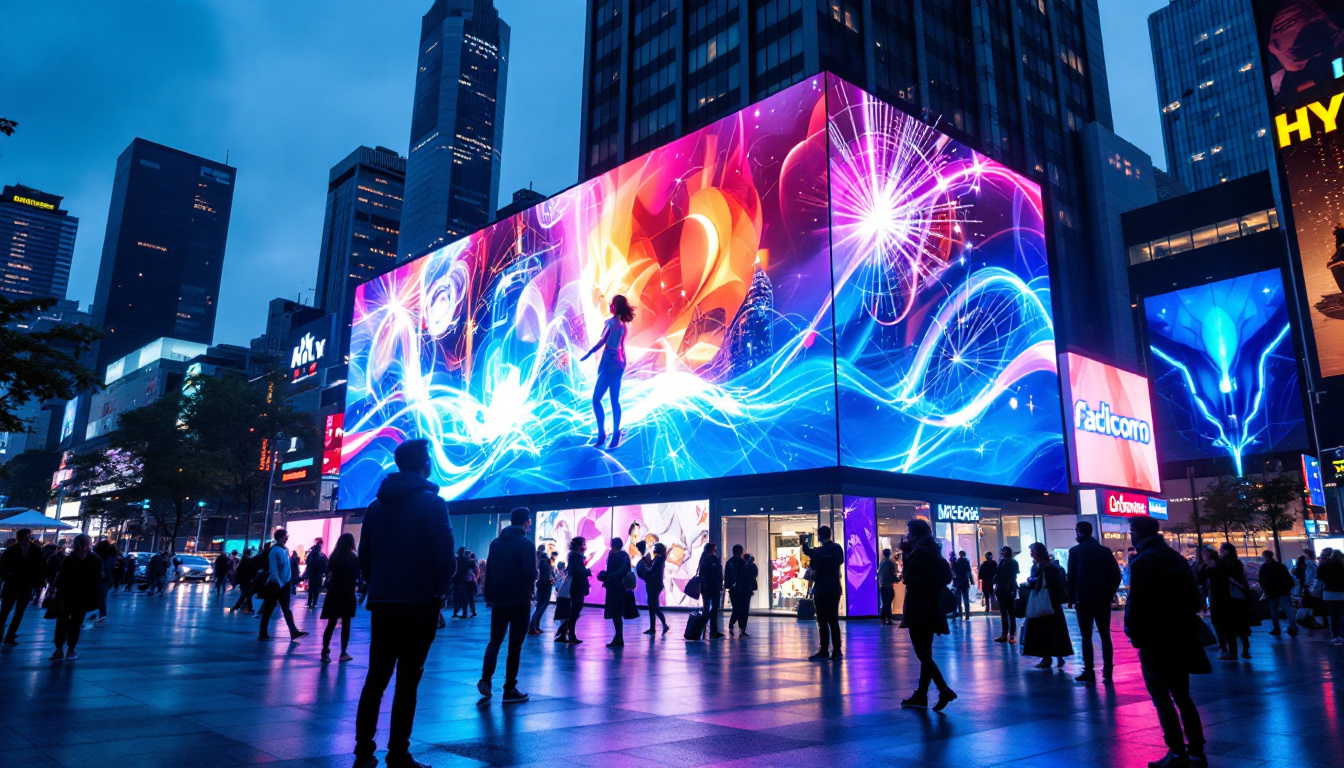
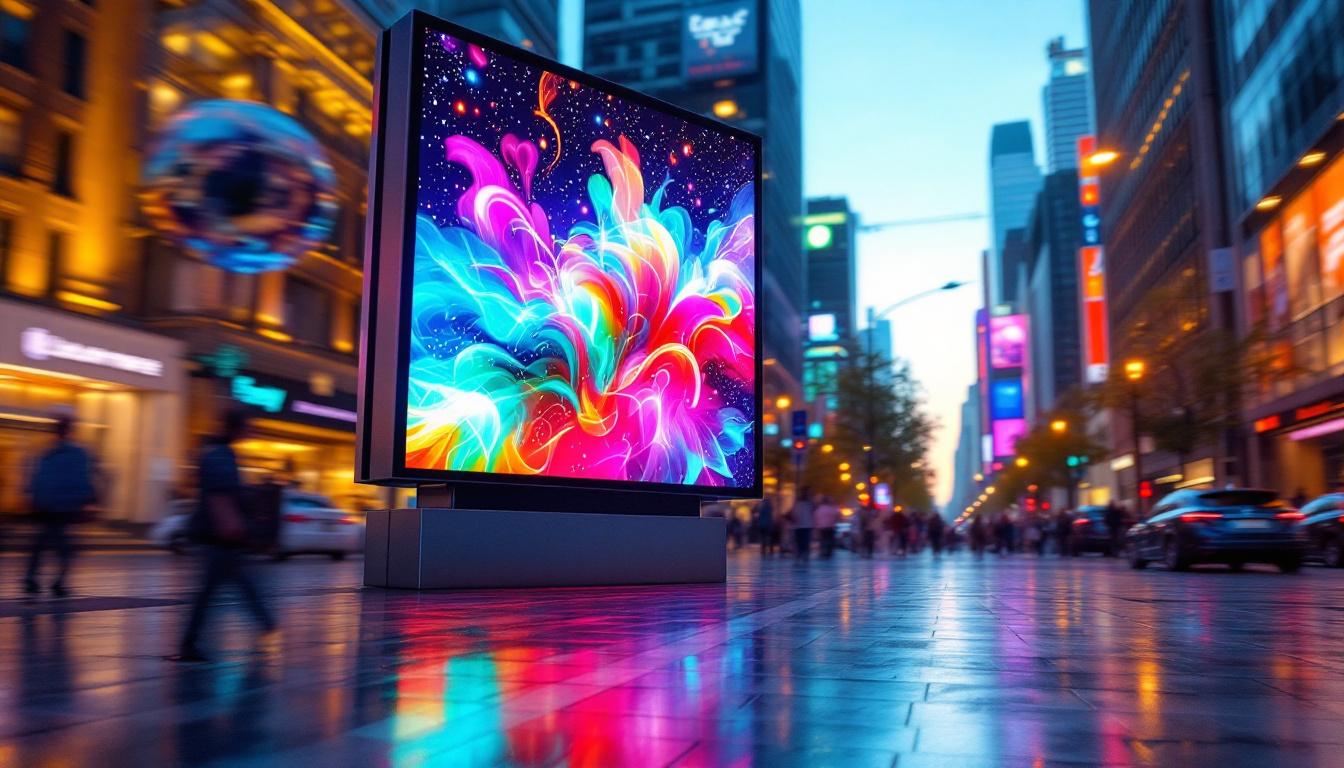
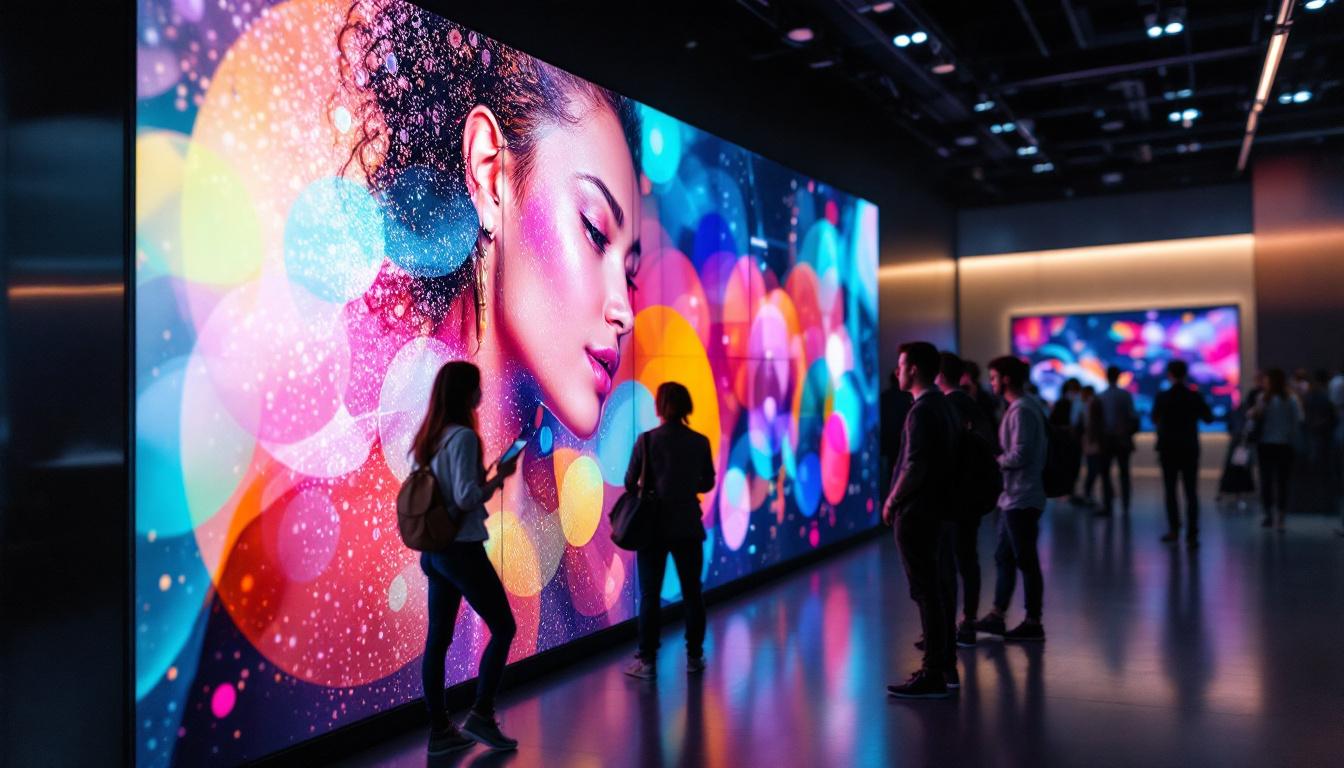
Retailers leverage DVLED walls to create immersive shopping experiences and dynamic advertising displays. High-resolution indoor LED walls can showcase product videos, promotions, and interactive content that attract and engage customers. Outdoor LED billboards capitalize on high brightness and visibility to capture the attention of passersby, even in direct sunlight.
Corporate and Conference Environments
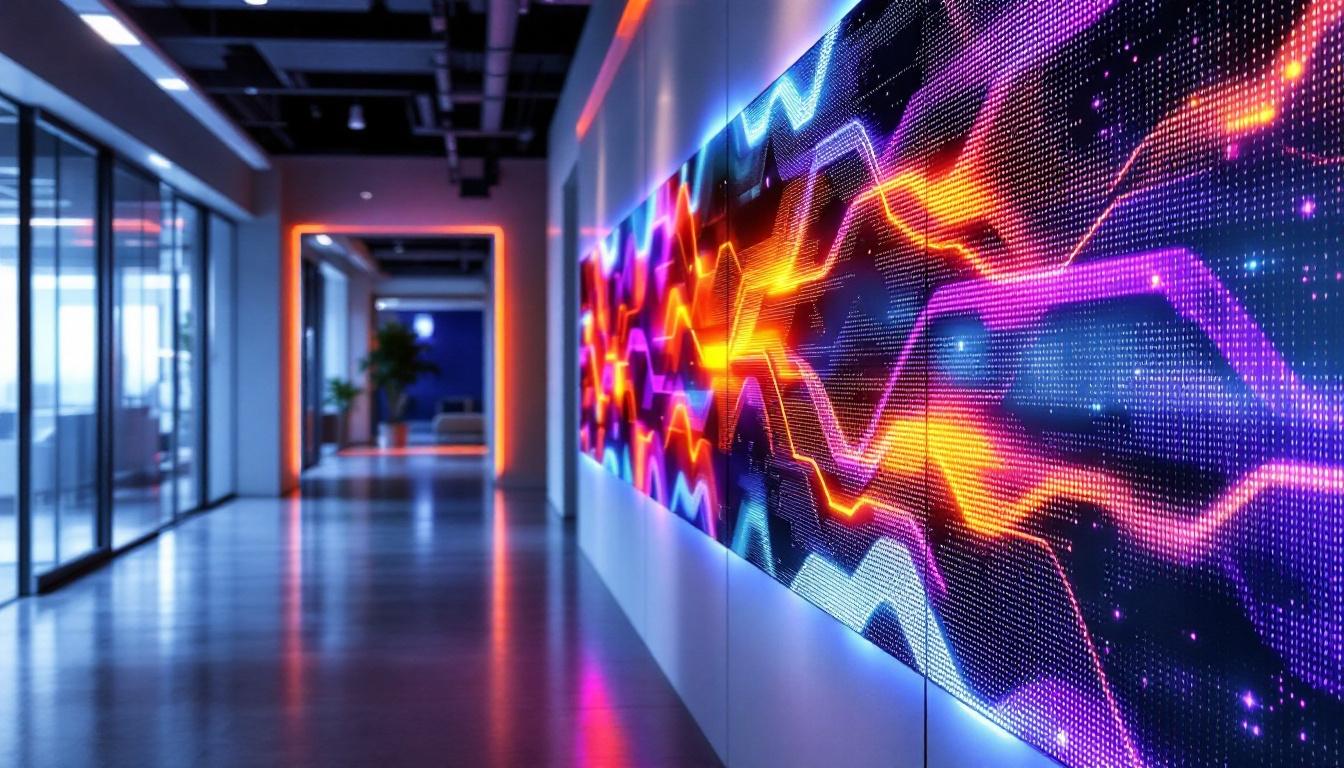
In corporate settings, DVLED walls serve as powerful tools for presentations, video conferencing, and digital signage. Their ability to display detailed data visualizations and high-definition video content enhances communication and collaboration. Large video walls in lobbies also reinforce brand identity and create a professional atmosphere.
Entertainment and Sports Venues
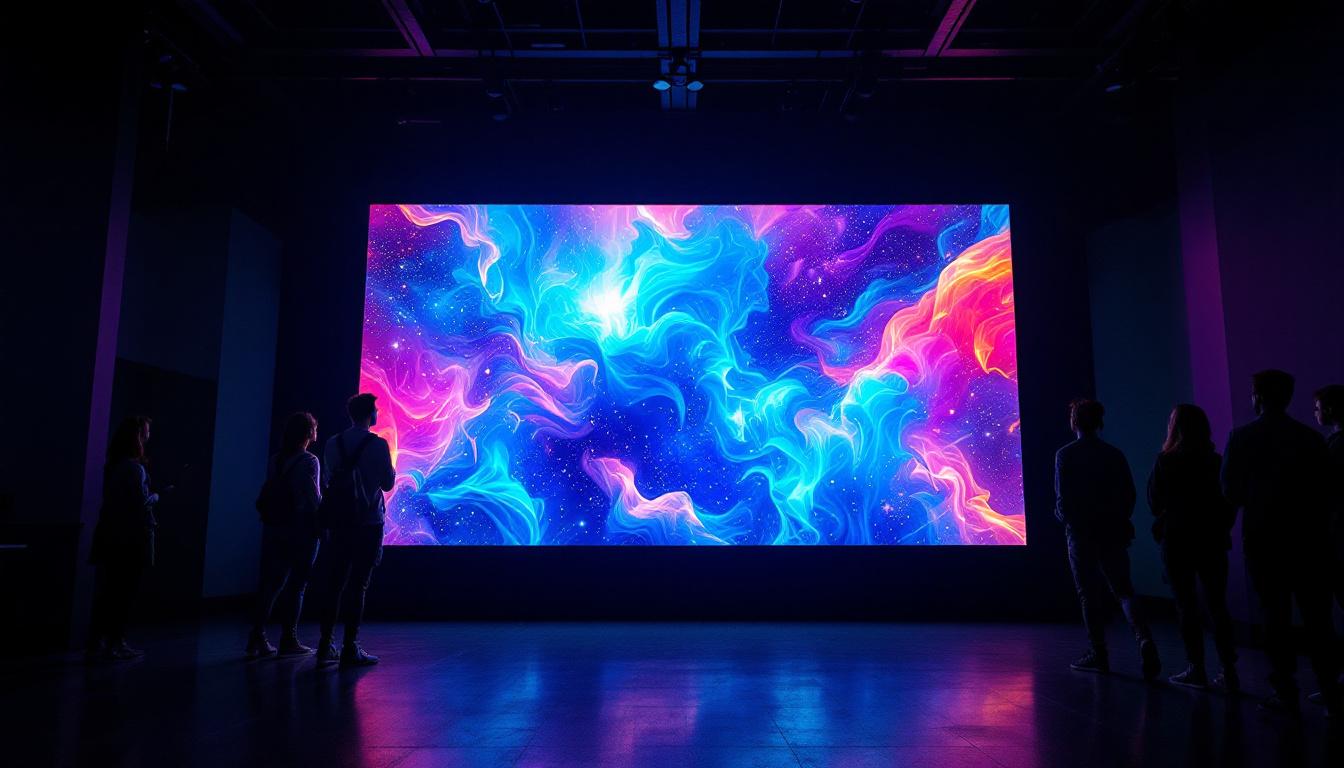
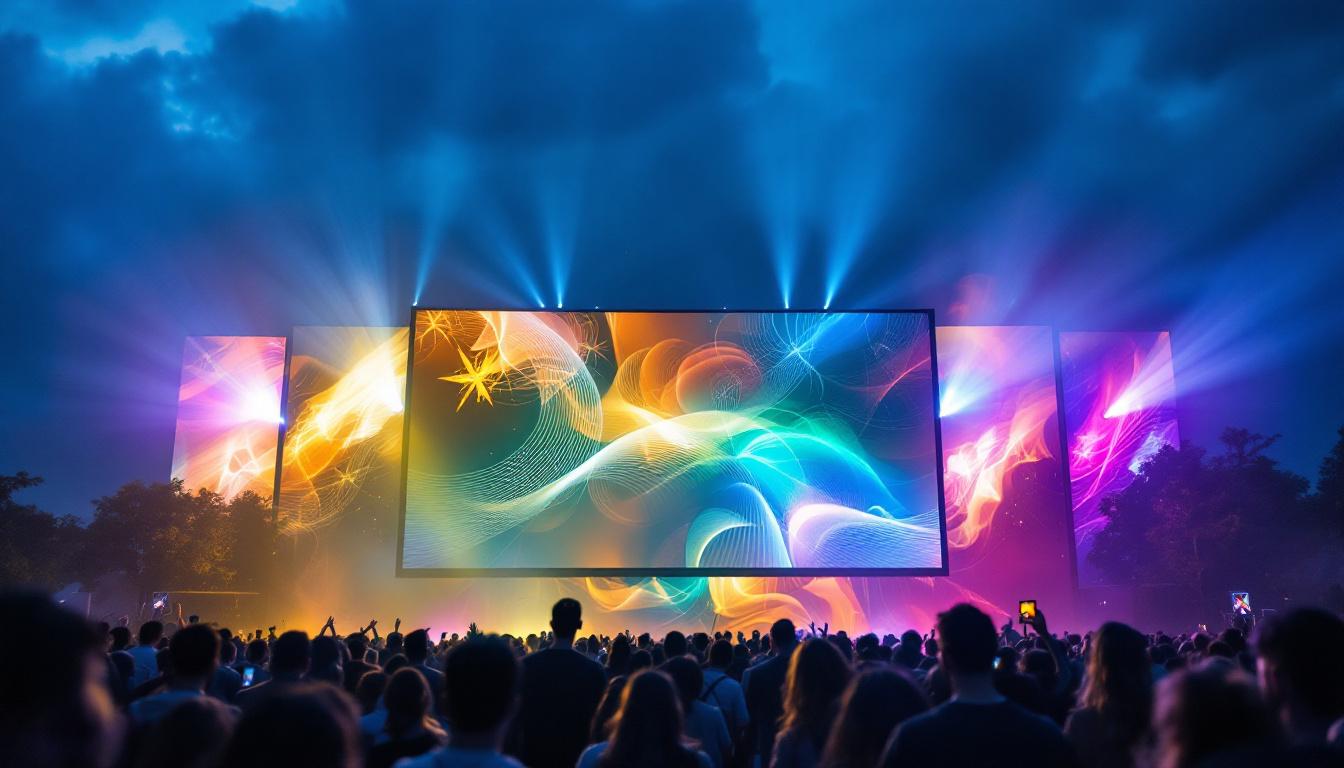
Stadiums, arenas, and concert venues utilize massive DVLED screens to deliver live event coverage, instant replays, and advertising. The high brightness and wide viewing angles ensure that spectators have a clear view from any seat. Additionally, LED walls enable creative stage designs and immersive visual effects that elevate the entertainment experience.
Control Rooms and Command Centers
In mission-critical environments such as traffic management centers, security monitoring, and emergency response, DVLED walls provide real-time data visualization with exceptional clarity. The ability to display multiple feeds simultaneously and maintain image quality under continuous operation is crucial for effective decision-making.
Installation and Maintenance Considerations
Installation Challenges and Solutions
Installing a Direct View LED display wall requires careful planning, particularly regarding structural support, power supply, and data connectivity. The weight and size of the panels necessitate robust mounting solutions, often involving custom frames or wall reinforcements. Additionally, precise alignment is essential to ensure seamless image quality without visible gaps.
Professional installation teams use specialized tools and software to calibrate color and brightness across the entire display, achieving uniformity. Advances in mounting technology, such as magnetic modules and quick-release mechanisms, have simplified installation and maintenance processes.
Maintenance and Calibration
Regular maintenance is vital to preserve the performance and longevity of DVLED walls. This includes cleaning the panels to remove dust and debris, inspecting for damaged LEDs, and performing software updates. Many modern DVLED systems feature front-access modules, allowing for easy repairs without dismantling the entire wall.
Calibration tools ensure that color accuracy and brightness remain consistent over time, compensating for any LED aging or environmental changes. Scheduled maintenance routines help prevent unexpected failures and extend the display’s operational life.
Future Trends in Direct View LED Technology
MicroLED and MiniLED Innovations
Emerging technologies like MicroLED and MiniLED are pushing the boundaries of DVLED displays. MicroLEDs are significantly smaller LEDs that enable even higher resolution and pixel density, rivaling OLEDs in image quality while maintaining LED durability and brightness. MiniLEDs, meanwhile, enhance backlighting in LCDs but also influence LED display design by improving contrast and energy efficiency.
Integration with Smart Technologies
Integration with Internet of Things (IoT) and Artificial Intelligence (AI) is transforming DVLED walls into interactive and adaptive platforms. Smart displays can adjust brightness based on ambient light, analyze viewer engagement, and deliver personalized content. These capabilities open new possibilities for marketing, public information systems, and immersive experiences.
Environmental Sustainability
As sustainability becomes a priority, manufacturers are developing DVLED displays with eco-friendly materials and energy-saving features. Advances in LED efficiency and recyclable components aim to reduce the environmental footprint of large-scale digital signage solutions.
Conclusion
Direct View LED display walls represent a significant advancement in visual display technology, combining exceptional image quality, flexibility, and durability. Their ability to deliver bright, vibrant, and seamless visuals makes them indispensable across a wide range of industries and applications. As technology continues to evolve, DVLED displays will become even more sophisticated, interactive, and sustainable, cementing their role as the future of digital signage and large-format displays.
For businesses and organizations looking to enhance their visual communication, understanding the capabilities and benefits of Direct View LED display walls is essential. With careful planning, professional installation, and ongoing maintenance, these displays can provide a powerful platform for engaging audiences and conveying messages with impact.
Discover LumenMatrix’s Advanced LED Display Solutions
Ready to elevate your visual communication with cutting-edge technology? Explore LumenMatrix’s comprehensive range of LED display solutions, meticulously designed to bring your brand to life. From vibrant Indoor and Outdoor LED Wall Displays to innovative Custom and All-in-One LED Displays, our products are crafted to captivate and engage your audience. Experience the future of digital signage with LumenMatrix and transform your space into a dynamic visual experience. Check out LumenMatrix LED Display Solutions today and see the difference for yourself.