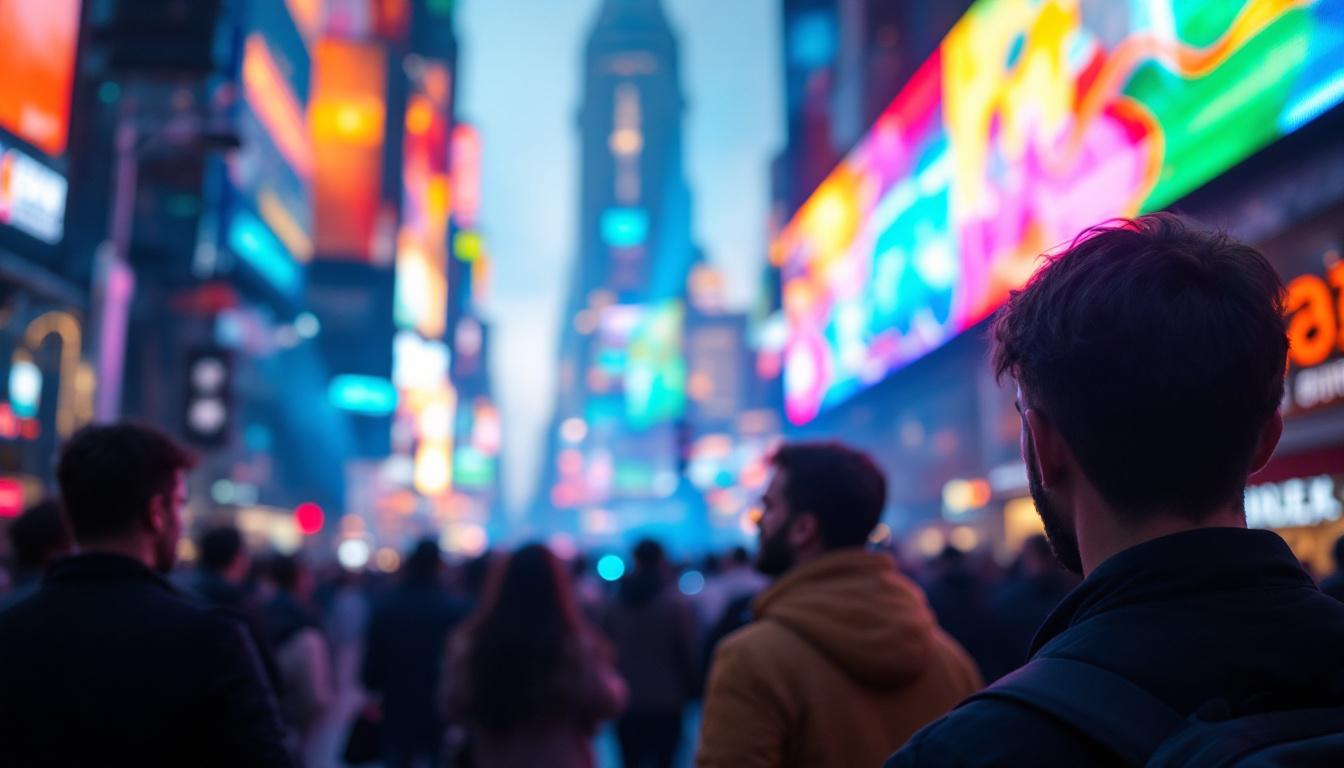
In the digital age, LED displays have become an integral part of how information is communicated visually, from advertising billboards to stadium screens and even indoor signage. Understanding the technology behind LED displays, particularly the concept of refresh rate, is crucial for businesses, designers, and tech enthusiasts who rely on these vibrant screens for maximum impact. This article delves into the fundamentals of LED displays, focusing on refresh rates, their significance, and how they influence display quality and user experience.
What is an LED Display?
LED stands for Light Emitting Diode, a semiconductor device that emits light when an electric current passes through it. An LED display is a flat panel display that uses an array of LEDs as pixels to create images, videos, or text. Unlike traditional LCD or plasma screens, LED displays can be made very large, are highly energy-efficient, and offer superior brightness and color vibrancy. The technology behind LED displays has advanced significantly, allowing for thinner designs and lighter weights, which makes them easier to install and transport.
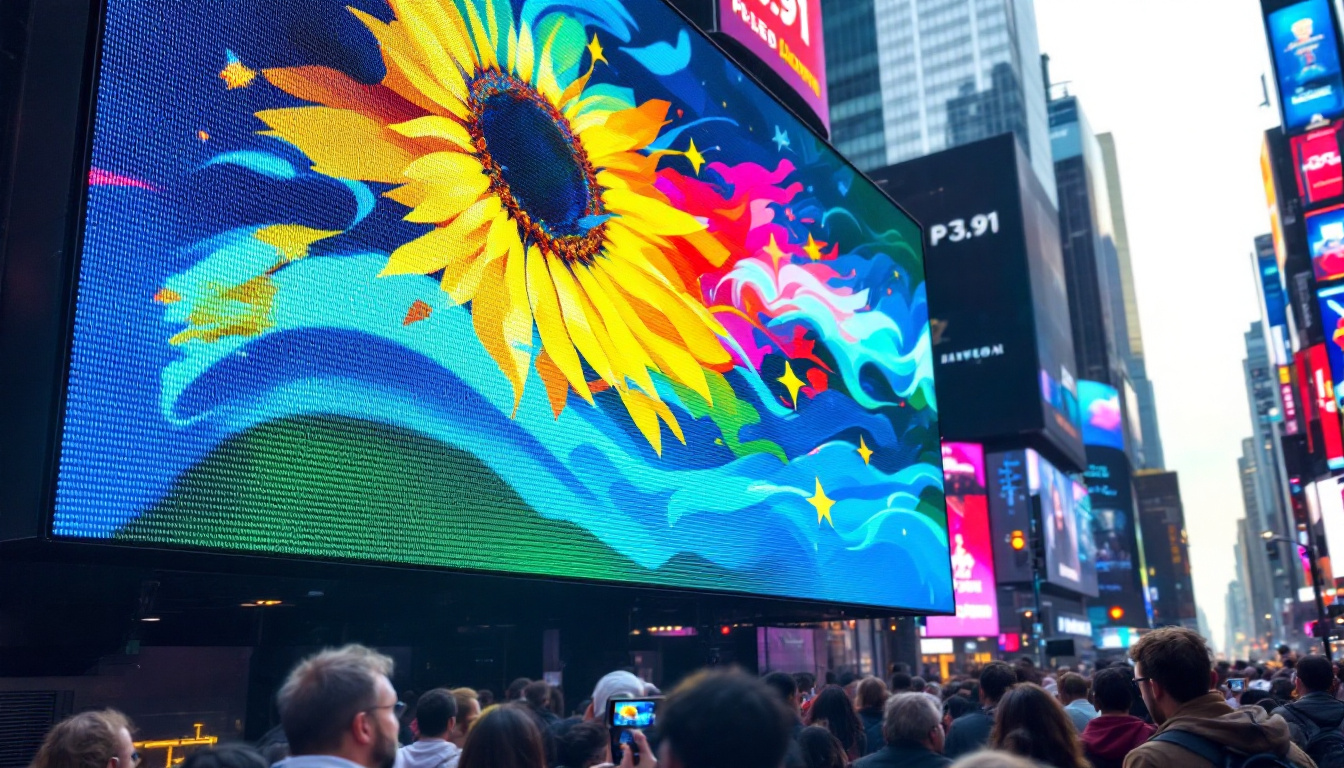
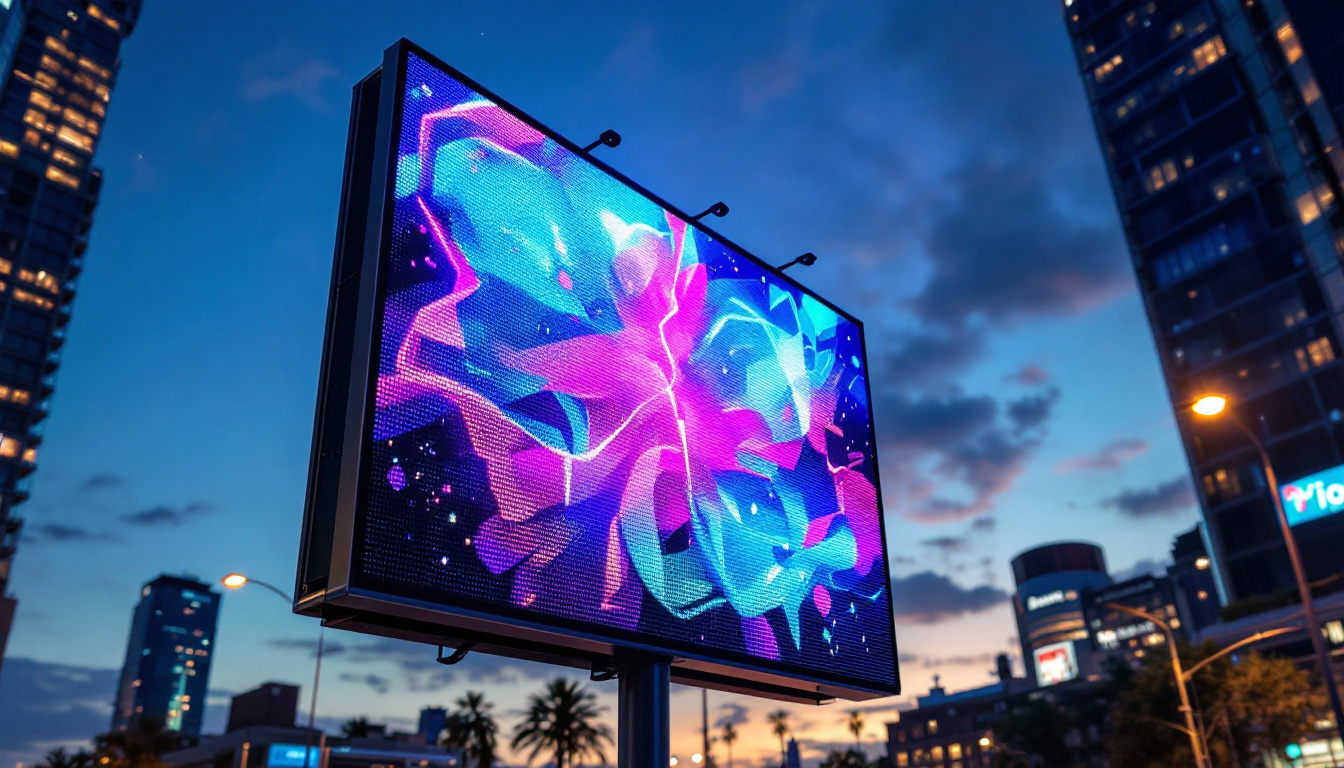
LED displays are commonly used in various applications ranging from outdoor advertising billboards and traffic signs to indoor video walls and sports arenas. Their modular nature allows for customization in size and shape, making them versatile for many environments. Additionally, the durability of LED technology means that these displays can withstand harsh weather conditions, making them ideal for outdoor use. This resilience also contributes to their long lifespan, often exceeding 100,000 hours of operation, which reduces maintenance costs and the frequency of replacements.
Types of LED Displays
There are primarily two types of LED displays: direct view LED and LED-backlit LCD. Direct view LED displays use LEDs as the actual pixels that generate light and color, while LED-backlit LCDs use LEDs as a backlight source behind an LCD panel. The choice between these types often depends on the specific needs of the application, such as brightness requirements, viewing distance, and budget considerations.
Direct view LED displays are favored for large-scale outdoor and indoor installations due to their brightness and scalability. These displays can be further categorized by pixel pitch, which is the distance between the centers of two adjacent LEDs. Smaller pixel pitch means higher resolution and better image clarity, especially at close viewing distances. For instance, a pixel pitch of 2mm is ideal for indoor environments where viewers are close to the screen, while a larger pitch may be suitable for outdoor billboards viewed from a distance. Furthermore, advancements in technology have led to the development of flexible LED displays, which can be bent or shaped to fit unique architectural designs, enhancing creative possibilities in advertising and entertainment venues.
Understanding Refresh Rate in LED Displays
The refresh rate is a fundamental characteristic of any display technology, including LED displays. It refers to the number of times per second that the display updates its image, measured in Hertz (Hz). For example, a refresh rate of 60 Hz means the screen refreshes 60 times per second.
Why Refresh Rate Matters
A higher refresh rate results in smoother motion rendering and reduces flicker, which can cause eye strain or discomfort. This is particularly important for dynamic content such as videos, animations, or live broadcasts displayed on LED screens.
In outdoor advertising, a high refresh rate ensures that moving images and text appear crisp and clear, even when viewed from a distance or under varying lighting conditions. For indoor applications like control rooms or event stages, smooth image transitions contribute to better audience engagement and communication effectiveness.
Moreover, the refresh rate plays a critical role in gaming and virtual reality experiences. Gamers often prefer displays with refresh rates of 120 Hz or higher to achieve a competitive edge, as higher refresh rates can significantly reduce motion blur and enhance responsiveness. This is essential in fast-paced gaming scenarios where every millisecond counts, allowing players to react more swiftly to in-game actions.
Common Refresh Rates and Their Applications
Standard LED displays typically operate at refresh rates between 60 Hz and 1920 Hz. Lower refresh rates around 60-120 Hz are common in consumer-grade displays and indoor signage. Higher refresh rates, often exceeding 1000 Hz, are used in professional and outdoor LED displays to minimize flicker and improve image stability under different lighting environments.
For example, a stadium LED screen might use a refresh rate of 1920 Hz to ensure that even fast-moving sports footage is displayed without flicker, enhancing the viewing experience for thousands of spectators.
Additionally, the choice of refresh rate can also impact energy consumption. Displays with higher refresh rates may require more power, which is an important consideration for large-scale installations or events. However, advancements in technology are leading to more energy-efficient solutions that can maintain high refresh rates without significantly increasing power usage. This balance between performance and efficiency is crucial for both environmental sustainability and cost-effectiveness in the long run.
How Refresh Rate Affects Image Quality
The refresh rate directly influences the perceived image quality on an LED display. A low refresh rate can cause flickering, which is not only distracting but can also lead to headaches and visual fatigue over extended viewing periods.
Flicker and Eye Comfort
Flicker occurs when the display does not refresh quickly enough to maintain a stable image. This is especially noticeable in peripheral vision and under certain lighting conditions. Modern LED displays with high refresh rates use advanced driving circuits and scanning methods to reduce flicker, thereby improving viewer comfort.
Motion Blur and Image Clarity
Motion blur is another issue affected by refresh rate. When the refresh rate is too low, fast-moving objects on the screen can appear smeared or blurry. Increasing the refresh rate helps to present motion more clearly, which is critical for applications like live sports broadcasts, gaming, and interactive displays.
Technical Aspects of Refresh Rate in LED Displays
To fully grasp how refresh rate works in LED displays, it’s important to understand the underlying technology that drives the screen updates.
Scanning Methods
LED displays use various scanning methods to refresh pixels. The two primary types are static scanning and multiplex scanning. Static scanning refreshes all LEDs simultaneously, offering the best image quality but at a higher cost and power consumption. Multiplex scanning refreshes LEDs in groups or rows sequentially, which is more energy-efficient but can limit the maximum achievable refresh rate.
Driving Circuits and Refresh Rate Control
The driving circuit controls the timing and intensity of the LEDs. Advanced driving circuits can increase the refresh rate by rapidly switching LEDs on and off in precise sequences. This capability is essential for high-end LED displays used in professional environments.
Impact of Pixel Pitch and Resolution
Pixel pitch and resolution also interact with refresh rate. Higher resolution displays with smaller pixel pitch require more data to be processed and refreshed each cycle. This can challenge the refresh rate capabilities unless the display hardware and driving electronics are optimized accordingly.
Choosing the Right Refresh Rate for Your LED Display
Selecting the appropriate refresh rate depends on the intended use, viewing distance, and content type. Here are some guidelines to help make an informed decision:
For Outdoor Advertising
Outdoor LED billboards benefit from very high refresh rates, typically above 1000 Hz. This reduces flicker visible to passing vehicles and pedestrians and ensures that dynamic content is displayed smoothly under bright sunlight.
For Indoor Displays
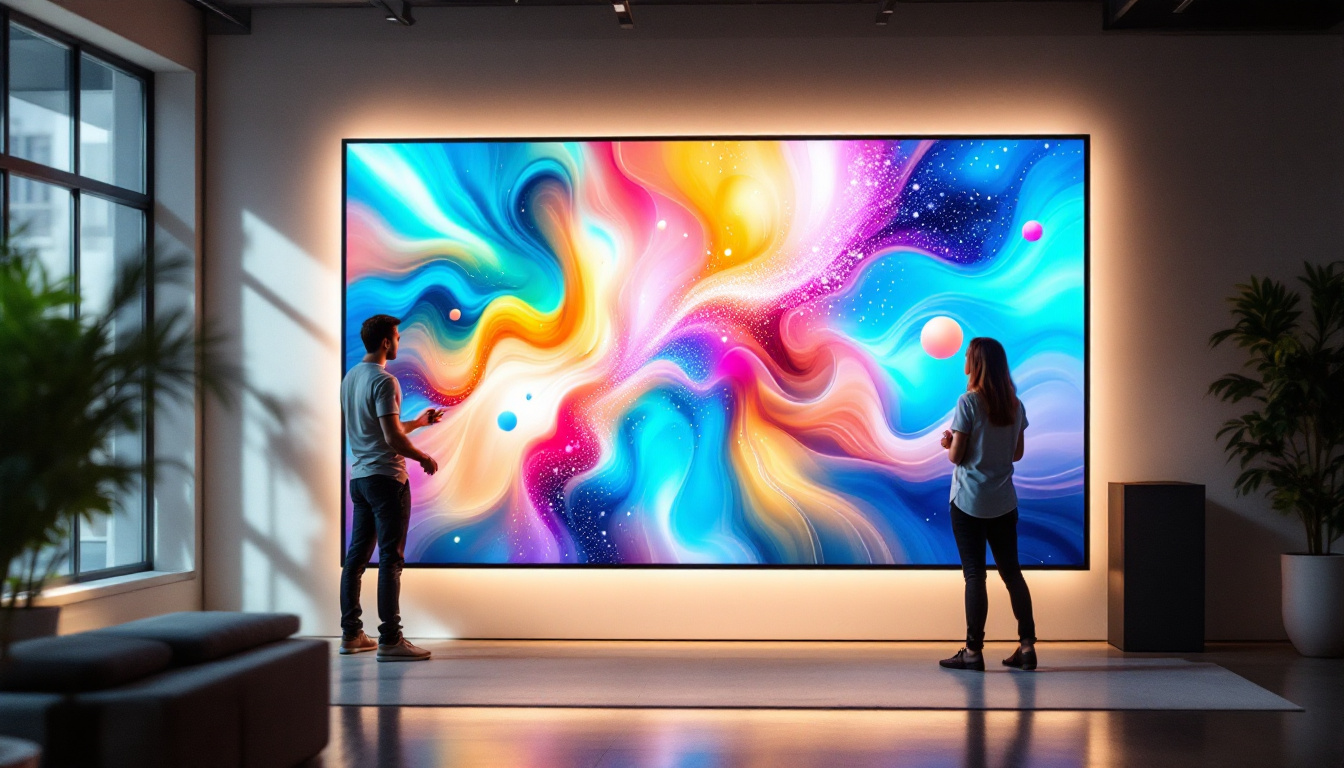
Indoor LED displays, such as those used in retail stores or conference rooms, generally require refresh rates between 60 Hz and 240 Hz. This range balances image quality and energy consumption, providing clear visuals for static and moderately dynamic content.
For Sports and Live Events
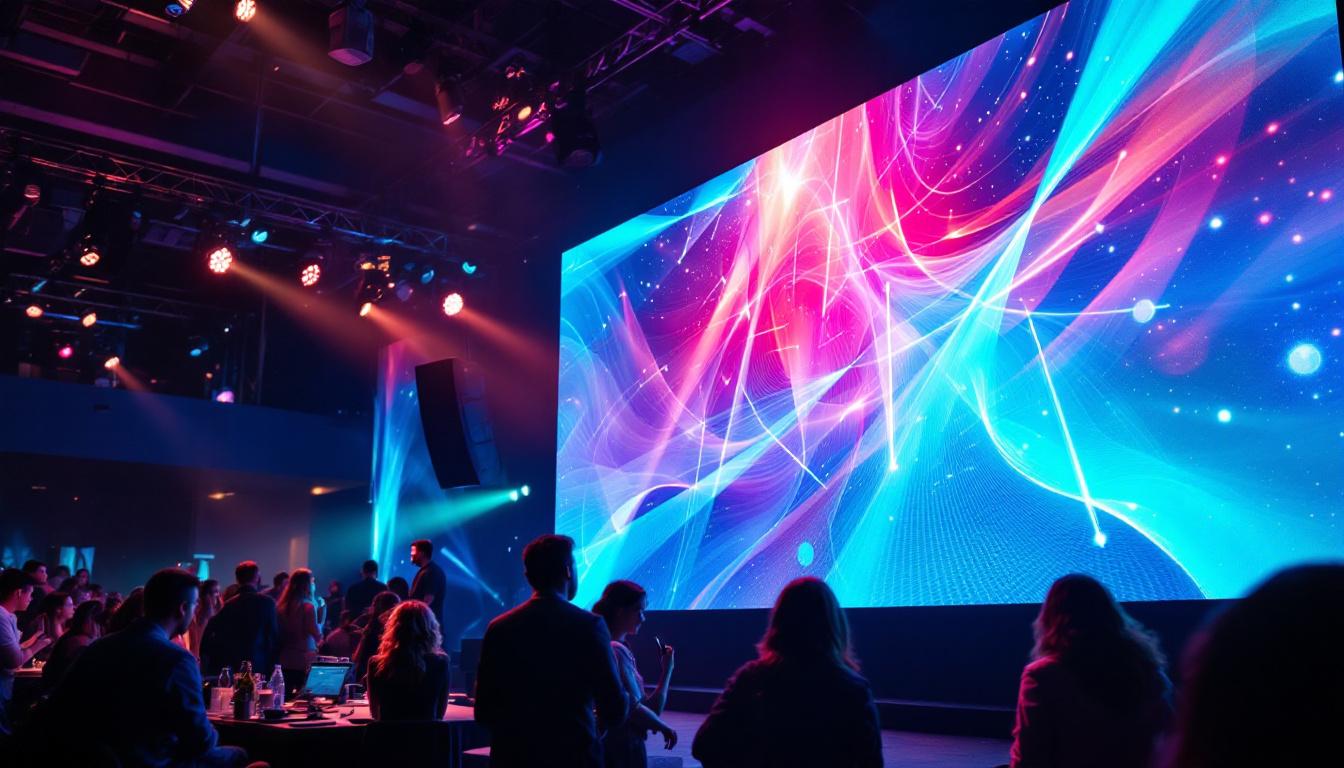
High refresh rates, often exceeding 1000 Hz, are essential for LED displays in sports arenas and live event venues. These displays must handle fast-moving images without flicker or motion blur to maintain audience engagement.
Future Trends in LED Display Refresh Technology
The LED display industry continues to evolve rapidly, with innovations aimed at improving refresh rates, image quality, and energy efficiency.
MicroLED and MiniLED Advances
Emerging technologies like MicroLED and MiniLED offer smaller pixel sizes and improved control over individual diodes, enabling higher refresh rates and better image fidelity. These advancements are expected to revolutionize both consumer and professional display markets.
AI and Adaptive Refresh Rates
Artificial intelligence is being integrated into display systems to dynamically adjust refresh rates based on content type and ambient conditions. This adaptive approach optimizes power consumption while maintaining optimal visual performance.
Higher Refresh Rates for VR and AR
Virtual reality (VR) and augmented reality (AR) applications demand extremely high refresh rates to prevent motion sickness and provide immersive experiences. LED display technology is being tailored to meet these stringent requirements, pushing refresh rates beyond traditional limits.
Conclusion
Understanding the refresh rate of LED displays is essential for anyone involved in selecting, designing, or utilizing these versatile screens. The refresh rate affects not only the smoothness and clarity of motion but also viewer comfort and overall visual impact. As LED technology advances, higher refresh rates combined with improved resolution and energy efficiency will continue to enhance the capabilities of LED displays across all industries.
Whether for outdoor advertising, indoor signage, or live event broadcasting, choosing the right refresh rate ensures that your LED display performs optimally, delivering vibrant, flicker-free images that capture attention and communicate effectively.
Explore Cutting-Edge LED Displays with LumenMatrix
Ready to elevate your visual experience with the latest in LED display technology? LumenMatrix is at the forefront of innovation, offering an extensive range of LED display solutions tailored to your needs. From captivating Indoor LED Wall Displays to dynamic Outdoor LED Wall Displays, and from versatile Vehicle LED Displays to engaging LED Sports Displays, our products are designed to make your brand shine. Discover the transformative power of our LED Poster Displays, Floor LED Displays, Custom LED Displays, All-in-One LED Displays, and LED Transparent Displays. Embrace the future of visual communication with LumenMatrix and create unforgettable impressions. Check out LumenMatrix LED Display Solutions today and see your message come to life with unparalleled clarity and impact.