When planning an indoor space, understanding the dimensions of objects and installations is crucial. One common measurement that often arises in interior design, event planning, and commercial installations is 16 feet. But what does 16 feet actually look like inside a room, especially when considering the installation of an LED display? This article dives deep into visualizing 16 feet in a room setting and explores how LED displays of this length can transform spaces.
Visualizing 16 Feet in a Room
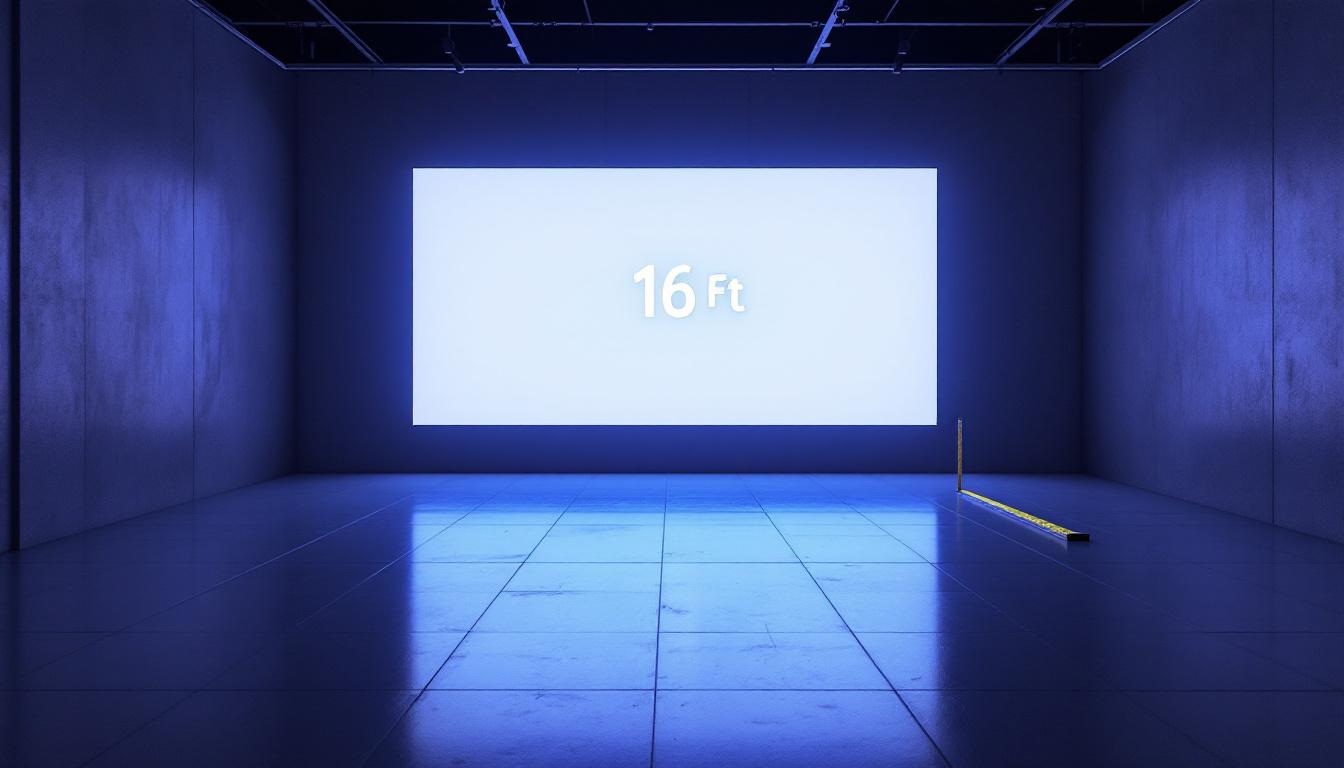
Sixteen feet is a length that can be surprisingly difficult to picture without a point of reference. To put it simply, 16 feet equals 192 inches or approximately 4.88 meters. This length is roughly equivalent to the width of a standard one-car garage door, or about the length of a large SUV parked end-to-end with some extra space.
In residential rooms, 16 feet often represents the span of a medium-sized wall. For example, many living rooms or conference rooms have walls that range between 12 to 20 feet, making 16 feet a common and practical measurement.
Common Room Dimensions and 16 Feet
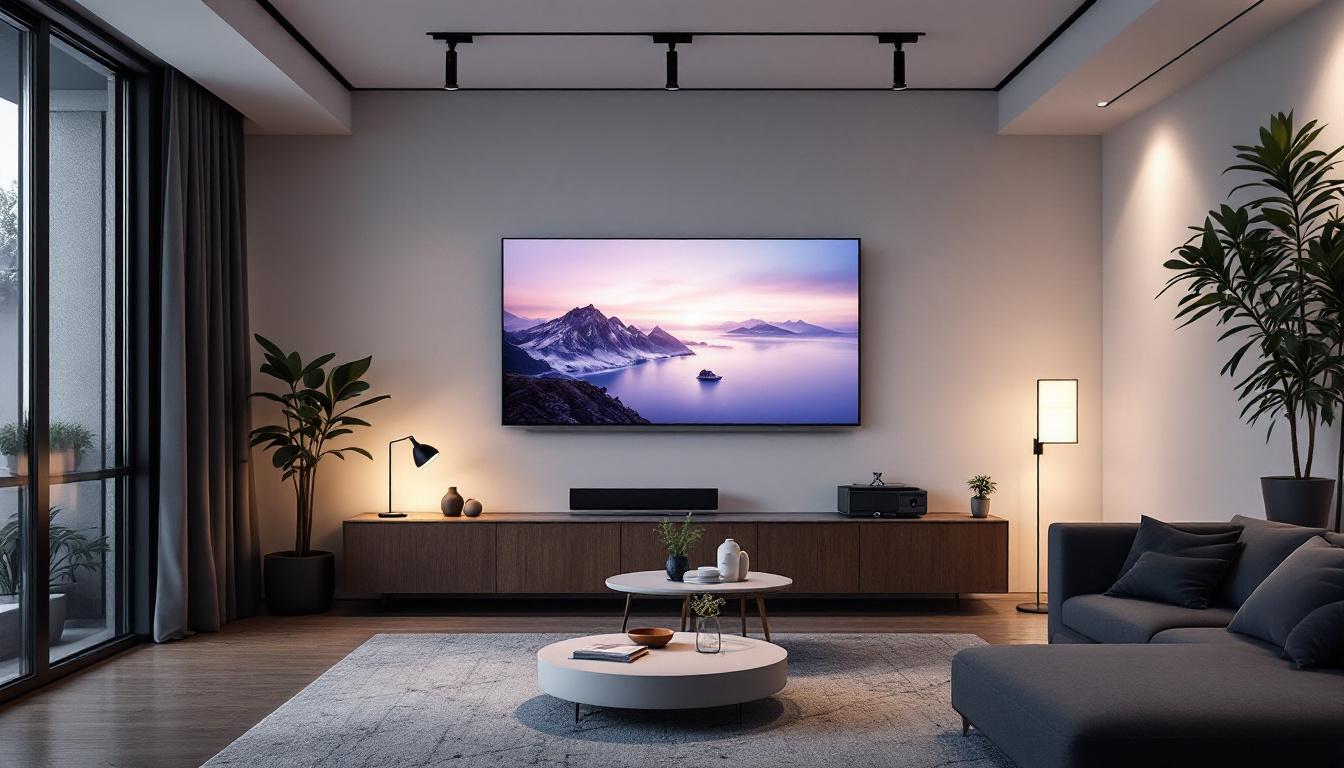
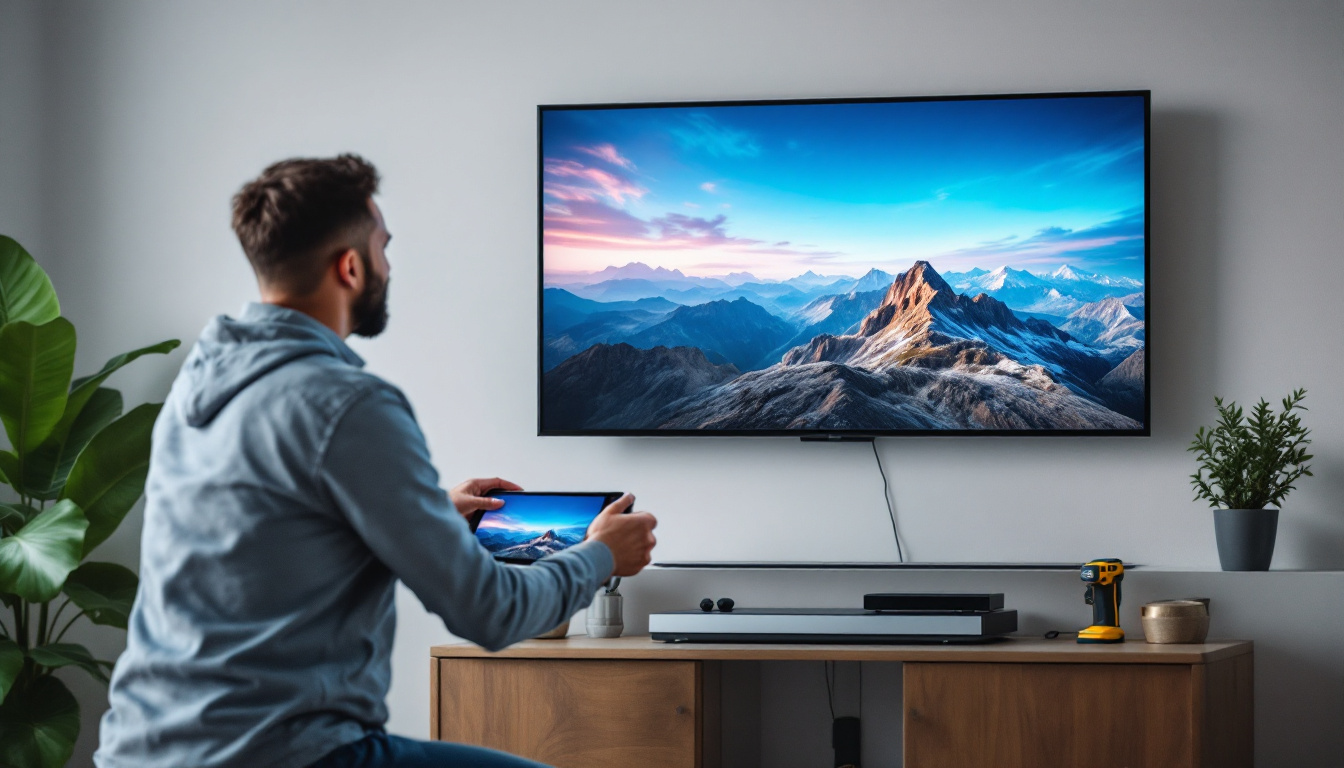
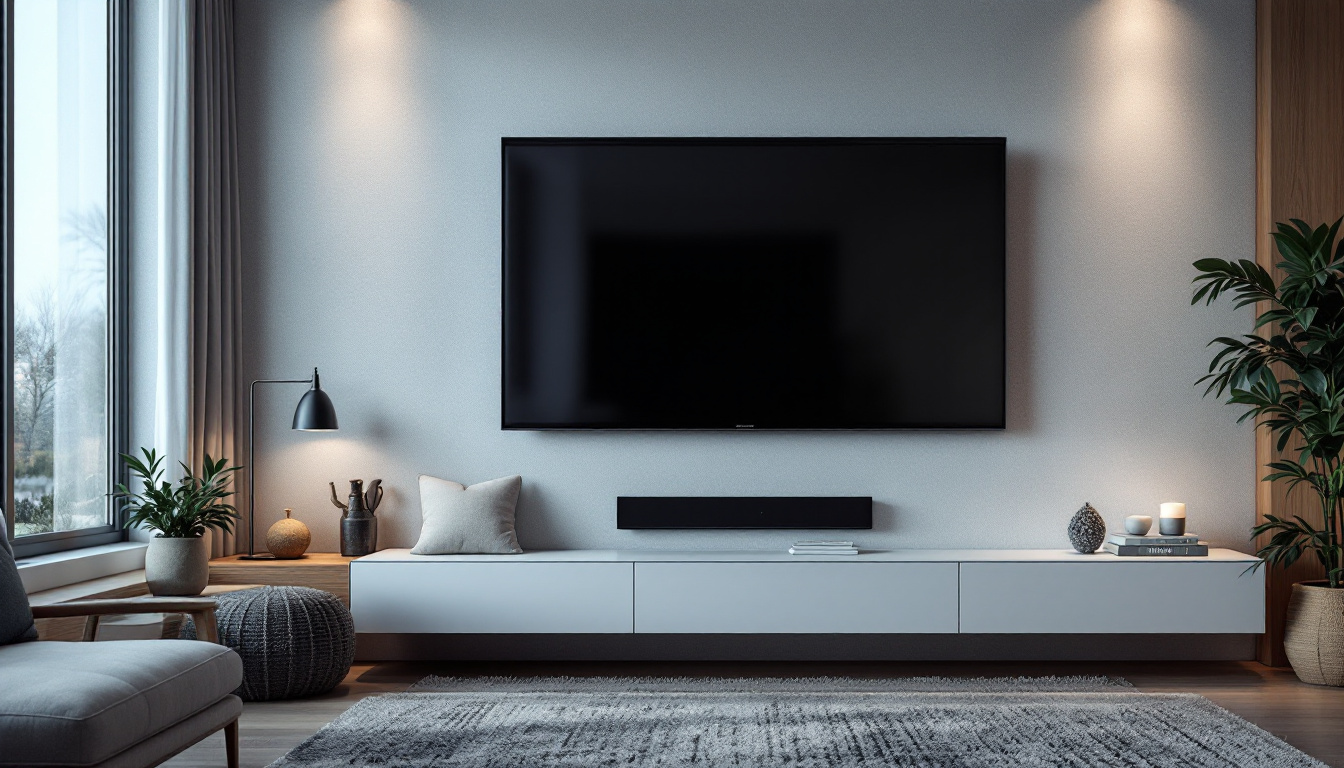
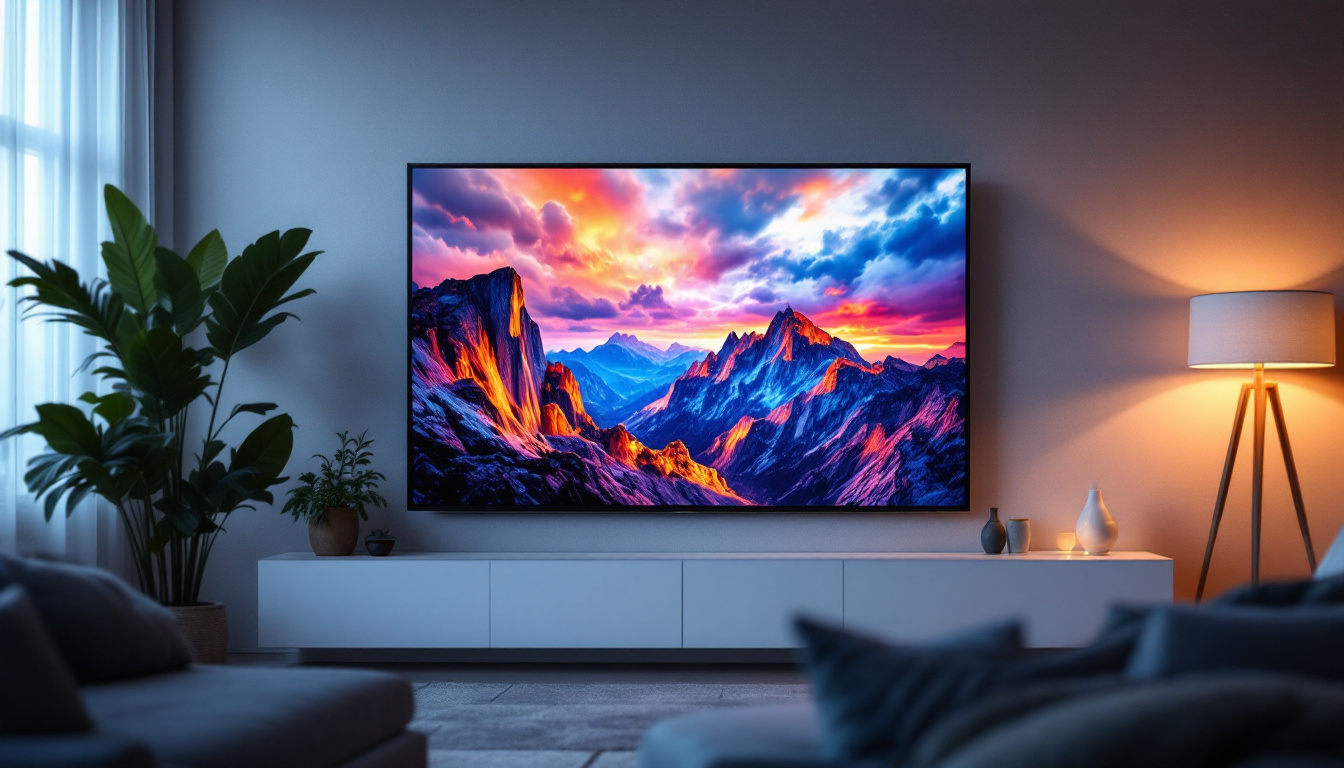
Consider a typical living room measuring 16 feet by 20 feet. The 16-foot side could be the perfect wall length for mounting an LED display, creating a focal point that commands attention without overwhelming the space. In offices or conference rooms, a 16-foot wall can accommodate a large presentation screen or digital signage, providing clear visibility to all attendees.
Understanding this scale helps when planning the layout of furniture, lighting, and technology installations. For example, a 16-foot LED display along one wall can serve as a dynamic backdrop for meetings or entertainment, but it requires careful consideration of viewing distance and room acoustics.
Moreover, a 16-foot wall can also serve as an excellent canvas for artwork or decorative elements. Imagine a gallery-style display featuring several framed pieces, or a large mural that transforms the wall into a stunning visual experience. This length allows for creative expression while maintaining balance in the overall design of the room. Additionally, incorporating shelves or built-in cabinetry along this wall can enhance functionality, providing storage solutions without sacrificing aesthetics.
In terms of lighting, a 16-foot space can benefit from a variety of fixtures. Pendant lights or a series of recessed lights can create an inviting ambiance, while strategically placed wall sconces can highlight artwork or architectural features. The height of the ceiling also plays a crucial role in how the 16-foot length feels; higher ceilings can make the space feel more expansive, while lower ceilings might create a cozier atmosphere. Thus, understanding the implications of this measurement can significantly impact the overall feel and usability of the room.
LED Displays: Size and Impact in Indoor Spaces
LED displays have revolutionized the way visual content is presented indoors. Their vibrant colors, brightness, and flexibility make them ideal for various applications—from corporate boardrooms to retail environments and entertainment venues. The technology behind LED displays has advanced significantly, allowing for thinner, lighter panels that can be seamlessly integrated into existing architecture. This adaptability means that businesses can create immersive environments that captivate audiences and enhance brand messaging.
Why Choose a 16-Foot LED Display?
A 16-foot LED display offers a substantial visual canvas. It is large enough to display detailed images, videos, and data clearly, even from a distance. This size is particularly advantageous in spaces where multiple viewers need to see the content simultaneously, such as auditoriums, lobbies, or large conference rooms. The sheer size of the display can also serve as a focal point in a room, drawing attention and creating an engaging atmosphere that encourages interaction and communication among viewers.
Moreover, a 16-foot length allows for creative configurations. LED panels can be arranged horizontally, vertically, or even curved to fit the room’s architecture, enhancing the aesthetic appeal and functionality. This versatility means that designers and architects can push the boundaries of traditional display setups, incorporating the screens into walls, ceilings, or even as part of interactive installations. Such innovative uses not only elevate the visual experience but also provide opportunities for storytelling and dynamic presentations that resonate with audiences on a deeper level.
Pixel Pitch and Resolution Considerations
When selecting an LED display, pixel pitch—the distance between the centers of two adjacent pixels—is a critical factor. A smaller pixel pitch means higher resolution and better image clarity, especially important for close viewing distances. This is particularly relevant in environments where detailed graphics or text are essential, such as in educational settings or during product launches where clarity can significantly impact understanding and engagement.
For a 16-foot display in a room where viewers might be as close as 10 to 15 feet, a pixel pitch between 1.2mm and 2.5mm is often ideal. This ensures crisp images without visible pixelation. Larger pixel pitches may be suitable for displays intended to be viewed from farther away. Additionally, advancements in LED technology have introduced options such as HDR (High Dynamic Range) and wide color gamut capabilities, further enhancing the visual experience. These features allow for more vibrant colors and deeper contrasts, making the content not only more appealing but also more effective in conveying messages and emotions to the audience.
Practical Applications of a 16-Foot LED Display in Rooms
Understanding how a 16-foot LED display fits into a room is essential for maximizing its potential. Here are some common scenarios where this size is particularly effective.
Corporate and Educational Settings
In corporate boardrooms or training rooms, a 16-foot LED display can serve as a powerful tool for presentations, video conferencing, and real-time data visualization. Its size allows for multiple windows or content streams to be displayed simultaneously, enhancing collaboration and engagement.
Educational institutions benefit similarly by using large LED displays for lectures, digital whiteboards, and interactive learning modules. The clarity and brightness of LED technology ensure that content is visible even in well-lit rooms.
Retail and Hospitality Environments
Retail stores and hospitality venues use large LED displays to attract customers and create immersive experiences. A 16-foot display can showcase promotions, menus, or entertainment content, becoming a centerpiece that enhances brand presence.
In hotels or restaurants, such displays can be integrated into lobbies or dining areas, providing dynamic ambiance and information without taking up floor space.
Entertainment and Event Spaces
For theaters, concert halls, or event venues, a 16-foot LED display offers versatility and impact. It can be used for live video feeds, digital backdrops, or interactive installations, enriching the audience experience.
Because LED displays are modular, a 16-foot screen can be expanded or reconfigured as needed, making it a flexible investment for venues with varying event requirements.
Installation and Room Planning Tips for a 16-Foot LED Display
Installing a large LED display requires careful planning to ensure optimal performance and integration with the room’s design.
Assessing Room Size and Viewing Distance
The size of the room and the typical viewing distance should guide the choice of display size and resolution. A 16-foot display is best suited for medium to large rooms where viewers are at least 10 feet away. For smaller rooms, such a large display might dominate the space and cause eye strain.
Consider the seating arrangement and sightlines to ensure that all viewers have an unobstructed view of the screen. Adjustable mounting options can help optimize the angle and height of the display.
Lighting and Ambient Conditions
LED displays perform well in various lighting conditions, but ambient light can affect visibility. Rooms with large windows or bright overhead lighting may require displays with higher brightness levels or anti-glare coatings.
In some cases, room lighting can be adjusted to complement the display, enhancing contrast and reducing reflections.
Power and Connectivity Requirements
Large LED displays require adequate power supply and data connectivity. Planning for cable management and access to power outlets is essential to maintain a clean and safe installation.
Modern LED displays often support wireless content management, but wired connections typically provide more reliable performance for high-resolution video content.
Cost Considerations and ROI of a 16-Foot LED Display
Investing in a 16-foot LED display involves significant upfront costs, including the display panels, installation, and potential room modifications. However, the return on investment (ROI) can be substantial.
Initial Investment Breakdown
The cost of a 16-foot LED display depends on factors such as pixel pitch, brightness, brand, and additional features like touch interactivity. On average, prices can range from $50,000 to over $150,000 for high-end models suitable for indoor use.
Installation costs vary based on complexity, room preparation, and mounting hardware, typically adding 10-20% to the total expenditure.
Long-Term Benefits and Savings
LED displays offer energy efficiency compared to traditional projection systems and have a longer lifespan, reducing maintenance and replacement costs. Their dynamic content capabilities allow businesses to update messaging instantly, avoiding printing costs and enhancing marketing agility.
For educational and corporate environments, improved communication and engagement can translate into better outcomes and productivity, justifying the investment.
Conclusion: Making the Most of 16 Feet in Your Room with LED Displays
Understanding the scale of 16 feet within a room is fundamental when planning for large installations such as LED displays. This length offers a versatile and impactful dimension that suits a variety of indoor environments, from corporate settings to entertainment venues.
By carefully considering room size, viewing distance, pixel pitch, and installation logistics, a 16-foot LED display can become a centerpiece that enhances communication, branding, and user experience. While the investment is significant, the benefits in terms of visual impact, flexibility, and long-term value make it a compelling choice for many applications.
Whether upgrading an existing space or designing a new one, visualizing 16 feet and its potential is the first step toward creating engaging, modern environments powered by cutting-edge LED technology.
Discover the Perfect LED Display for Your Space with LumenMatrix
Ready to transform your 16-foot space with a visually stunning LED display? LumenMatrix is at the forefront of LED display technology, offering a wide range of innovative solutions tailored to your needs. From immersive indoor walls to dynamic outdoor displays, our products are designed to captivate and engage your audience. Experience the difference with LumenMatrix and elevate your visual communication to new heights. Check out LumenMatrix LED Display Solutions today and bring your space to life.