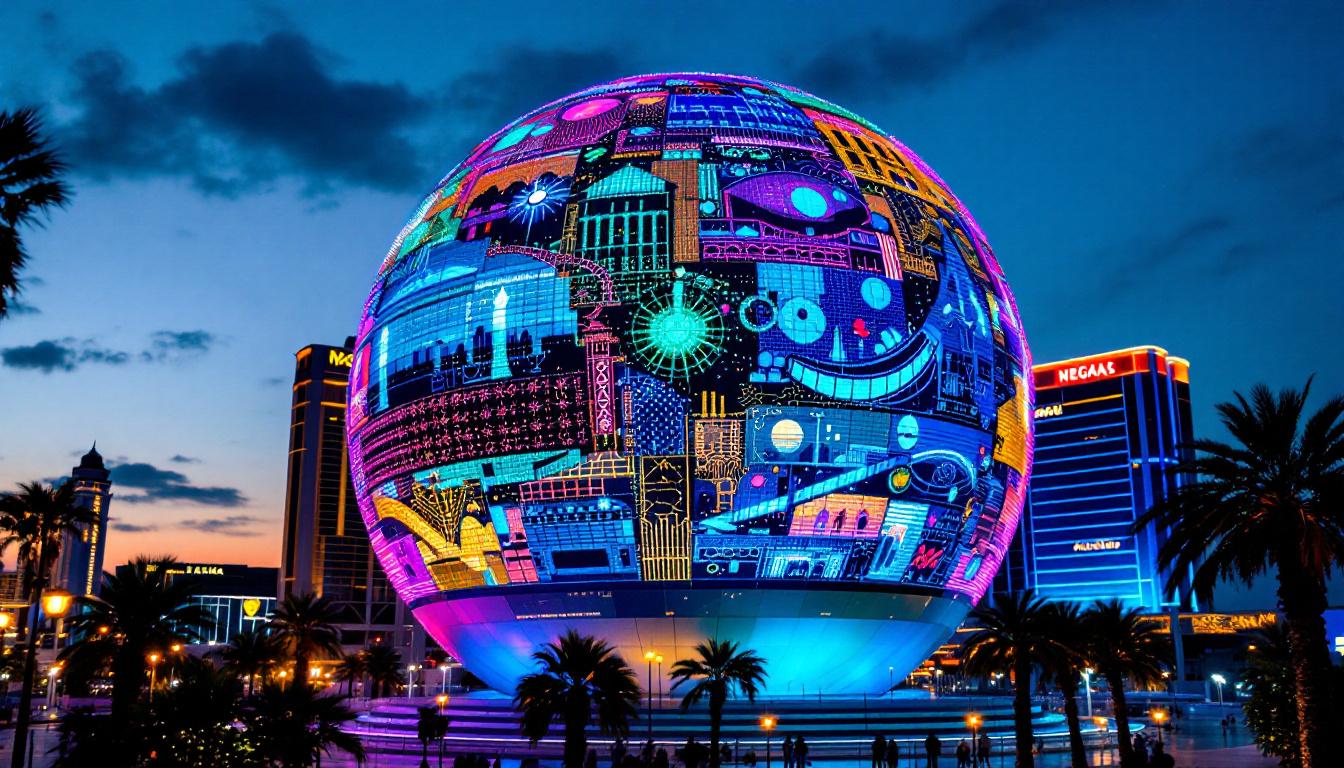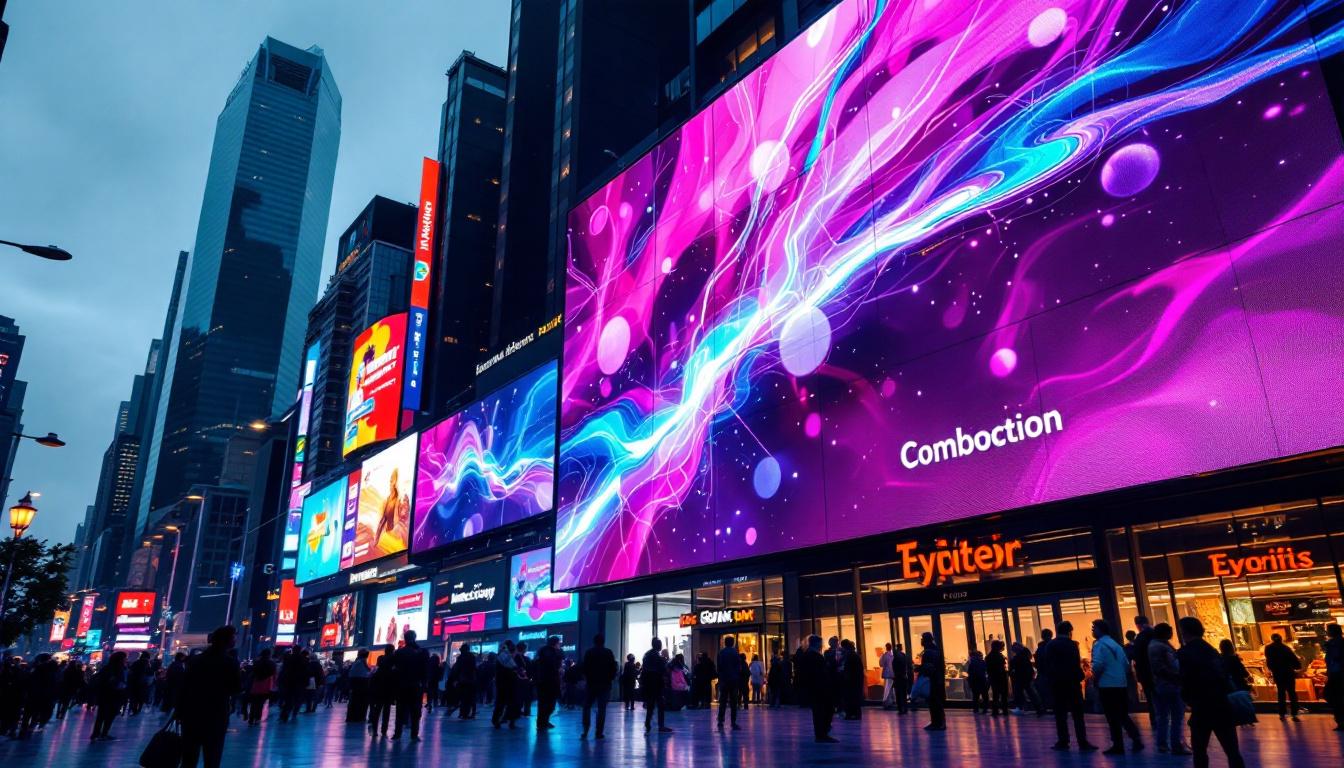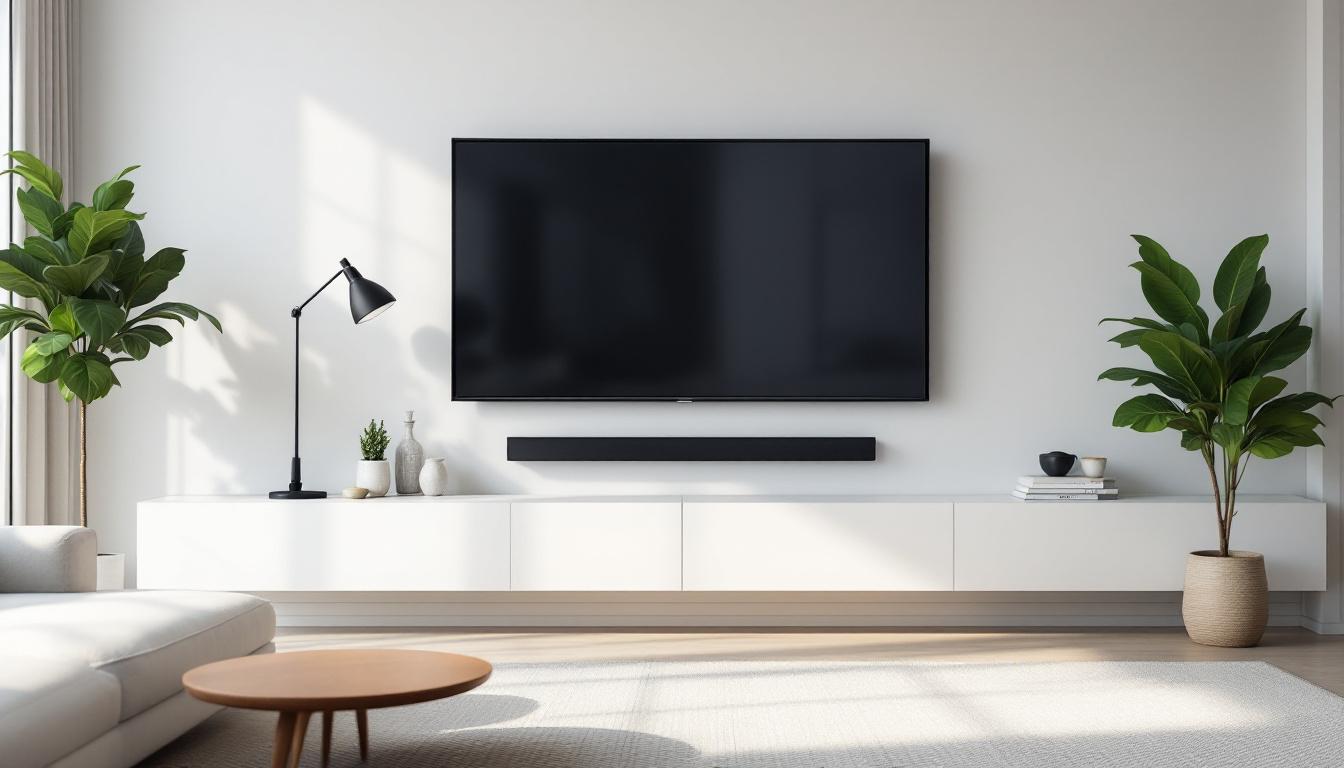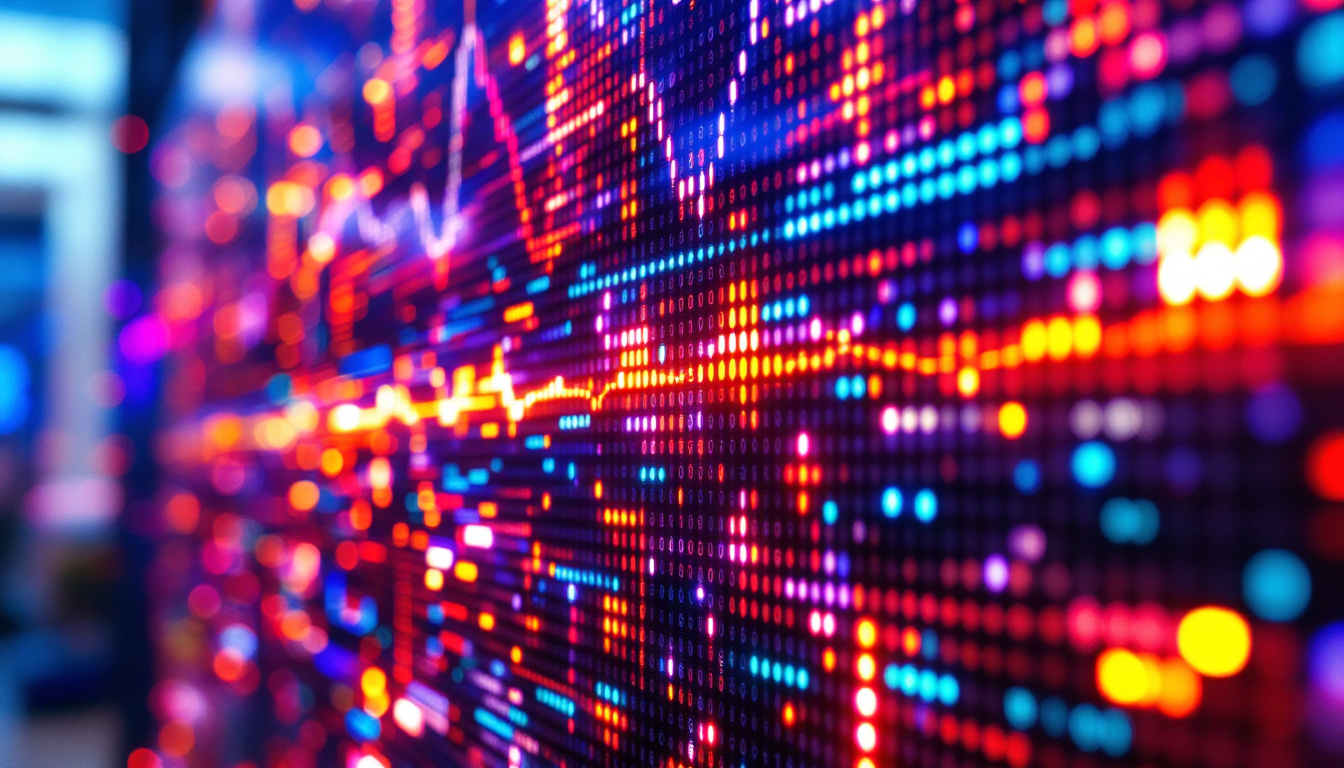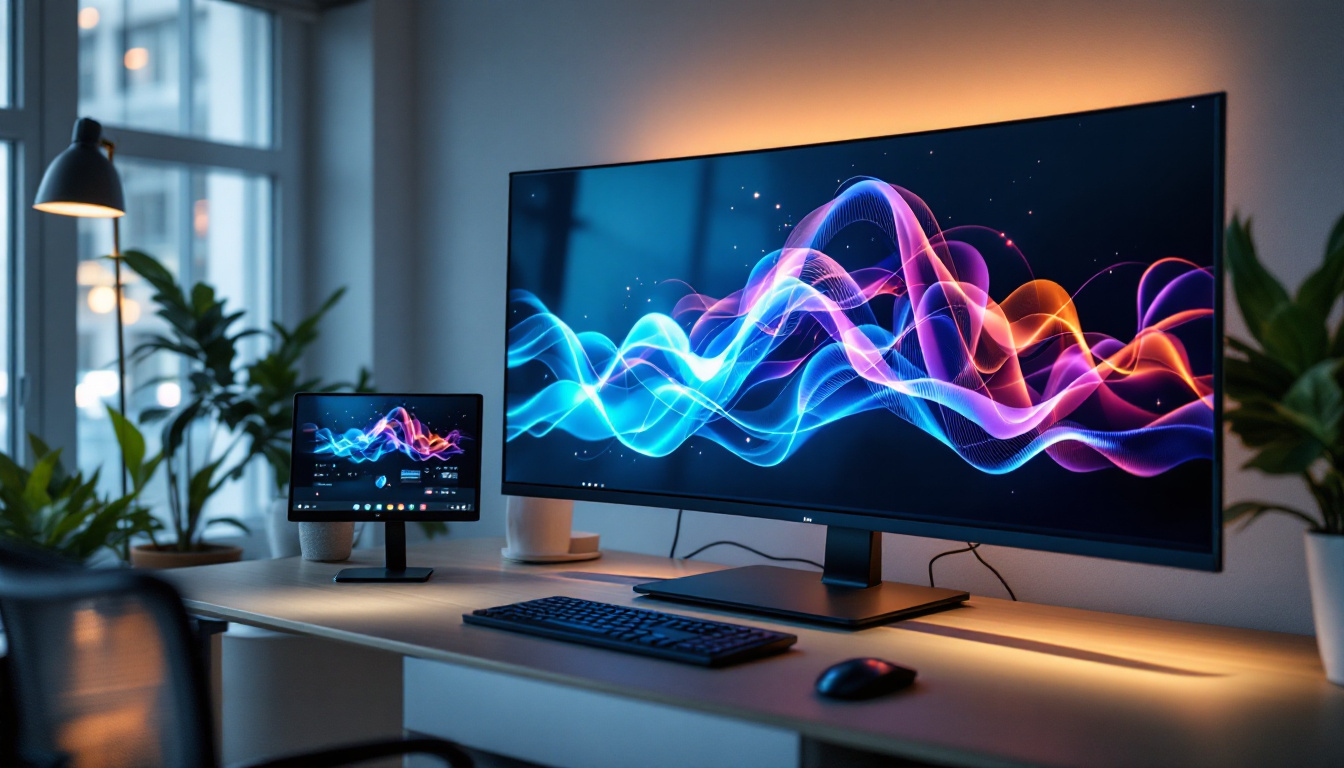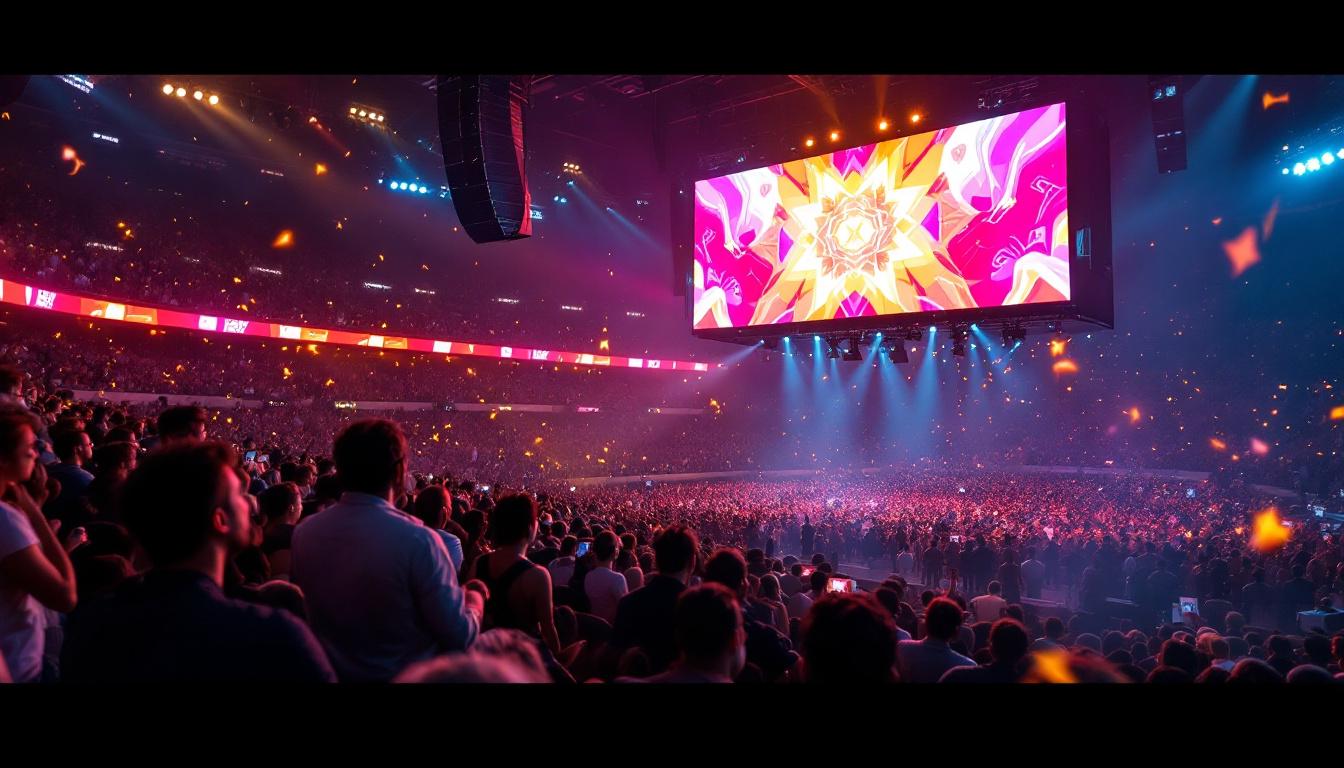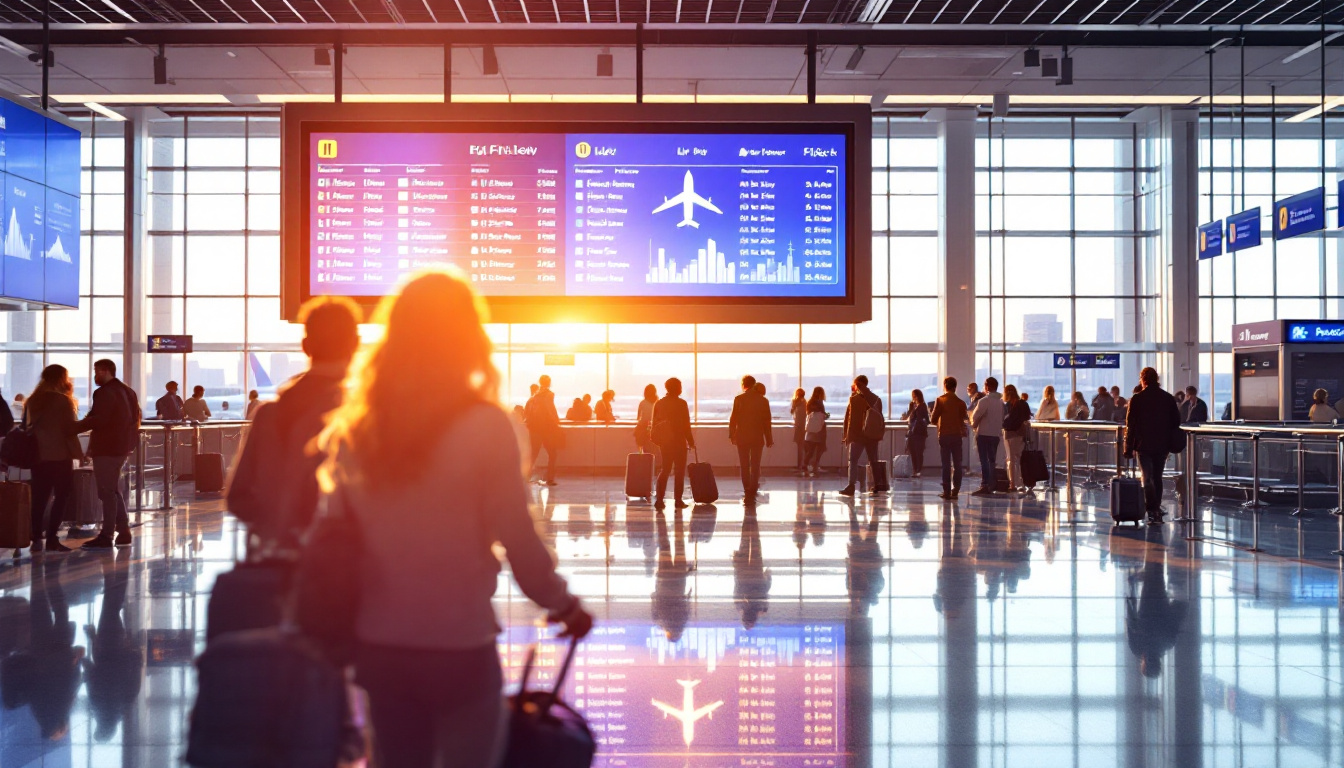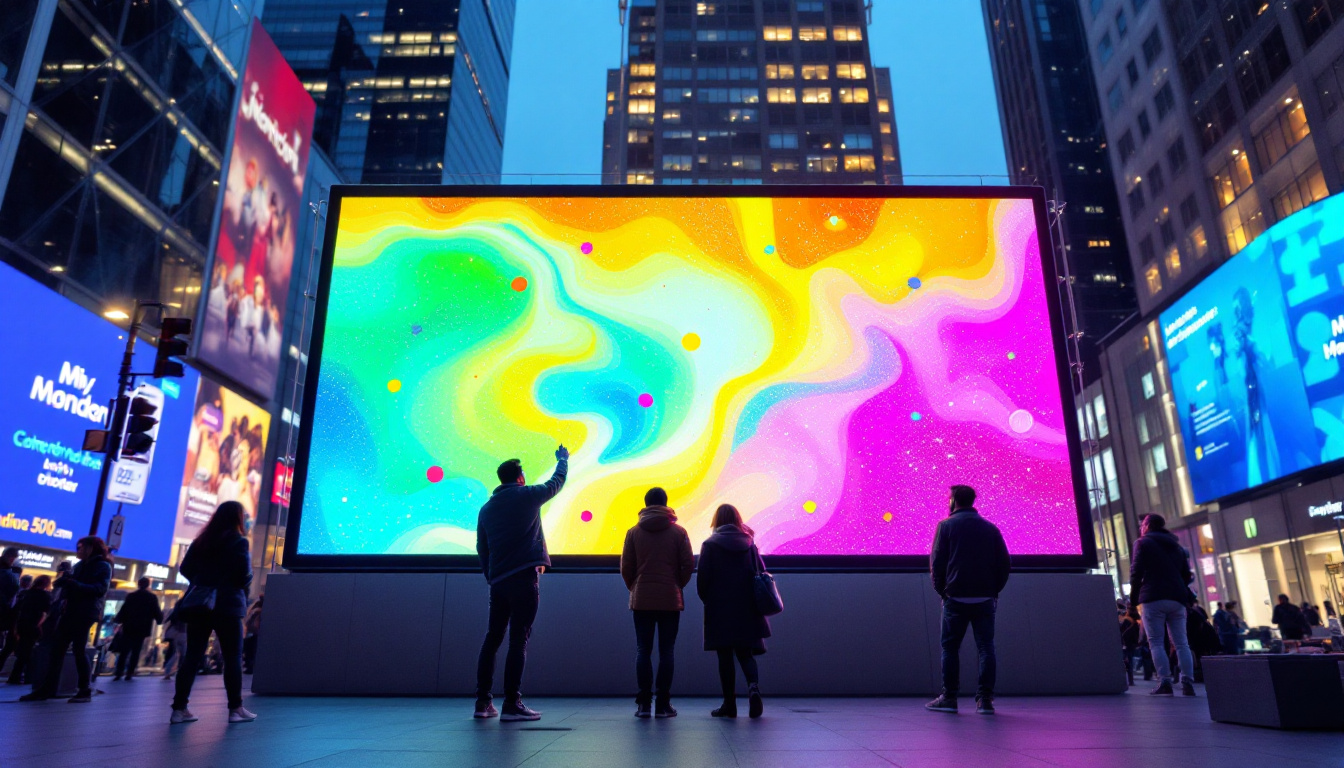
In today’s fast-paced digital world, LED displays have become an indispensable part of advertising, communication, and entertainment. From towering billboards in bustling city centers to dynamic stadium screens and immersive retail displays, LED technology has revolutionized how information is shared and experiences are created. This article delves into the intricate world of LED displays, focusing on the concept of “Tower Strong” LED displays—robust, high-performance installations designed to withstand challenging environments while delivering stunning visual impact.
Understanding LED Display Technology
What is an LED Display?
LED, or Light Emitting Diode, displays consist of thousands to millions of tiny diodes that emit light when an electric current passes through them. These diodes are arranged in a matrix to form images, videos, or text. Unlike traditional LCD or projection screens, LED displays are self-illuminating, which means they do not require a backlight. This results in higher brightness, better contrast, and deeper blacks, making LED displays ideal for outdoor and large-scale applications.
Modern LED displays vary in size and resolution, from small indoor panels to massive outdoor screens that can be seen from miles away. The technology behind LED displays has evolved rapidly, with improvements in energy efficiency, color accuracy, and durability. For instance, advancements in chip technology have led to the development of microLED displays, which utilize microscopic LEDs to create stunningly detailed images with unparalleled brightness and color fidelity. These innovations not only enhance the viewing experience but also contribute to lower energy consumption, making LED displays a more sustainable choice for both consumers and businesses.
Types of LED Displays
LED displays come in several types, primarily categorized by their pixel pitch, configuration, and intended use:
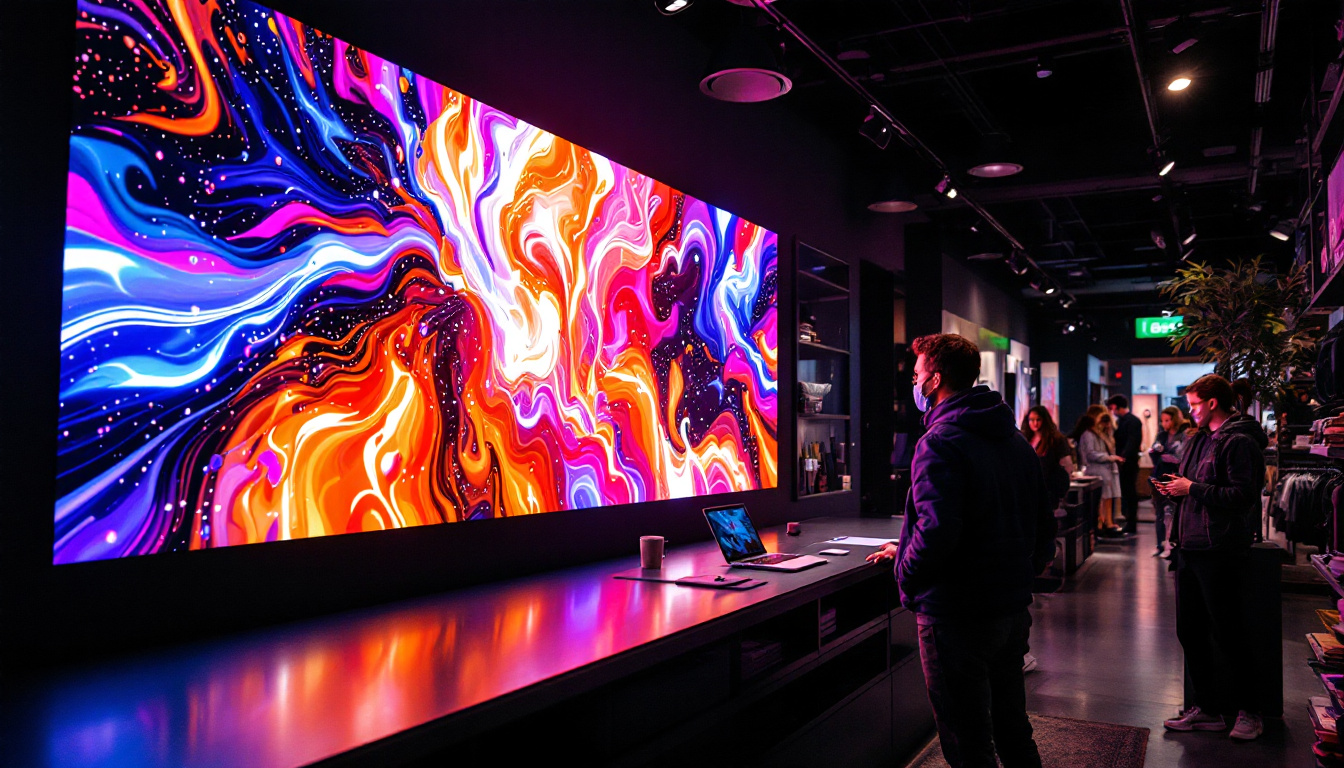
- Indoor LED Displays: Designed for controlled environments, these displays have a small pixel pitch (distance between LEDs), offering high resolution and sharp images for close viewing distances. They are commonly used in retail settings, conference rooms, and entertainment venues, where clarity and detail are paramount.
- Outdoor LED Displays: Built to withstand harsh weather conditions, these displays have a larger pixel pitch and higher brightness levels to remain visible under direct sunlight. Their robust construction ensures they can endure rain, wind, and extreme temperatures, making them ideal for billboards, sports arenas, and public events.
- Transparent LED Displays: These innovative screens allow light to pass through, making them perfect for storefronts and architectural applications without blocking natural light. They create a unique visual experience, allowing brands to showcase products while maintaining an open and inviting atmosphere.
- Flexible and Curved LED Displays: Designed to fit unique shapes and surfaces, these displays enable creative installations in various environments. Their adaptability allows for immersive experiences in theme parks, museums, and art installations, where traditional flat screens would be limiting.
Additionally, the rise of smart LED displays has transformed how content is managed and delivered. These displays can connect to the internet, allowing for real-time updates and dynamic content changes based on audience engagement or environmental factors. This capability is particularly beneficial in advertising, where businesses can tailor their messages to specific demographics or events, maximizing impact and relevance. Furthermore, with the integration of artificial intelligence, these displays can analyze viewer interactions, optimizing content strategies and enhancing overall effectiveness.
The Concept of “Tower Strong” LED Displays
What Does “Tower Strong” Mean?
“Tower Strong” refers to LED display installations that are engineered to be exceptionally durable, reliable, and resilient, especially when mounted on towers, poles, or other elevated structures. These displays are designed to endure extreme weather conditions such as high winds, heavy rain, snow, and intense sunlight without compromising performance or safety.
In many urban and rural settings, LED towers serve as key communication points, delivering advertisements, public announcements, and emergency information. The “Tower Strong” concept ensures these displays maintain structural integrity and visual clarity over long periods, even in challenging environments.
Key Characteristics of Tower Strong LED Displays
Several factors contribute to the strength and reliability of tower-mounted LED displays:
- Robust Structural Design: The physical frame and mounting hardware are engineered to resist mechanical stress and vibrations caused by wind or seismic activity.
- Weatherproof Enclosures: High-grade materials and sealing techniques protect internal electronics from moisture, dust, and temperature fluctuations.
- High Brightness and Contrast: To remain visible from great distances and under direct sunlight, these displays often exceed 6,000 nits in brightness.
- Redundancy and Maintenance Access: Modular designs allow for quick repairs and component replacements, minimizing downtime.
Applications of Tower Strong LED Displays
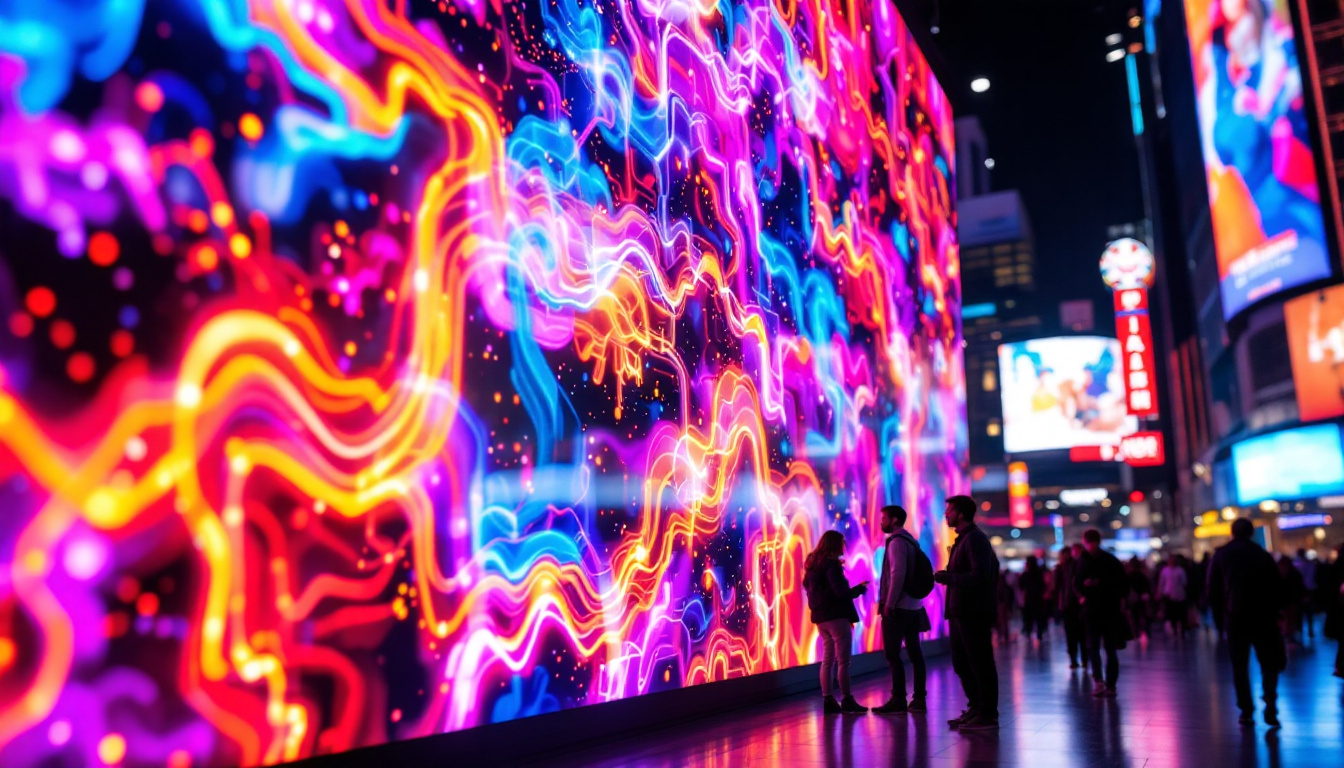
Outdoor Advertising and Digital Billboards
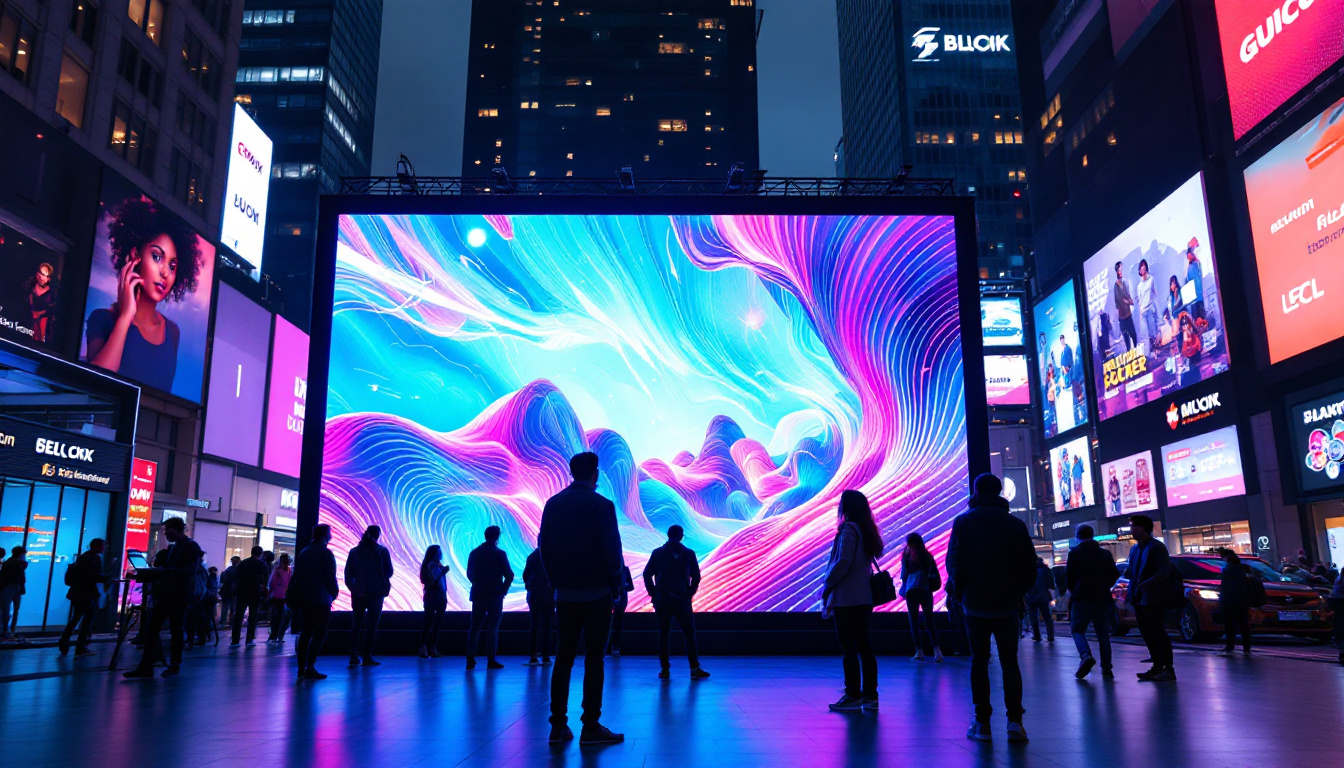
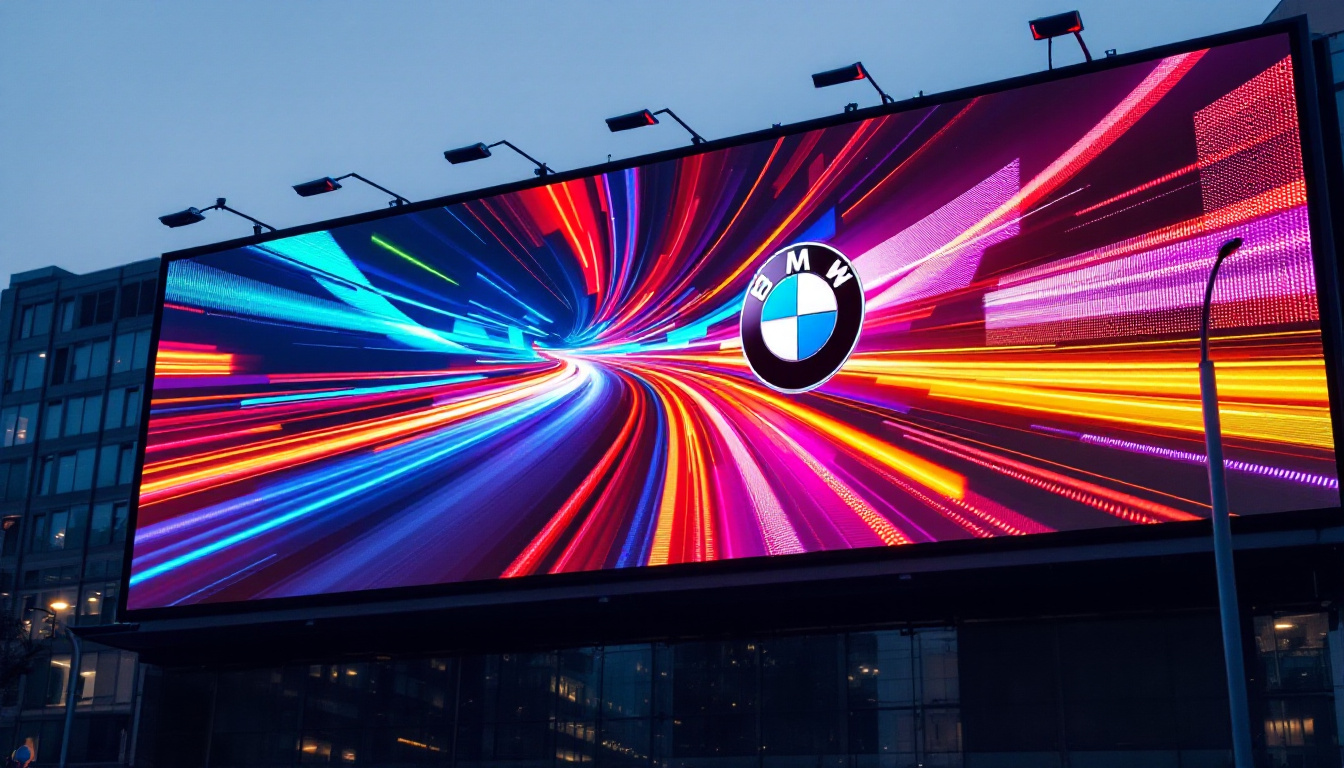
One of the most common uses of tower-strong LED displays is in outdoor advertising. Digital billboards have transformed the advertising industry by offering dynamic, eye-catching content that can be updated in real-time. According to the Digital Signage Federation, digital out-of-home advertising revenue in the United States alone reached $3.8 billion in 2023, underscoring the growing importance of LED displays in marketing strategies.
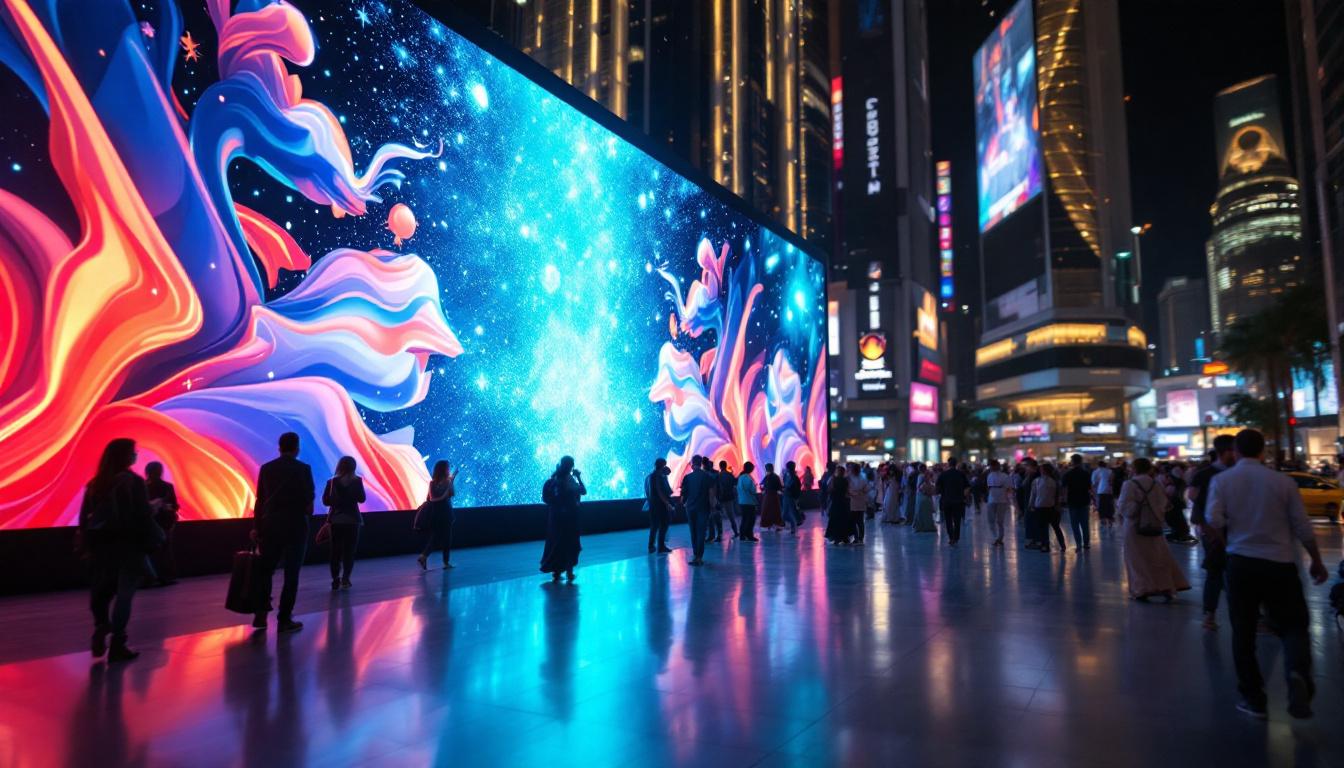
These towering displays are typically installed on highways, city centers, and shopping districts, where visibility and durability are critical. The ability to withstand environmental stressors while delivering high-resolution content ensures advertisers can reach large audiences effectively.
Sports Arenas and Event Venues
Stadiums and arenas rely heavily on tower-mounted LED displays to enhance the spectator experience. From scoreboards to live video feeds and interactive advertisements, these displays must be robust enough to function flawlessly during high-profile events.
For example, the LED displays at the AT&T Stadium in Texas are engineered to withstand extreme weather and provide crystal-clear images to tens of thousands of fans. The “Tower Strong” build quality ensures these screens operate continuously without failure, even in outdoor stadiums exposed to the elements.
Public Safety and Emergency Communication
In addition to commercial uses, tower-strong LED displays play a vital role in public safety. Municipalities use these displays for emergency alerts, weather warnings, and traffic updates. Their high visibility and reliability make them indispensable tools during critical situations.
For instance, during natural disasters such as hurricanes or wildfires, LED tower displays can broadcast evacuation routes and safety instructions in real-time, potentially saving lives. The rugged construction of these displays ensures they remain operational when they are needed most.
Technical Considerations for Tower Strong LED Displays
Pixel Pitch and Resolution
Pixel pitch is a fundamental specification in LED displays, indicating the distance between the centers of adjacent pixels. Tower-strong displays typically have a larger pixel pitch compared to indoor displays, ranging from 6mm to 20mm or more. This is because these displays are viewed from longer distances, where ultra-fine resolution is less critical than brightness and durability.
Choosing the right pixel pitch balances image clarity with cost and power consumption. For example, a 10mm pixel pitch display is ideal for highway billboards visible from 100 meters or more, providing clear and legible content without unnecessary expense.
Brightness and Viewing Angles
Brightness is measured in nits, with outdoor LED displays often requiring levels above 6,000 nits to remain visible in direct sunlight. Tower-strong displays incorporate high-intensity LEDs and advanced optics to achieve this brightness without excessive power consumption.
Viewing angles are also critical. Wide horizontal and vertical viewing angles ensure that content is visible from multiple directions, accommodating pedestrians, drivers, and nearby buildings. Typical viewing angles for outdoor LED displays range from 120° to 160° horizontally and vertically.
Power Consumption and Heat Management
High brightness levels and large display sizes can lead to significant power consumption. Efficient power management systems are essential to reduce operating costs and environmental impact. Many modern LED displays use energy-saving technologies such as dynamic brightness adjustment based on ambient light conditions.
Heat dissipation is another technical challenge. LED modules generate heat that must be effectively managed to prevent damage and maintain performance. Tower-strong LED displays incorporate heat sinks, ventilation, and sometimes active cooling systems to ensure longevity.
Durability and Maintenance
Durability is paramount for tower-mounted LED displays. Components must resist corrosion, UV degradation, and mechanical impact. Protective coatings, stainless steel frames, and sealed connectors are common features that enhance lifespan.
Maintenance accessibility is also crucial. Modular designs allow technicians to replace individual LED panels or power supplies without dismantling the entire structure. This reduces downtime and maintenance costs, keeping the display operational around the clock.
Future Trends in Tower Strong LED Displays
Advancements in LED Technology
Emerging LED technologies promise even greater brightness, color accuracy, and energy efficiency. MicroLED and miniLED innovations are pushing the boundaries of pixel density and display quality, potentially enabling tower-strong displays to deliver near-retina resolution from long distances.
Additionally, improvements in materials science are leading to more weather-resistant and lightweight display components, simplifying installation and reducing structural load on towers.
Integration with Smart Technologies
Smart LED displays are becoming increasingly common, incorporating sensors, cameras, and AI-driven content management systems. These features enable dynamic content adaptation based on audience demographics, weather conditions, or time of day.
For tower-strong installations, smart technology can optimize brightness and power usage, monitor system health remotely, and automate maintenance alerts, enhancing reliability and reducing operational costs.
Sustainability and Environmental Considerations
As environmental concerns grow, manufacturers and operators are focusing on sustainability. Tower-strong LED displays are being designed with recyclable materials, energy-efficient components, and solar-powered options.
Moreover, regulations in many countries are encouraging the replacement of older, less efficient digital billboards with modern LED displays that consume less power and reduce light pollution, aligning with broader environmental goals.
Conclusion
Tower strong LED displays represent the pinnacle of durability, performance, and visual impact in the digital signage industry. Their ability to withstand harsh environmental conditions while delivering bright, clear, and dynamic content makes them invaluable tools for advertising, public safety, and entertainment.
Understanding the technology behind these displays—from pixel pitch and brightness to structural design and maintenance—is essential for businesses and municipalities investing in digital signage solutions. As LED technology continues to advance, tower-strong displays will become even more versatile, intelligent, and sustainable, shaping the future of outdoor communication.
Whether illuminating city skylines, energizing sports arenas, or safeguarding communities, tower strong LED displays stand as a testament to innovation and resilience in the digital age.
Explore the Future of Visual Communication with LumenMatrix
As you consider the robust capabilities and innovative applications of tower strong LED displays, LumenMatrix stands at the forefront of this transformative technology. With our comprehensive range of LED display solutions, from the vibrant Indoor LED Wall Display to the resilient Outdoor LED Wall Display, and from the dynamic Vehicle LED Display to the transparent wonders of LED Transparent Display, we are committed to elevating your brand’s presence. Embrace the future of digital signage with LumenMatrix and experience how our cutting-edge LED display modules can create unforgettable visual narratives for your audience. Check out LumenMatrix LED Display Solutions today and join the revolution in visual communication.