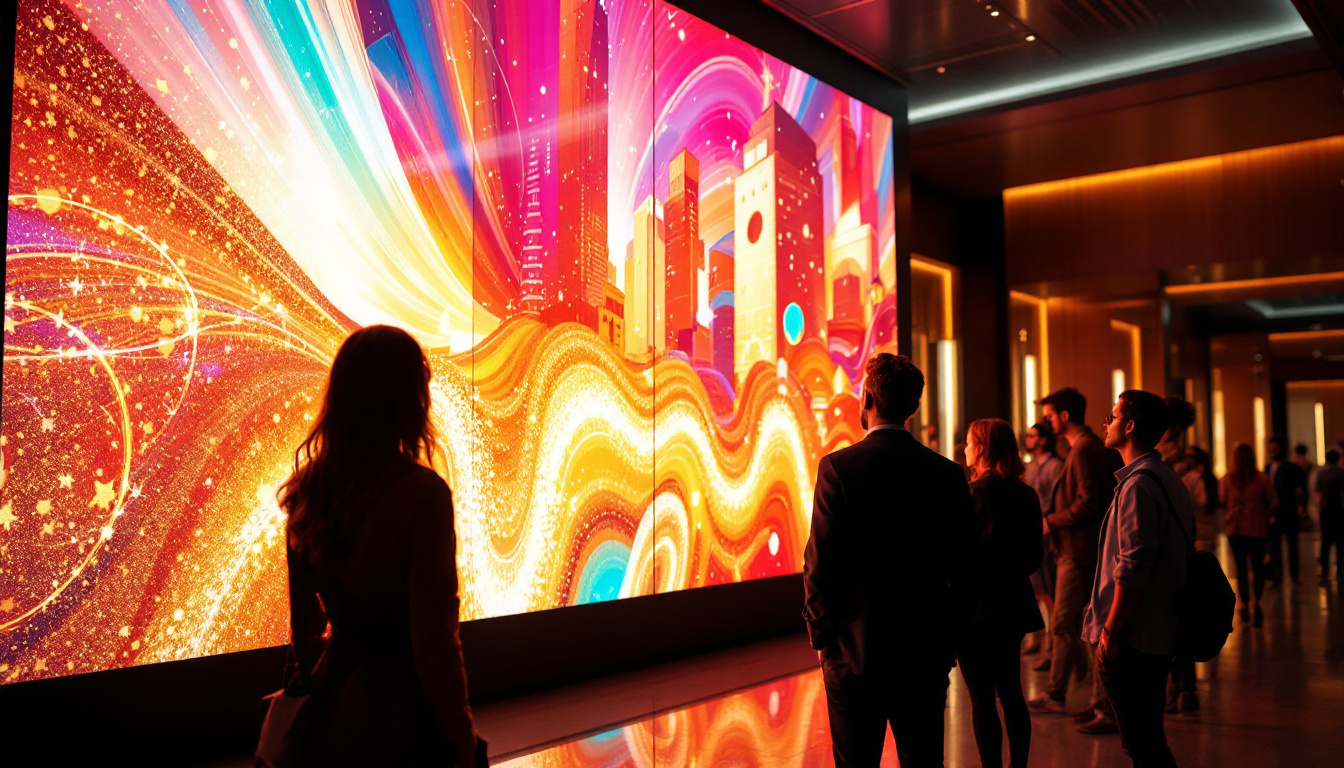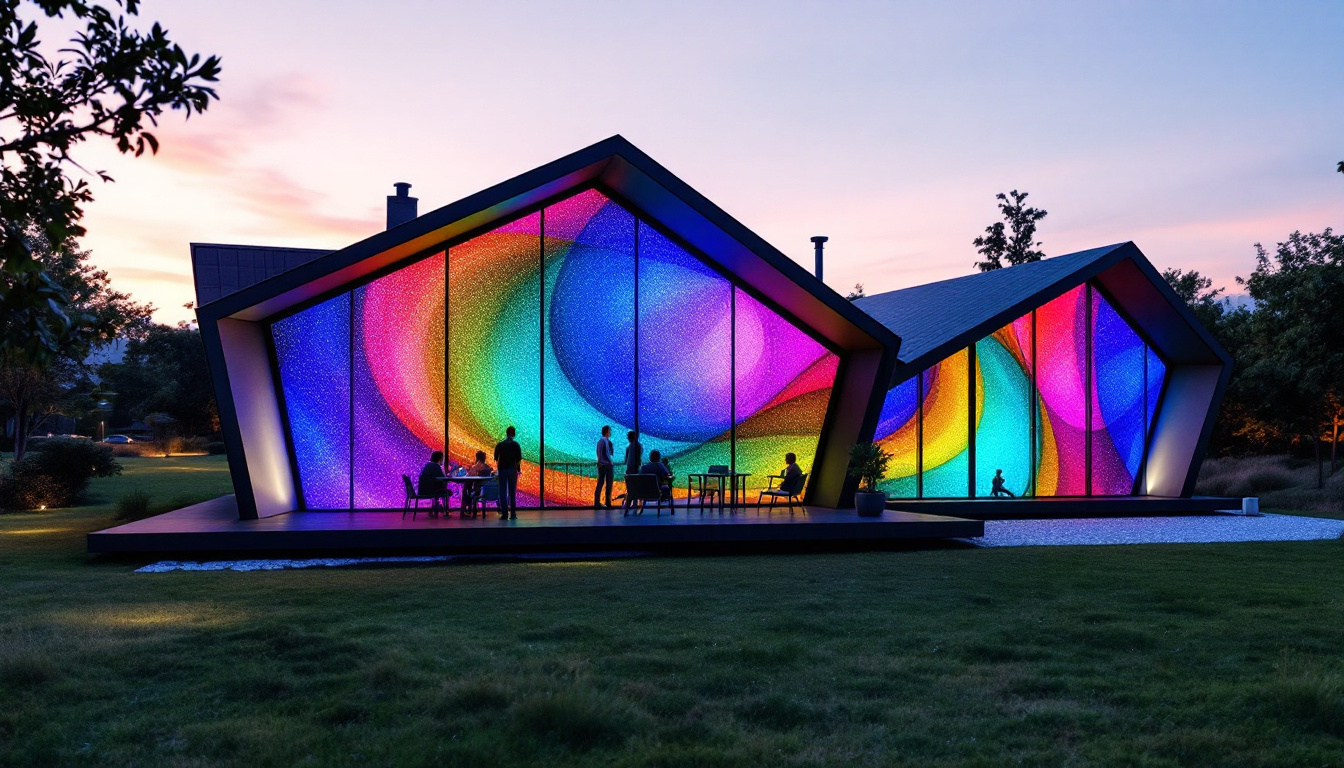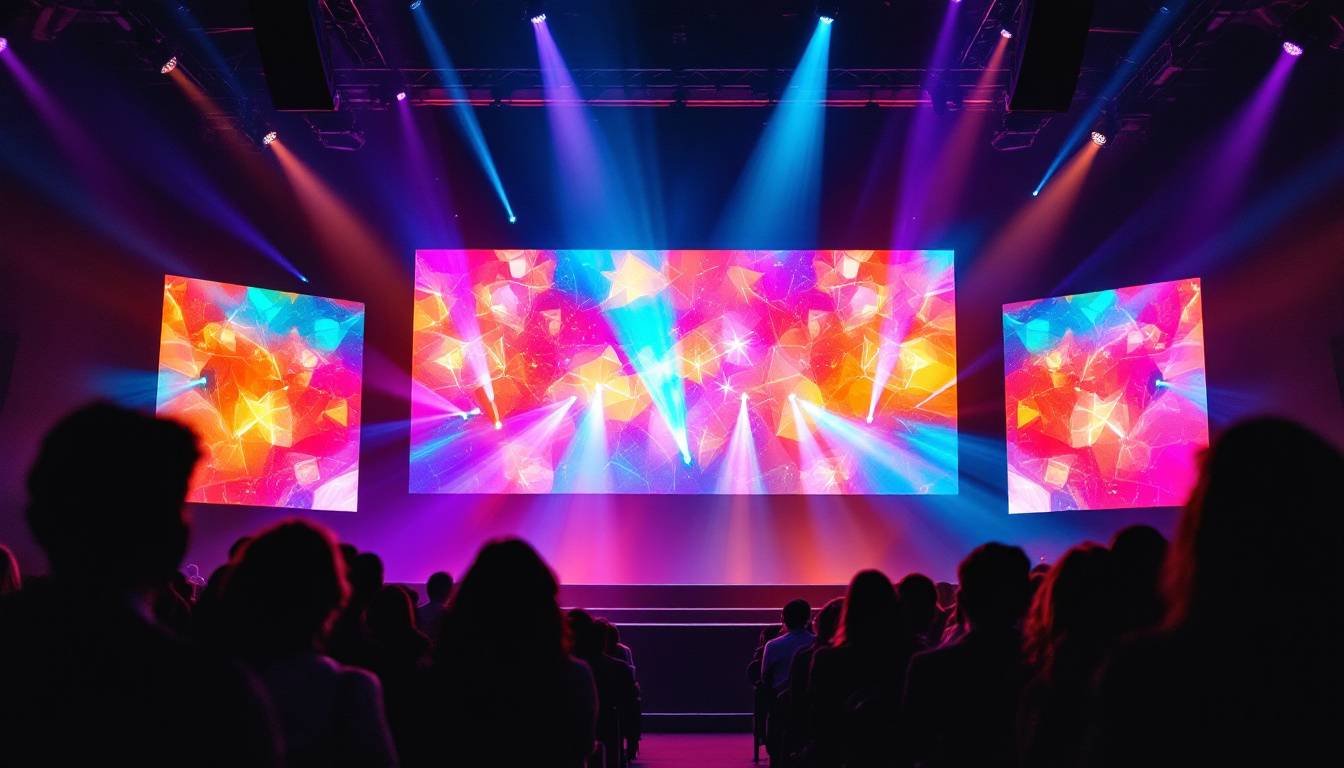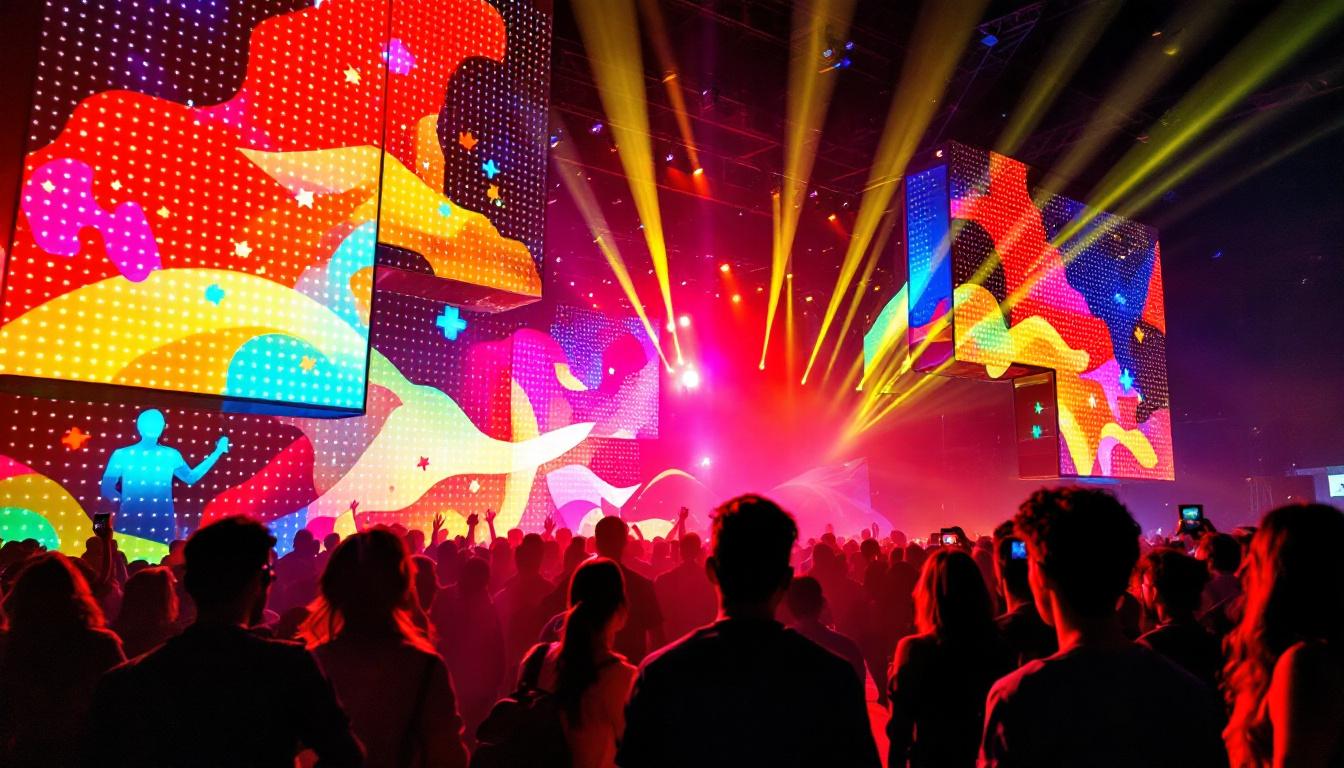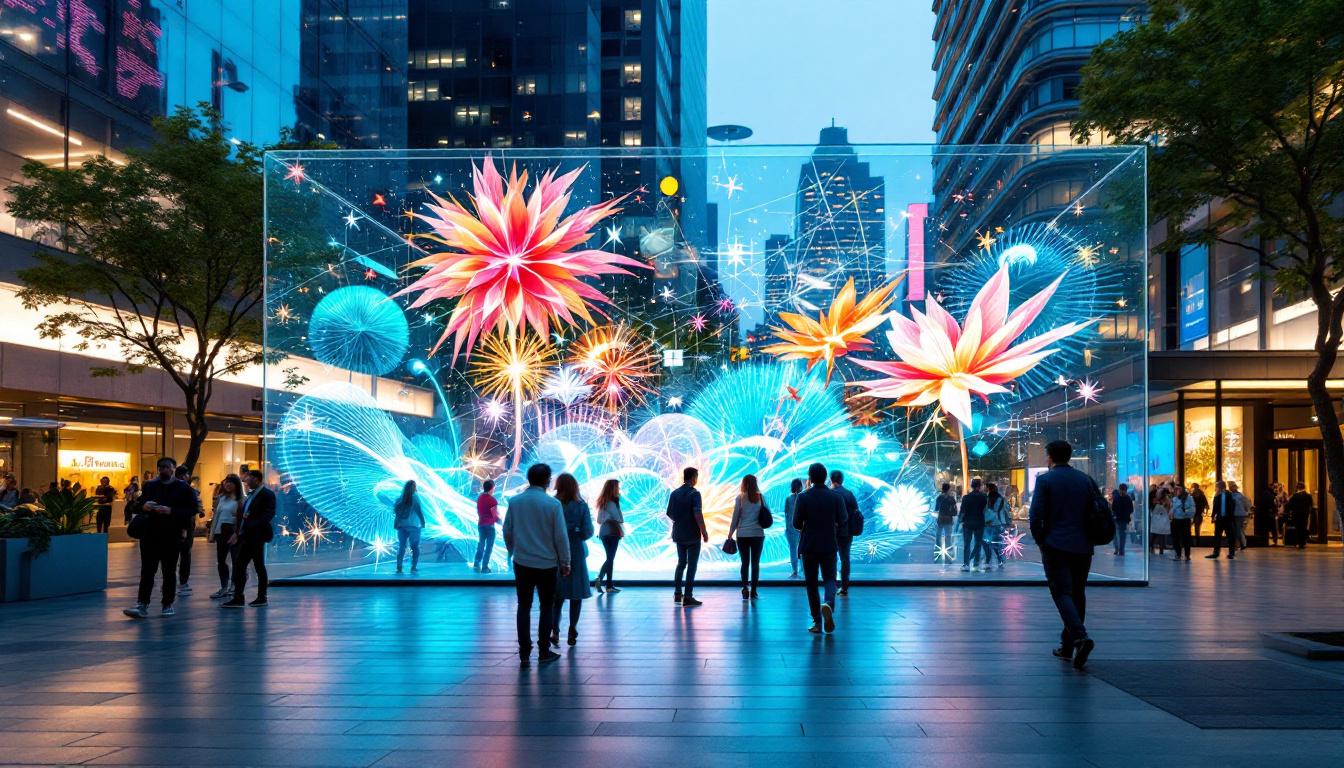
In recent years, transparent LED displays have emerged as a groundbreaking technology, reshaping the way businesses, advertisers, and designers approach visual communication. These displays combine the dynamic capabilities of LED screens with a see-through design, enabling content to be presented without obstructing the view behind the screen. This article delves into the technology behind transparent LED displays, their applications, benefits, and future outlook, providing a comprehensive understanding of this innovative display solution.
What Is a Transparent LED Display?
A transparent LED display is a type of digital screen that allows light to pass through it, making the display partially see-through. Unlike traditional LED screens that are opaque and block any view behind them, transparent LED displays integrate LEDs with a mesh or glass substrate that permits transparency. This unique characteristic enables the display to show vibrant images and videos while maintaining visibility of the background environment.
Typically, these displays consist of LED modules arranged on a transparent panel, such as tempered glass or acrylic. The LEDs are spaced in such a way that the gaps between them allow light and visuals from behind the screen to be visible. The transparency level can vary, generally ranging between 30% and 70%, depending on the design and application. This versatility makes them ideal for a variety of settings, from retail spaces to art installations, where maintaining a connection with the surrounding environment is essential.
In addition to their aesthetic appeal, transparent LED displays are also highly functional. They can be used to create engaging advertising experiences, allowing brands to showcase their products while still enabling customers to see the store layout or other merchandise behind the display. This dual functionality enhances the shopping experience, making it more immersive and interactive, as consumers can view promotional content without losing sight of the physical products available.
How Do Transparent LED Displays Work?
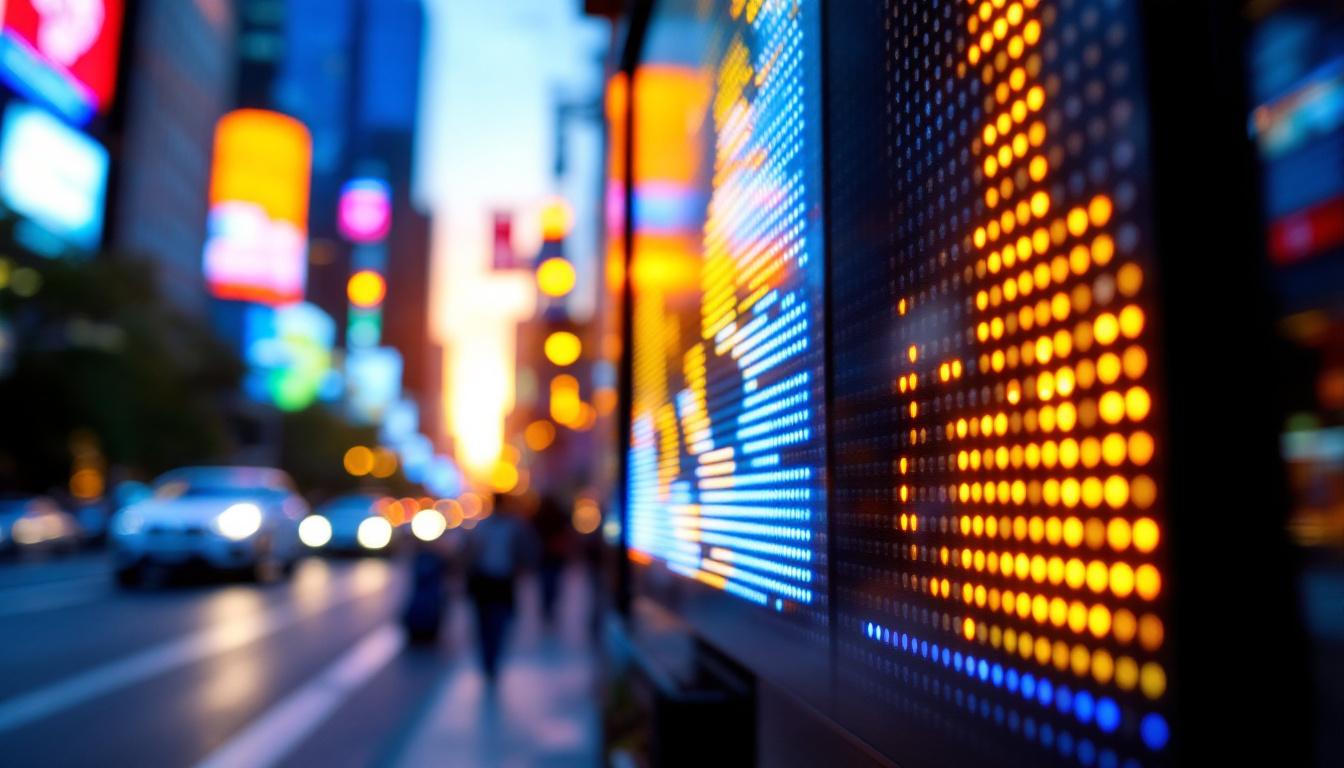
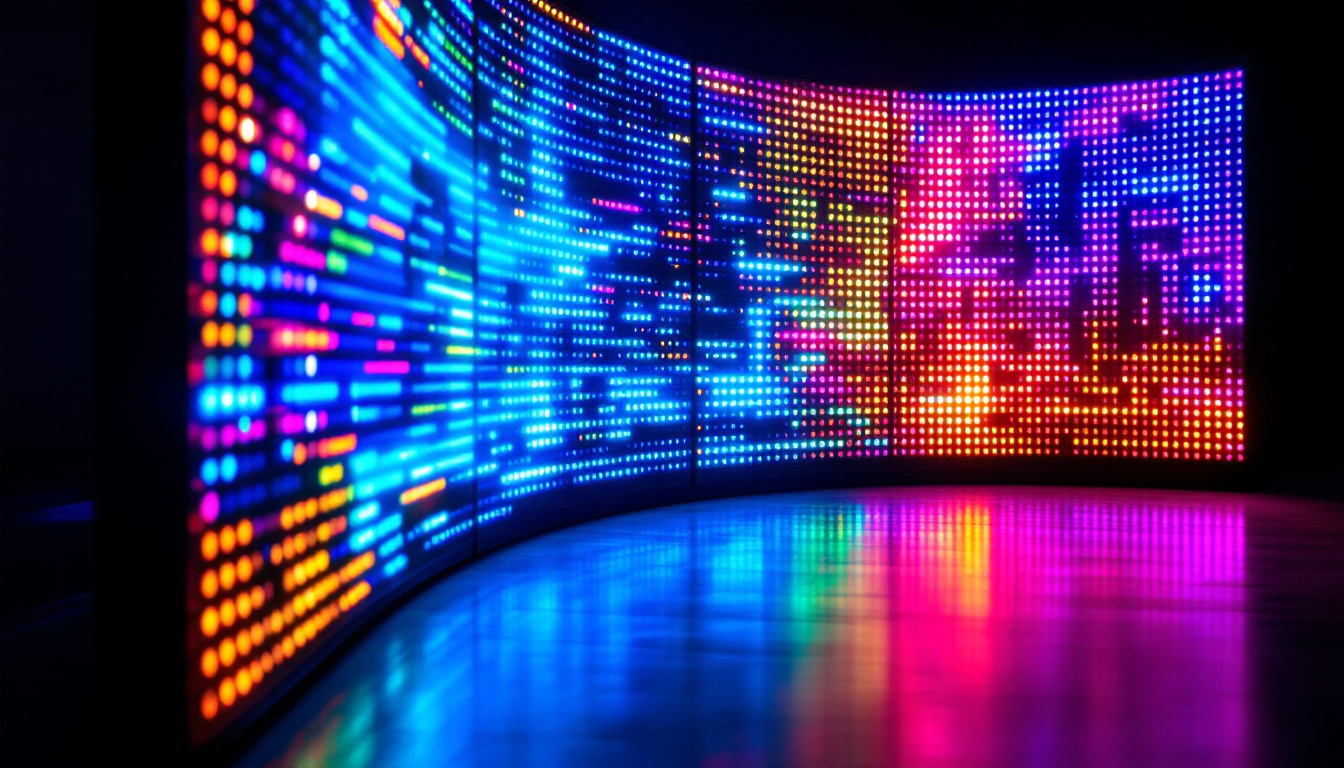
At the core of transparent LED technology is the principle of pixel spacing and light emission. LEDs are positioned in a grid pattern with deliberate gaps between pixels, which create the transparent effect. When the LEDs light up, they form images or videos, but the spaces between the LEDs allow viewers to see through the display.
Modern transparent LED displays use surface-mounted device (SMD) LEDs, which are compact and efficient. These LEDs emit bright, vivid colors that remain visible even under strong ambient lighting conditions, such as daylight. The transparency is achieved without compromising brightness or image quality, thanks to advances in LED technology and panel design. Furthermore, these displays can be controlled via software, allowing for dynamic content updates and real-time interactivity, which is particularly beneficial for events or exhibitions where information needs to be frequently refreshed.
Additionally, the installation of transparent LED displays can be quite flexible. They can be incorporated into various architectural elements, such as windows, walls, or even suspended as standalone installations. This adaptability opens up a world of creative possibilities for designers and marketers alike, enabling them to craft unique visual experiences that captivate audiences. As technology continues to evolve, we can expect to see even more innovative applications for transparent LED displays, further blurring the lines between digital and physical environments.
Key Features and Advantages of Transparent LED Displays
Transparent LED displays offer several benefits that make them attractive for various commercial and architectural applications. Understanding these features can help businesses and designers decide when and where to deploy this technology.
High Transparency and Visual Clarity
One of the most significant advantages is the high transparency ratio, which can reach up to 70%. This means that a substantial portion of the display surface remains see-through, preserving natural light and visibility. This feature is particularly valuable for storefronts, museums, and corporate offices where maintaining an open, airy feel is important. Furthermore, the ability to showcase dynamic content without obstructing views can enhance customer engagement, allowing businesses to convey messages or promotions while still inviting passersby to see inside.
Energy Efficiency
Compared to traditional LED displays, transparent LED screens consume less power because fewer LEDs are used per square meter due to the spacing between them. This results in reduced energy consumption and lower operational costs, making them a sustainable choice for long-term installations. Additionally, many transparent LED displays are designed with energy-saving modes that automatically adjust brightness based on ambient light conditions, further optimizing energy use and enhancing the lifespan of the display.
Lightweight and Slim Design
Transparent LED panels are typically lighter and thinner than conventional LED displays. This makes installation easier and more flexible, especially on glass facades or windows where structural load is a concern. The slim profile also contributes to a sleek, modern aesthetic. This lightweight design not only simplifies the installation process but also opens up new possibilities for creative applications, such as hanging displays or unconventional mounting solutions that can transform spaces in innovative ways.
Enhanced Ambient Light Integration
Because these displays allow ambient light to pass through, they integrate seamlessly with their surroundings. This reduces the need for additional lighting and helps maintain the natural ambiance of the space, which is particularly beneficial in retail and hospitality environments. Moreover, this characteristic can be leveraged to create captivating visual experiences that change throughout the day, as the interplay of natural light and digital content can evoke different moods and atmospheres, enhancing the overall customer experience.
Versatile Application Potential
Transparent LED displays are not limited to just retail and corporate environments; they can also be utilized in a variety of settings, including art installations, exhibitions, and even transportation hubs. Their ability to blend into any environment while providing vibrant visuals makes them ideal for creative projects where traditional displays might be too obtrusive. For example, museums can use these displays to provide additional information about exhibits without detracting from the artwork itself, allowing for an immersive educational experience.
Interactive Capabilities
Many transparent LED displays come equipped with touch-sensitive technology, enabling interactive experiences that can engage users directly. This interactivity can be particularly effective in retail settings, where customers can explore products, access information, or even customize their shopping experience through touch. By merging digital content with physical spaces, businesses can create a more engaging and memorable interaction, driving customer interest and potentially increasing sales.
Applications of Transparent LED Displays
The versatility of transparent LED displays has led to their adoption across a wide range of industries. Their ability to blend digital content with physical space opens up creative possibilities that traditional displays cannot match.
Retail and Advertising
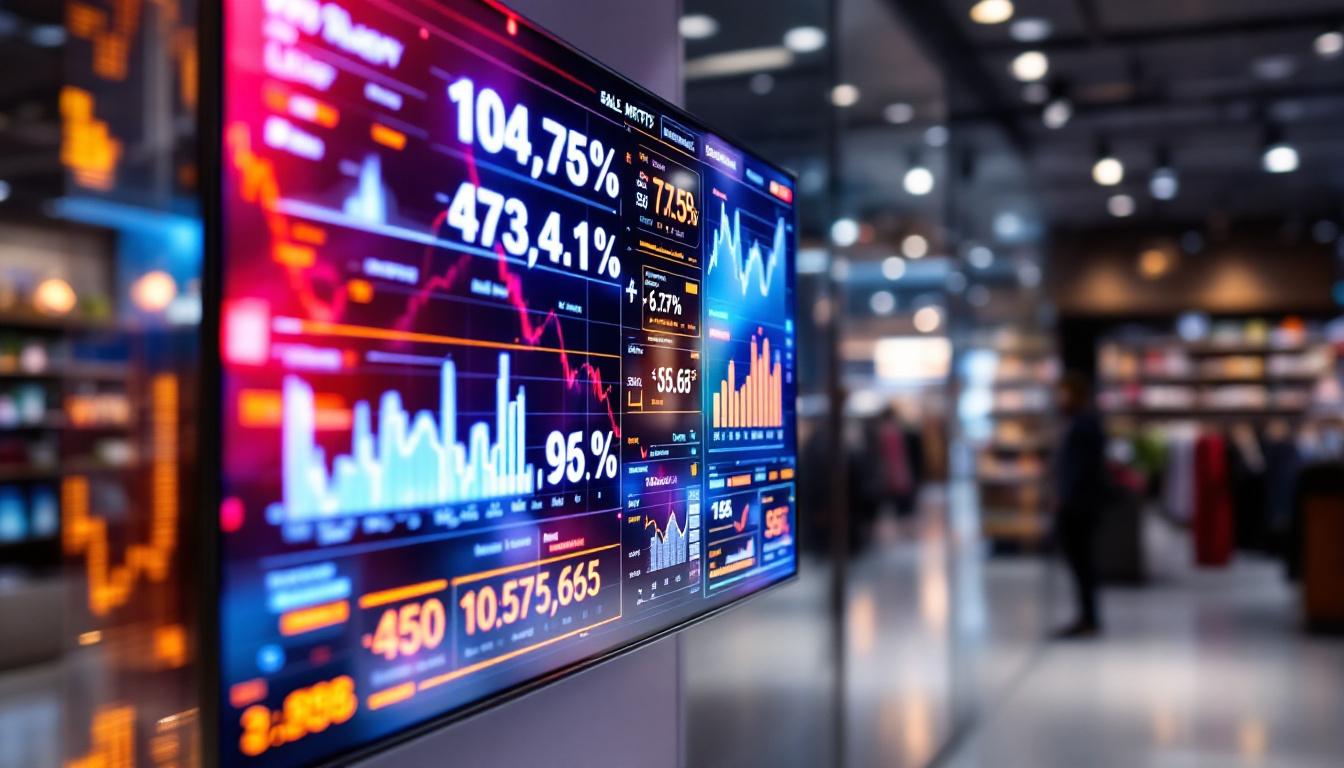
Retailers use transparent LED displays on storefront windows to attract customers with dynamic advertisements without blocking the view of products inside. This creates an engaging shopping experience by combining promotional content with the physical display of merchandise.
For example, luxury brands in high-traffic shopping districts often install transparent LED screens to showcase seasonal campaigns or interactive content, enhancing brand visibility while maintaining an inviting store environment.
Architectural and Interior Design
Architects and interior designers incorporate transparent LED displays into building facades, glass walls, and partitions to add a digital layer to architectural elements. This integration allows buildings to become interactive canvases that communicate messages or display art installations without compromising design integrity.
Transparent LED displays have been used in landmark buildings and airports to provide real-time information, wayfinding, or decorative visuals that enhance the visitor experience.
Events and Exhibitions
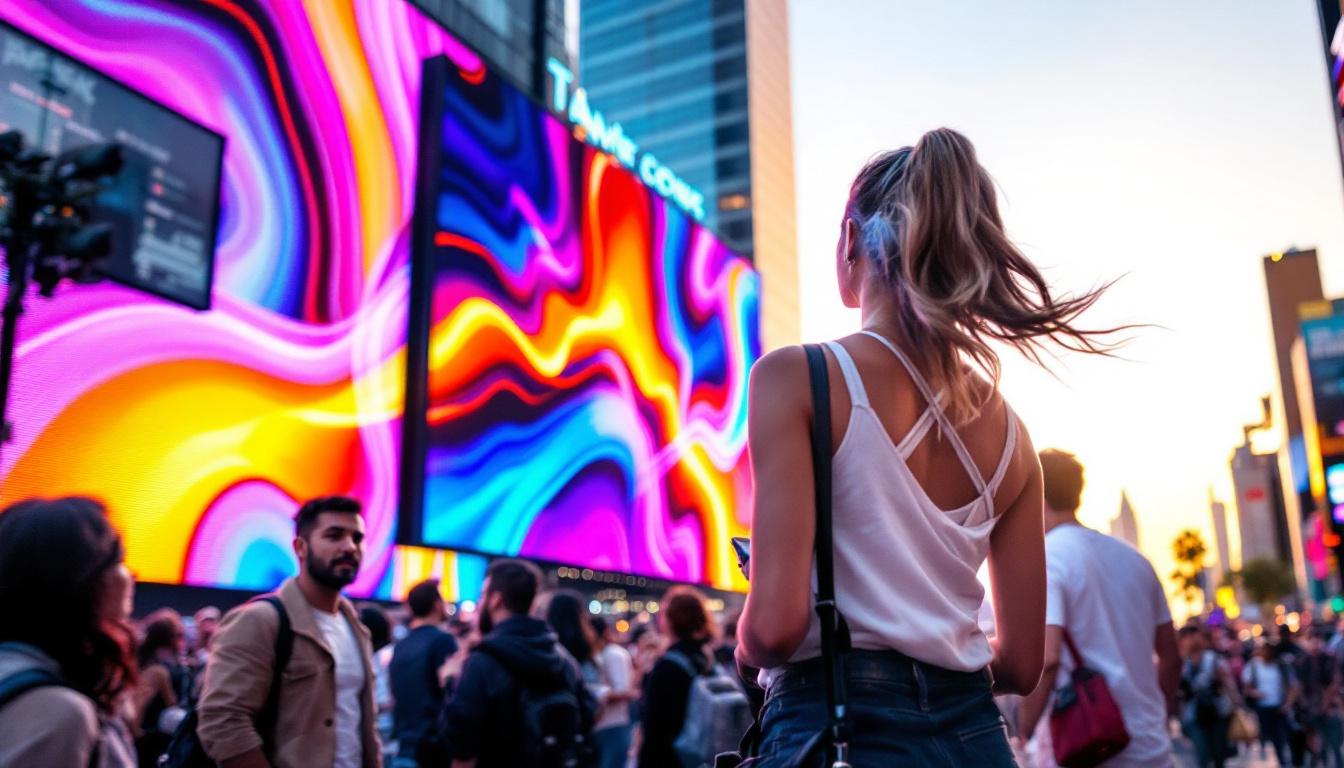
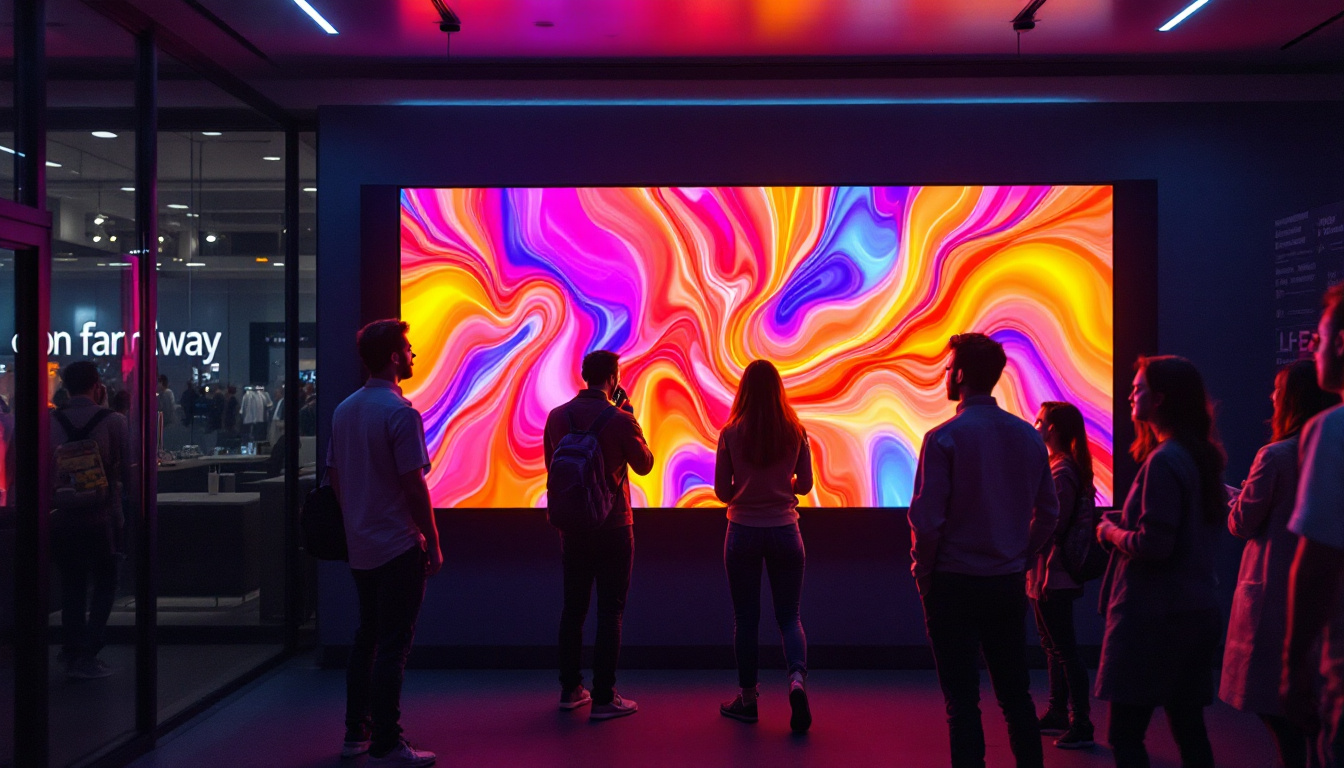
Event organizers utilize transparent LED screens to create immersive environments that captivate audiences. These displays can serve as stage backdrops, exhibition booth walls, or interactive installations, delivering high-impact visuals while allowing the audience to see through to other elements of the event space.
Transportation Hubs
Airports, train stations, and metro systems deploy transparent LED displays for passenger information systems. These displays provide clear, dynamic updates on schedules and alerts without obstructing natural light or architectural features, improving both functionality and aesthetics.
Technical Considerations and Challenges
While transparent LED displays offer many advantages, there are technical considerations and challenges that must be addressed to optimize performance and user experience.
Brightness and Contrast
Because transparent LED displays allow light to pass through, achieving high contrast can be challenging, especially in brightly lit environments. Manufacturers address this by using high-brightness LEDs and advanced control systems to maintain image clarity and vibrancy.
Pixel Pitch and Resolution
The spacing between LEDs, known as pixel pitch, affects both transparency and image resolution. A smaller pixel pitch means higher resolution but lower transparency, while a larger pitch increases transparency but reduces image detail. Selecting the right balance depends on the viewing distance and content type.
Installation and Maintenance
Installing transparent LED displays requires careful planning to ensure structural integrity, electrical safety, and optimal viewing angles. Maintenance can also be more complex than traditional displays due to the delicate nature of the transparent panels and the need to preserve transparency during cleaning.
Cost Considerations
Transparent LED technology is generally more expensive than standard LED displays due to its specialized components and manufacturing processes. However, the unique benefits and potential for increased customer engagement often justify the investment, particularly in high-profile commercial applications.
Future Trends and Innovations
The transparent LED display market is evolving rapidly, driven by technological advancements and growing demand for innovative visual solutions.
Improved Transparency and Resolution
Ongoing research aims to increase transparency levels beyond 70% while enhancing resolution and color accuracy. Innovations in micro-LED technology and novel materials promise displays that are even more seamless and visually striking.
Integration with Smart Building Systems
Future transparent LED displays are expected to integrate more deeply with smart building infrastructure, enabling adaptive content based on environmental data, occupancy, and user interaction. This will enhance energy efficiency and user engagement.
Augmented Reality (AR) and Interactive Capabilities
Combining transparent LED displays with AR technologies can create interactive experiences where digital content responds to user gestures or environmental cues. This fusion opens new possibilities for retail, education, and entertainment sectors.
Conclusion
Transparent LED displays represent a significant leap forward in digital signage and architectural design, merging the power of dynamic content with the elegance of transparency. Their ability to engage audiences without compromising space or natural light makes them a compelling choice for a wide range of applications.
As technology continues to advance, transparent LED displays will become more accessible and versatile, driving innovation in how information and art are presented in public and private spaces. For businesses and designers looking to create impactful visual experiences, understanding the capabilities and considerations of transparent LED technology is essential.
Explore the Future of Visual Display with LumenMatrix
Ready to elevate your visual communication and create an unforgettable experience? Discover LumenMatrix’s innovative LED display solutions, from the mesmerizing transparency of our LED Transparent Display to the dynamic versatility of our Indoor and Outdoor LED Wall Displays. Whether you’re looking to captivate passersby with a Vehicle LED Display, engage sports fans with an LED Sports Display, or customize your message with our Custom LED Display options, LumenMatrix has the technology to bring your vision to life. Check out LumenMatrix LED Display Solutions today and join the revolution in digital signage excellence.