In the rapidly evolving world of digital technology, LED displays have become an indispensable part of modern communication, advertising, and entertainment. From the vibrant billboards that light up cityscapes to the high-definition screens in stadiums and smartphones, LED displays are everywhere. But what exactly are LED displays, how do they work, and why have they become the preferred choice for so many applications? This article dives deep into the world of LED displays, exploring their technology, types, advantages, and future trends.
The Basics of LED Technology
What is an LED?
LED stands for Light Emitting Diode, a semiconductor device that emits light when an electric current passes through it. Unlike traditional incandescent bulbs, LEDs do not rely on heating a filament to produce light. Instead, they use electroluminescence, a process where electrons recombine with electron holes within the device, releasing energy in the form of photons. This fundamental difference makes LEDs more energy-efficient, durable, and capable of producing brighter light. The lifespan of an LED can reach up to 25,000 hours or more, significantly outlasting traditional bulbs, which typically last around 1,000 hours. This longevity not only reduces the frequency of replacements but also contributes to lower maintenance costs over time.
How Do LED Displays Work?
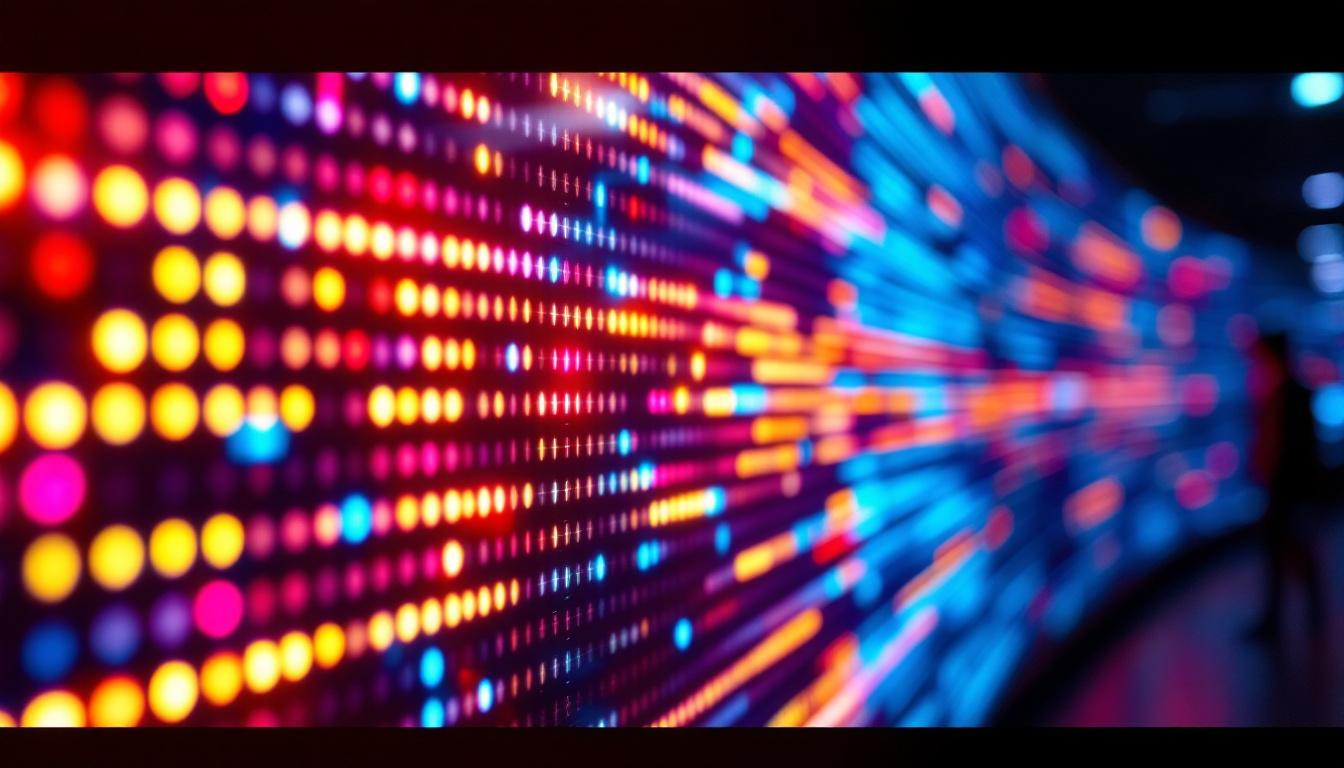
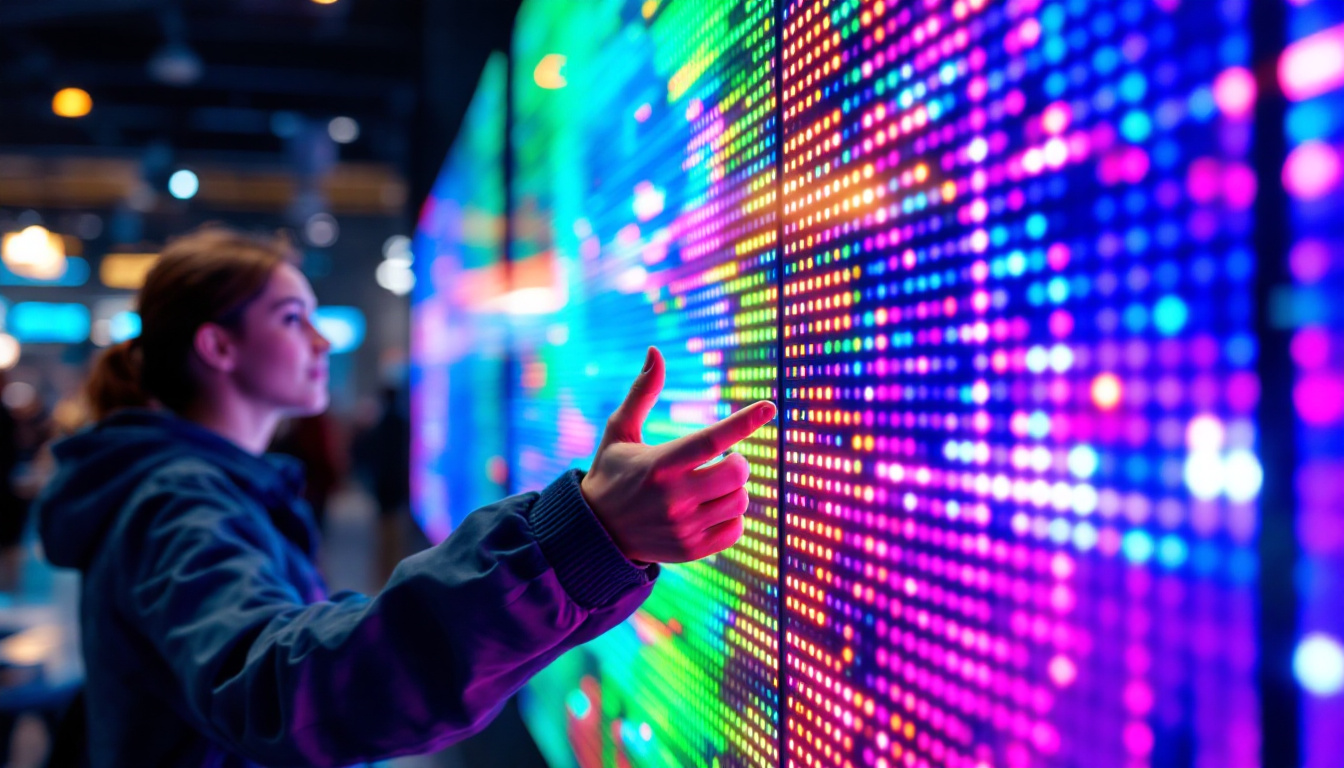
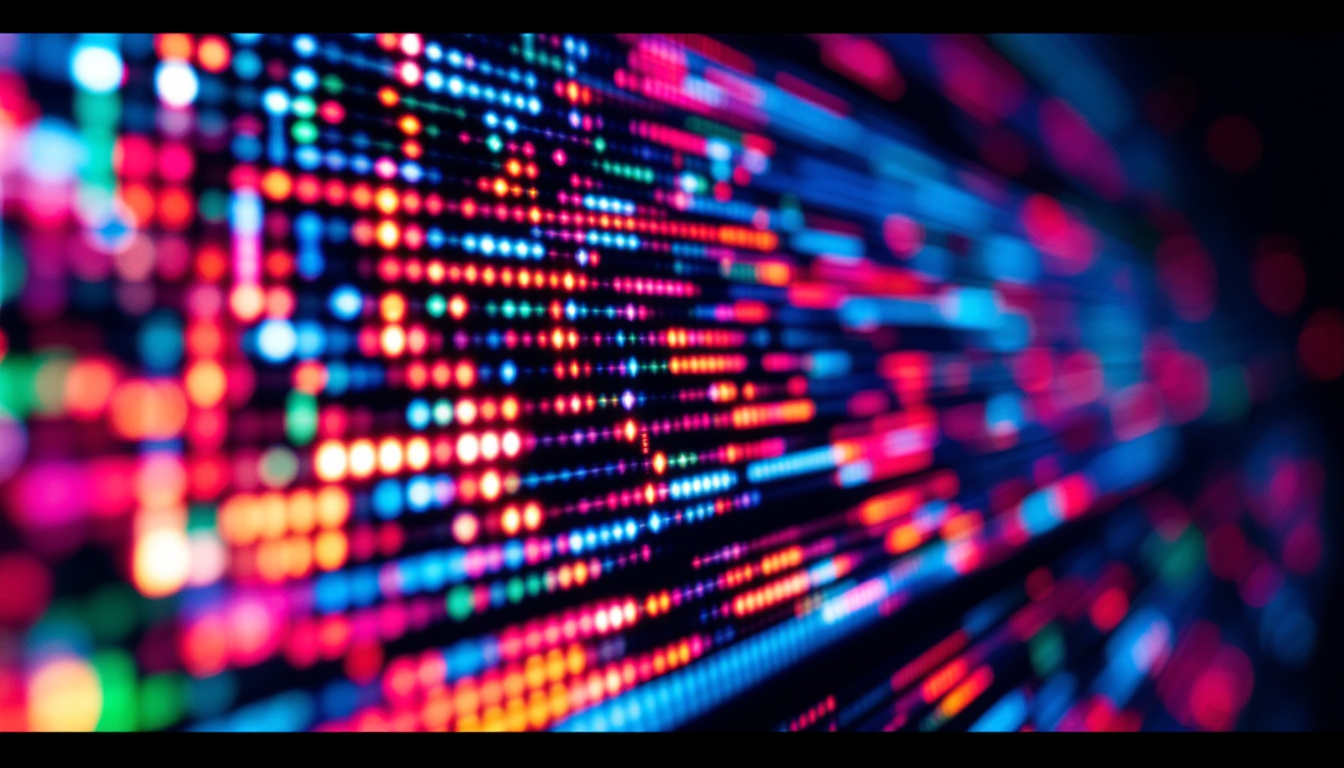
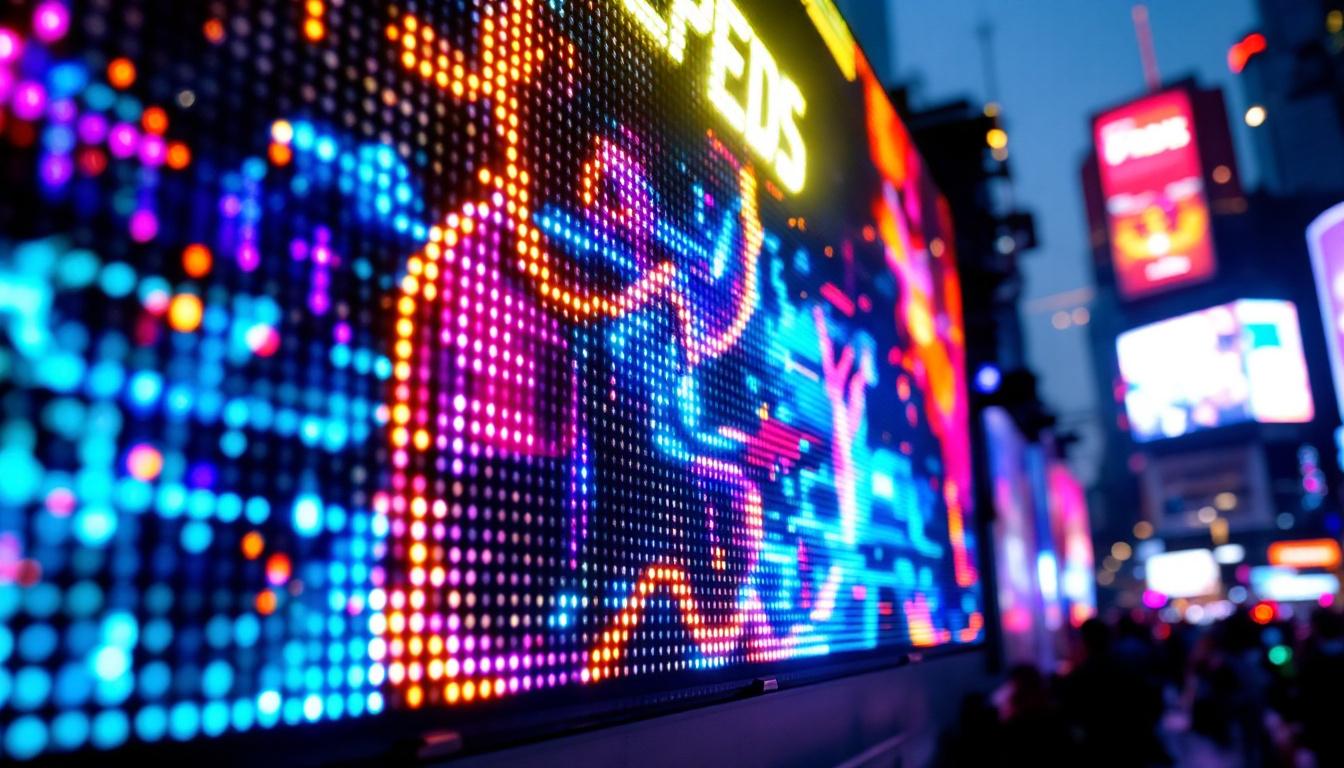
LED displays are composed of numerous tiny LEDs arranged in a matrix to form pixels. Each pixel can be a single LED or a cluster of red, green, and blue LEDs (RGB) that combine to produce a wide range of colors. When these pixels light up in specific patterns and intensities, they create images, videos, or text that are visible to the human eye. The display is controlled by a driver system that manages the timing and brightness of each LED to produce the desired visual output. This intricate control system allows for dynamic content, enabling displays to show everything from static images to high-definition video, enhancing the viewer’s experience.
The ability to control each pixel individually allows LED displays to offer high resolution, vibrant colors, and excellent contrast ratios, making them ideal for both indoor and outdoor use. Furthermore, advancements in technology have led to the development of flexible LED displays, which can be bent or shaped to fit unique designs and applications. These innovative displays are increasingly being used in creative advertising, architectural installations, and even wearable technology, showcasing the versatility and adaptability of LED technology in modern visual communication.
Types of LED Displays
Direct View LED Displays
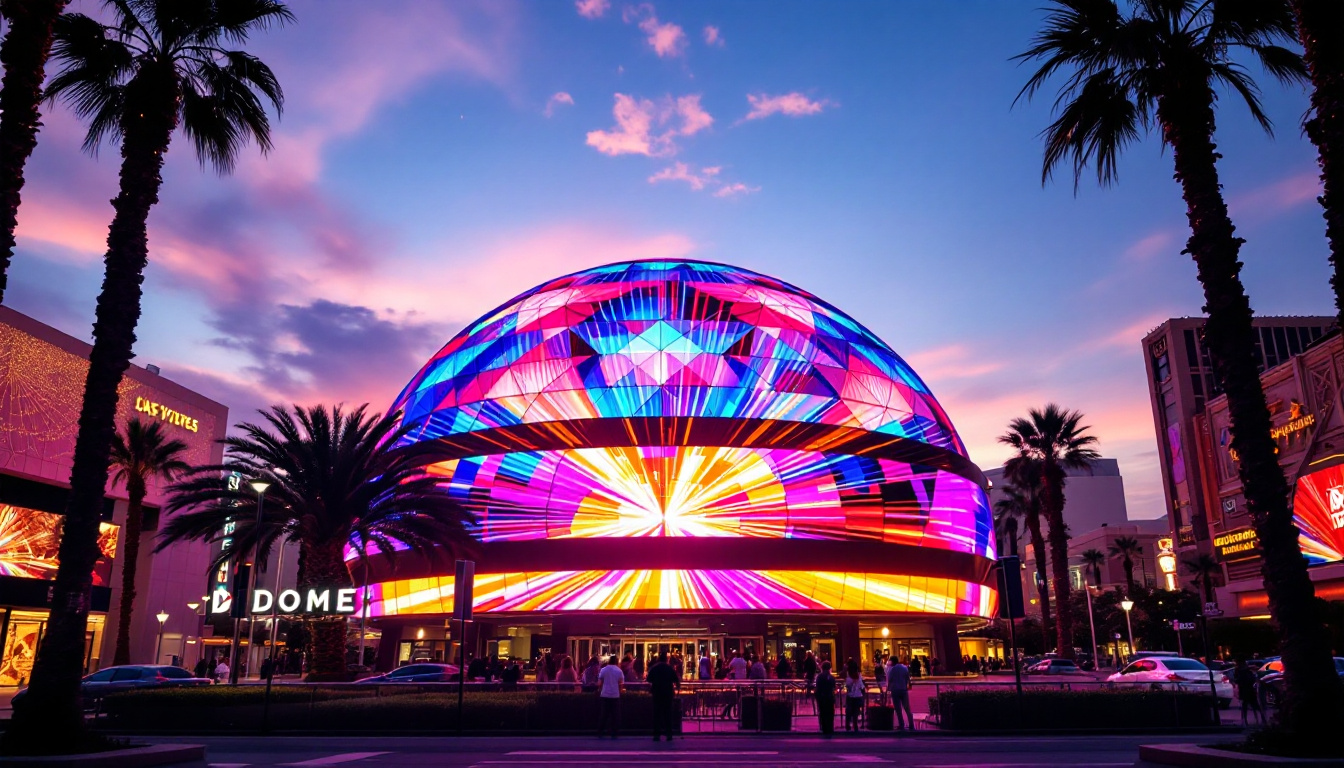
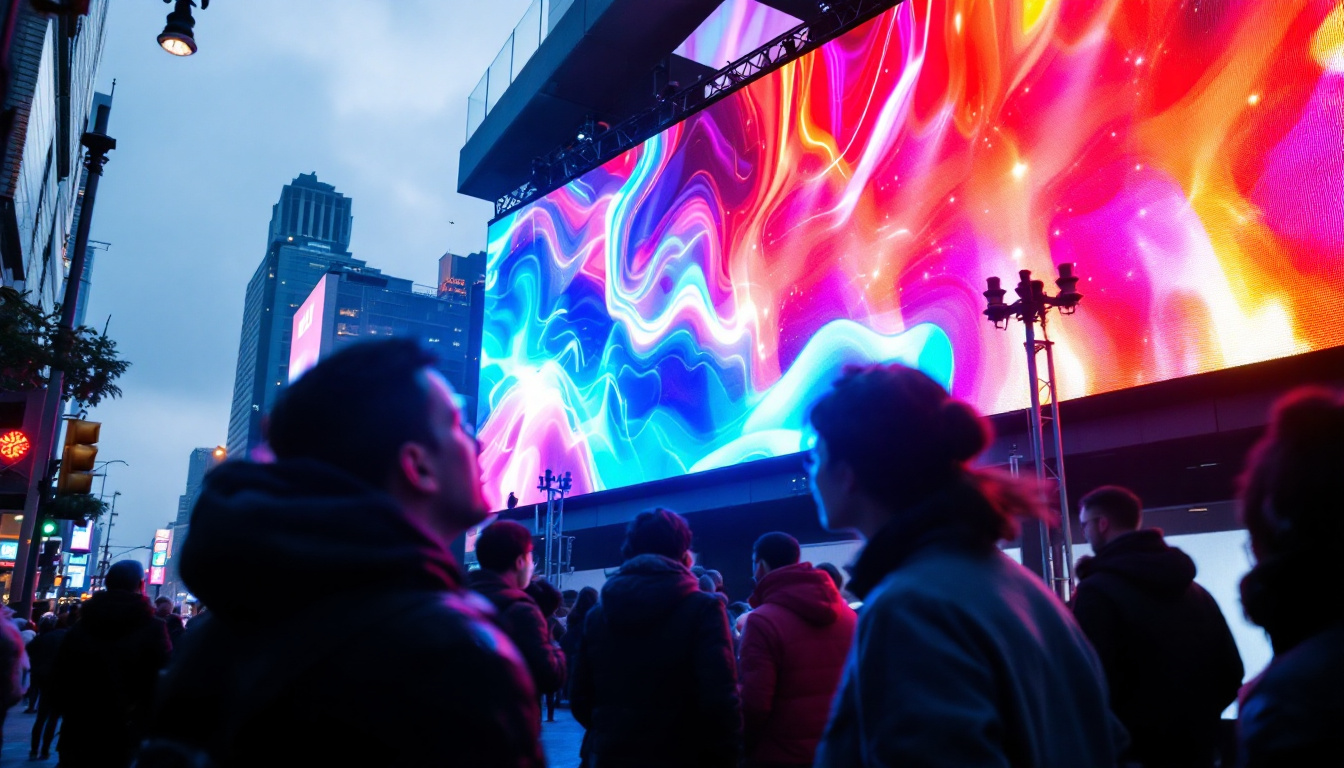
Direct view LED displays (DVLED) are the most common type of LED screens, where the LEDs themselves form the image that viewers see. These displays are often used in large-scale applications such as stadium screens, digital billboards, and concert backdrops. The key advantage of DVLED is its brightness and visibility even under direct sunlight, which makes it perfect for outdoor environments.
Modern DVLED displays can achieve pixel pitches as fine as 0.7mm, allowing for ultra-high-definition images even at close viewing distances. This has expanded their use into indoor arenas, retail environments, and corporate settings where image clarity is paramount. Additionally, the modular nature of DVLED technology allows for easy scalability; screens can be configured in various sizes and shapes to fit specific design needs, making them a versatile choice for event planners and advertisers alike. The ability to create dynamic content that can be updated in real-time also enhances their appeal, allowing brands to engage audiences with fresh and relevant messaging.
LED Backlit LCD Displays
Another common application of LED technology is in LED-backlit LCD screens. These displays use LEDs as a backlight source behind a liquid crystal display (LCD) panel. Unlike direct view LEDs, the LEDs do not form the image directly but provide uniform illumination that enhances the LCD’s picture quality.
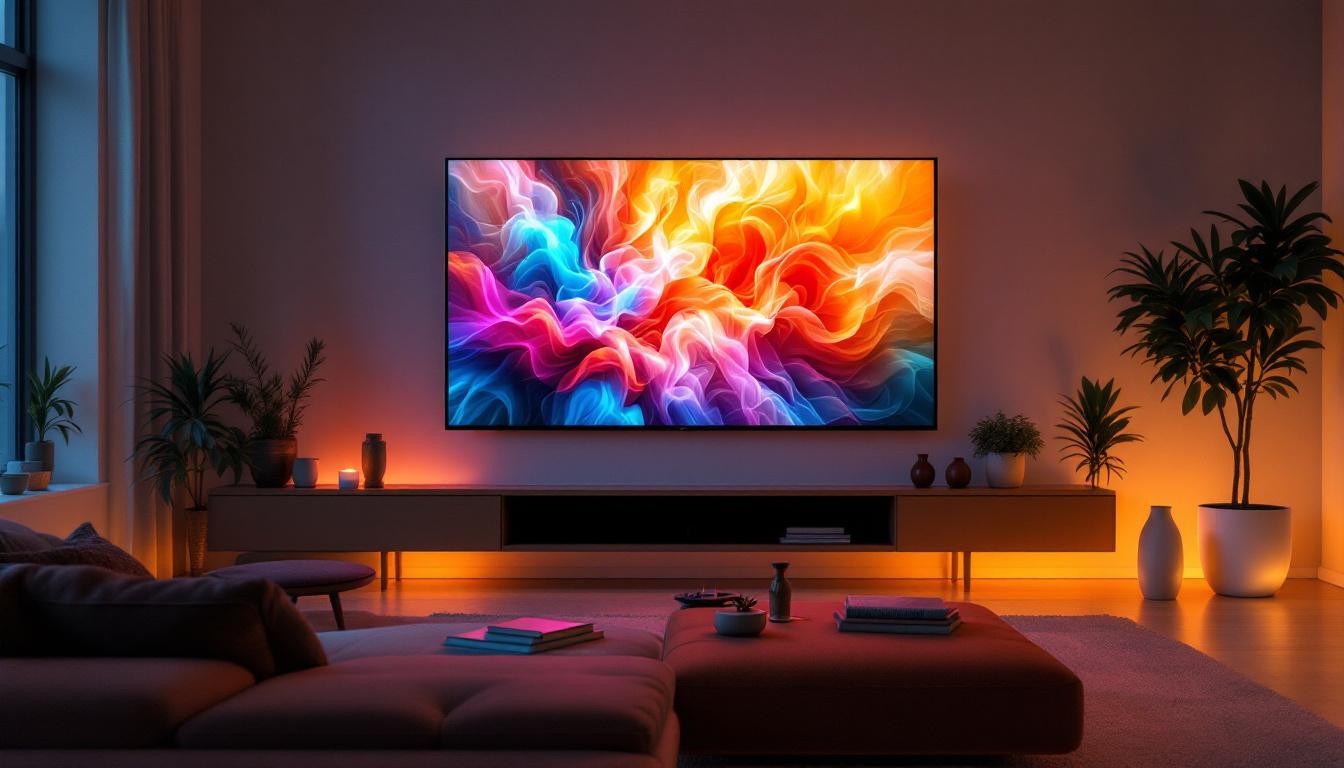
LED-backlit LCDs are widely used in televisions, computer monitors, smartphones, and tablets. They offer better energy efficiency, thinner designs, and improved color accuracy compared to older CCFL (cold cathode fluorescent lamp) backlit LCDs. Furthermore, advancements in local dimming technology have allowed for even greater contrast ratios, enabling deeper blacks and brighter whites. This results in a more immersive viewing experience, particularly for high-definition content such as movies and video games. As manufacturers continue to innovate, we can expect to see even more enhancements in color reproduction and response times, further solidifying the role of LED-backlit LCDs in everyday technology.
Flexible and Transparent LED Displays
Recent advancements have introduced flexible and transparent LED displays, opening new possibilities for creative installations and applications. Flexible LED displays use bendable substrates and miniature LEDs, allowing screens to curve or wrap around surfaces. This technology is gaining traction in automotive dashboards, wearable devices, and innovative advertising solutions.
Transparent LED displays embed LEDs within a glass or acrylic panel that can display images while allowing light to pass through. These are ideal for retail windows, museum exhibits, and architectural installations where maintaining visibility through the surface is essential. The integration of augmented reality with transparent LED technology is particularly exciting; it allows for interactive experiences where digital content can be overlaid onto the physical world, enhancing storytelling and engagement. As designers and brands explore these cutting-edge solutions, we can anticipate a surge in creative applications that blend functionality with aesthetic appeal, transforming how we interact with our environments.
Advantages of LED Displays
Energy Efficiency and Longevity
One of the most significant benefits of LED displays is their energy efficiency. LEDs consume far less power than traditional display technologies such as incandescent bulbs or plasma screens. For example, LED displays can use up to 75% less energy than comparable lighting solutions, making them a sustainable and cost-effective choice for businesses and municipalities.
In addition to lower power consumption, LEDs have a longer operational lifespan, often exceeding 50,000 hours. This durability reduces maintenance costs and downtime, especially important for large outdoor installations that operate continuously.
Brightness and Visibility
LED displays are renowned for their brightness, which can reach up to 5,000 nits or more in outdoor models. This high luminance ensures that images remain clear and legible even in direct sunlight or adverse weather conditions. The high contrast ratio of LEDs also contributes to sharper images and deeper blacks, enhancing overall visual quality.
Color Accuracy and Versatility
With the ability to combine red, green, and blue LEDs at various intensities, LED displays can produce a broad color gamut and precise color reproduction. This makes them suitable for applications requiring accurate color representation, such as digital signage, broadcasting, and medical imaging.
The modular nature of LED displays also allows for customization in size and shape, from small wearable devices to massive stadium screens, providing unmatched versatility.
Applications of LED Displays
Advertising and Digital Signage
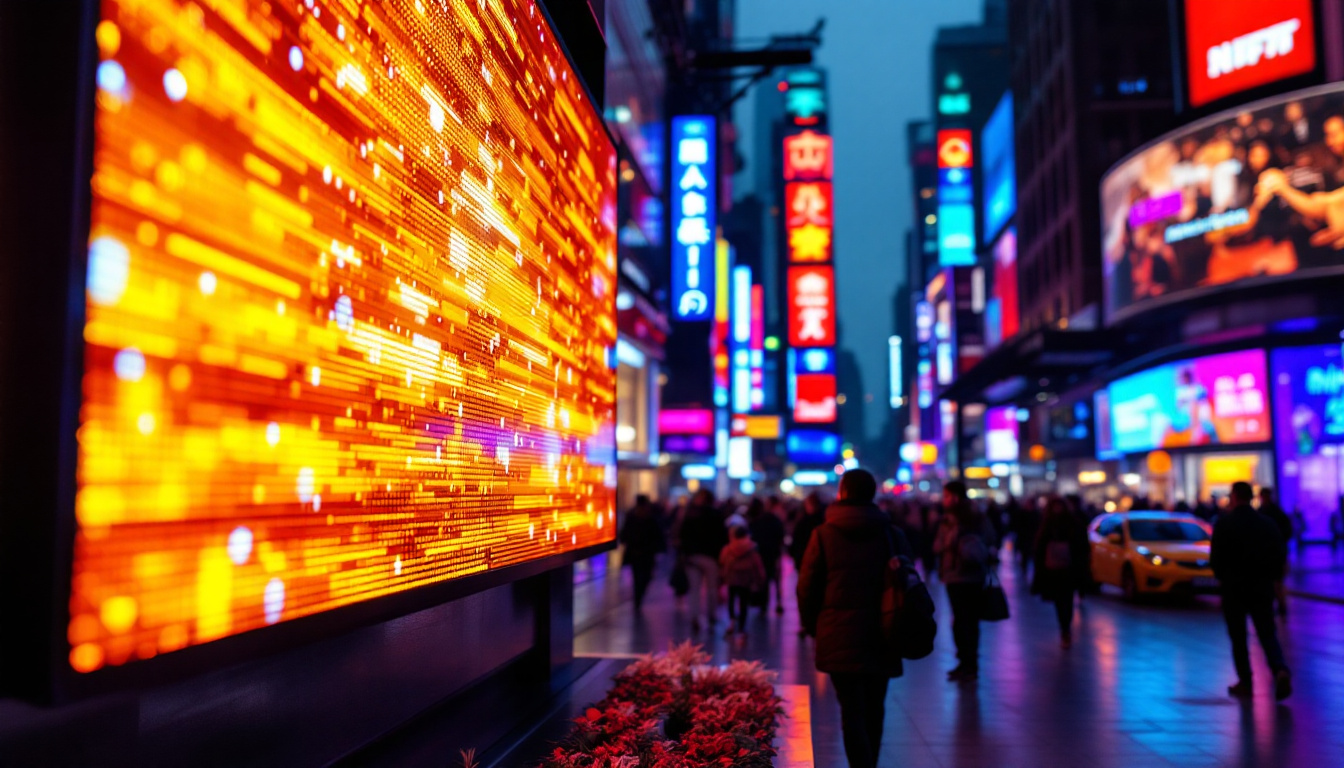
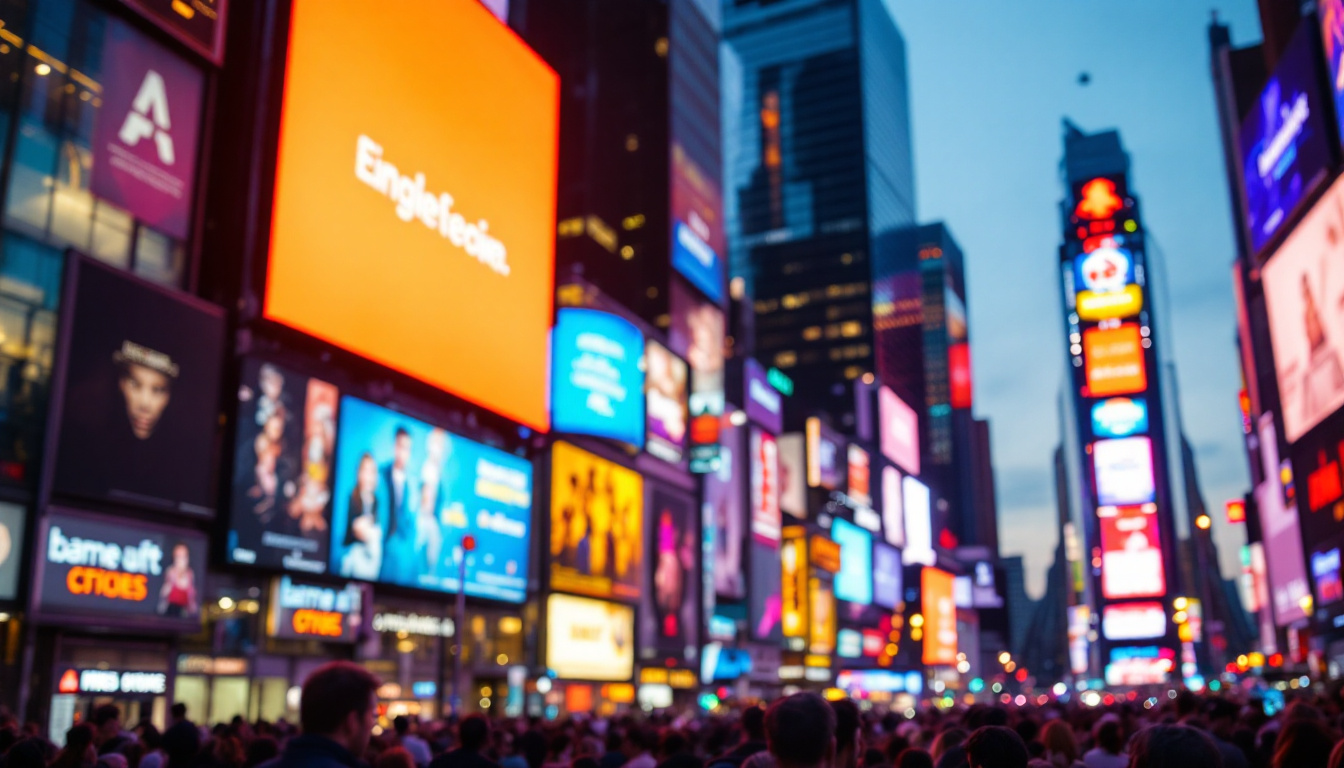
Digital advertising has been revolutionized by LED displays. Their brightness, dynamic content capabilities, and ability to attract attention make them the preferred medium for outdoor billboards, shopping malls, and transit hubs. According to recent market research, the global digital signage market is expected to grow at a compound annual growth rate (CAGR) of over 8% through 2027, driven largely by LED technology advancements.
LED displays enable advertisers to update content in real-time, target specific audiences, and incorporate interactive elements, enhancing engagement and return on investment.
Entertainment and Events
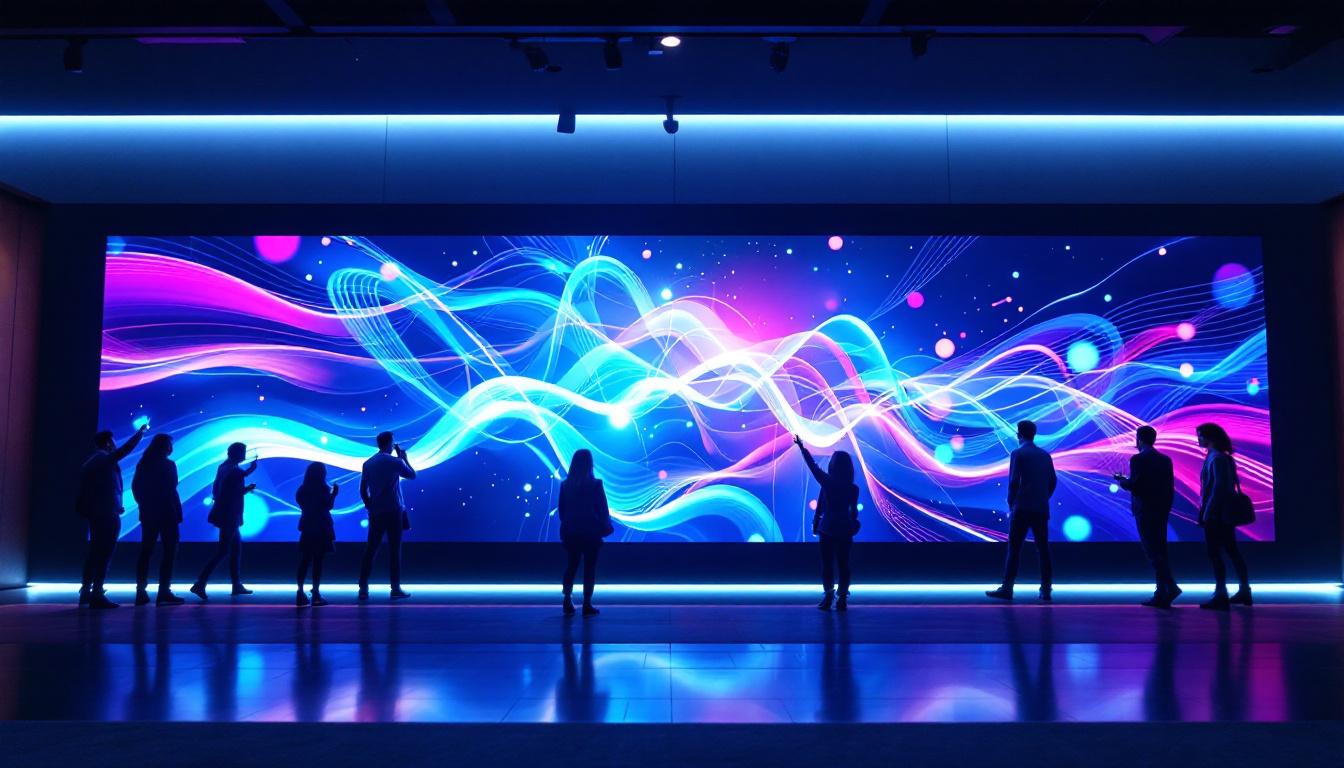
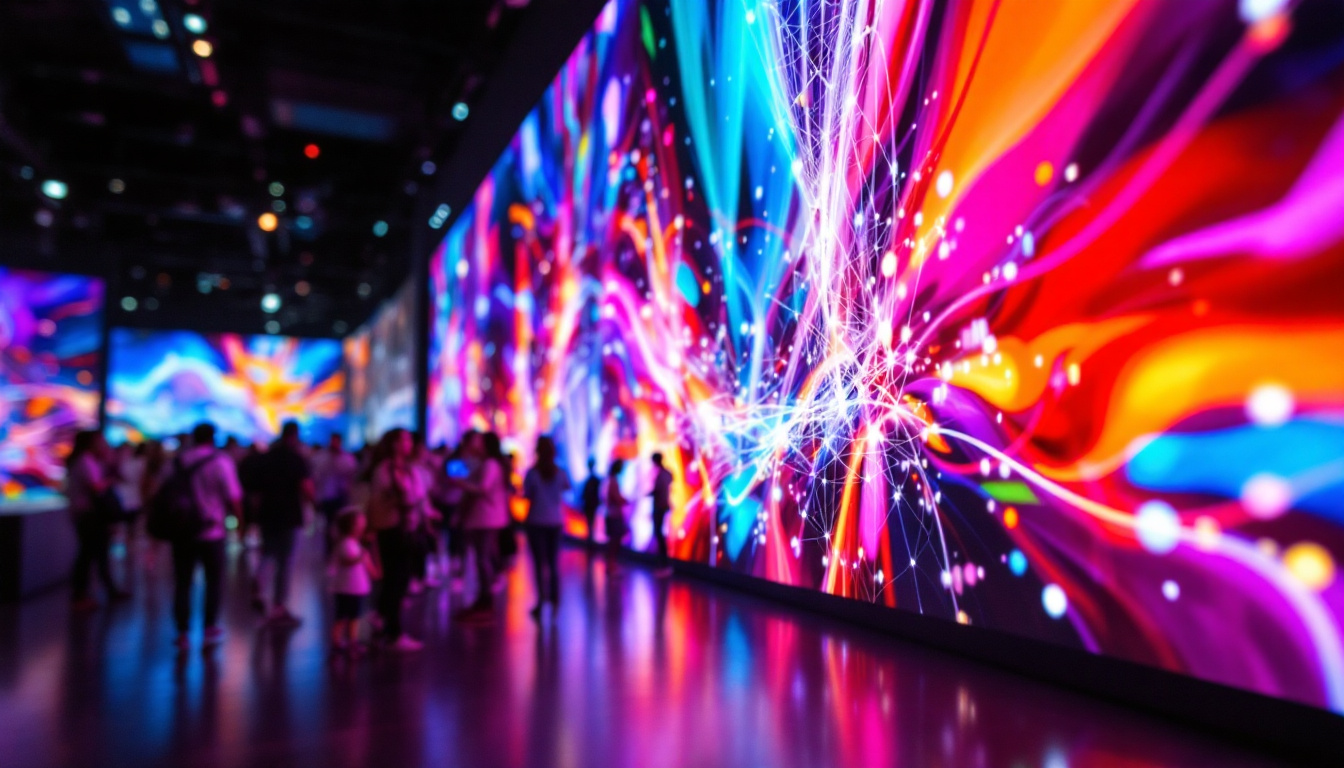
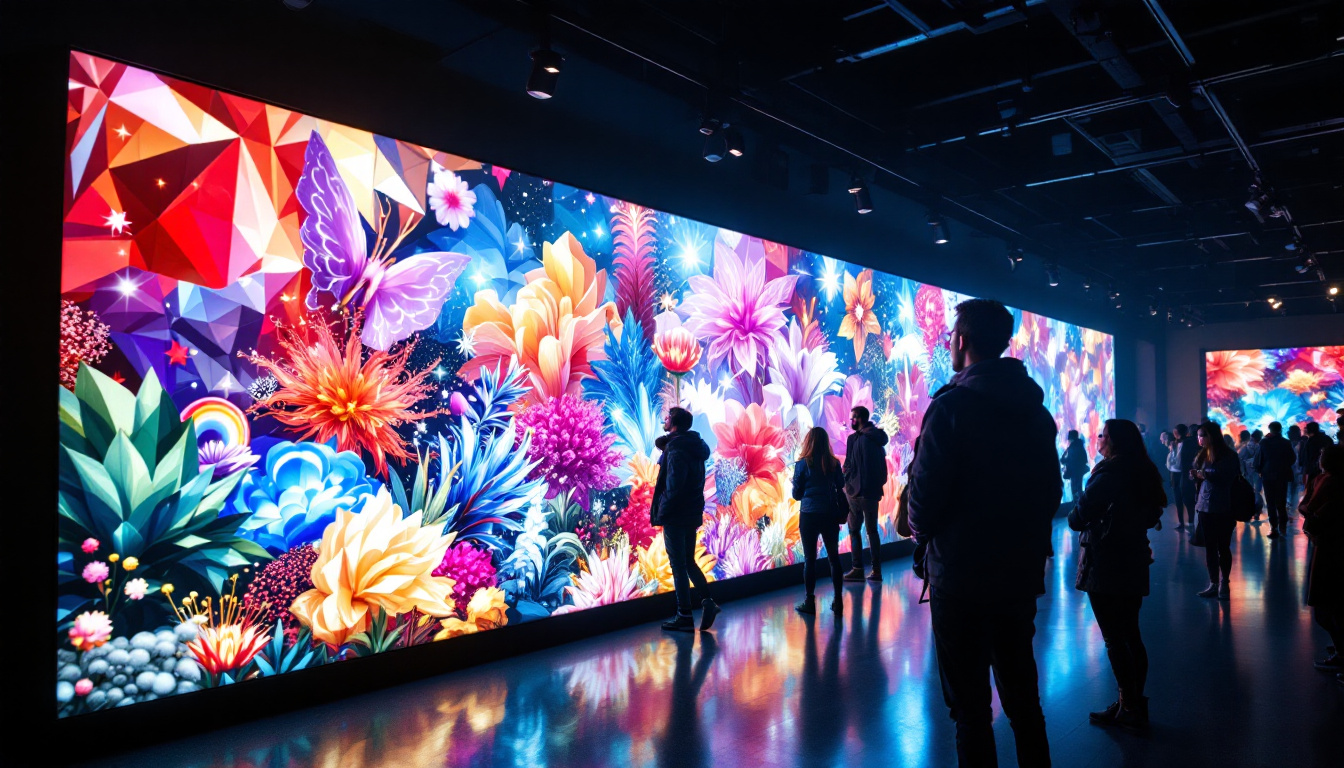
In concerts, sports arenas, and theaters, LED displays provide immersive visual experiences. Their ability to display high-resolution video content and integrate with lighting and sound systems creates captivating environments for audiences. The flexibility of LED panels allows for creative stage designs and dynamic backdrops that can transform instantly.
Transportation and Public Information
LED displays are extensively used in transportation for information boards at airports, train stations, and bus stops. Their high visibility and reliability ensure passengers receive timely updates. Additionally, traffic management systems utilize LED signs to convey warnings, speed limits, and other critical information to drivers.
Retail and Corporate Environments
Retailers use LED displays to enhance customer experience through digital window displays, in-store promotions, and interactive kiosks. Corporations deploy LED walls in lobbies, conference rooms, and trade shows to communicate brand messages and present data dynamically.
Challenges and Considerations
Cost and Installation
While LED displays offer many benefits, they can require significant upfront investment, especially for large-scale installations. High-quality LED panels, control systems, and installation labor contribute to the initial cost. However, the total cost of ownership often balances out due to energy savings and reduced maintenance.
Environmental Impact
LED technology is more environmentally friendly than many alternatives, but considerations remain regarding manufacturing processes and electronic waste. Responsible sourcing of materials and recycling programs are essential to minimize the ecological footprint of LED displays.
Technical Limitations
Despite advances, LED displays can face challenges such as pixel pitch limitations affecting resolution at very close viewing distances, and potential issues with color uniformity over time. Ongoing research and development continue to address these concerns.
The Future of LED Displays
Mini-LED and Micro-LED Technologies
Emerging technologies like Mini-LED and Micro-LED promise to push the boundaries of LED display performance. Mini-LED uses thousands of tiny LEDs as backlighting for LCD panels, improving contrast and brightness. Micro-LED technology, which involves microscopic LEDs forming each pixel directly, offers even higher brightness, efficiency, and lifespan, potentially rivaling OLED displays.
Integration with Smart Technologies
LED displays are increasingly integrated with IoT (Internet of Things) and AI (Artificial Intelligence) systems, enabling smarter content management, predictive maintenance, and interactive user experiences. For example, smart city initiatives use LED displays combined with sensors to provide real-time environmental data and public alerts.
Sustainable Innovations
Future developments will likely emphasize sustainability, including the use of eco-friendly materials, energy harvesting technologies, and improved recyclability. Innovations in manufacturing and design aim to reduce the carbon footprint of LED displays while enhancing performance.
Conclusion
LED displays have transformed the way information and entertainment are delivered across the globe. Their superior brightness, energy efficiency, versatility, and longevity make them a cornerstone of modern visual communication. As technology advances, LED displays will continue to evolve, offering even more immersive, sustainable, and intelligent solutions. Understanding the fundamentals of LED technology and its applications is essential for businesses, designers, and consumers who want to leverage this powerful medium effectively.
Discover LumenMatrix’s Innovative LED Solutions
Ready to elevate your visual communication with the latest in LED technology? Look no further than LumenMatrix, a pioneer in crafting LED display modules that bring your brand to life. Whether you’re in need of an Indoor LED Wall Display for your corporate headquarters, an Outdoor LED Wall Display to capture the attention of passersby, or any of our specialized solutions like Vehicle LED Displays, LED Sports Displays, or Custom LED Displays, LumenMatrix has the expertise to enhance your engagement and captivate your audience. Embrace the future of digital signage with LumenMatrix’s comprehensive LED display solutions. Check out LumenMatrix LED Display Solutions today and transform your space into a dynamic visual experience.