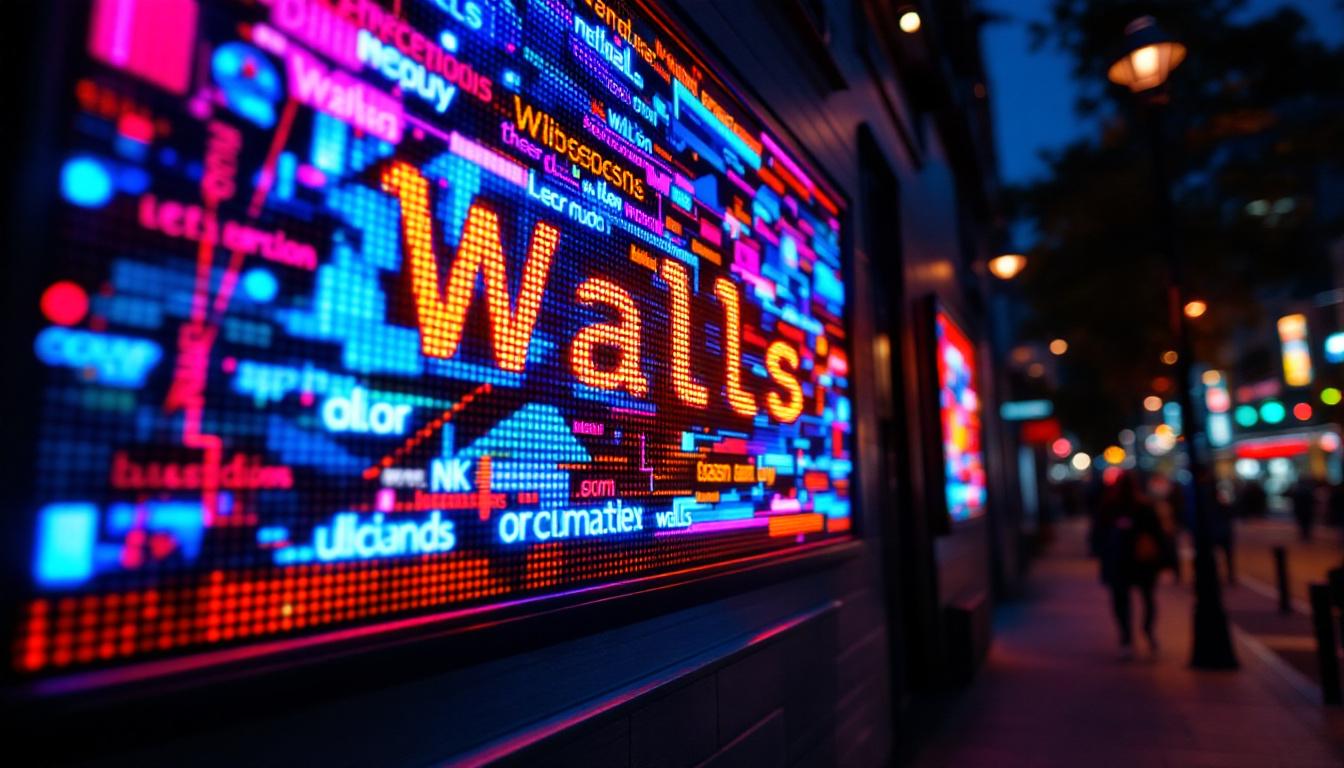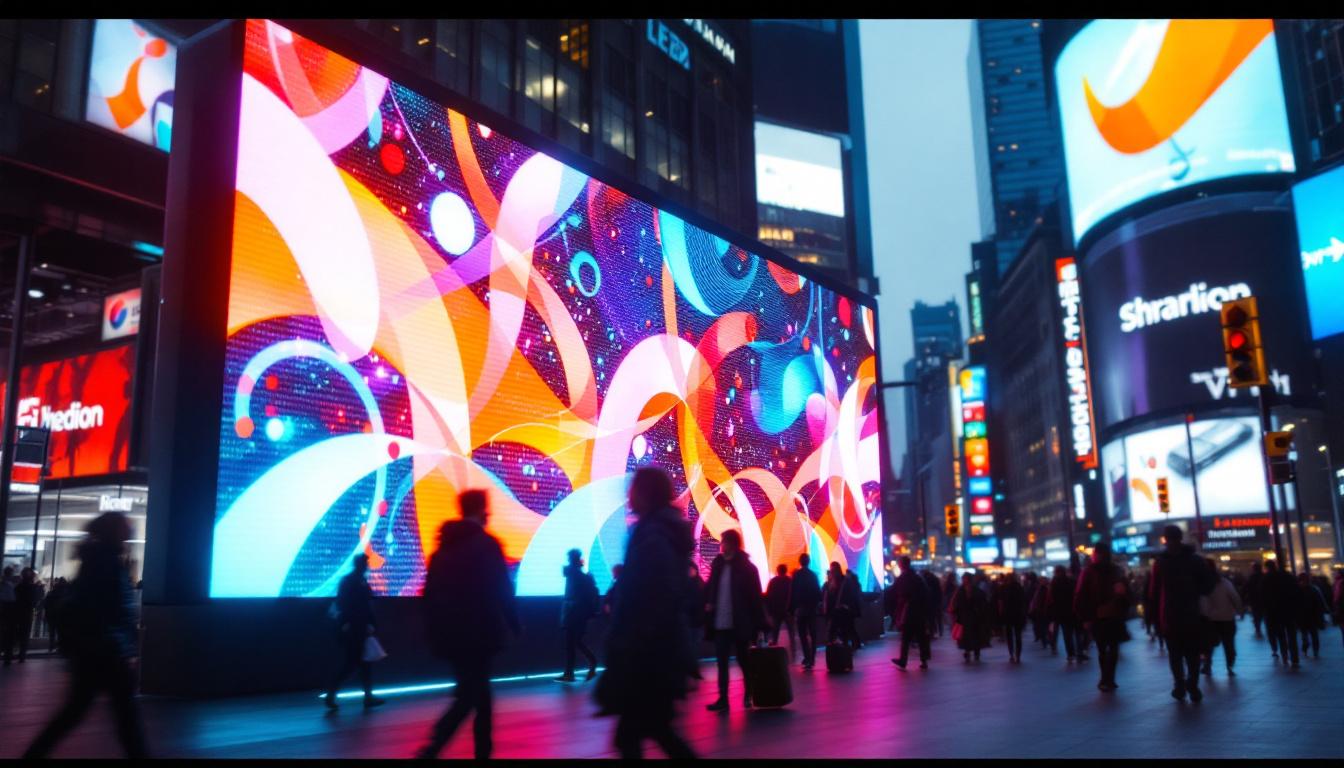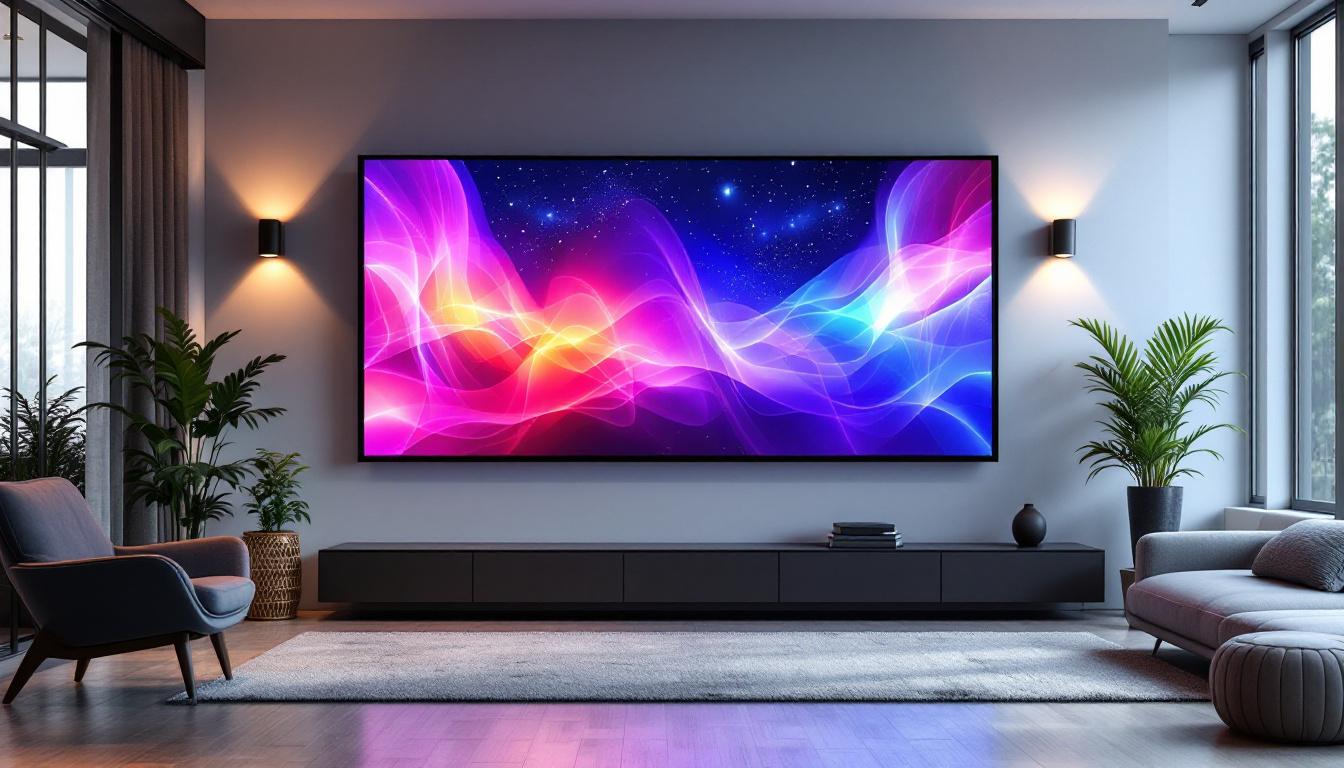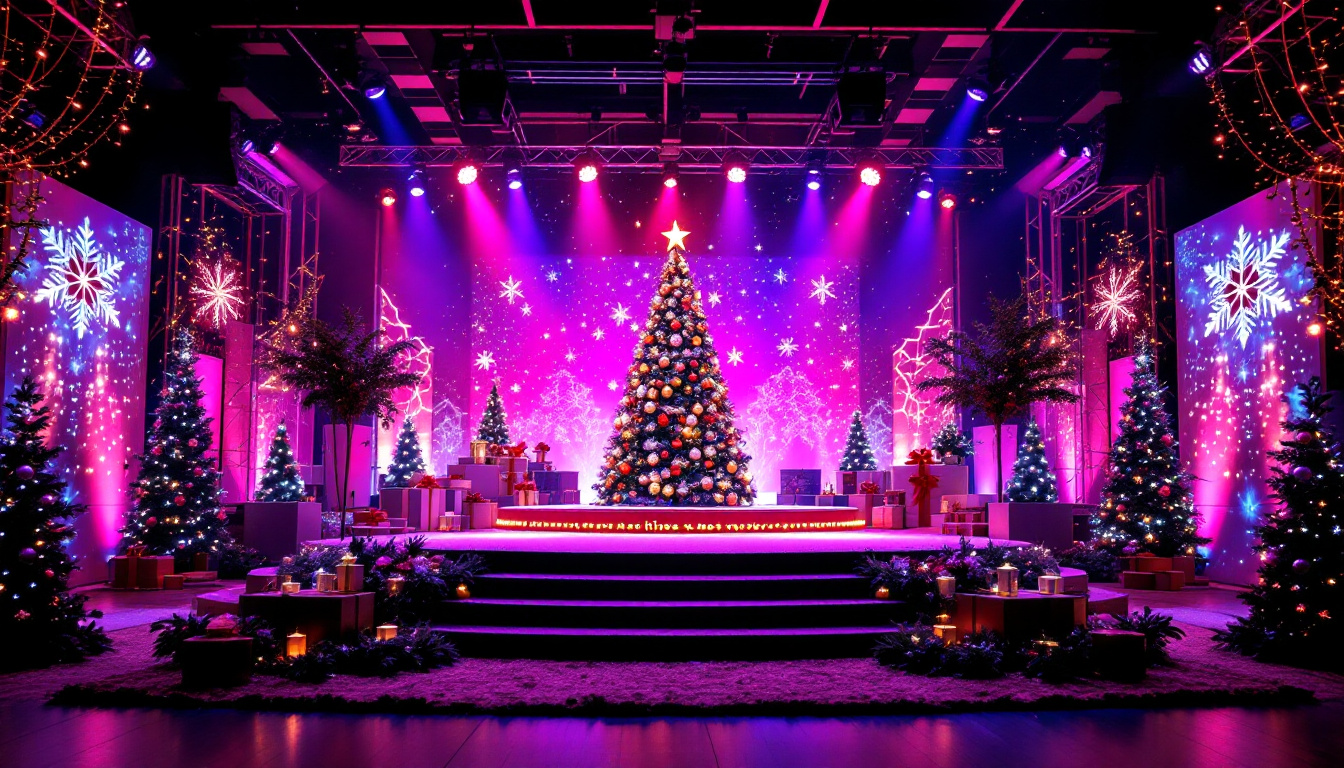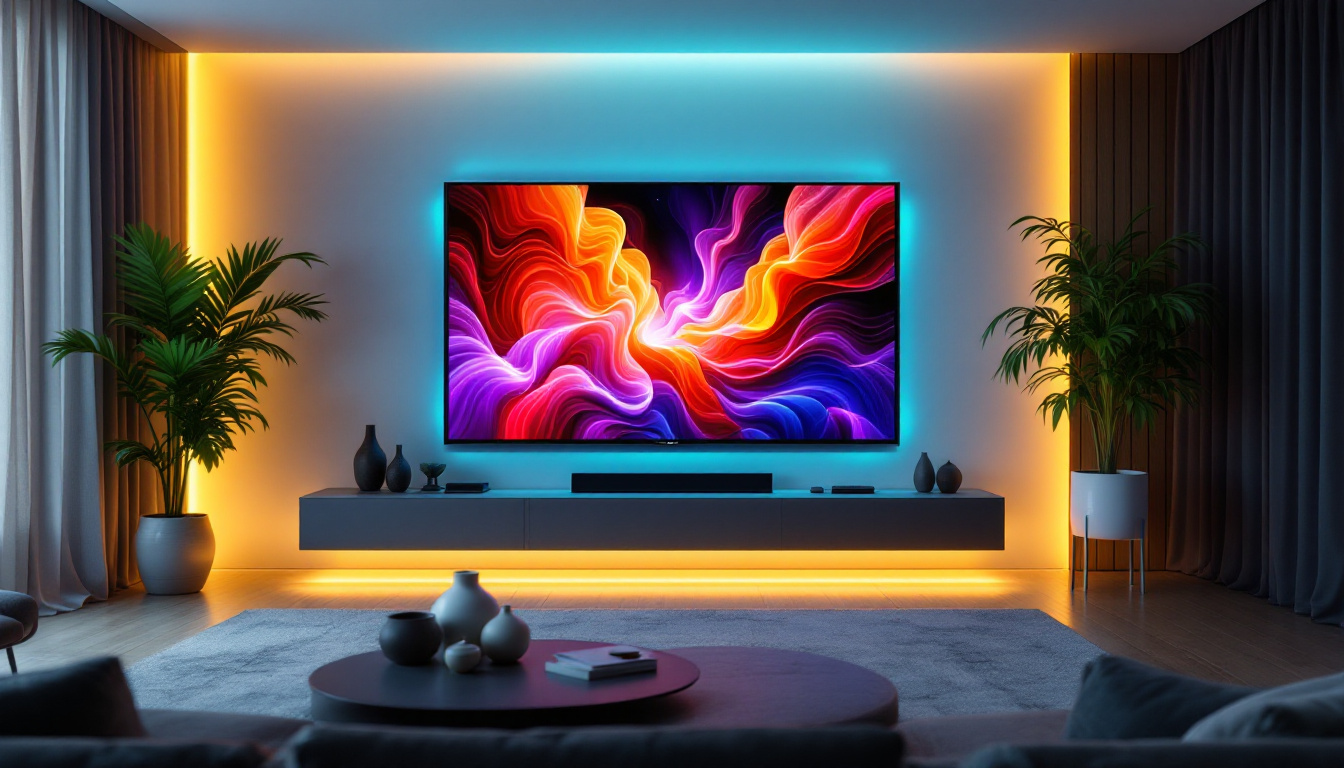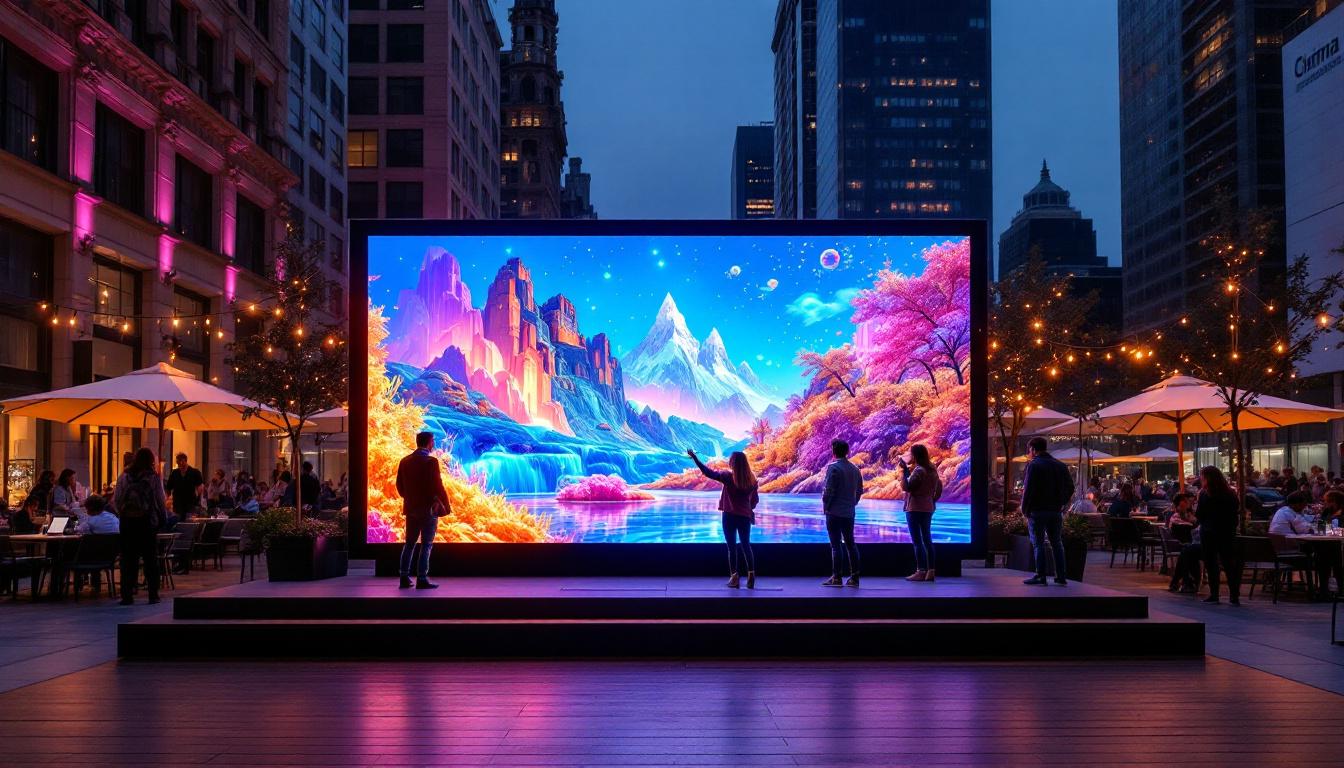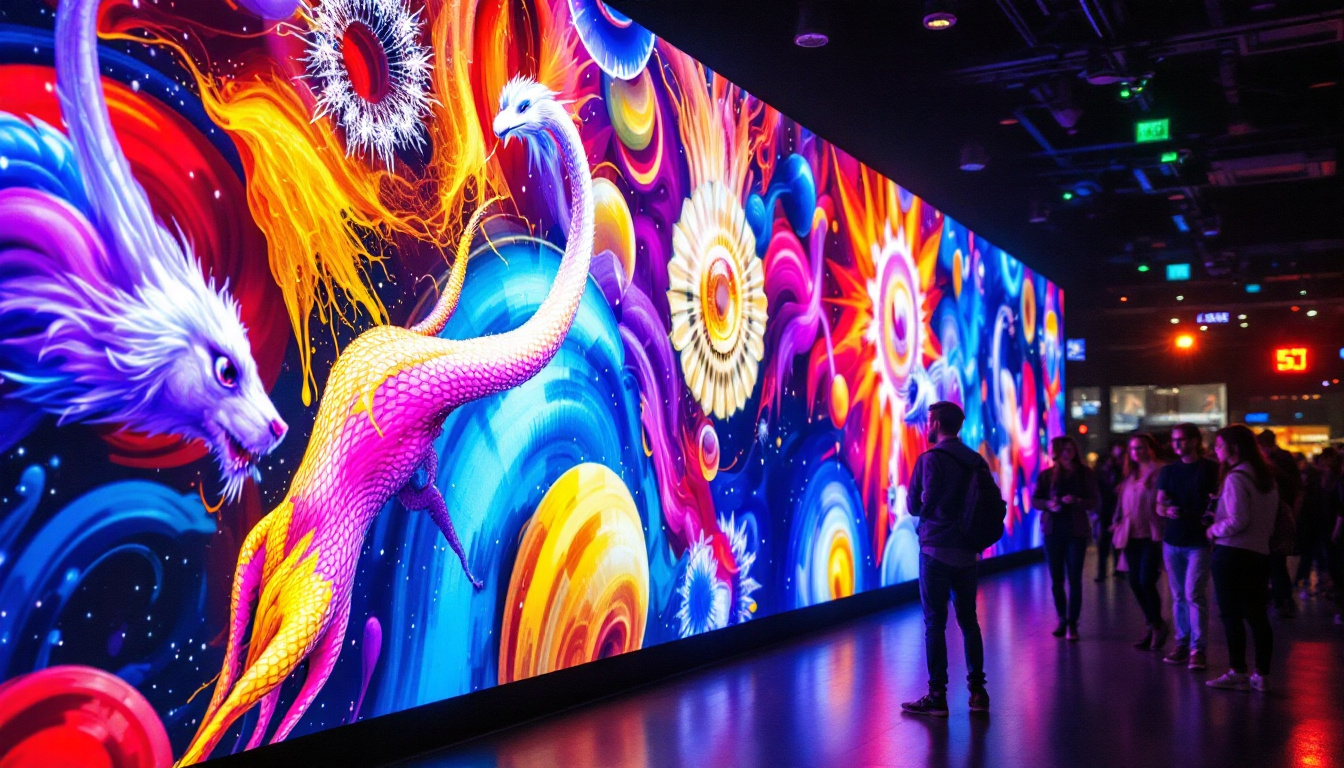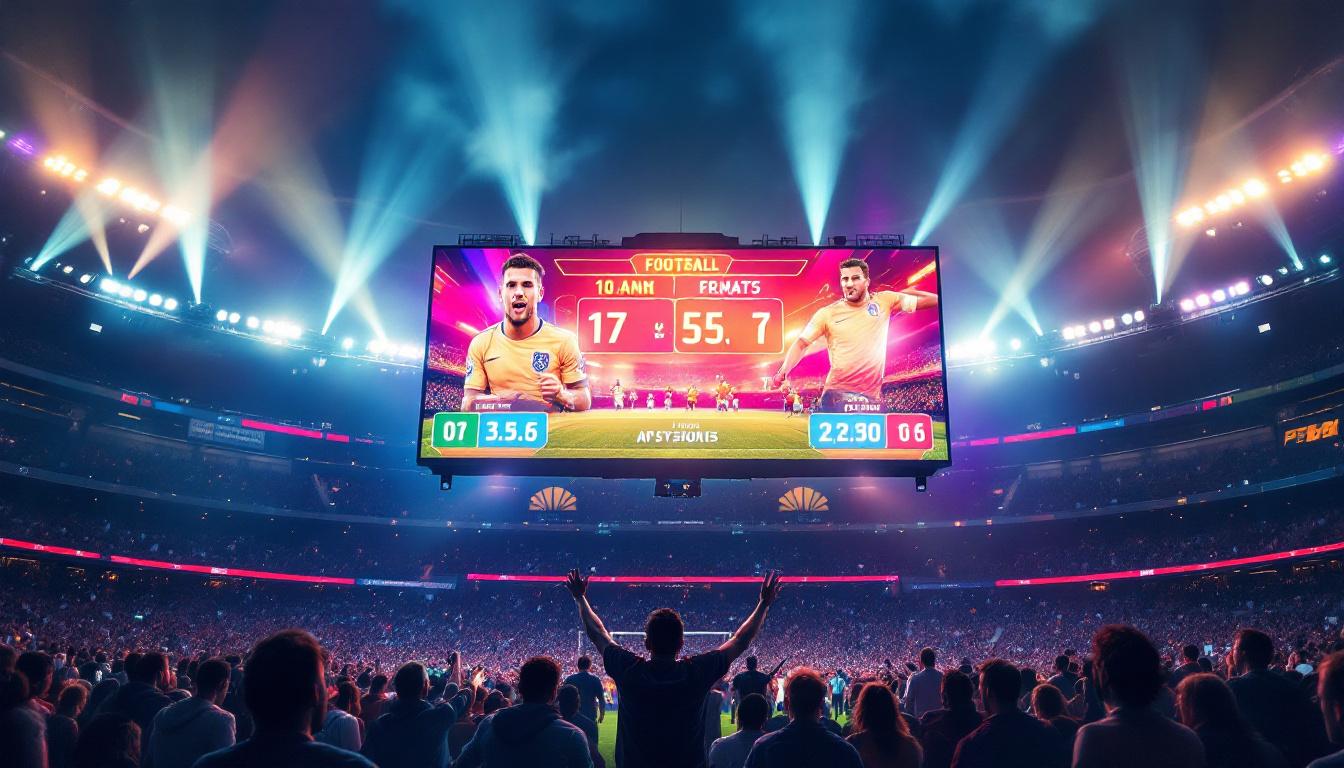
LED displays have transformed the way information is presented in public spaces, retail environments, sports arenas, and even personal devices. Among the many technical aspects that define the quality and effectiveness of an LED display, the concept of “ratio build” plays a pivotal role. This article delves into what ratio build means in the context of LED displays, why it matters, and how it influences the visual experience and performance of these vibrant screens.
Understanding the Basics of LED Displays
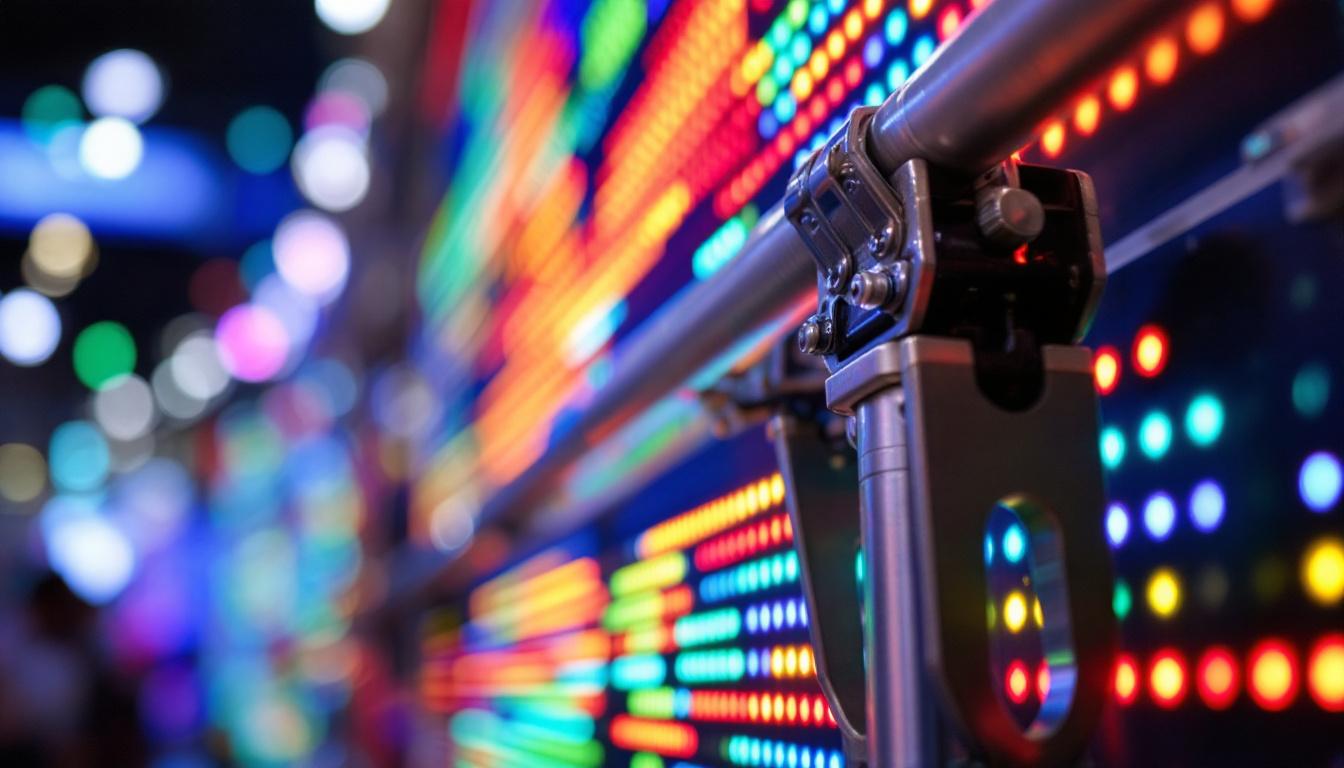
Before exploring ratio build, it’s essential to understand the fundamental structure of LED displays. An LED (Light Emitting Diode) display is composed of numerous tiny LEDs arranged in a matrix. Each LED acts as a pixel or part of a pixel, emitting light to create images, videos, or text. The quality of the image depends on several factors including pixel pitch, resolution, brightness, and color accuracy.
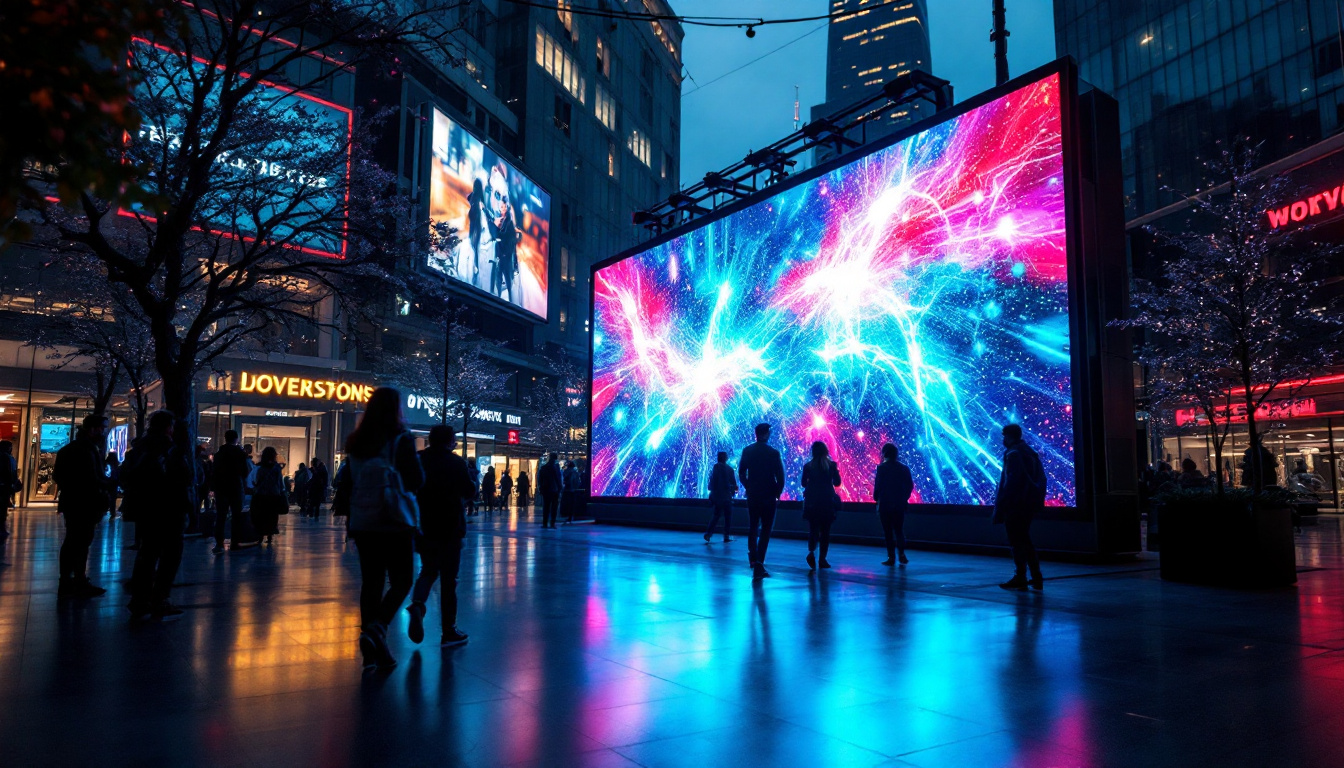
LED displays are widely used because of their brightness, energy efficiency, and durability. From massive outdoor billboards to indoor video walls, LED technology offers flexibility in size and shape, making it a preferred choice for dynamic visual communication. The ability of LED displays to perform well in various lighting conditions is another significant advantage, allowing them to maintain visibility even in direct sunlight, which is crucial for outdoor applications.
Moreover, advancements in LED technology have led to the development of features such as high dynamic range (HDR) and improved color gamut, which enhance the viewing experience by providing richer colors and deeper contrasts. This makes them ideal not just for advertising but also for entertainment venues, sports arenas, and art installations, where visual impact is paramount.
What is Ratio Build in LED Displays?
Ratio build refers to the proportional relationship between the physical size of the LED module and the pixel density or resolution it provides. Essentially, it describes how the LEDs are arranged within a given space and how this arrangement affects the display’s clarity and viewing distance.
For example, a display with a high ratio build means a higher concentration of LEDs per unit area, resulting in finer image detail and sharper visuals. Conversely, a lower ratio build indicates fewer LEDs per area, which might be suitable for larger viewing distances but less detailed imagery. This aspect of ratio build is particularly important when considering the intended use of the display; for instance, a high-density display is ideal for close-range viewing, such as in retail environments where customers are close to the screen, while a lower density display may be more appropriate for large venues where viewers are seated farther away.
Additionally, understanding ratio build can influence the overall design and installation of LED displays. Factors such as the viewing angle and the environment in which the display will be used can dictate the optimal ratio build. For example, in environments with high ambient light, a display with a higher brightness and a suitable ratio build can ensure that the content remains visible and engaging, regardless of external lighting conditions. This adaptability makes LED displays a versatile solution for a wide range of applications, from corporate presentations to live events.
Why Ratio Build Matters in LED Display Performance
The ratio build is a critical factor influencing the overall performance and suitability of an LED display for different applications. It directly affects:
- Image Clarity and Resolution: Higher ratio builds allow for more pixels in the same area, producing crisper images.
- Viewing Distance: Displays with a lower ratio build are better suited for viewing from afar, while higher ratio builds are ideal for close-up viewing.
- Power Consumption: More LEDs per area can increase power usage, affecting operational costs and heat generation.
- Cost Efficiency: Higher ratio builds typically require more LEDs and advanced manufacturing, increasing the cost.
Understanding these trade-offs helps businesses and designers select the right LED display for their specific needs, whether it’s a large outdoor billboard or an intricate indoor video wall.
Impact on Viewing Experience
The ratio build directly influences how viewers perceive the content displayed. For instance, a retail store using an LED display with a high ratio build can showcase detailed product images and videos that attract customers’ attention. In contrast, a highway billboard with a lower ratio build focuses on bold, simple messages readable from a distance.
In environments like control rooms or broadcast studios, where precision and detail are paramount, displays with high ratio builds ensure that operators can see fine details clearly. This precision can improve decision-making and operational efficiency.
Technical Aspects of Ratio Build
To fully grasp ratio build, it helps to understand some technical terms and how they interrelate:
Pixel Pitch
Pixel pitch is the distance between the centers of two adjacent pixels, usually measured in millimeters. It is a key determinant of the ratio build. Smaller pixel pitch means LEDs are packed closer together, resulting in a higher ratio build and better resolution.
For example, a pixel pitch of 1.5mm indicates a very dense LED arrangement suitable for close viewing, while a 10mm pixel pitch is common for large outdoor displays viewed from a distance.
Module Size and LED Density
The physical size of an LED module and the number of LEDs it contains define the ratio build. Manufacturers design modules with varying dimensions and LED counts to accommodate different pixel pitches and display sizes.
A module with a 320mm x 160mm size containing 64 x 32 LEDs has a different ratio build compared to one with the same size but fewer LEDs. The former provides higher resolution and image detail.
Aspect Ratio and Ratio Build
While ratio build focuses on LED density, aspect ratio refers to the proportional relationship between the width and height of the display. Both factors are important for ensuring the display’s content is visually balanced and fits the intended space.
For example, a 16:9 aspect ratio is standard for video content, and the ratio build must be designed to support this ratio without distortion or pixelation.
Applications and Examples of Ratio Build in LED Displays
Different industries and use cases demand varying ratio builds based on viewing distance, content type, and environmental conditions. Here are some practical examples:
Outdoor Advertising and Billboards
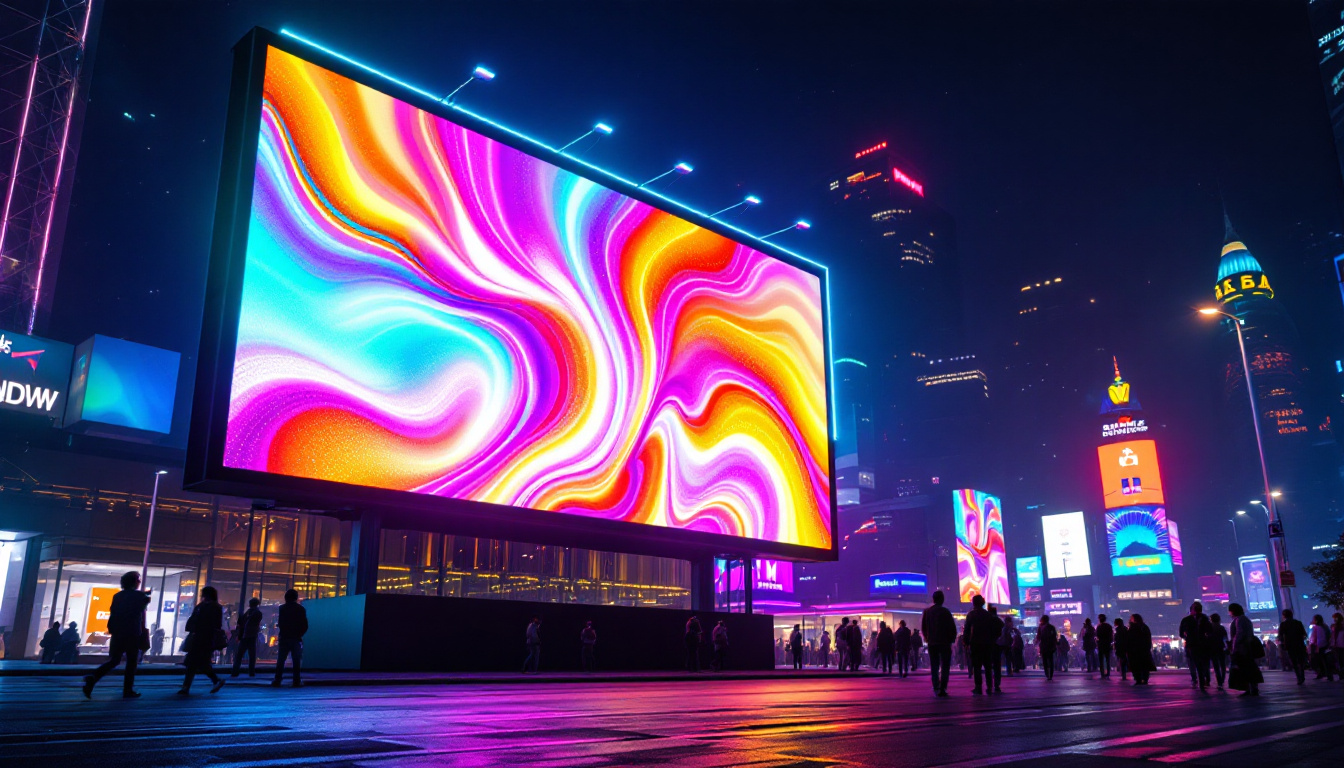
Outdoor LED billboards typically have a lower ratio build with pixel pitches ranging from 8mm to 20mm. Since these displays are viewed from long distances, ultra-high resolution is unnecessary. Instead, they prioritize brightness and weather resistance.
For instance, a 10mm pixel pitch LED billboard can be easily seen from 30 meters away, offering clear messaging without the cost of a high-density build.
Indoor Retail and Event Displays
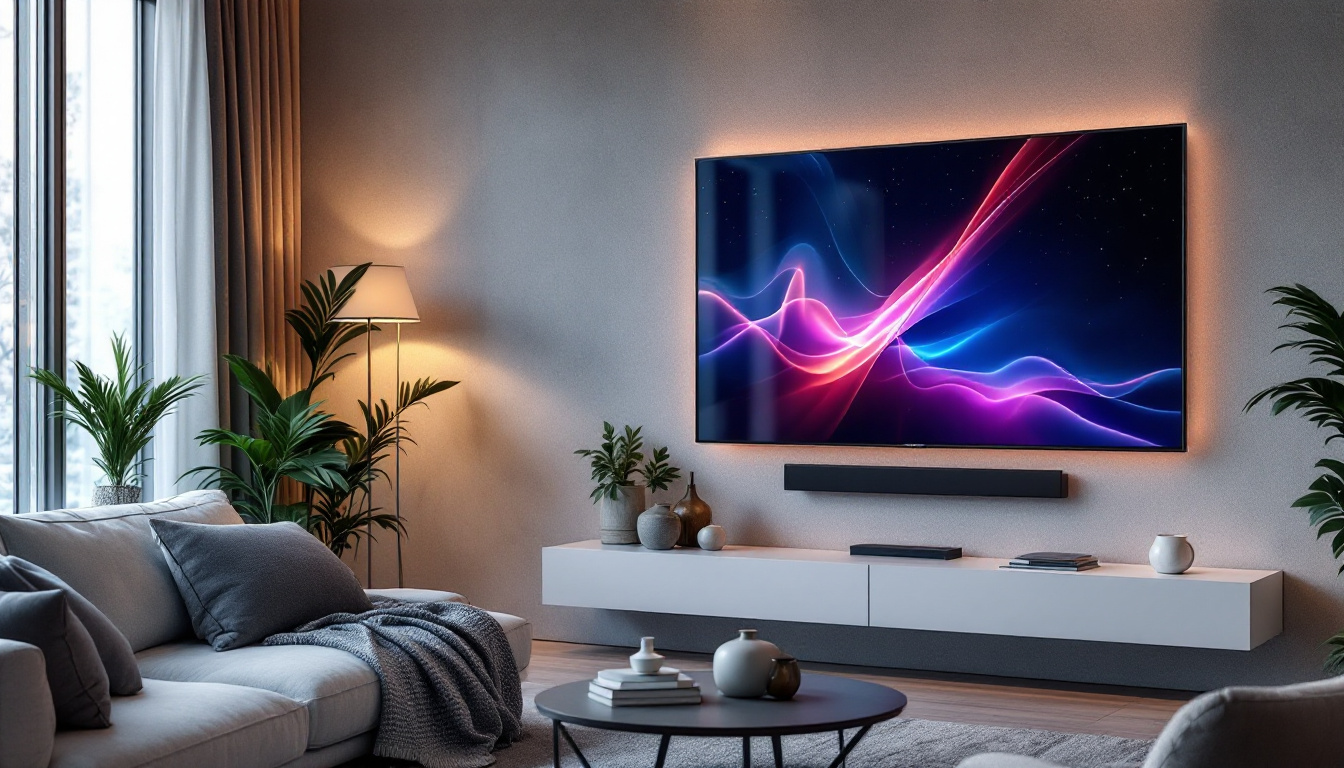
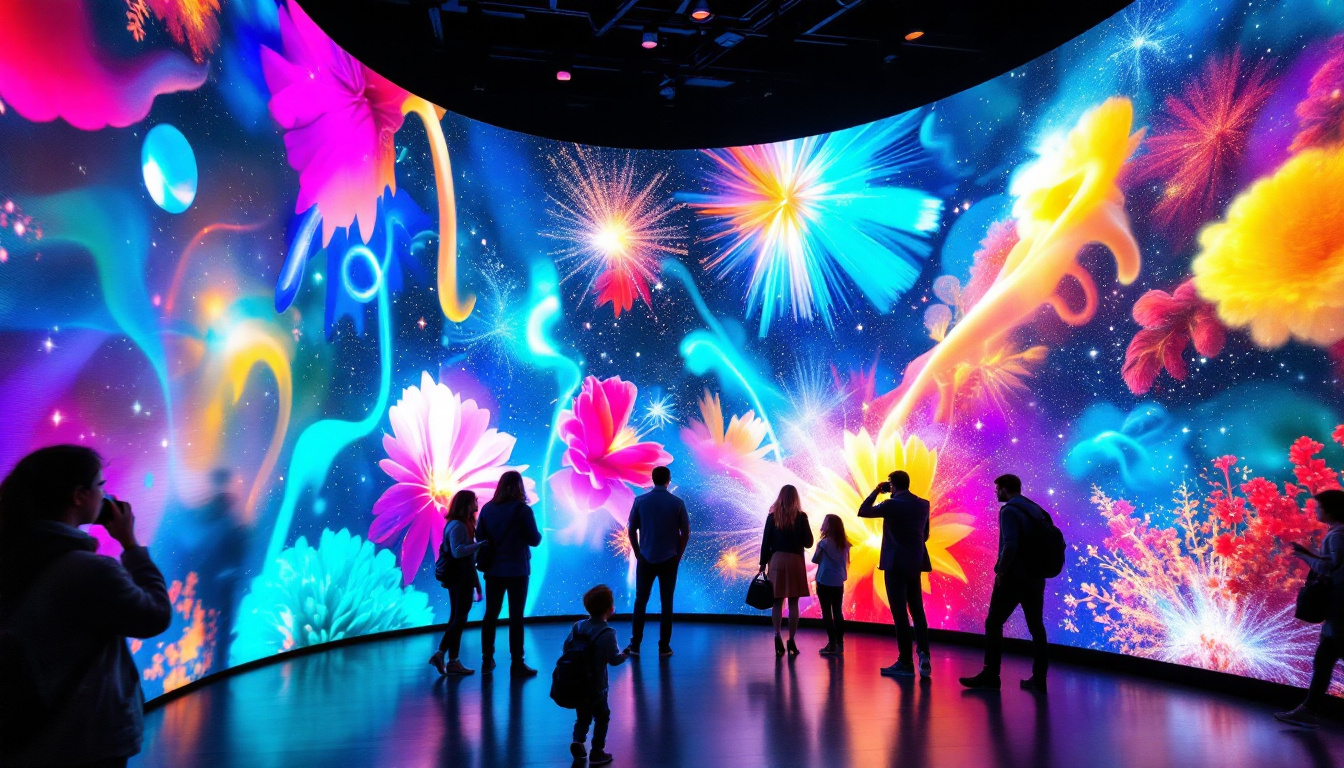
Indoor environments such as shopping malls, trade shows, and concert venues benefit from higher ratio builds. Pixel pitches between 1.2mm and 4mm are common, allowing for detailed images and videos that engage viewers up close.
A retail store might use a 2mm pixel pitch LED wall to display high-definition product advertisements, enhancing customer experience and driving sales.
Control Rooms and Broadcast Studios
Control rooms require precise and detailed visuals to monitor multiple data streams simultaneously. LED displays with pixel pitches as low as 0.9mm are used to achieve high ratio builds, ensuring operators can discern fine details without eye strain.
Broadcast studios also use high ratio build LED walls as backdrops, providing vivid, dynamic backgrounds that enhance production quality.
Choosing the Right Ratio Build for Your LED Display
Selecting the appropriate ratio build involves balancing several factors including budget, viewing distance, content type, and installation environment. Here are some guidelines to consider:
Determine Viewing Distance
Calculate the average distance from which the audience will view the display. A simple rule of thumb is that the optimal viewing distance (in meters) is approximately 1,000 times the pixel pitch (in millimeters). For example, a 3mm pixel pitch display is best viewed from about 3 meters or more.
Assess Content Requirements
High-resolution images, videos, and text require higher ratio builds to avoid pixelation. If the content is primarily simple graphics or text, a lower ratio build may suffice.
Consider Environmental Factors
Outdoor displays need to be brighter and more rugged, which can influence the choice of pixel pitch and ratio build. Indoor displays can afford to have higher ratio builds with less emphasis on brightness.
Budget and Maintenance
Higher ratio builds typically mean higher costs for both initial purchase and maintenance. It’s important to weigh the benefits of enhanced image quality against budget constraints.
Future Trends in Ratio Build and LED Display Technology
LED technology continues to evolve rapidly, with innovations that impact ratio build and overall display performance.
MicroLED and MiniLED Technologies
MicroLED and MiniLED displays represent the next generation of LED technology, featuring even smaller pixel pitches and higher ratio builds. These advancements enable ultra-high-definition displays with exceptional brightness and color accuracy, suitable for both consumer electronics and professional applications.
Flexible and Transparent LED Displays
Emerging flexible and transparent LED panels allow for creative installations in architecture and retail, requiring innovative approaches to ratio build to maintain image quality on curved or see-through surfaces.
AI-Driven Display Optimization
Artificial intelligence is being integrated into LED display systems to optimize brightness, contrast, and color balance dynamically based on ambient conditions and content type. This technology can enhance the perceived quality of displays regardless of their ratio build.
Conclusion
The ratio build is a fundamental concept in understanding and selecting LED displays. It directly influences image clarity, viewing experience, power consumption, and cost. By carefully considering the ratio build alongside pixel pitch, module size, and application requirements, businesses and designers can ensure their LED displays deliver impactful, high-quality visuals tailored to their specific needs.
As LED technology advances, the possibilities for higher ratio builds and innovative display formats continue to expand, promising even more immersive and dynamic visual experiences in the near future.
Discover the Future of Visual Displays with LumenMatrix
Ready to elevate your visual communication with the latest in LED technology? LumenMatrix is at the forefront of innovation, offering a wide array of LED display solutions that cater to your unique needs. From captivating Indoor LED Walls to dynamic Outdoor LED Displays, and from versatile Vehicle LED Displays to sleek LED Posters, our products are designed to make your brand stand out. Experience the revolution in digital signage with our LED Sports Displays, interactive Floor LEDs, and the stunning clarity of our Custom and All-in-One LED Displays, including the cutting-edge LED Transparent Display. Embrace the future of immersive visual experiences with LumenMatrix. Check out LumenMatrix LED Display Solutions today and transform the way you share your message.