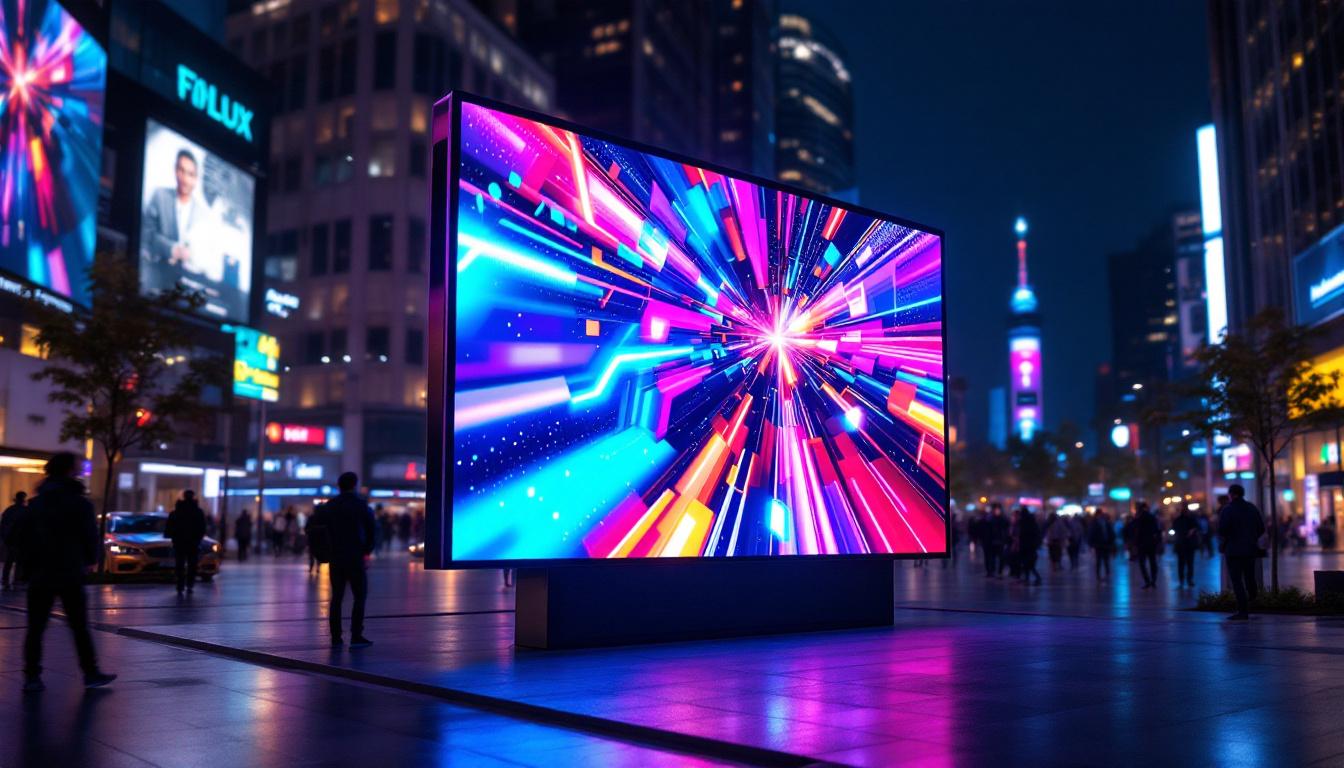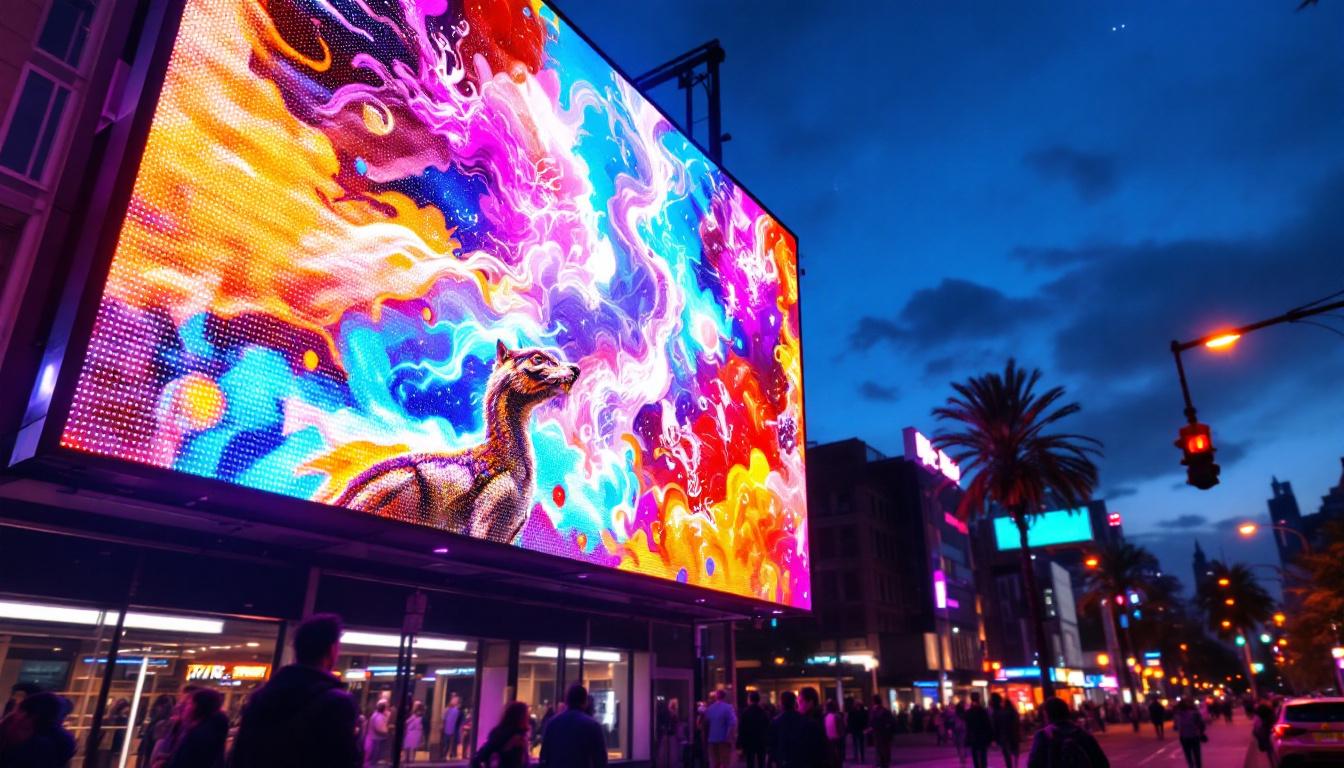
In today’s fast-paced and visually driven marketplace, businesses are constantly seeking innovative ways to capture attention and communicate their brand message effectively. Outdoor LED business signs have emerged as a powerful tool in this endeavor, combining technology, creativity, and practicality to create dynamic advertising solutions. This article delves into the world of LED displays, explaining their technology, benefits, and best practices for businesses looking to enhance their outdoor signage.
Understanding Outdoor LED Business Signs
What Are Outdoor LED Signs?
Outdoor LED signs are digital display boards that use light-emitting diodes (LEDs) to present vibrant, high-resolution content visible even in direct sunlight. Unlike traditional static signs, LED signs can showcase a variety of messages, images, and videos, making them incredibly versatile for business advertising. These signs can be programmed to change content frequently, allowing businesses to keep their messaging fresh and relevant, which is particularly beneficial during promotional events or seasonal sales.
These signs are engineered to withstand harsh weather conditions, including rain, snow, and extreme temperatures, ensuring durability and consistent performance year-round. They are commonly used by retail stores, restaurants, gas stations, and entertainment venues to attract customers and communicate promotions or important information. Additionally, many outdoor LED signs come equipped with sensors that adjust brightness based on ambient light levels, ensuring optimal visibility at all times of the day and night.
The Technology Behind LED Displays
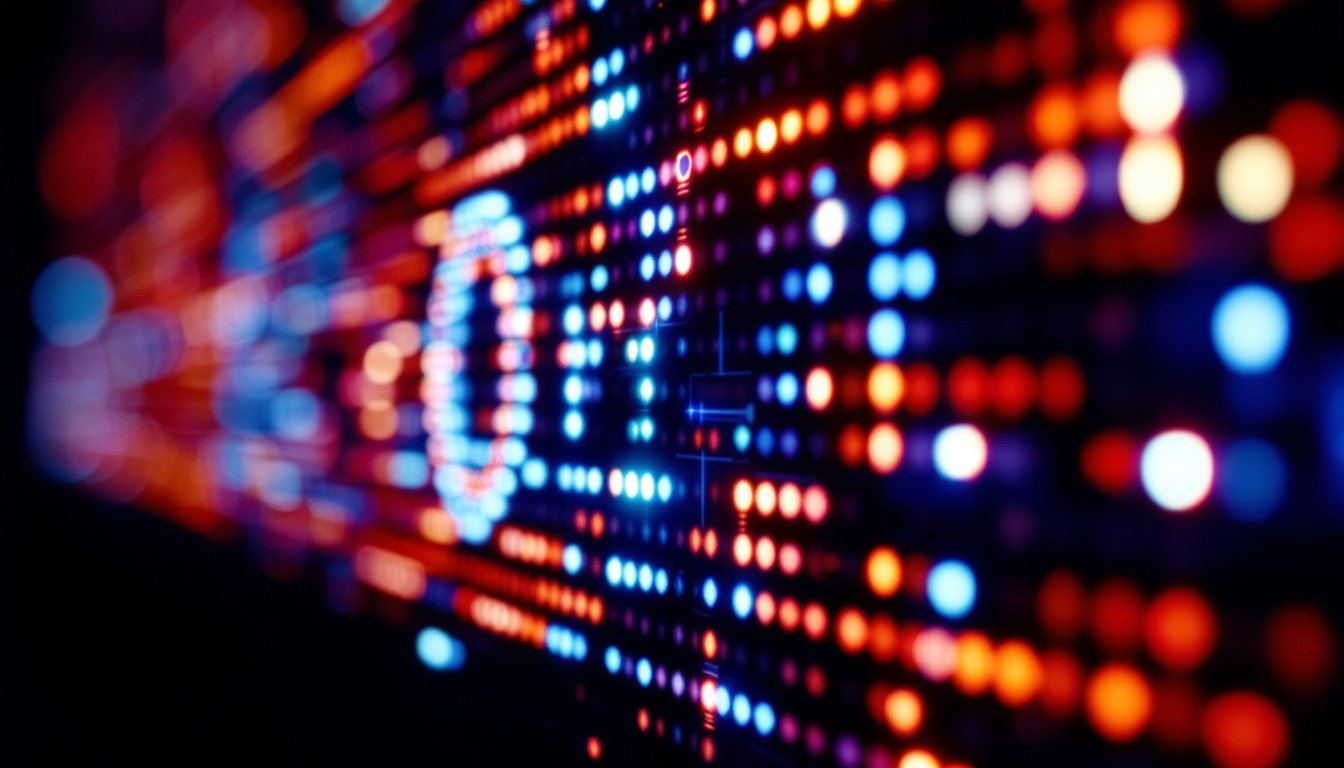
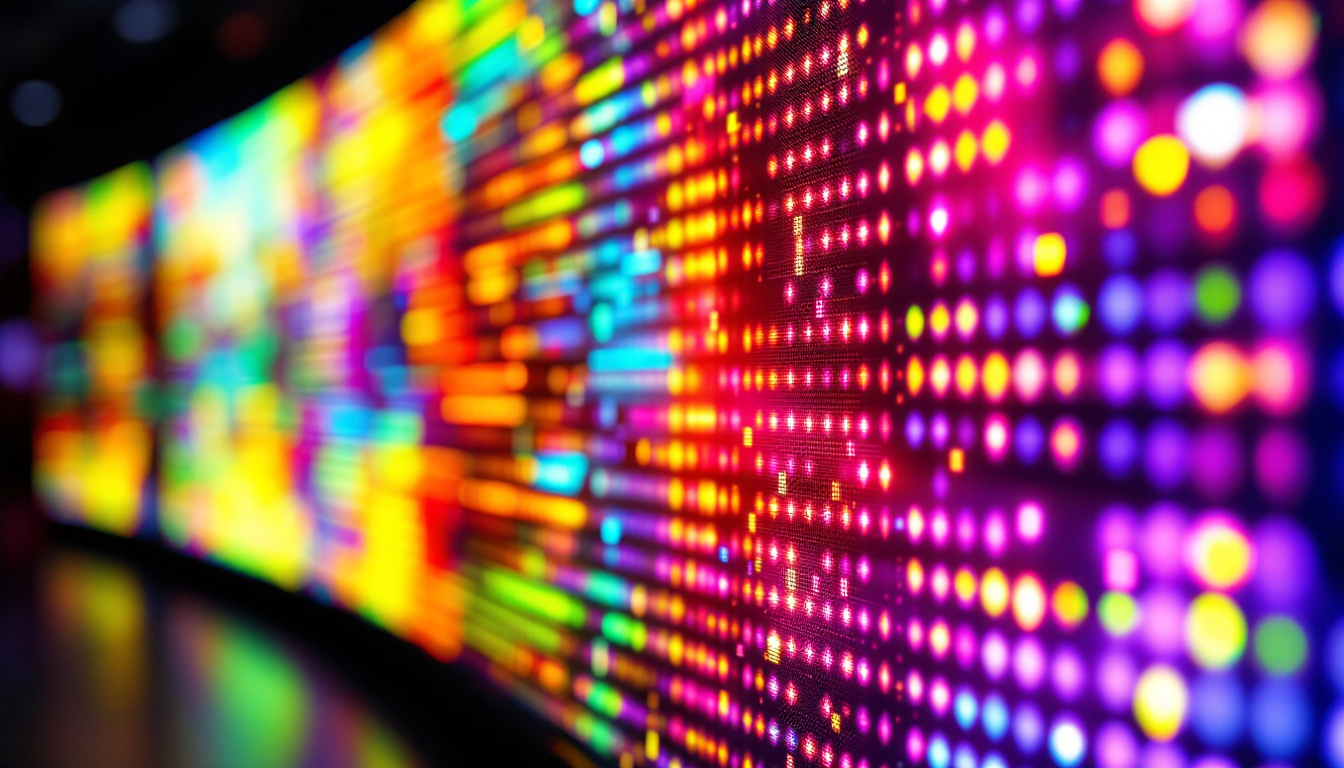
LED technology is based on semiconductor diodes that emit light when an electric current passes through them. Outdoor LED signs consist of thousands of these tiny diodes arranged in a grid, each diode acting as a pixel. By controlling the brightness and color of each pixel, the display can render complex images and videos. This technology not only enhances visual appeal but also allows for dynamic content that can be tailored to specific audiences or events, making it an effective tool for targeted marketing.
Modern LED signs utilize full-color RGB (red, green, blue) diodes, allowing for a wide color gamut and vivid visuals. The resolution of the display depends on the pixel pitch—the distance between the centers of two adjacent pixels. A smaller pixel pitch means higher resolution and sharper images, which is crucial for signs viewed at close range. Furthermore, advancements in LED technology have led to the development of energy-efficient models that consume less power while delivering superior brightness and clarity, making them an environmentally friendly option for businesses looking to reduce their carbon footprint.
Benefits of Outdoor LED Business Signs
Enhanced Visibility and Attraction
One of the primary advantages of LED signs is their exceptional visibility. LEDs are significantly brighter than traditional neon or fluorescent signs, making them easily readable both day and night. According to the Outdoor Advertising Association of America (OAAA), digital billboards and signs can increase brand recall by up to 47% compared to static signage.
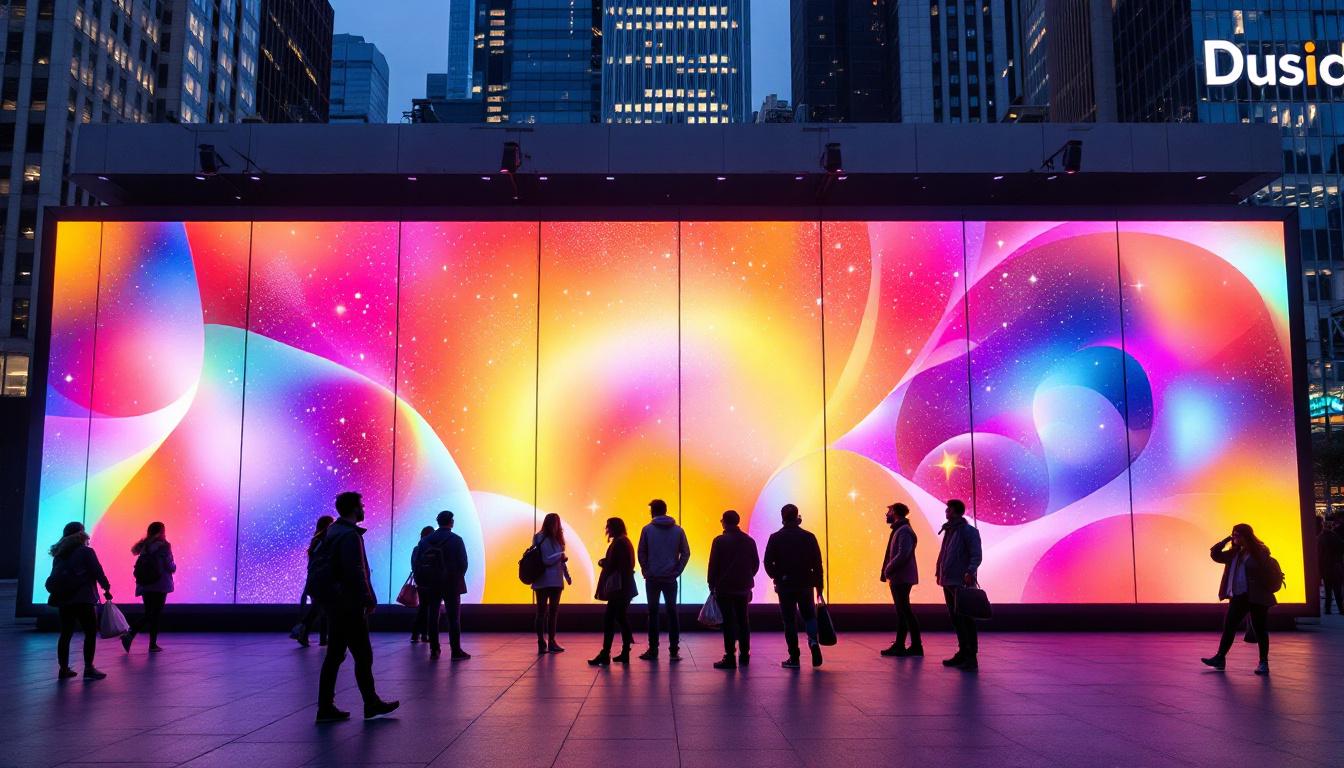
The dynamic nature of LED signs also helps businesses stand out in crowded urban environments. Moving text, animations, and changing colors naturally draw the eye, increasing the likelihood that passersby will notice the message. This capability is particularly beneficial in high-traffic areas where competition for attention is fierce; a well-designed LED sign can effectively cut through the noise and communicate key messages quickly and effectively.
Moreover, the use of vibrant colors and high-resolution displays can evoke emotions and create a memorable brand experience. For instance, a retail store might use bright colors to promote a sale, while a spa could opt for softer hues to convey relaxation and tranquility. This strategic use of color not only enhances visibility but also reinforces the brand’s identity and values.
Cost-Effectiveness and Energy Efficiency
While the initial investment in an LED sign can be higher than traditional signage, the long-term benefits often outweigh the upfront cost. LED signs consume significantly less energy than incandescent or neon signs, reducing electricity expenses. For example, an LED sign can use up to 80% less energy than a comparable neon sign.
Additionally, LED signs require less maintenance. The robust nature of LEDs means fewer replacements and repairs over time, translating to lower operational costs. The ability to update content remotely also eliminates the need for physical sign changes, saving time and labor. This is especially advantageous for businesses that frequently change promotions or need to respond quickly to market trends, allowing them to remain agile in a competitive landscape.
Furthermore, many LED signs are designed to last for over 100,000 hours, which means businesses can enjoy years of reliable service without the frequent disruptions that come with traditional signage. This longevity not only enhances the return on investment but also contributes to sustainability efforts by reducing waste associated with sign replacements.
Flexibility and Real-Time Updates
Outdoor LED signs offer unparalleled flexibility in messaging. Businesses can schedule different advertisements throughout the day, promote special events, or display real-time information such as weather updates or news headlines. This adaptability allows companies to tailor their communication strategy to maximize impact.
For instance, a restaurant can highlight breakfast specials in the morning and switch to dinner promotions in the evening without any physical changes to the sign. This dynamic capability enhances customer engagement and can drive increased foot traffic. Additionally, businesses can leverage social media feeds or customer testimonials, integrating user-generated content that resonates with their audience and fosters a sense of community.
Moreover, the ability to display time-sensitive promotions or alerts, such as flash sales or limited-time offers, can create a sense of urgency among potential customers. This immediacy not only encourages spontaneous visits but also helps businesses capitalize on peak times, ensuring they maximize their sales opportunities. With the right strategy, outdoor LED signs can become a powerful tool for driving customer interaction and loyalty.
Design Considerations for Outdoor LED Signs
Choosing the Right Size and Resolution
Selecting the appropriate size and resolution for an outdoor LED sign depends on several factors, including viewing distance, location, and the type of content to be displayed. For signs intended to be seen from a distance of 50 feet or more, a larger pixel pitch (e.g., 10-20 mm) is suitable, as the human eye cannot discern finer details at that range.
Conversely, signs placed near sidewalks or entrances require higher resolution with smaller pixel pitches (e.g., 4-6 mm) to ensure crisp text and images. A well-chosen size and resolution balance cost and visual effectiveness, ensuring the message is clear and impactful.
Brightness and Weatherproofing
Brightness is a critical factor for outdoor LED signs. To remain visible in direct sunlight, signs typically need a brightness level of 5,000 to 7,000 nits. Many modern LED displays feature automatic brightness adjustment sensors that dim the sign at night to prevent glare and save energy.
Weatherproofing is equally essential. Outdoor LED signs must meet at least an IP65 rating, indicating protection against dust and water jets. Proper enclosures and cooling systems prevent damage from rain, dust, and extreme temperatures, ensuring longevity and consistent performance.
Content Strategy and Readability
Effective LED signage goes beyond technology—it requires thoughtful content design. Text should be concise, using large, legible fonts that can be read quickly. Avoid overcrowding the display with too much information; instead, focus on key messages and calls to action.
Color contrast is vital for readability. High contrast combinations like white text on a dark background or vice versa enhance visibility. Additionally, animations and transitions should be smooth and not overly distracting, maintaining professionalism and clarity.
Installation and Maintenance of Outdoor LED Signs
Professional Installation
Installing an outdoor LED sign involves careful planning and adherence to local regulations. It is essential to work with experienced professionals who understand electrical codes, structural requirements, and zoning laws. Proper installation ensures safety, optimal performance, and compliance with municipal guidelines.
Placement is also strategic; signs should be positioned for maximum visibility without obstructing traffic or violating signage ordinances. Consulting with a signage expert can help businesses select the best location and mounting options.
Routine Maintenance and Troubleshooting
Although LED signs are durable, routine maintenance is necessary to sustain their appearance and functionality. Regular cleaning prevents dust and grime buildup, which can diminish brightness. Inspecting electrical connections and protective enclosures helps identify potential issues before they escalate.
Many LED sign manufacturers offer remote monitoring services that alert owners to malfunctions or performance drops. Quick troubleshooting minimizes downtime and ensures the business message remains uninterrupted.
Future Trends in Outdoor LED Business Signs
Integration with Smart Technologies
The future of outdoor LED signage is increasingly intertwined with smart technology. Integration with IoT (Internet of Things) devices enables real-time data-driven content, such as personalized advertising based on weather, traffic patterns, or audience demographics.
Artificial intelligence (AI) is also being leveraged to optimize content scheduling and design, ensuring messages resonate better with target audiences. For example, AI can analyze engagement metrics and adjust display content accordingly to maximize impact.
Advancements in Display Quality and Sustainability
Emerging LED technologies promise even higher resolution and color accuracy, rivaling traditional print media and television screens. MicroLED and miniLED displays offer improved brightness and energy efficiency, further reducing operational costs and environmental impact.
Sustainability is a growing concern for businesses and consumers alike. LED signs are increasingly designed with recyclable materials and energy-saving features, aligning with corporate social responsibility goals and attracting eco-conscious customers.
Conclusion
Outdoor LED business signs represent a compelling blend of technology and marketing strategy. Their ability to deliver bright, dynamic, and customizable content makes them an invaluable asset for businesses seeking to enhance visibility and engage customers effectively. By understanding the technology, benefits, and design considerations, companies can make informed decisions that maximize their signage investment.
As LED technology continues to evolve, businesses that adopt these innovative displays will be well-positioned to capture attention, communicate clearly, and stay ahead in a competitive marketplace.
Illuminate Your Brand with LumenMatrix
Ready to elevate your business’s outdoor presence and captivate your audience like never before? Discover the transformative power of LumenMatrix’s advanced LED display solutions. From vibrant outdoor displays that withstand the elements to customizable modules that fit your unique needs, LumenMatrix is your partner in creating visual experiences that resonate with your audience. Don’t just communicate—mesmerize with LumenMatrix. Check out LumenMatrix LED Display Solutions today and light up your brand’s future.