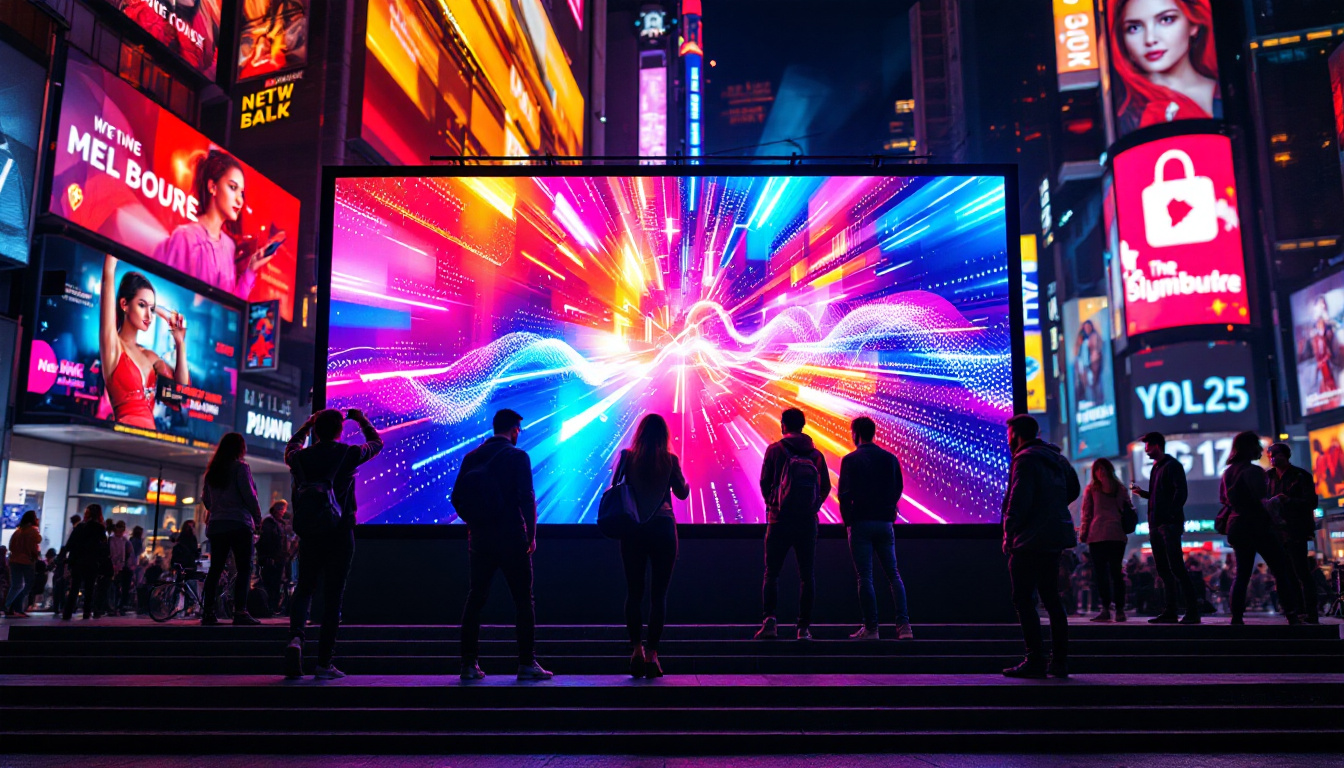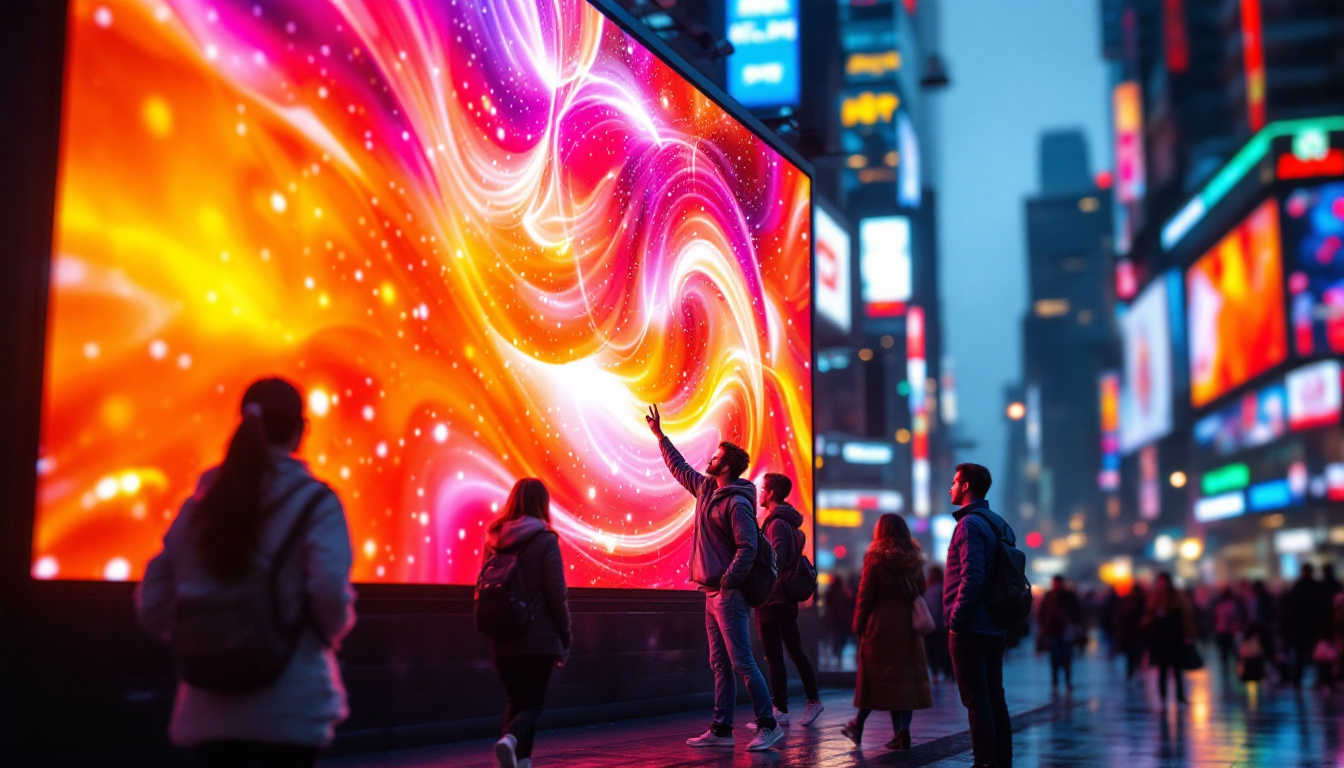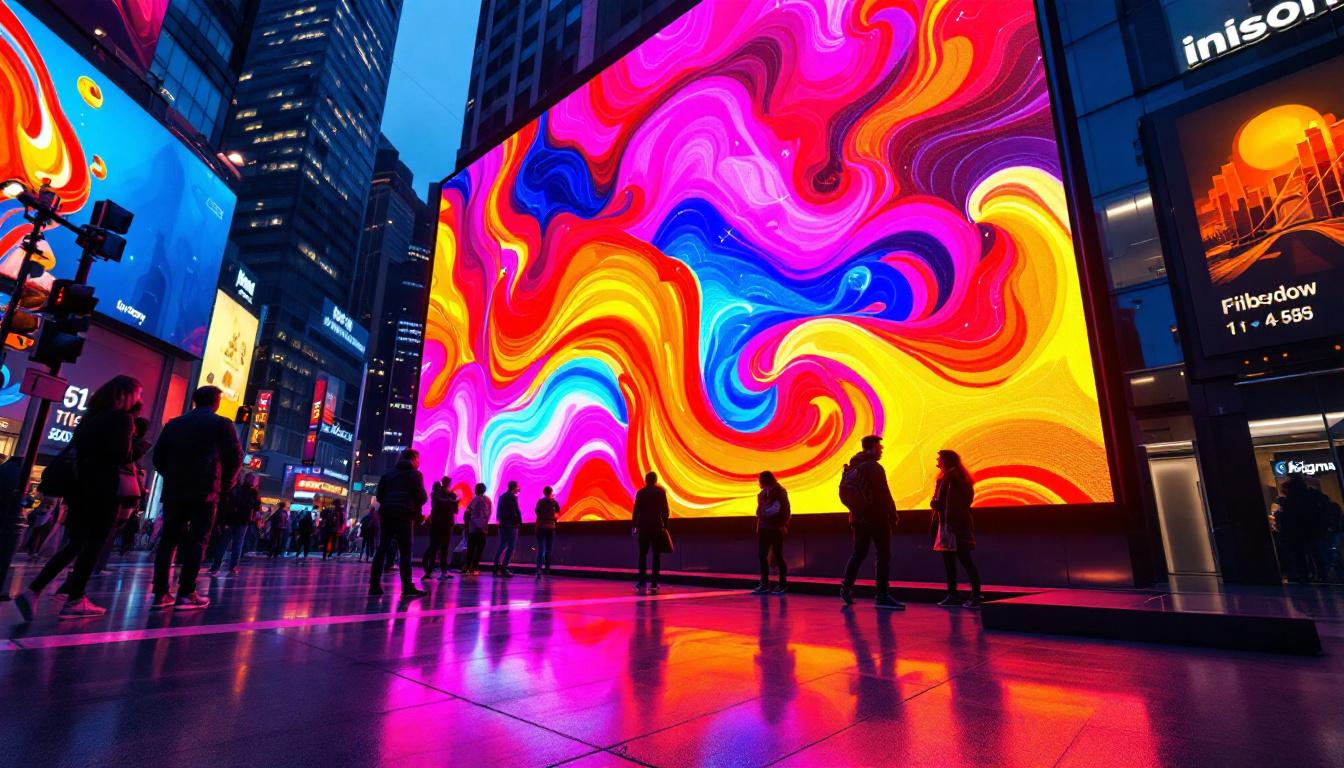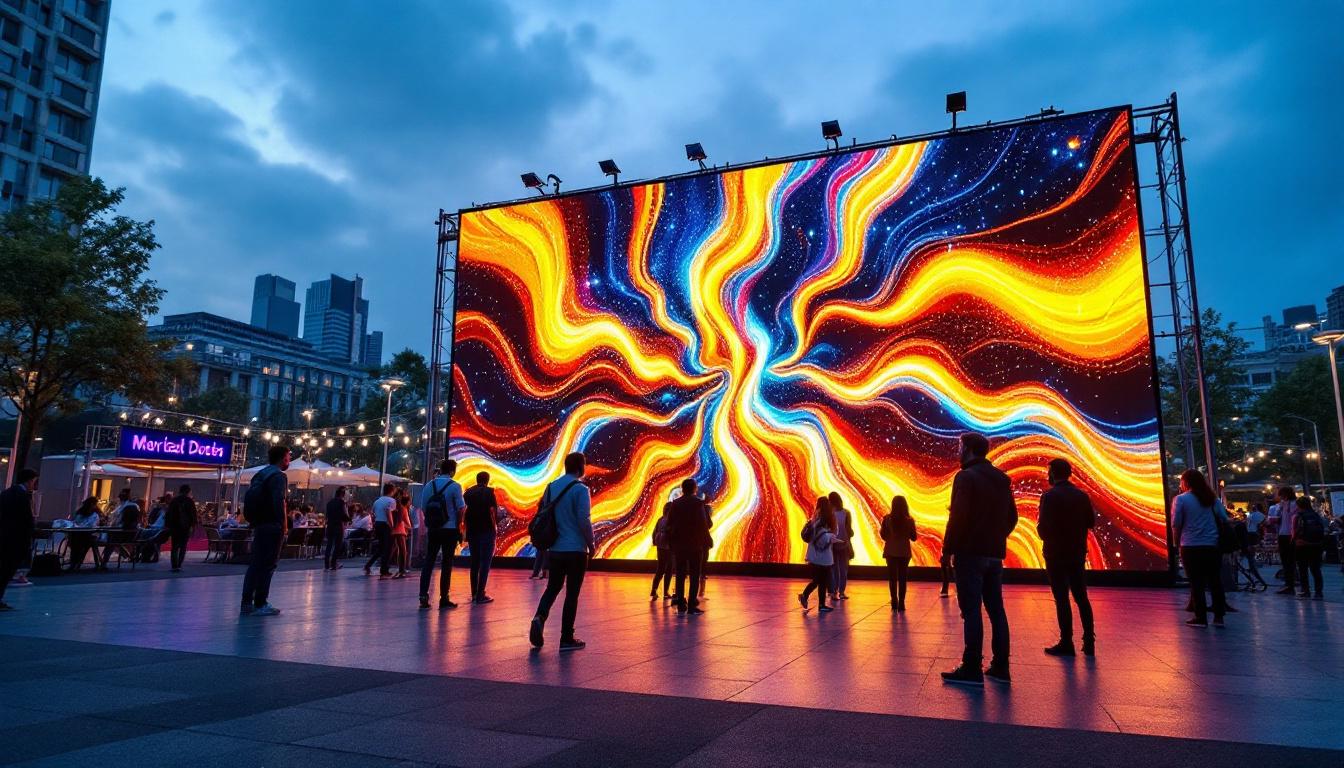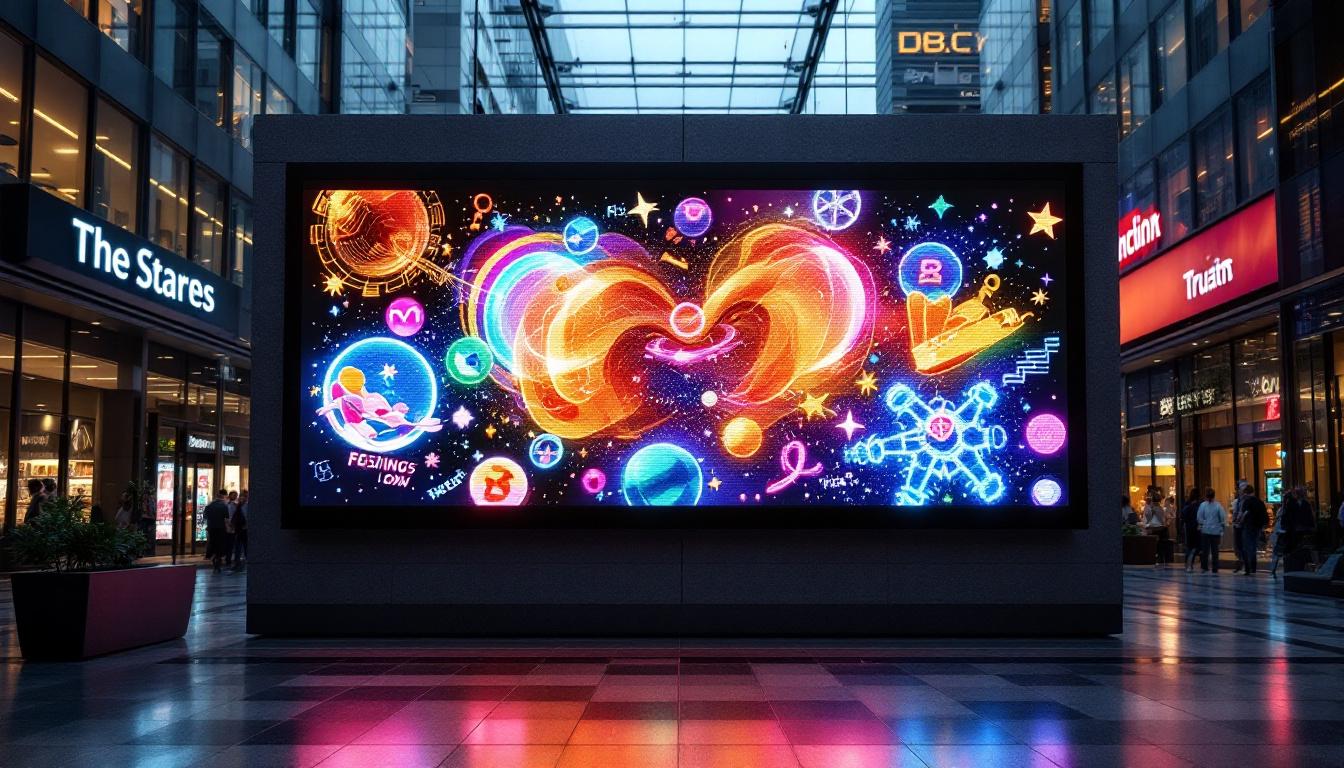
In the ever-evolving world of advertising and digital signage, holographic billboards have emerged as a captivating fusion of technology and creativity. These eye-catching displays leverage advanced LED technology to create three-dimensional, floating images that captivate audiences like never before. But what exactly is a holographic billboard, and how does LED technology bring these mesmerizing visuals to life? This article delves into the fundamentals of holographic billboards, the role of LED displays, and why this innovation is shaping the future of outdoor advertising.
Understanding Holographic Billboards
What Is a Holographic Billboard?
A holographic billboard is a type of digital signage that projects three-dimensional images or videos, creating the illusion of floating objects or characters in mid-air. Unlike traditional billboards that rely on static or two-dimensional digital images, holographic billboards use advanced light projection and display technologies to deliver a more immersive and dynamic advertising experience.
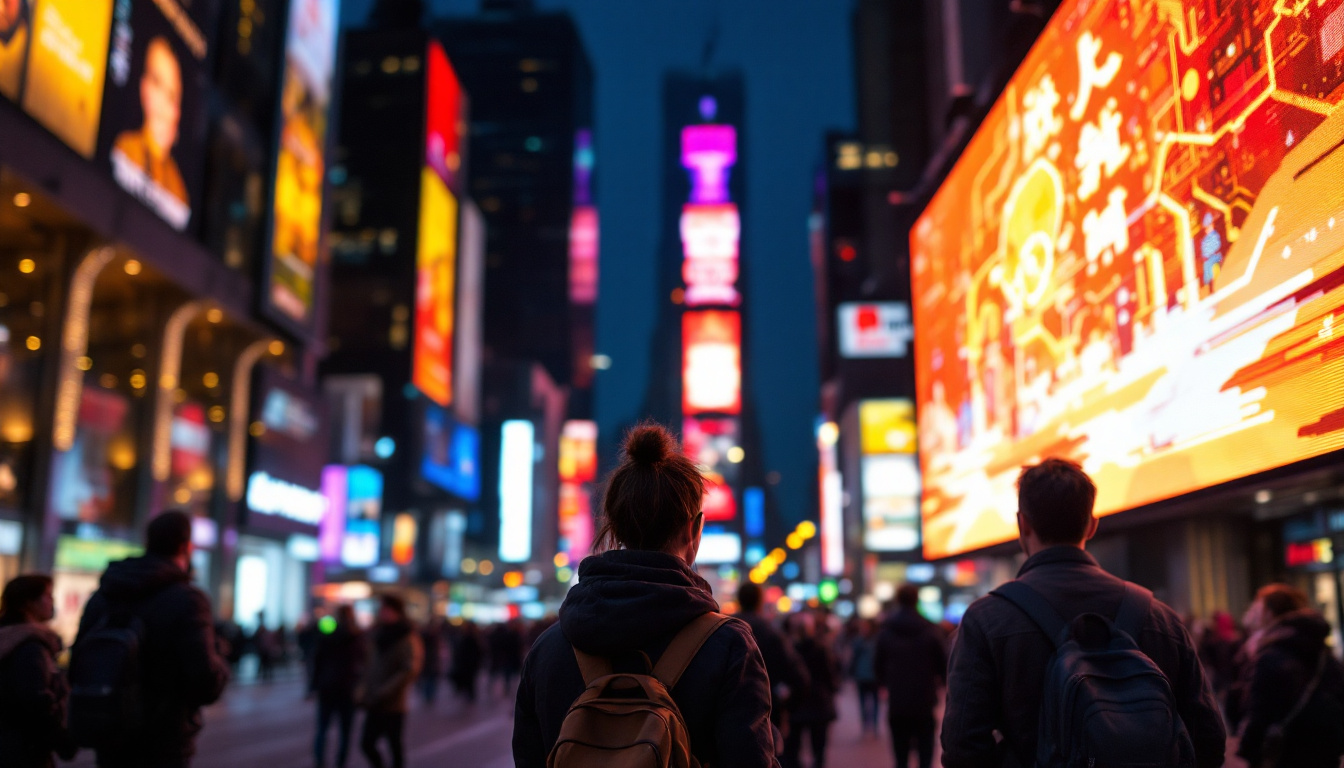
These billboards are designed to attract attention by breaking away from conventional flat displays. The holographic effect can be seen from multiple angles, making it ideal for high-traffic urban environments where grabbing and holding the attention of passersby is crucial. Their ability to create a sense of depth and realism can significantly enhance brand messaging, allowing companies to convey complex ideas in an engaging manner that resonates with viewers.
Moreover, the versatility of holographic billboards means they can be easily updated with new content, allowing brands to run multiple campaigns simultaneously or adapt their messaging in real-time based on audience engagement or current events. This flexibility is a game-changer in the advertising world, where timely and relevant messaging can make all the difference in capturing consumer interest.
How Holography Works in Advertising
Holography involves recording and reconstructing light fields to produce three-dimensional images. In advertising, this means creating visuals that appear tangible and lifelike without the need for special glasses or headsets. The technology combines laser light, LED displays, and optical elements such as lenses and mirrors to project these images.
Modern holographic billboards often utilize LED displays as the light source due to their brightness, energy efficiency, and versatility. The LED panels emit light that is manipulated to form the holographic image, which can be static or animated depending on the campaign requirements. The precision of this technology allows for intricate designs and animations that can captivate an audience, making even the simplest products appear more appealing.
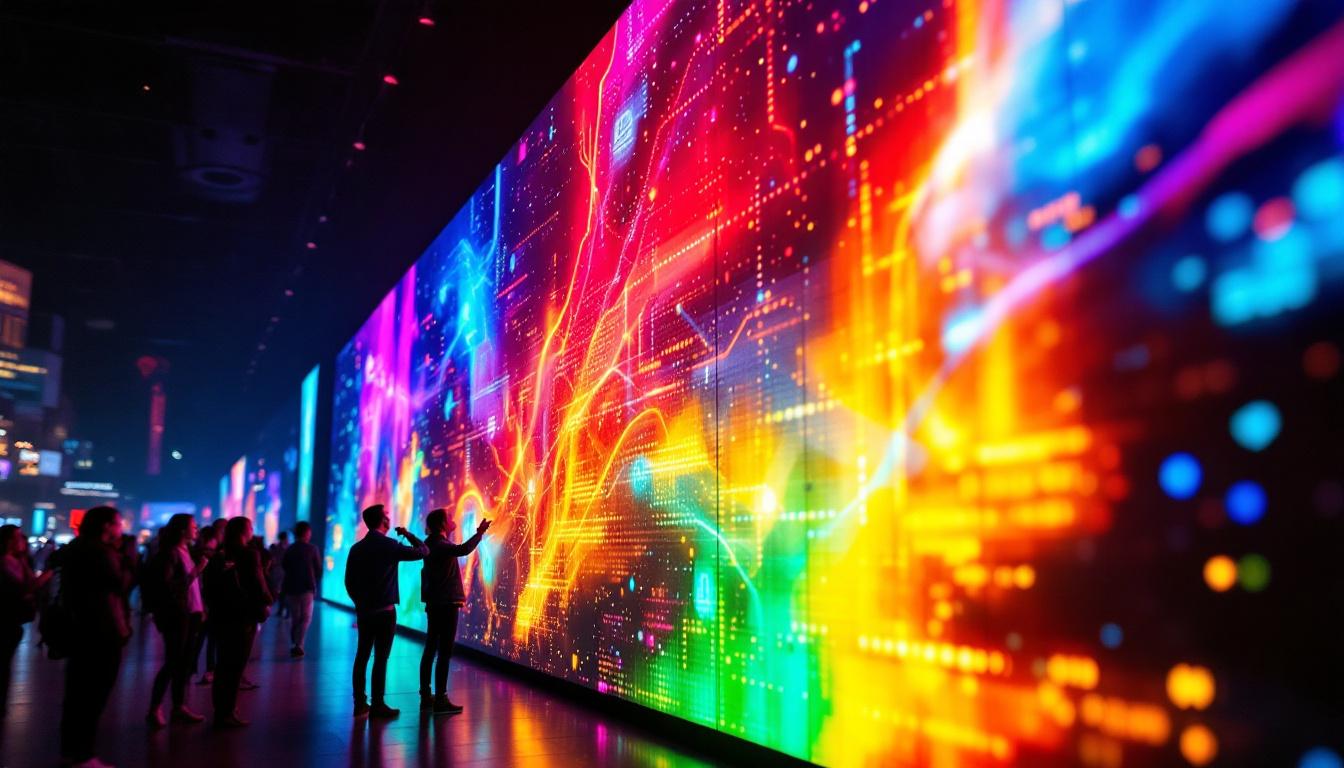
Additionally, the integration of interactive elements into holographic billboards is becoming increasingly popular. Some installations allow viewers to engage with the content through gestures or mobile devices, creating a two-way interaction that can enhance user experience and brand connection. This level of engagement not only increases the memorability of the advertisement but also encourages social sharing, as users are more likely to capture and post their experiences on social media platforms, further amplifying the reach of the campaign.
The Role of LED Displays in Holographic Billboards
Why LED Technology Is Essential
LED (Light Emitting Diode) technology has revolutionized digital signage by offering superior brightness, color accuracy, and durability compared to traditional display technologies like LCD or projection. For holographic billboards, these qualities are indispensable.
LED displays provide the intense brightness needed to make holographic images visible even in broad daylight, an essential feature for outdoor advertising. Additionally, LEDs can produce a wide color gamut, which enhances the realism and vibrancy of holographic visuals. The ability to maintain consistent brightness and color fidelity over time also means that advertisers can rely on LED technology to deliver their messages without degradation, ensuring that their campaigns remain effective throughout their duration.
Moreover, the energy efficiency of LED technology contributes to lower operational costs, making it a sustainable choice for businesses looking to minimize their environmental impact while maximizing visual appeal. This efficiency is particularly beneficial for large-scale installations, where the cumulative savings on energy can be substantial. As a result, many companies are increasingly adopting LED technology not just for its visual benefits, but also for its cost-effectiveness and eco-friendliness.
Types of LED Displays Used
There are several types of LED display technologies utilized in holographic billboards, each with unique characteristics:
- Micro-LED: Known for its tiny pixel size and high brightness, micro-LED technology allows for extremely sharp and detailed holographic images. This technology is particularly advantageous in settings where high resolution is critical, such as in urban environments where viewers may be close to the display.
- Transparent LED: These displays are semi-transparent, enabling holographic images to appear as if they are floating in front of or within a physical space. This innovative approach not only captivates audiences but also allows for creative integration with architectural elements, enhancing the overall aesthetic of the location.
- Flexible LED Panels: These can be curved or shaped to fit specific billboard designs, enhancing the three-dimensional effect. Their adaptability opens up new possibilities for creative advertising, allowing brands to design unique and eye-catching displays that stand out in crowded marketplaces.
The choice of LED technology depends on the installation environment, desired visual effects, and budget. For instance, urban centers may favor micro-LED displays for their clarity and detail, while retail environments might opt for transparent LED panels to create immersive shopping experiences. Furthermore, the rapid advancements in LED technology mean that advertisers can continuously explore new features and capabilities, ensuring they remain at the forefront of digital marketing innovation.
As the demand for engaging and interactive advertising increases, the integration of LED displays with augmented reality (AR) and virtual reality (VR) technologies is becoming more prevalent. This convergence allows for even more dynamic and captivating holographic experiences, where consumers can interact with the content in real-time. Such innovations not only enhance viewer engagement but also provide brands with valuable data on consumer interactions, enabling them to refine their marketing strategies for maximum impact.
Benefits of Holographic LED Billboards for Advertisers
Increased Engagement and Recall
Research indicates that three-dimensional and holographic advertisements can increase viewer engagement by up to 70% compared to traditional 2D ads. The novelty and visual appeal of holographic billboards make them memorable, which is critical in a saturated advertising landscape.
Brands leveraging holographic LED billboards often report higher brand recall and improved consumer perception, as the technology conveys innovation and forward-thinking values.
Flexibility and Dynamic Content
Unlike static billboards, holographic LED displays allow advertisers to change content quickly and remotely. Campaigns can be updated in real-time to reflect promotions, events, or seasonal messages, ensuring relevance and timeliness.
This flexibility also enables interactive and personalized advertising experiences, such as integrating social media feeds or live data, which can further enhance audience engagement.
Energy Efficiency and Sustainability
LED technology is notably energy-efficient, consuming up to 75% less power than traditional incandescent lighting. This makes holographic LED billboards more sustainable and cost-effective over time, aligning with growing environmental concerns and corporate responsibility goals.
Technical Challenges and Considerations
Ambient Light and Visibility
One of the main challenges for holographic billboards is maintaining image visibility in varying lighting conditions, especially under direct sunlight. Although LED brightness has improved significantly, extremely bright environments can still reduce the holographic effect’s clarity.
To mitigate this, designers often incorporate shading elements, anti-reflective coatings, or position billboards strategically to optimize visibility.
Cost and Maintenance
The advanced technology involved in holographic LED billboards typically results in higher initial costs compared to traditional billboards. Installation requires precise calibration and sometimes custom hardware, which can add to expenses.
Maintenance is another factor; LED panels and projection components must be regularly serviced to ensure optimal performance. However, the long-term benefits in engagement and brand impact often justify these costs.
Content Creation Complexity
Producing effective holographic content requires specialized skills in 3D modeling, animation, and light manipulation. Advertisers need to collaborate with experienced creative agencies or technology providers to develop visuals that maximize the holographic effect without overwhelming the audience.
Real-World Applications and Case Studies
Retail and Product Launches
Major retail brands have adopted holographic LED billboards to showcase new products in a striking way. For example, a global smartphone manufacturer used a holographic billboard in Times Square to display a 3D rotating model of its latest device, resulting in a 40% increase in foot traffic to nearby stores during the campaign period.
Entertainment and Events
Concerts, movie premieres, and sports events have utilized holographic billboards to create buzz and excitement. A notable instance was a holographic display of a famous musician performing live on a billboard outside a stadium, captivating thousands of attendees and social media followers alike.
Public Information and Safety
Beyond advertising, some cities have experimented with holographic LED billboards for public service announcements and safety messages. These dynamic displays can convey urgent information in an engaging manner, improving public awareness and compliance.
The Future of Holographic LED Billboards
Integration with Augmented and Virtual Reality
As AR and VR technologies mature, holographic billboards are expected to integrate with these platforms, offering even more immersive and interactive experiences. For instance, passersby could use their smartphones to interact with holographic content, unlocking personalized promotions or augmented reality games.
Advancements in LED and Projection Technologies
Ongoing improvements in LED efficiency, resolution, and miniaturization will enable even more realistic and vibrant holographic images. Emerging technologies like quantum dot LEDs and laser-based projections promise to push the boundaries of what holographic billboards can achieve.
Wider Adoption and Market Growth
According to recent market analyses, the global digital signage market is projected to grow at a compound annual growth rate (CAGR) of over 8% through 2028. Holographic LED billboards represent a significant segment of this growth, driven by increasing demand for innovative advertising solutions in urban centers worldwide.
Conclusion
Holographic billboards powered by LED display technology are transforming the advertising landscape by delivering stunning, three-dimensional visuals that engage and captivate audiences. Their ability to combine brightness, color accuracy, and dynamic content with immersive holography offers brands a powerful tool to stand out in crowded marketplaces.
While challenges such as cost and environmental factors remain, ongoing technological advancements and creative innovation continue to expand the possibilities for holographic LED billboards. As this technology becomes more accessible, it is poised to become a staple in the future of outdoor advertising, blending artistry and engineering to create unforgettable visual experiences.
Discover the Future of Advertising with LumenMatrix
Ready to elevate your advertising strategy with the cutting-edge technology of holographic LED billboards? LumenMatrix is at the forefront of LED display innovation, offering a wide array of solutions that bring your brand to life. From Indoor and Outdoor LED Wall Displays to specialized options like Vehicle, Sports, and Floor LED Displays, our products are designed to captivate and engage your audience. Experience the transformative power of our Custom, All-in-One, and LED Transparent Displays. Embrace the future of visual communication and Check out LumenMatrix LED Display Solutions today to create unforgettable visual experiences that resonate with viewers and leave a lasting impression.