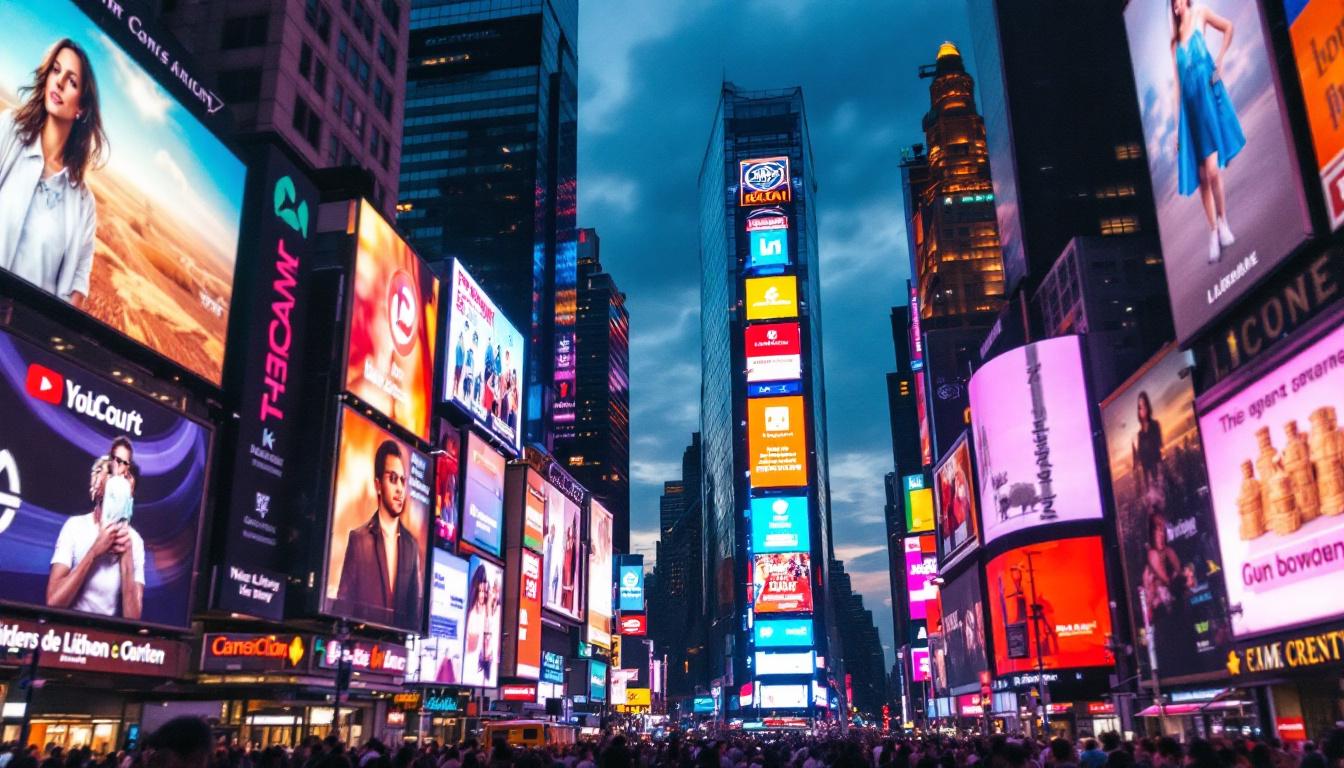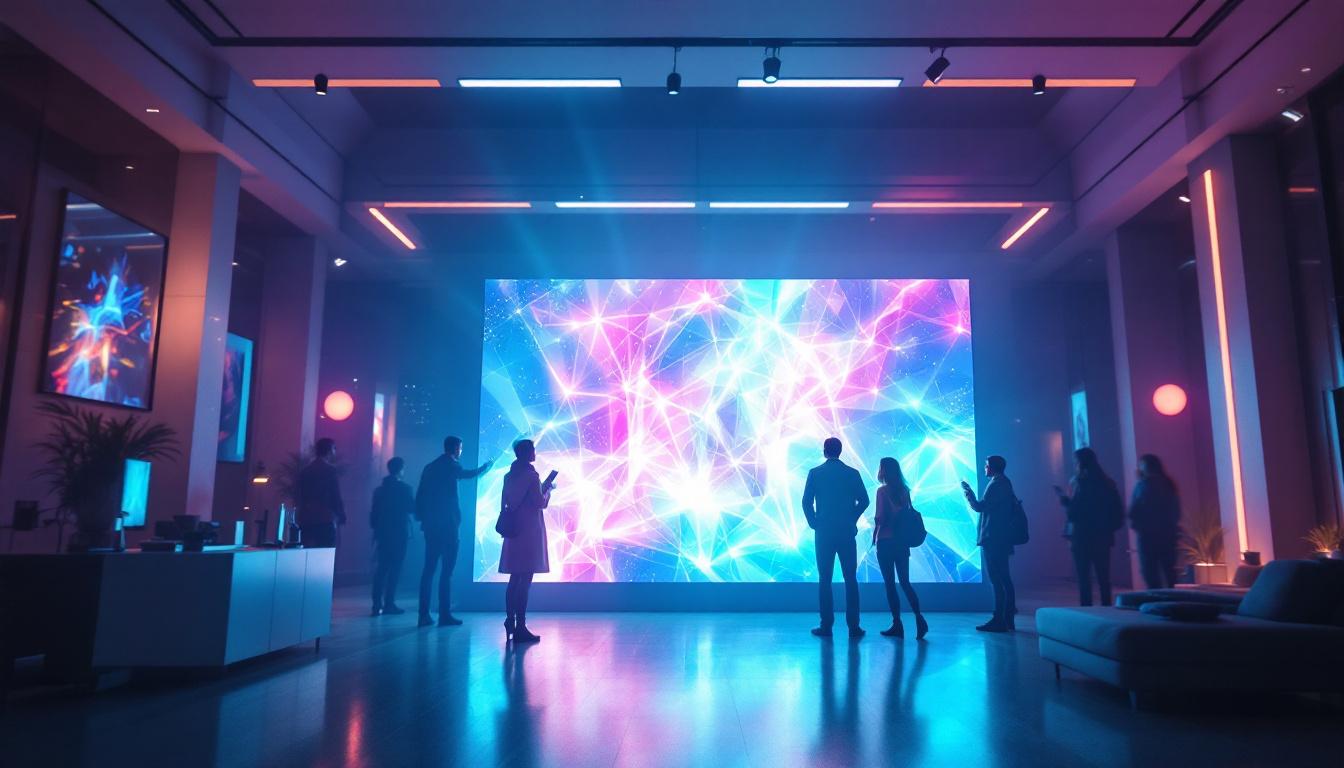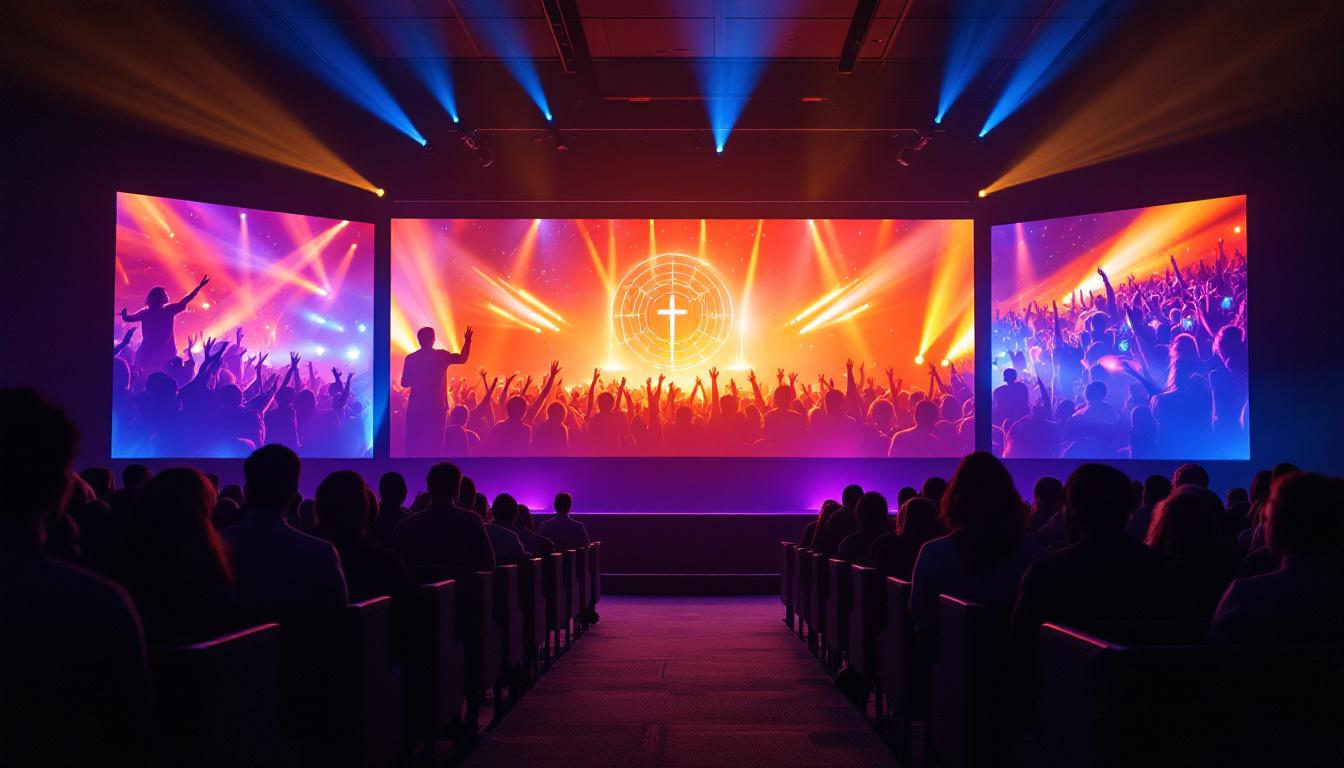
In the dynamic world of live events, concerts, theater productions, and corporate presentations, the visual backdrop plays a pivotal role in shaping audience experience. One of the most transformative technologies in this domain is the LED display screen. These vibrant, versatile, and high-resolution screens have revolutionized stage design and storytelling, offering unparalleled creative freedom and engagement.
This article delves into the essentials of LED display technology as a stage screen background, exploring its features, advantages, applications, and considerations for event professionals and production teams. Whether you are a stage designer, event organizer, or simply curious about the technology behind modern stage visuals, this comprehensive guide will illuminate the world of LED displays.
Understanding LED Display Technology
What is an LED Display?
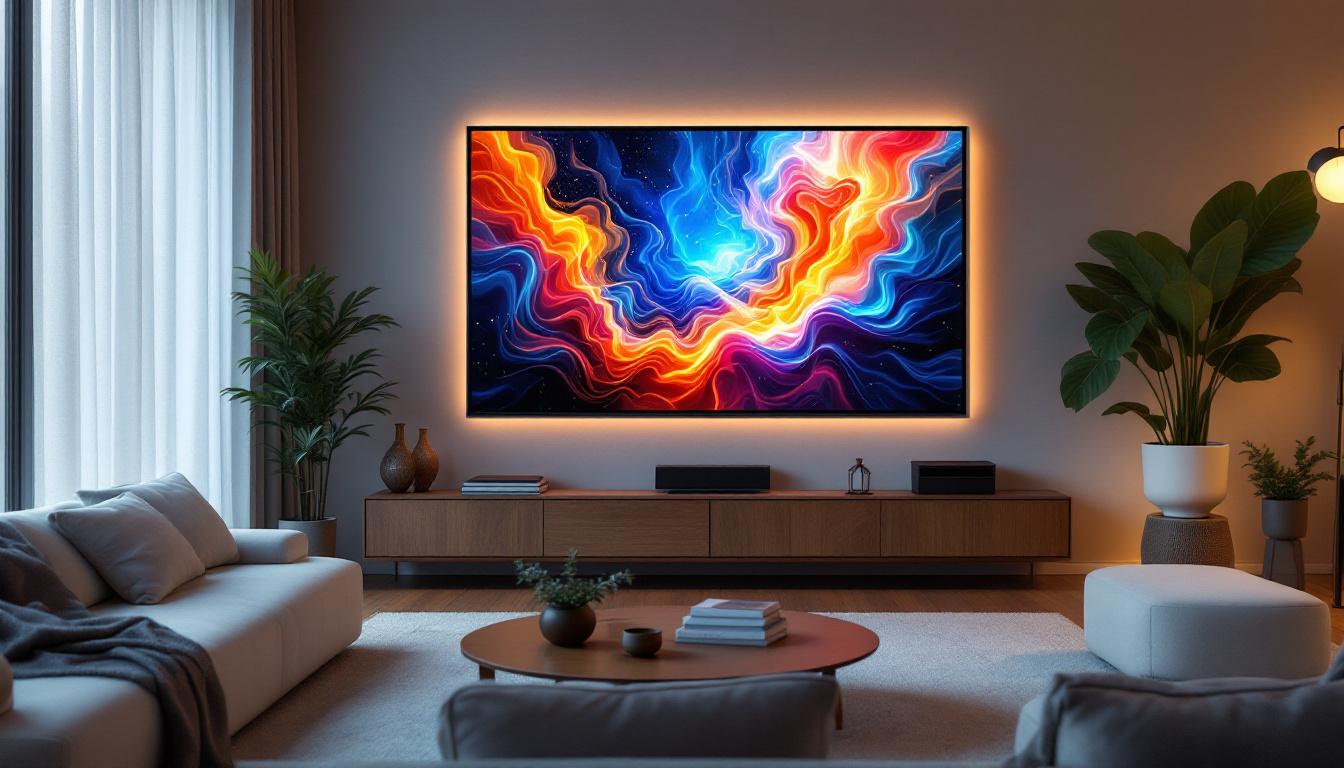
LED stands for Light Emitting Diode, a semiconductor device that emits light when an electric current passes through it. An LED display screen is composed of thousands to millions of these tiny diodes arranged in a grid to form pixels. Each pixel can emit light in various colors, which combine to create vivid images and videos.
Unlike traditional projection screens or LCD panels, LED displays are self-illuminating, meaning they do not require an external light source. This characteristic enables them to produce bright, high-contrast images that are visible even in well-lit environments, making them ideal for stage backgrounds where lighting conditions can vary dramatically. Moreover, the energy efficiency of LED technology contributes to lower operational costs and a reduced carbon footprint, appealing to environmentally conscious productions.
Types of LED Displays Used on Stage
LED displays come in several configurations tailored to different stage needs:
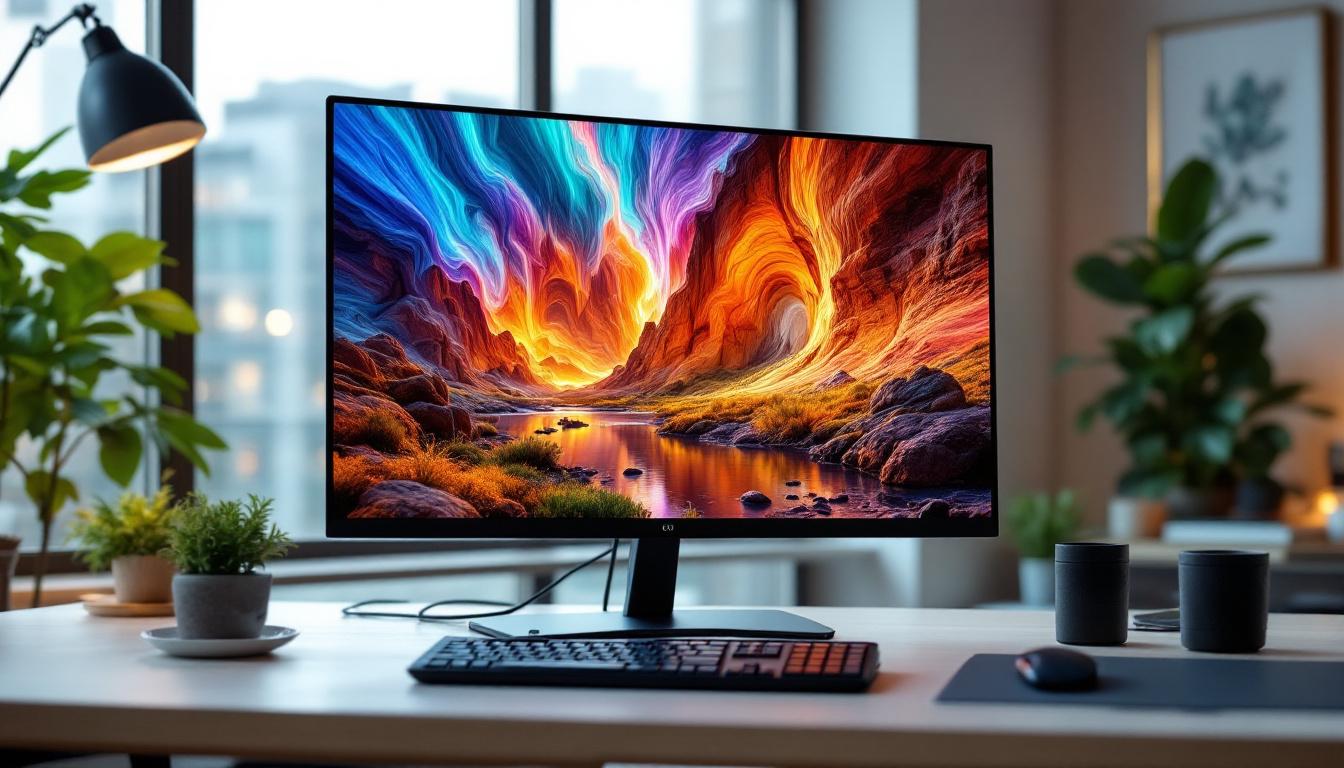
- Indoor LED Screens: Designed for controlled lighting environments, these screens offer high resolution and fine pixel pitch, typically between 1.2mm and 4mm. They are perfect for theater productions and corporate events where close audience proximity demands crisp visuals. The advanced technology behind these screens allows for seamless video playback and dynamic content, enhancing the overall viewer experience.
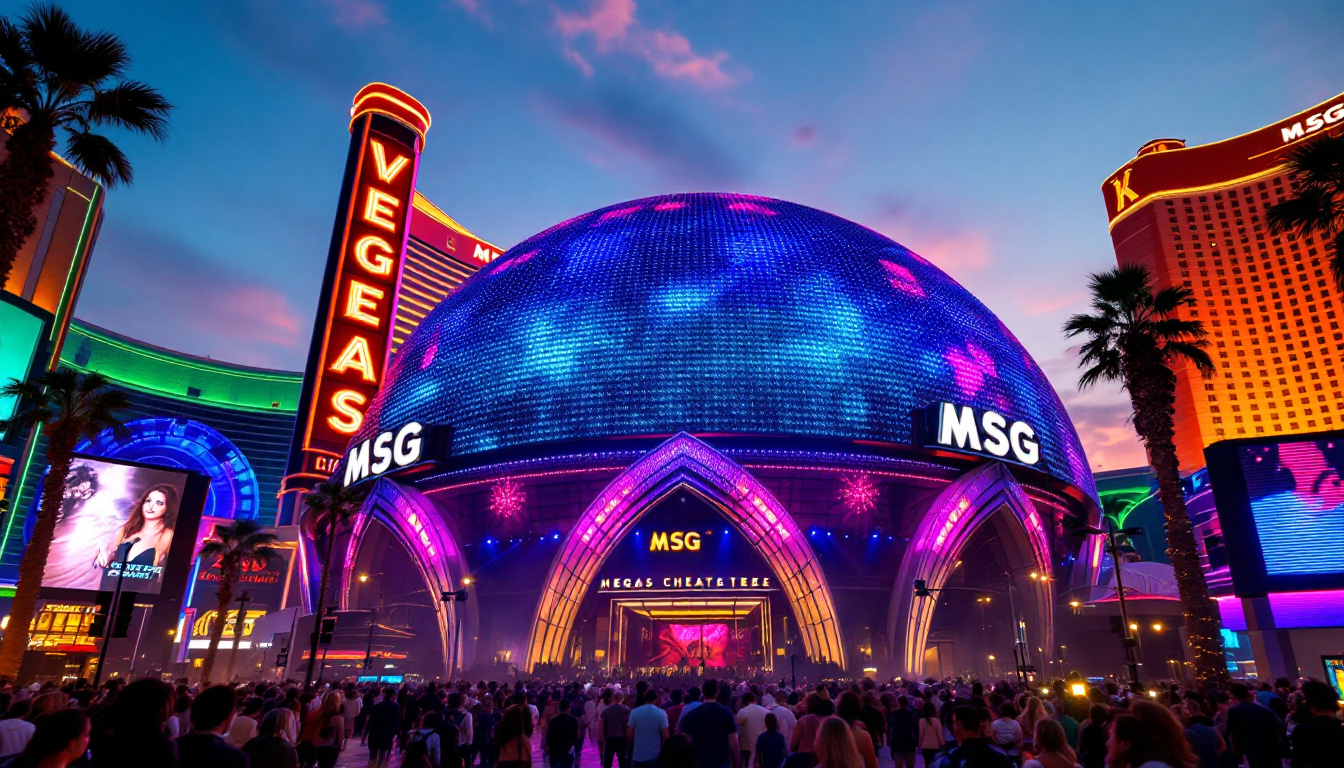
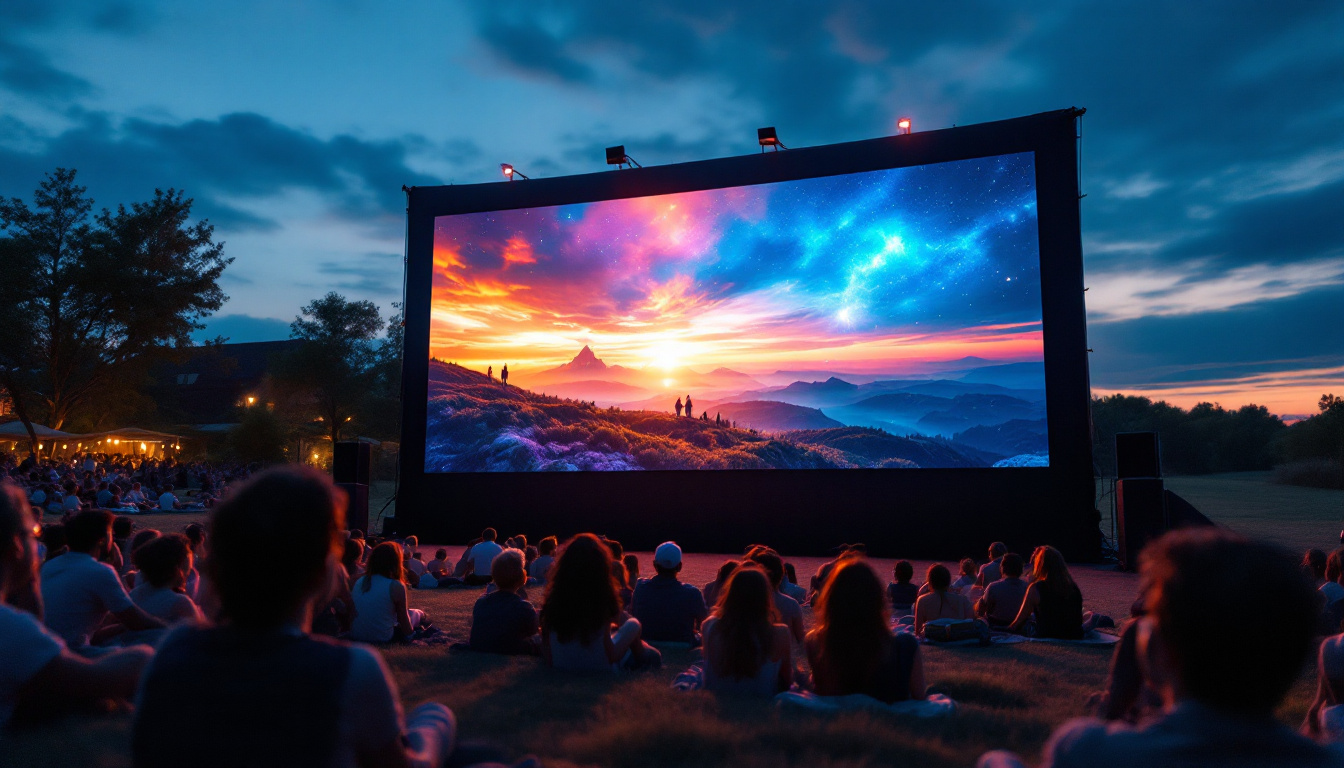
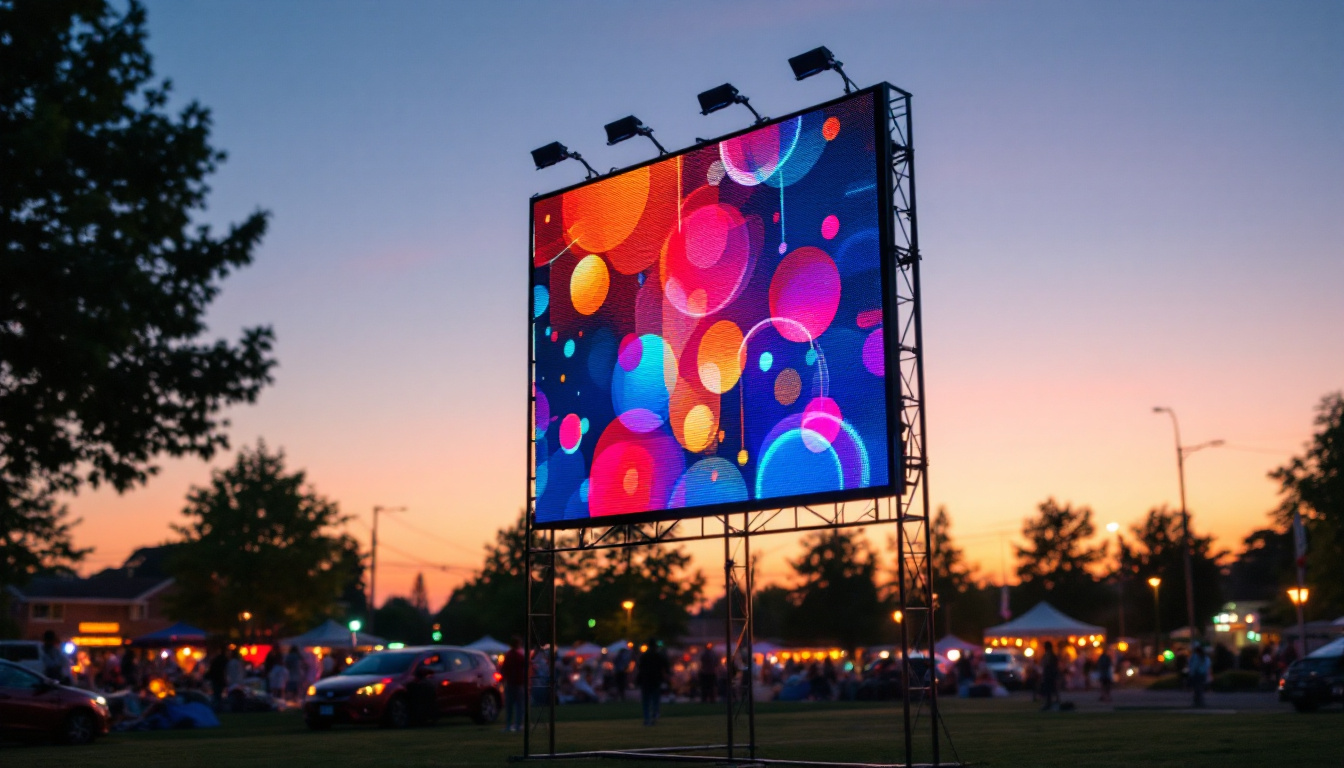
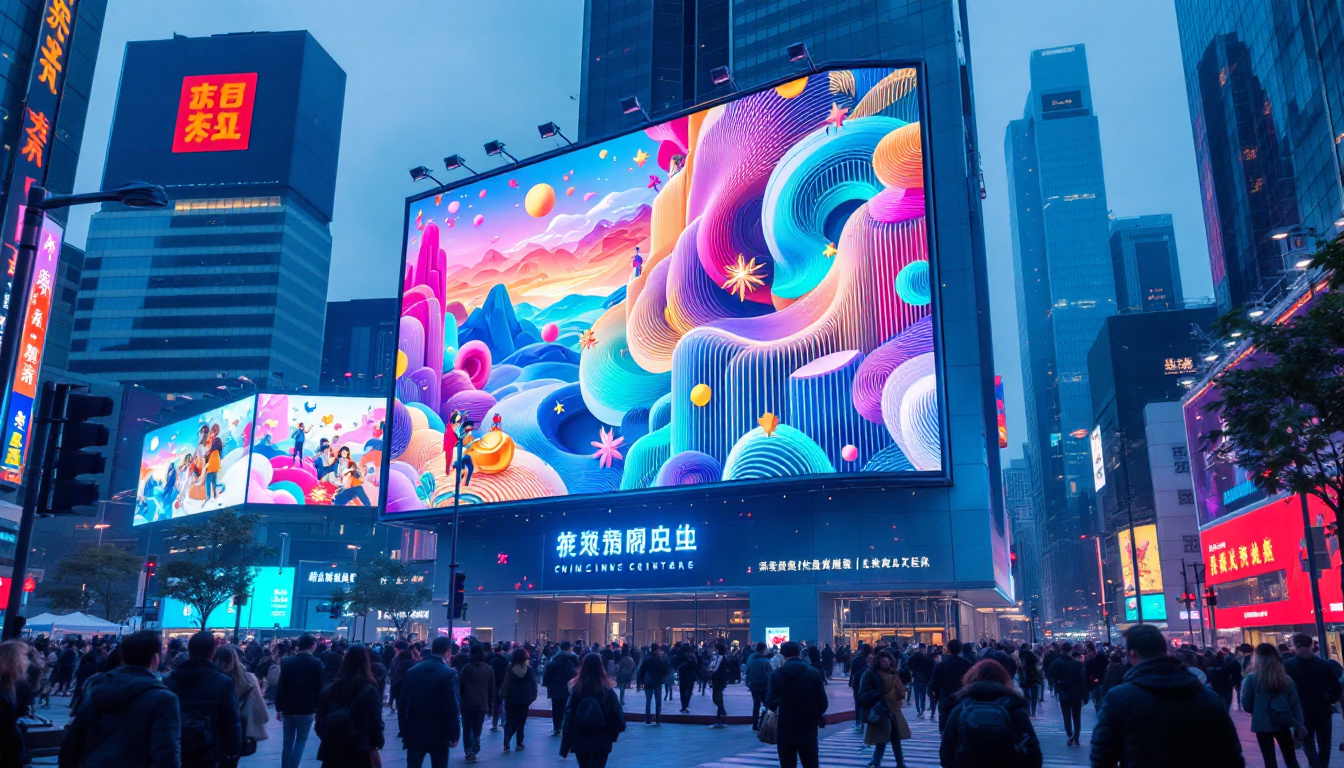
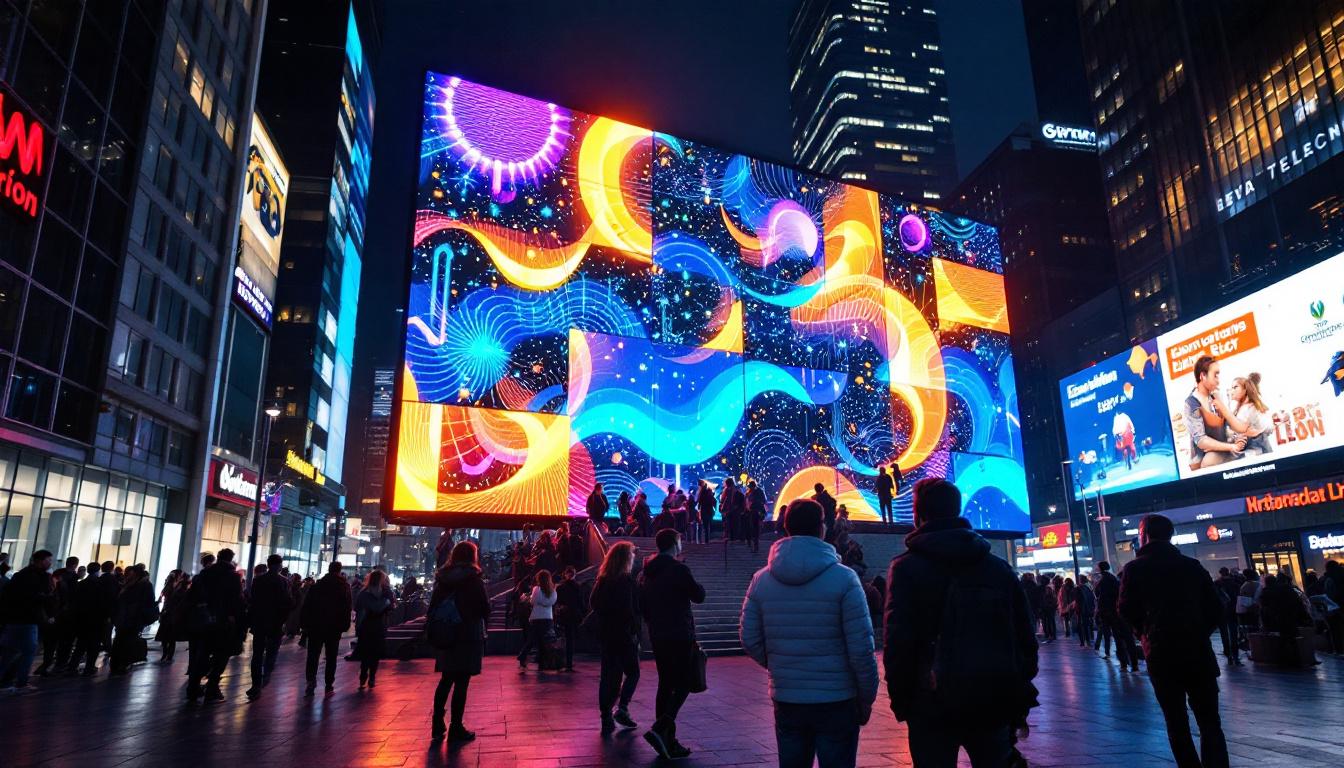
- Outdoor LED Screens: Built to withstand weather elements, these displays have higher brightness levels (often exceeding 5,000 nits) to combat sunlight and ambient light. They are commonly used in concerts, festivals, and large-scale events. Additionally, many outdoor screens are equipped with advanced cooling systems to ensure optimal performance even in high temperatures, making them reliable for extended use.
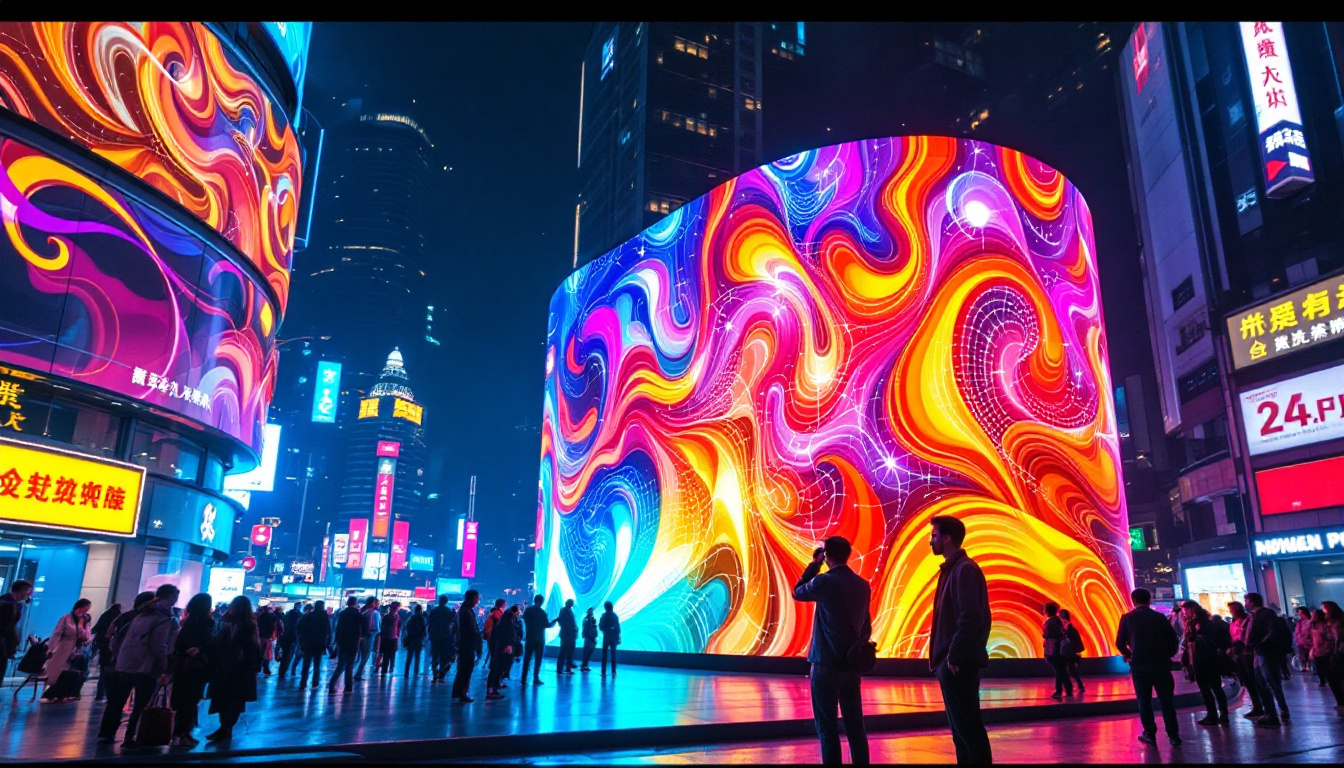
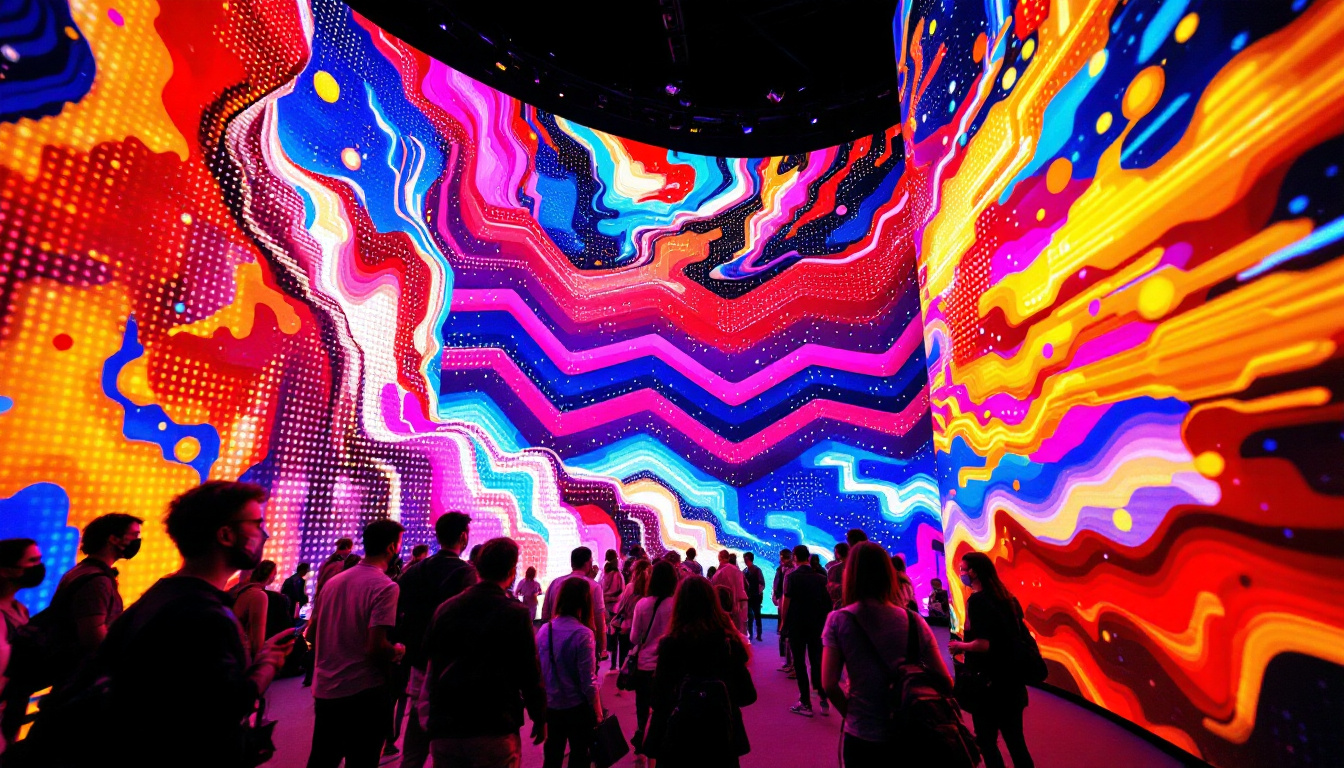
- Flexible and Curved LED Panels: These innovative panels can be bent or shaped, allowing designers to create immersive and unconventional stage backdrops that enhance storytelling and visual impact. The versatility of flexible panels opens up new creative possibilities, enabling the integration of dynamic shapes and designs that can transform the visual landscape of a performance.
- Transparent LED Screens: Featuring a mesh-like structure, these displays allow light and air to pass through, making them suitable for windows or layered stage designs where visibility behind the screen is desired. This unique characteristic not only adds depth to stage designs but also allows for creative lighting effects that can enhance the overall atmosphere of a production.
Furthermore, the integration of LED displays with advanced control systems allows for real-time adjustments and synchronization with audio-visual elements, creating a cohesive and engaging experience for the audience. The ability to program intricate light shows and animations adds an additional layer of excitement to live performances, captivating viewers and leaving a lasting impression. As technology continues to evolve, the potential applications for LED displays in the entertainment industry are virtually limitless, paving the way for even more innovative and breathtaking stage designs.
Advantages of Using LED Displays as Stage Backgrounds
Unmatched Visual Quality and Brightness
One of the primary reasons LED displays have become a staple in stage production is their superior brightness and image quality. Unlike projection systems that can be washed out by stage lighting, LED screens maintain vivid colors and sharp details regardless of ambient light. This ensures that every audience member, whether seated in the front row or the back, experiences the intended visual impact.
Modern LED panels can achieve brightness levels up to 10,000 nits, far surpassing traditional screens. Additionally, their high refresh rates (often above 3,000 Hz) eliminate flicker, which is crucial for high-definition video capture and live broadcasting.
Flexibility and Customization
LED displays offer unmatched versatility in terms of size, shape, and configuration. Modular panels can be assembled into virtually any dimension, from small accent screens to massive stage walls spanning hundreds of square meters. This modularity allows event designers to tailor the screen to the venue’s architecture and the production’s creative vision.
Moreover, LED technology supports dynamic content changes in real-time. This capability enables seamless transitions between scenes, interactive visual effects, and live video feeds, enhancing audience engagement and storytelling depth.
Durability and Reliability
Stage environments can be demanding, with frequent setup, teardown, and transportation. LED panels are built to be robust and durable, often featuring protective coatings and sturdy frames. Many manufacturers design their products for quick assembly and disassembly, reducing labor costs and minimizing downtime between events.
Additionally, LED displays have a long lifespan, often exceeding 100,000 hours of operation, which translates to years of reliable use before significant maintenance or replacement is needed.
Applications of LED Displays in Stage Productions
Concerts and Music Festivals
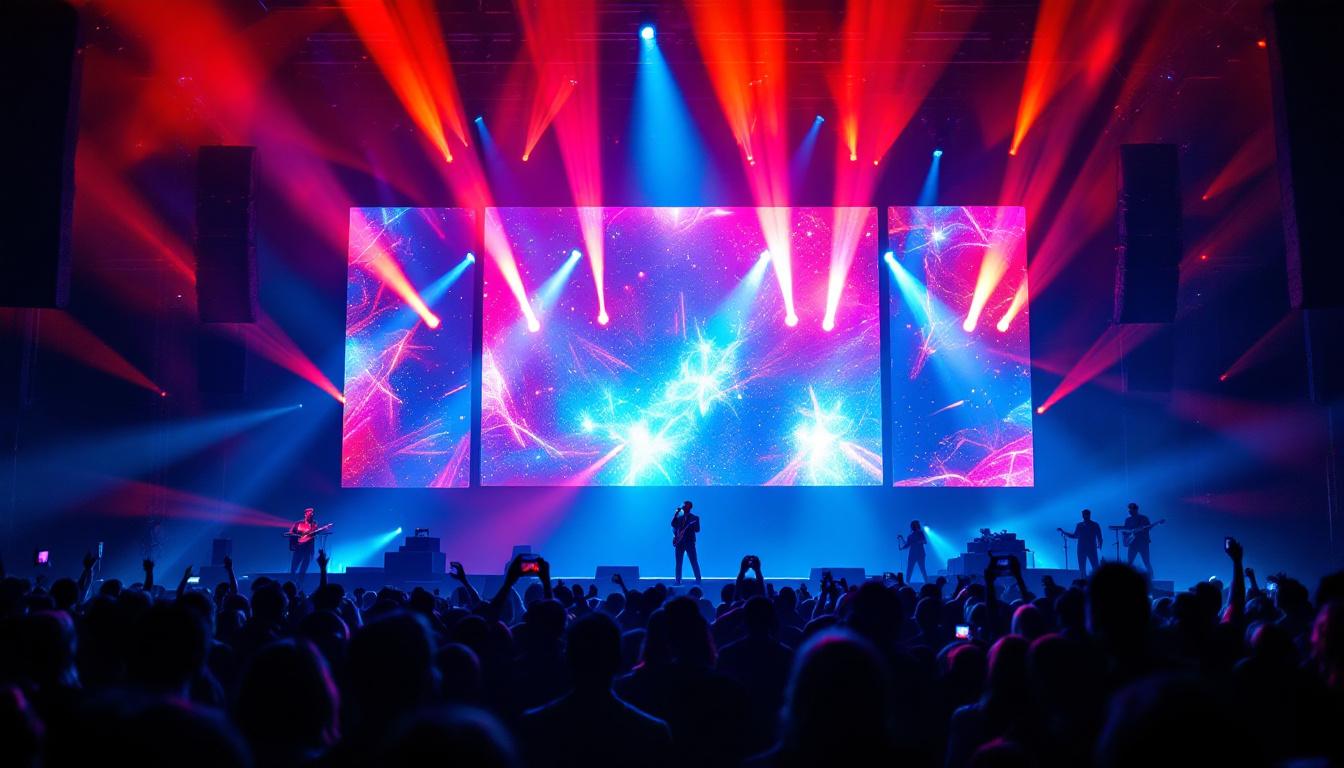
In live music events, LED screens have become indispensable for creating immersive experiences. They serve as dynamic backdrops that synchronize with the music, displaying everything from abstract visuals and animations to live video feeds of performers. For example, major artists like Beyoncé and Coldplay utilize massive LED walls to amplify their stage presence and engage tens of thousands of fans.
The ability to scale screens to enormous sizes also allows outdoor festivals to provide clear visuals to large audiences, enhancing visibility and atmosphere.
Theater and Performing Arts
Theater productions benefit from LED displays by replacing traditional static backdrops with versatile digital scenery. This transition allows for rapid scene changes and complex visual storytelling that would be impossible with physical sets alone.
Productions such as “The Lion King” and “Harry Potter and the Cursed Child” have incorporated LED backgrounds to create immersive worlds, blending live acting with digital environments seamlessly.
Corporate Events and Conferences
In the corporate sphere, LED screens are used for product launches, keynote presentations, and trade shows. Their ability to display crisp graphics, videos, and live data makes them ideal for communicating complex information clearly and engagingly.
Companies often use LED walls to reinforce branding, showcase multimedia content, and facilitate interactive sessions, ensuring a memorable and professional event experience.
Key Considerations When Choosing an LED Display for Stage Use
Pixel Pitch and Viewing Distance
The pixel pitch, measured in millimeters, refers to the distance between the centers of adjacent pixels. A smaller pixel pitch means higher resolution and sharper images, which is crucial for audiences seated close to the stage.
For example, a pixel pitch of 1.5mm to 2.5mm is ideal for indoor theater settings where viewers are near the screen. Larger pixel pitches (4mm to 10mm) are suitable for outdoor concerts or large venues where the audience is farther away.
Brightness and Contrast Ratio
Brightness is essential for visibility under different lighting conditions. Indoor screens typically require 800 to 1,500 nits, while outdoor screens may need 5,000 nits or more. Contrast ratio affects how well the screen displays deep blacks and bright whites, contributing to image depth and realism.
Choosing the right brightness and contrast ensures that visuals remain impactful without overwhelming the performers or causing glare.
Refresh Rate and Color Accuracy
High refresh rates prevent flicker and motion blur, especially important for live video and fast-moving content. A refresh rate above 3,000 Hz is recommended for professional stage use.
Color accuracy ensures that the displayed content matches the intended hues and tones, which is critical for branding and artistic integrity. Calibration tools and professional-grade LED panels help maintain consistent color performance.
Installation and Maintenance
Consider the ease of installation, weight, and modularity of the LED panels. Quick lock systems and lightweight designs reduce setup time and labor costs.
Maintenance access is also vital. Panels with front and rear serviceability allow technicians to perform repairs or replacements without dismantling the entire screen, minimizing downtime during events.
Future Trends in LED Stage Background Technology
MicroLED and MiniLED Innovations
Emerging display technologies like MicroLED and MiniLED promise even higher resolution, better energy efficiency, and thinner panels. MicroLED, in particular, offers pixel-level control with superior brightness and contrast, potentially transforming stage visuals in the coming years.
Integration with Augmented Reality (AR) and Virtual Production
LED screens are increasingly integrated with AR and virtual production techniques, enabling real-time interactive environments. Productions like “The Mandalorian” have pioneered the use of LED volumes, where actors perform inside large LED screens projecting virtual backgrounds, enhancing realism and reducing post-production costs.
Eco-Friendly and Energy-Efficient Designs
As sustainability becomes a priority, manufacturers are developing LED panels with lower power consumption and recyclable materials. Energy-efficient screens not only reduce operational costs but also align with green event initiatives.
Conclusion
LED display technology has fundamentally reshaped the landscape of stage backgrounds, offering unprecedented visual quality, flexibility, and reliability. Its ability to adapt to diverse event types—from intimate theater productions to massive outdoor concerts—makes it an indispensable tool for modern event professionals.
Understanding the technical aspects, advantages, and applications of LED displays empowers production teams to make informed decisions that enhance audience engagement and storytelling. As technology continues to evolve, LED stage backgrounds will remain at the forefront of immersive and innovative live experiences.
Illuminate Your Stage with LumenMatrix
Ready to elevate your live event experience with cutting-edge LED display technology? LumenMatrix is at the forefront of innovation, offering a wide array of LED display solutions tailored to your unique needs. From mesmerizing Indoor LED Wall Displays to robust Outdoor LED Wall Displays, and from versatile Vehicle LED Displays to sleek LED Poster Displays, our mission is to transform your visual communication. Discover how our LED Sports Displays, Floor LED Displays, Custom LED Displays, All-in-One LED Displays, and LED Transparent Displays can captivate your audience and amplify your message. Don’t just take our word for it; check out LumenMatrix LED Display Solutions today and see the difference for yourself.