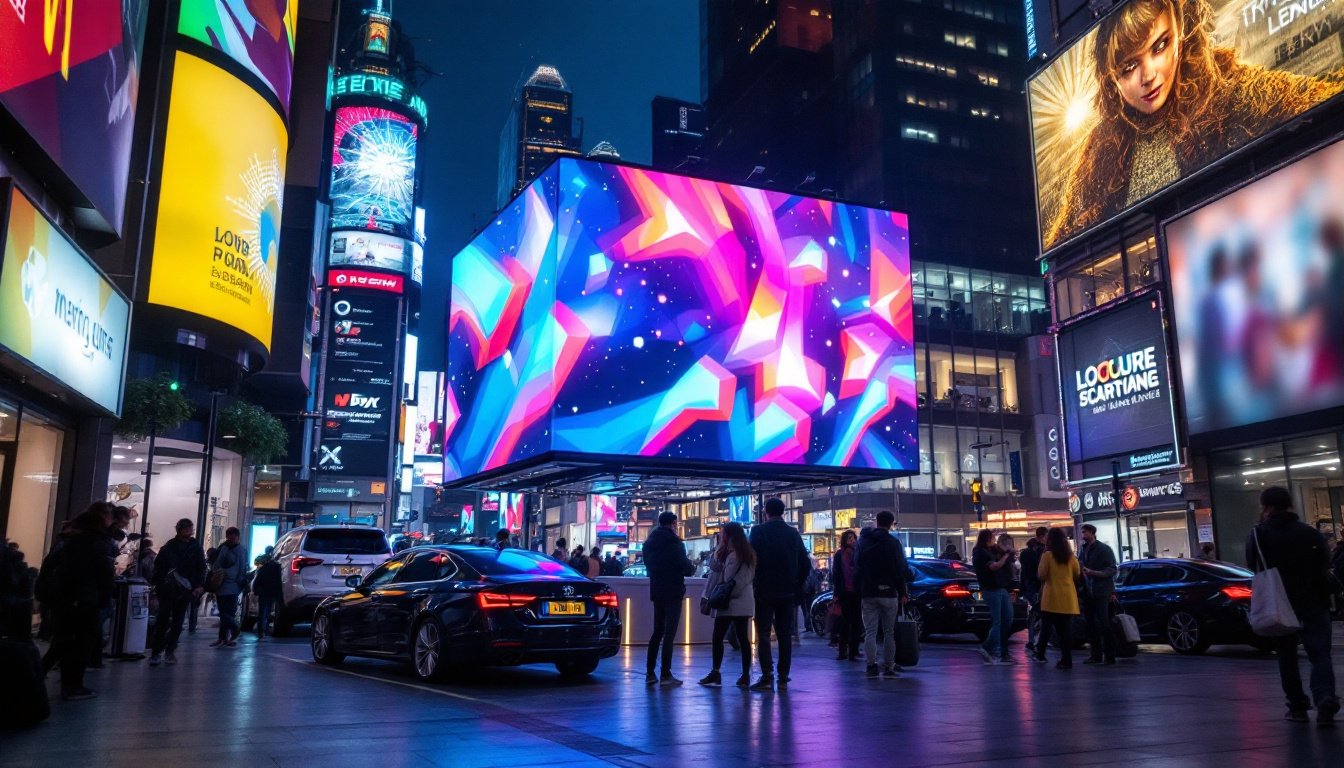
In the evolving landscape of outdoor advertising, LED displays have become a cornerstone for brands seeking dynamic, eye-catching billboards. These digital billboards offer vibrant visuals, flexibility in content, and enhanced visibility, making them a popular choice across cities worldwide. However, understanding the pricing behind LED billboard displays can be complex, given the variety of factors influencing costs.
This article breaks down the components that determine LED billboard prices, explores the technology behind these displays, and provides insights into budgeting for an effective LED advertising campaign.
Understanding LED Billboard Technology
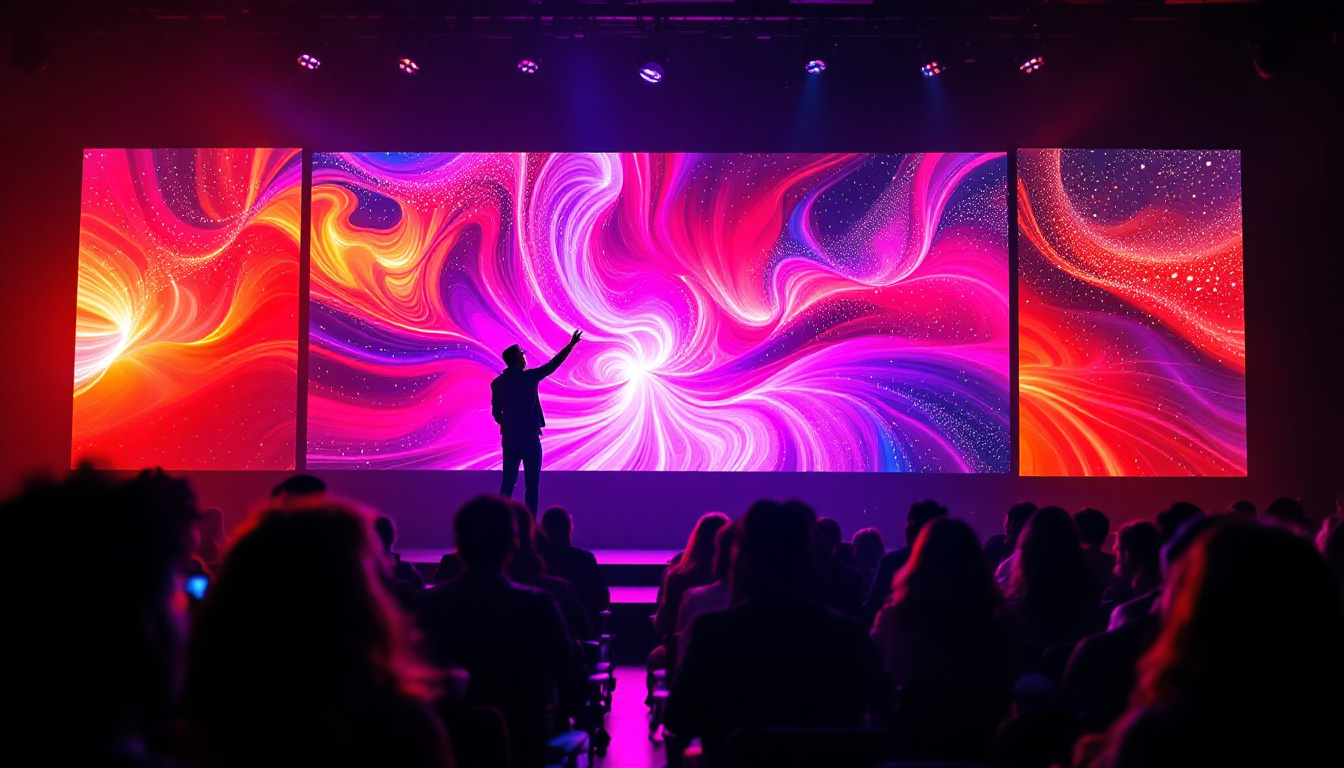
LED, or Light Emitting Diode, technology revolutionized outdoor advertising by enabling bright, full-color digital displays that outperform traditional static billboards. Unlike printed vinyl or paper, LED billboards use thousands of tiny diodes that emit light, allowing for high-resolution images and videos that can be updated remotely and instantly. This flexibility not only enhances the advertising experience but also allows businesses to respond quickly to market trends, seasonal promotions, or even real-time events, making their advertisements more relevant and engaging.
Modern LED billboards come in various configurations, including full-color RGB (Red, Green, Blue) modules that combine to create millions of colors. This capability allows advertisers to showcase vibrant, dynamic content that captures attention day and night, regardless of weather conditions. Moreover, the ability to display animations and video content transforms the way brands communicate with their audience, providing a more immersive experience that can lead to higher engagement rates and improved brand recall.
Key Components of an LED Billboard
Several elements contribute to the construction and functionality of an LED billboard:
- LED Modules: These are the panels composed of LED pixels that form the display. The quality, pixel pitch, and brightness of these modules significantly affect the overall cost. A smaller pixel pitch means higher resolution, which is particularly important for locations where viewers are closer to the display.
- Control System: This includes the hardware and software that manage content scheduling, brightness adjustments, and remote updates. Advanced control systems can even integrate with data analytics tools to optimize ad performance based on viewer demographics and behavior.
- Structural Framework: The physical support structure must be robust to withstand environmental factors such as wind, rain, and temperature fluctuations. Engineers often design these frameworks with materials that ensure durability while minimizing maintenance costs over time.
- Power Supply and Cooling: LED displays require stable power and often incorporate cooling systems to maintain optimal operating temperatures. Efficient power management is crucial not only for performance but also for reducing energy costs, making LED billboards a more sustainable choice in the long run.
In addition to these components, the installation process of LED billboards is a critical phase that requires careful planning and execution. Site surveys are conducted to assess visibility, traffic patterns, and local regulations, ensuring that the billboard will effectively reach its target audience. Furthermore, advancements in technology have led to the development of solar-powered LED billboards, which offer an eco-friendly alternative by harnessing renewable energy sources. This innovation not only reduces operational costs but also aligns with the growing demand for sustainable advertising solutions.
Another noteworthy aspect of LED billboard technology is its adaptability to various environments. From urban settings with high foot traffic to remote areas where traditional advertising may be less effective, LED billboards can be tailored to meet specific needs. For instance, some displays are designed to be mobile, allowing advertisers to take their message on the road and reach different audiences at various locations. This versatility makes LED billboards an increasingly popular choice for both large corporations and small businesses looking to make a significant impact in their advertising efforts.
Factors Influencing Billboard Price
When considering the price of an LED billboard, it’s essential to recognize that costs vary widely depending on multiple factors. These factors can be broadly categorized into technical specifications, installation requirements, and operational expenses.
1. Size and Resolution
The size of the LED billboard is a primary determinant of price. Larger displays require more LED modules, increasing material and manufacturing costs. Additionally, resolution—defined by pixel pitch, or the distance between individual LED pixels—affects clarity and cost. A smaller pixel pitch means higher resolution and sharper images but also a higher price.
For example, a 10-meter by 5-meter billboard with a 10mm pixel pitch will be less expensive than a 10m x 5m billboard with a 4mm pixel pitch due to the increased density of LEDs.
2. Brightness and Weatherproofing
LED billboards must be bright enough to be visible in direct sunlight, often requiring brightness levels of 5,000 to 10,000 nits. Higher brightness LEDs consume more power and are more costly. Additionally, outdoor billboards need to be weatherproof, which adds to the price through specialized coatings, sealed enclosures, and durable materials designed to resist moisture, dust, and UV radiation.
3. Location and Installation Complexity
The installation site heavily influences costs. Urban areas with strict regulations may require permits, structural engineering assessments, and specialized mounting solutions. Remote or difficult-to-access locations can increase labor and transportation expenses. Furthermore, installation on existing structures versus building new frameworks can cause significant price variations.
4. Content Management System (CMS)
The software that controls the LED billboard is a critical component. Advanced CMS platforms allow for real-time content updates, scheduling, and integration with data sources. Licensing fees, customization, and training can add to the overall cost.
5. Power Consumption and Maintenance
LED billboards operate continuously and consume substantial electricity, especially at high brightness levels. Energy-efficient designs can reduce operational costs but may have higher upfront prices. Maintenance costs, including repairs, cleaning, and software updates, should also be factored into the total cost of ownership.
Typical Pricing Ranges for LED Billboards
While prices vary based on the factors outlined above, it’s helpful to understand typical market ranges to set realistic expectations.
Small to Medium-Sized LED Billboards
For smaller billboards, such as those used in local advertising or retail storefronts, prices generally range from $10,000 to $50,000. These displays might measure around 3m x 1.5m with a pixel pitch of 10mm to 16mm, suitable for viewing distances of 15 to 30 meters.
Large-Scale LED Billboards
Large billboards, often found along highways or in city centers, can cost between $100,000 and $500,000 or more. These displays typically exceed 10m in width and have finer pixel pitches (4mm to 8mm) to ensure high visibility and image quality at greater distances.
Ultra-Large and High-Resolution Displays
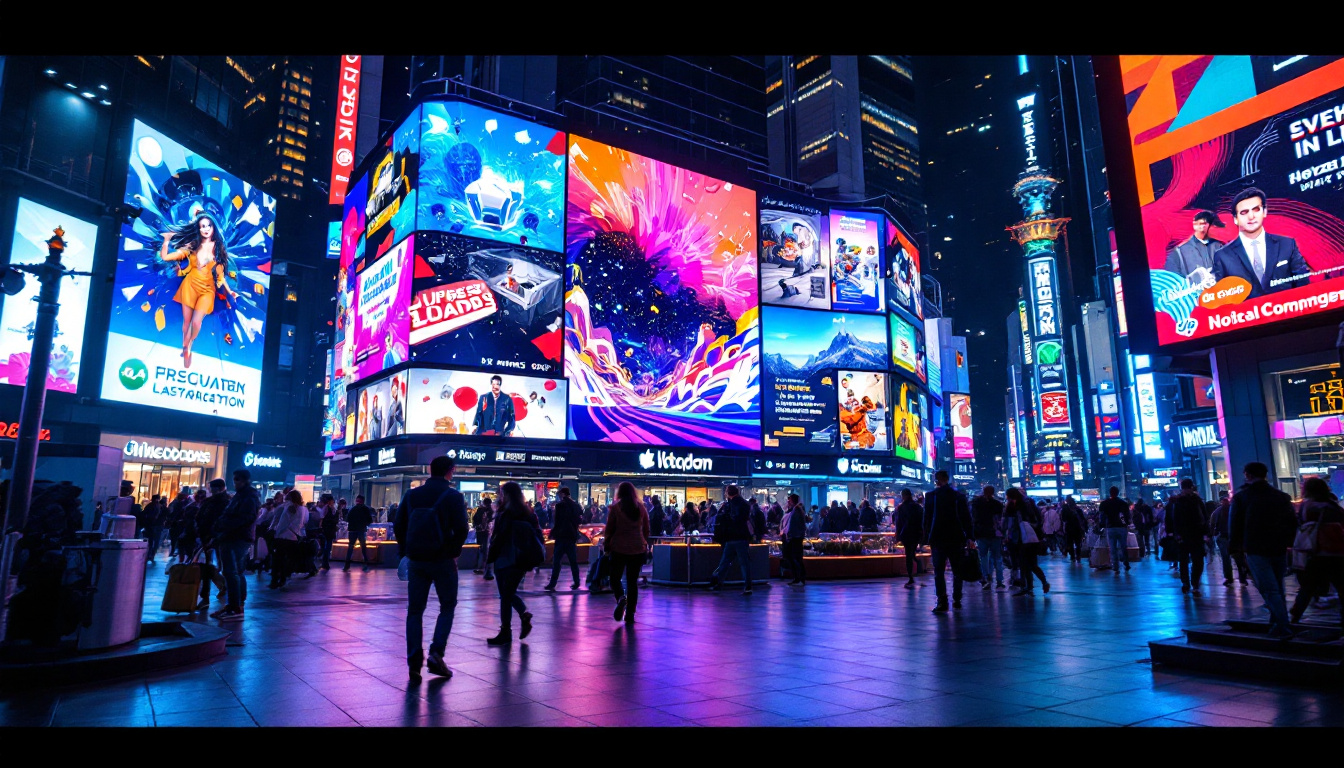
For premium installations, such as Times Square or major sports arenas, LED billboards can reach prices upwards of $1 million. These displays feature cutting-edge technology, ultra-high resolution, and sophisticated content management capabilities.
Case Study: Cost Breakdown of a 10m x 5m LED Billboard
To illustrate how these factors come together, consider a hypothetical 10m wide by 5m tall LED billboard with a 6mm pixel pitch designed for a busy urban location.
- LED Modules: Approximately 833,333 pixels (10,000mm / 6mm x 5,000mm / 6mm), costing around $150,000.
- Control System: Including software licenses and hardware, approximately $15,000.
- Structural Framework and Installation: Engineering, permits, mounting, and labor, around $50,000.
- Power Supply and Cooling: Estimated at $10,000.
- Maintenance and Support: Annual budget of $5,000 to $10,000.
Total Initial Investment: Approximately $225,000 to $250,000.
Benefits of Investing in LED Billboards
Despite the significant upfront investment, LED billboards offer numerous advantages that justify their cost for many advertisers and businesses.
Dynamic and Flexible Content
Unlike static billboards, LED displays allow for multiple advertisements, time-sensitive promotions, and interactive content. This flexibility can increase engagement and ROI by targeting different audiences throughout the day.
Enhanced Visibility and Impact
High brightness and vibrant colors ensure that LED billboards stand out in crowded urban environments and adverse weather conditions, maximizing exposure.
Long-Term Cost Efficiency
While initial costs are higher, LED billboards reduce expenses related to printing, installation, and disposal of traditional billboard materials. Remote content updates also save time and labor.
How to Budget for an LED Billboard Project
Planning an LED billboard installation requires a comprehensive budgeting approach that considers both upfront and ongoing costs.
Initial Capital Expenditure
This includes the purchase of the LED display, control systems, structural supports, installation, and any necessary permits or engineering services.
Operational Costs
Electricity consumption, routine maintenance, software updates, and potential repairs should be estimated annually. Energy-efficient models and service contracts can help manage these expenses.
Content Production and Management
Creating compelling digital content may require hiring designers or agencies, as well as investing in content management tools and training.
Regulatory Compliance
Some jurisdictions impose fees or taxes on digital billboards, and compliance with local advertising regulations may require additional investments.
Future Trends in LED Billboard Pricing
As LED technology advances, prices are expected to become more accessible while offering enhanced features.
Improved Energy Efficiency
Next-generation LEDs consume less power, reducing operational costs and enabling more sustainable advertising solutions.
Higher Resolution at Lower Costs
Manufacturing improvements are driving down the cost of fine-pitch LED modules, allowing for sharper images on larger displays without exponential price increases.
Integration with Smart Technologies
LED billboards are increasingly incorporating AI-driven content optimization, real-time data integration, and interactive elements, which may influence pricing but also deliver higher value.
Conclusion
Understanding the price of LED billboards requires a detailed look at the technology, size, location, and operational demands. While the initial investment can be substantial, the benefits of dynamic content, superior visibility, and long-term cost savings make LED displays a compelling choice for advertisers aiming to maximize impact.
Careful planning, clear budgeting, and partnering with experienced LED display providers can help ensure that an LED billboard project meets both financial and marketing goals effectively.
Illuminate Your Brand with LumenMatrix
Ready to elevate your advertising strategy with the dynamic and flexible power of LED displays? LumenMatrix is at the forefront of LED display technology, offering a wide range of innovative solutions that cater to your unique needs. From Indoor and Outdoor LED Wall Displays to specialized options like Vehicle, Sports, and Floor LED Displays, our products are designed to make your brand shine. Embrace the future of visual communication with our Custom, All-in-One, and Transparent LED Displays. Check out LumenMatrix LED Display Solutions today and transform the way you connect with your audience.