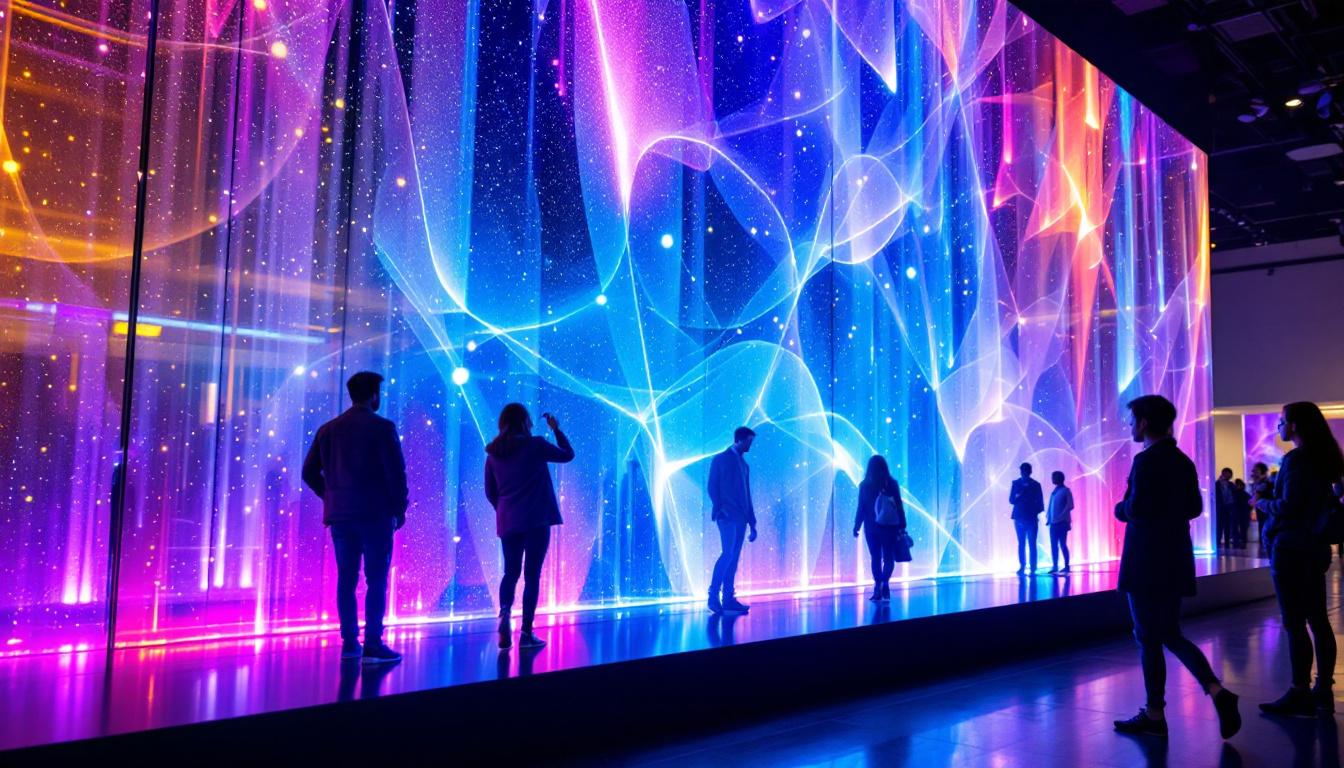
In the evolving world of digital signage and display technology, transparent LED lights have emerged as a groundbreaking innovation. Combining the brilliance of traditional LED displays with a see-through design, these displays offer unique applications in retail, architecture, advertising, and beyond. This article dives deep into the technology behind transparent LED lights, their benefits, applications, and what the future holds for this exciting display solution.
Understanding Transparent LED Displays
What Are Transparent LED Lights?
Transparent LED displays are a type of digital screen that allows light and images to pass through them, creating a see-through effect while simultaneously displaying vibrant visuals. Unlike conventional LED screens that are opaque and block whatever lies behind them, transparent LED panels integrate LEDs within a glass or acrylic substrate that permits visibility through the display.
This unique design is achieved by spacing the LEDs apart and embedding them in a transparent medium. The result is a display that can show dynamic content such as videos, animations, and advertisements without obstructing the view behind it. The transparency rate of these displays typically ranges from 30% to 80%, depending on the model and LED pitch. This feature not only enhances aesthetic appeal but also allows for creative advertising solutions, making it a popular choice in retail environments where visibility and engagement are key.
Moreover, the versatility of transparent LED displays extends beyond mere advertising. They can be utilized in various applications, including art installations, exhibitions, and even in smart home technology. For instance, artists can use these displays to create immersive experiences that blend digital art with physical space, inviting viewers to engage with the artwork in a new way. In retail, brands can showcase their products while maintaining an open and inviting atmosphere, allowing customers to see both the display and the merchandise behind it.
How Do Transparent LEDs Work?
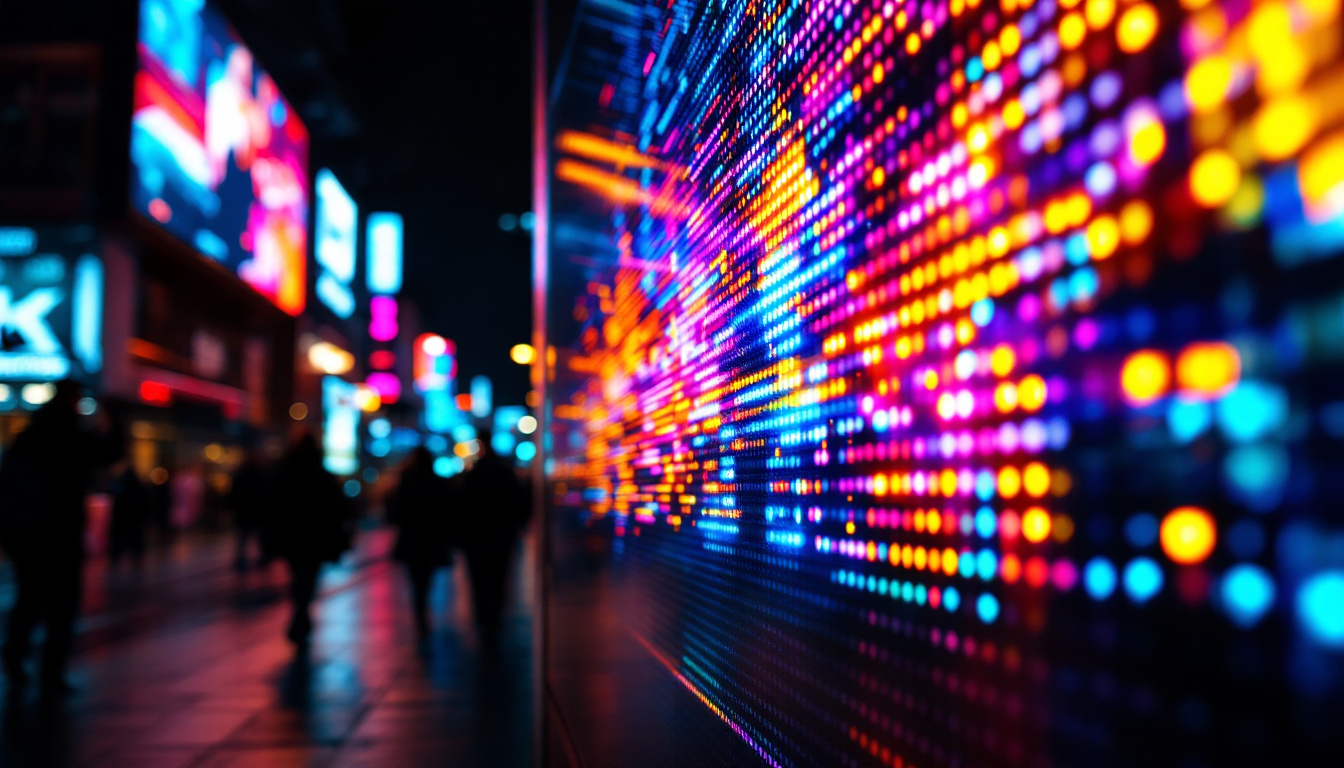
At the core, transparent LED displays consist of LED pixel clusters mounted on a transparent glass or acrylic panel. The LEDs are arranged in a grid with gaps between them, allowing light to pass through the empty spaces. This spacing is critical: the wider the gaps, the higher the transparency, but it can also affect image resolution.
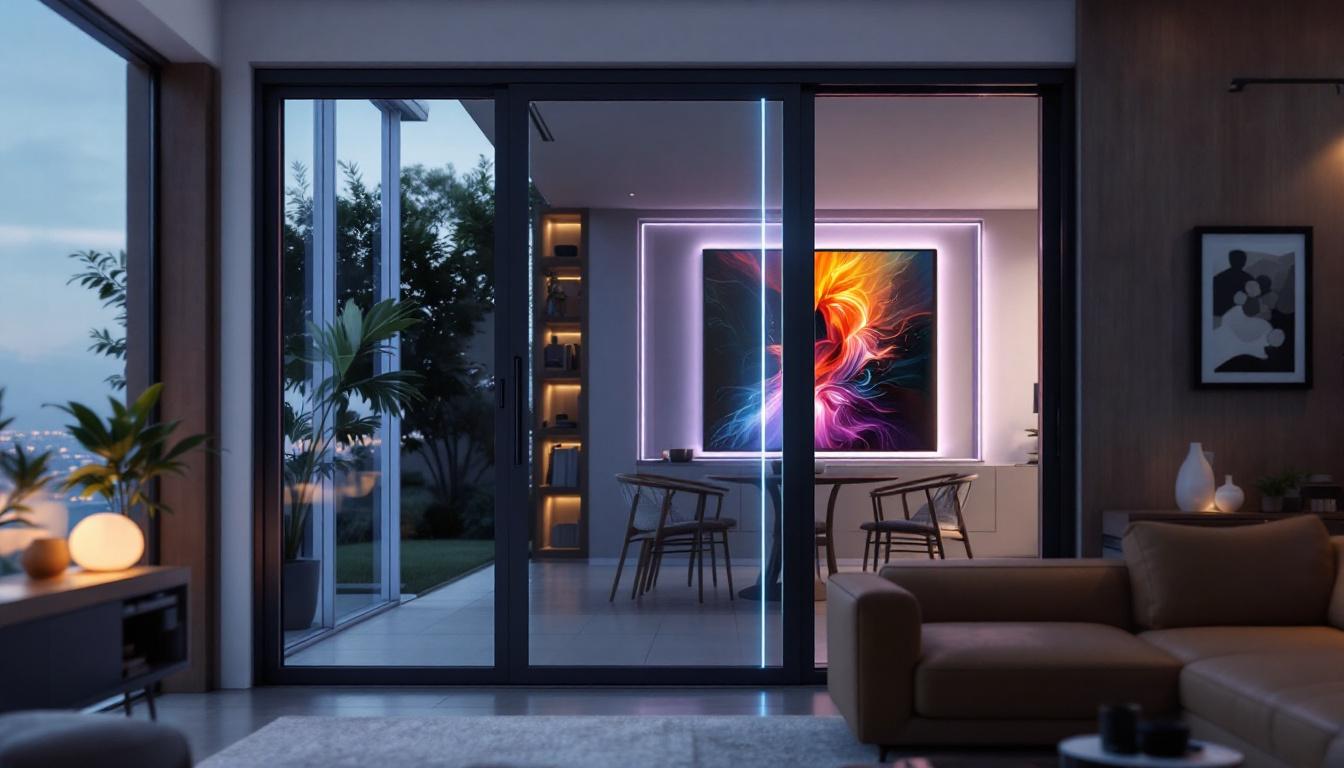
The LEDs themselves are usually surface-mounted devices (SMDs), which are small and energy-efficient. When powered, they emit bright light that creates the visible image. Because the LEDs are embedded on a transparent substrate, the display can be installed on windows, glass walls, or even as partitions, blending seamlessly into architectural elements. This adaptability allows for innovative design solutions in both commercial and residential settings, enabling architects and designers to incorporate technology into their projects without compromising on natural light or visual aesthetics.
Furthermore, transparent LED displays are often equipped with advanced features such as touch sensitivity and interactivity, allowing users to engage with the content in real-time. This capability transforms passive viewing into an interactive experience, making it particularly appealing for exhibitions and trade shows where capturing audience attention is crucial. As technology continues to evolve, we can expect to see even more sophisticated applications of transparent LED displays, further blurring the lines between the digital and physical worlds.
Key Advantages of Transparent LED Displays
Enhanced Aesthetic Appeal and Space Efficiency
One of the most compelling reasons businesses choose transparent LED displays is their ability to maintain an open and airy environment. Unlike traditional LED walls that can feel bulky and obstructive, transparent LEDs preserve natural light and visibility, making spaces feel larger and more inviting.
For retailers, this means storefront windows can double as advertising displays without blocking the view inside the store. For architects and designers, transparent LED panels offer creative freedom to incorporate digital content into glass facades and interiors without compromising design integrity. This innovative technology allows for seamless integration of branding and messaging, enhancing the overall customer experience while maintaining the architectural aesthetics of a building.
Additionally, transparent LED displays can be customized in various shapes and sizes, allowing businesses to create unique visual experiences that reflect their brand identity. From sleek, modern designs to more intricate patterns, these displays can be tailored to fit any environment, making them a versatile choice for a range of applications, from high-end retail to corporate offices.
Energy Efficiency and Durability
Transparent LED lights consume significantly less power compared to traditional LCD or projection displays. The LEDs require less energy to produce bright images, and because the panels are thinner and lighter, installation and maintenance costs are reduced.
Moreover, these displays are designed to withstand various environmental conditions, including exposure to sunlight and temperature fluctuations. Many transparent LED panels are rated for outdoor use, offering weather resistance and longevity, which is crucial for commercial applications. This durability extends the lifespan of the display, reducing the need for frequent replacements and further contributing to cost savings over time.
In addition to their energy efficiency, transparent LED displays often come equipped with smart technology features that allow for remote monitoring and management. This means businesses can easily update content, adjust brightness levels, and perform diagnostics from anywhere, streamlining operations and enhancing user convenience.
Improved Visibility and Brightness
Modern transparent LED displays offer impressive brightness levels, often exceeding 3,000 nits, which ensures visibility even in direct sunlight. This makes them suitable for outdoor advertising, retail windows, and public spaces where ambient light can be a challenge for traditional screens.
The high refresh rates and color accuracy of transparent LEDs also contribute to sharp, eye-catching visuals that attract attention and engage viewers effectively. With the ability to display dynamic content, such as videos and animations, these displays can create a captivating atmosphere that draws customers in and keeps them engaged.
Furthermore, the innovative technology behind transparent LEDs allows for a wider viewing angle, ensuring that the content is visible from various perspectives. This feature is particularly beneficial in busy urban environments where foot traffic is high, as it maximizes the reach of advertising messages and enhances brand visibility in competitive markets.
Applications of Transparent LED Technology
Retail and Advertising
Retailers are among the earliest adopters of transparent LED displays. By integrating these screens into storefront windows, shops can showcase promotional content, product videos, or dynamic branding while maintaining a clear view of the interior. This dual functionality enhances customer engagement and drives foot traffic.
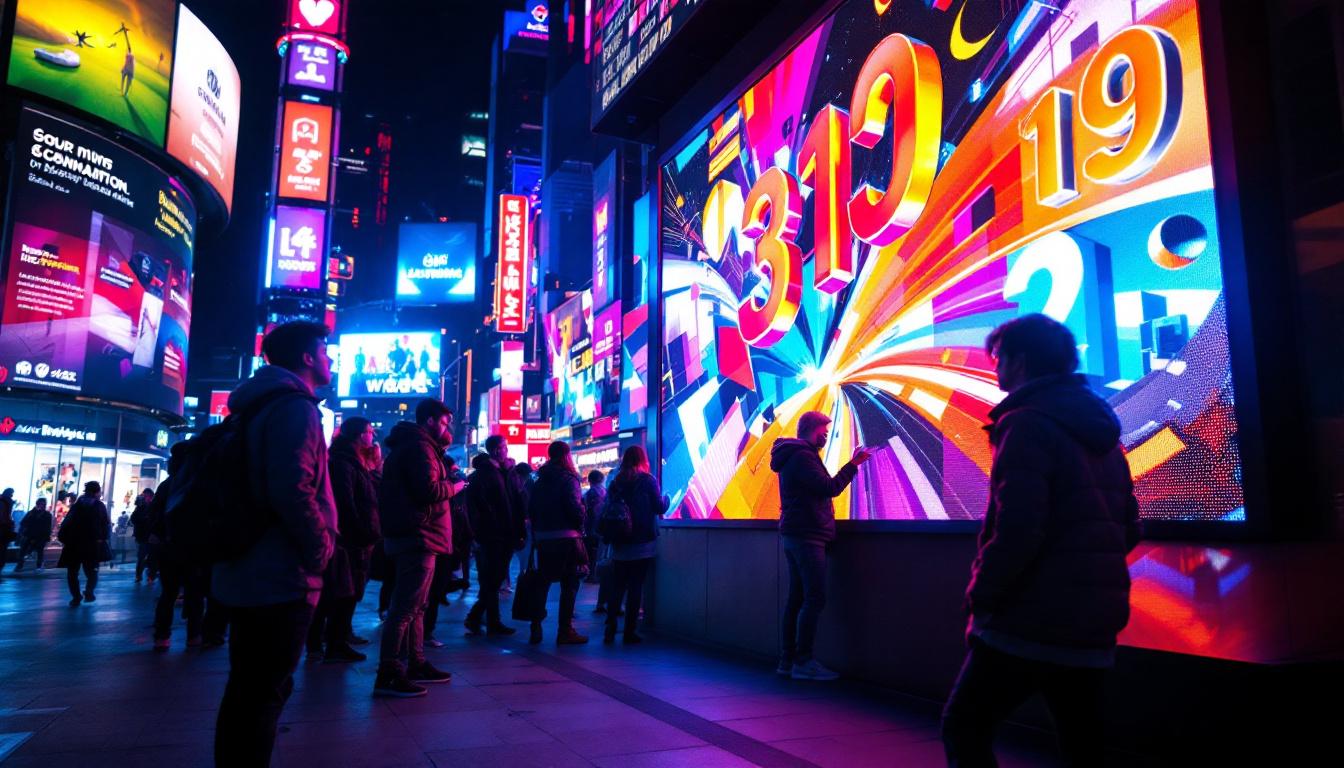
Major brands and shopping malls worldwide have embraced transparent LED technology to create immersive shopping experiences. For instance, luxury fashion retailers use these displays to highlight new collections or events without compromising the store’s aesthetic appeal.
Architectural and Interior Design
Architects and interior designers utilize transparent LED panels to add a futuristic touch to buildings and interiors. These displays can be embedded in glass walls, partitions, or even elevator shafts, providing dynamic visuals that complement the environment.
In office spaces, transparent LED walls can serve as digital notice boards or branding elements without disrupting natural light flow. Museums and galleries also use them to provide interactive exhibits that merge seamlessly with the surroundings.
Transportation and Public Spaces
Transparent LED displays are increasingly used in transportation hubs such as airports, train stations, and bus terminals. Their ability to deliver real-time information while maintaining visibility of structural elements makes them ideal for these environments.
In urban settings, transparent LED panels can be integrated into bus shelters, glass facades, or pedestrian zones to provide advertising or public service announcements without obstructing views or light.
Technical Considerations and Challenges
Resolution and Pixel Pitch
One of the main technical challenges with transparent LED displays is balancing transparency with image resolution. Because the LEDs are spaced apart to allow light transmission, the pixel density is typically lower than that of conventional LED screens.
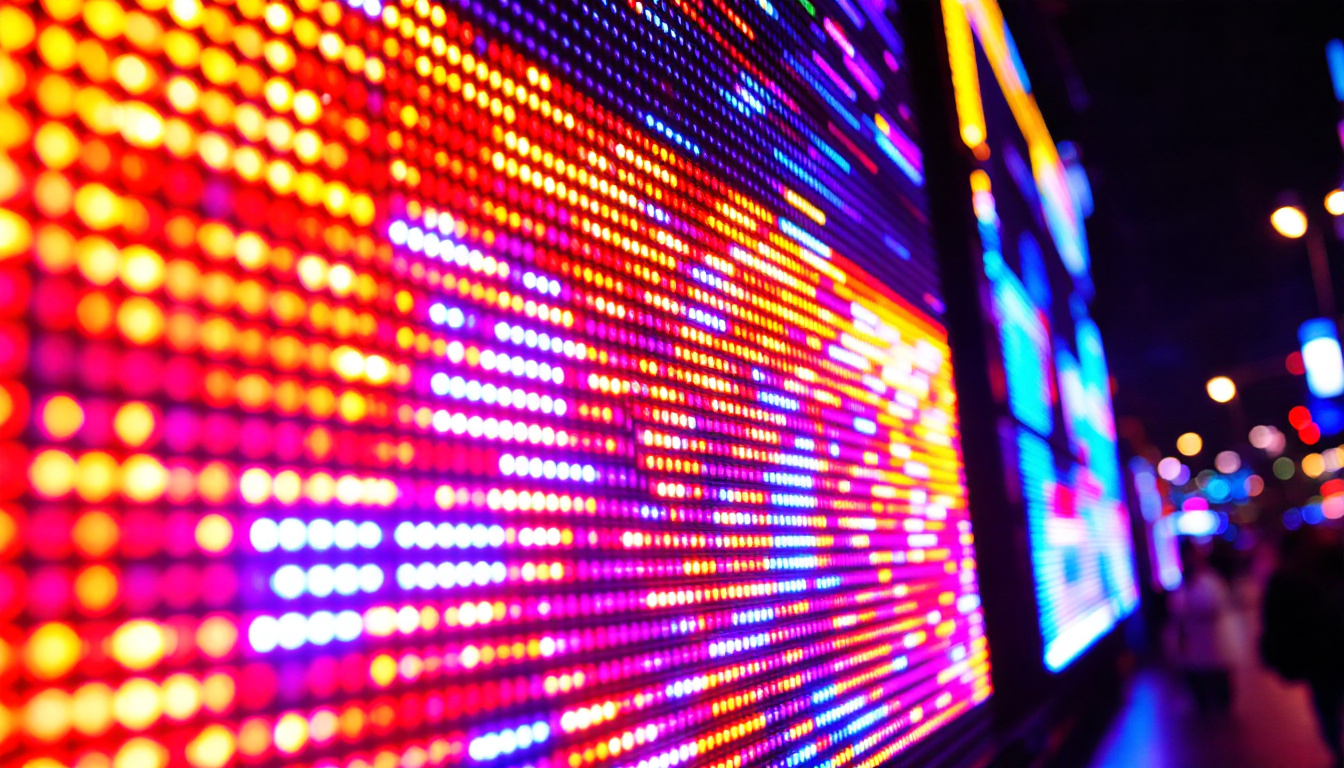
Pixel pitch—the distance between individual LEDs—plays a crucial role. Smaller pixel pitches result in higher resolution but reduce transparency. Conversely, larger pixel pitches increase transparency but can lead to less detailed images. Manufacturers often optimize pixel pitch based on the intended application, whether for close-up viewing or large-scale advertising.
Installation and Maintenance
Installing transparent LED displays requires careful planning to ensure structural integrity and optimal visibility. These panels are often mounted on glass surfaces or integrated into building facades, necessitating precise alignment and secure mounting systems.
Maintenance is generally straightforward, but because the displays are exposed and sometimes installed in high-traffic areas, regular cleaning and inspection are essential to maintain performance and longevity.
Cost Factors
Transparent LED technology is more expensive than traditional LED displays due to the specialized materials and manufacturing processes involved. However, the benefits in terms of design flexibility, energy savings, and advertising impact often justify the investment.
Costs have been gradually decreasing as the technology matures and adoption grows, making transparent LED displays more accessible to a broader range of businesses and applications.
The Future of Transparent LED Displays
Technological Advancements
Ongoing research and development are pushing the boundaries of transparent LED technology. Innovations such as micro-LEDs and improved materials promise higher resolution, greater transparency, and even lower power consumption.
Additionally, integration with smart building systems and augmented reality (AR) could transform transparent LED displays into interactive interfaces that respond to user input or environmental conditions.
Expanding Market Potential
As urban environments become increasingly digital, the demand for innovative display solutions like transparent LEDs is expected to grow. Industries such as automotive, entertainment, and healthcare are exploring new uses, from heads-up displays in vehicles to transparent screens in medical imaging.
Moreover, sustainability concerns are driving interest in energy-efficient and multifunctional technologies, positioning transparent LED displays as a key player in the future of digital signage and architectural design.
Conclusion
Transparent LED lights represent a significant advancement in display technology, merging visual impact with architectural elegance. Their ability to deliver bright, dynamic content without sacrificing transparency opens up a myriad of possibilities across retail, design, transportation, and public spaces.
While challenges such as resolution trade-offs and cost remain, continuous innovation is making transparent LED displays more versatile and accessible. As the technology evolves, it is poised to redefine how digital content integrates with physical environments, creating immersive and visually stunning experiences that captivate audiences worldwide.
Discover the Future of LED Displays with LumenMatrix
Ready to elevate your space with the latest in LED display technology? LumenMatrix is at the forefront of creating immersive environments through innovative LED solutions. From vibrant Indoor and Outdoor LED Wall Displays to dynamic Vehicle and Sports LED Displays, our range includes the revolutionary LED Transparent Display that seamlessly integrates with your architectural design. Experience the power of enhanced engagement and clear messaging with LumenMatrix’s advanced LED display modules. Check out LumenMatrix LED Display Solutions today and transform your visual communication.