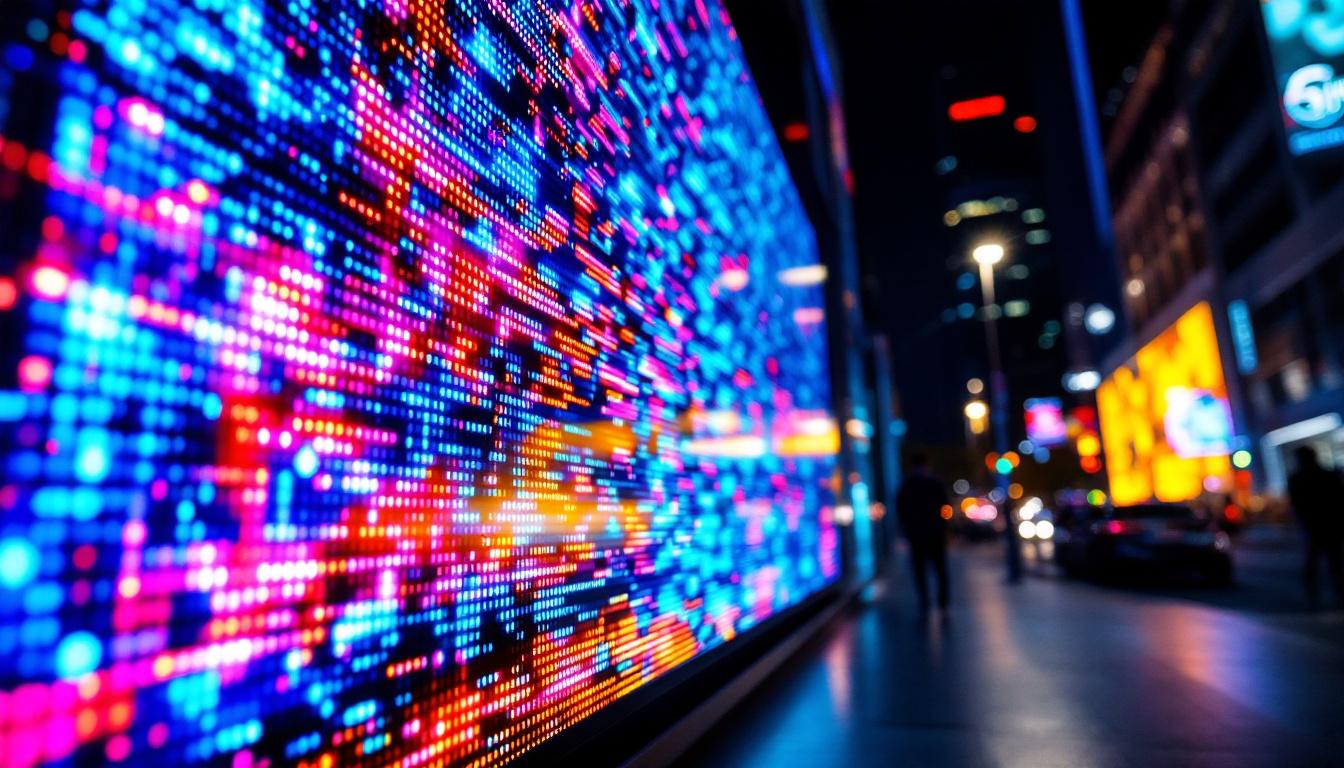
In today’s digital age, screens are everywhere—from smartphones and televisions to massive billboards and stadium displays. At the heart of these screens lies a fundamental unit called the pixel. Understanding what a pixel is and how it functions, especially in the context of LED displays, is essential for professionals in technology, design, advertising, and many other fields. This article delves into the definition of a pixel, explores the technology behind LED displays, and explains why pixels matter in delivering vibrant, high-quality images.
What Is a Pixel?
The term “pixel” is short for “picture element.” It represents the smallest controllable unit of a digital image or display. Think of a pixel as a tiny dot that, when combined with millions of others, forms the images and videos we see on screens. Each pixel can display a specific color and brightness, contributing to the overall picture.
Pixels are the building blocks of digital images. Whether you’re looking at a photograph on your phone or a massive LED billboard, the image is composed of thousands or millions of these tiny dots. The resolution of a screen or image is often described by the number of pixels it contains horizontally and vertically—for example, 1920×1080 pixels for Full HD. This resolution plays a crucial role in determining the clarity and detail of the image, as higher resolutions allow for more intricate designs and sharper visuals, making them essential for everything from gaming to professional photography.
Pixel Structure and Color Representation
Each pixel typically consists of three subpixels—red, green, and blue (RGB). By varying the intensity of these subpixels, a pixel can produce a wide spectrum of colors. This RGB model is fundamental to how digital displays create color images. The combination of these colors at different intensities allows for over 16 million color possibilities per pixel, enabling rich and detailed images. Additionally, some displays utilize other color models, such as CMYK (cyan, magenta, yellow, and key/black), particularly in printing, where color accuracy is paramount. Understanding the intricacies of color representation can greatly enhance the quality of digital art and photography, as artists and photographers can manipulate these elements to evoke specific emotions or highlight certain features.
Pixel Density and Its Importance
Pixel density, measured in pixels per inch (PPI), determines how sharp and clear an image appears. A higher pixel density means more pixels are packed into a given area, resulting in finer detail and smoother images. For example, modern smartphones often have pixel densities exceeding 400 PPI, making individual pixels indistinguishable to the naked eye. This high pixel density is particularly beneficial for activities like reading, where text clarity can significantly impact the user experience. Furthermore, advancements in display technology, such as Retina displays and AMOLED screens, have pushed the boundaries of pixel density even further, allowing for vibrant colors and deep contrasts that enhance the viewing experience across various applications, from streaming movies to playing video games.
Understanding LED Displays
LED displays have become increasingly popular due to their brightness, energy efficiency, and versatility. LED stands for Light Emitting Diode, a semiconductor device that emits light when an electric current passes through it. LED displays use thousands or millions of these tiny diodes arranged in a grid to form images. Their ability to produce vivid colors and sharp images has made them a preferred choice in various applications, from consumer electronics to large-scale advertising.
How LED Displays Work
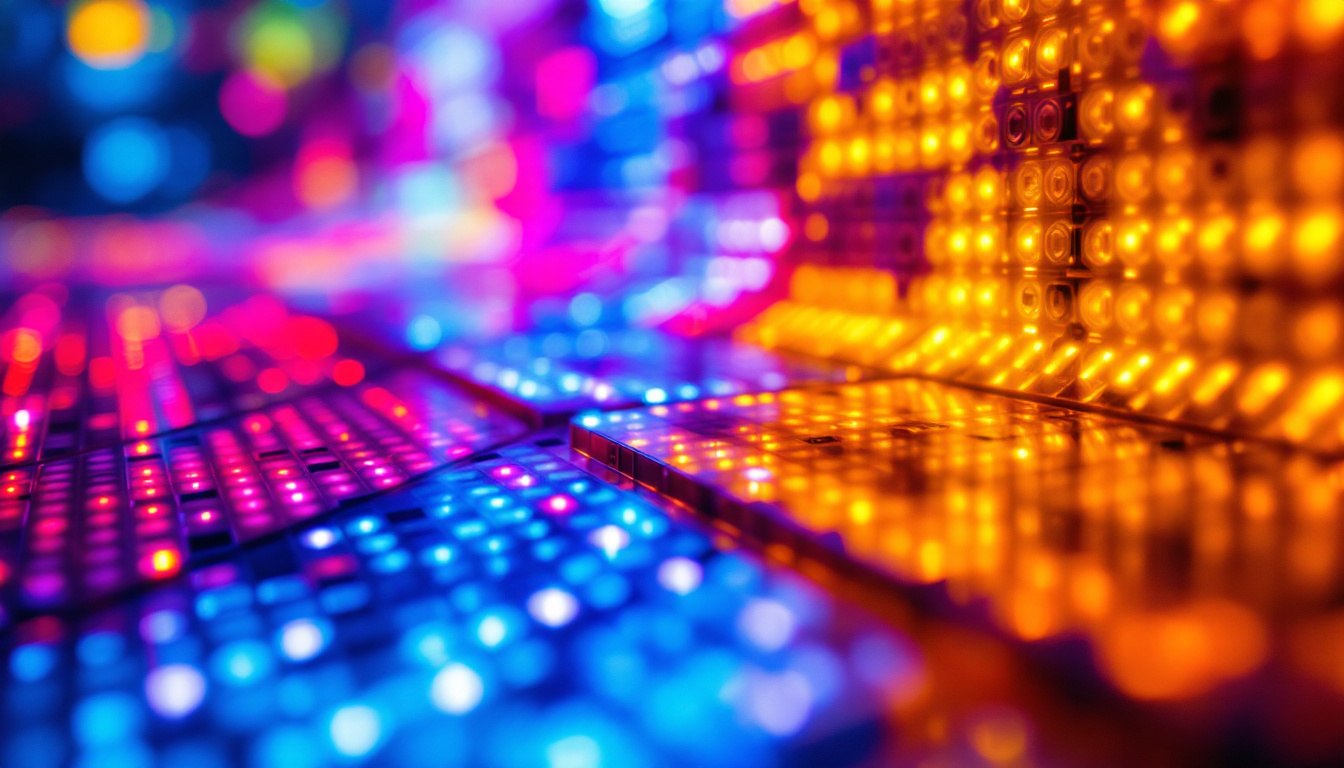
Each pixel on an LED display is composed of one or more LEDs. In full-color LED displays, each pixel typically contains three LEDs—red, green, and blue—mirroring the RGB subpixel structure found in other digital displays. By adjusting the brightness of each LED, the pixel can produce a wide range of colors. This color mixing technique allows for the creation of millions of hues, enabling the display to render images and videos with remarkable accuracy and detail.
Unlike traditional LCD screens that require a backlight, LED displays emit their own light. This self-illumination allows for higher contrast ratios, deeper blacks, and better visibility in bright environments. Additionally, LED displays can be made very large and flexible, making them ideal for outdoor advertising, stadium screens, and dynamic architectural installations. The durability of LEDs also contributes to their longevity, with many displays lasting tens of thousands of hours, reducing the need for frequent replacements and maintenance.
Types of LED Displays
There are several types of LED displays, each suited for different applications:
- Direct View LED (DVLED): These displays use individual LEDs as pixels and are known for their brightness and durability. Commonly used in outdoor billboards and large video walls, DVLED displays can be configured in various shapes and sizes, making them highly adaptable for different environments.
- LED-backlit LCD: These combine an LCD panel with an LED backlight, improving brightness and energy efficiency compared to older CCFL-backlit LCDs. Most modern TVs and monitors use this technology, which allows for thinner designs and better color reproduction, making it a popular choice for home entertainment systems.
- MicroLED: An emerging technology that uses microscopic LEDs as individual pixels, offering superior brightness, contrast, and energy efficiency compared to OLED and LCD. MicroLED displays promise to revolutionize the market with their potential for seamless large screens and high pixel densities, making them ideal for high-end applications like virtual reality and immersive experiences.
In addition to these types, LED displays are also categorized based on their pixel pitch, which refers to the distance between the centers of two adjacent pixels. A smaller pixel pitch results in a higher resolution, making it suitable for close viewing distances, such as in retail environments or control rooms. Conversely, larger pixel pitches are often used for outdoor displays, where viewers are typically farther away. This flexibility in design and application has made LED technology a cornerstone in the evolution of visual communication.
Pixel Pitch and Resolution in LED Displays
When discussing LED displays, two critical concepts often arise: pixel pitch and resolution. These factors directly influence image quality and viewing experience.
What Is Pixel Pitch?
Pixel pitch refers to the distance between the centers of two adjacent pixels on an LED display, typically measured in millimeters. It determines the density of pixels on the display surface. A smaller pixel pitch means pixels are closer together, resulting in higher resolution and sharper images.
For example, a display with a 1.5 mm pixel pitch will have a much finer image than one with a 10 mm pixel pitch. Smaller pixel pitches are essential for displays viewed at close range, such as indoor screens or control rooms, where viewers are near the display. Larger pixel pitches are acceptable for outdoor billboards, where viewers are farther away.
Resolution and Viewing Distance
The resolution of an LED display is influenced by both its physical size and pixel pitch. A large display with a small pixel pitch can achieve very high resolution, but this comes at a higher cost. Conversely, a display with a larger pixel pitch will have lower resolution but can still be effective if viewed from a distance.
Understanding the relationship between pixel pitch, resolution, and viewing distance is crucial for selecting the right LED display for a specific application. For instance, a stadium scoreboard requires a different pixel pitch than a retail store’s digital signage.
Why Pixels Matter in LED Displays
Pixels are fundamental to the quality and effectiveness of LED displays. Their size, density, and arrangement directly impact the viewer’s experience.
Image Clarity and Detail
Higher pixel density means more detail can be displayed. This is especially important for content that includes fine text, intricate graphics, or high-definition video. In advertising, clearer images can capture attention more effectively and convey messages more powerfully.
Color Accuracy and Brightness
Since each pixel contains RGB LEDs, the quality and calibration of these LEDs affect color accuracy and brightness. High-quality pixels can reproduce colors more faithfully and maintain consistent brightness levels across the display, even in challenging lighting conditions.
Energy Efficiency and Longevity
Advances in LED technology have made pixels more energy-efficient, reducing power consumption and heat generation. This not only lowers operating costs but also extends the lifespan of the display, making LED screens a sustainable choice for long-term installations.
Applications of LED Displays and Pixel Technology
LED displays and pixel technology have transformed numerous industries by enabling dynamic, high-impact visual communication.
Advertising and Digital Signage
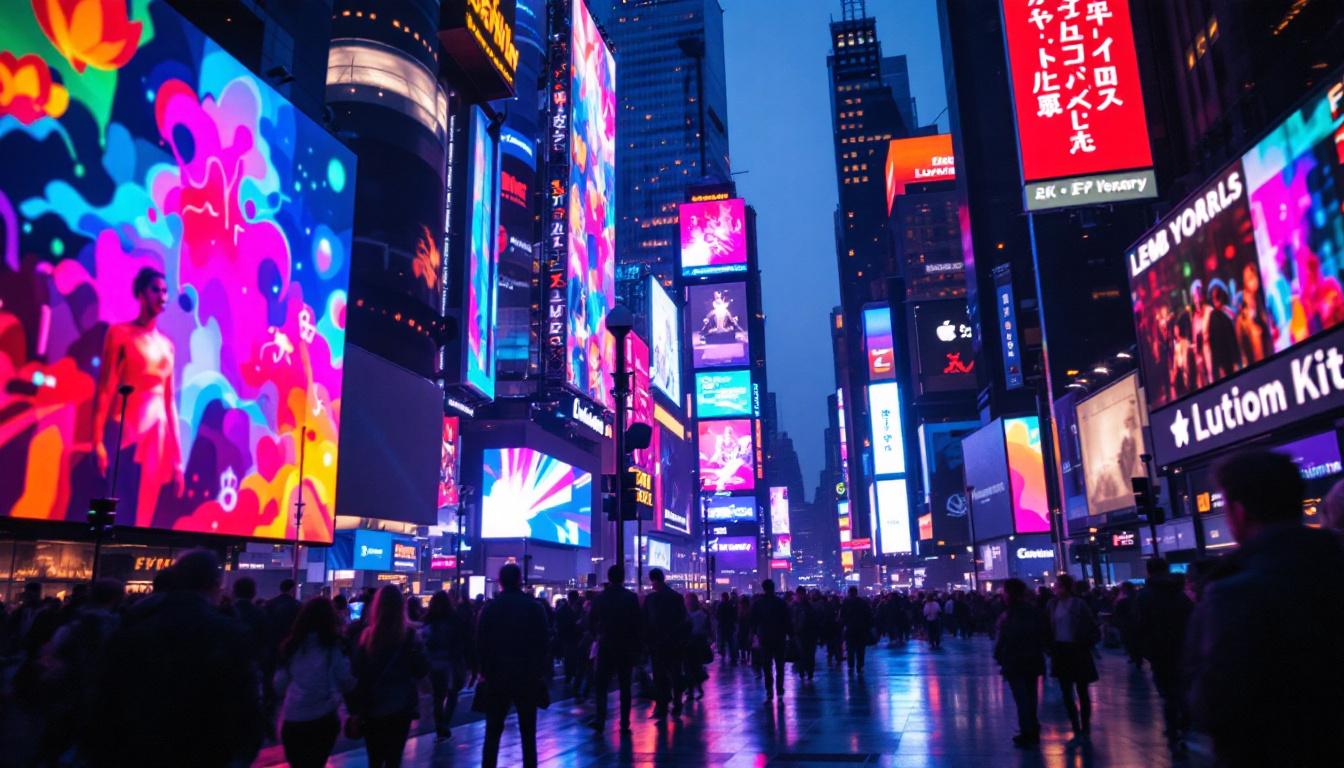
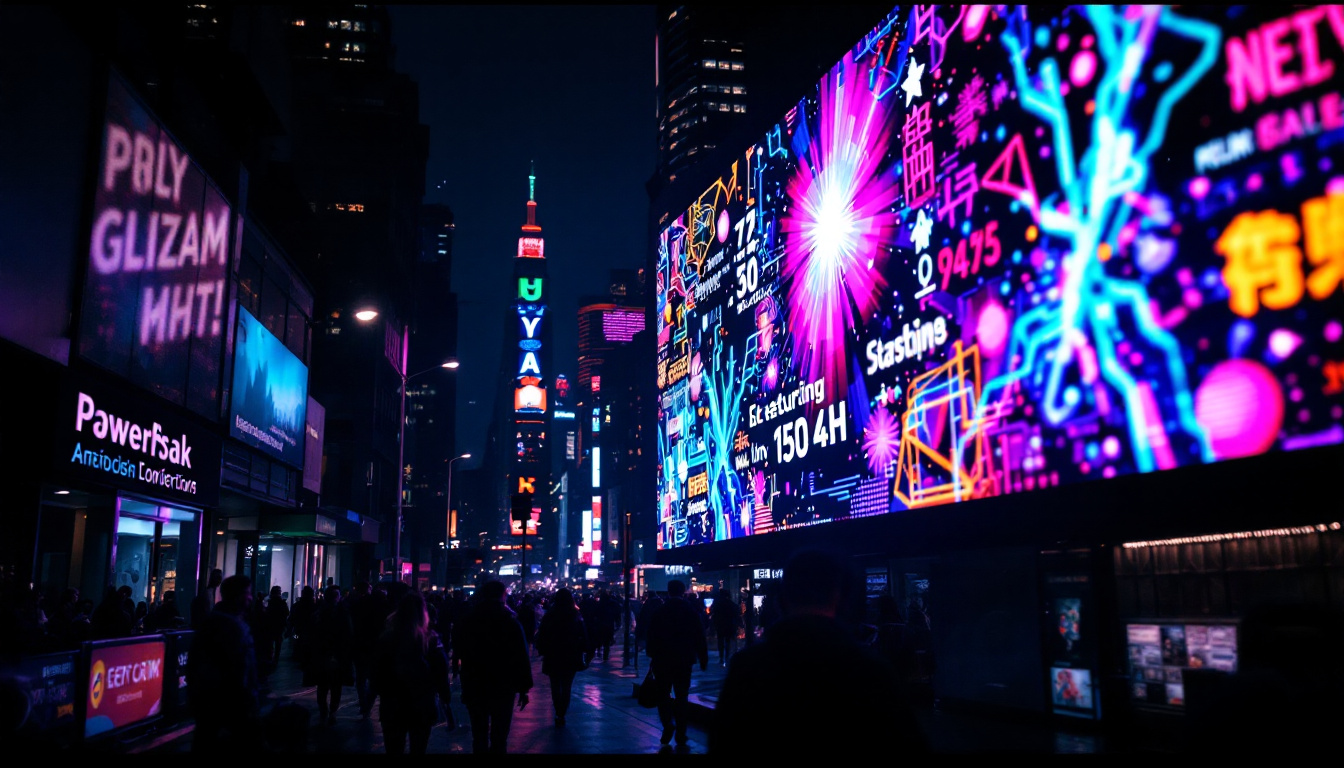
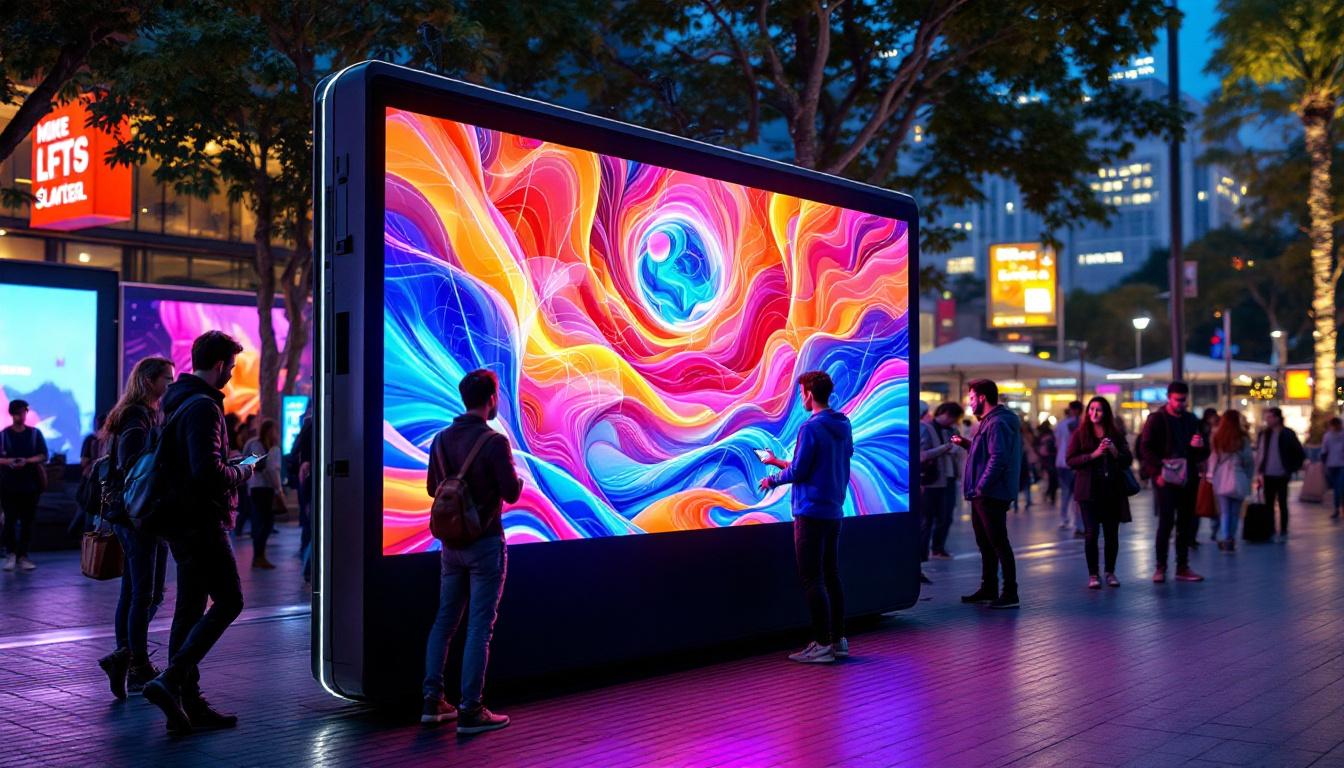
Outdoor and indoor advertising rely heavily on LED displays for their brightness and visibility. Pixels allow advertisers to present vibrant images and videos that attract attention even in bright sunlight. The flexibility of LED displays also enables creative installations on building facades and public spaces.
Entertainment and Sports Venues
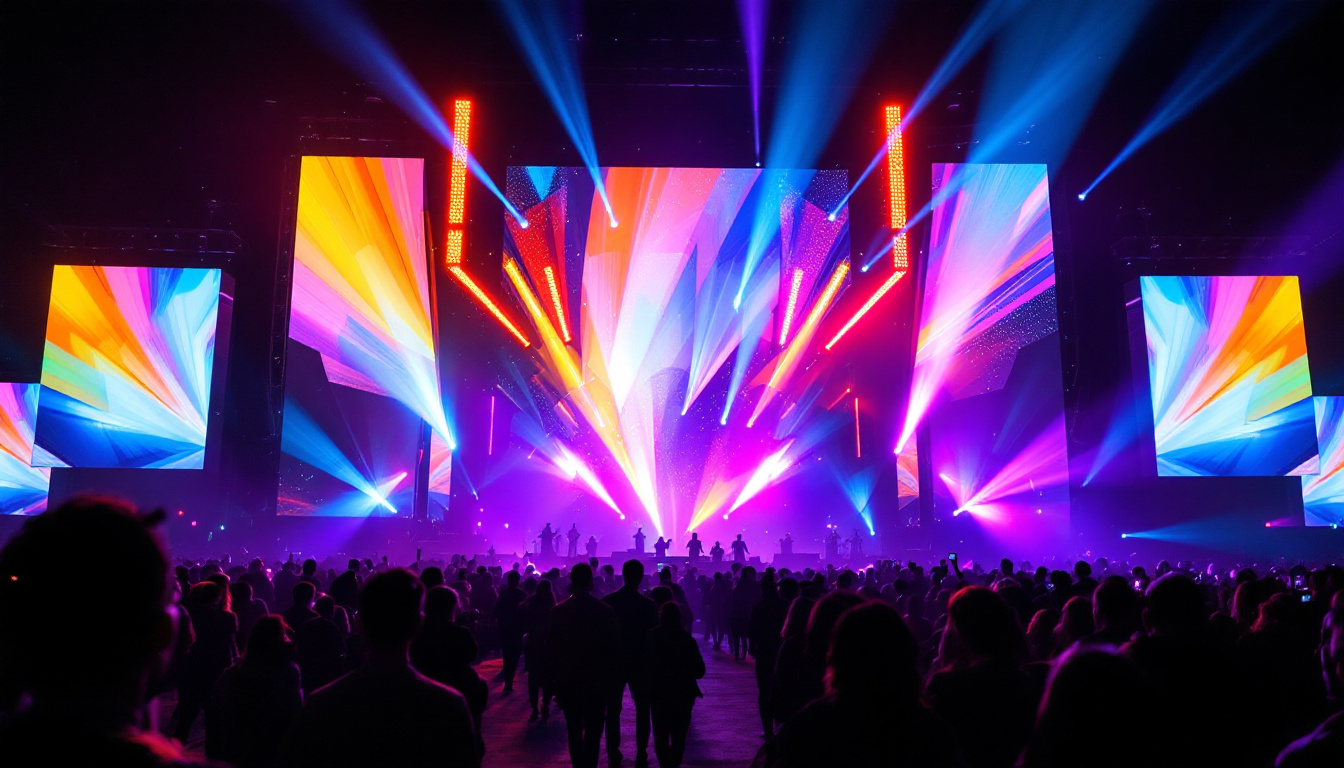
Large-scale LED screens in stadiums and arenas provide live video feeds, replays, and interactive content. The pixel density and brightness of these displays ensure visibility to thousands of spectators, enhancing the overall experience.
Retail and Corporate Environments
Retailers use LED displays to showcase products and promotions, while corporate environments utilize them for presentations and digital communications. The clarity and color fidelity of pixels contribute to professional and engaging displays.
Emerging Technologies
MicroLED and flexible LED displays are pushing the boundaries of pixel technology, enabling thinner, more energy-efficient, and higher-resolution screens. These innovations promise new applications in wearable devices, automotive displays, and augmented reality.
Conclusion
Pixels are the essential units that bring digital images to life, and their role in LED displays is critical to delivering vibrant, clear, and impactful visuals. Understanding the definition of a pixel, how it functions within LED technology, and the factors influencing pixel performance helps professionals make informed decisions when selecting or designing display solutions.
As LED technology continues to evolve, pixels will become even more advanced, offering unprecedented image quality and versatility. Whether for advertising, entertainment, or communication, mastering the concept of pixels and LED displays is key to harnessing the full potential of modern digital screens.
Explore Cutting-Edge LED Display Solutions
Ready to experience the transformative power of advanced pixel technology in LED displays? LumenMatrix is at the forefront of innovation, offering a diverse range of LED display solutions tailored to meet your unique needs. From captivating Indoor LED Wall Displays to dynamic Outdoor LED Wall Displays, and from versatile Vehicle LED Displays to engaging LED Sports Displays, our products are designed to elevate your brand’s visibility and audience engagement. Discover how our state-of-the-art LED display modules can revolutionize your visual communication. Check out LumenMatrix LED Display Solutions today and take the first step towards creating unforgettable visual experiences.