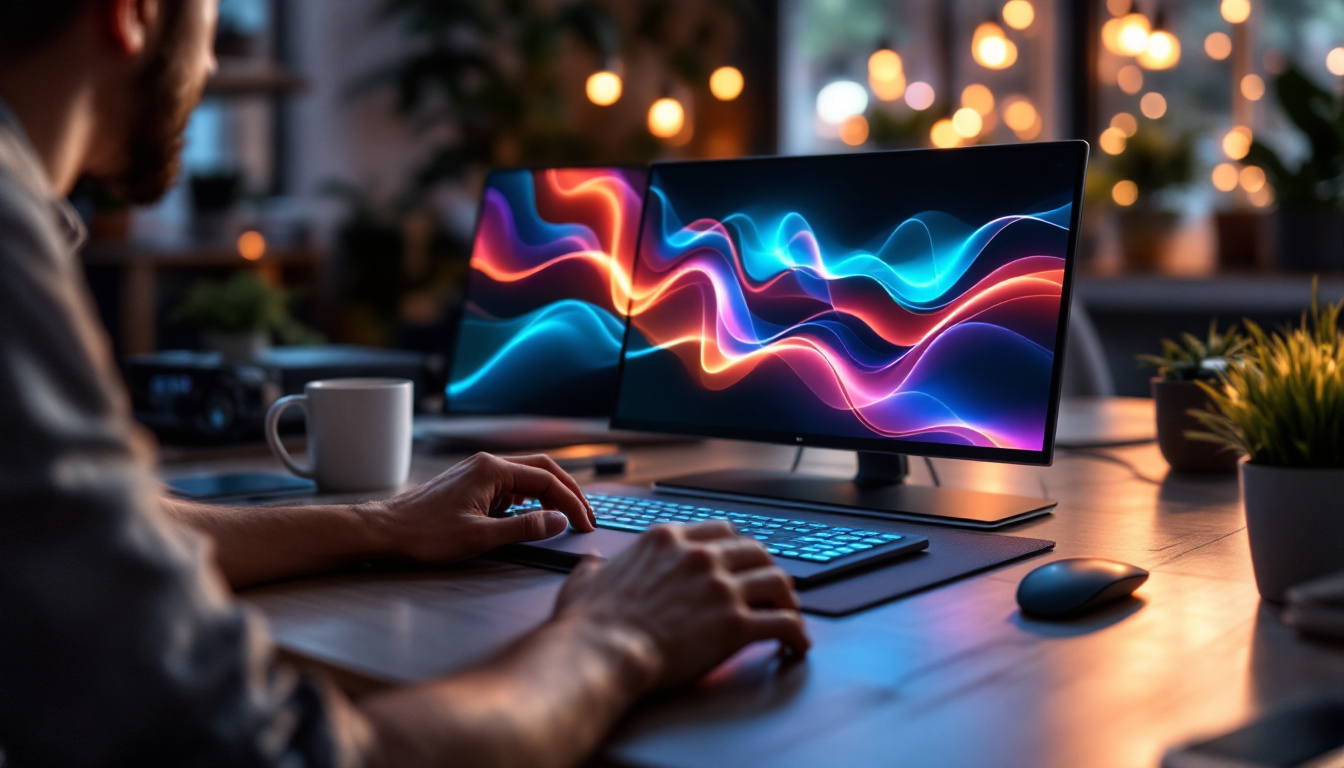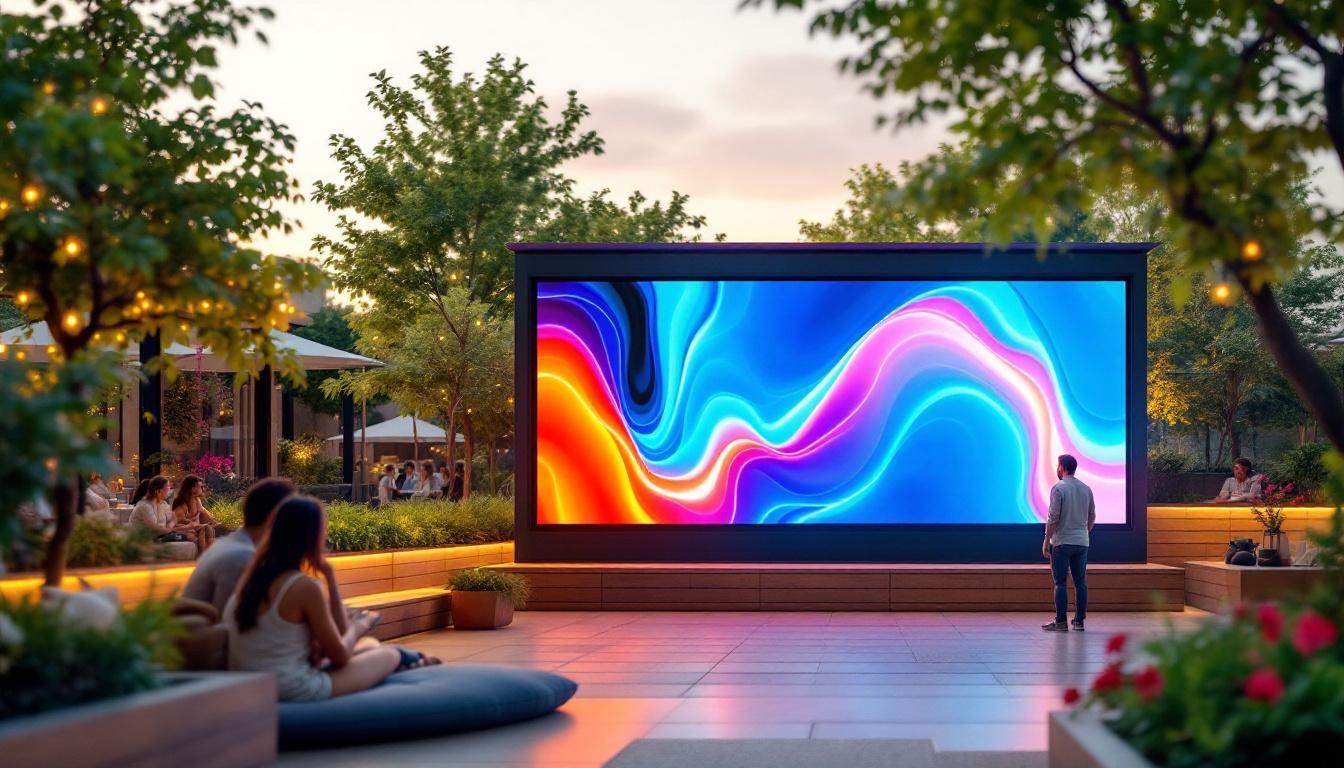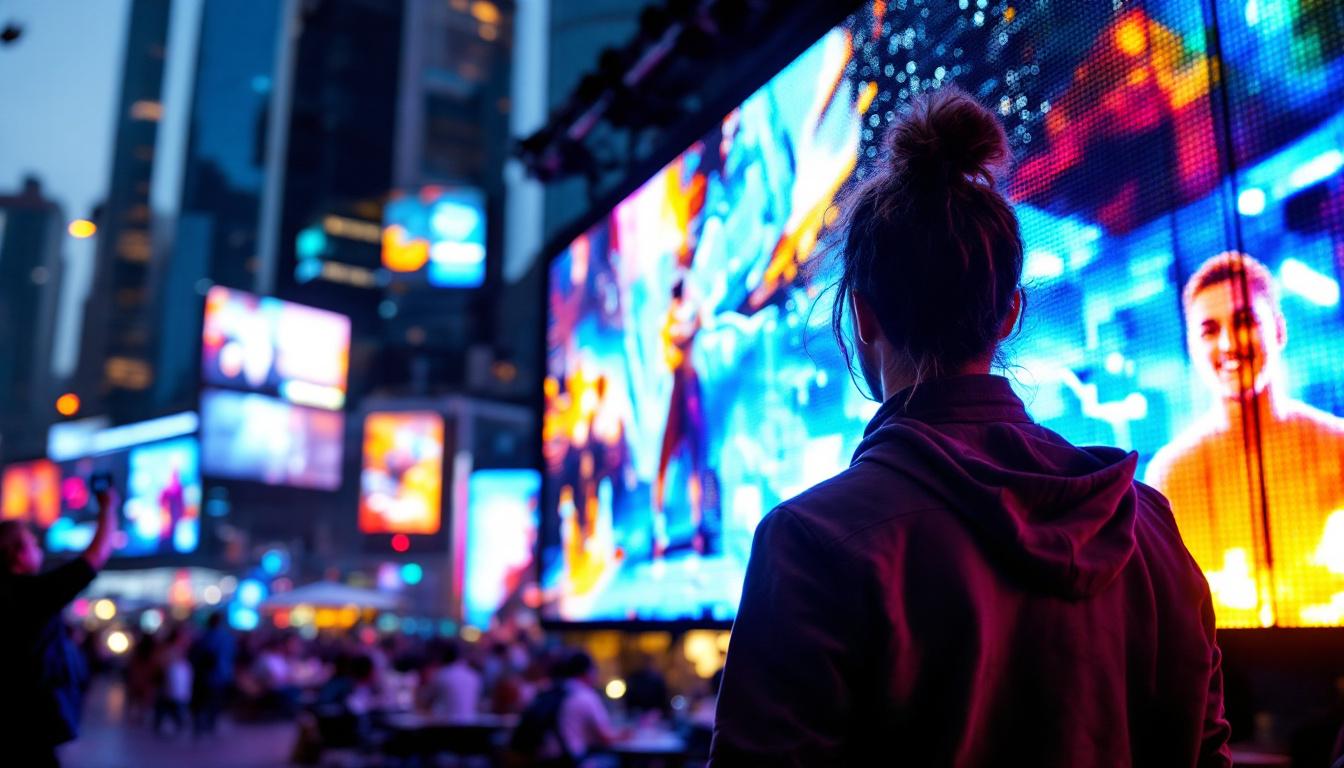
In the rapidly evolving world of digital signage and display technology, Flex LED displays have emerged as a game-changer. Their versatility, durability, and visual appeal make them an increasingly popular choice across industries ranging from advertising and entertainment to architecture and events. This article delves deep into what Flex LED displays are, how they work, their advantages, and practical applications, providing a comprehensive understanding for businesses, designers, and technology enthusiasts alike.
Understanding Flex LED Displays: What Are They?
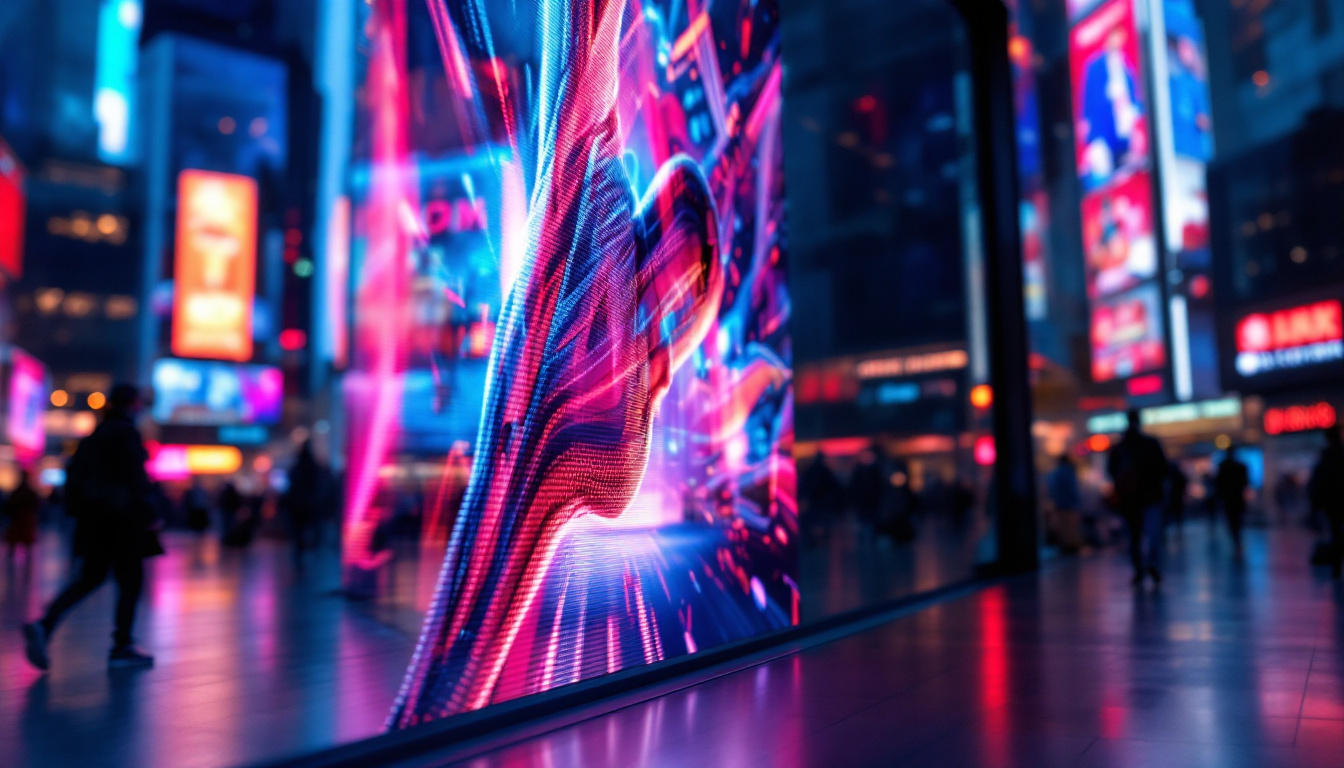
Flex LED displays are a type of LED (Light Emitting Diode) screen characterized by their flexibility and adaptability. Unlike traditional rigid LED panels, Flex LED displays are designed with bendable circuits and materials that allow them to curve, fold, or wrap around surfaces. This unique feature enables creative and unconventional installations that were previously impossible with standard LED technology.
At their core, Flex LED displays consist of numerous tiny LEDs arranged on a flexible substrate, often made from materials like silicone or flexible printed circuit boards (FPCBs). These LEDs emit light in various colors, combining to form vivid images or videos. The flexibility of the substrate allows the display to conform to curved or irregular shapes without compromising image quality.
How Flexibility Is Achieved
The flexibility in these displays is achieved through advances in materials science and electronics engineering. Instead of mounting LEDs on rigid circuit boards, manufacturers use thin, bendable substrates that can withstand repeated flexing. The LEDs themselves are miniaturized and embedded in these substrates with protective coatings that safeguard against environmental damage and mechanical stress.
This construction allows the display to bend at various angles, sometimes even rolling into cylinders or wrapping around columns. The degree of flexibility depends on the specific design and intended use, with some displays capable of bending to a radius of just a few centimeters.
Moreover, the versatility of Flex LED displays has opened up new avenues in various industries, including advertising, entertainment, and architecture. For instance, in retail environments, these displays can be seamlessly integrated into store fixtures or even incorporated into clothing, providing dynamic advertising solutions that engage customers in innovative ways. In the realm of events and concerts, Flex LED displays can be used to create immersive environments, transforming stages and venues into visually stunning experiences that captivate audiences.
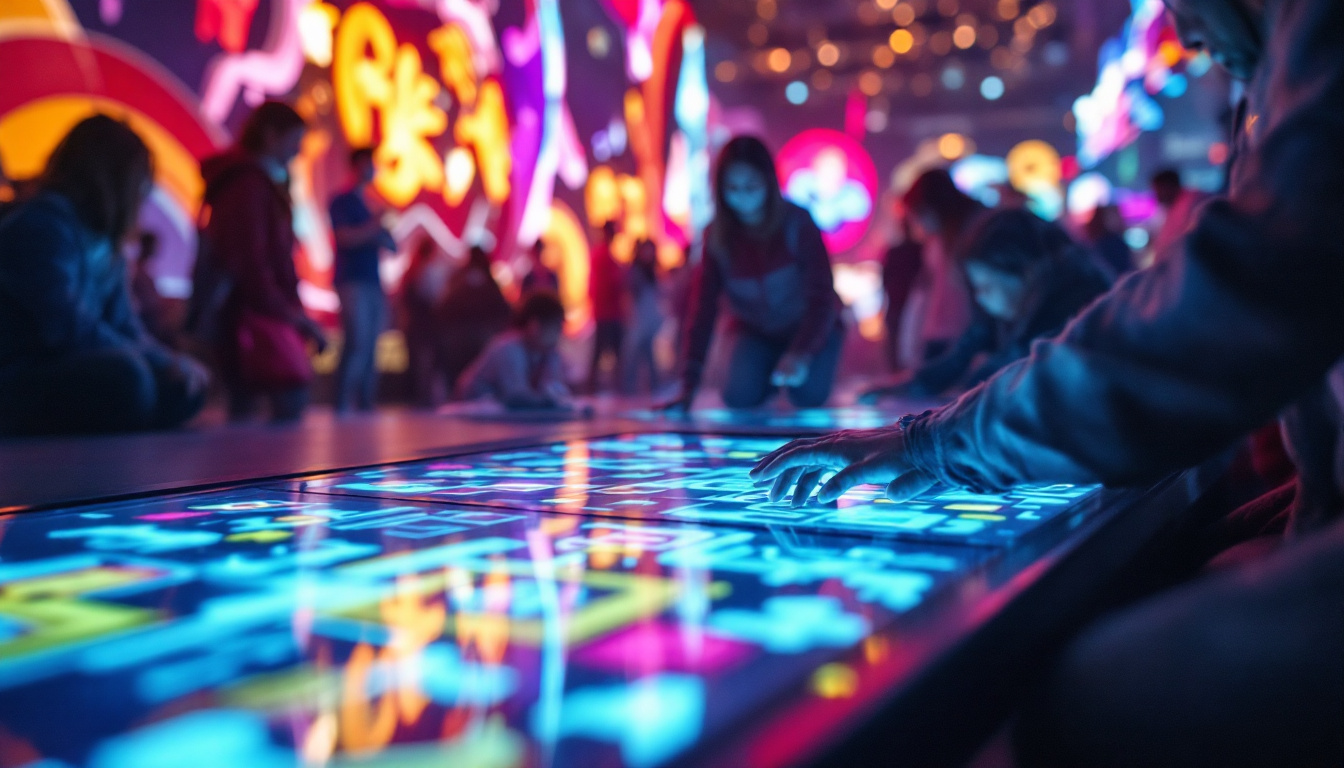
Additionally, the lightweight nature of Flex LED displays makes them easy to transport and install, further enhancing their appeal for temporary setups like exhibitions or pop-up events. As technology continues to evolve, we can expect even more advancements in Flex LED displays, potentially incorporating features like touch sensitivity or interactivity, which would further enrich user engagement and experience.
Key Components and Technology Behind Flex LED Displays
To fully appreciate the capabilities of Flex LED displays, it’s essential to understand their primary components and the technology that powers them.
LED Modules and Pixels
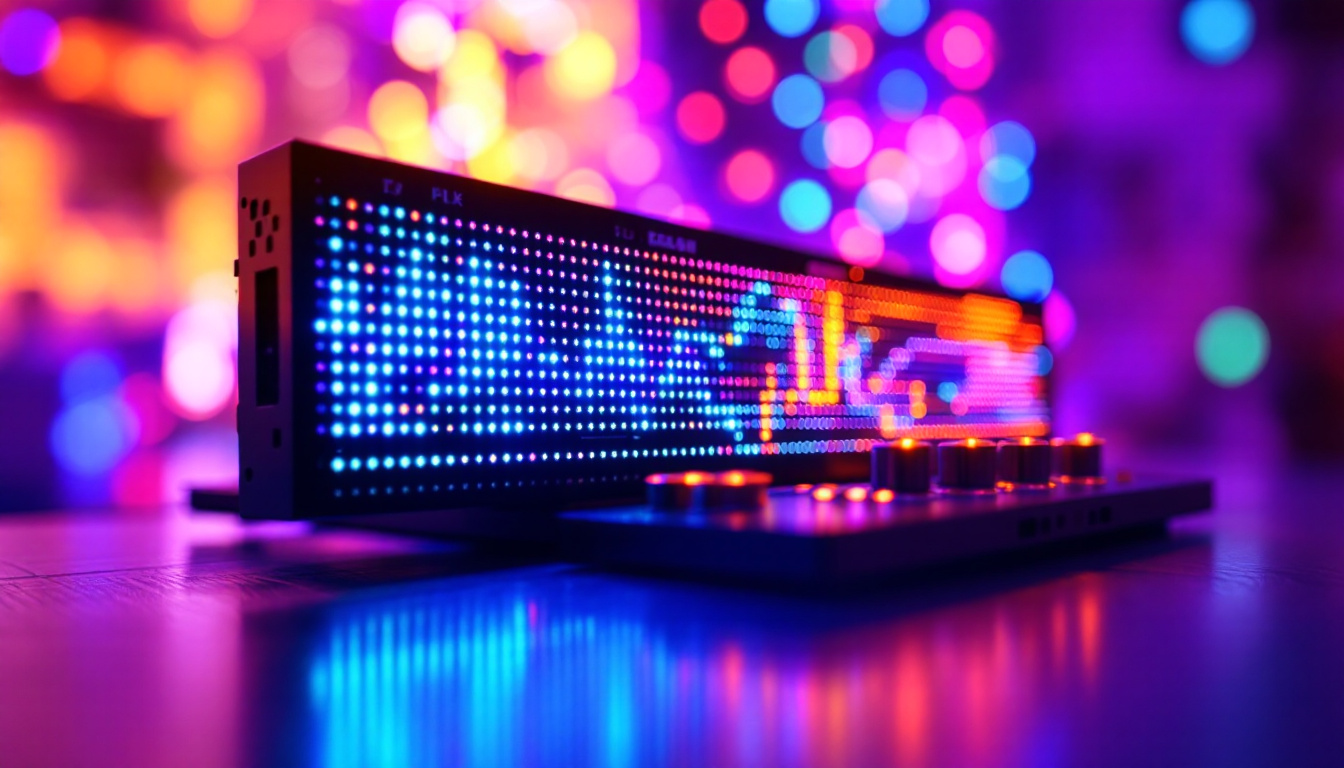
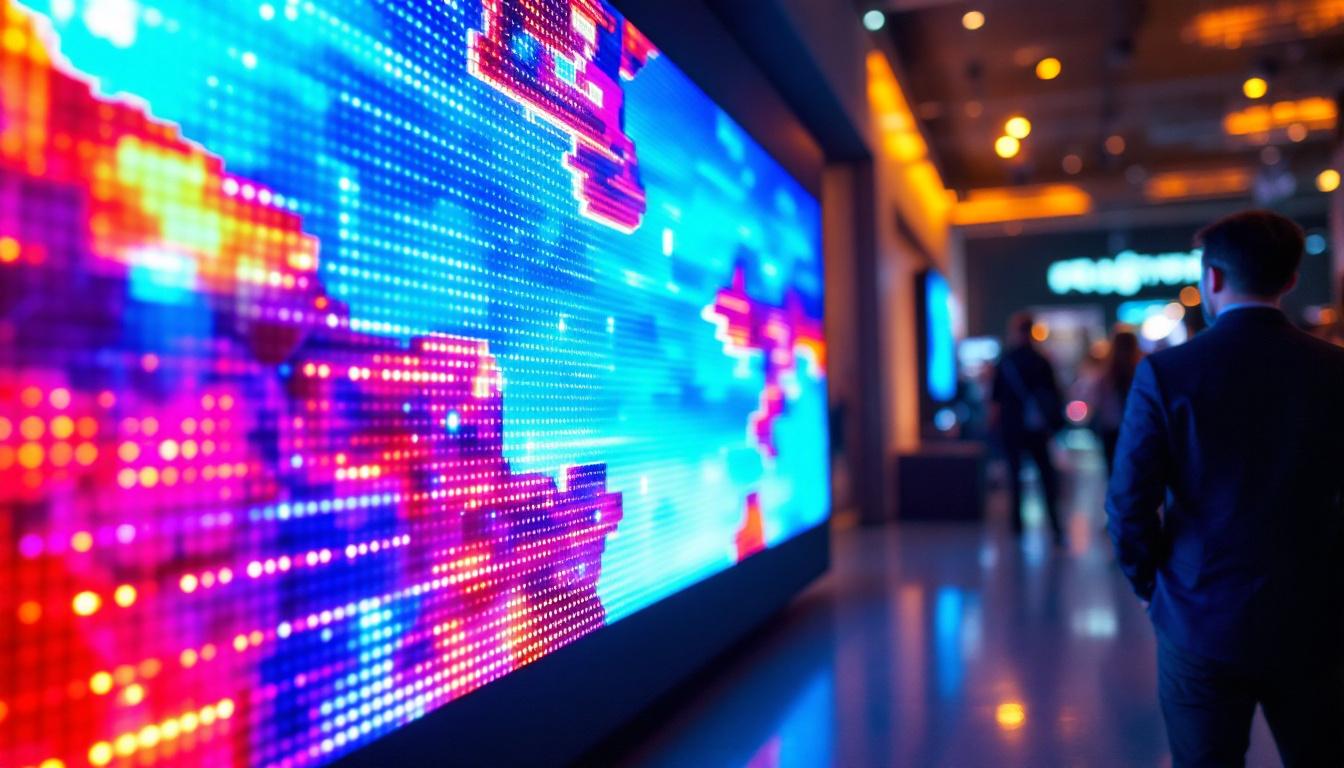
Each Flex LED display is composed of numerous LED modules. These modules contain clusters of LEDs that act as pixels, the smallest units of the displayed image. The density of these pixels is measured in pixel pitch, which is the distance between the centers of two adjacent pixels. A smaller pixel pitch means higher resolution and sharper images.
Flex LED displays typically offer pixel pitches ranging from 1.5mm to 10mm or more, catering to different viewing distances and applications. For example, a display with a 1.5mm pitch is ideal for close-up viewing, such as in retail or control rooms, while a 10mm pitch suits large outdoor installations viewed from afar.
Flexible Substrate and Circuitry
The substrate is the foundation on which LEDs and circuits are mounted. In Flex LED displays, this substrate is made from flexible materials such as silicone or polyimide films. These materials provide the necessary elasticity and durability to withstand bending and twisting.
The circuitry embedded within the substrate carries electrical signals to each LED, controlling brightness and color. Advanced manufacturing techniques ensure that these circuits maintain conductivity even when flexed repeatedly, preventing signal loss or damage.
Protective Layers and Encapsulation
Since Flex LED displays are often used in environments exposed to moisture, dust, or mechanical stress, protective encapsulation is critical. Manufacturers apply waterproof coatings, silicone layers, or other protective materials to shield the LEDs and circuitry from environmental hazards.
This encapsulation also enhances the display’s lifespan and reliability, making Flex LED displays suitable for both indoor and outdoor applications.
Advantages of Flex LED Displays Over Traditional LED Screens
Flex LED displays offer several distinct advantages that set them apart from conventional rigid LED screens, making them an attractive option for many applications.
Unmatched Design Versatility
One of the biggest selling points of Flex LED displays is their ability to conform to various shapes and surfaces. Architects and designers can create immersive visual experiences by wrapping displays around columns, curving them along walls, or even forming spherical shapes. This flexibility opens up new creative possibilities for advertising, art installations, and event staging.
Lightweight and Thin Form Factor
Flex LED displays are generally lighter and thinner than traditional LED panels. This makes installation easier and reduces the structural load on buildings or fixtures. Lightweight displays also facilitate transport and setup for temporary events or exhibitions.
Durability and Environmental Resistance
Thanks to their encapsulated design and flexible materials, Flex LED displays are often more resistant to shocks, vibrations, and environmental factors like rain or dust. This robustness extends their lifespan and reduces maintenance costs, especially in outdoor or high-traffic environments.
Energy Efficiency and Brightness
Modern Flex LED displays utilize energy-efficient LEDs that consume less power while delivering high brightness levels. This efficiency is particularly important for large-scale installations that operate for extended periods, helping reduce operational costs and environmental impact.
Common Applications of Flex LED Displays
The unique features of Flex LED displays have led to their adoption across a wide range of industries and use cases. Below are some of the most prominent applications.
Advertising and Digital Signage
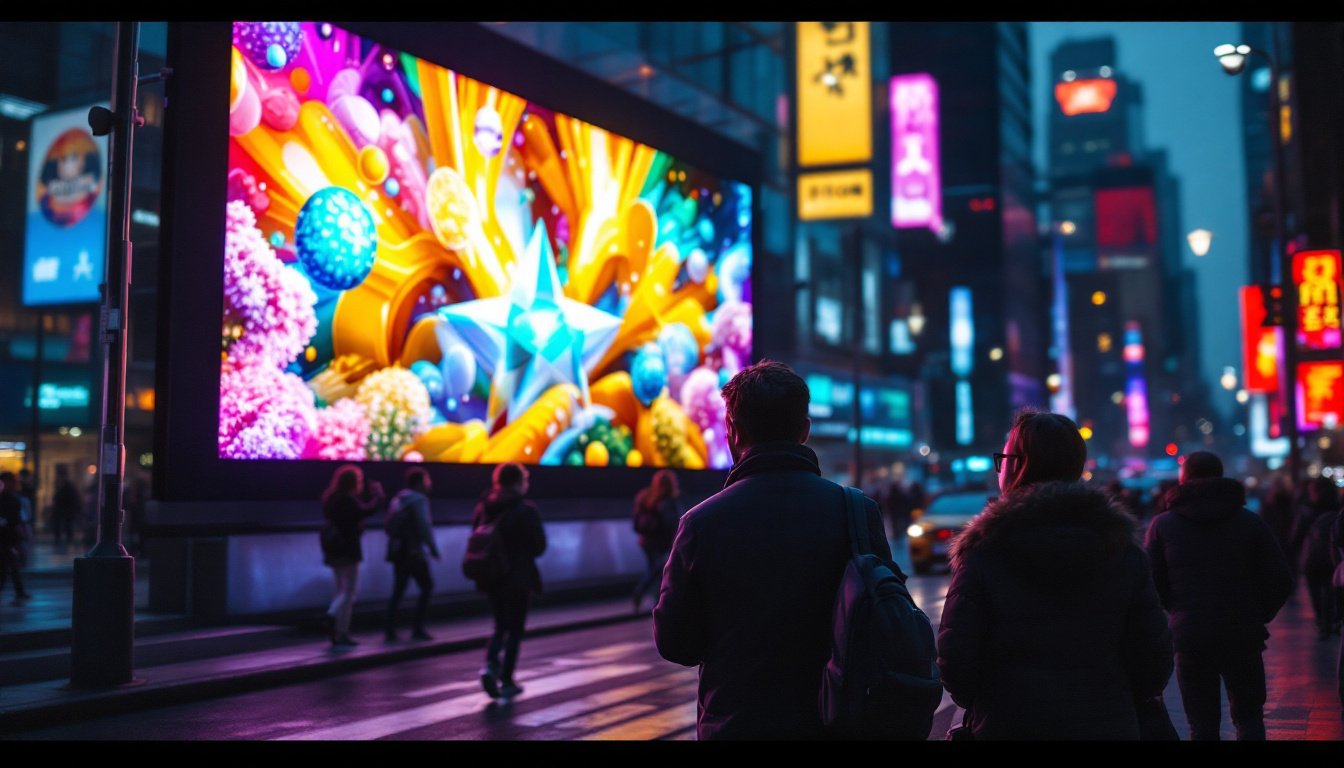
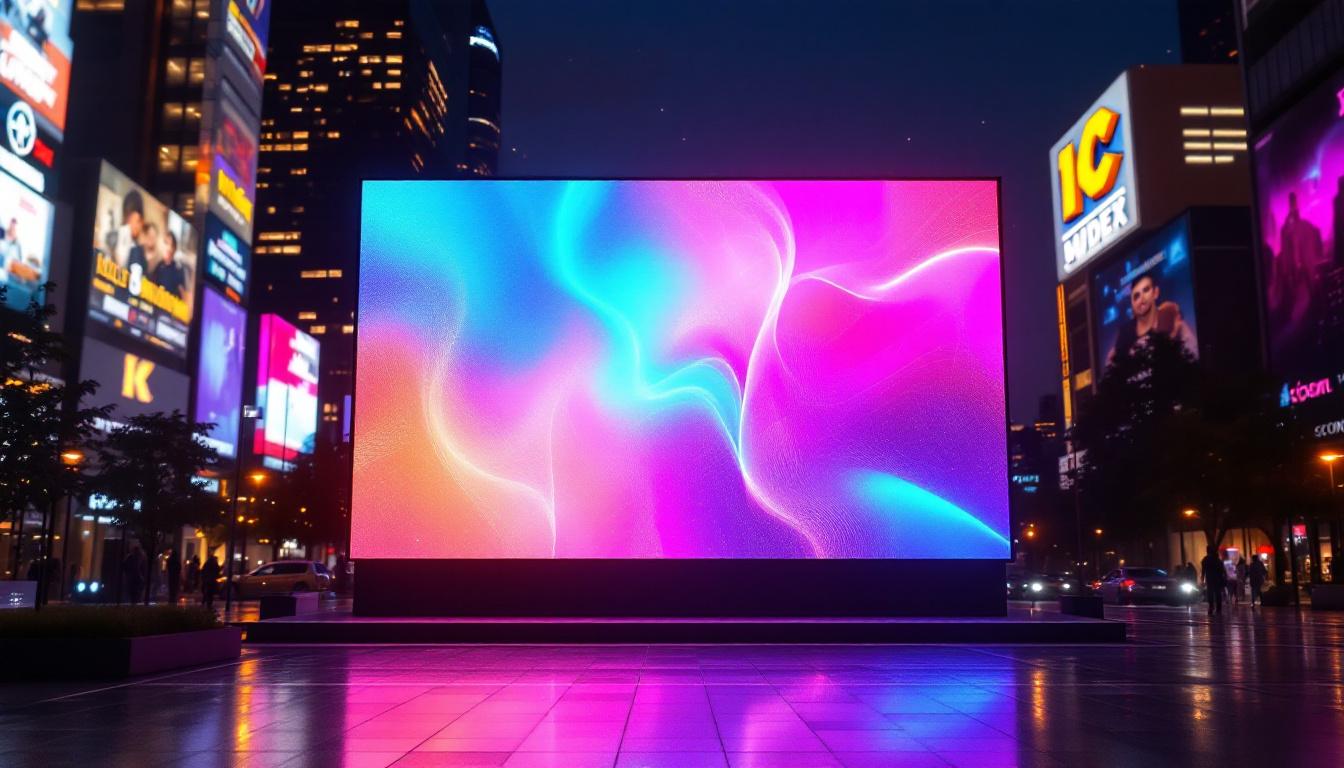
Flex LED displays revolutionize outdoor and indoor advertising by enabling eye-catching, dynamic content on unconventional surfaces. Retail stores use curved LED walls to attract customers, while billboards wrap around building facades, creating immersive brand experiences. The ability to customize shapes and sizes helps brands stand out in crowded urban environments.
Entertainment and Events
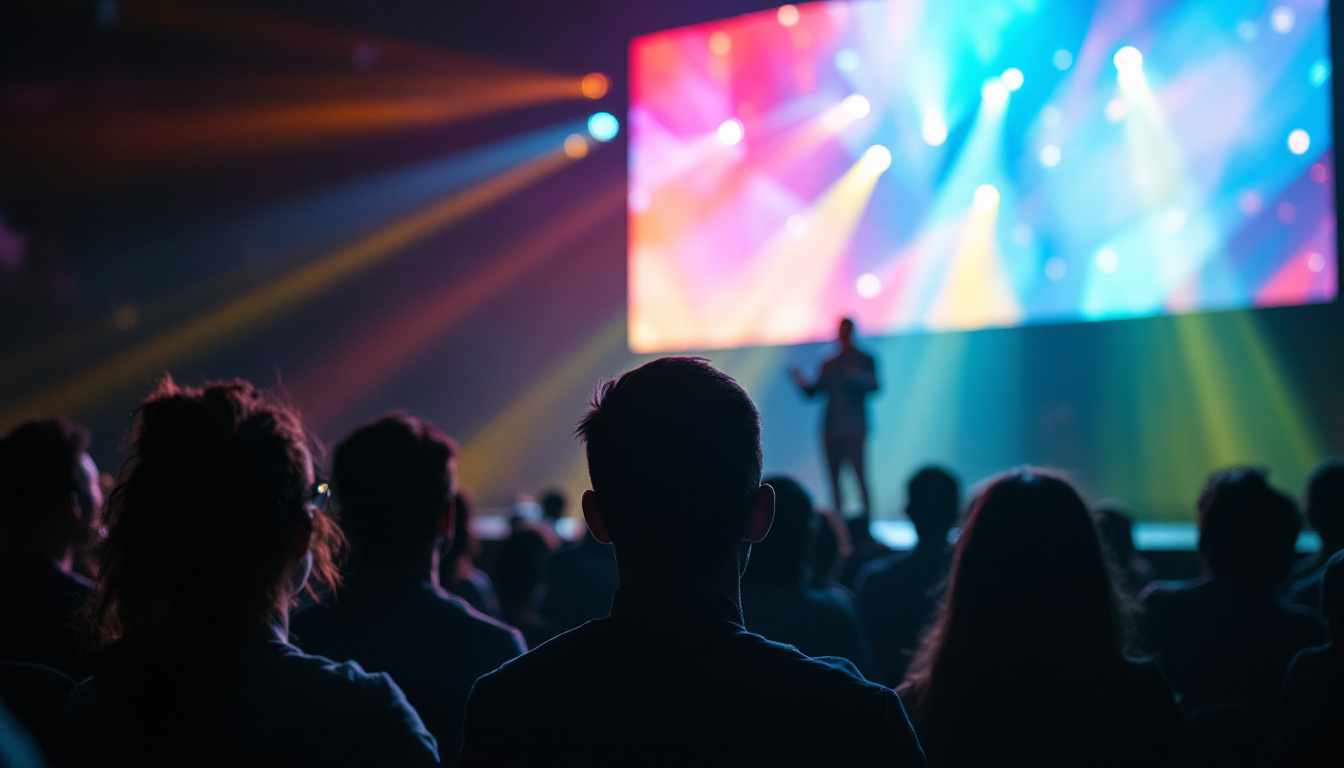
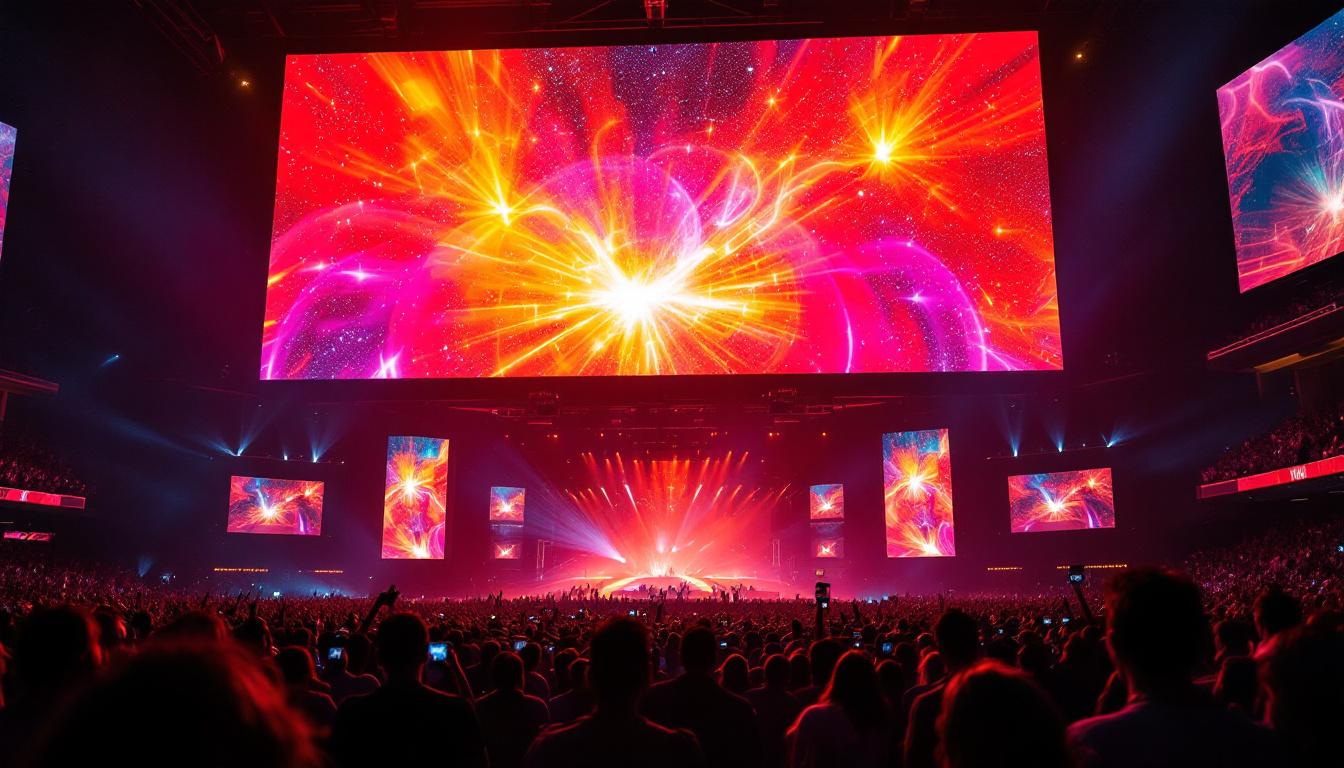
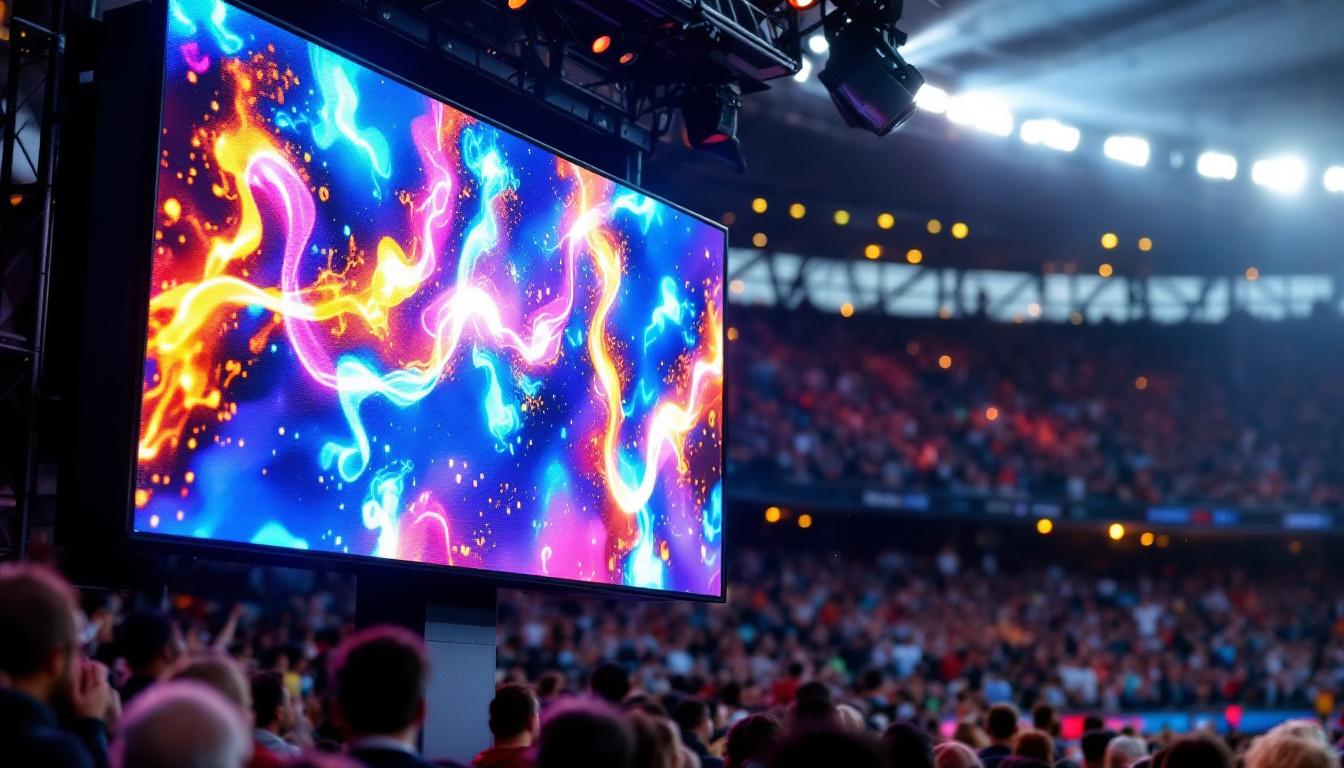
Concerts, festivals, and exhibitions benefit from Flex LED displays by incorporating them into stage designs, backdrops, and interactive installations. Their lightweight and flexible nature make them ideal for temporary setups requiring quick assembly and teardown. Additionally, the high brightness ensures visibility even in bright outdoor conditions.
Architectural Integration
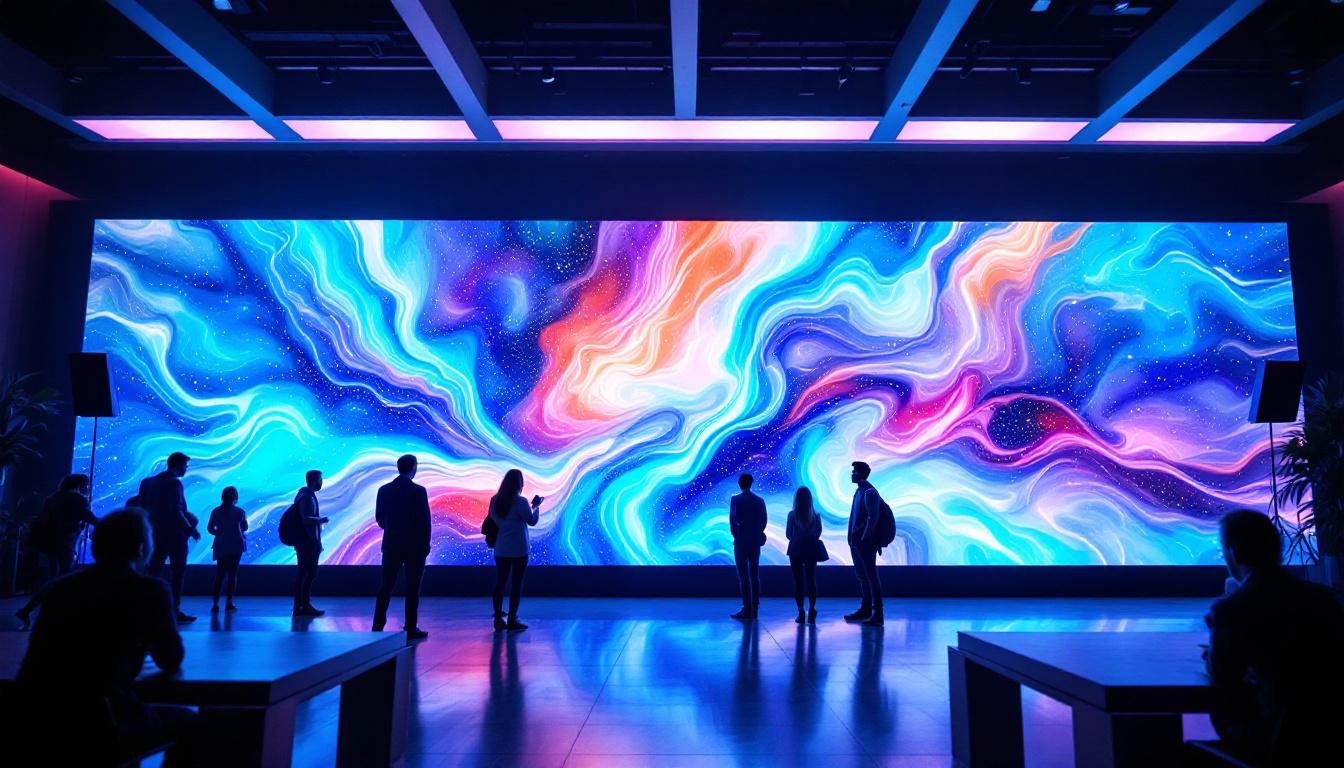
Architects and interior designers integrate Flex LED displays into building designs to create dynamic façades and interior features. These displays can provide real-time information, ambient lighting effects, or artistic visuals that enhance the aesthetic appeal of spaces. For example, museums and galleries use curved LED walls to showcase digital art in innovative ways.
Transportation and Public Spaces
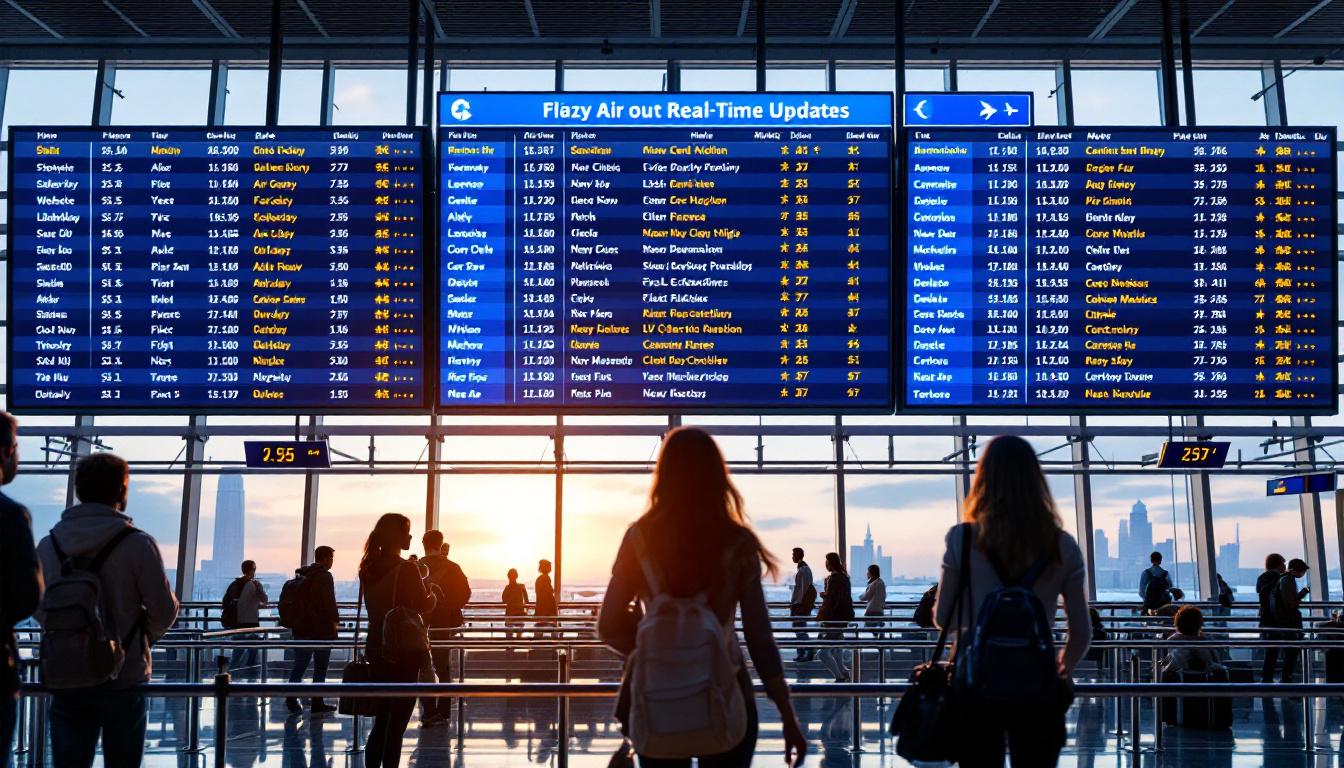
In airports, train stations, and other public venues, Flex LED displays provide flexible information boards and wayfinding systems. Their curved design allows installation on pillars or curved walls, maximizing visibility and space utilization. Additionally, their durability suits high-traffic environments.
Installation and Maintenance Considerations
While Flex LED displays offer numerous benefits, proper installation and maintenance are crucial to maximize their performance and longevity.
Installation Challenges
Because Flex LED displays can bend and curve, installers must carefully plan the mounting structure to ensure the display maintains its shape without overstressing the material. Custom frames or supports are often required, especially for complex shapes.
Electrical connections and signal routing also demand attention, as flexible circuits can be more delicate than rigid ones. Ensuring proper grounding and protection against moisture is essential, particularly for outdoor installations.
Maintenance and Repairs
Flex LED displays generally require less maintenance than traditional LED panels due to their protective encapsulation. However, regular inspections for physical damage, moisture ingress, and signal integrity are recommended.
In case of pixel failures or module damage, repairs can be more challenging due to the flexible nature of the display. Working with experienced technicians familiar with Flex LED technology is advisable to avoid further damage.
Future Trends in Flex LED Display Technology
The Flex LED display market is poised for significant growth, driven by technological advancements and increasing demand for innovative digital signage solutions.
Higher Resolution and Miniaturization
Ongoing research focuses on reducing pixel pitch further, enabling ultra-high-definition flexible displays suitable for close-range viewing. Advances in micro-LED technology promise even greater brightness, color accuracy, and energy efficiency.
Integration with Smart Technologies
Flex LED displays are increasingly being integrated with sensors, cameras, and IoT devices to create interactive and responsive environments. For example, displays can adjust brightness based on ambient light or change content based on audience demographics detected through AI-powered cameras.
Eco-Friendly Materials and Manufacturing
As sustainability becomes a priority, manufacturers are exploring eco-friendly materials and production methods for Flex LED displays. Biodegradable substrates and recyclable components may reduce environmental impact without compromising performance.
Conclusion
Flex LED displays represent a significant leap forward in display technology, combining flexibility, durability, and visual excellence. Their ability to conform to unique shapes and withstand challenging environments opens up a world of possibilities for designers, advertisers, and architects. As technology continues to advance, these displays will become even more versatile, high-resolution, and integrated with smart systems, shaping the future of digital visual communication.
For businesses and creatives looking to make a bold statement or enhance user engagement, Flex LED displays offer a compelling solution that blends innovation with practicality.
Discover the Future of LED Displays with LumenMatrix
Ready to elevate your visual communication and captivate your audience with unparalleled flexibility and clarity? Explore LumenMatrix’s innovative LED display solutions, where cutting-edge technology meets creative design. From vibrant Indoor and Outdoor LED Wall Displays to dynamic Vehicle and Sports LED Displays, LumenMatrix offers a diverse range of products tailored to your unique needs. Immerse viewers with our Floor LED Displays, make a statement with Custom LED Displays, or streamline your message with our All-in-One LED Display options. Experience the revolution in digital signage and take the first step towards transforming your space. Check out LumenMatrix LED Display Solutions today and see your vision come to life.