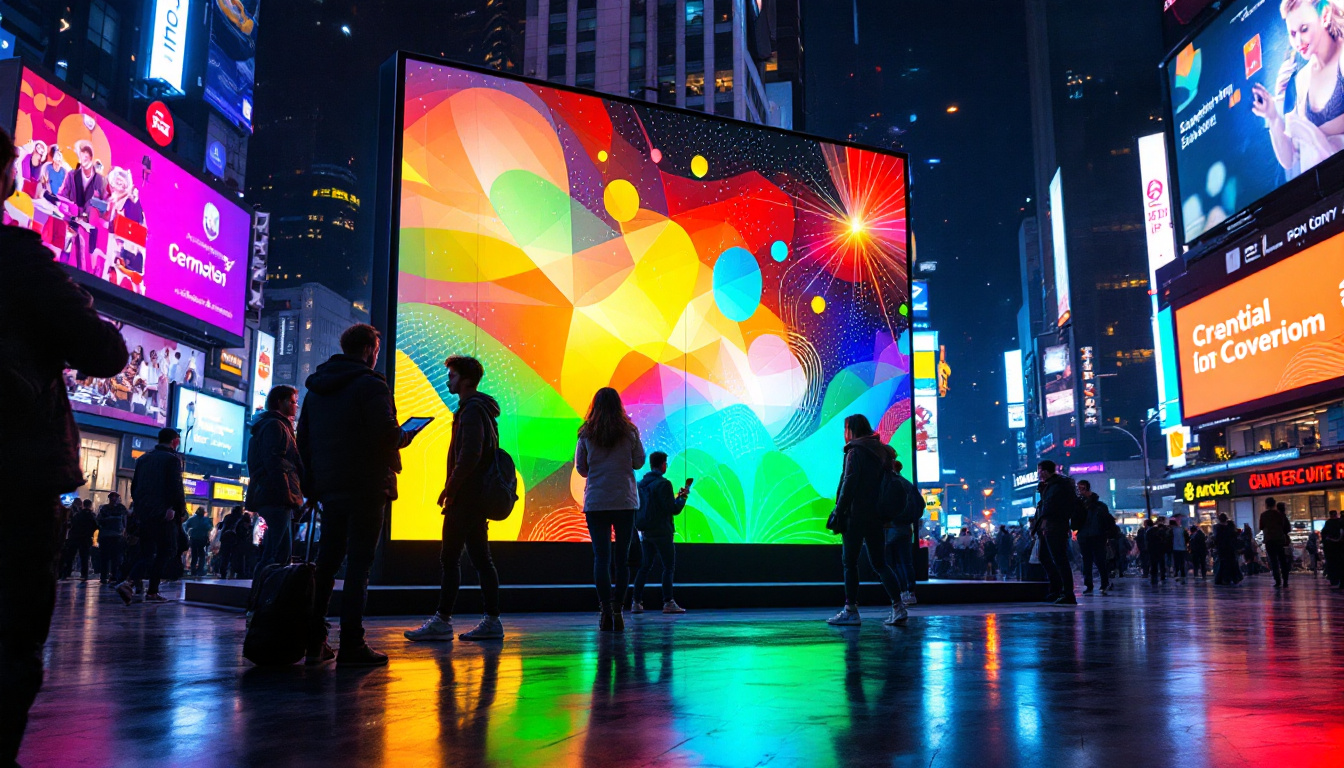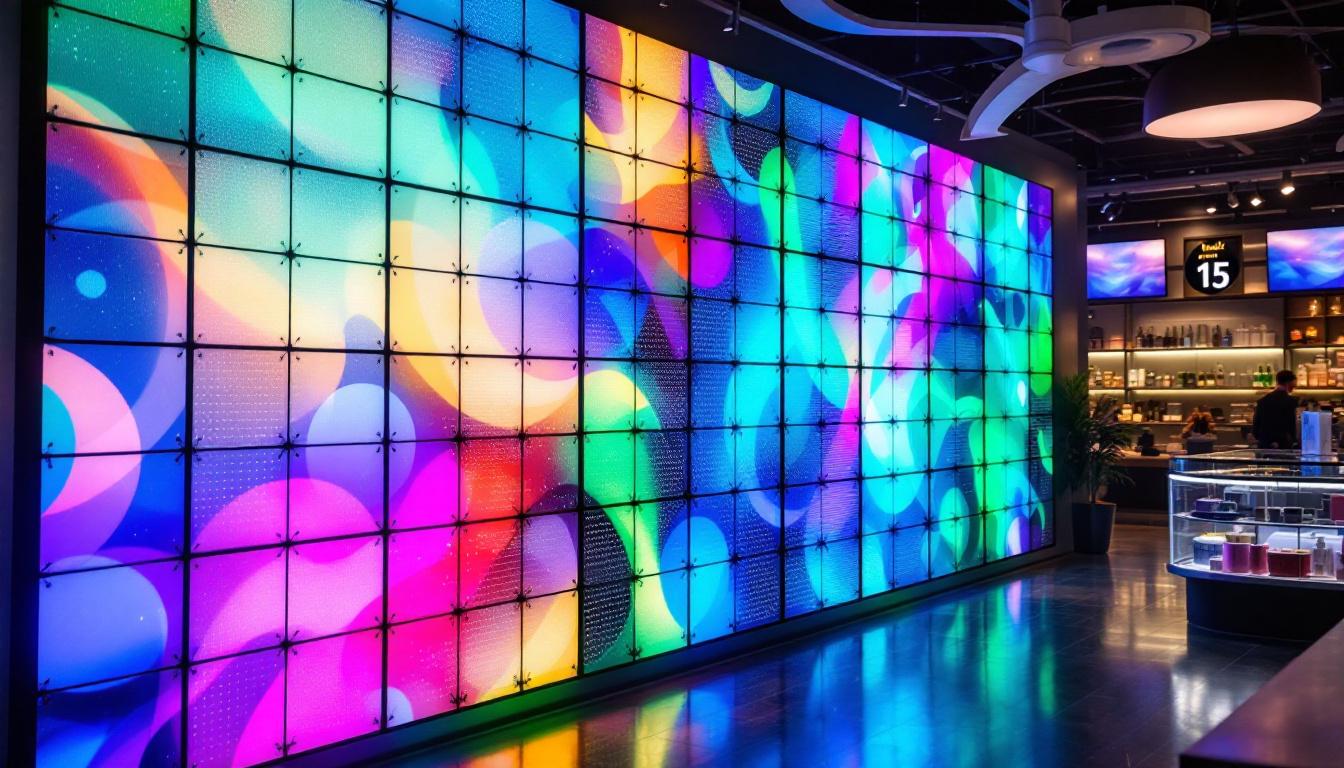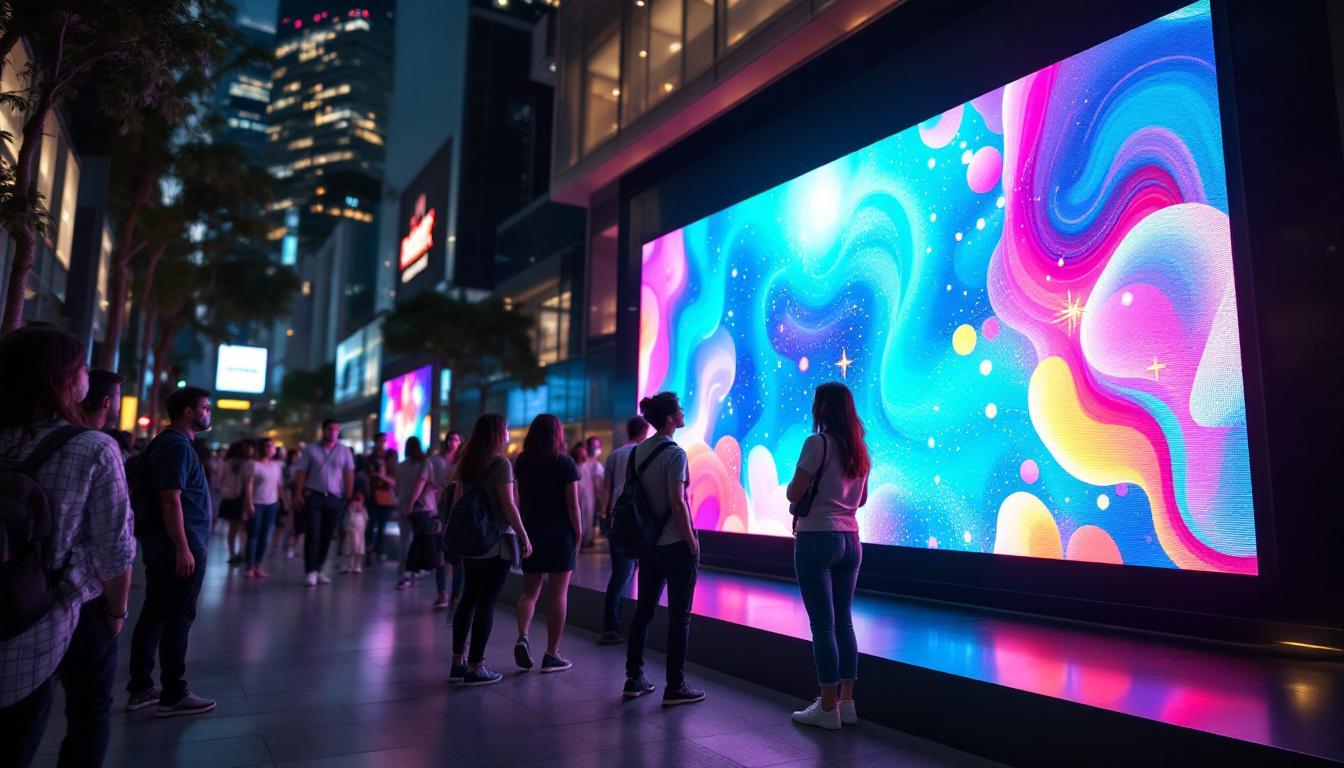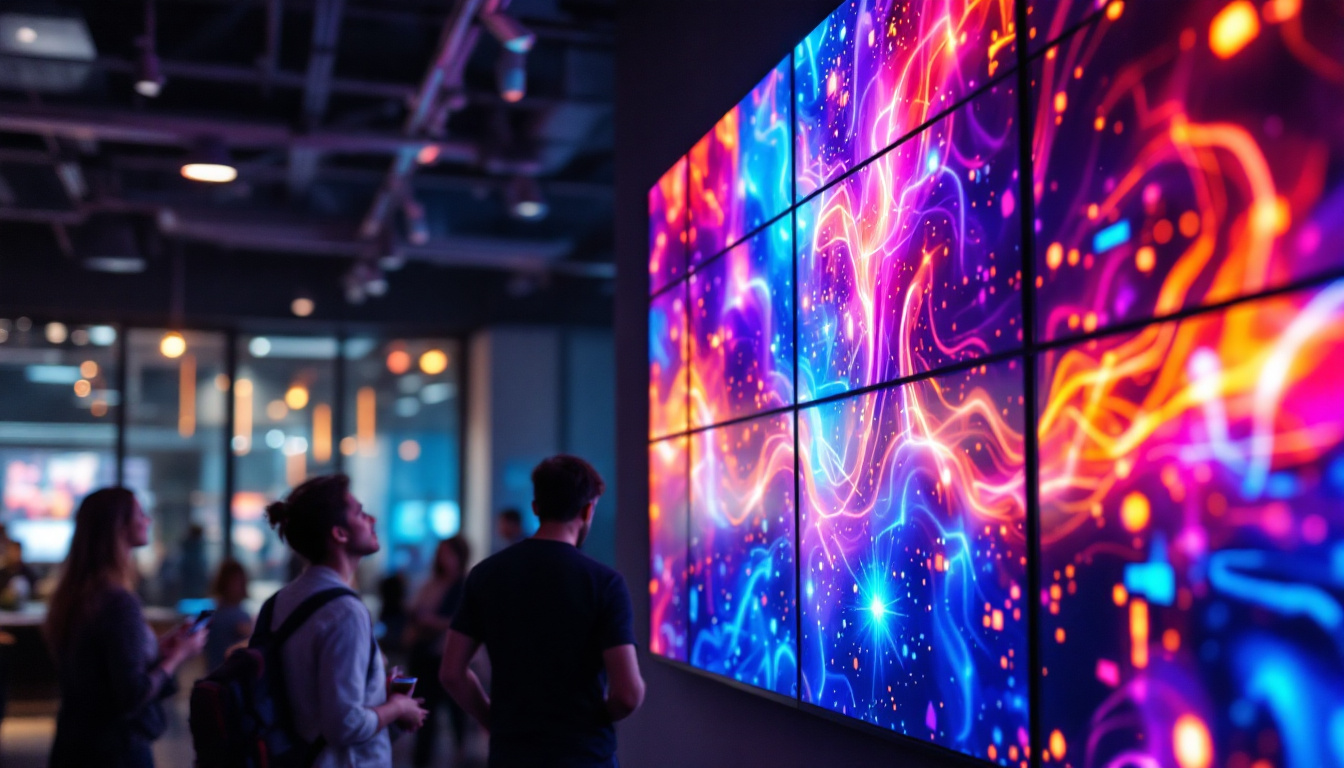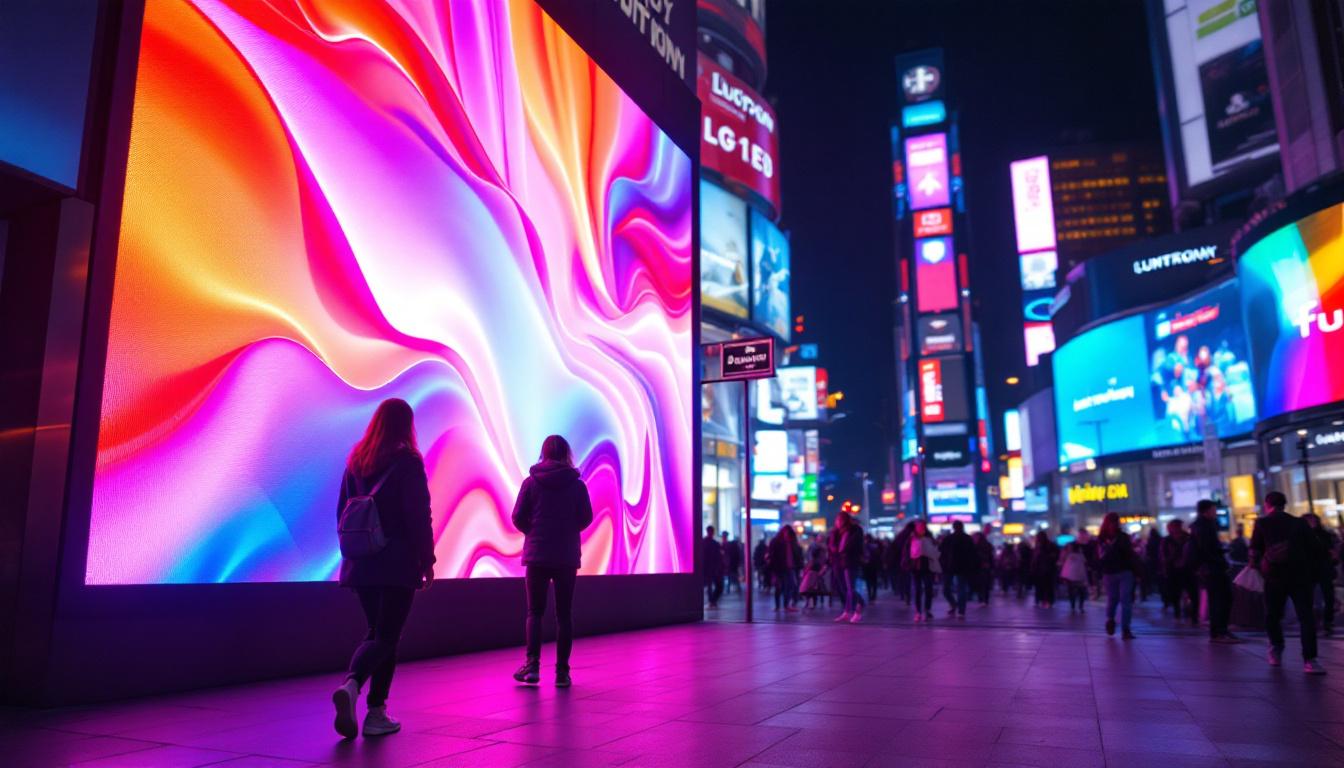
In the rapidly evolving world of digital signage and visual communication, huge LED matrices have become a cornerstone technology. From towering billboards in Times Square to dynamic stadium screens and immersive event backdrops, these massive LED displays captivate audiences with their brightness, clarity, and versatility. But what exactly is a huge LED matrix, how does it work, and why has it become the preferred choice for large-scale displays? This article delves into the technology behind LED matrices, their applications, and the factors that make them so impactful in today’s visual landscape.
Understanding LED Matrix Technology
What Is an LED Matrix?
An LED matrix is essentially a grid of light-emitting diodes (LEDs) arranged in rows and columns to form a display panel. Each LED acts as a pixel or part of a pixel, capable of emitting light in various colors depending on its design. When combined, these LEDs create images, text, or video content that can be viewed from a distance.
Huge LED matrices typically consist of thousands or even millions of these tiny LEDs, meticulously arranged to produce high-resolution visuals. The term “matrix” refers to the systematic grid layout that allows for precise control of each individual LED, enabling complex and dynamic displays. These matrices can be found in a wide array of applications, from large outdoor billboards to intricate indoor signage, showcasing their versatility and adaptability in various environments.
In addition to their visual capabilities, LED matrices are also known for their energy efficiency compared to traditional display technologies. This efficiency not only reduces operational costs but also contributes to a smaller carbon footprint, making them a more sustainable choice for businesses and events. As technology continues to advance, the design and functionality of LED matrices are evolving, leading to even more innovative applications across industries.
How Do LED Matrices Work?
The operation of an LED matrix involves controlling the illumination of each LED to form the desired image or video. This is achieved through a combination of hardware and software components:
- LED Modules: These are the building blocks of the matrix, each containing multiple LEDs arranged in a specific pattern. Modules are combined to create larger panels.
- Driver Circuits: These electronic circuits regulate the current and voltage supplied to each LED, ensuring consistent brightness and color accuracy.
- Control Systems: Software and hardware controllers manage the timing and intensity of each LED, translating digital content into visible output.
By rapidly switching LEDs on and off and adjusting their brightness levels, the matrix can display smooth animations and vibrant images. Modern LED matrices often use pulse-width modulation (PWM) to control brightness, enabling millions of color shades and seamless video playback. This technology allows for a dynamic range of content, from simple text displays to complex animations, making LED matrices an excellent choice for advertising, entertainment, and information dissemination.
Moreover, the integration of smart technology into LED matrices has opened up new possibilities for interactivity. With the use of sensors and connectivity features, these displays can respond to audience engagement, displaying tailored content based on real-time feedback. This capability not only enhances user experience but also provides businesses with valuable insights into consumer behavior and preferences, further driving the evolution of digital signage solutions.
Key Features of Huge LED Matrices
Brightness and Visibility
One of the defining features of huge LED matrices is their exceptional brightness. Unlike traditional LCD or projection displays, LED matrices can achieve luminance levels exceeding 5,000 nits, making them clearly visible even in direct sunlight. This is particularly important for outdoor applications such as billboards, sports arenas, and transportation hubs.
High brightness ensures that the content remains legible and vibrant regardless of ambient lighting conditions, which is a critical factor for advertisers and event organizers aiming to capture attention effectively.
Resolution and Pixel Pitch
The clarity of an LED matrix is largely determined by its resolution and pixel pitch. Resolution refers to the total number of pixels (LEDs) in the display, while pixel pitch is the distance between the centers of two adjacent pixels, usually measured in millimeters.
Smaller pixel pitches mean higher resolution and finer image detail, but they also increase the cost and complexity of the display. For huge LED matrices, a balance is often struck between size, resolution, and viewing distance. For example, a stadium screen might have a pixel pitch of 10mm or more, optimized for viewers hundreds of feet away, whereas indoor displays may use pitches as low as 1.2mm for close-range viewing.
Durability and Weather Resistance
Given their frequent use in outdoor environments, huge LED matrices are designed to withstand harsh weather conditions, including rain, wind, dust, and temperature fluctuations. High-quality LED panels are typically rated with an IP65 or higher certification, indicating strong protection against water and dust ingress.
Durability extends beyond weather resistance; LED matrices are engineered to operate continuously for tens of thousands of hours with minimal maintenance, making them a reliable investment for long-term installations.
Applications of Huge LED Matrices
Advertising and Digital Billboards
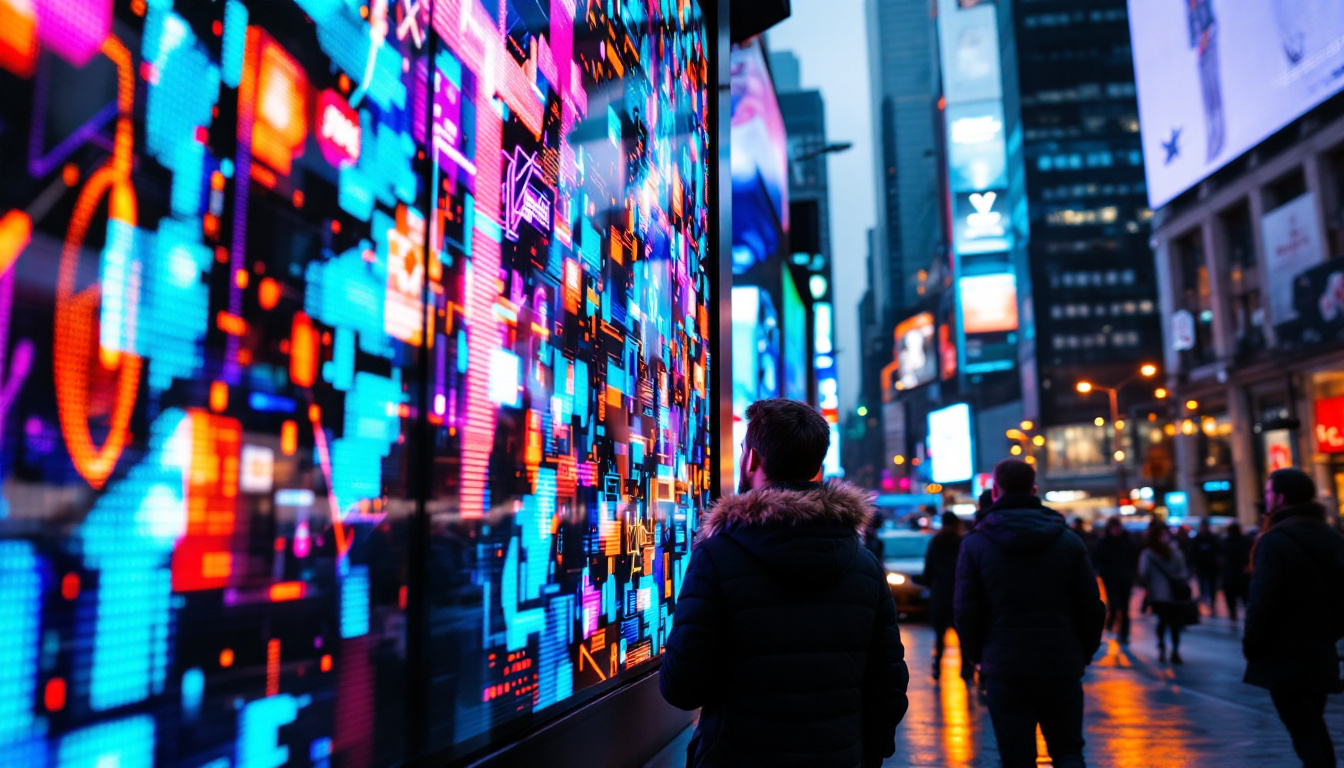
Perhaps the most visible application of huge LED matrices is in outdoor advertising. Digital billboards have revolutionized the marketing industry by allowing dynamic, eye-catching content that can be updated remotely in real time. According to recent industry reports, the global digital billboard market is expected to grow at a compound annual growth rate (CAGR) of over 10% through 2027, driven largely by the adoption of LED technology.
LED matrices enable advertisers to display high-impact visuals, animations, and even interactive content that engages audiences more effectively than static signs. Their brightness and size make them ideal for high-traffic urban areas and highways.
Sports and Entertainment Venues
Massive LED displays have become a staple in sports stadiums and arenas worldwide. They serve multiple purposes, including live game broadcasts, instant replays, scoreboards, and fan engagement through interactive content.
For example, the AT&T Stadium in Texas features one of the largest LED video boards globally, measuring approximately 160 feet wide and 72 feet tall. Such installations enhance the spectator experience by providing clear, vibrant visuals visible from every seat.
Events, Concerts, and Exhibitions
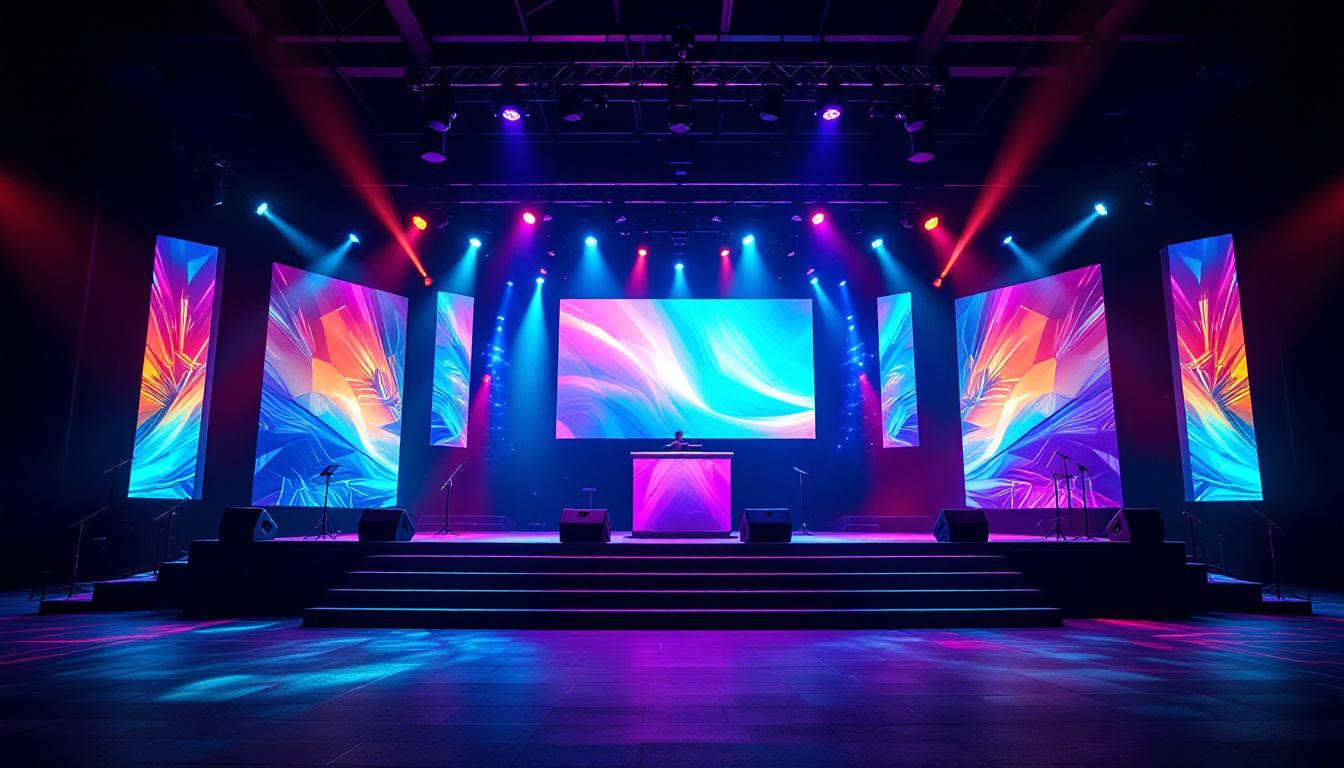
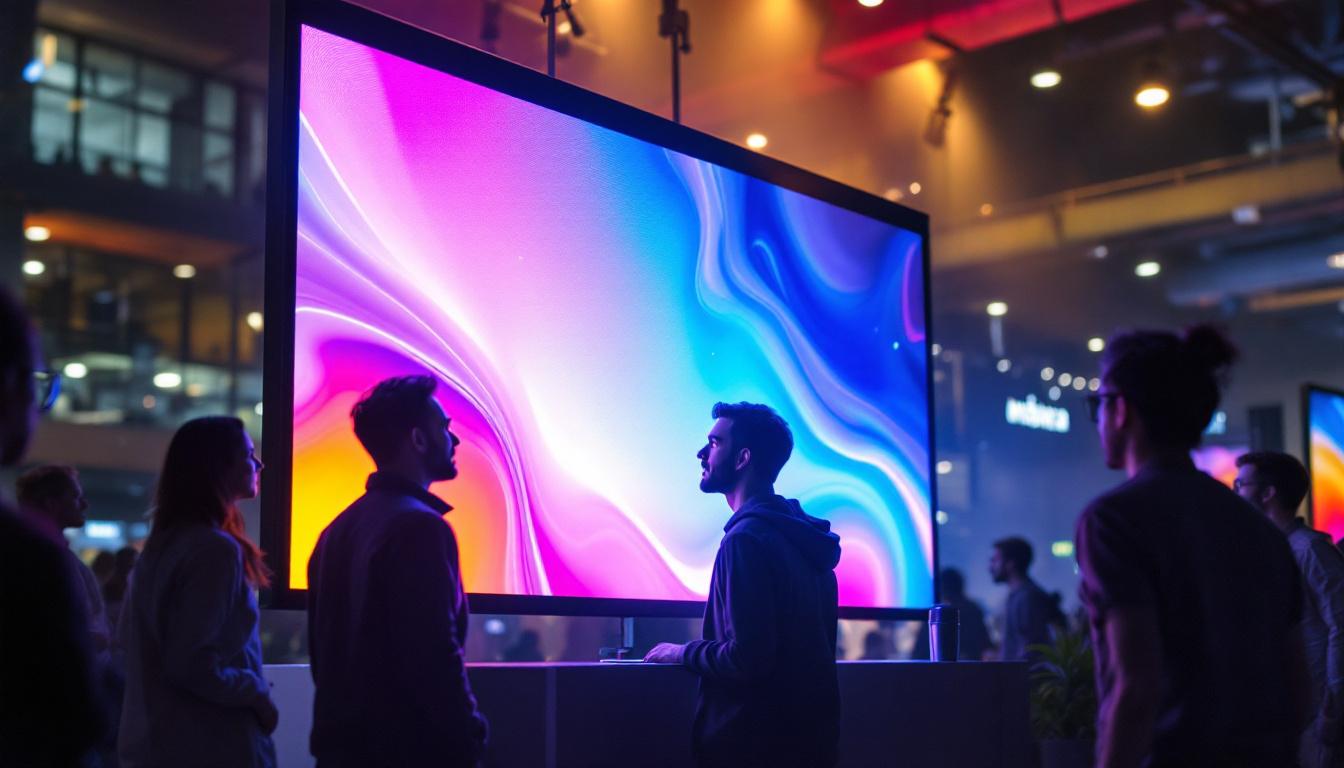
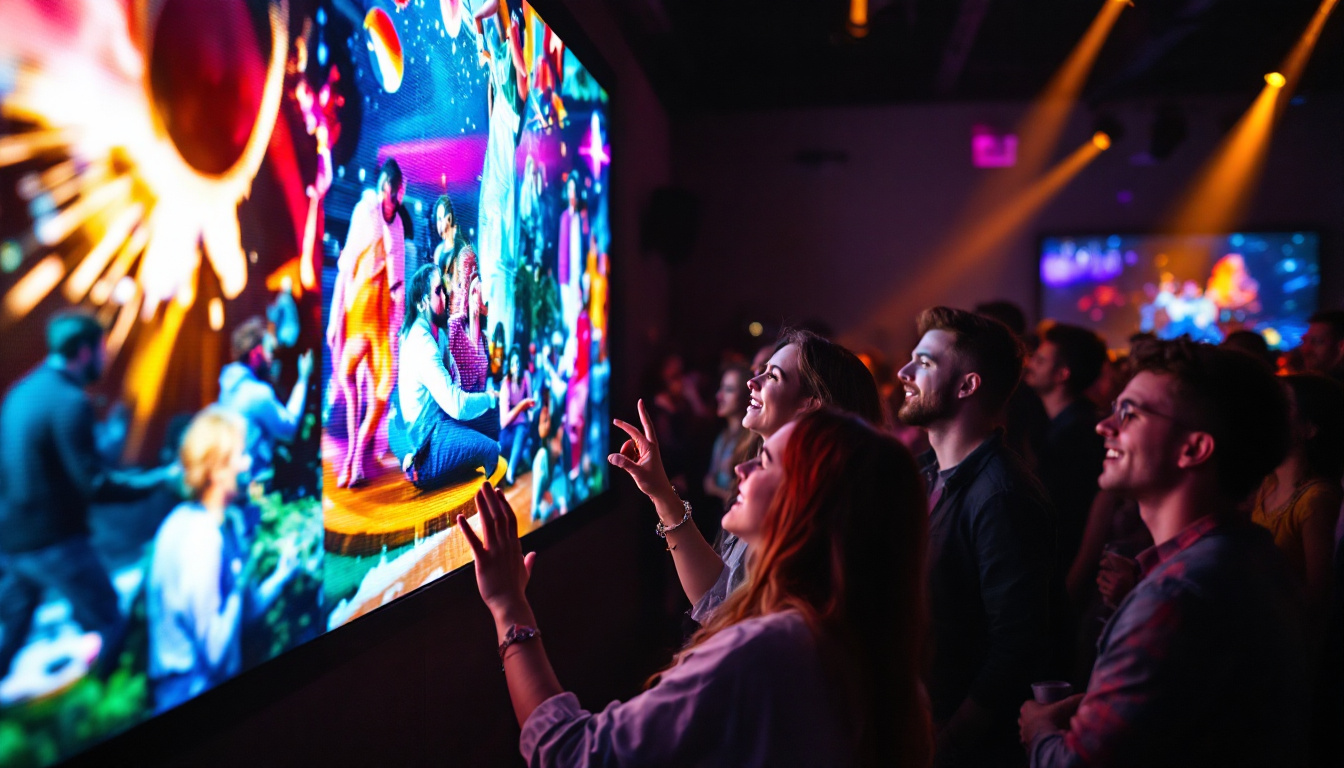
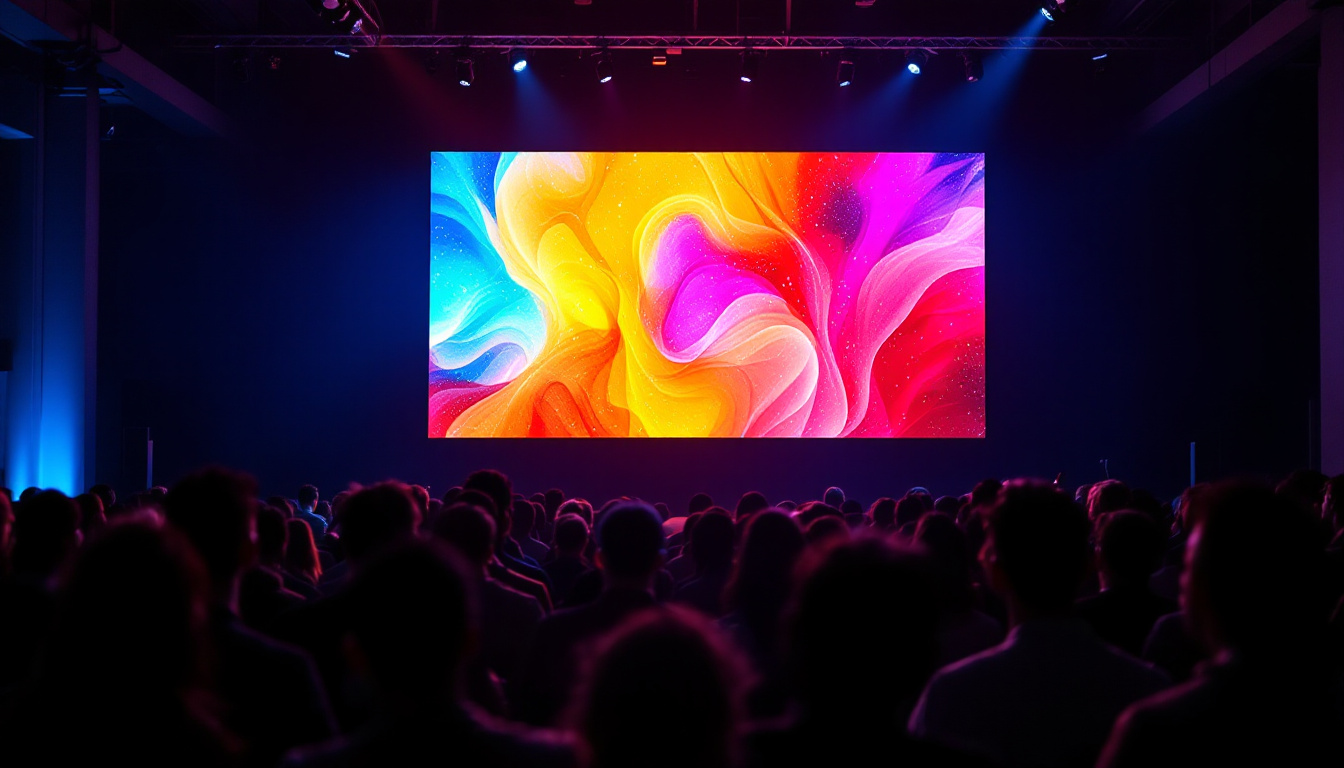
In the entertainment industry, huge LED matrices are used to create immersive stage backdrops and dynamic lighting effects. Their flexibility allows event organizers to tailor visuals to the theme or mood of the performance, enhancing audience engagement.
Trade shows and exhibitions also benefit from LED matrices by showcasing product demos, branding, and interactive content in a visually compelling way that attracts visitors and stands out in crowded environments.
Technical Considerations When Choosing a Huge LED Matrix
Viewing Distance and Pixel Pitch Selection
One of the first considerations when selecting a huge LED matrix is the intended viewing distance. The pixel pitch should be chosen to ensure the image appears sharp and clear from the target audience’s vantage point. For example, a pixel pitch of 10mm is suitable for viewing distances of 30 feet or more, while a pitch of 2.5mm is better for closer viewing.
Incorrect pixel pitch selection can result in images that appear pixelated or blurry, undermining the effectiveness of the display.
Installation Environment
Indoor and outdoor LED matrices have different requirements. Outdoor displays must be weatherproof, have higher brightness levels, and often require specialized mounting solutions to withstand environmental stresses. Indoor displays prioritize higher resolution and color accuracy but operate in controlled environments.
Additionally, considerations such as power supply, ventilation, and accessibility for maintenance play a crucial role in the installation planning process.
Content Management and Control Systems
The ability to manage and update content efficiently is critical for maximizing the value of a huge LED matrix. Modern LED displays come with advanced control systems that support remote content management, scheduling, and integration with various media formats.
Some systems offer real-time data integration, enabling dynamic content such as live news feeds, social media updates, or interactive advertisements. Choosing a control system that matches the user’s technical capabilities and content strategy is essential for smooth operation.
Future Trends in Huge LED Matrix Technology
Miniaturization and Higher Resolutions
Advancements in LED manufacturing continue to push the boundaries of pixel pitch, allowing for even smaller LEDs and higher resolution displays. This trend enables huge LED matrices to deliver near-retina quality visuals, opening new possibilities for indoor and outdoor applications where fine detail is crucial.
Energy Efficiency and Sustainability
With growing emphasis on sustainability, manufacturers are developing LED matrices that consume less power without compromising brightness or color quality. Innovations such as improved LED chip efficiency, smarter power management, and recyclable materials are making huge LED displays more environmentally friendly.
Integration with Smart Technologies
The integration of LED matrices with Internet of Things (IoT) platforms and artificial intelligence (AI) is set to transform digital signage. Smart LED displays can adapt content based on real-time data such as weather, audience demographics, or traffic patterns, enhancing relevance and engagement.
Furthermore, interactive LED walls equipped with sensors and cameras will enable new forms of user interaction, making huge LED matrices not just a display but an interactive experience.
Conclusion
Huge LED matrices represent a powerful convergence of technology, design, and communication. Their ability to deliver bright, high-resolution, and durable displays has made them indispensable in advertising, entertainment, sports, and beyond. Understanding the technical aspects, application scenarios, and future trends of LED matrix technology equips businesses and organizations to make informed decisions that maximize impact and return on investment.
As LED technology continues to advance, the potential for even more immersive and interactive visual experiences grows, promising exciting developments in the way we communicate and engage with audiences on a grand scale.
Illuminate Your Message with LumenMatrix
Ready to elevate your visual communication to new heights? LumenMatrix is at the forefront of LED display innovation, offering a wide range of solutions tailored to your needs. Whether you’re looking to captivate crowds with an Indoor LED Wall Display, make a statement in the open air with an Outdoor LED Wall Display, or drive engagement with a Custom LED Display, LumenMatrix has the technology to bring your vision to life. Experience the future of digital signage and create unforgettable visual experiences. Check out LumenMatrix LED Display Solutions today and transform the way you connect with your audience.