Edge Lighting Vs Direct Lighting TV: LED Display Explained
Choosing the right television can be a complex decision, especially with the variety of display technologies available today. Among the most popular LED TV backlighting methods are edge lighting and direct lighting. Understanding the differences between these two can help consumers make informed choices based on picture quality, design preferences, and budget.
This article delves into the technical aspects of edge lighting and direct lighting TVs, comparing their advantages and disadvantages, and explaining how these technologies impact the viewing experience.
Understanding LED Backlighting in TVs
LED TVs, despite their name, do not emit light directly from the screen pixels themselves. Instead, they use Liquid Crystal Display (LCD) panels that require a backlight to illuminate the image. This backlight is typically provided by Light Emitting Diodes (LEDs), which are energy-efficient and capable of producing bright, vivid images.
The way these LEDs are arranged behind or around the screen defines the backlighting technology. The two main types are edge-lit LED and direct-lit (or full-array) LED backlighting. Each has distinct characteristics that affect picture quality, thickness of the TV, and cost.
Edge-lit LED TVs have LEDs positioned along the edges of the screen, which allows for a thinner profile, making them more aesthetically pleasing and easier to mount on walls. However, this design can lead to uneven brightness and poorer contrast ratios, particularly in darker scenes. On the other hand, direct-lit or full-array LED TVs feature a grid of LEDs distributed evenly behind the screen. This arrangement allows for more precise control over local dimming, enhancing contrast and producing deeper blacks, which is especially beneficial for watching movies in dimly lit environments.
Moreover, advancements in LED technology have introduced features such as HDR (High Dynamic Range) support, which further enhances the viewing experience by allowing for a greater range of colors and brightness levels. With HDR, viewers can enjoy more realistic images that closely mimic what the human eye perceives in real life. As manufacturers continue to innovate, we can expect even more improvements in LED backlighting, including mini-LED and micro-LED technologies, which promise to deliver even finer control over lighting and improved energy efficiency, pushing the boundaries of what is possible in home entertainment.
What is Edge Lighting?
Design and Placement
Edge-lit LED TVs position the LEDs along the edges of the screen, usually on the top, bottom, and sides. The light from these LEDs is then diffused across the entire screen using light guides and optical films to create an evenly lit display.
This design allows manufacturers to produce thinner and lighter TVs, as the backlighting components are confined to the edges rather than behind the entire panel. The innovation in design not only enhances the aesthetic appeal of the television but also makes installation and wall mounting easier, as they are less bulky than traditional backlit models. This sleek design has made edge-lit TVs a popular choice for modern living spaces, where minimalism and style are often prioritized.
Advantages of Edge Lighting
One of the primary benefits of edge-lit TVs is their slim profile. For consumers who prioritize aesthetics and want a sleek, modern look, edge-lit TVs are often more appealing.
Additionally, edge-lit models tend to be more affordable due to simpler manufacturing processes and fewer LEDs required. This makes them attractive for budget-conscious buyers or those looking for a secondary TV. The cost-effectiveness of edge-lit technology has also led to a wider variety of options in the market, allowing consumers to choose from various sizes, brands, and features without breaking the bank. Furthermore, many edge-lit TVs come equipped with smart technology, providing access to streaming services and apps, making them a versatile choice for entertainment.
Limitations and Picture Quality
However, edge lighting can struggle with uniform brightness across the screen. Since the LEDs are only at the edges, light diffusion may not be perfectly even, leading to issues like clouding or uneven brightness, especially in darker scenes.
Moreover, edge-lit TVs typically lack advanced local dimming capabilities, which can limit contrast and black level performance. This can affect the overall picture quality, especially in high dynamic range (HDR) content where deep blacks and bright highlights are essential. In addition, viewers may notice that colors can appear less vibrant in comparison to full-array backlit models, particularly when viewing content in dimly lit environments. As a result, while edge-lit TVs are a great option for casual viewing and general use, those seeking the ultimate cinematic experience may find themselves drawn to more advanced technologies that offer superior picture quality and contrast control.
What is Direct Lighting?
Full-Array LED Backlighting Explained
Direct-lit or full-array LED TVs place LEDs uniformly behind the entire LCD panel. This arrangement provides a more consistent and even backlight across the screen, reducing issues like brightness inconsistencies seen in edge-lit models. The uniform distribution of LEDs allows for a more balanced illumination, which is crucial for maintaining color accuracy and detail across various viewing angles. This technology has evolved significantly, with manufacturers continually refining how these LEDs are placed and controlled to maximize performance.
Many direct-lit TVs incorporate local dimming technology, where individual zones of LEDs can be dimmed or brightened independently. This enhances contrast by allowing darker areas of the screen to appear truly black while maintaining brightness in other areas. For instance, during a nighttime scene in a movie, local dimming can ensure that the dark shadows are deep and rich, while bright elements like stars or streetlights shine vividly, creating a more dynamic and realistic image.
Advantages of Direct Lighting
The primary advantage of direct-lit TVs is superior picture quality. The even backlighting and local dimming capabilities result in better contrast ratios, deeper blacks, and more vivid colors. This makes direct-lit TVs a preferred choice for cinephiles and gamers who demand high performance. With the rise of 4K and 8K content, the benefits of direct lighting become even more pronounced, as the enhanced detail and clarity can be fully appreciated on larger screens. Viewers can enjoy a cinematic experience that closely mimics the quality of a movie theater, right in the comfort of their own homes.
Additionally, direct-lit TVs often handle HDR content more effectively, providing a more immersive viewing experience with greater detail in shadows and highlights. High Dynamic Range (HDR) technology requires a capable backlighting system to deliver the full spectrum of brightness and color. Direct-lit TVs excel in this area, allowing viewers to experience the subtle nuances of color and light that are often lost in lesser displays. This capability is particularly beneficial for nature documentaries and visually stunning films, where the vibrancy and depth of the visuals are paramount.
Drawbacks of Direct Lighting
The main downside is that direct-lit TVs are generally thicker and heavier than edge-lit models due to the placement of LEDs behind the screen. This can impact design aesthetics and make wall mounting more challenging. The bulkier design may not fit seamlessly into every living space, especially in minimalist setups where sleek profiles are preferred. Additionally, the increased weight can necessitate more robust mounting solutions, which may not be readily available for all types of walls.
They also tend to be more expensive because of the increased number of LEDs and more complex manufacturing processes. The cost can be a significant factor for consumers, especially when comparing with edge-lit models that can offer decent performance at a lower price point. However, for those who prioritize image quality and are willing to invest in a premium viewing experience, the benefits of direct lighting often outweigh the drawbacks. As technology progresses, we may see innovations that address these concerns, making direct-lit TVs even more accessible and appealing to a broader audience.
Comparing Edge Lighting and Direct Lighting: Key Factors
Picture Quality
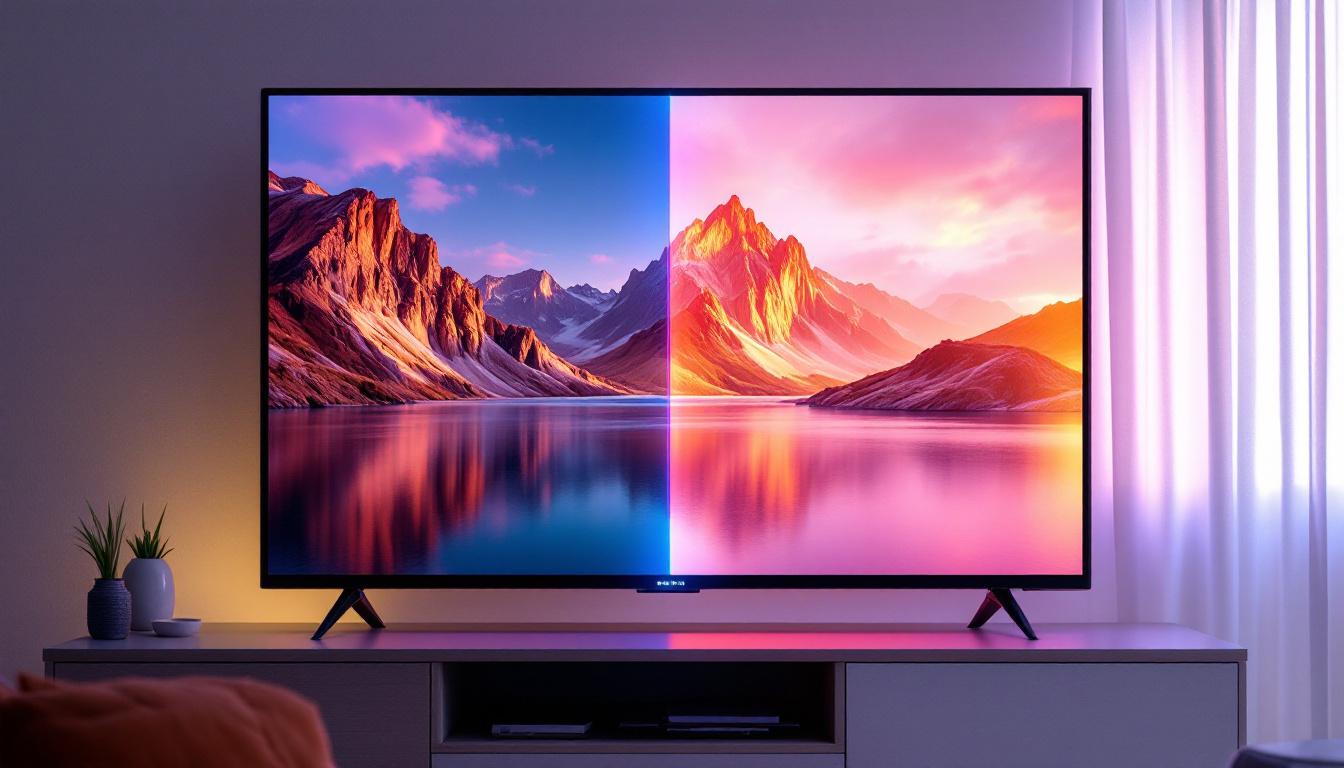
Direct-lit TVs typically outperform edge-lit models in picture quality, especially in terms of contrast and black levels. Local dimming zones in direct-lit TVs allow for more precise control of brightness, which is crucial for HDR content.
Edge-lit TVs can offer decent picture quality but may exhibit issues like light bleed or uneven brightness in dark scenes. However, some high-end edge-lit TVs use advanced light guide technology and local dimming to narrow this gap.
Design and Form Factor
Edge-lit TVs excel in slimness and lightweight design, making them ideal for modern minimalist interiors. Their thin profiles allow for easier wall mounting and less protrusion from the wall.
Direct-lit TVs, while thicker, often feature robust build quality and can include premium materials. The added thickness is a trade-off for enhanced picture performance.
Energy Efficiency
Edge-lit TVs generally consume less power because they use fewer LEDs and have simpler backlighting systems. This can be an important consideration for energy-conscious consumers.
Direct-lit TVs may consume more energy due to the higher number of LEDs and local dimming functions, although modern models have improved efficiency significantly.
Price Considerations
Edge-lit TVs are usually more budget-friendly, making them accessible to a wider range of consumers. They provide good value for everyday viewing needs.
Direct-lit TVs, especially those with full-array local dimming, come at a premium price but justify the cost with superior image quality and performance.
When to Choose Edge Lighting or Direct Lighting TVs
Best Use Cases for Edge-Lit TVs
Edge-lit TVs are suitable for casual viewers who prioritize sleek design and affordability. They work well in brightly lit rooms where extreme contrast performance is less critical.
They are also a good choice for secondary TVs in bedrooms, kitchens, or guest rooms where space and budget constraints are common.
Best Use Cases for Direct-Lit TVs
Direct-lit TVs are ideal for home theater enthusiasts, gamers, and anyone who values high picture quality and immersive viewing experiences.
If watching HDR movies or playing visually demanding games is a priority, investing in a direct-lit TV with local dimming can significantly enhance satisfaction.
Emerging Technologies and Future Trends
LED backlighting technology continues to evolve. Mini-LED backlighting, for example, represents a significant advancement by using thousands of tiny LEDs in a full-array setup. This allows for even more precise local dimming and improved contrast, bridging the gap between traditional LED TVs and OLED displays.
Additionally, some manufacturers are integrating quantum dot technology with both edge-lit and direct-lit designs to boost color accuracy and brightness further.
Understanding these trends can help consumers anticipate future improvements and make more informed purchasing decisions.
Conclusion
Choosing between edge lighting and direct lighting LED TVs ultimately depends on individual preferences, viewing habits, and budget. Edge-lit TVs offer sleek designs and affordability, making them suitable for general use and style-conscious buyers. Direct-lit TVs provide superior picture quality with better contrast and local dimming, catering to those who prioritize an immersive viewing experience.
By understanding the technical differences and practical implications of each backlighting method, consumers can select a TV that best meets their needs and enhances their entertainment experience.
Discover the Future of LED Displays with LumenMatrix
As you consider the advantages of edge lighting and direct lighting for your next TV, imagine the possibilities with LumenMatrix’s innovative LED display technology. LumenMatrix is at the forefront of creating displays that bring your visual experience to life, whether it’s through an Indoor LED Wall Display for your living room or an Outdoor LED Wall Display for your business. With a variety of solutions like Vehicle LED Displays, LED Sports Displays, and even Custom LED Displays, LumenMatrix is dedicated to revolutionizing the way you engage with digital content. Elevate your viewing experience and check out LumenMatrix LED Display Solutions today to see how we can transform your space with clarity, color, and impact.