In the rapidly evolving world of display technology, the spherical monitor stands out as a fascinating innovation. Unlike traditional flat screens, spherical monitors offer a curved, globe-like viewing surface that promises immersive experiences across various applications. Central to this technology is the use of LED displays, which provide the brightness, color accuracy, and flexibility needed to bring spherical visuals to life.
This article explores the concept of spherical monitors, delves into the role of LED displays in their construction, and highlights their potential impact on industries ranging from entertainment to scientific visualization.
Understanding Spherical Monitors: What Are They?
Defining the Spherical Monitor
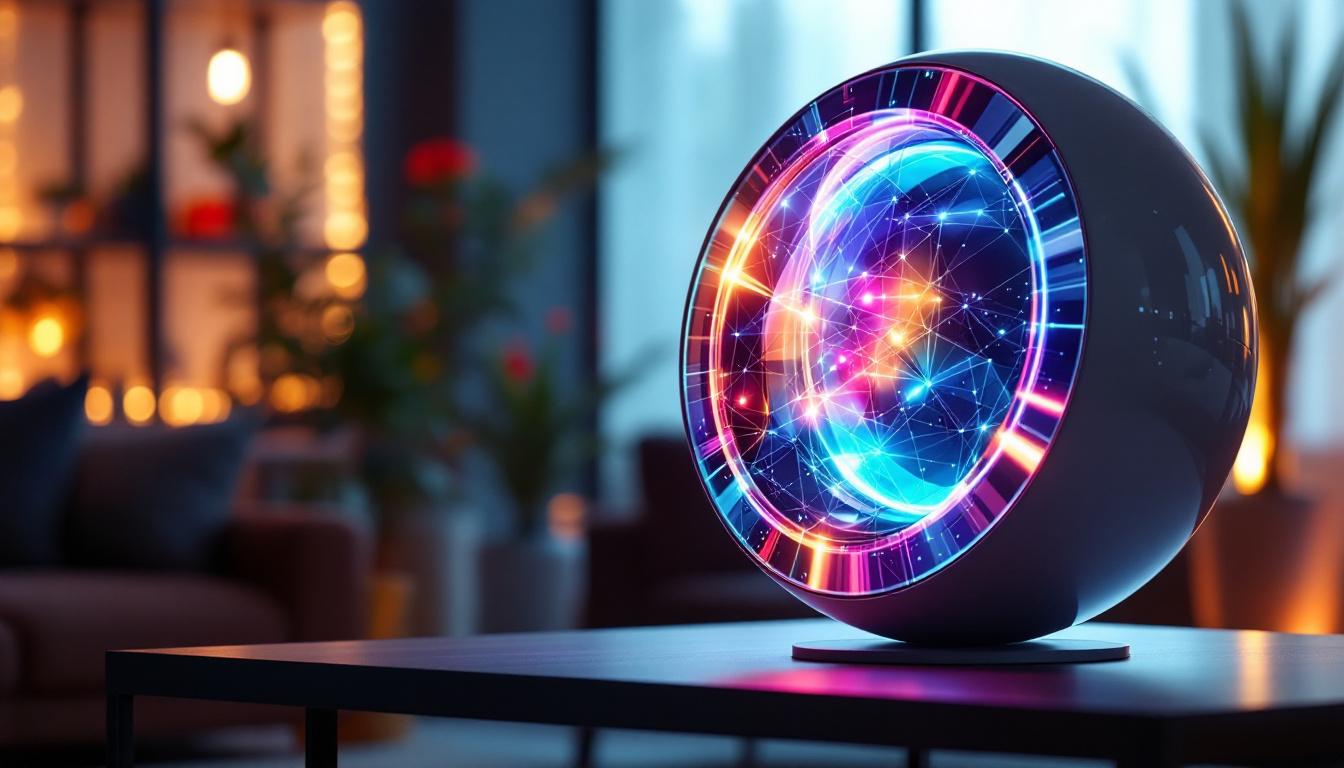
A spherical monitor is a display device designed with a curved, three-dimensional surface that approximates the shape of a sphere or a dome. Unlike conventional flat-panel monitors or even curved screens, spherical monitors wrap the visual content around a rounded surface, offering a panoramic and immersive viewing experience.
This design allows users to perceive content in a more natural and encompassing way, mimicking the way human vision works by filling a wider field of view. Spherical monitors can range in size from small desktop models to large-scale installations used in public spaces or research centers. The unique curvature of these monitors enhances the depth perception of images, making them particularly effective for applications in virtual reality, gaming, and simulation environments.
Moreover, the spherical shape can significantly enhance collaborative experiences, as multiple viewers can engage with the content from various angles without losing image quality. This feature makes spherical monitors ideal for educational settings, where groups can gather around the display to explore complex subjects like astronomy or biology in a more interactive manner.
Historical Context and Evolution
The concept of spherical displays is not entirely new. Early attempts at curved or dome-shaped projections date back to planetarium domes and immersive theater experiences. However, these were typically projection-based rather than direct-view displays.
The advancement of LED technology, flexible substrates, and sophisticated display controllers has enabled the creation of high-resolution, direct-view spherical monitors. These developments have transformed the spherical monitor from a niche concept into a viable product with practical applications. In recent years, industries such as healthcare and aerospace have begun to adopt these monitors for training simulations, where the ability to visualize complex data in a 360-degree format can enhance understanding and retention.
Additionally, the integration of augmented reality (AR) and virtual reality (VR) technologies with spherical monitors has opened new avenues for interactive experiences. For example, in architectural design, professionals can use spherical displays to visualize buildings and landscapes in a more holistic manner, allowing clients to experience a space before it is constructed. This synergy between spherical monitors and cutting-edge technologies is paving the way for innovative applications across various fields, from entertainment to scientific research.
The Role of LED Technology in Spherical Displays
Why LED Displays Are Ideal for Spherical Monitors
Light Emitting Diode (LED) technology is a cornerstone of modern display systems. LEDs offer several advantages that make them particularly suitable for spherical monitors:
- Flexibility: Modern LED modules can be manufactured on flexible substrates, allowing them to conform to curved surfaces without compromising performance.
- Brightness and Contrast: LEDs provide high brightness levels and excellent contrast ratios, essential for visibility in various lighting conditions.
- Color Accuracy: LED displays can produce vibrant and precise colors, enhancing the realism of spherical visuals.
- Durability: LEDs have long lifespans and are robust against environmental factors, making them suitable for both indoor and outdoor spherical monitors.
These characteristics collectively enable spherical monitors to deliver vivid, immersive imagery that traditional display technologies struggle to achieve. The ability to maintain high performance across diverse environments means that spherical displays can be utilized in a variety of settings, from art installations to corporate presentations. This versatility is a significant factor in their growing popularity, as they can adapt to different applications while still providing an engaging visual experience.
Types of LED Technologies Used
Several LED technologies are employed in spherical monitors, each with its own strengths:
- MicroLED: MicroLEDs are tiny, self-emissive LEDs that offer exceptional brightness, energy efficiency, and pixel density. Their small size makes them ideal for high-resolution spherical displays.
- MiniLED: MiniLED technology uses smaller LEDs than traditional ones, allowing for improved local dimming and contrast. This technology is often used in spherical monitors requiring high dynamic range (HDR).
- Flexible LED Modules: These modules are designed to bend and curve, enabling the creation of spherical shapes without gaps or distortions.
The choice of LED technology depends on the intended use case, budget, and size of the spherical monitor. For instance, MicroLED technology is increasingly favored in applications that demand the highest resolution and color fidelity, such as in virtual reality and augmented reality environments. Meanwhile, MiniLEDs are gaining traction in the entertainment industry, where dynamic visuals and deep contrasts are crucial for immersive storytelling. Additionally, the development of flexible LED modules has opened new avenues for creative display designs, allowing artists and designers to push the boundaries of conventional screen shapes and sizes.
Applications of Spherical Monitors with LED Displays
Immersive Entertainment and Gaming
Spherical monitors offer a new frontier in immersive entertainment. By surrounding the viewer with a continuous image, these displays create a sense of presence that flat screens cannot match.
In gaming, spherical monitors can provide a 270-degree or even 360-degree field of view, allowing players to experience virtual worlds more naturally. This can enhance situational awareness and engagement, particularly in simulation and VR-adjacent experiences.
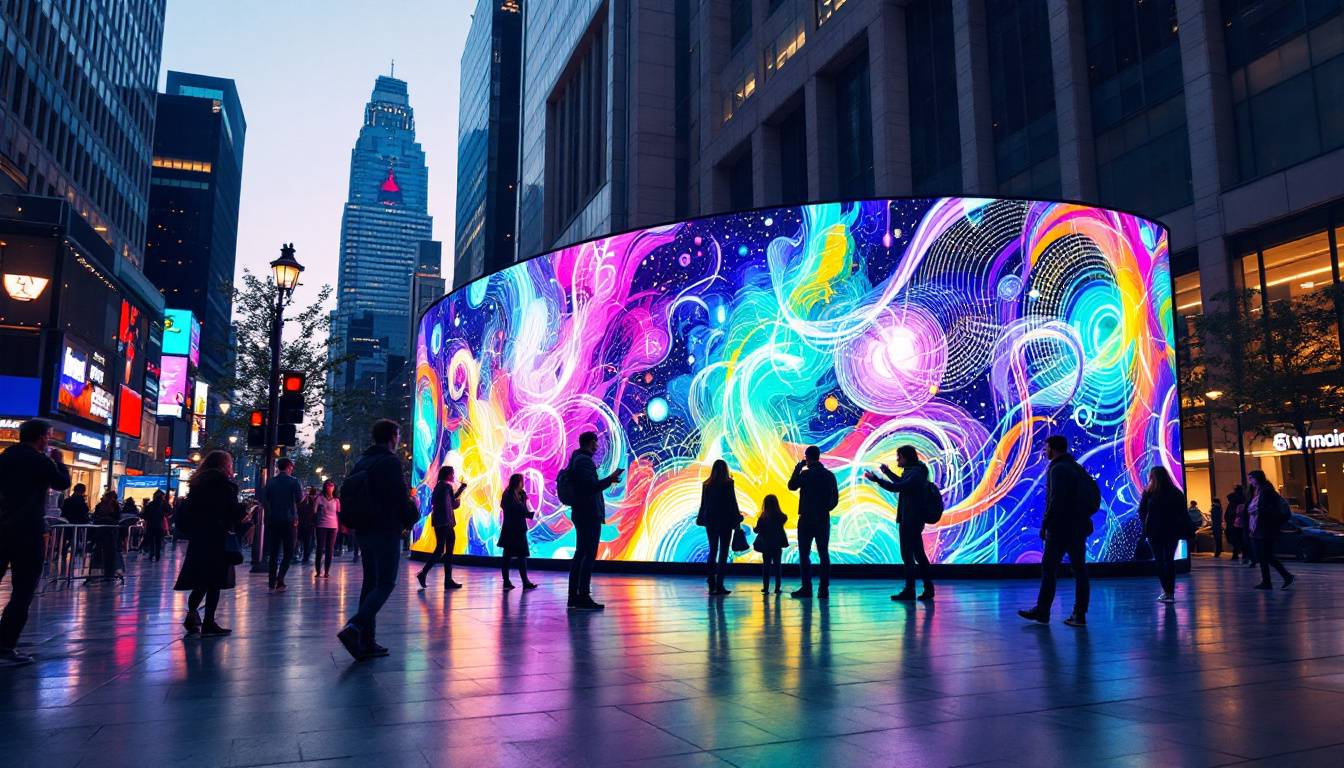
Event venues and theme parks are also adopting spherical LED displays for immersive shows and interactive exhibits, captivating audiences with dynamic, wrap-around visuals.
Scientific Visualization and Education
In scientific research and education, spherical monitors serve as powerful tools for visualizing complex data. For example, geospatial data, astronomical simulations, and molecular models benefit from spherical displays that represent information in a spatially accurate manner.
Planetariums have long used dome projections, but spherical LED monitors offer higher resolution and brightness, improving the clarity and detail of educational content. This technology supports collaborative learning environments where multiple viewers can engage with the content simultaneously.
Professional and Industrial Use Cases
Industries such as aerospace, defense, and automotive design leverage spherical monitors for simulation and training. Pilots and drivers can use spherical displays to replicate real-world environments with high fidelity, improving training outcomes.
In control rooms and command centers, spherical monitors provide comprehensive situational awareness by displaying multiple data streams in a unified, curved format. This helps operators make faster, more informed decisions.
Technical Challenges and Solutions in Spherical LED Displays
Addressing Pixel Mapping and Distortion
One of the primary technical challenges in spherical monitors is ensuring that the displayed image is free from distortion. Because the display surface is curved, traditional pixel mapping techniques used for flat screens can result in warped or stretched images.
Advanced image processing algorithms and custom content creation are necessary to compensate for the curvature. These solutions involve geometric correction, where the source image is pre-distorted in such a way that it appears correct when displayed on the spherical surface.
Seamless Module Integration
Constructing a spherical monitor requires assembling numerous LED modules into a continuous surface. Achieving seamless integration without visible gaps or brightness inconsistencies is critical for maintaining image quality.
Manufacturers use precision engineering and calibration techniques to align LED modules accurately. Additionally, uniform brightness and color calibration across modules ensure a consistent viewing experience.
Heat Management and Power Efficiency
LED displays generate heat during operation, which can be exacerbated in spherical monitors due to their compact and enclosed designs. Effective thermal management is essential to maintain performance and prolong the lifespan of the display.
Innovations in heat dissipation, such as integrated cooling systems and materials with high thermal conductivity, help address this challenge. Furthermore, advances in LED efficiency reduce power consumption and heat generation.
The Future of Spherical Monitors and LED Displays
Emerging Trends and Innovations
As LED technology continues to advance, spherical monitors are poised to become more accessible and versatile. Developments in flexible OLEDs and microLEDs promise even higher resolutions and thinner, lighter displays.
Artificial intelligence and machine learning are also being integrated into display systems to optimize image rendering and adapt content dynamically based on viewer position and ambient conditions.
Potential Market Growth
The global market for curved and spherical displays is expected to grow significantly in the coming years. According to industry reports, the immersive display market could reach several billion dollars by 2030, driven by demand in entertainment, education, and professional sectors.
As production costs decrease and technology matures, spherical monitors may become commonplace in homes, offices, and public spaces, transforming how people interact with digital content.
Challenges to Widespread Adoption
Despite the promising outlook, several hurdles remain. High manufacturing costs, content creation complexities, and the need for specialized software can slow adoption.
Moreover, user ergonomics and comfort must be carefully considered, especially for prolonged use. Continued research and development will be essential to overcome these barriers and unlock the full potential of spherical LED monitors.
Conclusion
Spherical monitors equipped with LED displays represent a cutting-edge intersection of design and technology. By offering immersive, high-quality visuals wrapped around a curved surface, they open new possibilities in entertainment, education, and industry.
While challenges persist, ongoing advancements in LED technology, image processing, and manufacturing are steadily addressing these issues. As a result, spherical monitors are set to become a transformative display medium, reshaping how people experience digital content in the years ahead.
Discover the Future of Immersive Displays with LumenMatrix
Ready to elevate your visual experience to the next level? LumenMatrix, a pioneer in LED display technology, invites you to explore our comprehensive range of innovative LED solutions. From Indoor and Outdoor LED Wall Displays to Custom and All-in-One LED Displays, our products are designed to captivate your audience and amplify your message. Experience the revolution in visual communication and let LumenMatrix help you create unforgettable visual experiences. Check out LumenMatrix LED Display Solutions today and see the difference for yourself.