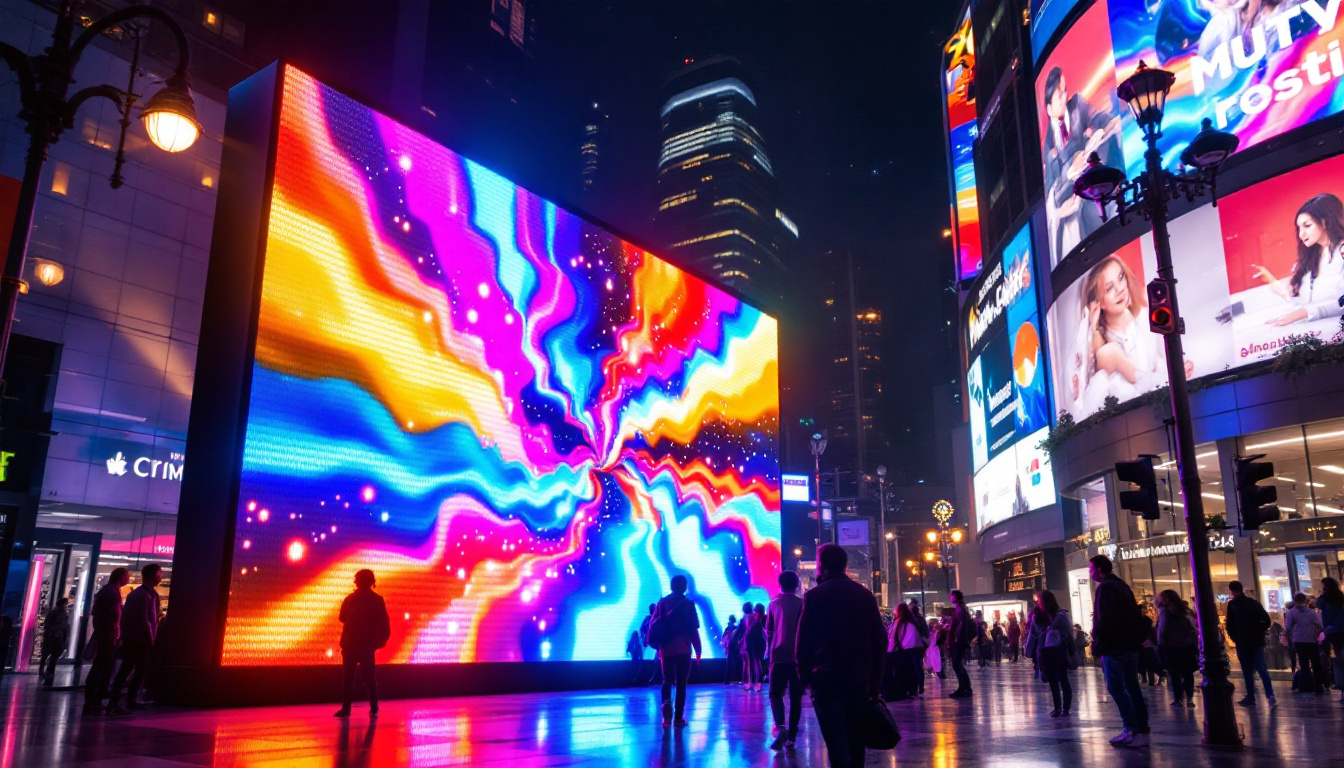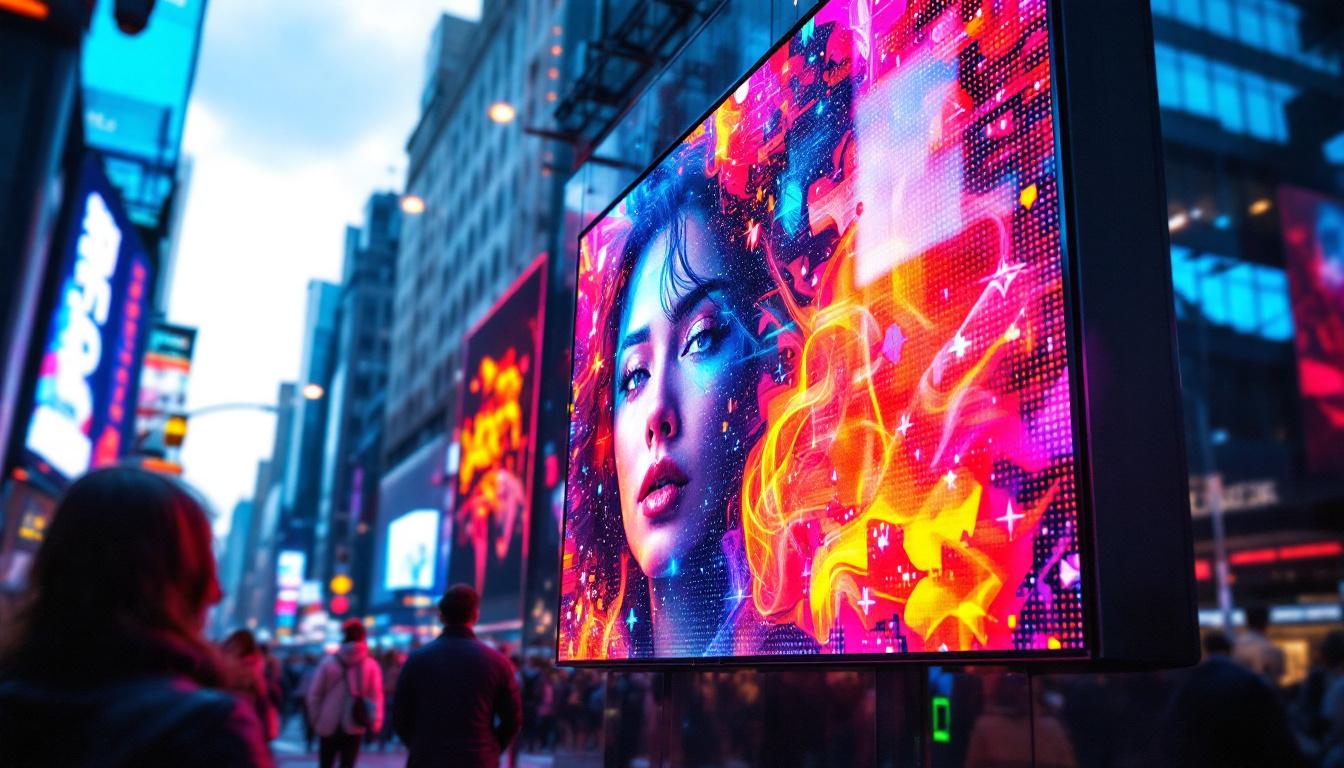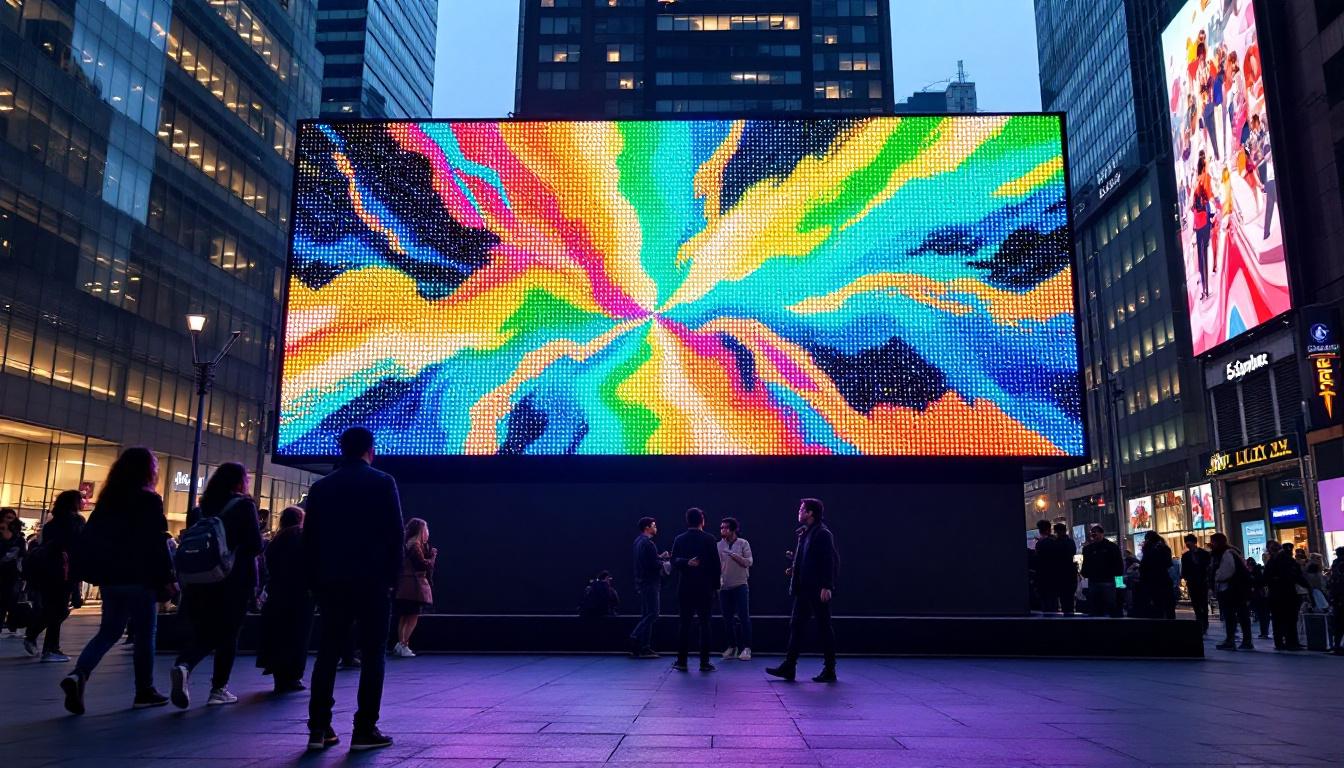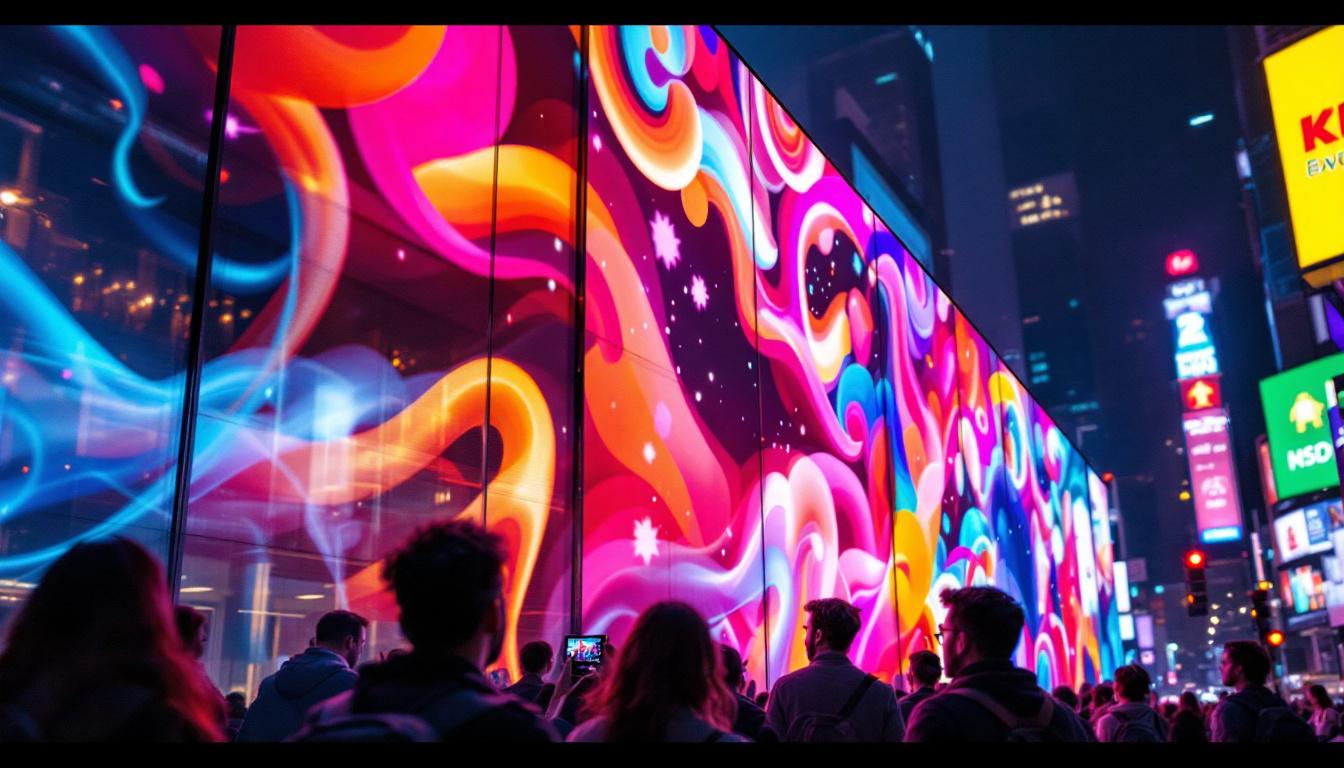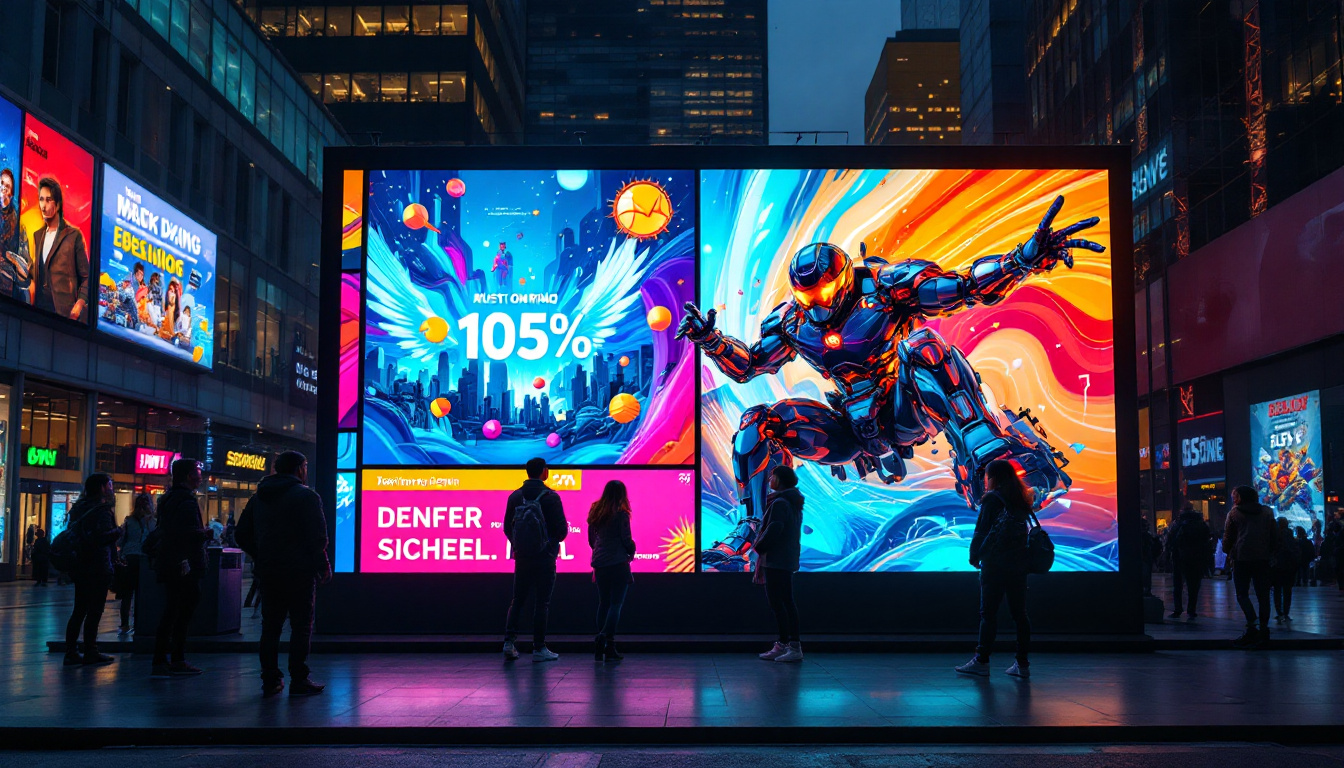
In the dynamic world of advertising, capturing attention quickly and effectively is paramount. Among the many tools available to marketers and businesses, LED displays have emerged as a powerful medium for delivering vibrant, eye-catching messages. From towering billboards in urban centers to interactive retail signage, LED technology is reshaping how brands communicate with their audiences.
This article provides a comprehensive exploration of LED advertising displays—how they work, their advantages, types, and practical applications. Whether you are a marketer, business owner, or technology enthusiast, understanding the nuances of LED displays can help you leverage this technology to its fullest potential.
What Are LED Displays?
LED stands for Light Emitting Diode, a semiconductor device that emits light when an electric current passes through it. LED displays are composed of thousands, sometimes millions, of these tiny diodes arranged in a matrix to create images, videos, and text. Unlike traditional display technologies such as LCD or neon signs, LEDs offer superior brightness, energy efficiency, and longevity.
LED displays can be found in various formats, ranging from small indoor screens to massive outdoor billboards. Their modular design allows for flexible shapes and sizes, enabling creative advertising solutions tailored to specific environments and audiences.
How LED Displays Work
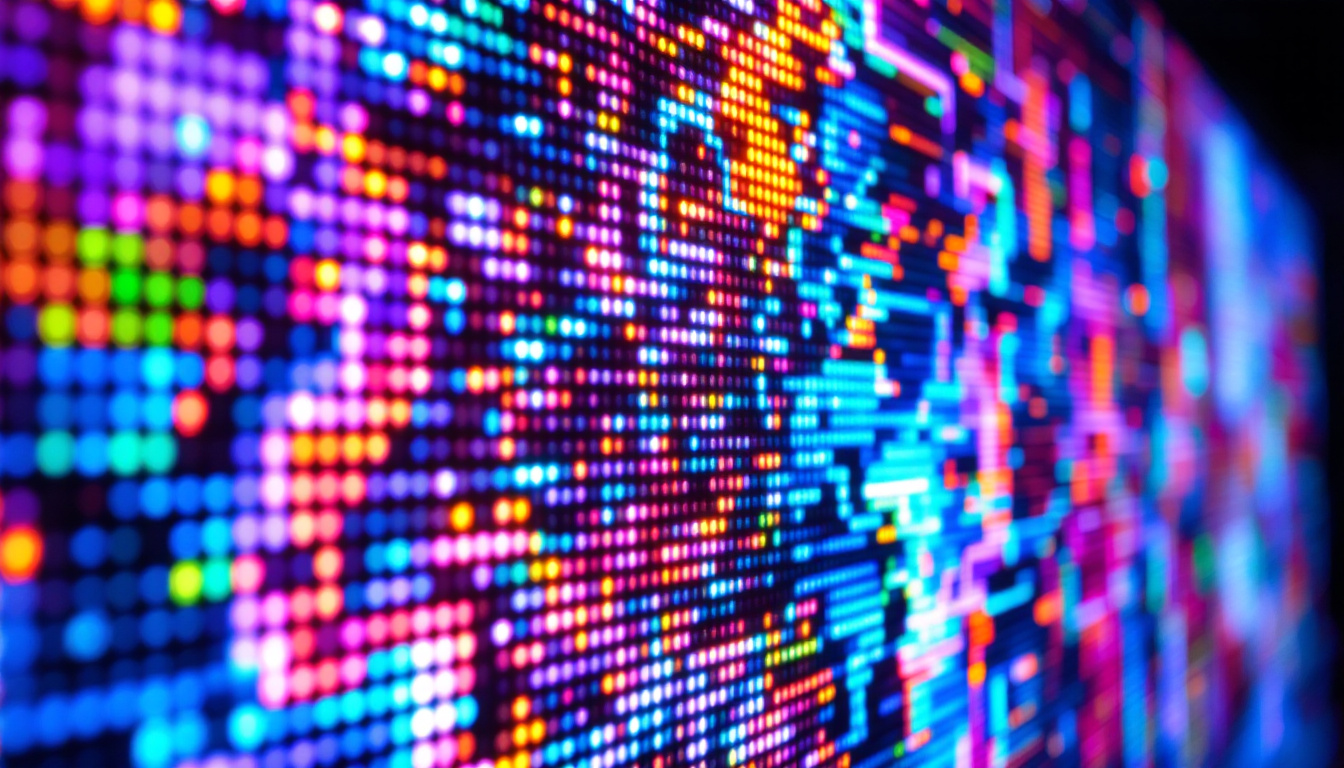
At the core of an LED display is a grid of pixels, each made up of red, green, and blue LEDs. By adjusting the intensity of each color, the display can produce a wide spectrum of colors, enabling vivid and dynamic imagery. The display is controlled by a processing unit that receives input from a computer or media player, translating digital content into signals that drive the LEDs.
Modern LED displays often incorporate advanced technologies such as pixel pitch optimization, high refresh rates, and brightness sensors to enhance image quality and adapt to ambient lighting conditions. These features ensure that content remains clear and engaging regardless of viewing distance or time of day.
Advantages of LED Advertising Displays
LED displays offer several compelling benefits that make them an attractive choice for advertising purposes. These advantages extend beyond mere aesthetics, impacting cost-efficiency, flexibility, and audience engagement.
High Brightness and Visibility
One of the most significant advantages of LED displays is their brightness. LEDs can produce intense light levels, making them easily visible even in direct sunlight. This feature is crucial for outdoor advertising, where competing environmental light conditions can diminish the effectiveness of other display types.
For example, a study by the Outdoor Advertising Association of America (OAAA) highlights that LED billboards can be up to 10 times more visible than traditional static billboards during daylight hours, significantly increasing the chances of capturing passerby attention.
Energy Efficiency and Longevity
Compared to incandescent or fluorescent lighting, LEDs consume far less power while delivering superior brightness. This energy efficiency translates into lower operating costs, an important consideration for businesses running large or multiple displays continuously.
Additionally, LEDs have a longer lifespan—often exceeding 50,000 hours—reducing maintenance frequency and replacement costs. This durability makes LED displays a sound long-term investment for advertisers.
Dynamic and Flexible Content
Unlike static billboards, LED displays can showcase dynamic content, including animations, videos, real-time updates, and interactive elements. This flexibility allows advertisers to tailor messages based on time of day, weather, or audience demographics, enhancing relevance and engagement.
For instance, retail stores can use LED displays to promote flash sales or update pricing in real-time, while event venues can display schedules and announcements dynamically, improving the overall customer experience.
Wide Viewing Angles and Scalability
LED displays typically offer wide viewing angles, ensuring that content remains clear and undistorted from various perspectives. This characteristic is essential for public spaces where viewers approach from multiple directions.
Moreover, LED displays are modular, meaning they can be scaled up or down by adding or removing panels. This scalability enables the creation of custom-sized installations, from small indoor signs to massive outdoor video walls spanning hundreds of square meters.
Types of LED Advertising Displays
LED advertising displays come in several types, each suited to different applications and environments. Understanding these types helps businesses select the right solution for their advertising goals.
Indoor LED Displays
Indoor LED displays are designed for environments such as retail stores, airports, conference centers, and corporate offices. These displays typically have a smaller pixel pitch (the distance between individual LEDs) to provide high-resolution images at close viewing distances.
Indoor LED screens are often used for digital signage, product promotions, informational displays, and event backdrops. Their brightness levels are optimized for indoor lighting conditions, ensuring clear visibility without causing glare or discomfort.
Outdoor LED Displays
Outdoor LED displays are built to withstand harsh weather conditions, including rain, wind, and extreme temperatures. They feature higher brightness levels to combat sunlight and are housed in robust enclosures for protection.
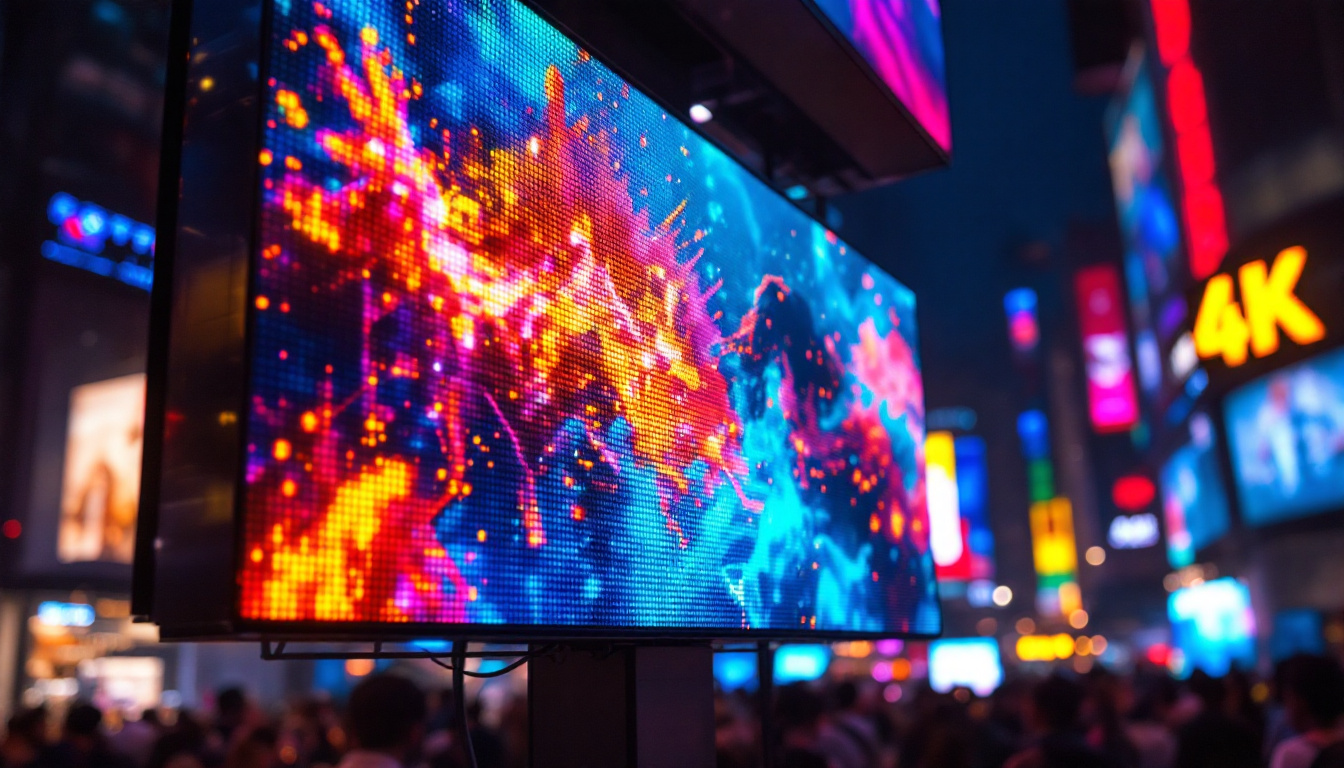
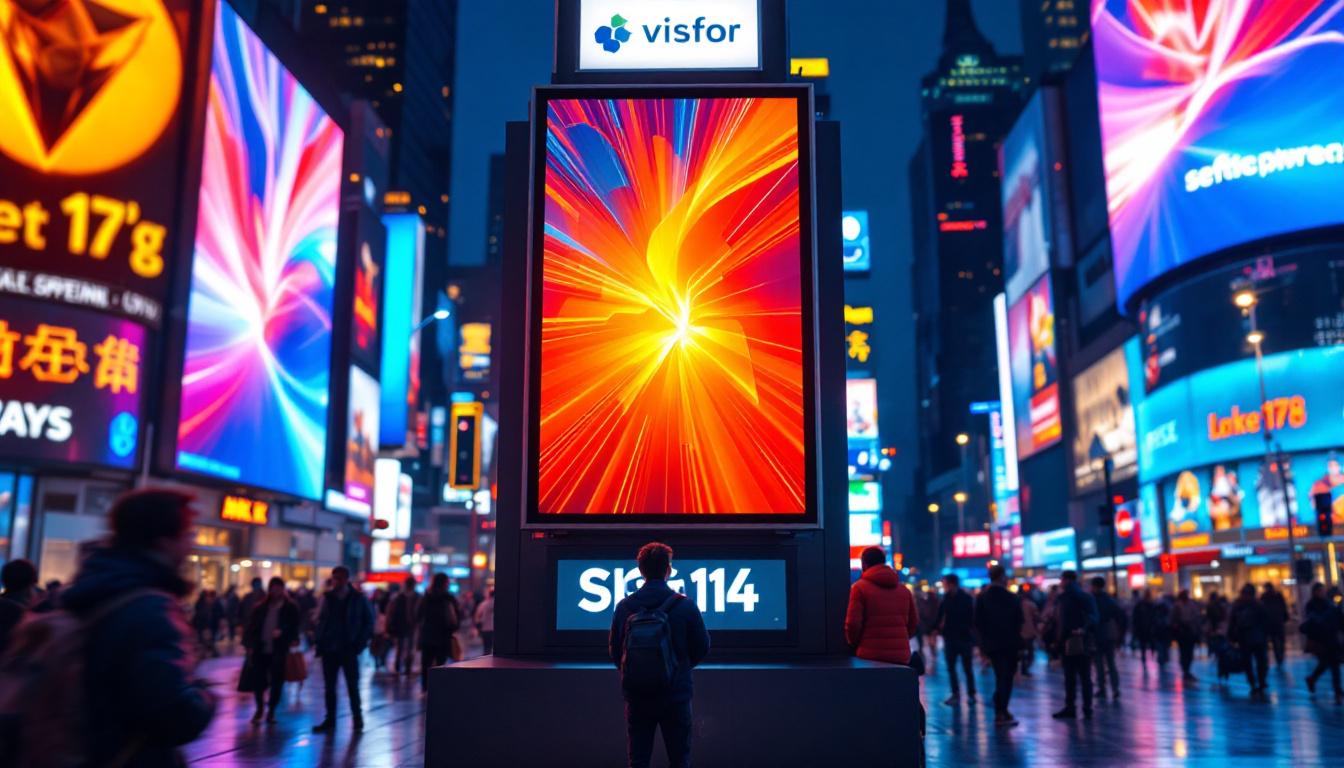
Common applications include roadside billboards, stadium screens, transportation hubs, and building facades. Outdoor LED displays often have larger pixel pitches, as viewers tend to be farther away, allowing for cost-effective large-scale installations.
Transparent LED Displays
Transparent LED displays are an innovative variation that integrates LEDs into glass panels, allowing light to pass through while displaying digital content. This technology is ideal for storefront windows, allowing businesses to maintain natural light and visibility while advertising simultaneously.
These displays blend seamlessly with architectural designs and can be used for promotional campaigns, branding, or artistic installations without obstructing views.
Flexible and Curved LED Displays
Advances in LED technology have enabled the creation of flexible and curved displays that can conform to unique shapes and surfaces. This adaptability opens new creative possibilities for advertising, such as wrapping columns, curved walls, or vehicle exteriors.
Flexible LED displays are particularly popular in experiential marketing and events, where immersive and unconventional installations can enhance brand storytelling.
Practical Applications of LED Advertising Displays
LED displays have transformed advertising across multiple sectors, offering innovative ways to engage audiences and amplify brand presence.
Retail and Shopping Centers
In retail environments, LED displays attract customers’ attention and influence purchasing decisions. Digital signage featuring dynamic promotions, product highlights, and interactive content can increase foot traffic and sales conversion rates.
According to a Nielsen study, digital signage can boost in-store sales by up to 30%, with LED displays playing a significant role due to their brightness and clarity. Retailers also benefit from the ability to update content instantly, keeping promotions fresh and relevant.
Transportation and Public Spaces
Transportation hubs such as airports, train stations, and bus terminals utilize LED displays for wayfinding, scheduling, and advertising. The high visibility and real-time update capabilities make LED displays ideal for these fast-paced environments.
Public spaces like city squares and stadiums also use large-scale LED video walls for event broadcasting, public announcements, and brand sponsorships, creating memorable experiences for attendees.
Events and Entertainment
Concerts, festivals, and sports events rely heavily on LED displays to deliver live video feeds, advertisements, and interactive content. The ability to create immersive visual environments enhances audience engagement and opens new revenue streams through advertising partnerships.
For example, major sporting events often feature LED perimeter boards around fields, providing dynamic advertising opportunities that can be tailored to different markets and sponsors.
Corporate and Educational Settings
Corporations use LED displays in lobbies, conference rooms, and trade shows to communicate brand messages and share information. Educational institutions employ LED screens for announcements, digital noticeboards, and interactive learning tools.
The versatility and professionalism of LED displays make them valuable assets for internal communication and external branding alike.
Key Considerations When Choosing LED Advertising Displays
Selecting the right LED display involves evaluating several factors to ensure the investment aligns with strategic objectives and operational requirements.
Pixel Pitch and Resolution
The pixel pitch determines the resolution and clarity of the display. Smaller pixel pitches offer higher resolution and are suitable for close viewing distances, while larger pixel pitches are cost-effective for long-range visibility.
Choosing the appropriate pixel pitch depends on the intended location and audience proximity. For example, an indoor retail display might use a 1.5mm pixel pitch, whereas an outdoor billboard might use 10mm or more.
Brightness and Environmental Conditions
Brightness levels must be sufficient to ensure visibility under ambient lighting conditions. Outdoor displays require higher brightness (often exceeding 5,000 nits) to remain legible in sunlight, while indoor displays typically operate at 800-1,200 nits.
Environmental factors such as weather, temperature, and dust also influence the choice of enclosure and protective features.
Content Management and Software
Effective content management systems (CMS) are essential for scheduling, updating, and monitoring LED display content. Many modern LED solutions offer cloud-based CMS platforms that enable remote control and real-time analytics.
Choosing user-friendly and scalable software ensures that content can be managed efficiently, maximizing the impact of advertising campaigns.
Installation and Maintenance
Proper installation affects the display’s performance and longevity. Factors such as mounting structure, power supply, and ventilation must be carefully planned.
Maintenance considerations include ease of access for repairs, availability of replacement parts, and technical support. Investing in quality installation and support services helps avoid downtime and costly disruptions.
The Future of LED Advertising Displays
LED technology continues to evolve rapidly, with innovations enhancing performance, interactivity, and sustainability. Emerging trends include the integration of artificial intelligence for personalized advertising, augmented reality overlays, and ultra-thin, lightweight panels that expand installation possibilities.
Moreover, advancements in energy-efficient LEDs and recyclable materials are addressing environmental concerns, making LED advertising displays not only effective but also responsible choices for the future.
As consumer expectations shift towards immersive and engaging experiences, LED displays will remain at the forefront of advertising innovation, offering brands unparalleled opportunities to connect with their audiences.
Conclusion
LED advertising displays represent a transformative technology in the advertising landscape. Their brightness, flexibility, and dynamic capabilities provide businesses with powerful tools to capture attention and communicate messages effectively. By understanding the types, advantages, and practical applications of LED displays, marketers and business owners can make informed decisions that maximize their advertising impact.
As technology advances and consumer engagement evolves, LED displays will continue to play a pivotal role in shaping the future of advertising, offering vibrant, adaptable, and sustainable solutions for brands worldwide.
Discover LumenMatrix LED Display Solutions
Ready to elevate your advertising strategy with the latest in LED technology? Look no further than LumenMatrix, a pioneer in crafting LED display modules that bring your brand to life. From the bustling streets to the heart of your business, our diverse range of solutions including Indoor and Outdoor LED Wall Displays, Vehicle LED Displays, and more, are designed to captivate and engage. Embrace the future of visual communication with LumenMatrix and transform how you connect with your audience. Check out LumenMatrix LED Display Solutions today and start creating unforgettable visual experiences.