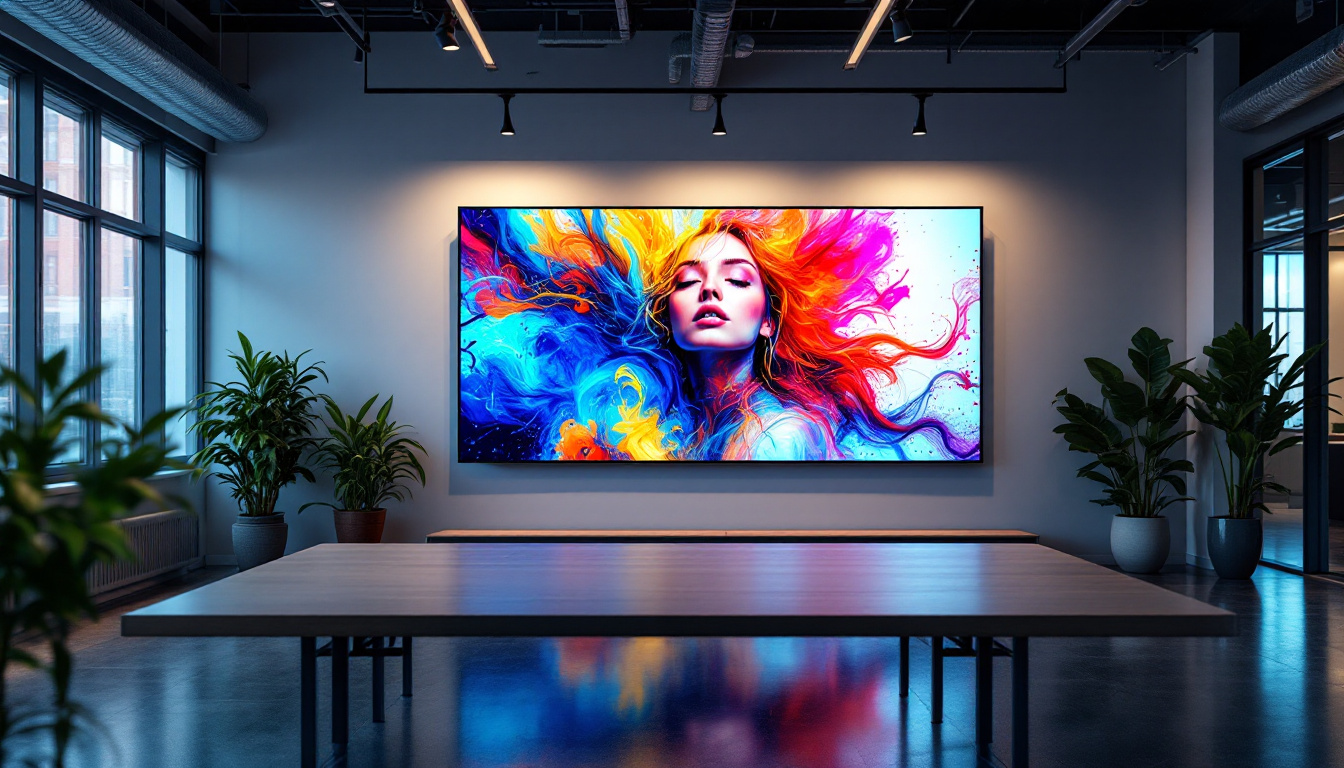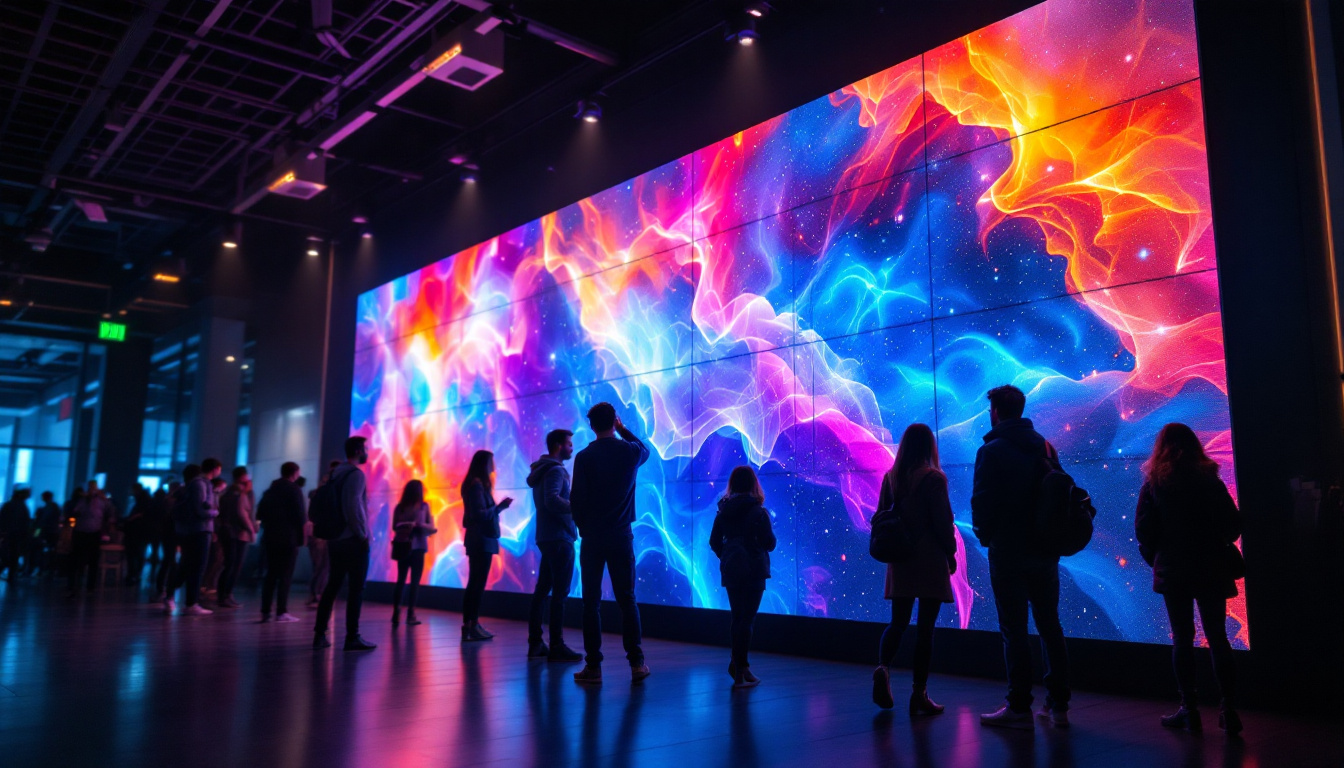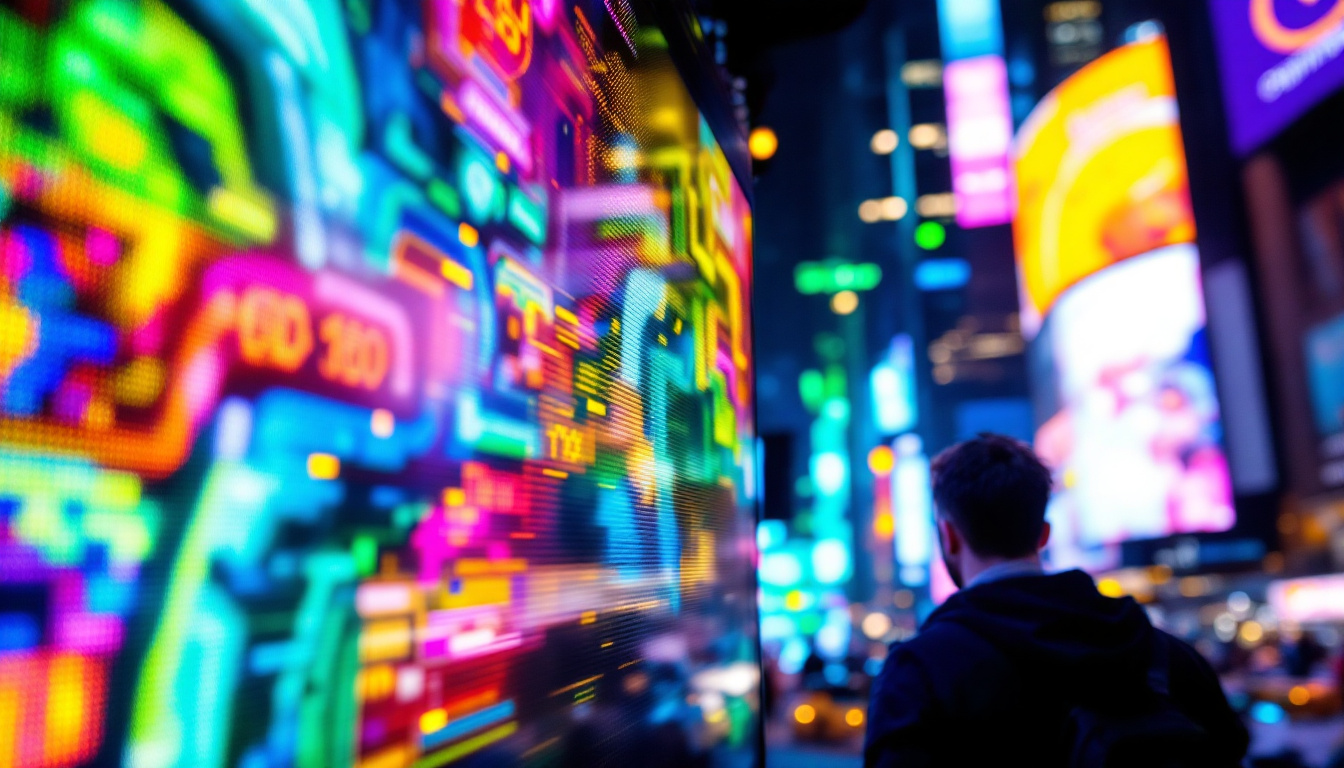
In the rapidly evolving world of digital technology, LED displays have become a stalwart in visual communication. From towering billboards in Times Square to the sleek screens on smartphones, LED technology underpins much of the vibrant imagery we encounter daily. But what exactly makes an LED display a “stalwart” in the industry? This article delves into the definition of “stalwart” in this context, explores the fundamentals of LED displays, and explains why these technologies have become indispensable across multiple sectors.
Understanding the Term “Stalwart” in Technology
The word “stalwart” traditionally means loyal, reliable, and hardworking. In technology, calling something a stalwart suggests it is a dependable, enduring solution that stands the test of time and consistently performs well under various conditions. When applied to LED displays, the term highlights their robustness, reliability, and widespread adoption as a trusted medium for visual communication.
LED displays have become synonymous with durability and efficiency, qualities that are crucial in environments demanding continuous operation, such as advertising, sports arenas, and public information systems. Their ability to maintain high performance over long periods, combined with energy efficiency and adaptability, cements their status as stalwart technology in the display industry.
Moreover, the evolution of LED technology has contributed significantly to its stalwart reputation. Innovations such as organic light-emitting diodes (OLEDs) and advancements in pixel density have allowed for even sharper images and more vibrant colors, enhancing the viewer’s experience. This continuous improvement not only attracts new users but also solidifies the loyalty of existing customers who rely on these displays for critical applications, from high-definition broadcasts to immersive gaming experiences.
In addition to their technical prowess, LED displays have also proven to be environmentally friendly. Their long lifespan reduces waste, and their energy efficiency contributes to lower carbon footprints compared to traditional display technologies. As sustainability becomes a focal point in technology development, LED displays stand out as a stalwart choice for businesses and organizations aiming to minimize their environmental impact while still delivering high-quality visual content. This dual commitment to performance and sustainability further reinforces their position as a cornerstone of modern visual communication solutions.
The Fundamentals of LED Display Technology
What is an LED Display?
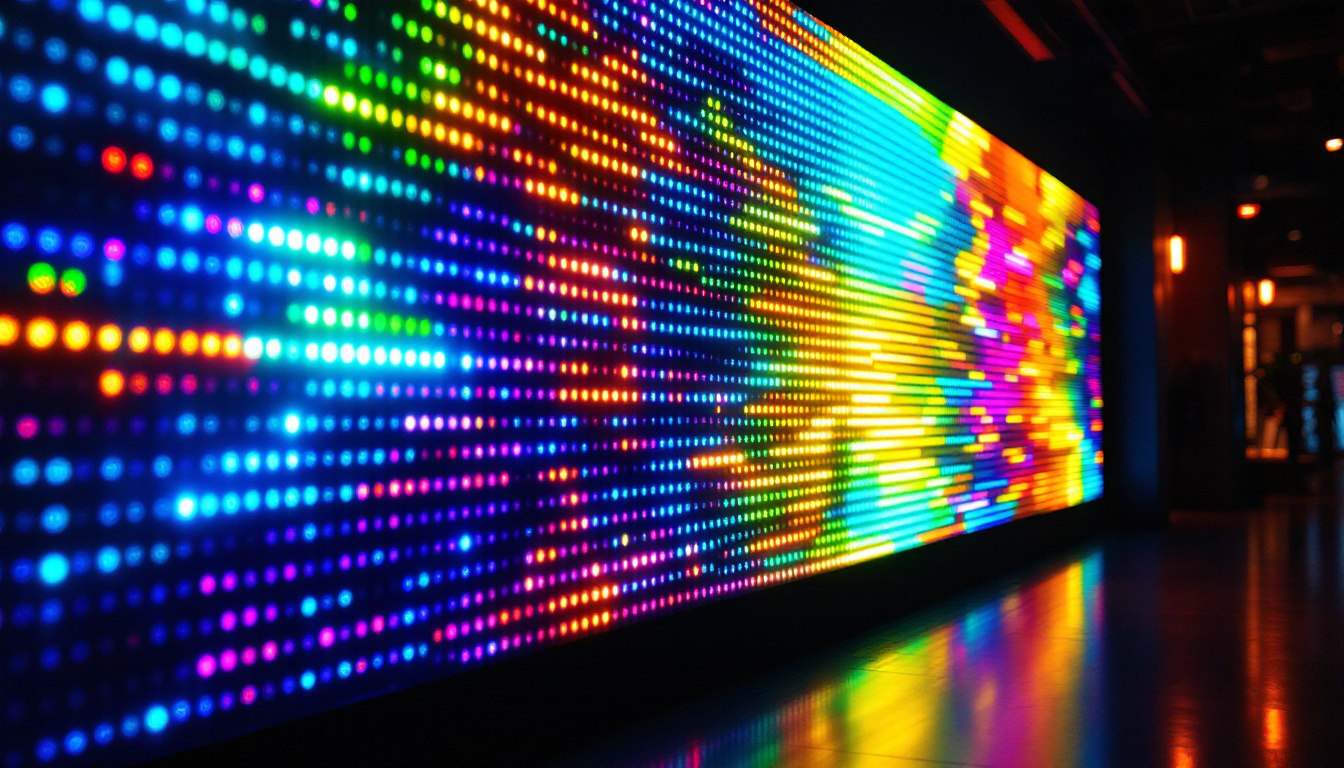
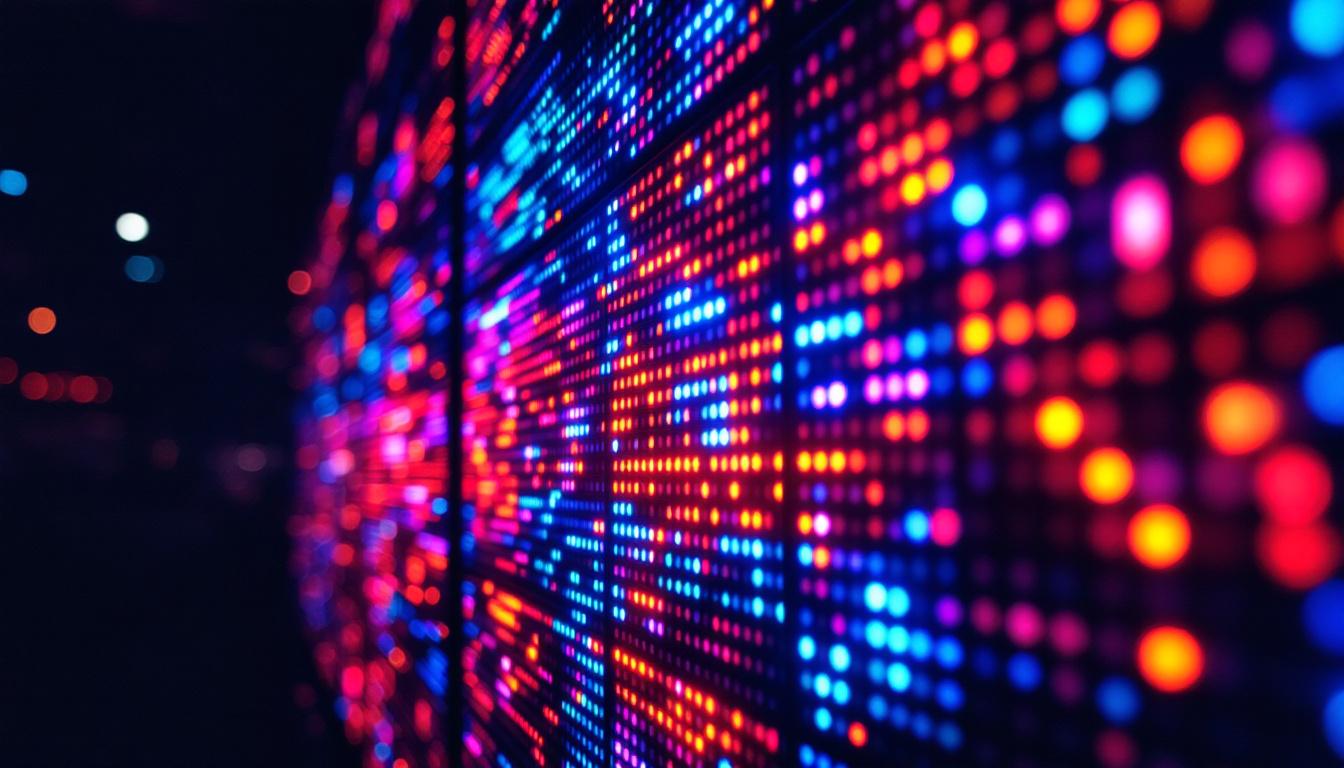
LED stands for Light Emitting Diode, a semiconductor device that emits light when an electric current passes through it. An LED display consists of an array of these tiny diodes, each acting as a pixel that can emit red, green, or blue light. By controlling the intensity of these colors, the display can produce a wide spectrum of colors and images.
Unlike traditional LCD or plasma screens that rely on backlighting or gas-filled cells, LED displays generate their own light. This self-illumination allows for higher brightness levels, better contrast ratios, and more vibrant colors, making LED displays ideal for both indoor and outdoor use. Additionally, LED technology is known for its longevity and durability, often outlasting traditional display technologies by several years. This resilience makes LED displays a cost-effective choice in the long run, as they require less frequent replacements and maintenance.
Types of LED Displays
LED displays come in various forms, each suited to different applications:
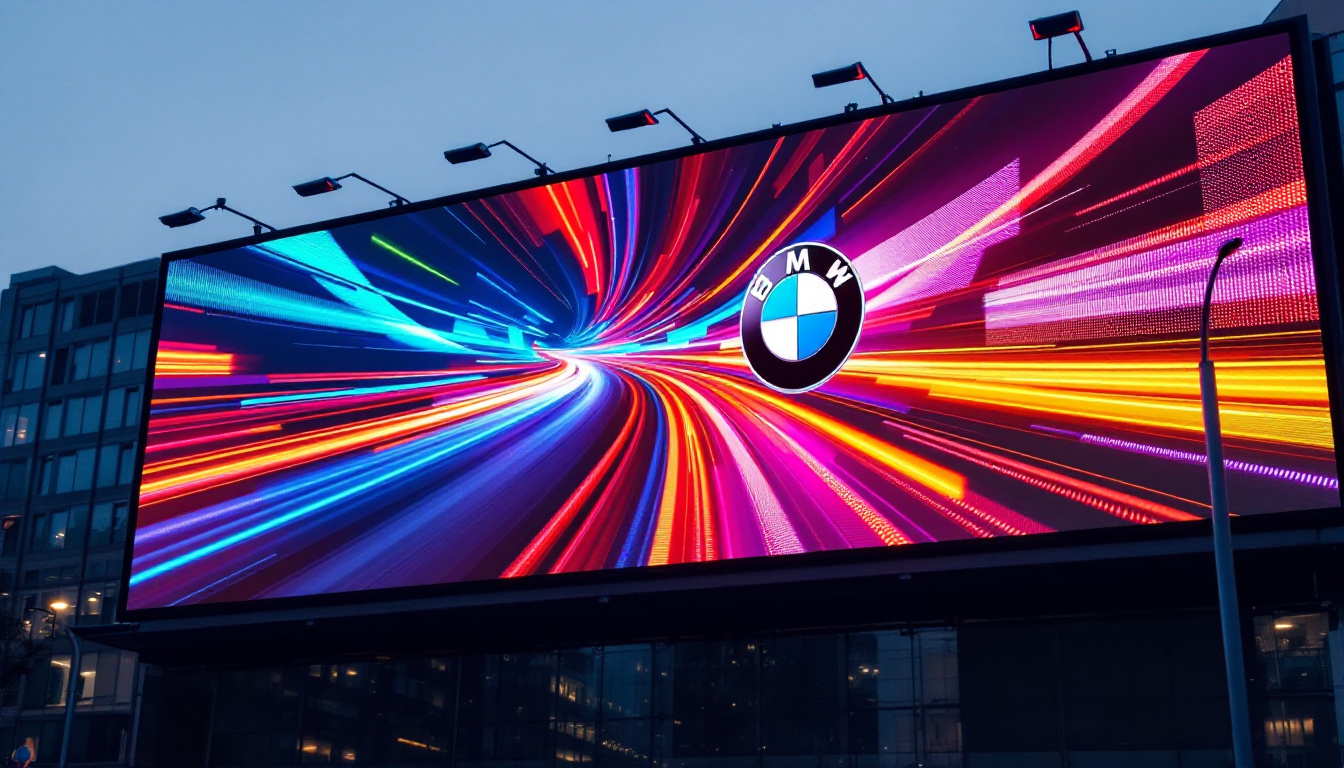
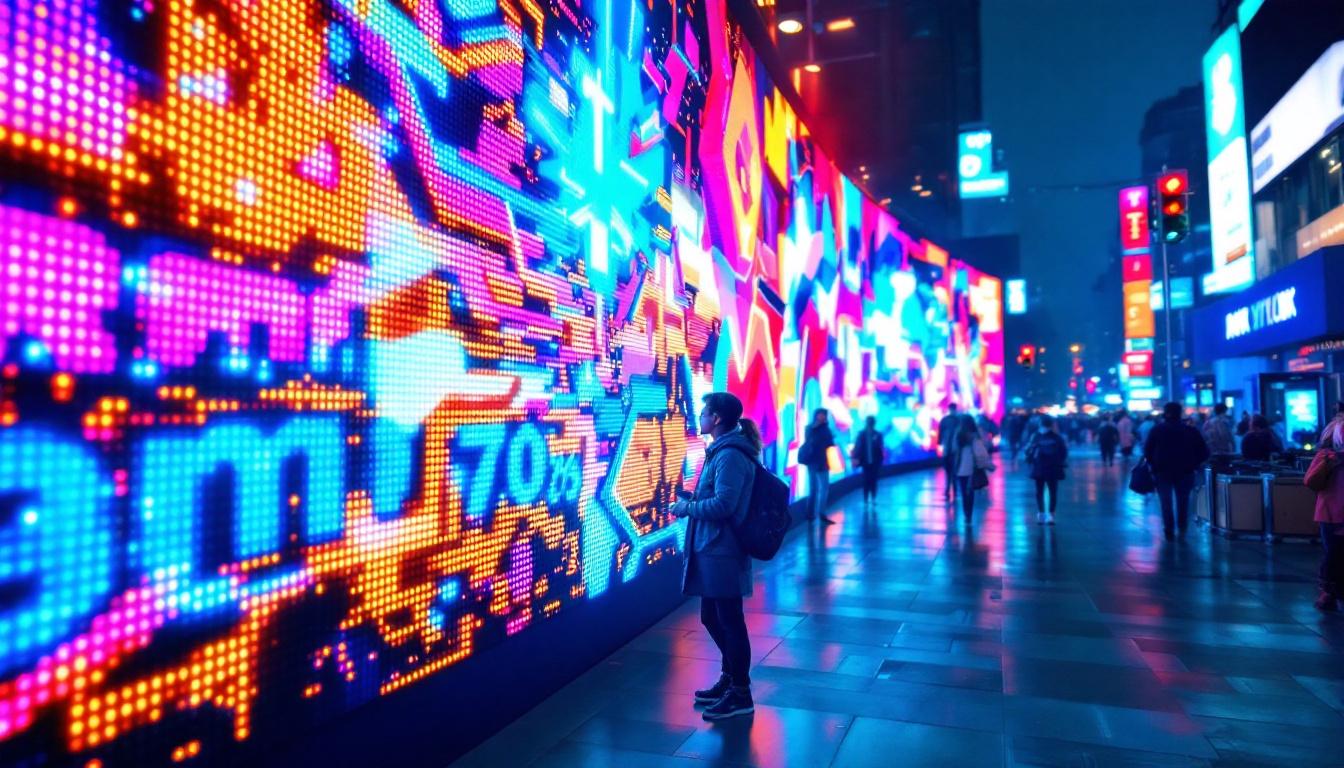
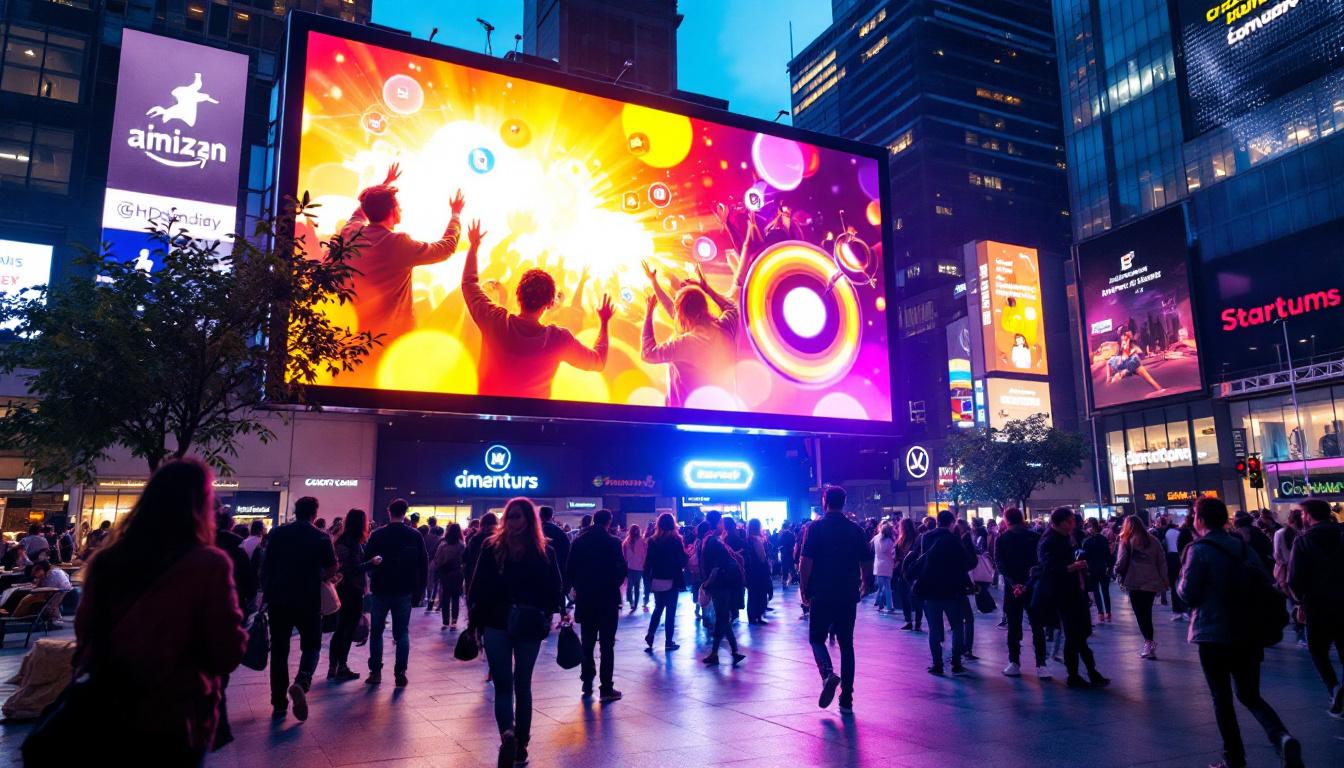
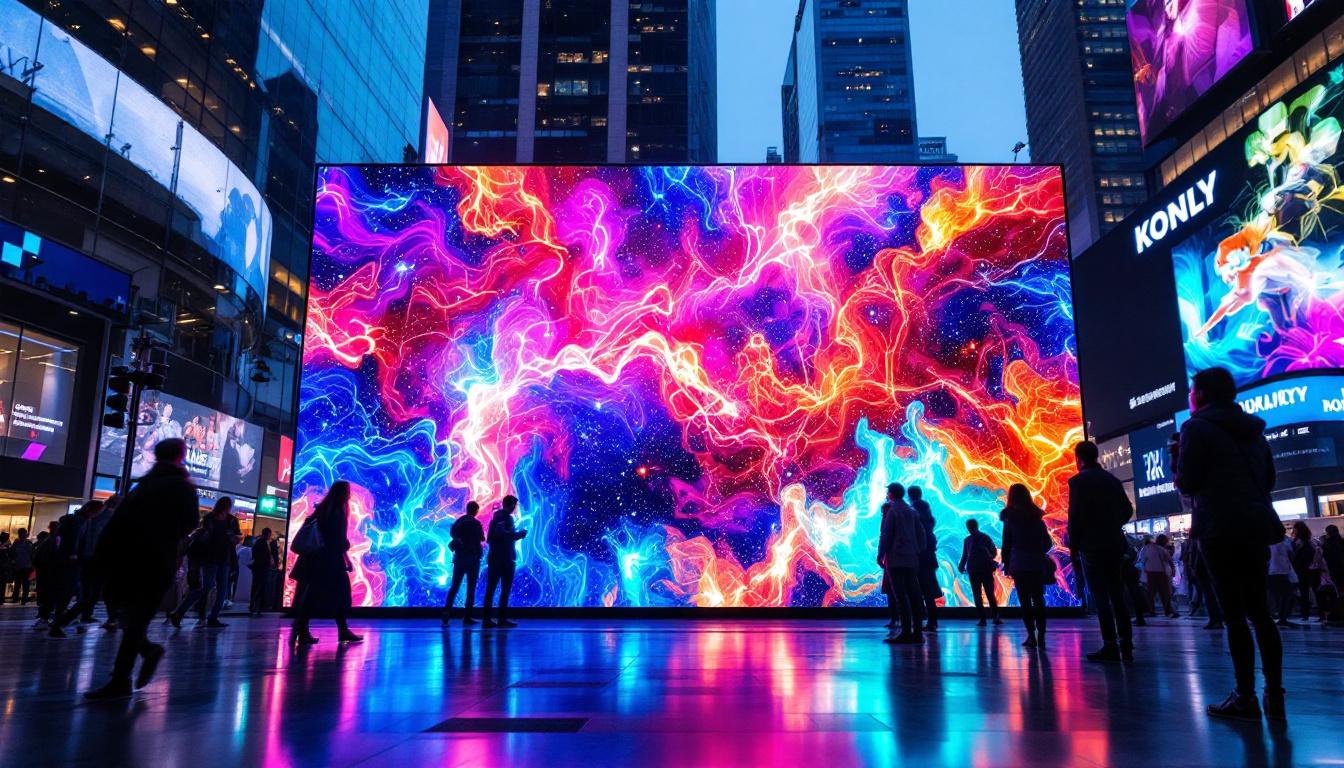
- Direct View LED (DV-LED): These displays use individual LEDs as pixels and are commonly found in large-scale outdoor billboards and stadium screens. Their modular design allows for massive sizes and high brightness, essential for visibility in bright daylight. Moreover, DV-LED displays can be easily customized in shape and size, making them versatile for various advertising needs and artistic installations.
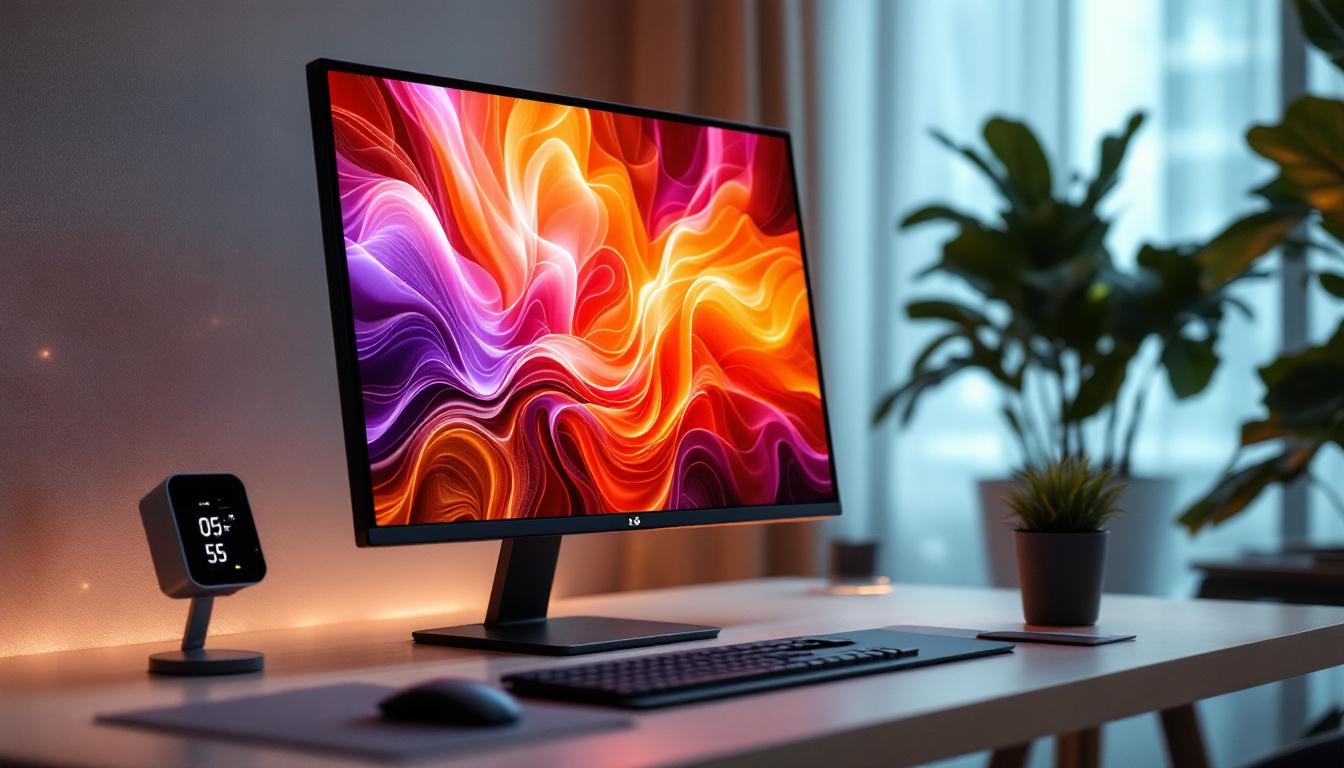
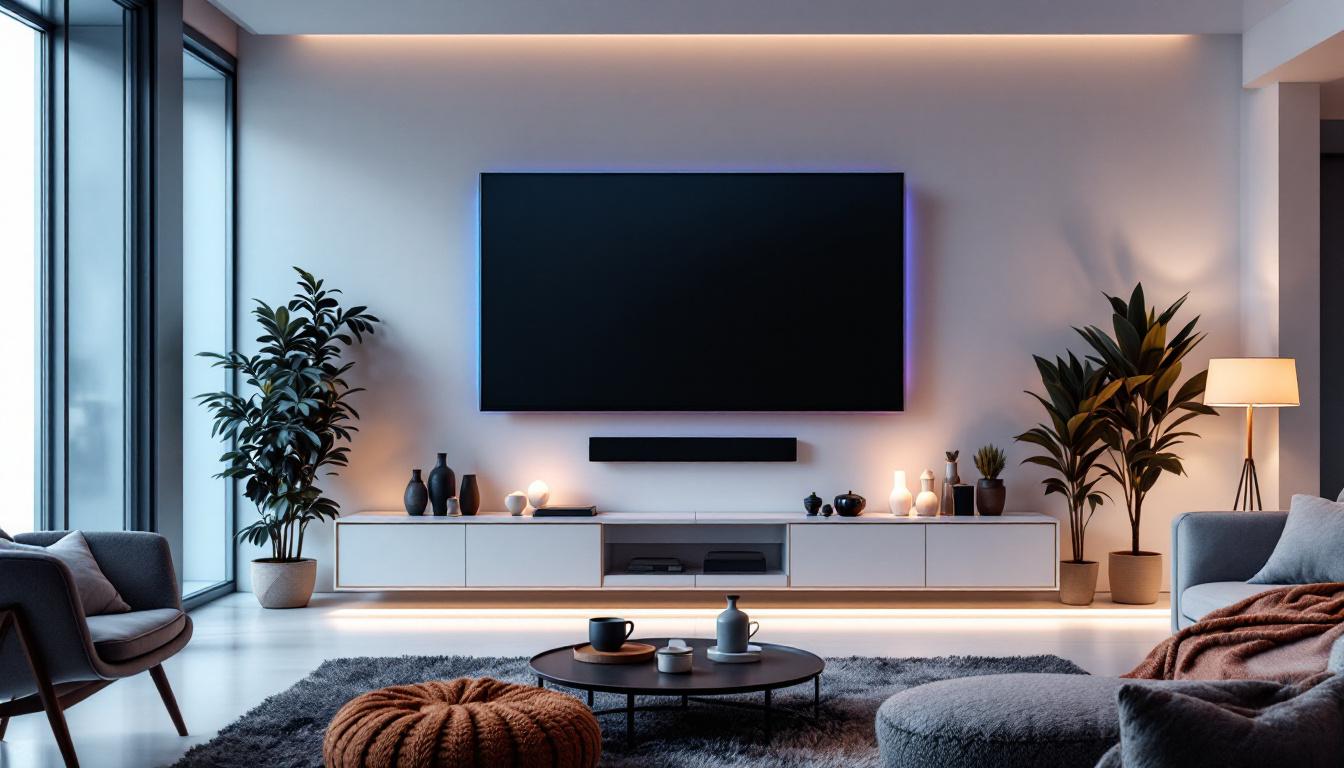
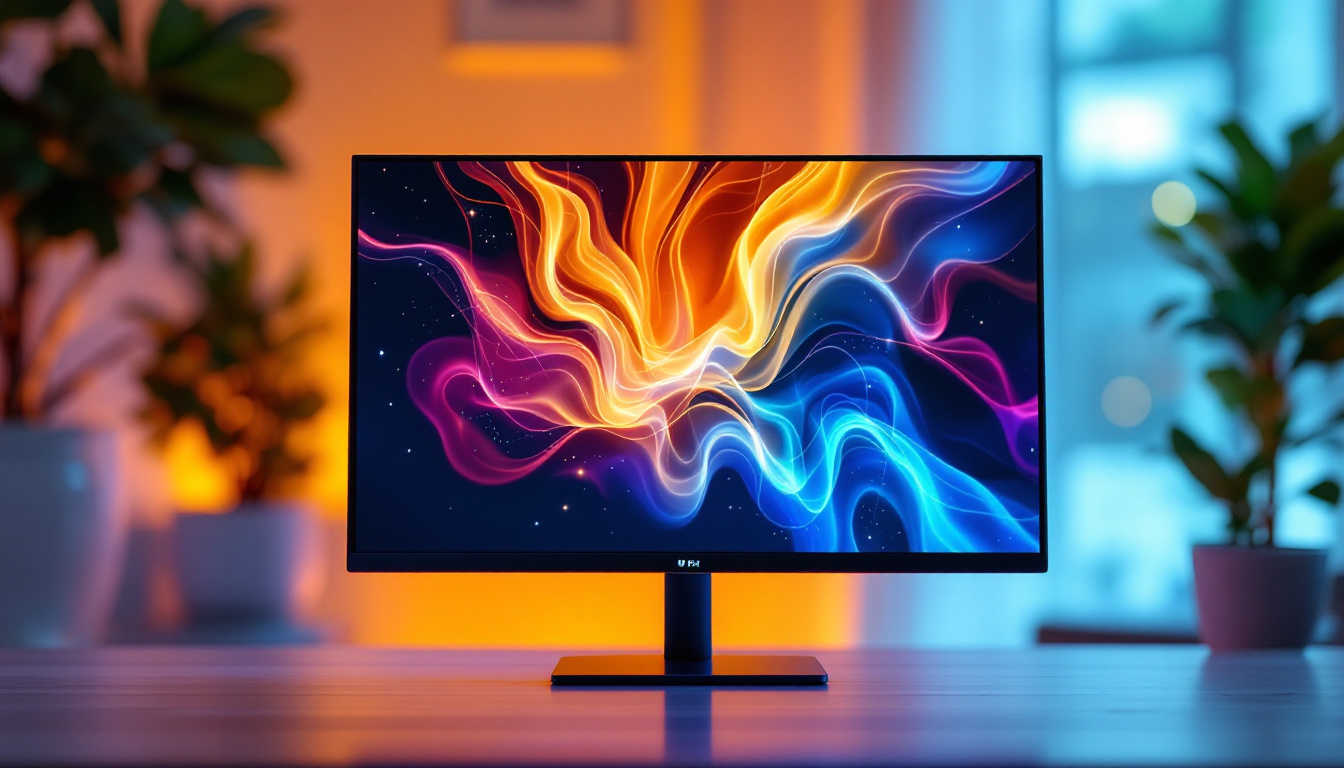
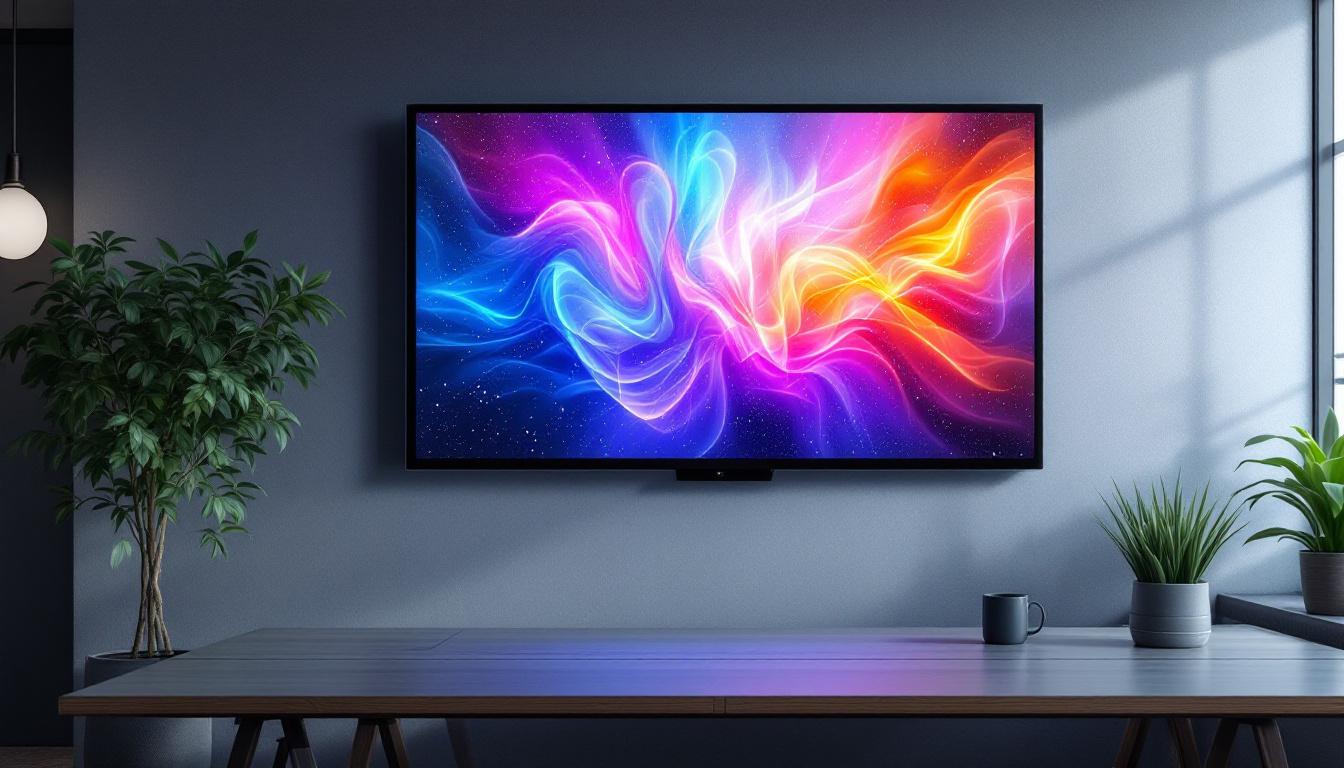
- LED-backlit LCD: This type uses LEDs as a backlight behind an LCD panel. It offers better energy efficiency and thinner designs compared to traditional LCDs with fluorescent backlights, making it popular in consumer electronics like TVs and monitors. The use of LED backlighting also enhances the overall picture quality, providing deeper blacks and more vivid colors, which is particularly beneficial for watching movies or playing video games.
- MicroLED: An emerging technology that uses microscopic LEDs to create displays with superior brightness, contrast, and energy efficiency. MicroLED promises to revolutionize displays but is still in the early stages of commercial adoption. This innovative technology allows for pixel-level control, resulting in stunning image quality and the potential for seamless, large-format displays without bezels, opening new avenues for immersive experiences in virtual reality and augmented reality applications.
Why LED Displays Are Considered Stalwart in Visual Communication
Durability and Longevity
One of the primary reasons LED displays are seen as stalwart is their remarkable durability. LEDs have a lifespan that can exceed 100,000 hours, which translates to over 11 years of continuous operation. This longevity surpasses many other display technologies, reducing maintenance costs and downtime.
Moreover, LED displays are resistant to shock, vibration, and extreme weather conditions, making them suitable for outdoor installations where reliability is critical. Their solid-state nature means they are less prone to damage compared to fragile components like glass or plasma cells.
Energy Efficiency and Environmental Impact
Energy consumption is a major consideration in display technology, especially for large-scale installations. LEDs are highly energy-efficient, using up to 75% less energy than traditional incandescent lighting and significantly less than older display technologies. This efficiency not only reduces operational costs but also aligns with global sustainability goals.
Additionally, LEDs do not contain harmful substances like mercury, which is present in some fluorescent lighting systems. This makes LED displays more environmentally friendly both in operation and disposal.
Superior Visual Performance
LED displays excel in visual quality. They offer high brightness levels, often exceeding 5,000 nits for outdoor displays, ensuring visibility even in direct sunlight. Their contrast ratios are exceptional, providing deep blacks and vibrant colors that enhance image clarity and viewer engagement.
The fast response time of LEDs also allows for smooth video playback and dynamic content, which is essential for advertising, live events, and interactive applications. These qualities make LED displays the preferred choice where impactful visual communication is paramount.
Applications of LED Displays Across Industries
Advertising and Marketing
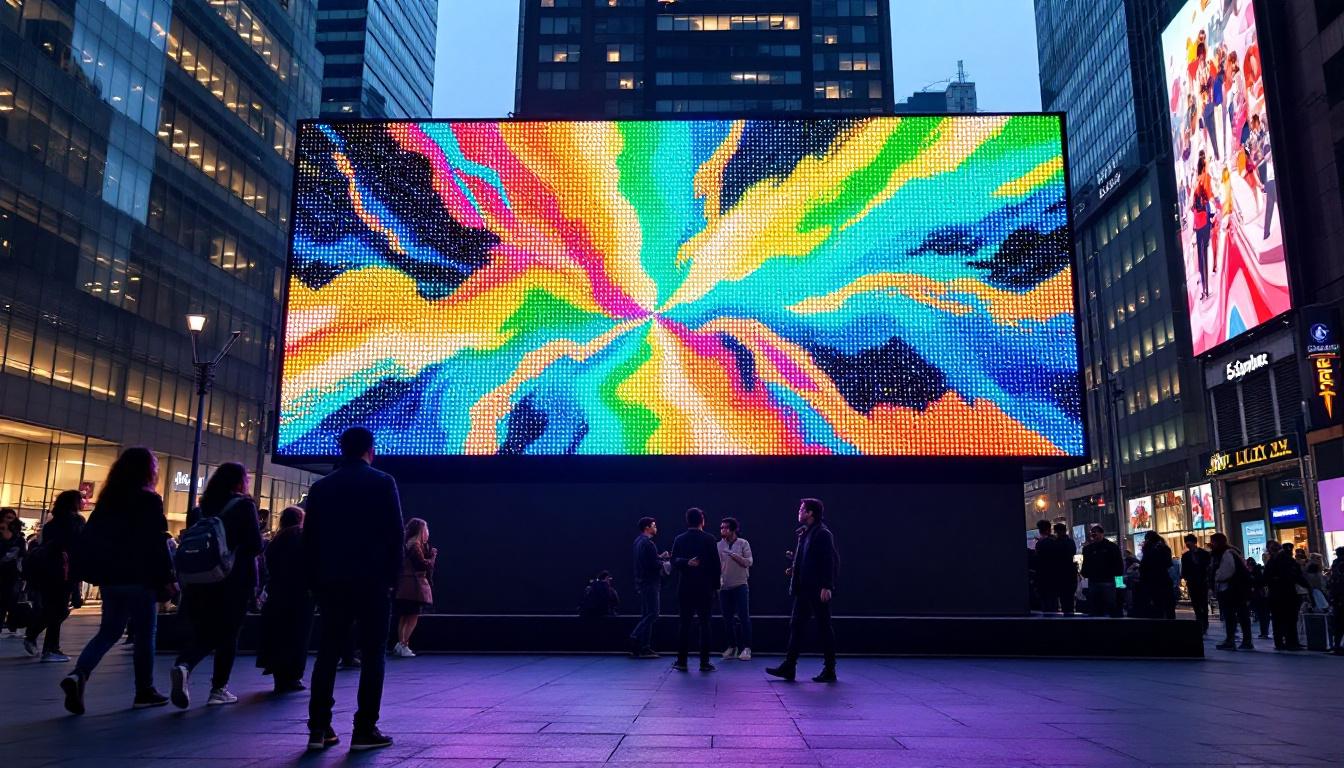
Outdoor advertising has been transformed by LED displays. Digital billboards can be updated remotely and instantly, enabling dynamic content that can be tailored to time of day, weather, or audience demographics. According to a 2023 report by the Digital Signage Federation, LED billboards have increased advertising effectiveness by up to 30% compared to static signs.
Retail environments also leverage LED displays for in-store promotions and interactive experiences, driving customer engagement and sales. The flexibility and brightness of LEDs allow retailers to create captivating visual merchandising that stands out in competitive marketplaces.
Sports and Entertainment Venues
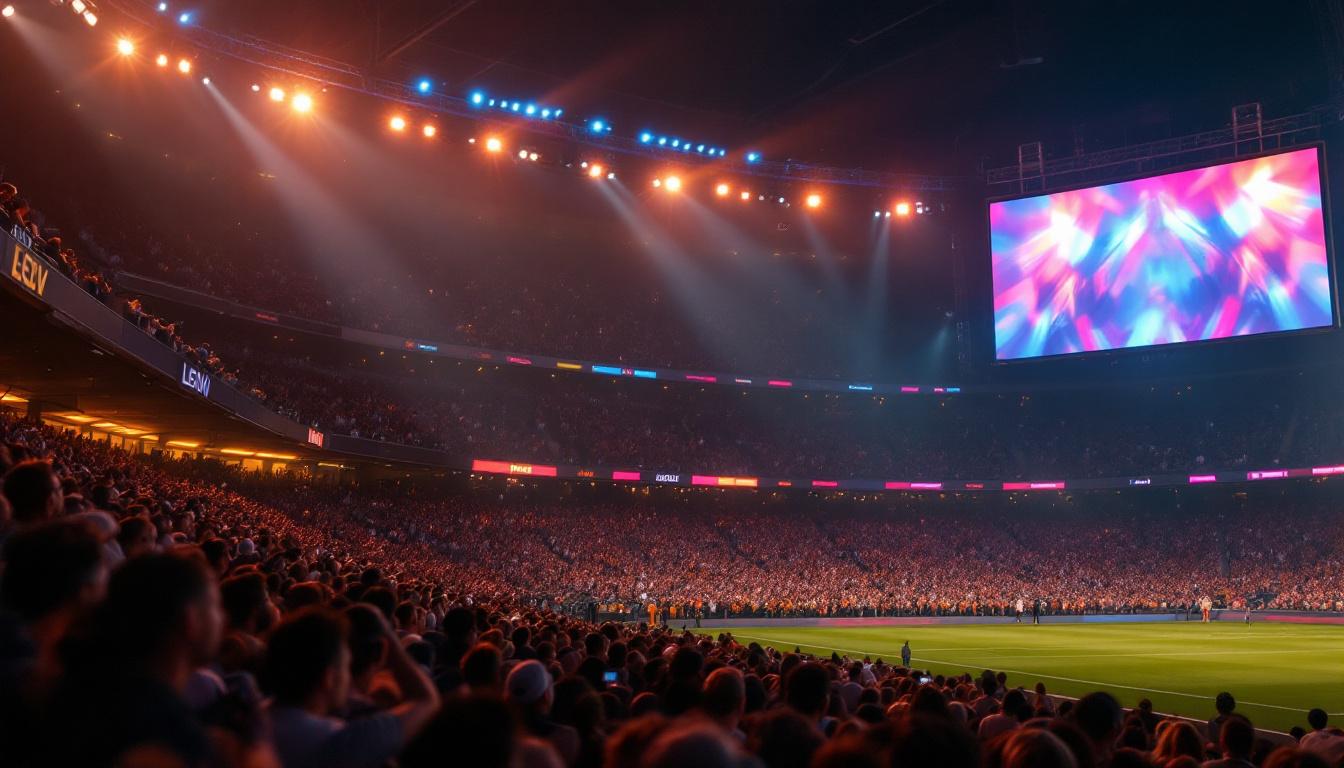
LED displays are a staple in stadiums and arenas worldwide. From giant scoreboards to ribbon displays circling the stands, LEDs provide real-time information, instant replays, and immersive advertising. Their durability is essential in venues that host thousands of spectators and operate in varying weather conditions.
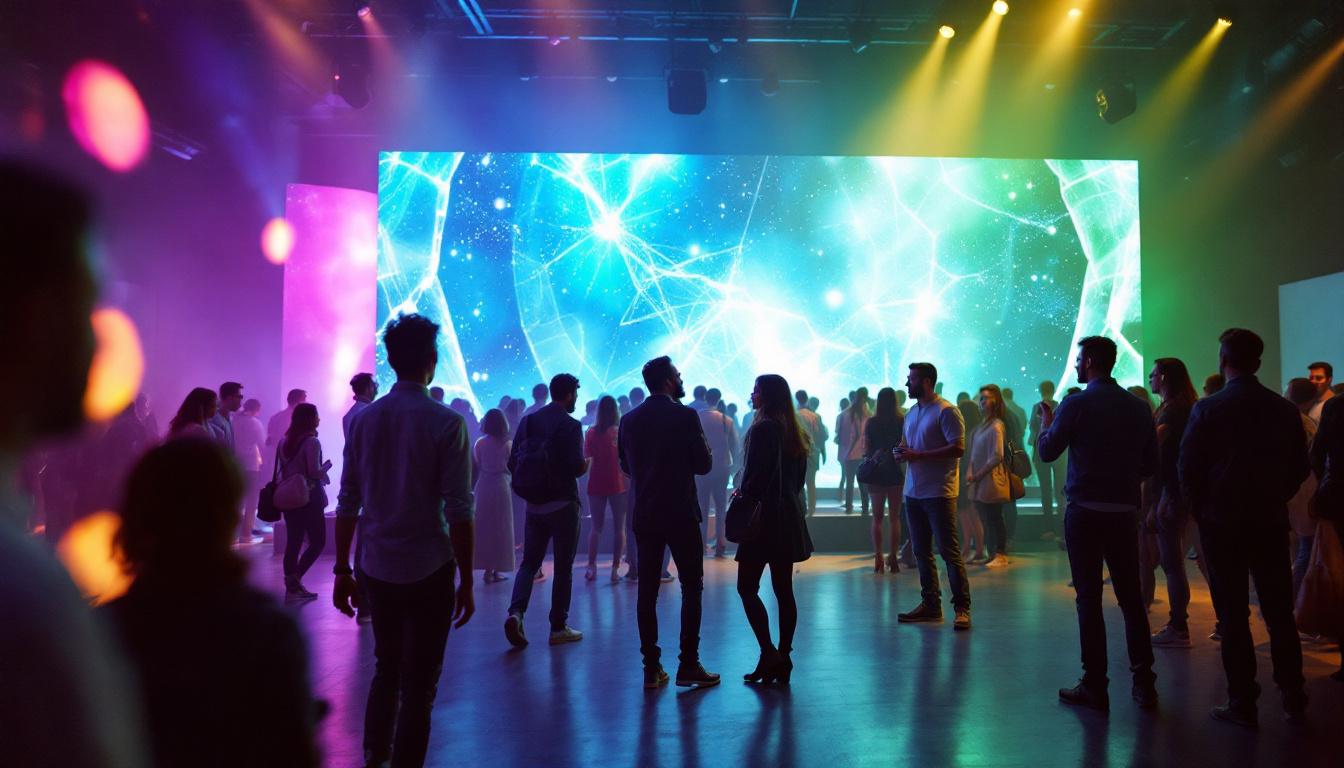
Concerts and live events use LED walls and panels to create dynamic stage backdrops that enhance the audience experience. The ability to produce vivid colors and high-resolution images contributes to the overall spectacle, making LED technology a favorite among event producers.
Transportation and Public Information
LED displays are widely used in transportation hubs such as airports, train stations, and bus terminals. Their high visibility and reliability ensure that travelers receive timely updates on schedules, delays, and safety information.
Smart city initiatives incorporate LED signage for traffic management, emergency alerts, and public announcements. The integration of LED displays with IoT technology enables real-time data dissemination, improving urban mobility and safety.
Future Trends in LED Display Technology
Advancements in Resolution and Pixel Pitch
The trend toward higher resolution and finer pixel pitch continues to push LED displays into new realms of clarity and detail. Pixel pitch, the distance between individual LEDs, is shrinking, allowing for displays that can be viewed up close without visible pixelation.
For example, ultra-fine pitch LED displays with pixel pitches as low as 0.7mm are now commercially available, enabling applications in control rooms, broadcast studios, and retail environments where image sharpness is critical.
Integration with Augmented Reality and Interactive Technologies
LED displays are increasingly integrated with interactive technologies such as touch sensors, cameras, and augmented reality (AR). This convergence enables immersive experiences where users can interact directly with the content displayed, opening new possibilities in education, advertising, and entertainment.
AR-enabled LED displays can overlay digital information onto physical environments, enhancing navigation, product visualization, and storytelling. As these technologies mature, LED displays will play a central role in creating engaging, interactive spaces.
Sustainability and Circular Economy Initiatives
Manufacturers are focusing on sustainable production methods and recycling programs to reduce the environmental footprint of LED displays. Innovations in materials and design aim to make displays easier to disassemble and recycle at the end of their life cycle.
Energy-efficient operation combined with sustainable manufacturing practices will ensure that LED displays remain stalwart not only in performance but also in environmental responsibility.
Conclusion: Why LED Displays Remain a Stalwart Choice
LED displays have earned their reputation as stalwart technology through a combination of durability, energy efficiency, superior visual quality, and versatility. Their widespread adoption across advertising, entertainment, transportation, and public information sectors underscores their critical role in modern visual communication.
As technology advances, LED displays continue to evolve, integrating higher resolutions, interactive capabilities, and sustainable practices. For businesses and organizations seeking reliable, impactful, and future-proof display solutions, LED technology remains a steadfast and trusted choice.
Understanding the stalwart nature of LED displays not only highlights their current value but also illuminates the path forward in digital display innovation.
Discover the Stalwart Choice in LED Displays with LumenMatrix
As you consider the unparalleled advantages of stalwart LED display technologies for your visual communication needs, we invite you to explore LumenMatrix’s innovative solutions. With a commitment to revolutionizing visual experiences, LumenMatrix offers an extensive range of LED display modules, from Indoor and Outdoor LED Walls to specialized options like Vehicle, Sports, and Floor LED Displays. Each product is designed to elevate brand visibility and engage audiences with stunning clarity. Experience the future of digital signage with LumenMatrix and ensure your message resonates with impact. Check out LumenMatrix LED Display Solutions today and step into a world of vibrant visual possibilities.