In the world of digital displays, screen contrast plays a pivotal role in determining the quality and clarity of the images we see. Among the various types of display technologies available today, LED displays have become increasingly popular due to their vibrant colors, energy efficiency, and slim designs. However, understanding how screen contrast works specifically in LED displays is essential for consumers, designers, and tech enthusiasts alike. This article delves into the intricacies of screen contrast in LED displays, exploring its significance, measurement, influencing factors, and practical implications.
Understanding Screen Contrast: The Basics
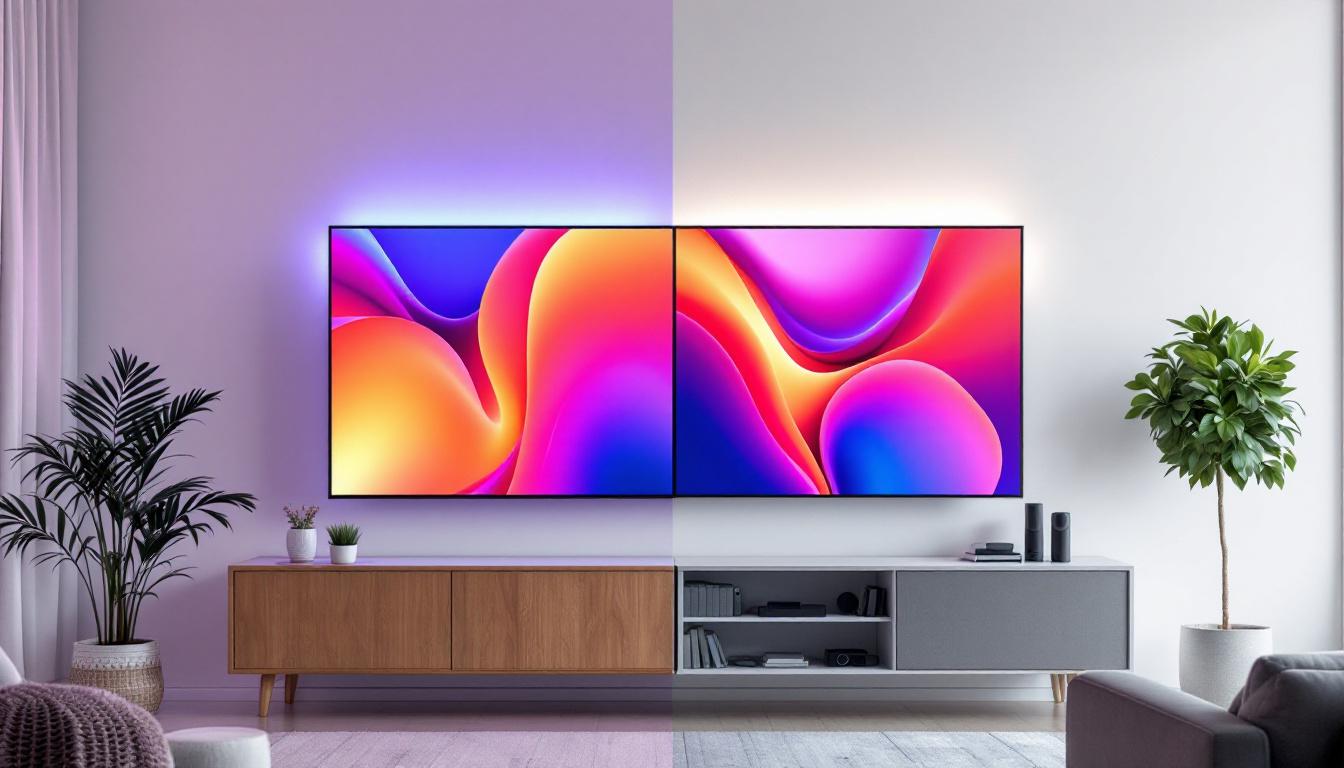
Screen contrast refers to the difference in luminance or brightness between the darkest black and the brightest white a display can produce. It is a critical parameter because it directly affects the perceived image quality, sharpness, and depth. A higher contrast ratio means that the display can show more distinct shades between black and white, resulting in richer images and better visibility in various lighting conditions.
In numerical terms, contrast ratio is typically expressed as a ratio such as 1000:1, indicating that the brightest white is 1000 times brighter than the darkest black. This metric helps consumers compare the performance of different displays, although it is important to consider how these numbers are measured, as methodologies can vary. For instance, some manufacturers may use dynamic contrast ratios, which can inflate the numbers by measuring the contrast under specific conditions, rather than the static contrast that reflects real-world usage.
Why Contrast Matters in Displays
Contrast impacts several aspects of the viewing experience. For one, it enhances readability and reduces eye strain by making text and images more distinguishable. In multimedia applications, such as watching movies or playing video games, high contrast contributes to a more immersive experience by providing deeper blacks and more vibrant colors. Furthermore, in professional settings like graphic design or medical imaging, accurate contrast reproduction is crucial for precise work. A graphic designer, for example, relies on a monitor that can accurately display subtle color variations to ensure that their artwork translates well across different mediums.
Moreover, the significance of screen contrast extends beyond just aesthetics; it can also influence user engagement and interaction. In environments with varying lighting conditions, such as bright offices or dimly lit rooms, a display with superior contrast can adapt better, maintaining clarity and reducing the need for constant adjustments. This adaptability is particularly important for users who spend long hours in front of screens, as it can lead to a more comfortable and productive experience. As technology advances, manufacturers are continually innovating to enhance contrast capabilities, utilizing techniques like local dimming and OLED technology to push the boundaries of what displays can achieve.
How LED Displays Produce Contrast
LED displays, short for Light Emitting Diode displays, come in various forms, including LED-backlit LCDs and pure LED (OLED or MicroLED) panels. Each type handles contrast differently due to its underlying technology.
LED-Backlit LCDs
Most consumer LED displays are actually LCD panels illuminated by LED backlights. In these displays, the liquid crystals control the amount of light passing through, while the LEDs provide the light source. The contrast ratio in LED-backlit LCDs depends heavily on the backlight’s ability to dim or brighten specific areas of the screen.
Local dimming technology, where the backlight is divided into zones that can be independently controlled, improves contrast by darkening black areas without affecting bright regions. However, since the black level depends on blocking light rather than emitting none, true blacks can be challenging to achieve, limiting contrast ratios compared to emissive displays. Furthermore, the effectiveness of local dimming can vary significantly between models, with some high-end displays offering more sophisticated algorithms that enhance the perceived contrast, especially in scenes with mixed brightness levels.
Additionally, the color accuracy of LED-backlit LCDs can be influenced by the quality of the panel and the type of backlighting used. Displays with full-array local dimming (FALD) tend to provide better contrast than those with edge-lit backlighting, as they can control light more precisely across the entire screen. This precision allows for a more immersive viewing experience, particularly in dark environments where the distinction between light and shadow is crucial for visual storytelling.
OLED and MicroLED Displays
Organic LED (OLED) and MicroLED displays are emissive technologies, meaning each pixel emits its own light. This allows individual pixels to be completely turned off, producing true black levels and consequently, exceptionally high contrast ratios often exceeding 1,000,000:1.
Because of this capability, OLED and MicroLED displays are favored for applications requiring superior contrast and color accuracy. However, OLEDs can suffer from issues like burn-in and limited brightness, while MicroLED is an emerging technology still in development for mass-market use. The ability of MicroLED to achieve high brightness levels without the risks associated with burn-in makes it an exciting prospect for future display technologies.
Moreover, OLED displays are known for their vibrant colors and wide viewing angles, which enhance the overall visual experience. The rapid response time of OLED pixels also contributes to smoother motion rendering, making them ideal for fast-paced content such as sports and action films. As the technology continues to evolve, advancements in both OLED and MicroLED are expected to address current limitations, potentially leading to displays that combine the best attributes of both technologies—offering unparalleled contrast, brightness, and longevity for consumers and professionals alike.
Measuring Contrast: Standards and Challenges
While contrast ratio is a straightforward concept, measuring it accurately is complex. Different manufacturers and testing organizations use varying methods, which can lead to inconsistent or misleading figures.
Static vs. Dynamic Contrast Ratios
Static contrast ratio measures the difference between the brightest white and darkest black that the display can produce simultaneously. This is considered a more reliable and realistic metric for everyday use.
Dynamic contrast ratio, on the other hand, involves adjusting the backlight or pixel brightness dynamically depending on the content. While this can produce extremely high contrast ratios on paper, it may not reflect real-world performance, as the display changes brightness over time rather than showing the full range simultaneously.
Measurement Standards
Organizations such as the International Electrotechnical Commission (IEC) and the Video Electronics Standards Association (VESA) have developed guidelines for measuring display contrast. These standards recommend specific testing environments, measurement equipment, and procedures to ensure consistency.
Despite these efforts, consumers should be cautious and consider independent reviews and real-world tests rather than relying solely on manufacturer specifications.
Factors Influencing Contrast in LED Displays
Several factors affect the contrast performance of LED displays beyond the basic technology used.
Ambient Lighting Conditions
The environment in which a display is used significantly impacts perceived contrast. Bright ambient light can wash out the screen, making blacks appear gray and reducing overall contrast. Displays with anti-reflective coatings or higher peak brightness can mitigate these effects.
Viewing Angle
Contrast can degrade when viewing the screen from off-center angles. LED-backlit LCDs, in particular, may exhibit reduced contrast and color shifts at wide angles, whereas OLED displays generally maintain better contrast across viewing angles.
Display Calibration and Settings
Proper calibration of brightness, contrast, gamma, and color settings can optimize contrast performance. Many displays come with presets for different uses, such as cinema mode or gaming mode, which adjust these parameters for the best experience.
Panel Quality and Manufacturing
Variations in panel manufacturing, such as uniformity and the quality of liquid crystals or organic compounds, influence contrast consistency and longevity. Premium panels often deliver more uniform and stable contrast over time.
Practical Implications of Contrast for Users
Understanding screen contrast helps users make informed decisions when purchasing or using LED displays.
Choosing the Right Display for Your Needs
For general office work or casual media consumption, a moderate contrast ratio with good brightness may suffice. However, for photographers, video editors, or gamers, higher contrast displays such as OLEDs can provide noticeable benefits in image quality and immersion.
Energy Efficiency Considerations
Higher contrast displays, especially OLEDs, can be more energy-efficient when displaying darker content since black pixels are turned off. Conversely, LED-backlit LCDs require the backlight to be on at all times, potentially consuming more power.
Longevity and Maintenance
While OLED displays offer superior contrast, they may degrade faster due to organic material wear, leading to reduced contrast over time. LED-backlit LCDs typically have longer lifespans but may not match OLED’s contrast performance.
Future Trends in LED Display Contrast
Display technology continues to evolve rapidly, with ongoing research aimed at improving contrast ratios and overall image quality.
Advances in MicroLED Technology
MicroLED displays promise the best of both worlds: the true blacks and high contrast of OLEDs combined with higher brightness and longevity. As manufacturing processes mature, MicroLED could become the new standard for high-contrast displays.
Enhanced Local Dimming and Quantum Dot Technology
Improvements in local dimming algorithms and the integration of quantum dots in LED-backlit LCDs enhance color accuracy and contrast. Quantum dots allow for more precise light control and wider color gamuts, contributing to better visual experiences.
Artificial Intelligence and Adaptive Contrast
AI-driven display technologies are emerging, capable of dynamically adjusting contrast and brightness based on content and ambient conditions in real-time. This approach aims to optimize contrast performance while minimizing power consumption and eye strain.
Conclusion
Screen contrast is a fundamental aspect of LED display technology that significantly influences visual quality and user experience. Understanding how contrast works, how it is measured, and the factors that affect it empowers consumers and professionals to select and utilize displays that meet their specific needs. As LED display technologies continue to advance, the future holds exciting possibilities for even more vibrant, efficient, and high-contrast screens that enhance the way we interact with digital content.
Explore the Future of Visual Experience with LumenMatrix
As you consider the importance of screen contrast and the impact it has on your visual experiences, LumenMatrix stands at the forefront of LED display innovation. With a commitment to revolutionizing visual communication, LumenMatrix offers a comprehensive range of LED display solutions, from Indoor and Outdoor LED Wall Displays to specialized options like Vehicle LED Displays and Custom LED Solutions. Whether you’re looking to enhance brand visibility, create immersive environments, or simply want the best in digital signage, LumenMatrix has the technology to bring your vision to life. Check out LumenMatrix LED Display Solutions today and see how our cutting-edge displays can transform your space and captivate your audience.