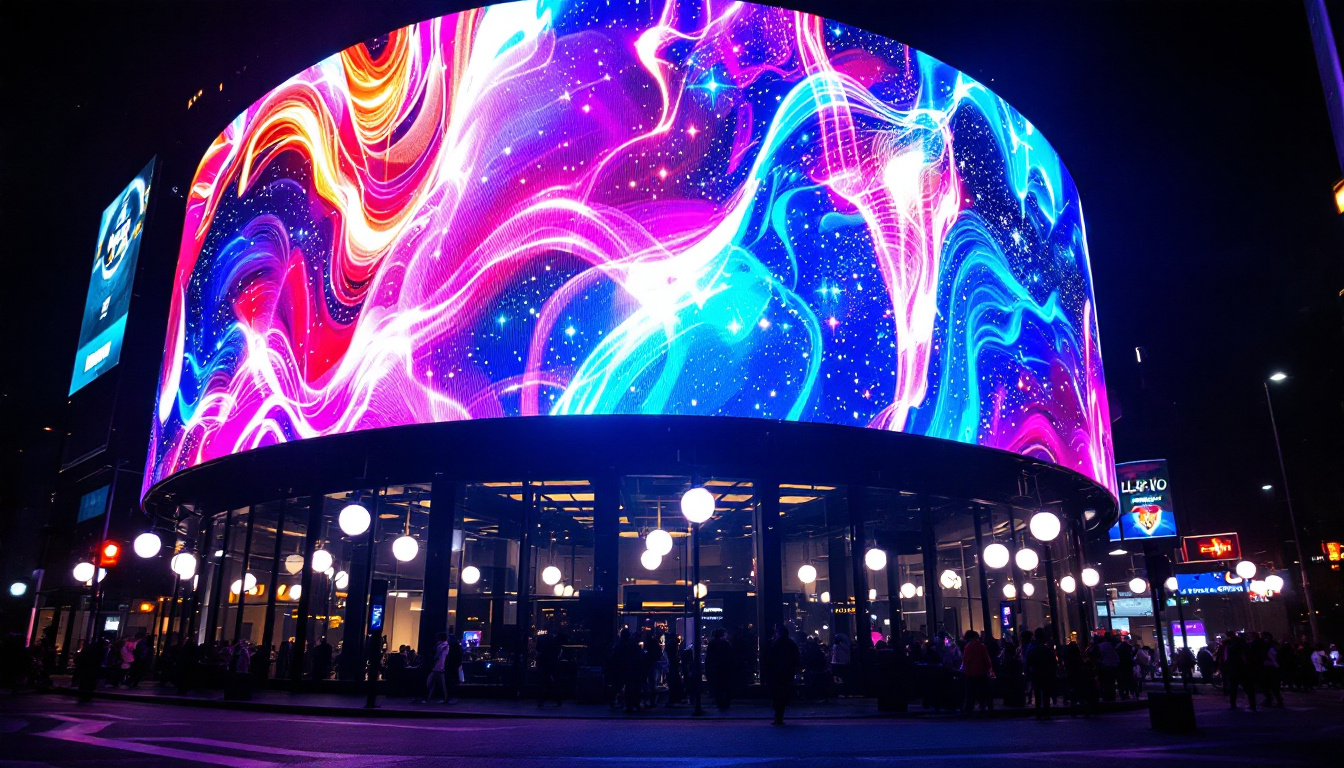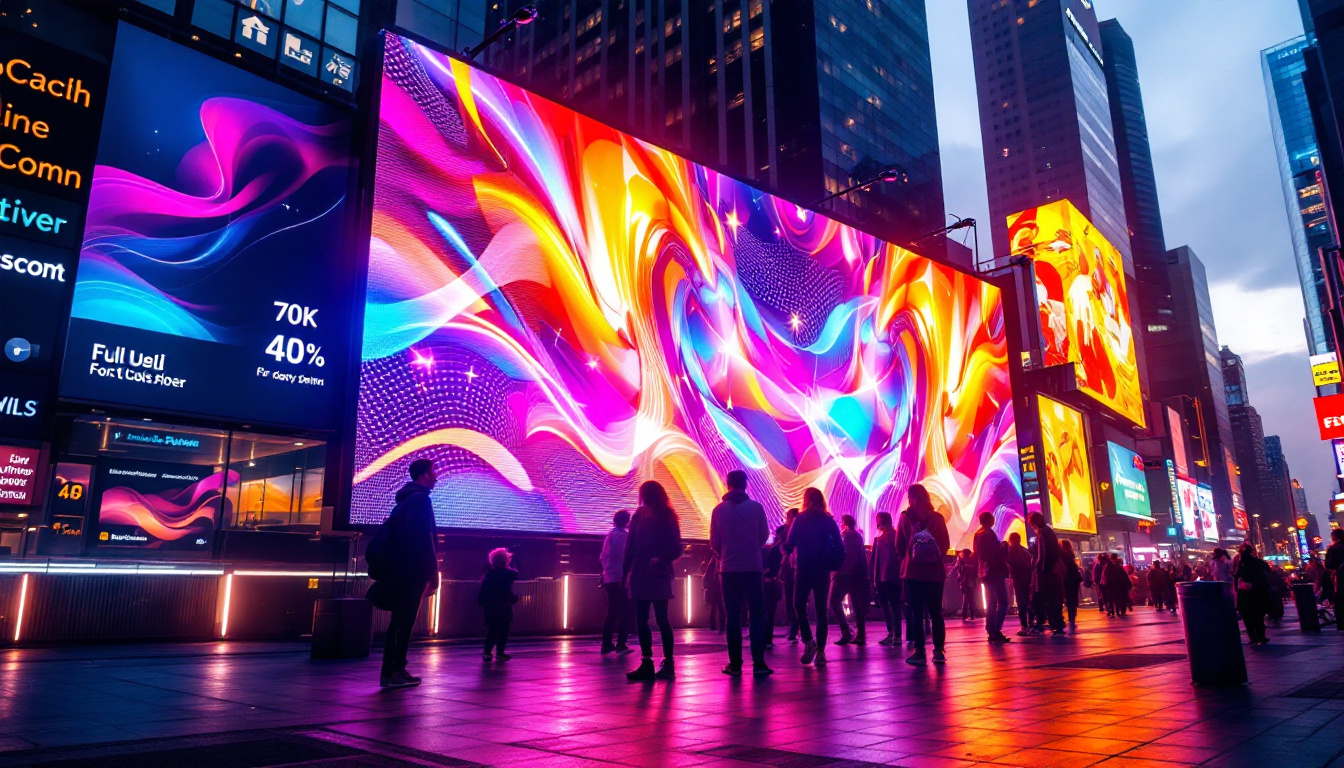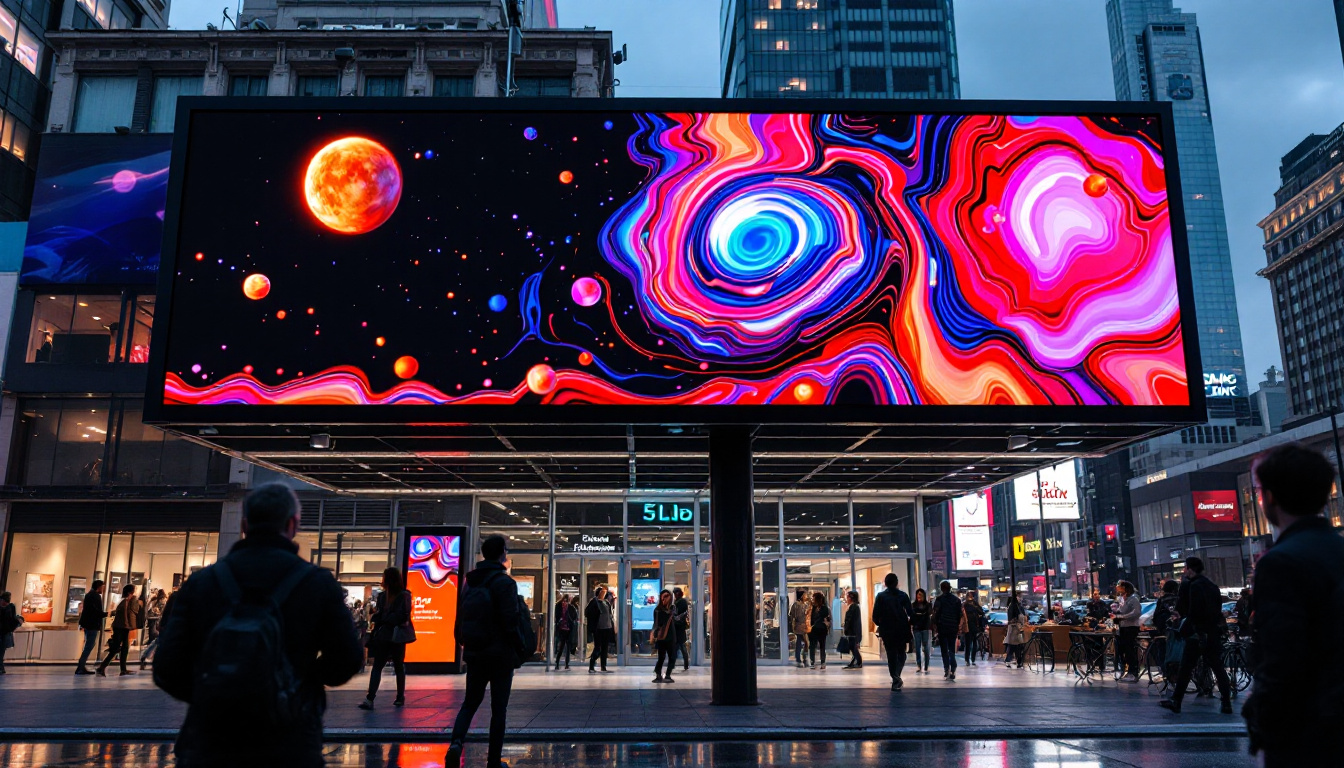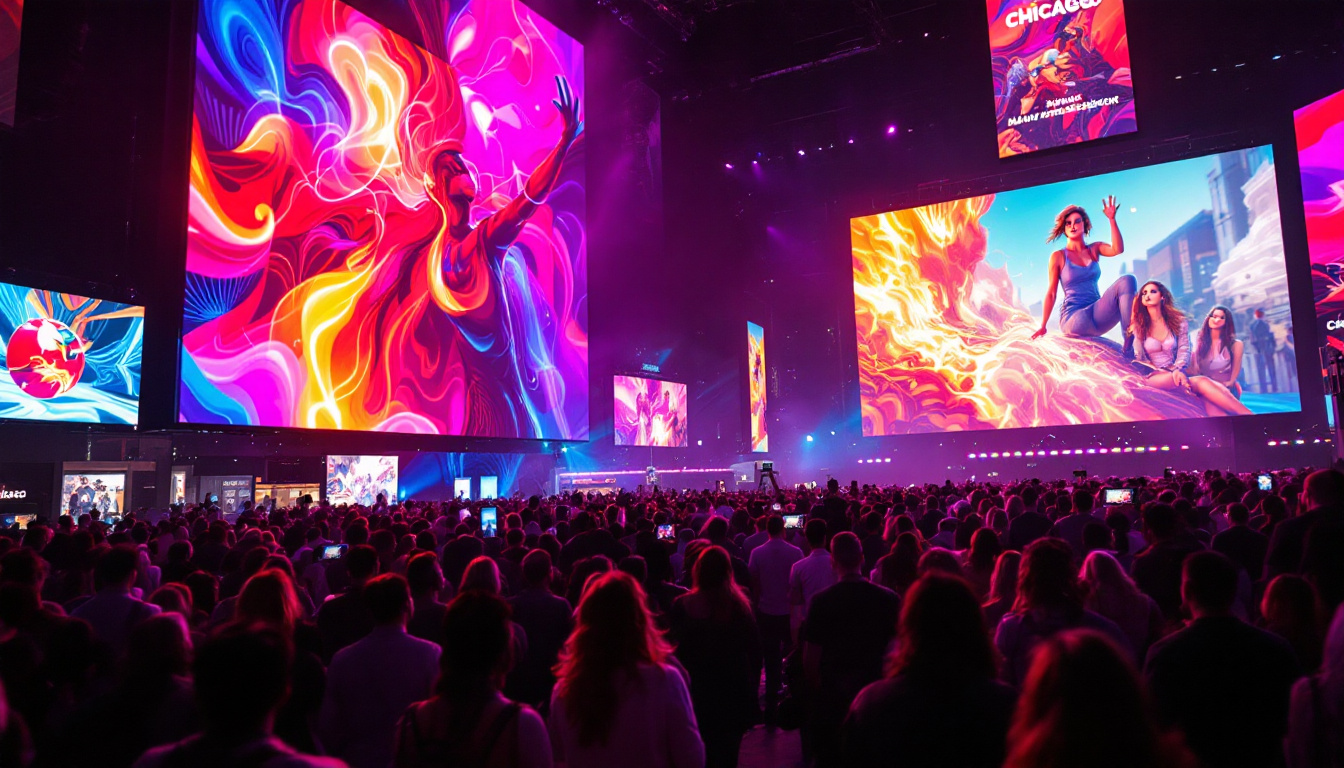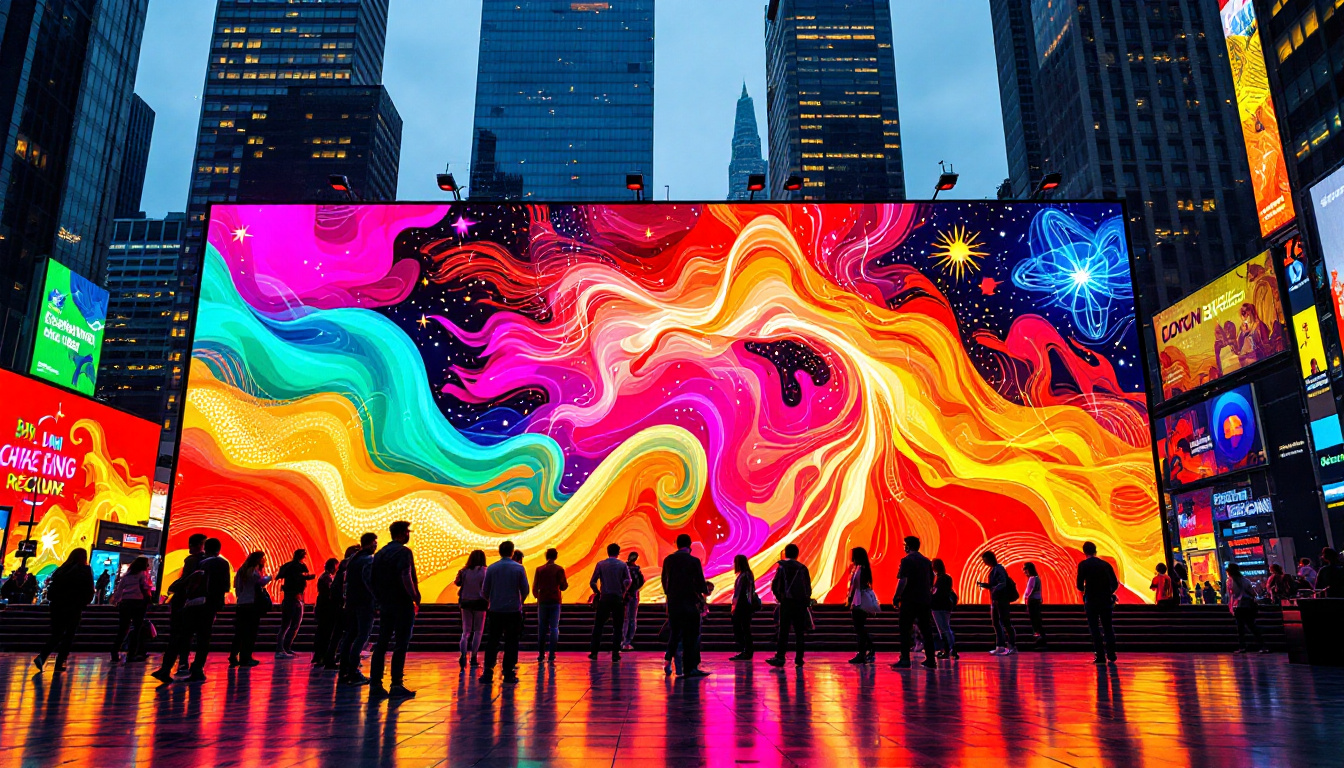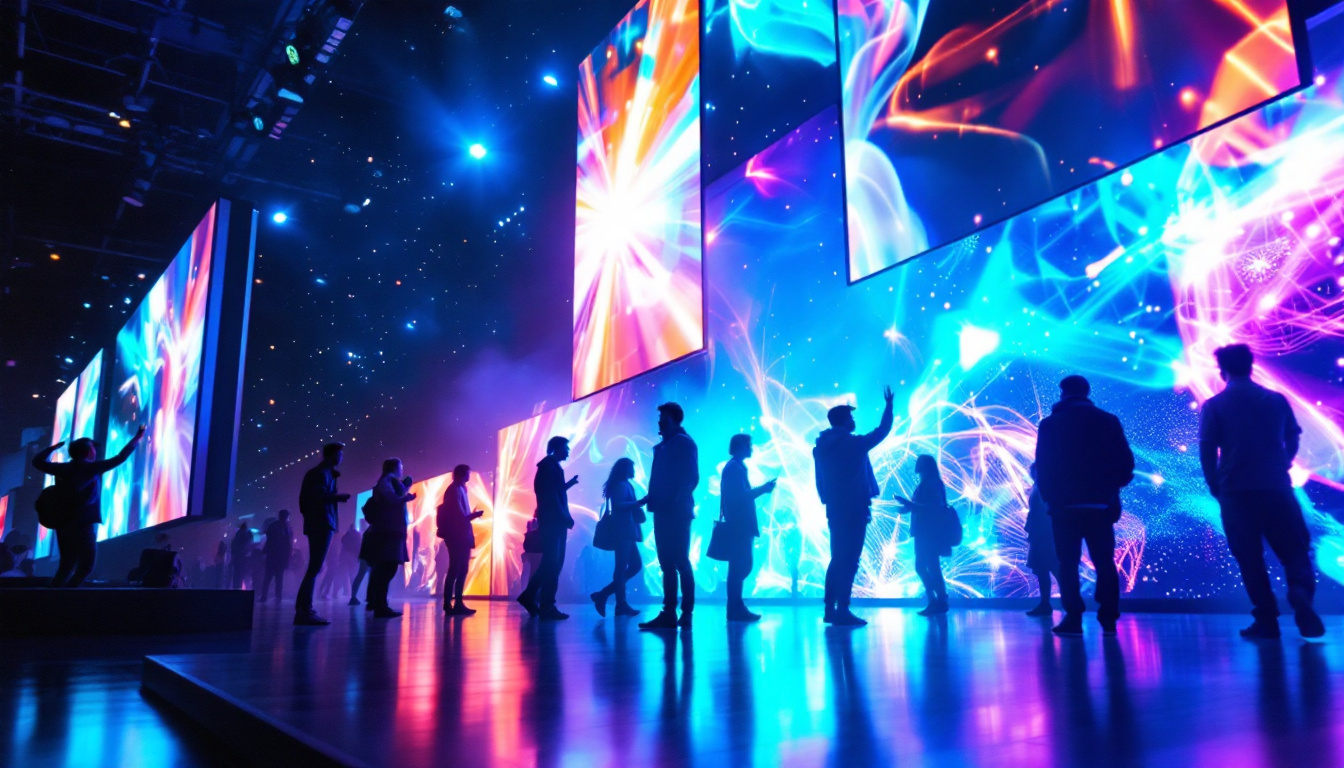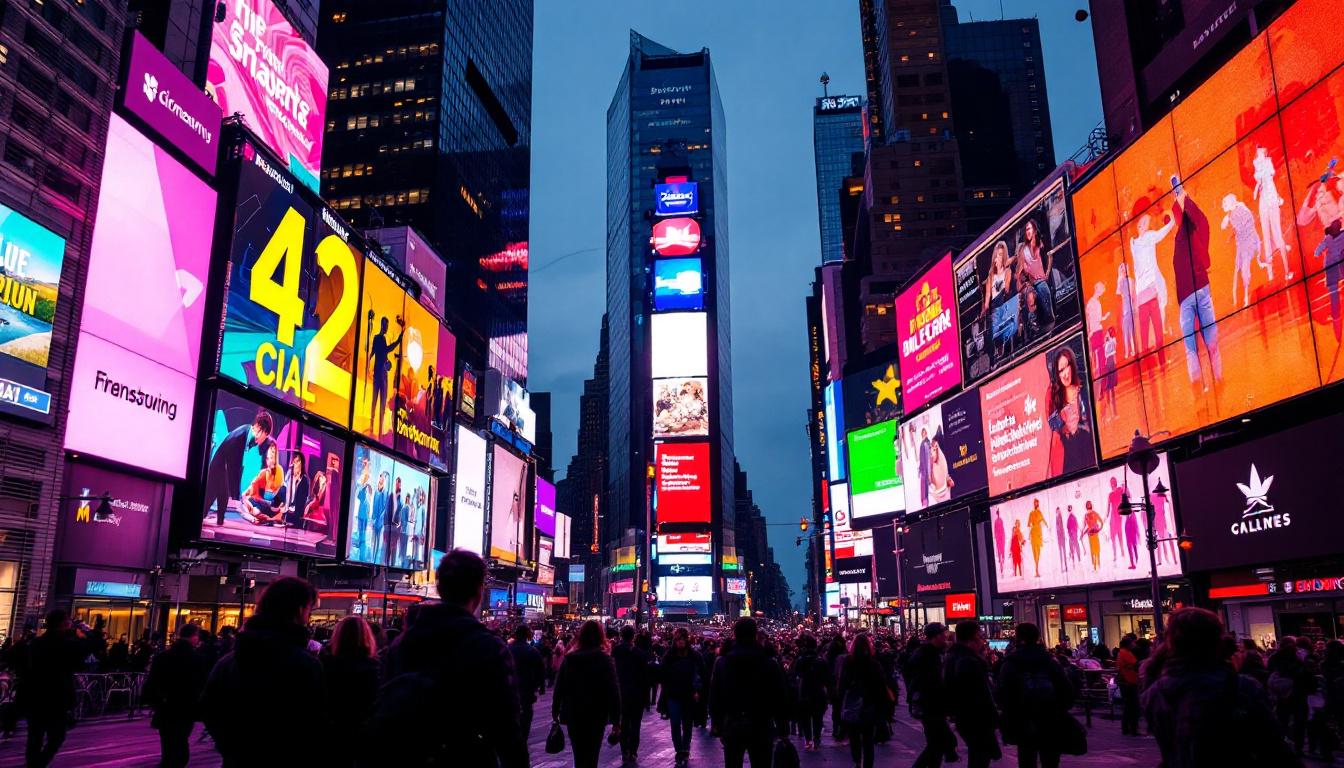
Times Square in New York City is world-renowned for its dazzling, larger-than-life digital billboards and photo displays. These vibrant LED displays have become iconic symbols of modern urban advertising, entertainment, and culture. But what exactly goes into creating such mesmerizing visual experiences? This article dives deep into the technology behind Times Square’s LED displays, exploring how they work, why they are so effective, and what innovations are shaping their future.
The Evolution of Times Square Displays
Times Square’s transformation into the “Crossroads of the World” is closely tied to its visual identity. Before the digital age, the area was dominated by static billboards and neon signs. These provided bright, colorful advertisements but were limited in flexibility and interactivity. The iconic imagery of Times Square, with its vibrant hues and bustling atmosphere, was largely defined by these static displays, which, while visually striking, could only convey a single message at a time. This meant that advertisers had to be particularly creative in their design to capture the attention of the throngs of pedestrians and tourists that flocked to the area.
With the advent of LED (Light Emitting Diode) technology in the late 20th century, Times Square began a gradual shift toward dynamic, programmable displays. The first major LED billboard appeared in the 1990s, and since then, the technology has evolved rapidly, allowing for higher resolution, greater brightness, and more complex content. This shift not only enhanced the visual appeal of advertisements but also allowed for real-time updates, enabling brands to respond to current events or trends instantly. The introduction of these digital displays marked a pivotal moment in advertising, as they began to blur the lines between traditional marketing and digital media.
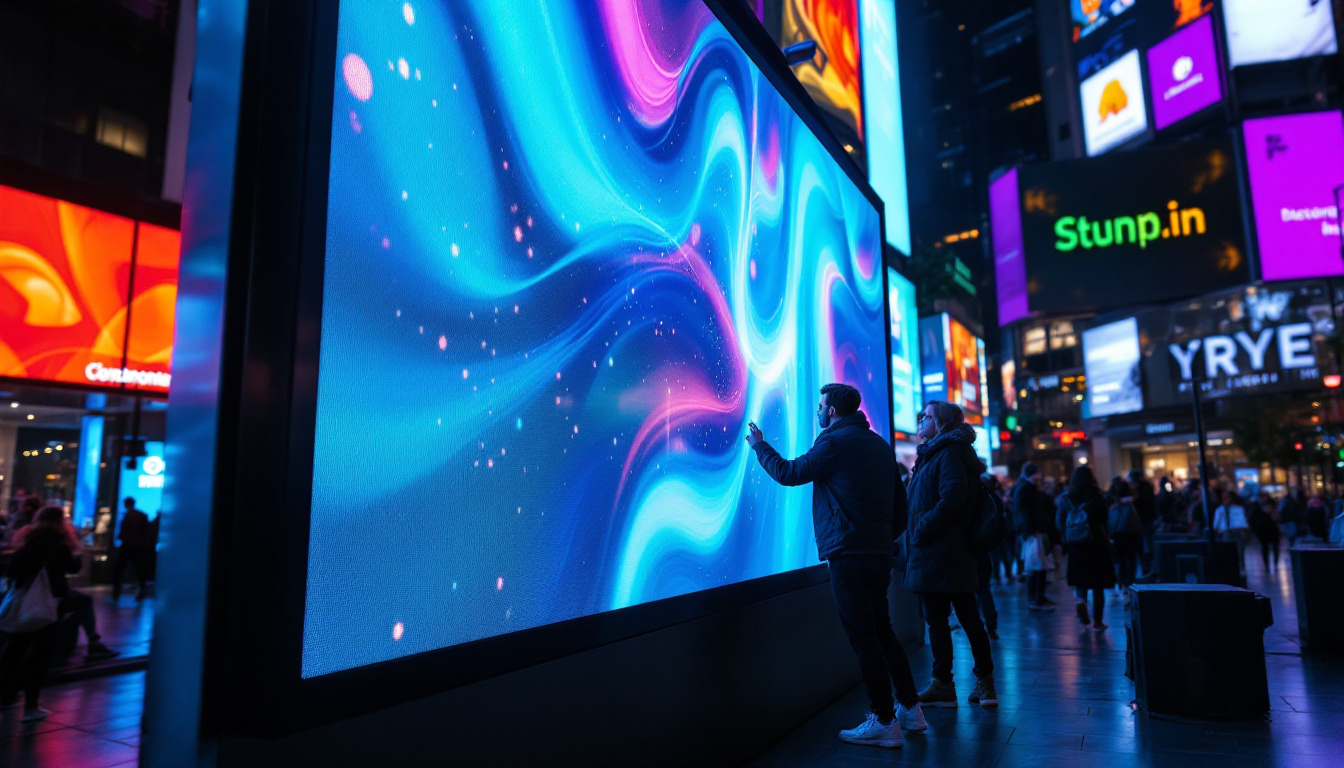
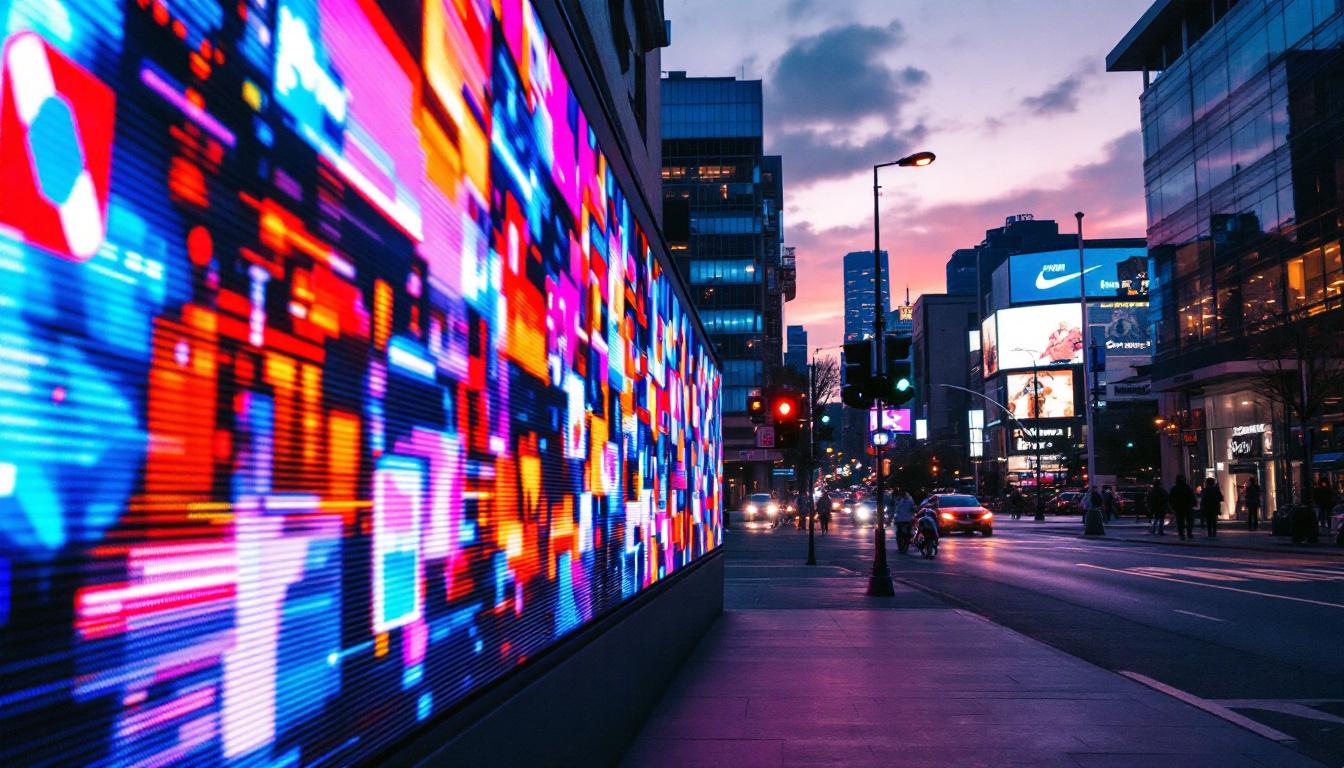
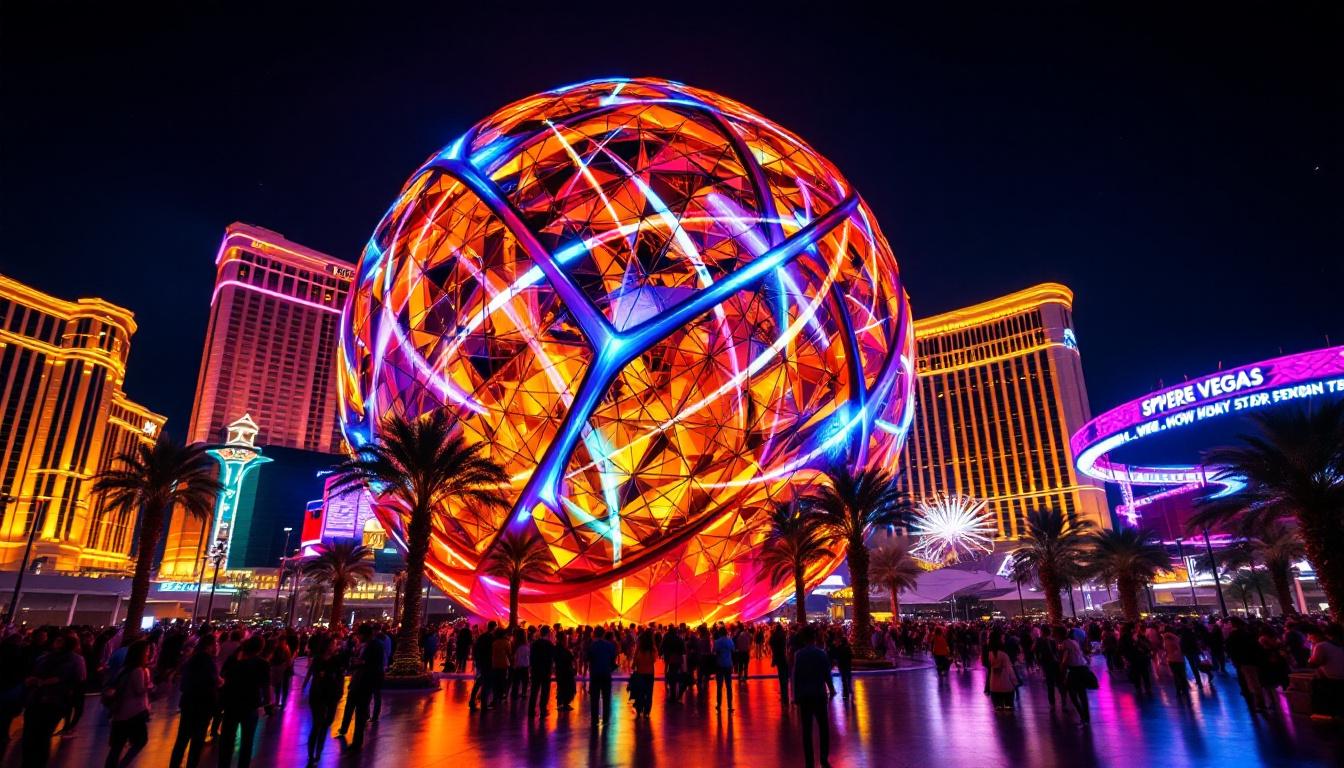
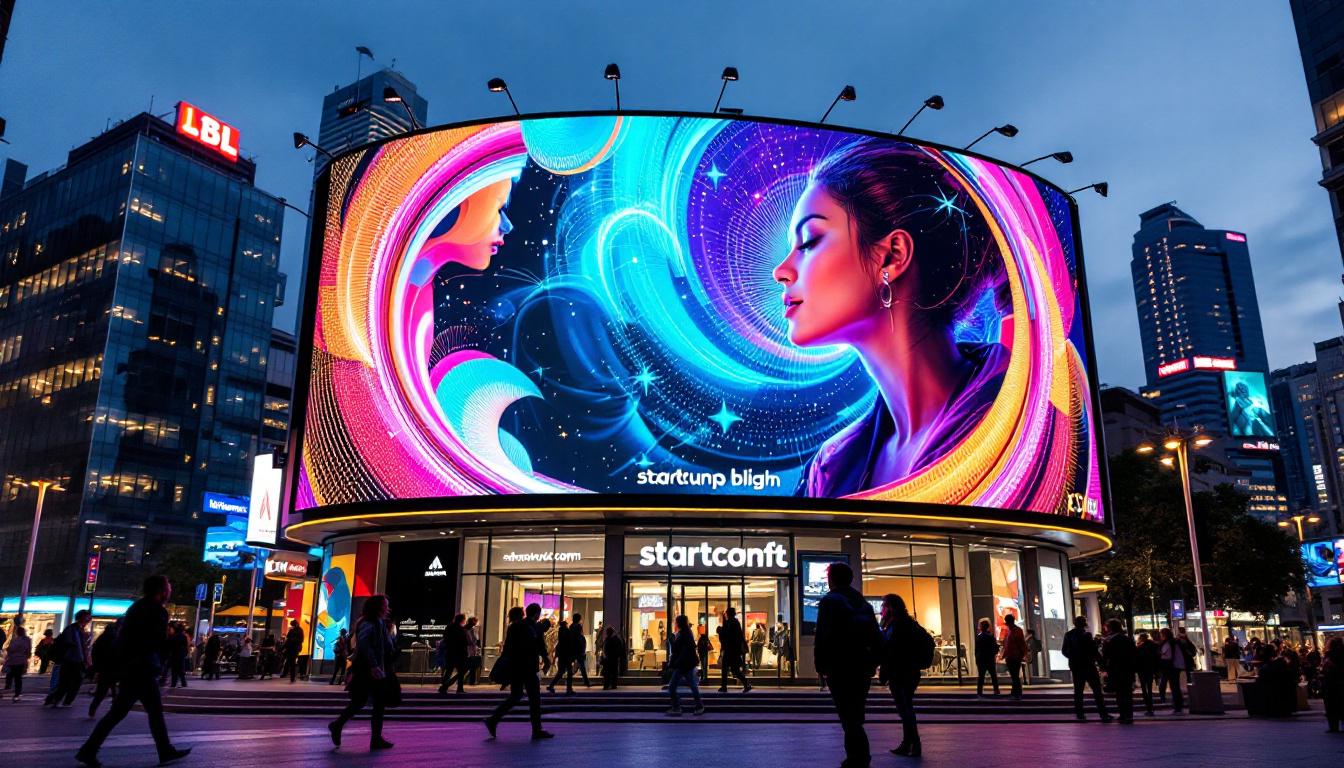
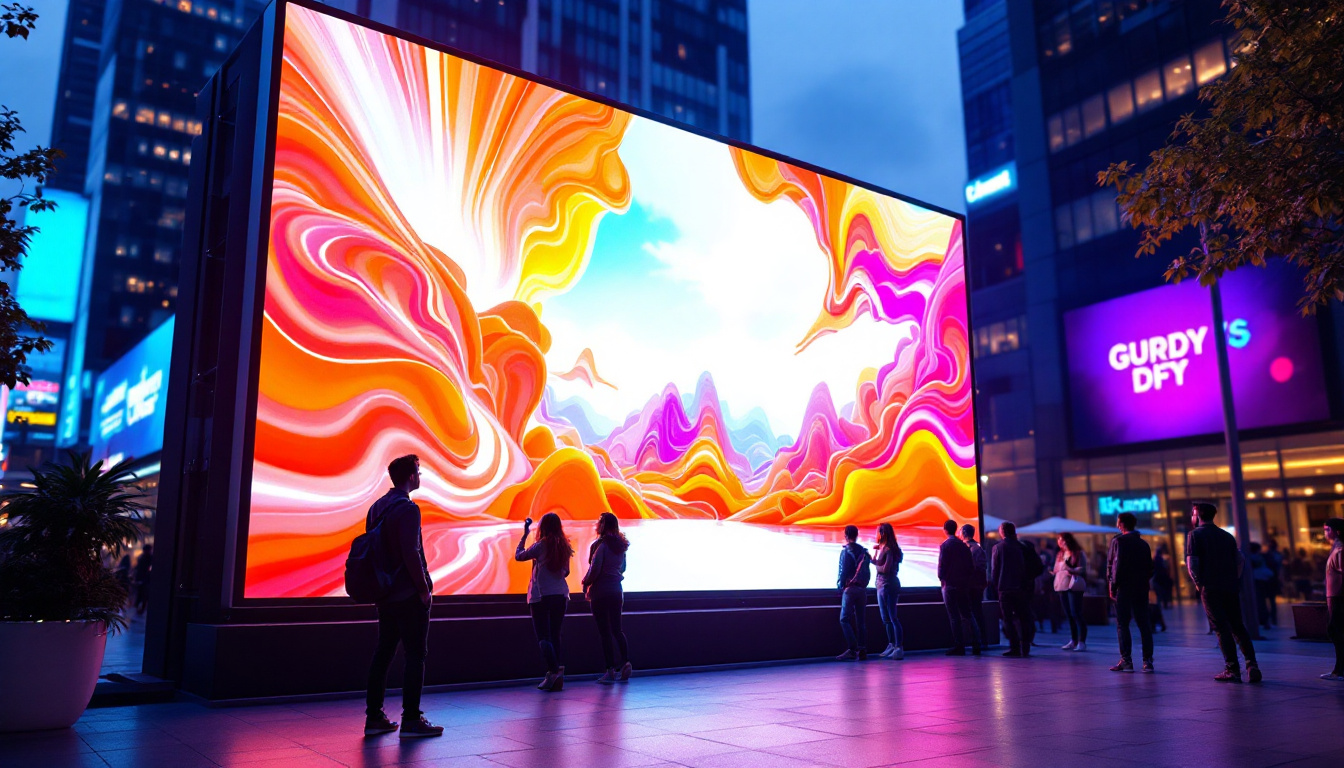
Today, the LED displays in Times Square are not just advertisements; they are immersive experiences that combine video, photography, animation, and interactive elements to captivate millions of visitors annually. These displays often feature elaborate light shows and synchronized soundtracks, turning the square into a vibrant canvas of creativity and innovation. Brands now leverage augmented reality and social media integration, inviting passersby to engage with the content in ways that were previously unimaginable. For instance, some displays allow users to take selfies that are then incorporated into the advertising, creating a personalized experience that resonates with the audience. This evolution reflects a broader trend in advertising, where engagement and interaction are paramount, making Times Square a living example of the future of urban advertising.
Understanding LED Display Technology
What is an LED Display?
At its core, an LED display is a flat panel that uses light-emitting diodes to produce images and videos. Unlike traditional LCD screens that rely on backlighting, LEDs generate their own light, resulting in brighter and more energy-efficient displays.
LED displays are made up of thousands to millions of tiny diodes arranged in a grid, known as pixels. Each pixel typically consists of red, green, and blue LEDs that combine to create a full spectrum of colors. By controlling the intensity of each diode, the display can render detailed and vibrant images. This technology not only enhances visual quality but also allows for dynamic content that can change in real-time, making LED displays particularly popular for advertising and entertainment purposes.
Types of LED Displays Used in Times Square
Times Square utilizes primarily outdoor LED displays designed to withstand harsh weather conditions and maintain visibility in direct sunlight. These displays are categorized based on pixel pitch, brightness, and resolution:
- Pixel Pitch: This refers to the distance between the centers of two adjacent pixels. Smaller pixel pitch means higher resolution and sharper images, which is crucial for displays viewed up close.
- Brightness: Measured in nits, brightness levels for Times Square LED displays typically range from 5,000 to 10,000 nits, ensuring visibility even in bright daylight.
- Resolution: High-resolution displays can show detailed images and videos, essential for the large-scale photo displays that attract attention from afar.
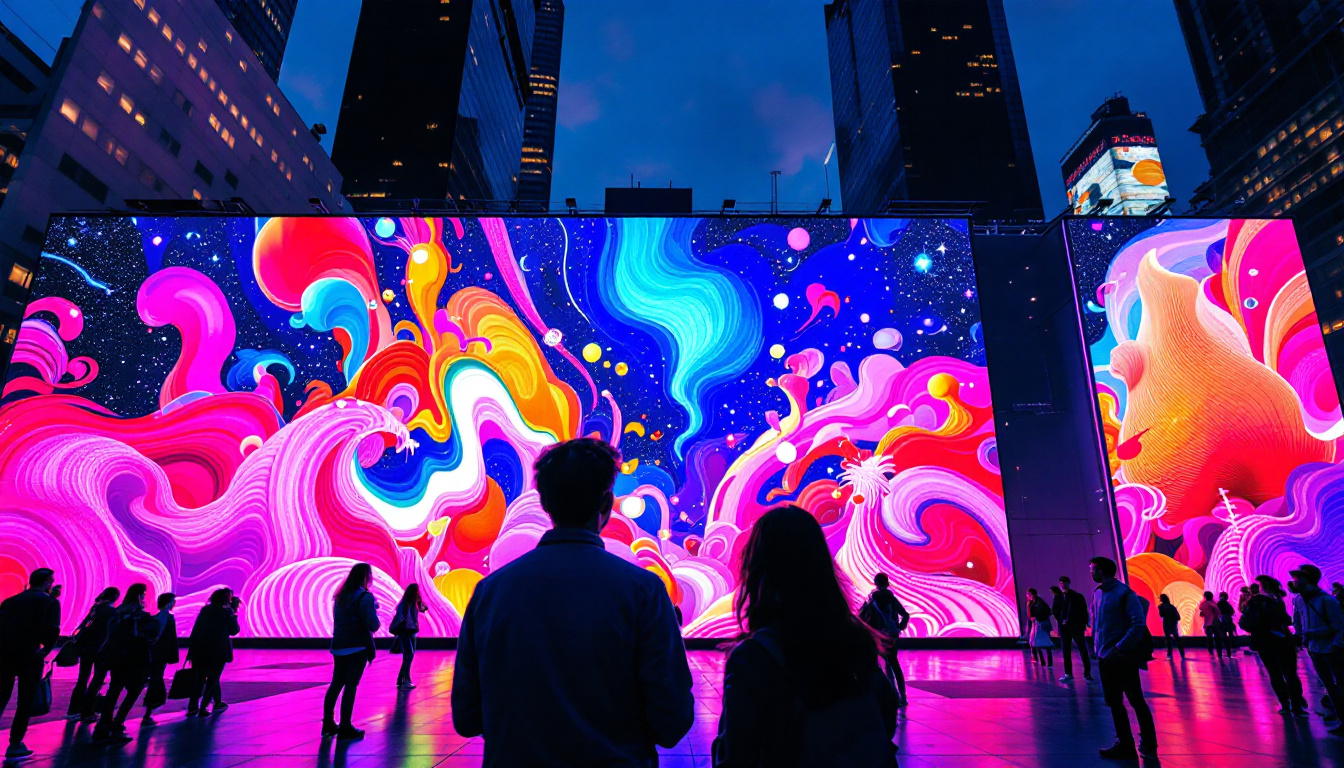
For example, the massive LED display on One Times Square, famously known for the New Year’s Eve ball drop, boasts a pixel pitch of approximately 10mm and brightness exceeding 7,000 nits, making it one of the most striking digital canvases in the world. The sheer scale of these displays is complemented by advanced technology that allows for seamless transitions and animations, captivating millions of visitors each year.
Moreover, the integration of LED displays in Times Square is not just about aesthetics; it also plays a significant role in the urban landscape and economy. These displays serve as platforms for advertising, providing businesses with an opportunity to reach a vast audience in one of the most visited locations globally. The content displayed can range from promotional videos to live feeds of events, creating an interactive experience that engages passersby. This synergy between technology and commerce illustrates how LED displays have transformed public spaces into vibrant hubs of information and entertainment.
How Times Square Photo Displays Work
Content Creation and Management
The stunning visuals on Times Square’s LED displays begin with sophisticated content creation. Advertisers and artists use high-end graphic design, video production, and animation software to craft images and videos tailored to the display’s specifications. The content must be optimized for the display’s resolution and color capabilities to ensure maximum impact.
Once created, the content is uploaded to a centralized content management system (CMS) that controls what is shown on each display. This system schedules advertisements, transitions, and interactive elements, allowing for real-time updates and dynamic programming.
Photo Display Features
One of the most engaging aspects of Times Square LED displays is their ability to showcase photographic content with incredible clarity and vibrancy. High-resolution cameras and image processing tools ensure that photos maintain their quality when scaled up to massive sizes.
Additionally, some displays incorporate interactive photo features, such as live social media feeds or user-submitted images. These interactive elements enhance visitor engagement and create a sense of community participation.
Technical Infrastructure
Behind the scenes, a robust network of servers, data connections, and control hardware powers the displays. These systems ensure seamless operation, synchronize multiple displays, and handle the immense data throughput required for high-definition video and photo content.
Redundancy and fail-safes are critical components, as any downtime can lead to significant revenue loss and diminished visitor experience. Therefore, the infrastructure is designed for 24/7 operation with minimal maintenance interruptions.
Why LED Displays Are Ideal for Times Square
Unmatched Brightness and Visibility
Times Square is one of the busiest and brightest urban environments globally. LED displays offer unparalleled brightness levels, often exceeding 10,000 nits, which ensures that images remain vivid and legible even under direct sunlight or adverse weather conditions.
This brightness advantage is crucial for attracting the attention of pedestrians, commuters, and drivers who are constantly bombarded with visual stimuli.
Energy Efficiency and Sustainability
Compared to traditional incandescent or neon lighting, LEDs consume significantly less power. This energy efficiency is vital in a location like Times Square, where hundreds of thousands of square feet of digital signage operate continuously.
Moreover, many LED display operators are adopting sustainable practices, such as using renewable energy sources and recycling components, to reduce the environmental impact of these massive installations.
Flexibility and Dynamic Content
Unlike static billboards, LED displays can change content instantly. This flexibility allows advertisers to tailor messages based on time of day, events, or audience demographics. For example, a display might show morning news headlines during rush hour and switch to entertainment ads in the evening.
This dynamic capability maximizes advertising effectiveness and keeps the visual environment fresh and engaging for repeat visitors.
Challenges and Innovations in LED Display Technology
Addressing Technical Challenges
Despite their advantages, LED displays face several challenges, especially in an environment as demanding as Times Square. Heat management is critical, as LEDs generate heat that can affect performance and longevity. Advanced cooling systems and heat-resistant materials are employed to mitigate this issue.
Another challenge is pixel failure, where individual LEDs stop functioning. Regular maintenance and modular design allow for quick repairs without significant downtime.
Emerging Technologies and Trends
The future of Times Square LED displays is bright, with several exciting innovations on the horizon:
- MicroLED Technology: Offering even higher resolution and brightness with lower power consumption, microLEDs are poised to revolutionize large-scale displays.
- Augmented Reality Integration: Combining LED displays with AR technology can create immersive experiences that blend digital content with the physical environment.
- AI-Driven Content: Artificial intelligence can optimize content delivery based on real-time data such as crowd density, weather, and viewer demographics, enhancing engagement.
These advancements promise to make Times Square displays more interactive, sustainable, and visually stunning than ever before.
The Cultural Impact of Times Square LED Displays
Beyond technology and advertising, Times Square’s LED displays have become cultural landmarks. They serve as backdrops for countless films, television shows, and live events, symbolizing the energy and diversity of New York City.
The displays also provide a platform for public art and social messaging, reflecting contemporary issues and community values. This blend of commerce, art, and communication underscores the unique role that LED technology plays in shaping urban experiences.
Conclusion
The LED photo displays of Times Square represent a pinnacle of digital signage technology, combining cutting-edge engineering with creative storytelling. Their brightness, flexibility, and scale make them ideally suited to one of the world’s busiest public spaces.
As LED technology continues to evolve, these displays will become even more immersive and interactive, further enhancing the vibrancy of Times Square. Understanding the technology behind these iconic screens offers insight into how digital media shapes modern urban life and the future of public visual communication.
Illuminate Your Brand with LumenMatrix
As you’ve seen, the LED displays of Times Square are more than just screens; they’re a canvas for innovation and engagement. LumenMatrix stands at the forefront of this technological revolution, offering a diverse range of LED display solutions that bring your brand to life. Whether you’re looking for an Indoor LED Wall Display, a vibrant Outdoor LED Wall Display, or specialized options like Vehicle, Sports, or Floor LED Displays, LumenMatrix has the expertise to elevate your visual presence. Embrace the future of digital storytelling with our Custom, All-in-One, and Transparent LED Displays. Check out LumenMatrix LED Display Solutions and transform your message into an unforgettable visual experience.