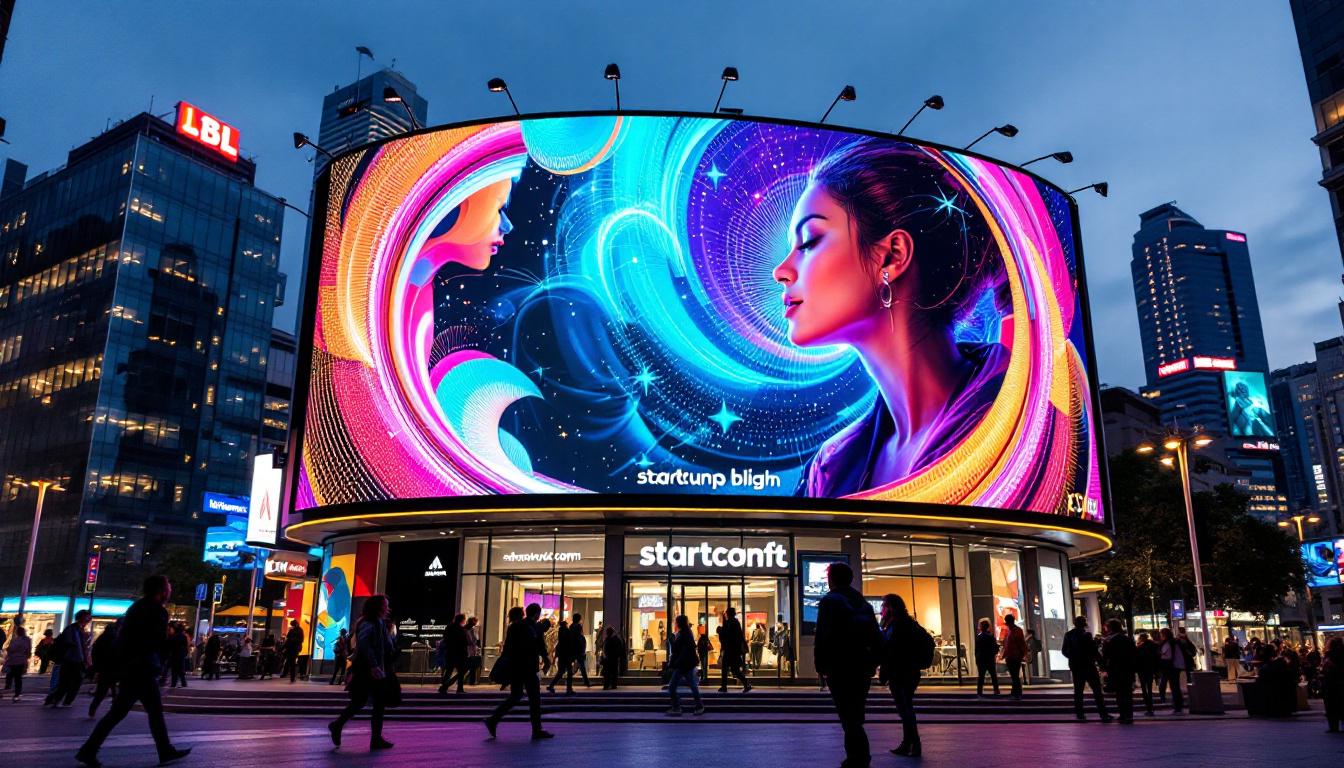
In the rapidly evolving world of advertising, digital billboards have become a cornerstone for brands seeking to capture public attention. Among the latest innovations, 3D digital billboards stand out as a revolutionary medium that combines technology, creativity, and high-impact visuals to engage audiences like never before. Powered primarily by advanced LED display technology, these billboards transform traditional advertising into immersive experiences.
This article delves into the technology behind 3D digital billboards, explores their benefits and applications, and examines why they are becoming an indispensable tool in modern marketing strategies.
Understanding 3D Digital Billboards and LED Technology
What Are 3D Digital Billboards?
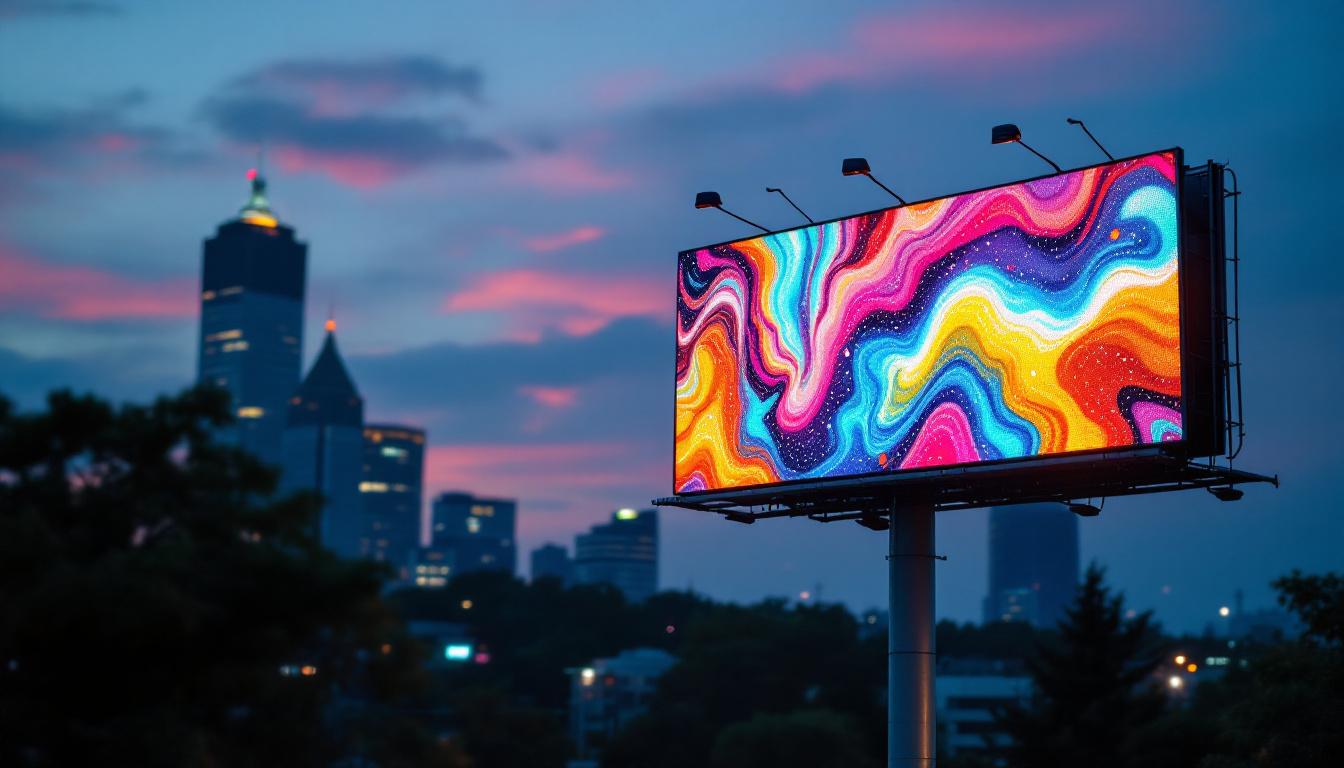
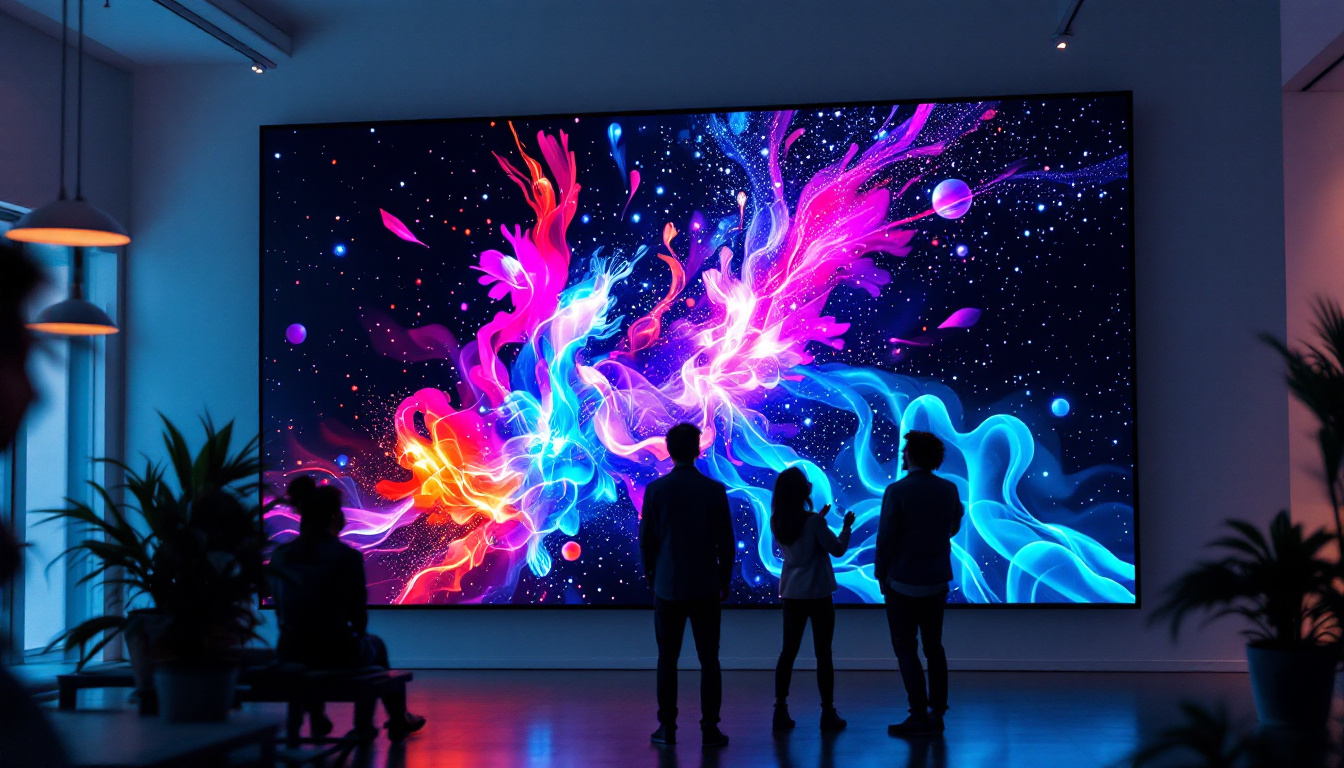
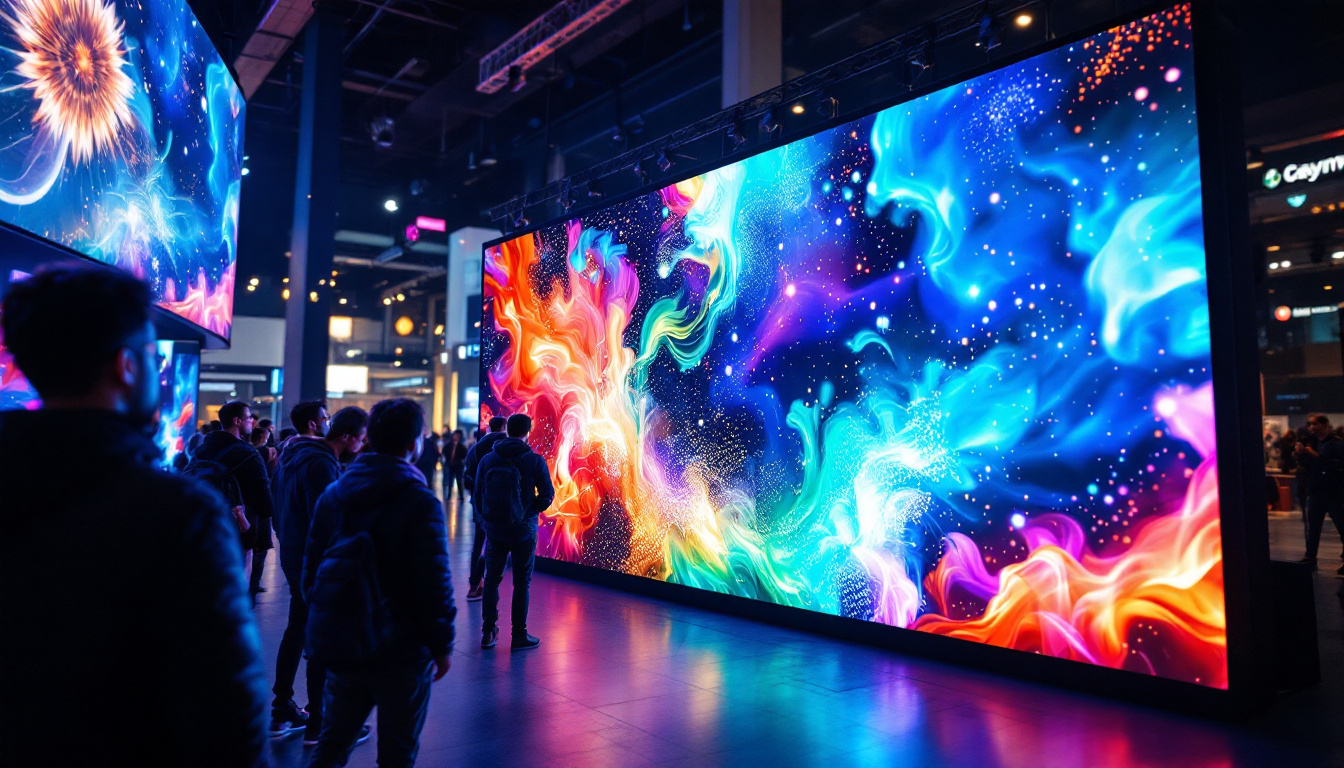
3D digital billboards are large-scale advertising displays that create the illusion of three-dimensional images without the need for special glasses or viewing devices. Unlike conventional flat billboards, these displays use advanced visual effects and LED technology to produce depth and movement, making images appear to pop out or float in space.
This effect is often achieved through a combination of high-resolution LED panels, precise pixel control, and creative content design that manipulates perspective and lighting. The result is a captivating visual experience that grabs attention and enhances message retention. These billboards are increasingly being used in high-traffic urban areas, where their eye-catching designs can significantly increase brand visibility and engagement. As advertisers seek innovative ways to stand out in crowded markets, the demand for such dynamic displays continues to grow.
The Role of LED Displays in 3D Billboards
Light Emitting Diode (LED) technology forms the backbone of 3D digital billboards. LEDs are semiconductor devices that emit light when an electric current passes through them. Their advantages include high brightness, energy efficiency, longevity, and the ability to produce vibrant colors.
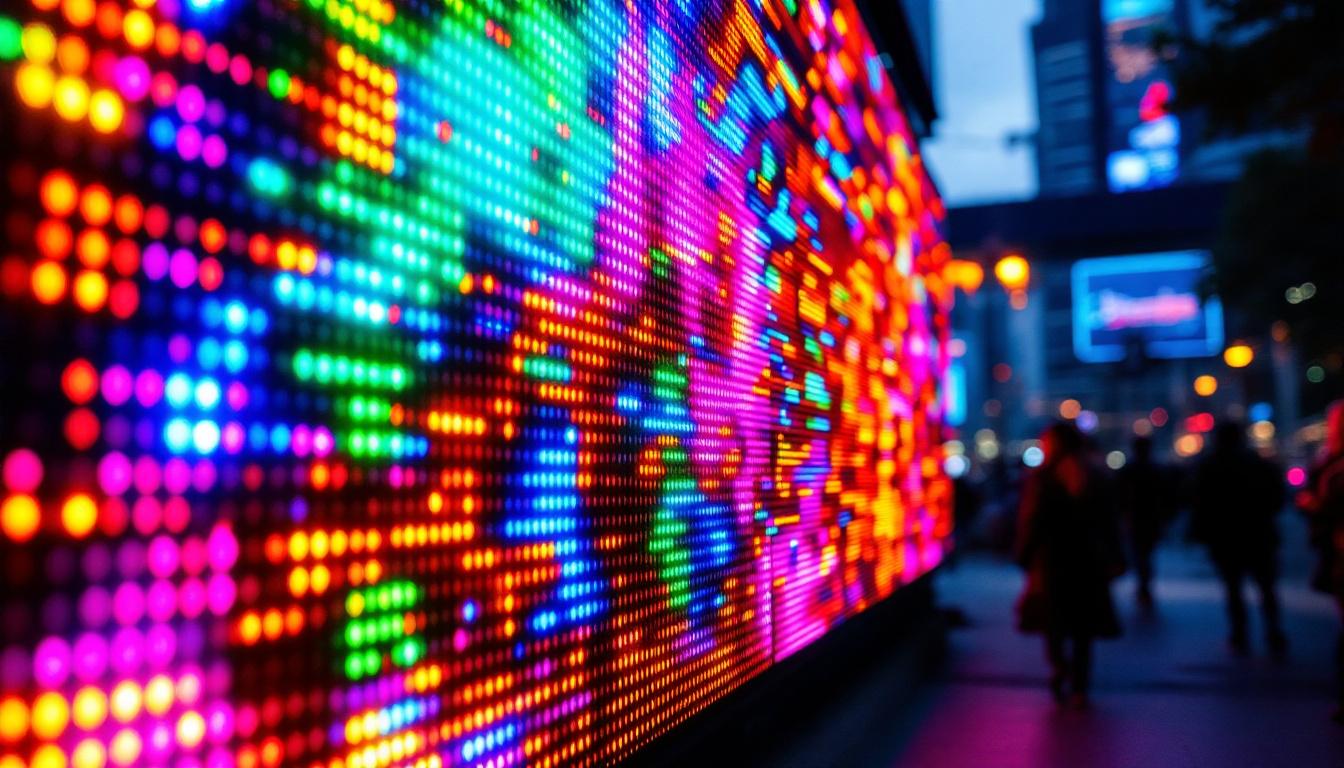
LED displays consist of thousands to millions of tiny LEDs arranged in a grid. Each LED acts as a pixel, which can be individually controlled to display specific colors and brightness levels. This granular control allows for the creation of dynamic images and videos with high contrast and clarity, essential for 3D effects. The technology has evolved significantly, with advancements in pixel density and color accuracy, enabling advertisers to create stunning visuals that resonate with audiences. Furthermore, the flexibility of LED panels allows for creative installations in various environments, from shopping malls to outdoor stadiums, enhancing the overall viewer experience.
Modern LED panels used in 3D billboards often feature ultra-fine pixel pitches (the distance between the centers of adjacent LEDs), enabling extremely sharp images even at close viewing distances. This precision is crucial for rendering the subtle shading and depth cues that make 3D illusions convincing. Additionally, many of these displays are designed to withstand outdoor conditions, featuring weather-resistant materials and coatings that ensure longevity and performance, even in harsh climates.
How 3D Effects Are Created on LED Billboards
Creating a 3D effect on a flat LED surface involves clever use of visual tricks such as perspective, shadowing, motion parallax, and layering. Content creators design animations that simulate depth by manipulating how objects move and interact within the frame.
For example, an object might appear to extend beyond the physical boundaries of the billboard or rotate in space. These effects are enhanced by the LED display’s brightness and color range, which help mimic real-world lighting conditions and textures. The integration of advanced software tools allows designers to experiment with various visual elements, ensuring that each advertisement is not only visually appealing but also effectively communicates the intended message. The creative possibilities are virtually limitless, enabling brands to tell compelling stories through dynamic visuals that captivate audiences.
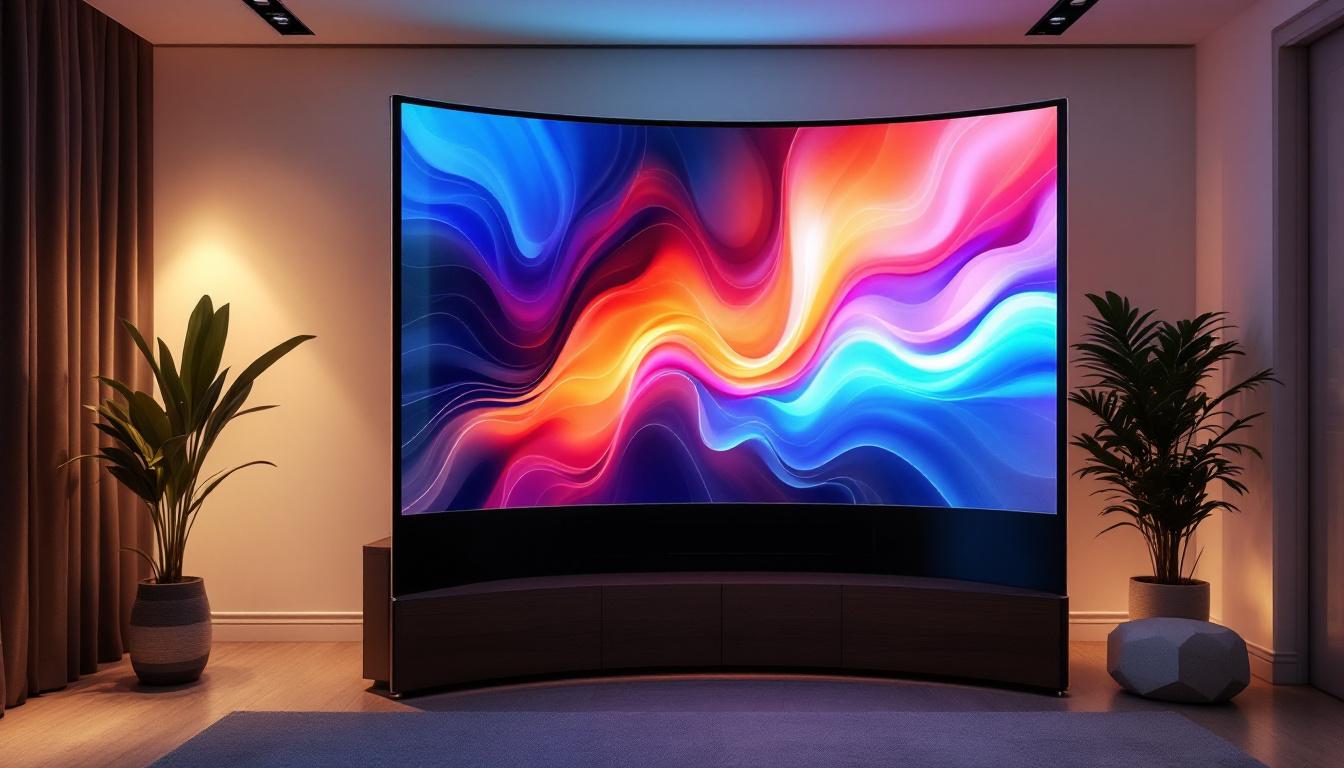
Some 3D billboards also incorporate physical elements or use curved LED panels to amplify the illusion of depth. However, the majority rely on purely digital techniques, making them versatile and easier to update with new content. This adaptability is particularly beneficial for campaigns that require frequent changes or seasonal promotions, allowing advertisers to keep their messaging fresh and relevant. As technology continues to advance, we can expect to see even more innovative applications of 3D effects, further pushing the boundaries of what digital advertising can achieve.
The Advantages of 3D Digital Billboards in Advertising
Higher Engagement and Memorability
Studies show that digital billboards can increase brand recall by up to 47% compared to static billboards. When 3D effects are added, the engagement level rises even further. The novelty and visual impact of 3D content naturally draw the eye, encouraging viewers to spend more time absorbing the message.
This heightened engagement translates into better brand awareness and a stronger emotional connection with the audience. Advertisers benefit from this by delivering messages that are not only seen but remembered.
Dynamic and Flexible Content Delivery
Unlike traditional billboards, digital LED displays allow for real-time content updates. Advertisers can schedule multiple campaigns throughout the day, tailor messages to specific demographics or events, and respond instantly to market trends.
3D digital billboards take this flexibility a step further by enabling complex animations and interactive content that can be refreshed regularly to maintain audience interest. This adaptability is especially valuable in high-traffic urban areas where competition for attention is fierce.
Cost Efficiency Over Time
While the initial investment in 3D LED billboards can be significant, the long-term cost benefits are compelling. Digital content eliminates the need for printing and physical installation, reducing recurring expenses. Additionally, LED technology is energy-efficient and durable, minimizing maintenance costs.
Moreover, the ability to run multiple ads and update content remotely maximizes the return on investment by increasing the billboard’s utilization rate and relevance.
Applications and Examples of 3D Digital Billboards
Urban Advertising and Landmark Displays
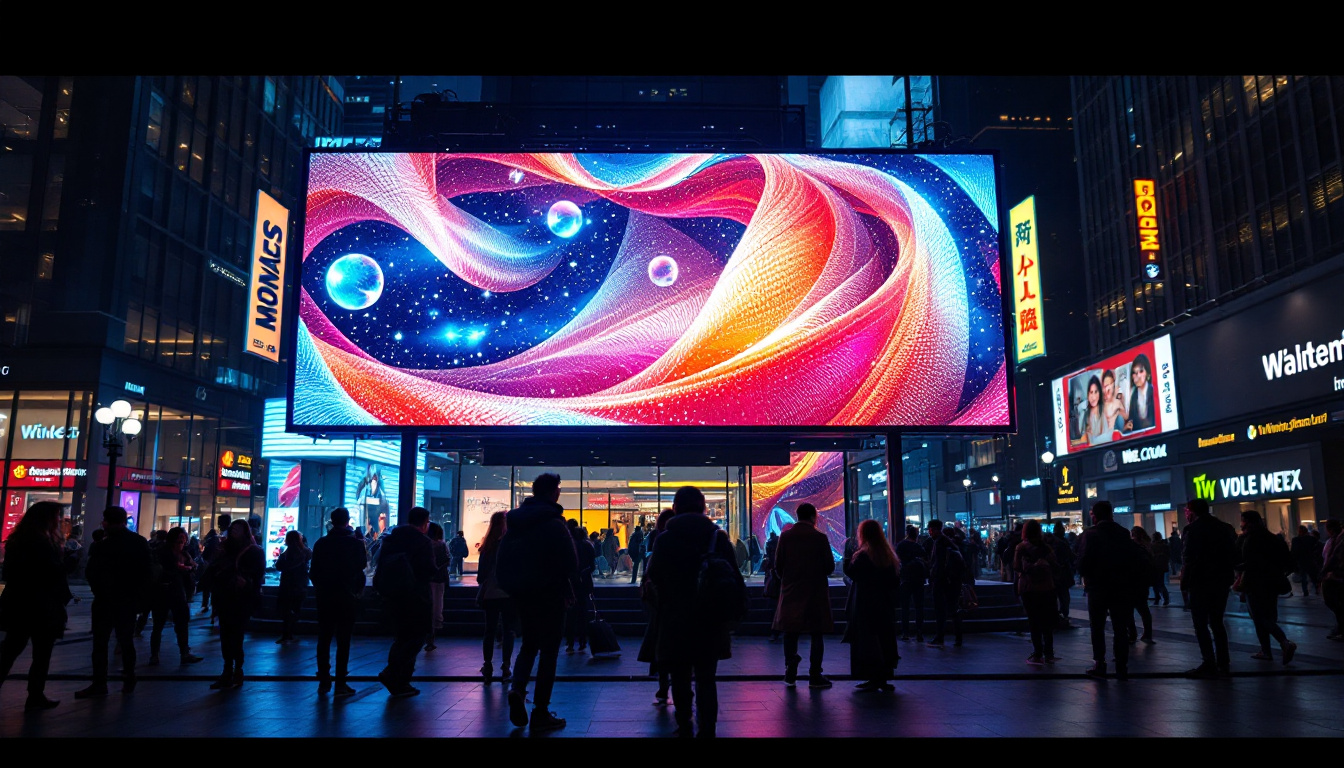
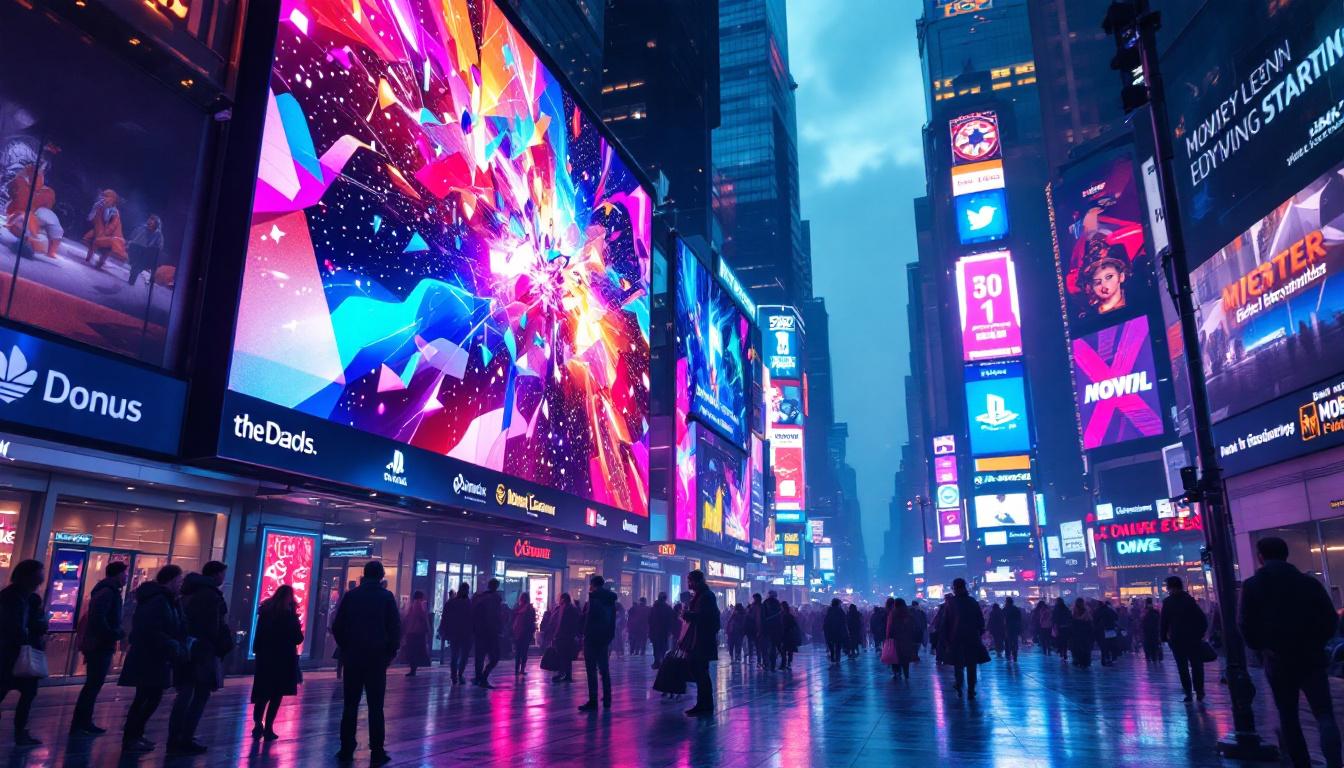
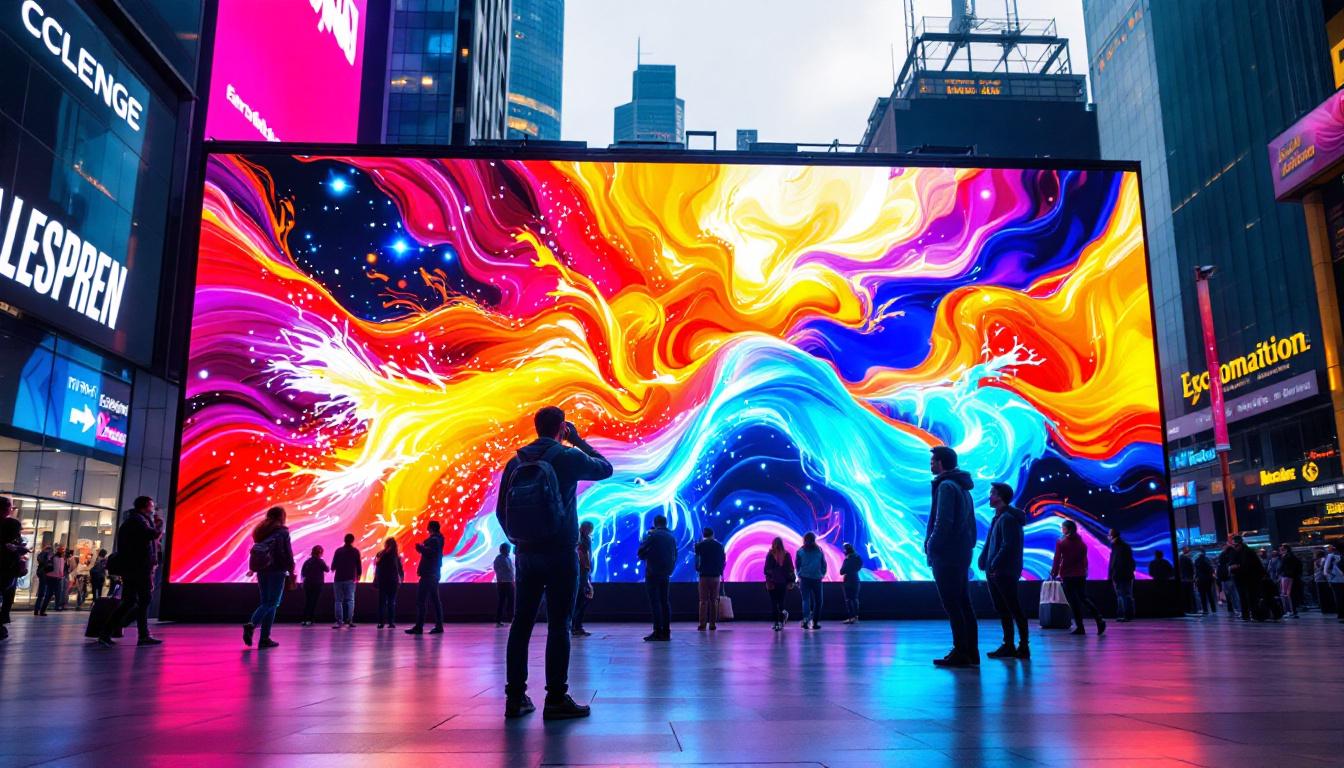
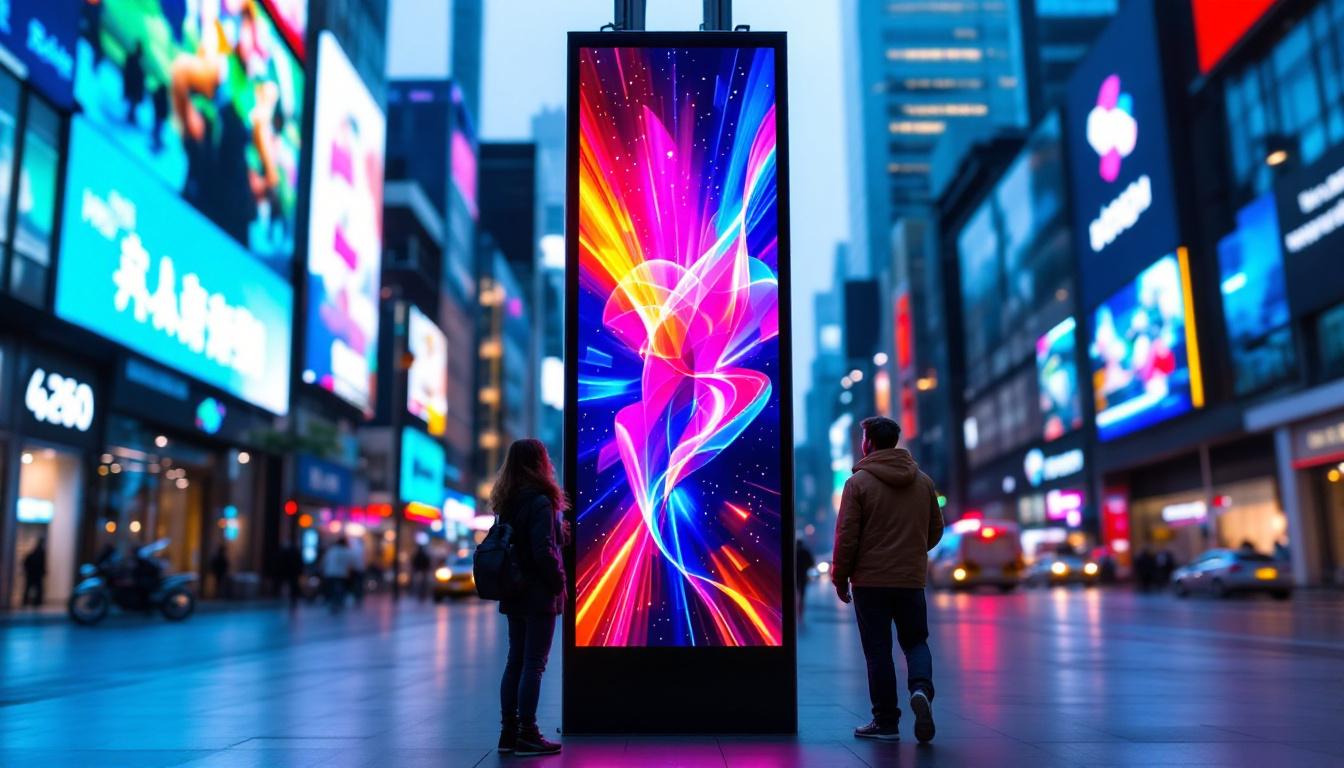
Major cities around the world have embraced 3D digital billboards to transform their advertising landscapes. Times Square in New York City, Piccadilly Circus in London, and Shibuya Crossing in Tokyo are prime examples where these displays create iconic visual spectacles.
For instance, a recent campaign by a global beverage brand used a 3D billboard in Times Square to simulate a giant bottle pouring liquid onto the street below, captivating thousands of passersby and generating extensive social media buzz.
Event Promotion and Experiential Marketing
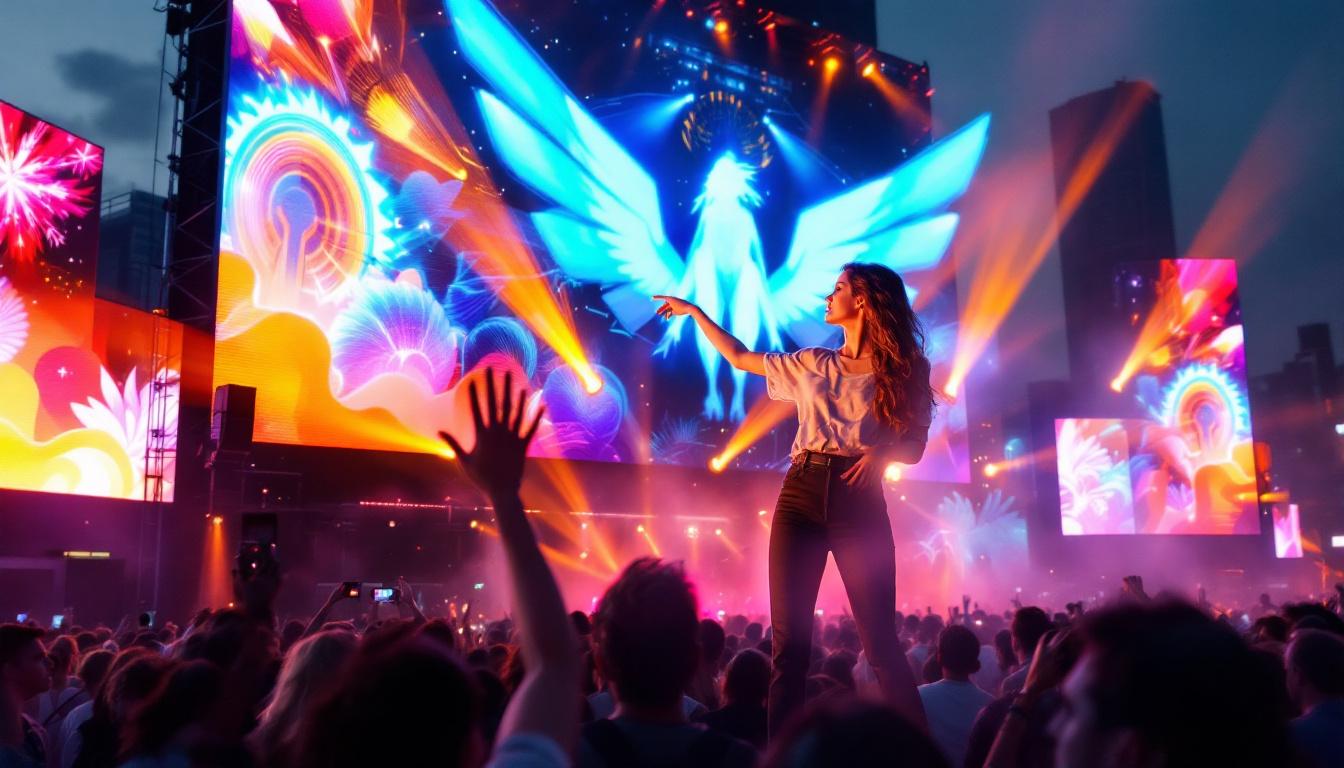
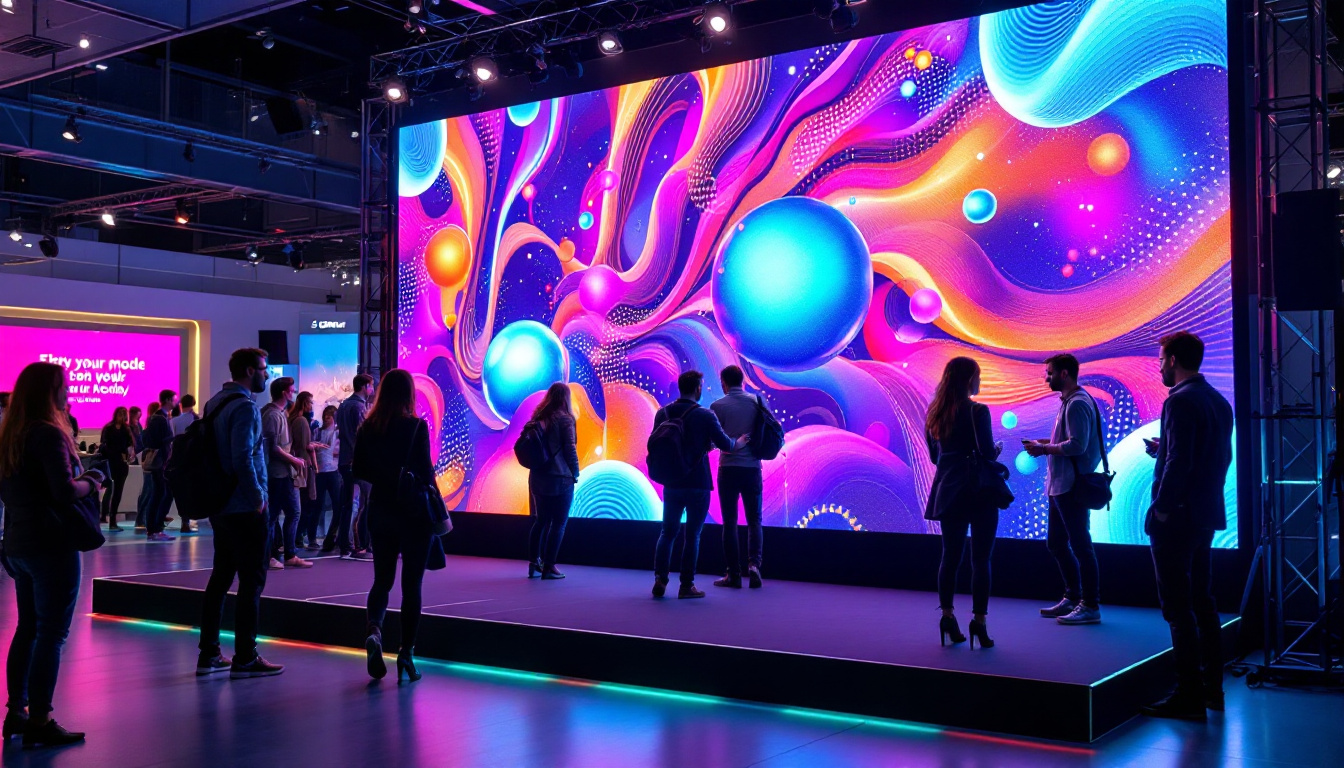
3D digital billboards are increasingly used to promote events such as concerts, sports games, and product launches. Their ability to showcase dynamic content and create immersive experiences makes them ideal for building excitement and anticipation.
During major sporting events like the Super Bowl or the FIFA World Cup, advertisers employ 3D billboards to display interactive countdowns, player highlights, and branded animations that enhance fan engagement and brand visibility.
Retail and Shopping Districts
Retailers leverage 3D LED billboards to attract shoppers by displaying eye-catching promotions, new product launches, and seasonal campaigns. Shopping districts equipped with these displays report increased foot traffic and sales, as the vivid visuals entice consumers to explore stores.
For example, a luxury fashion brand used a 3D billboard in a prominent shopping area to showcase its latest collection with models appearing to walk off the screen, creating a memorable and aspirational shopping experience.
Challenges and Considerations for 3D Digital Billboard Deployment
Technical and Creative Complexity
Producing effective 3D content requires a blend of technical expertise and creative vision. Content creators must understand the nuances of LED display capabilities and how to design animations that exploit the medium’s strengths without causing visual fatigue or confusion.
Furthermore, the hardware setup demands precise calibration to ensure colors, brightness, and pixel alignment are optimal. Any discrepancies can undermine the 3D illusion and reduce the impact of the advertisement.
Regulatory and Environmental Factors
Many municipalities regulate digital billboard brightness and content to prevent light pollution and driver distraction. Advertisers need to comply with these rules while maintaining the visual intensity required for 3D effects.
Additionally, outdoor LED billboards must withstand weather conditions such as rain, wind, and extreme temperatures. Ensuring durability and consistent performance under these circumstances is critical for long-term operation.
Cost and ROI Evaluation
While 3D digital billboards offer numerous benefits, the upfront costs for installation and content production can be substantial. Businesses must carefully evaluate their marketing goals and budgets to determine if this investment aligns with their strategy.
Measuring the return on investment involves tracking metrics such as audience reach, engagement rates, and sales impact, which can be challenging but essential for justifying expenditures.
The Future of 3D Digital Billboards
Integration with Emerging Technologies
The future of 3D digital billboards is closely tied to advancements in technologies like augmented reality (AR), artificial intelligence (AI), and 5G connectivity. These innovations promise to make billboards more interactive, personalized, and responsive.
For example, AI-driven content can adapt in real-time based on audience demographics or environmental conditions, while AR integration could allow pedestrians to interact with billboard content via smartphones or wearable devices.
Enhanced Immersive Experiences
As LED display technology continues to improve, 3D billboards will deliver even more realistic and immersive visuals. Higher resolutions, wider color gamuts, and improved refresh rates will enhance the depth and clarity of 3D effects.
Additionally, the use of curved and flexible LED panels will enable new billboard shapes and installations, further pushing creative boundaries and audience engagement.
Expanding Global Adoption
With urbanization and digital infrastructure growth, 3D digital billboards are expected to become more prevalent worldwide, especially in emerging markets. As production costs decrease and technology becomes more accessible, a broader range of businesses will harness the power of 3D LED advertising.
This expansion will not only transform advertising but also contribute to the aesthetic and cultural fabric of cities, blending technology with public space in innovative ways.
Conclusion
3D digital billboards represent a significant leap forward in outdoor advertising, merging cutting-edge LED display technology with creative storytelling to deliver unforgettable visual experiences. Their ability to captivate audiences, provide flexible content options, and offer long-term cost efficiencies makes them a powerful tool for brands aiming to stand out in a crowded marketplace.
While challenges such as technical complexity and regulatory compliance exist, the ongoing technological advancements and growing adoption signal a bright future for 3D digital billboard advertising. For marketers and advertisers seeking to innovate and engage, understanding and leveraging this medium will be essential in the years to come.
Discover the Future of Advertising with LumenMatrix
Ready to elevate your brand’s presence and captivate your audience with the latest in LED display technology? LumenMatrix is at the forefront of innovation, offering a diverse range of LED display solutions tailored to your unique needs. From Indoor and Outdoor LED Wall Displays to specialized options like Vehicle, Sports, and Floor LED Displays, our mission is to transform your visual communication. Experience the power of Custom, All-in-One, and Transparent LED Displays designed to make a lasting impact. Check out LumenMatrix LED Display Solutions today and join the revolution in digital advertising.