In today’s rapidly evolving lighting and display technology landscape, LED displays have become a cornerstone for both commercial and residential applications. Among the many considerations when selecting LED products, compliance with environmental and safety standards such as RoHS (Restriction of Hazardous Substances) is paramount. This article delves into the world of RoHS LED bulbs, exploring what they are, how LED displays function, and why RoHS compliance is critical for manufacturers and consumers alike.
Understanding RoHS Compliance and Its Importance
What is RoHS?
The Restriction of Hazardous Substances Directive, commonly known as RoHS, is a European Union directive that restricts the use of specific hazardous materials found in electrical and electronic products. Initially adopted in 2003 and enforced from 2006, RoHS aims to reduce environmental and health risks by limiting substances like lead, mercury, cadmium, hexavalent chromium, and certain flame retardants (PBB and PBDE).
RoHS compliance means that a product meets strict limits on these hazardous substances, ensuring safer disposal and recycling processes. For LED bulbs and displays, this translates to safer manufacturing, usage, and end-of-life handling. The directive not only promotes environmental protection but also encourages innovation in the development of safer materials and technologies, pushing manufacturers to seek alternatives that are less harmful to both humans and the planet.
Why RoHS Matters for LED Bulbs and Displays
LED technology is celebrated for its energy efficiency and longevity, but without RoHS compliance, LED products might still contain harmful materials that pose environmental hazards. For example, lead, commonly used in soldering, can leach into soil and water if not properly managed. Mercury, once prevalent in traditional lighting, is banned under RoHS for LEDs. The transition to RoHS-compliant materials not only mitigates these risks but also enhances the overall safety profile of LED products, making them a more attractive option for consumers and businesses alike.
For businesses, adhering to RoHS is not just about legal compliance but also about corporate social responsibility. Consumers increasingly demand eco-friendly products, and RoHS-certified LED bulbs and displays align with this trend, supporting sustainability goals and reducing carbon footprints. Furthermore, RoHS compliance can open up new market opportunities, as many regions and countries are adopting similar regulations. Companies that proactively embrace these standards can position themselves as leaders in sustainability, gaining a competitive edge in a marketplace that values environmental stewardship and responsible manufacturing practices.
How LED Displays Work: A Technical Overview
Basic Principles of LED Technology
LED stands for Light Emitting Diode, a semiconductor device that emits light when an electric current passes through it. Unlike incandescent bulbs, which produce light through heating a filament, LEDs generate light through electroluminescence, making them more energy-efficient and durable. This fundamental difference in operation not only contributes to their longevity but also minimizes heat production, which is a significant advantage in various applications.
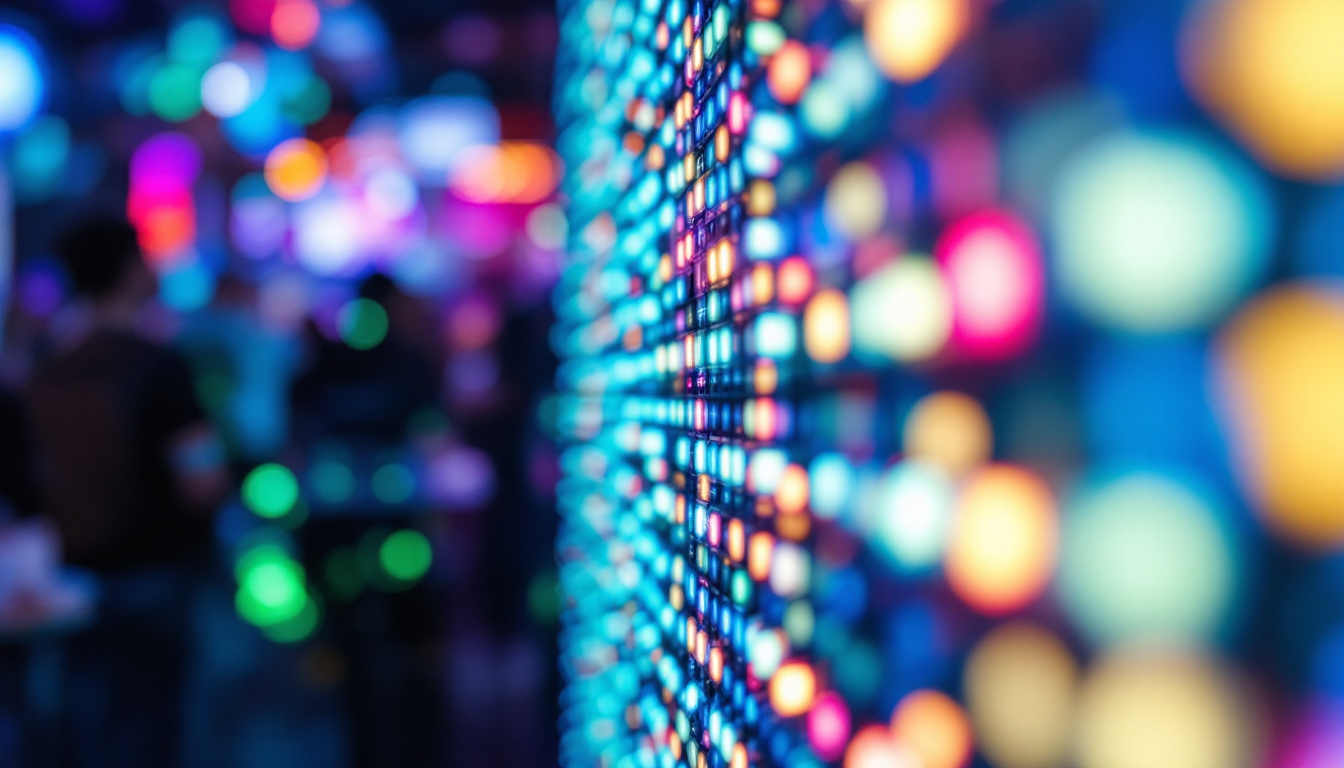
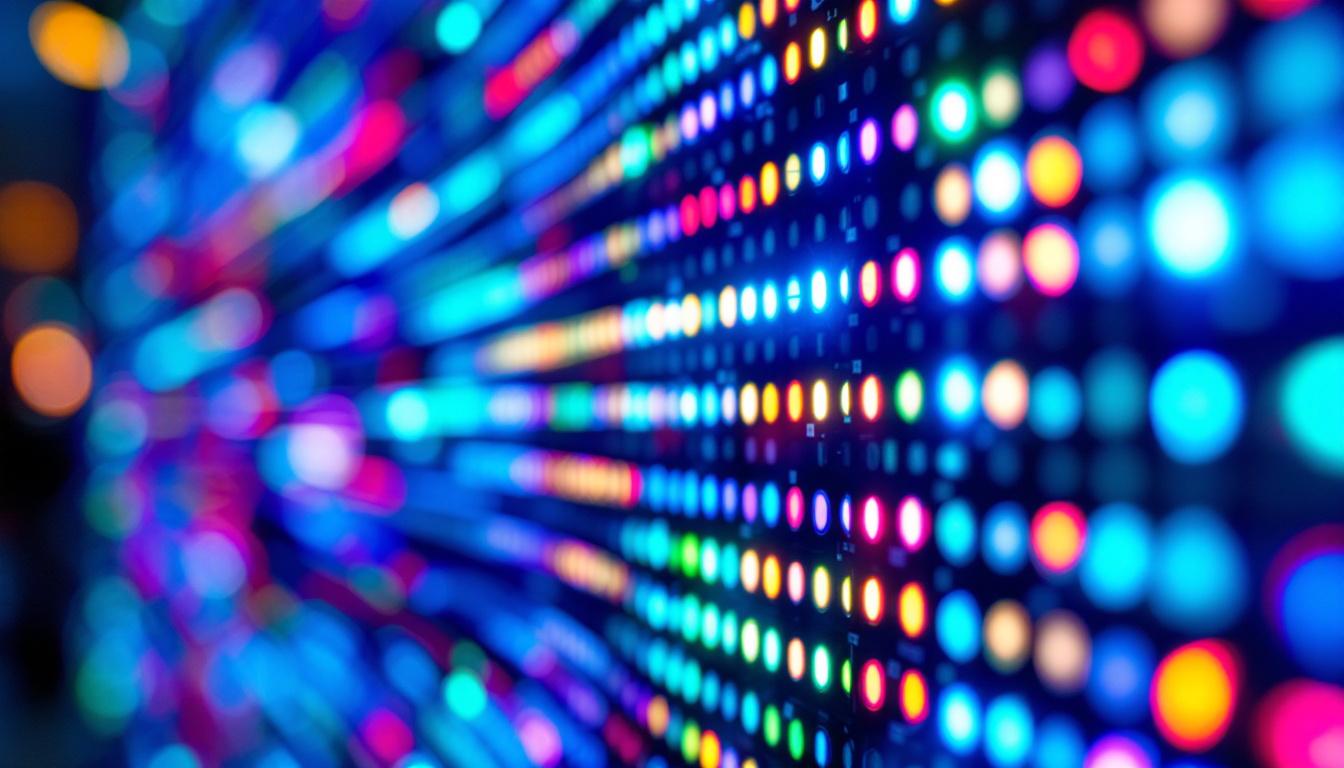
In LED displays, thousands or even millions of these tiny diodes are arranged in a matrix to form images, text, or video. Each diode can emit different colors by using red, green, and blue (RGB) LEDs, which combine to produce a full spectrum of colors. This RGB combination allows for the creation of vibrant visuals, making LED displays particularly popular in entertainment venues, advertising, and digital signage. The ability to control each diode individually enables dynamic content changes, enhancing the viewer’s experience with animations and transitions that are smooth and eye-catching.
Types of LED Displays
LED displays come in various forms, including:
- Indoor LED Displays: Designed for close viewing distances, these displays have a high pixel density and are used in conference rooms, retail stores, and broadcast studios. Their high resolution ensures that even intricate details are visible, making them ideal for presentations and advertising where clarity is paramount.
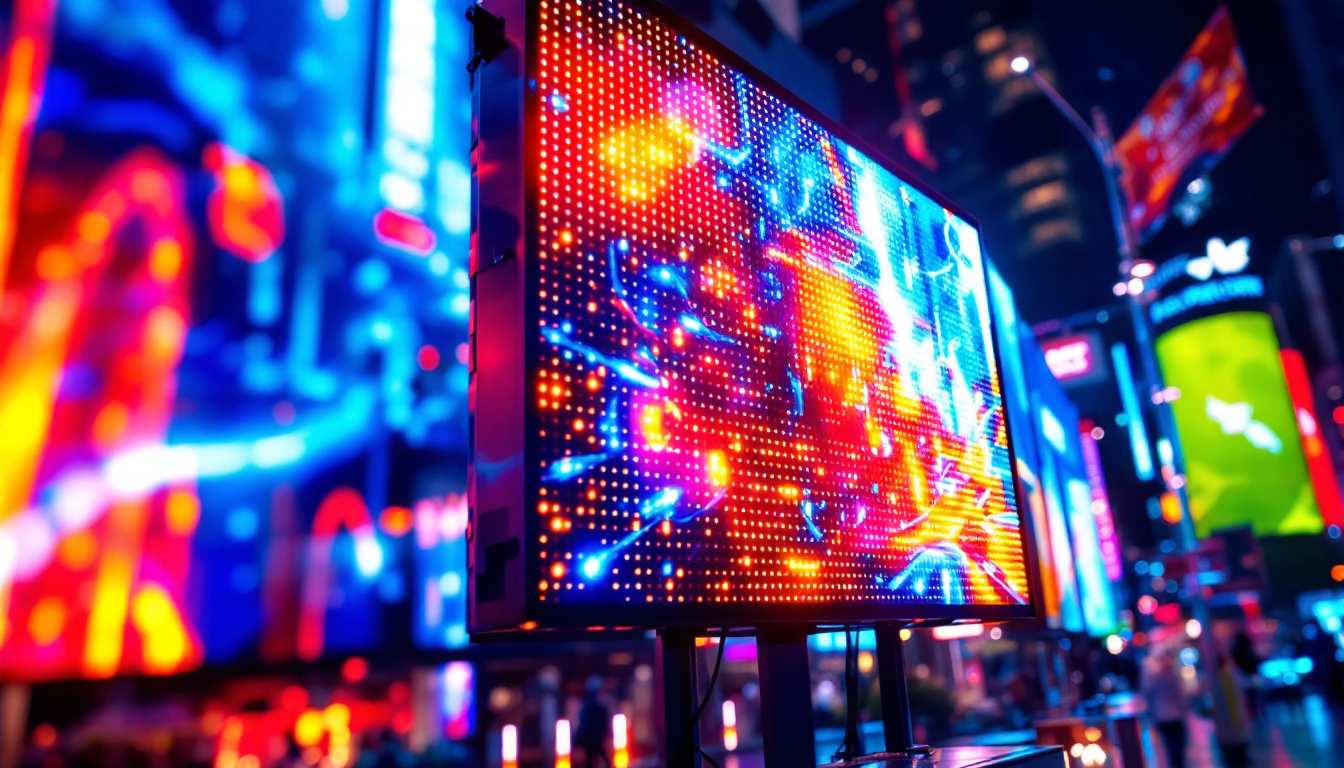
- Outdoor LED Displays: Built to withstand weather conditions, these have higher brightness levels and are commonly used for billboards, stadiums, and public information screens. With advancements in technology, outdoor displays now often feature protective coatings that guard against UV rays and moisture, ensuring longevity and consistent performance even in harsh environments.
- Flexible LED Displays: These use bendable substrates, allowing for curved or irregular shapes, ideal for innovative architectural designs. Their versatility opens up new possibilities in creative installations, enabling designers to incorporate lighting into structures in ways that were previously unimaginable.
The pixel pitch, which is the distance between the centers of two adjacent LEDs, determines the resolution and viewing distance of the display. Smaller pixel pitches provide higher resolution and are suitable for close-up viewing. Conversely, larger pixel pitches are more appropriate for distant viewing, such as in large-scale outdoor advertising. The choice of pixel pitch is crucial for optimizing the visual impact of the display, as it directly affects how the content is perceived by the audience. Additionally, advancements in pixel technology, such as microLED and miniLED, are pushing the boundaries of resolution and color accuracy, promising even more immersive viewing experiences in the near future.
RoHS LED Bulbs: Features and Benefits
Key Characteristics of RoHS-Compliant LED Bulbs
RoHS LED bulbs are manufactured without the restricted hazardous substances, ensuring they are safer for both users and the environment. These bulbs typically feature:
- Lead-Free Soldering: Using alternative solder materials such as tin-silver-copper alloys.
- Mercury-Free Components: Unlike fluorescent bulbs, LED bulbs do not contain mercury, making them inherently safer.
- Environmentally Friendly Materials: Components and packaging are designed to minimize environmental impact.
In addition to these key characteristics, RoHS LED bulbs often incorporate advanced thermal management systems that enhance their longevity and performance. By utilizing materials that effectively dissipate heat, these bulbs can operate at optimal temperatures, reducing the risk of overheating and extending their lifespan. Furthermore, many RoHS-compliant LED bulbs are designed with a focus on durability, often featuring shatter-resistant casings that can withstand impacts and vibrations, making them suitable for a variety of applications, from residential to industrial settings.
Benefits of Using RoHS LED Bulbs
Choosing RoHS-compliant LED bulbs offers several advantages:
- Environmental Protection: Reduced hazardous waste generation and safer recycling processes.
- Health Safety: Lower exposure to toxic substances for consumers and workers.
- Regulatory Compliance: Avoidance of legal penalties and market restrictions, especially in the European Union and other regions adopting similar standards.
- Energy Efficiency: LEDs inherently consume less power, and RoHS compliance ensures these benefits come without environmental trade-offs.
Moreover, the use of RoHS LED bulbs can significantly contribute to energy conservation efforts on a larger scale. By reducing overall energy consumption, these bulbs help decrease the demand on power plants, which in turn can lead to lower greenhouse gas emissions. This aligns with global initiatives aimed at combating climate change and promoting sustainable practices. Additionally, many consumers find that the long lifespan of RoHS LED bulbs translates to cost savings over time, as they require less frequent replacements compared to traditional incandescent or fluorescent lighting options. This economic benefit, combined with their ecological advantages, makes RoHS LED bulbs a smart choice for environmentally conscious consumers and businesses alike.
Applications of RoHS LED Displays in Various Industries
Retail and Advertising
Retailers rely heavily on LED displays for dynamic advertising and customer engagement. RoHS-compliant LED displays ensure that these installations meet environmental regulations, particularly in densely populated urban areas where waste management is critical.
Digital billboards and in-store displays benefit from the vivid colors and energy efficiency of LED technology, while RoHS compliance reassures consumers about the sustainability of these technologies.
Healthcare and Education
In healthcare settings, LED displays are used for patient information boards, digital signage, and diagnostic equipment. The absence of hazardous substances is vital to maintain sterile and safe environments.
Educational institutions also employ LED displays for interactive learning and campus information systems. Choosing RoHS-compliant products supports institutional sustainability initiatives and reduces hazardous waste.
Transportation and Public Spaces
LED displays are integral to transportation hubs such as airports, train stations, and bus terminals for real-time information dissemination. RoHS compliance ensures these systems meet international safety and environmental standards, crucial for public infrastructure.
Public spaces increasingly use LED displays for art installations and community messaging. The environmental benefits of RoHS-compliant LEDs align with municipal sustainability goals.
Choosing the Right RoHS LED Bulbs and Displays
Key Considerations for Buyers
When selecting RoHS LED bulbs or displays, it is essential to evaluate several factors:
- Certification Verification: Ensure products have valid RoHS certification from recognized testing bodies.
- Quality and Performance: Look for products with high luminous efficacy, color accuracy, and durability.
- Compatibility: Confirm that the LED bulbs or displays fit the intended fixtures and control systems.
- Environmental Impact: Consider the entire lifecycle, including manufacturing, usage, and disposal.
Working with Reputable Manufacturers
Partnering with established manufacturers who prioritize RoHS compliance and transparent supply chains reduces risks associated with counterfeit or substandard products. Many leading LED manufacturers provide detailed compliance documentation and testing reports, which are invaluable for procurement teams.
Additionally, manufacturers investing in research and development often offer innovative RoHS-compliant LED solutions with enhanced features such as smart controls, improved heat dissipation, and customizable color temperatures.
Future Trends in RoHS LED Technology
Advancements in Eco-Friendly LED Materials
Research continues to focus on developing LED components that are not only RoHS-compliant but also utilize sustainable and recyclable materials. Innovations in biodegradable packaging and reduced rare-earth element usage are gaining momentum.
Integration with Smart Technologies
Smart LED displays and bulbs, compatible with IoT platforms, are becoming mainstream. These devices offer energy-saving modes, adaptive lighting, and remote monitoring, all while maintaining RoHS compliance to ensure environmental responsibility.
Global Expansion of RoHS-Like Regulations
Beyond the European Union, countries such as China, Japan, South Korea, and the United States are adopting or enhancing RoHS-like directives. This global trend underscores the importance of RoHS compliance for manufacturers aiming to compete internationally.
Conclusion
RoHS LED bulbs and displays represent a fusion of cutting-edge technology and environmental stewardship. Understanding the principles behind RoHS compliance and LED display technology empowers consumers and businesses to make informed decisions that prioritize safety, sustainability, and performance.
As LED technology continues to advance and RoHS regulations evolve, embracing these standards will remain essential for fostering a healthier planet and a more energy-efficient future. Whether for commercial advertising, residential lighting, or public infrastructure, RoHS-compliant LED products offer a reliable and responsible lighting solution.
Illuminate Your Space with LumenMatrix
As you consider the environmental and technological benefits of RoHS-compliant LED bulbs and displays, take the next step with LumenMatrix. Our innovative LED display solutions are designed to meet your needs, whether for dynamic advertising, immersive retail experiences, or impactful public messaging. Embrace the future of visual communication with our Indoor LED Wall Display, Outdoor LED Wall Display, and more. Check out LumenMatrix LED Display Solutions today and transform your space with vibrant, eco-friendly technology.