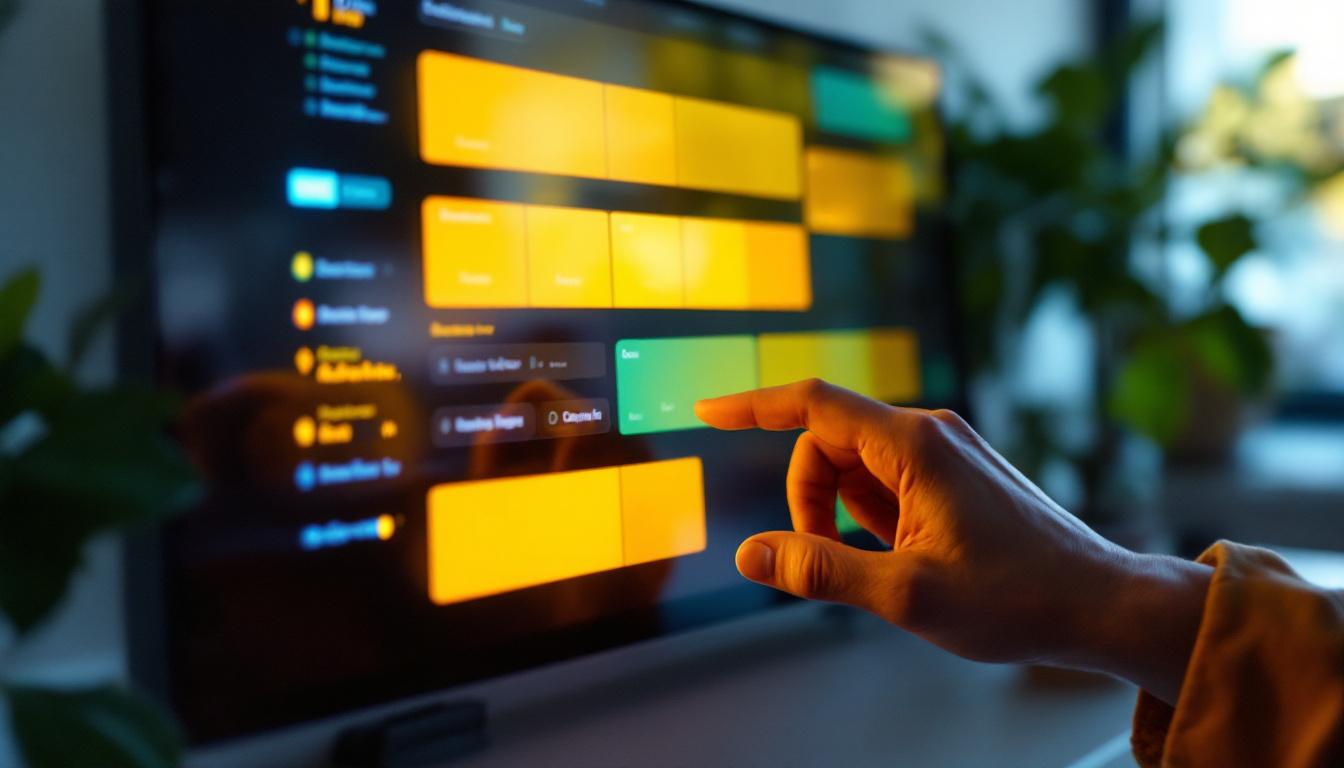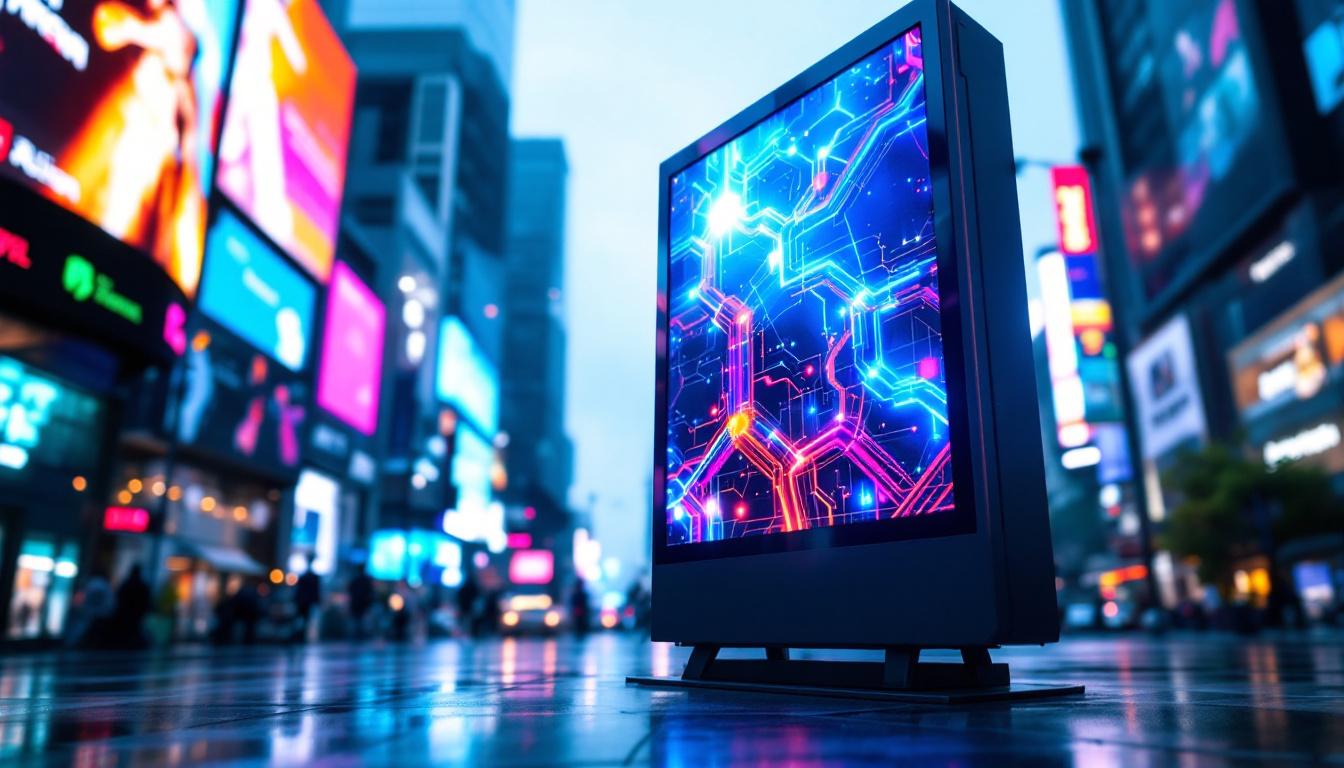
In today’s fast-paced digital world, LED displays have become an integral part of how information is communicated visually. From massive outdoor billboards to indoor video walls at concerts and corporate events, LED technology powers some of the most vibrant and dynamic visual experiences. This article delves into the fundamentals of LED displays, their technology, applications, and why they continue to dominate the visual display market.
Understanding LED Display Technology
LED stands for Light Emitting Diode, a semiconductor device that emits light when an electric current passes through it. LED displays are composed of thousands to millions of these tiny diodes arranged in a matrix to create images, videos, and text. Unlike traditional LCD screens, which rely on backlighting, LED displays generate their own light, resulting in brighter and more vivid visuals.
How LED Displays Work
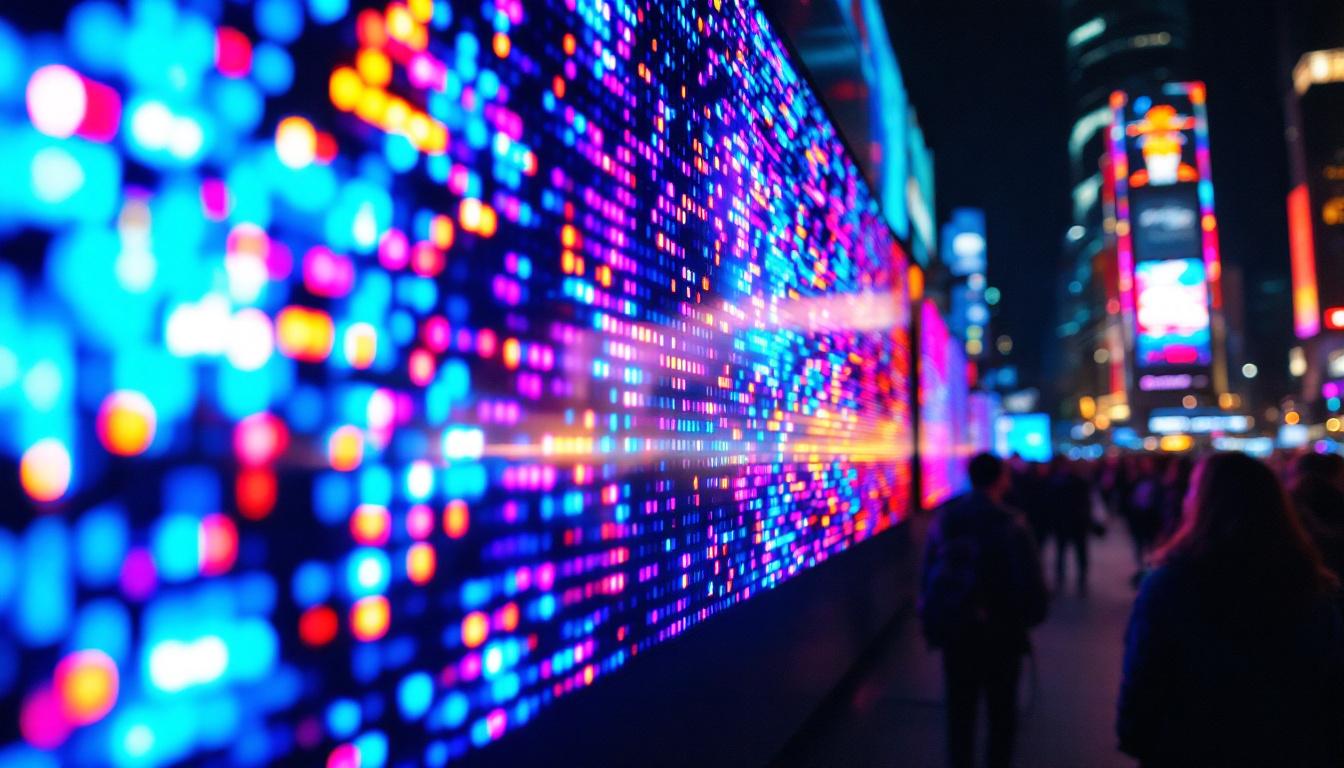
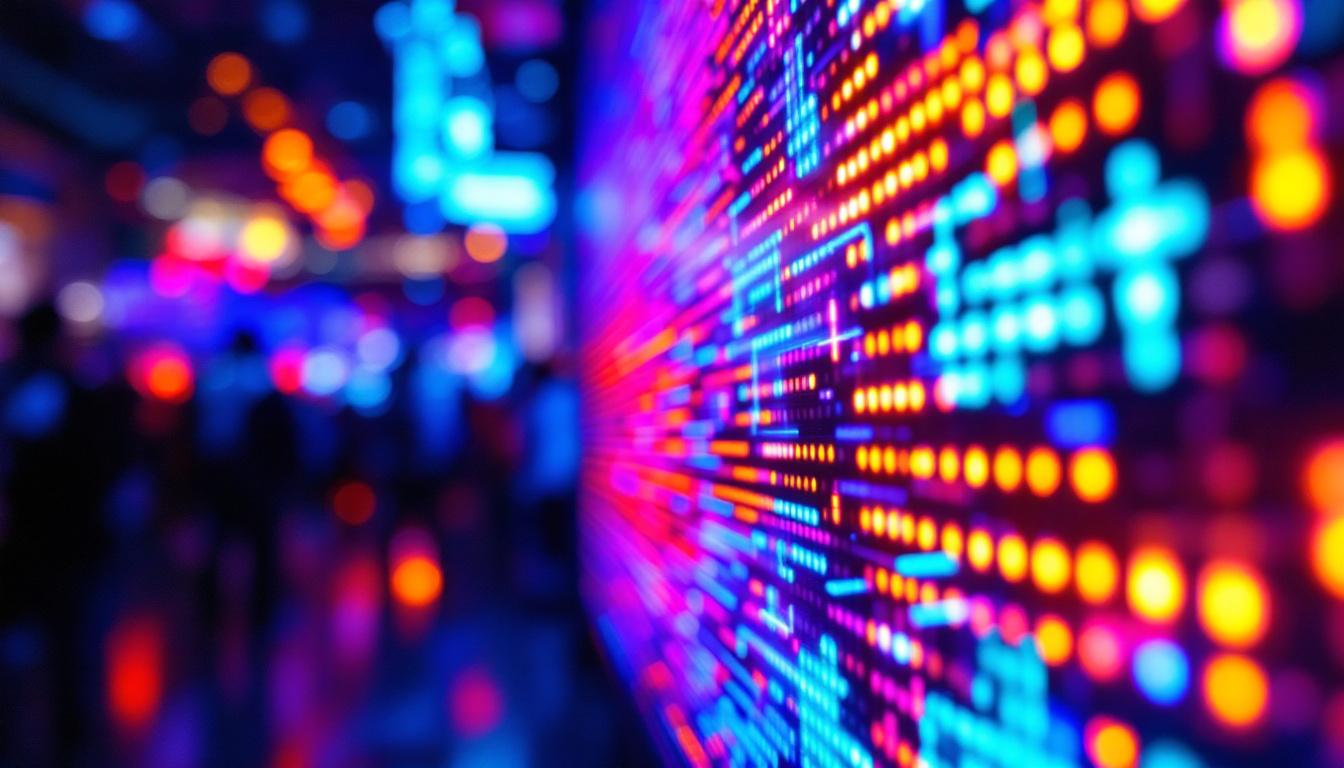
Each pixel on an LED display consists of one or more LEDs, typically red, green, and blue (RGB). By varying the intensity of these three colors, the display can produce a full spectrum of colors. The combination of these RGB LEDs, controlled by sophisticated electronics, creates the images and videos seen on the screen.
The control system sends signals to each pixel, adjusting the brightness and color to form the desired picture. This process happens thousands of times per second, enabling smooth video playback and crisp motion graphics.
Types of LED Displays
There are two primary types of LED displays: direct view LED and LED-backlit LCDs. Direct view LED displays consist of LEDs that are visible to the viewer and form the image directly. These are commonly used for large-scale outdoor displays and indoor video walls. On the other hand, LED-backlit LCDs use LEDs as a backlight source behind an LCD panel, improving brightness and energy efficiency but not forming the image directly.
Within direct view LED displays, variations include:
- Indoor LED Displays: Designed for close viewing distances, these displays have a smaller pixel pitch (distance between LEDs), typically ranging from 1mm to 4mm, resulting in high resolution and sharp images.
- Outdoor LED Displays: Built to withstand harsh weather conditions, these displays have larger pixel pitches (often 10mm or more) to maintain visibility from greater distances.
- Flexible and Transparent LED Displays: Emerging technologies allow LED panels to be curved, bent, or even transparent, opening new possibilities in design and application.
Key Advantages of LED Displays
LED displays offer numerous benefits over other display technologies, making them a preferred choice for many industries. Understanding these advantages helps explain their widespread adoption.
Brightness and Visibility
One of the most significant advantages of LED displays is their exceptional brightness. LEDs can achieve brightness levels exceeding 5,000 nits, far surpassing most LCD and projection systems. This high brightness ensures visibility even in direct sunlight, which is critical for outdoor advertising and public information displays.
Moreover, LED displays maintain excellent contrast ratios and color accuracy, enhancing the overall viewing experience. The ability to adjust brightness dynamically also helps conserve energy and reduce glare in varying ambient light conditions.
Durability and Longevity
LEDs are known for their robustness and long operational life. A typical LED display can last anywhere from 50,000 to 100,000 hours before significant brightness degradation occurs. This longevity reduces maintenance costs and downtime, especially important for installations in hard-to-reach locations.
Additionally, LED displays are less prone to screen burn-in compared to OLED or plasma screens, making them ideal for static content or signage that remains on for extended periods.
Energy Efficiency
Compared to traditional lighting and display technologies, LEDs consume significantly less power. Their energy efficiency not only lowers operational costs but also contributes to environmental sustainability. Many modern LED displays incorporate advanced power management features, such as automatic brightness adjustment based on ambient light, further optimizing energy use.
Flexibility and Scalability
LED displays can be manufactured in various sizes and shapes, from small indoor panels to massive outdoor billboards spanning thousands of square feet. Their modular design allows for easy scalability and customization, enabling creative and impactful visual presentations.
Innovations such as flexible and transparent LED panels are expanding the possibilities for architectural integration, retail displays, and immersive environments.
Applications of LED Displays Across Industries
The versatility of LED display technology has led to its adoption across a broad range of sectors. Each industry leverages the unique strengths of LED displays to meet specific needs.
Advertising and Outdoor Signage
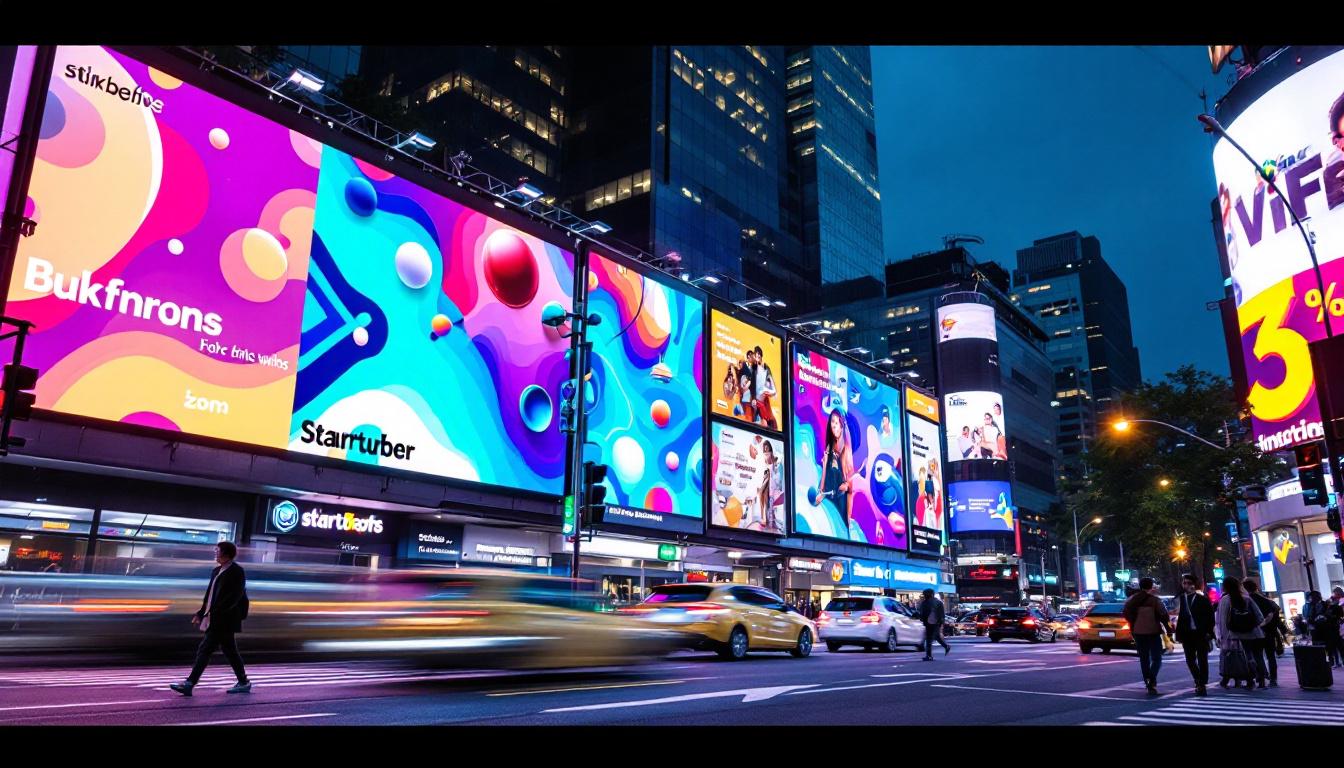
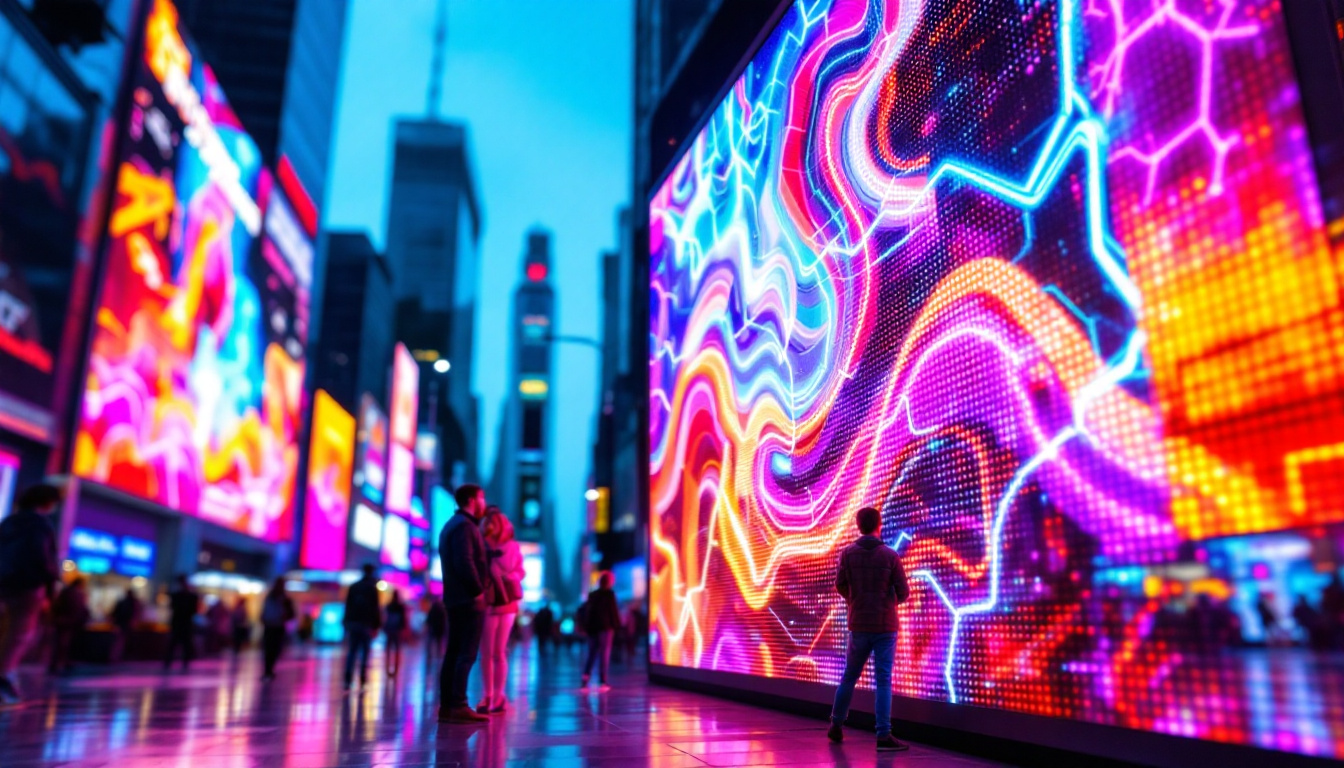
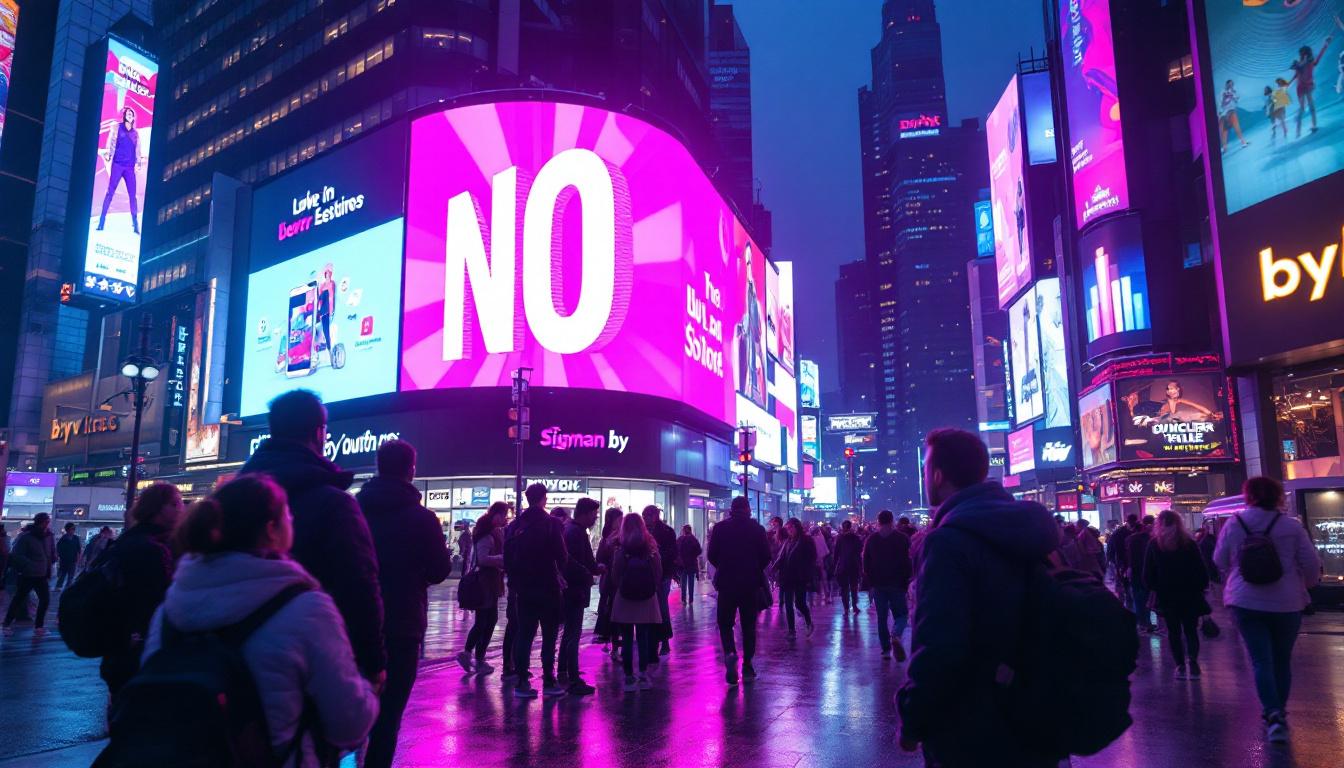
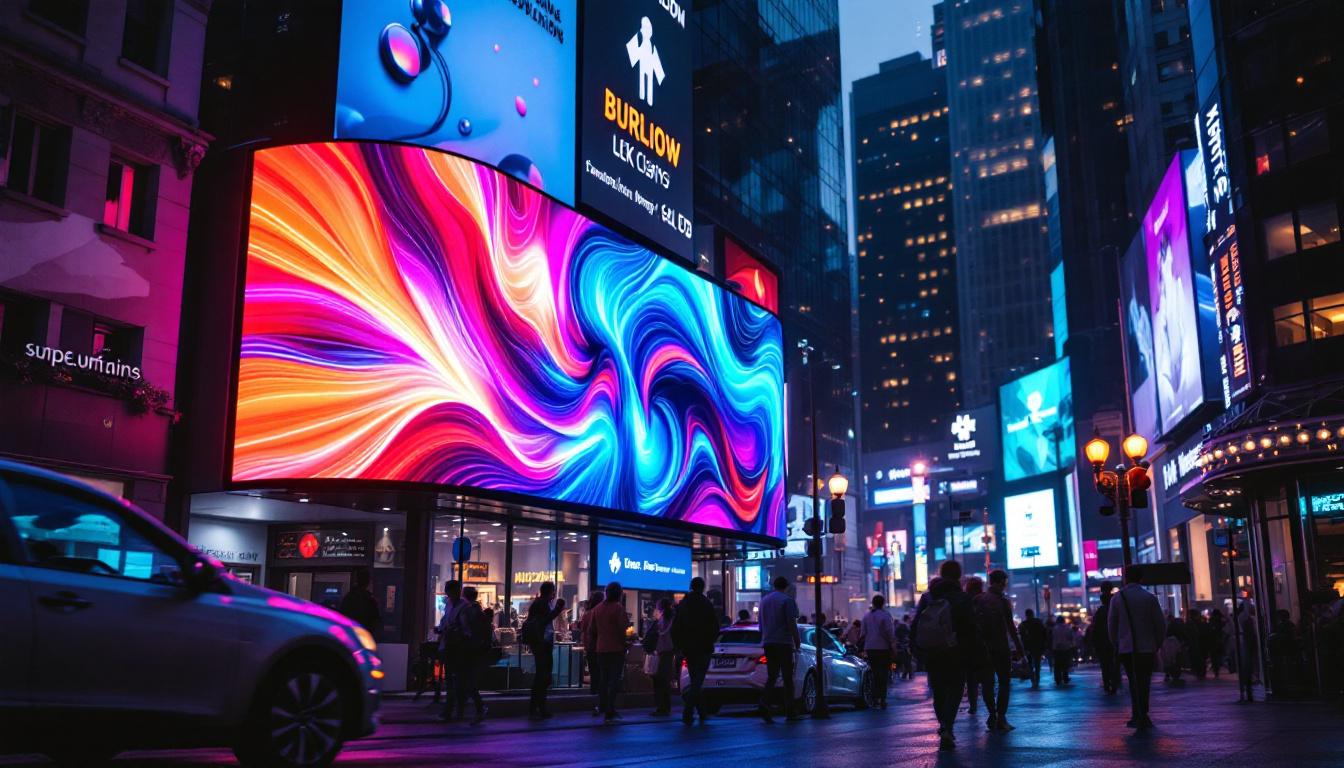
Outdoor LED billboards are among the most recognizable uses of LED technology. Their brightness, visibility, and dynamic content capabilities make them highly effective for advertising in urban environments. According to recent industry reports, the global digital out-of-home advertising market is expected to grow at a compound annual growth rate (CAGR) of over 12% through 2027, driven largely by LED display adoption.
LED billboards allow advertisers to update content remotely and instantly, enabling timely promotions and interactive campaigns that engage audiences more effectively than static signs.
Sports and Entertainment Venues
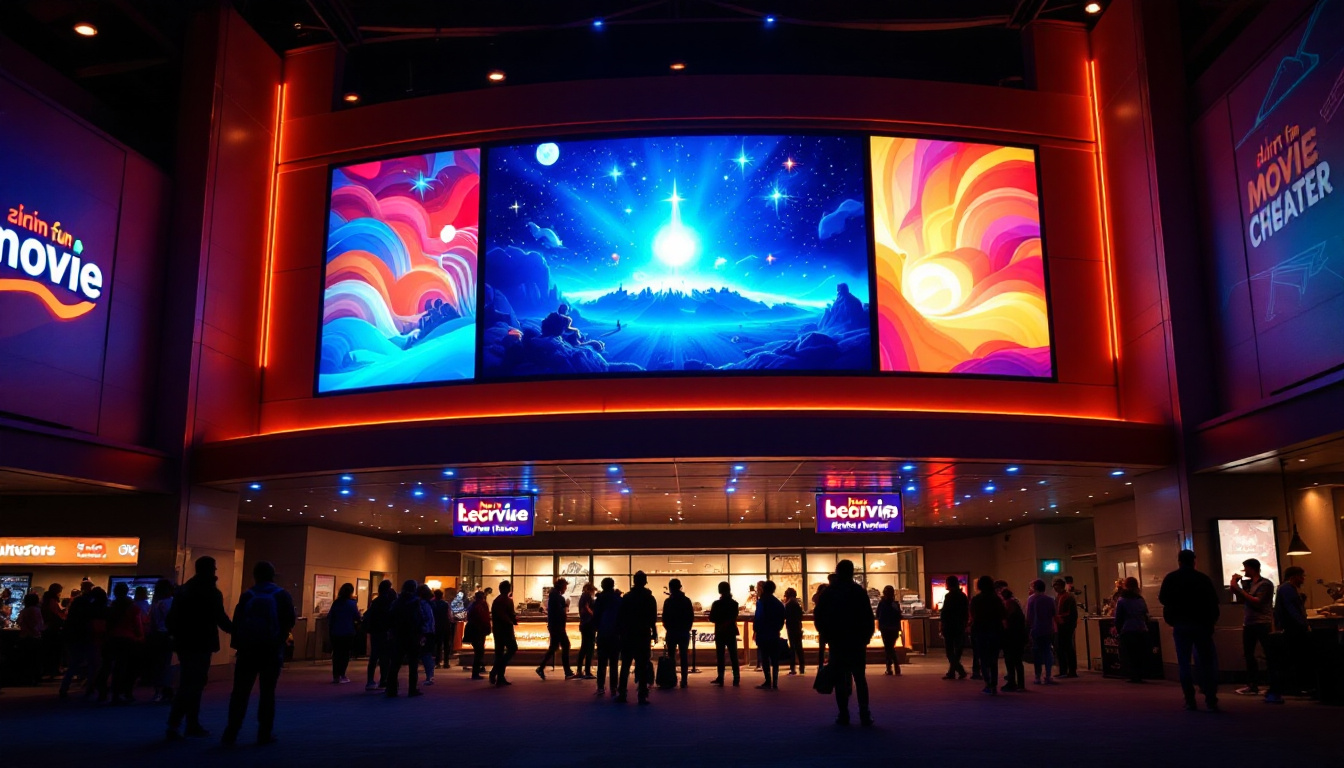
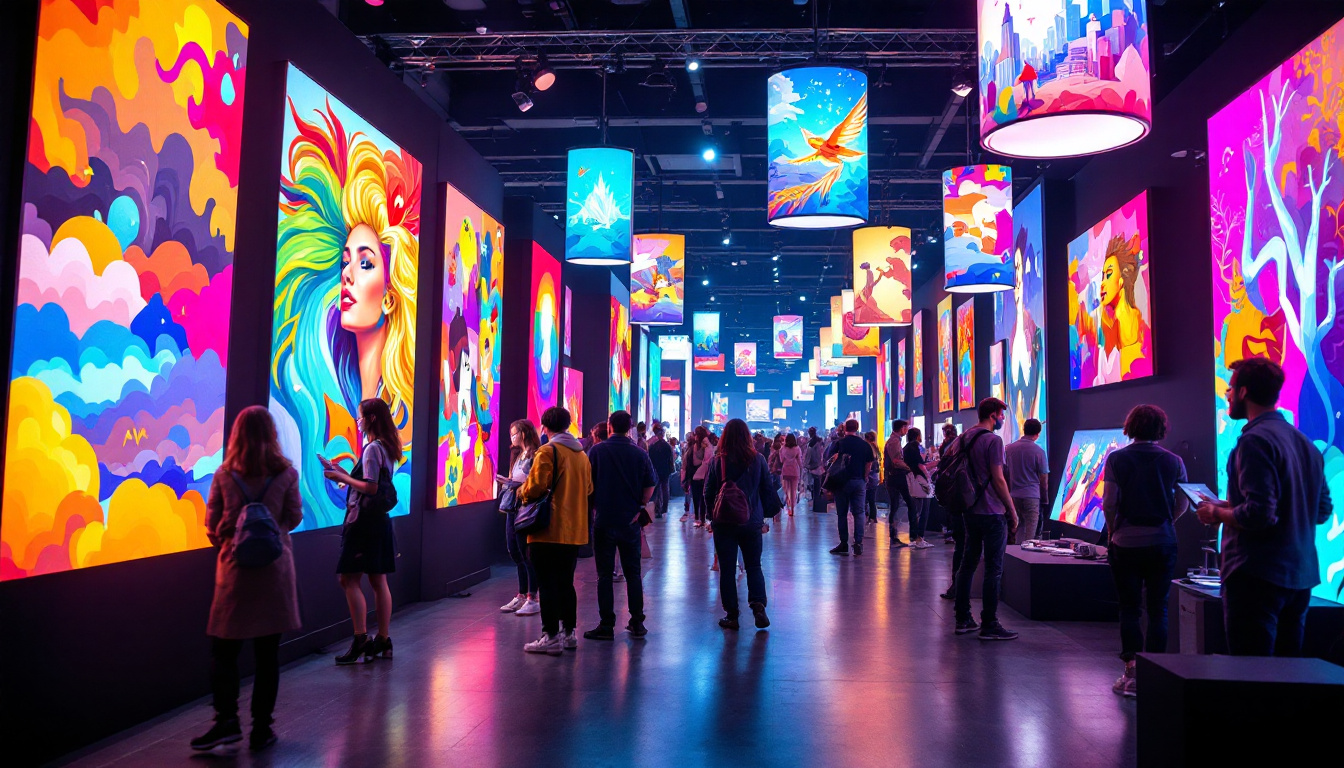
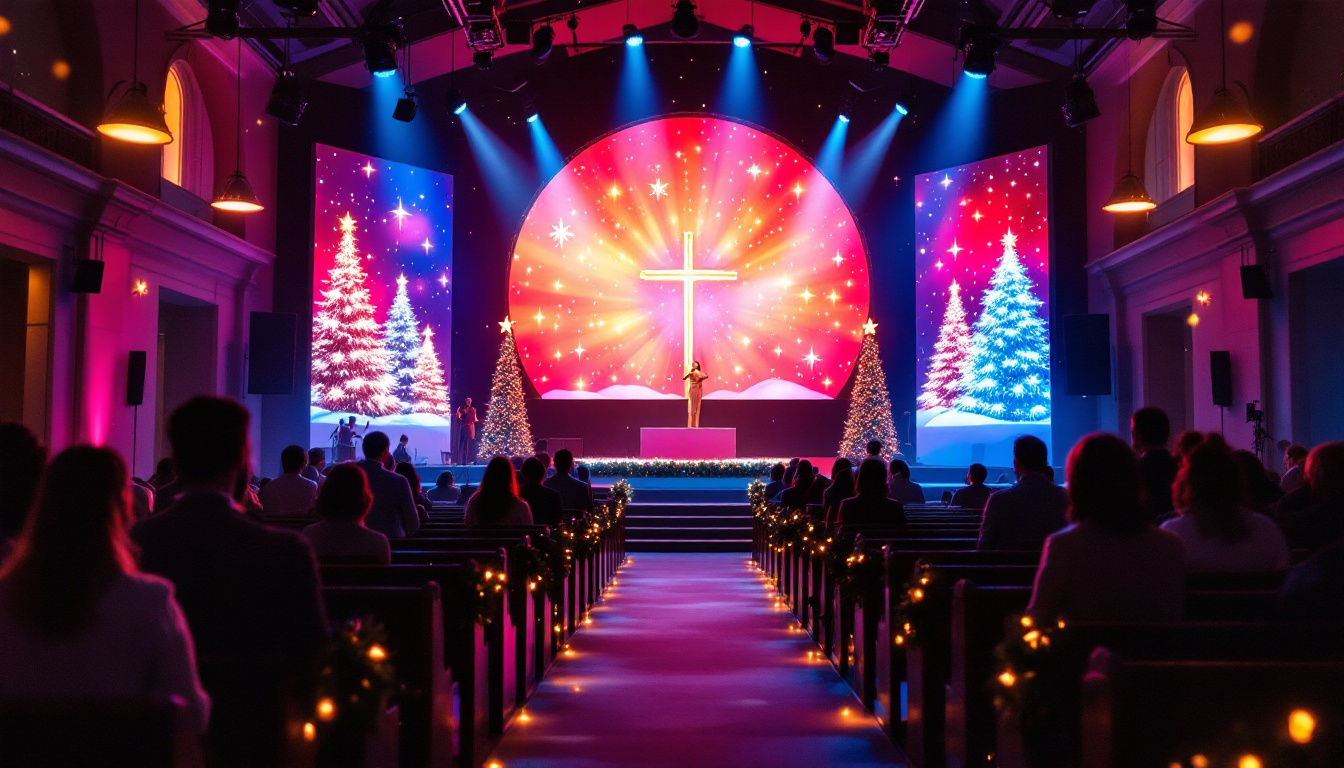
Stadiums, arenas, and concert venues utilize large LED video walls to enhance the spectator experience. These displays provide live video feeds, replays, scores, and interactive content, contributing to an immersive atmosphere.
For example, the AT&T Stadium in Texas features one of the largest LED video boards in the world, measuring approximately 160 feet wide by 72 feet tall. Such installations demonstrate the scale and impact of LED technology in entertainment.
Corporate and Retail Environments
In corporate settings, LED video walls are used for presentations, digital signage, and collaboration spaces. Their ability to display high-resolution content with vibrant colors helps convey messages clearly and professionally.
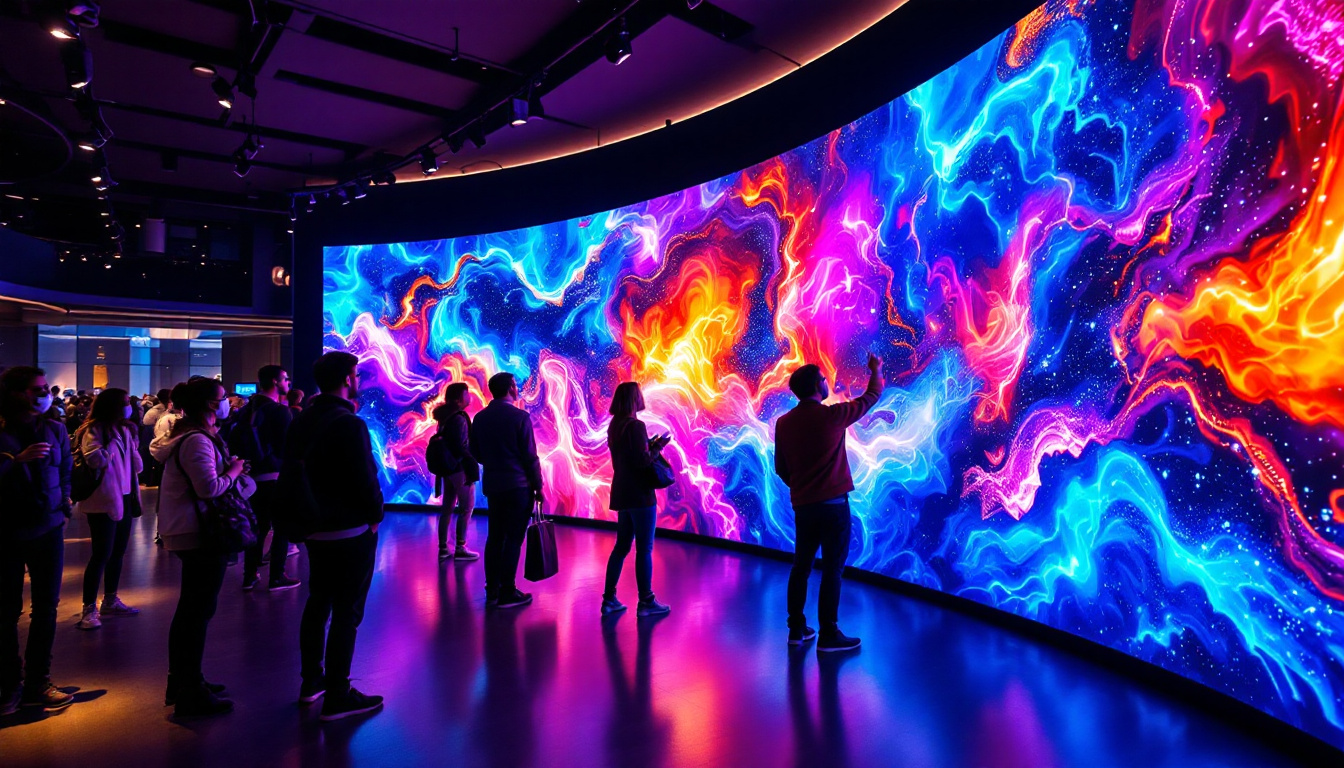
Retailers use LED displays to attract customers, showcase products, and create engaging in-store experiences. Interactive LED walls and transparent displays are becoming popular tools for enhancing brand presence and customer engagement.
Transportation and Public Information
LED displays play a critical role in transportation hubs such as airports, train stations, and bus terminals. They provide real-time information on schedules, delays, and safety messages. Their high visibility and reliability ensure passengers receive timely updates.
Similarly, smart city initiatives incorporate LED displays for public announcements, emergency alerts, and wayfinding, contributing to urban safety and convenience.
Technical Considerations When Choosing an LED Display
Selecting the right LED display requires careful evaluation of several technical factors to ensure optimal performance for the intended application.
Pixel Pitch and Resolution
Pixel pitch, the distance between the centers of adjacent LEDs, directly affects the display’s resolution and viewing distance. Smaller pixel pitches provide higher resolution and are suitable for close viewing, such as indoor environments or retail displays. Larger pixel pitches are appropriate for outdoor displays viewed from a distance.
For example, a 1.5mm pixel pitch display offers excellent image clarity for indoor use, while a 10mm pitch is common for outdoor billboards.
Refresh Rate and Color Depth
The refresh rate determines how many times per second the image is updated. Higher refresh rates (typically above 1,000 Hz) help reduce flicker, especially important for video recording and live broadcasts. Color depth, usually measured in bits, affects the range of colors the display can produce. A higher color depth results in smoother gradients and more accurate color reproduction.
Brightness and Contrast Ratio
Brightness is measured in nits, and selecting an appropriate level depends on the ambient lighting conditions. Outdoor displays require higher brightness to combat sunlight, while indoor displays can operate at lower levels to prevent eye strain. Contrast ratio impacts the distinction between dark and light areas, contributing to image depth and clarity.
Durability and Weather Resistance
For outdoor installations, displays must be rated for water resistance (IP65 or higher), temperature tolerance, and UV protection. These factors ensure reliable operation in varying weather conditions and extend the lifespan of the display.
Installation and Maintenance
Modular LED panels simplify installation and allow for easy maintenance or upgrades. Consideration should be given to access for servicing, ventilation, and structural support. Some manufacturers offer front-serviceable designs, which enable maintenance without removing the entire display from its mounting.
The Future of LED Display Technology
The LED display industry continues to evolve rapidly, driven by advances in materials, manufacturing techniques, and integration with emerging technologies.
Mini-LED and Micro-LED Innovations
Mini-LED and Micro-LED technologies represent the next generation of LED displays. Mini-LEDs are smaller than traditional LEDs, allowing for even finer pixel pitches and improved contrast ratios. Micro-LEDs, with sizes measured in micrometers, promise OLED-like image quality with superior brightness and longevity.
These innovations are poised to revolutionize consumer electronics, automotive displays, and large-scale digital signage by delivering unprecedented image quality and energy efficiency.
Integration with Artificial Intelligence and IoT
Smart LED displays equipped with sensors and AI capabilities can adapt content dynamically based on audience demographics, environmental conditions, and user interactions. Integration with the Internet of Things (IoT) enables real-time data-driven displays that enhance engagement and operational efficiency.
Sustainability and Eco-Friendly Design
Manufacturers are increasingly focusing on eco-friendly materials, energy-saving designs, and recyclability to reduce the environmental impact of LED displays. Innovations such as biodegradable components and low-power electronics contribute to greener digital signage solutions.
Conclusion
LED displays have transformed the way visual information is presented across multiple industries. Their superior brightness, durability, energy efficiency, and flexibility make them indispensable tools for advertising, entertainment, corporate communication, and public information.
As technology continues to advance, LED displays will become even more versatile and integrated with smart systems, offering richer, more immersive experiences. Understanding the fundamentals and technical considerations of LED technology is essential for businesses and organizations looking to leverage this powerful medium effectively.
Whether planning a large outdoor billboard or a sleek indoor video wall, investing in the right LED display technology can deliver lasting value and impact in today’s visually driven world.
Discover LumenMatrix’s Innovative LED Solutions
Ready to elevate your visual communication with the latest in LED technology? LumenMatrix is at the forefront of creating immersive and dynamic visual experiences. From Indoor and Outdoor LED Wall Displays to specialized solutions like Vehicle, Sports, and Floor LED Displays, our extensive range caters to every need. Embrace the future with our Custom, All-in-One, and Transparent LED Displays designed to captivate and engage your audience. Don’t miss out on the opportunity to transform your space. Check out LumenMatrix LED Display Solutions today and see your vision come to life.