In recent years, the evolution of display technology has taken a fascinating turn with the introduction of transparent glass computer monitors. These innovative devices combine cutting-edge LED display technology with sleek, futuristic design, offering new possibilities for both personal and professional use. This article delves into the technology behind transparent LED monitors, explores their applications, advantages, and challenges, and considers what the future holds for this emerging display category.
Understanding Transparent Glass Monitors
What Is a Transparent Glass Monitor?
A transparent glass monitor is a display device that allows users to view digital content while simultaneously seeing through the screen itself. Unlike traditional monitors, which are opaque and block the view behind them, transparent monitors integrate advanced LED or OLED technology within a glass substrate, enabling the screen to display images, videos, or data without obstructing the background.
This transparency is achieved by carefully engineering the display’s pixels and backlighting system. When the display is off or showing transparent content, the glass remains see-through. When active, the screen emits light and color to render images clearly, all while maintaining a level of transparency that can range from subtle to nearly invisible.
How Do Transparent LED Displays Work?
At the heart of transparent monitors is LED (Light Emitting Diode) technology. Unlike LCDs, which require backlighting and liquid crystals to modulate light, LEDs emit light directly. Transparent LED displays use micro-LEDs or mini-LEDs arranged on a transparent substrate such as glass or acrylic. These tiny LEDs can be selectively lit to create images while allowing light to pass through the spaces between them.
Micro-LEDs are particularly promising for transparent displays due to their small size, high brightness, and energy efficiency. They can be embedded in a transparent matrix, enabling the display to maintain clarity and transparency. Additionally, the use of advanced driver electronics and thin-film transistors (TFTs) helps control the LEDs precisely, ensuring high-resolution images and smooth video playback.
Applications of Transparent Glass Monitors
Commercial and Retail Environments
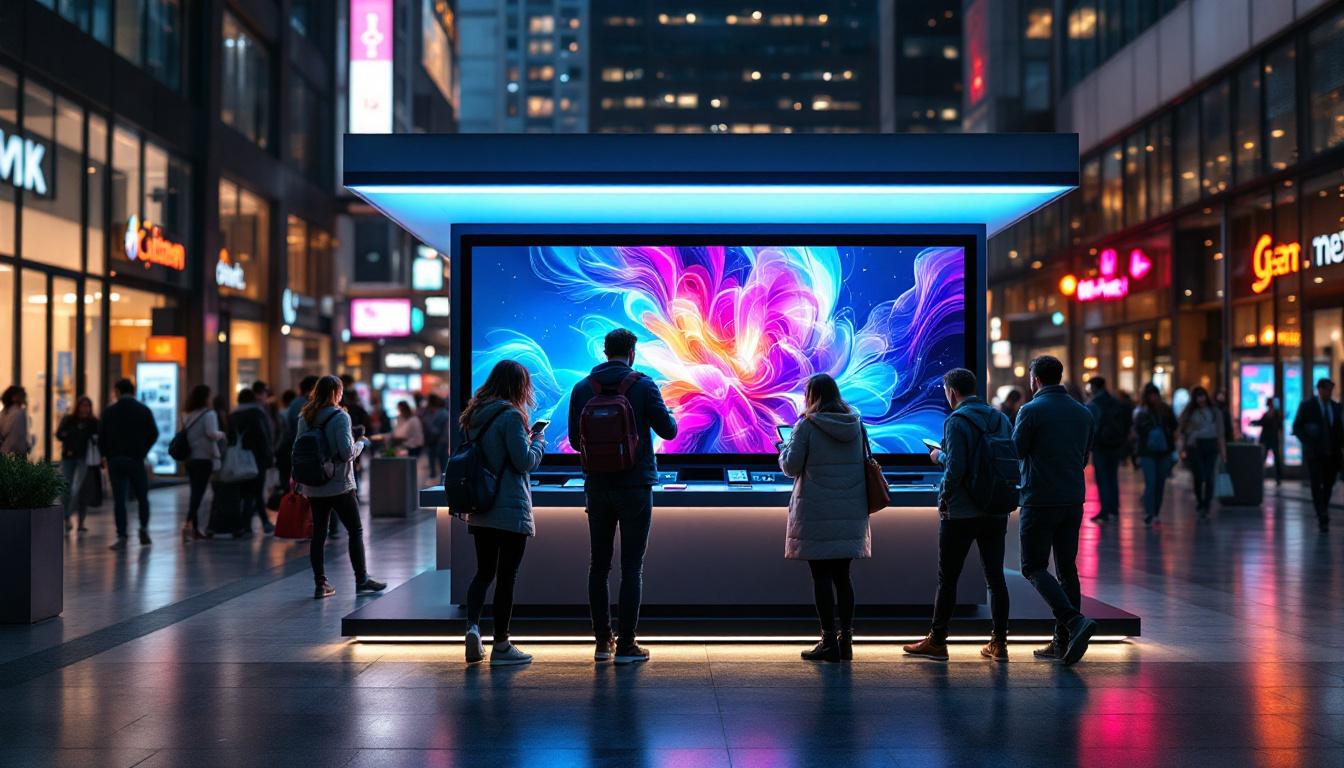
One of the most prominent uses of transparent glass monitors is in commercial and retail settings. Transparent displays can be integrated into shop windows, allowing retailers to showcase dynamic advertisements and product information without blocking the view of merchandise inside. This dual functionality enhances customer engagement by merging digital content with physical products seamlessly.
For example, luxury brands have adopted transparent LED screens to create eye-catching storefronts that attract passersby with interactive visuals, promotional videos, and real-time updates. These displays can also be used for digital signage in airports, museums, and exhibitions, where space is limited but impactful communication is essential.
Office and Workspace Innovation
In modern offices, transparent monitors offer a blend of functionality and aesthetic appeal. They can be used as secondary displays on glass desks or partitions, providing additional screen real estate without cluttering the workspace. This technology supports multitasking and collaboration by allowing users to view digital content while maintaining an open, airy environment.
Moreover, transparent monitors can be incorporated into conference rooms as interactive presentation tools. Presenters can display data, charts, and videos on glass walls or tables, enabling audience members to see both the content and the presenter simultaneously. This creates a more engaging and immersive experience during meetings.
Automotive and Smart Home Integration
Transparent LED displays are also making inroads into automotive and smart home applications. In vehicles, transparent monitors can be embedded into windshields or windows to provide heads-up displays (HUDs) that show navigation, speed, and safety alerts without obstructing the driver’s view. This enhances safety and convenience by delivering critical information directly within the driver’s line of sight.
In smart homes, transparent displays can be integrated into windows or glass surfaces to serve as interactive control panels for lighting, climate, security, and entertainment systems. This approach blends technology seamlessly into the living environment, maintaining aesthetic harmony while offering advanced functionality.
Advantages of Transparent LED Monitors
Enhanced Aesthetics and Space Efficiency
One of the most compelling benefits of transparent glass monitors is their ability to combine form and function. Their sleek, futuristic appearance adds a high-tech aesthetic to any environment. Because these monitors can double as windows or partitions, they save space and reduce the need for additional display devices.
This space efficiency is particularly valuable in environments where real estate is at a premium, such as urban offices, retail stores, and public venues. Transparent monitors allow for creative interior design solutions that integrate technology without overwhelming the physical space.
Improved User Interaction and Engagement
Transparent displays encourage new forms of user interaction. For instance, when combined with touch or gesture recognition technologies, they can serve as interactive surfaces that respond to user input while maintaining visibility of the surroundings. This can enhance collaboration, learning, and entertainment experiences.
In retail, interactive transparent displays can provide personalized product information or virtual try-on experiences, increasing customer engagement and satisfaction. In professional settings, they facilitate dynamic presentations and data visualization, making complex information easier to understand.
Energy Efficiency and Environmental Benefits
LED technology is known for its energy efficiency compared to traditional display technologies. Transparent LED monitors consume less power due to their direct emission of light and the absence of backlighting layers. This contributes to lower operational costs and reduced environmental impact.
Additionally, the ability to integrate transparent displays into existing glass structures can reduce the need for additional hardware and materials, promoting sustainable design practices. As manufacturers continue to improve the efficiency and lifespan of micro-LEDs, these benefits are expected to grow.
Challenges and Limitations
Cost and Manufacturing Complexity
Despite their advantages, transparent glass monitors remain relatively expensive compared to conventional displays. The manufacturing process involves precise placement of micro-LEDs on transparent substrates and advanced driver electronics, which increases production costs. Additionally, yield rates can be lower due to the complexity of the components involved.
As a result, transparent monitors are currently more common in niche markets and high-end applications. However, as technology matures and economies of scale improve, prices are expected to decrease, making these displays more accessible to a broader audience.
Brightness and Contrast Challenges
Maintaining high brightness and contrast on a transparent display can be challenging. Because light passes through the screen, the image can appear washed out or less vivid compared to traditional monitors. Ambient lighting conditions also significantly affect visibility, especially in brightly lit environments.
Manufacturers are addressing these issues by developing more efficient micro-LEDs and incorporating anti-reflective coatings and adaptive brightness controls. Nonetheless, transparent monitors may not yet match the visual performance of the best opaque displays in all conditions.
Limited Resolution and Size Options
Currently, transparent LED monitors are typically available in smaller sizes and lower resolutions compared to mainstream displays. This limitation arises from the technical challenges of producing high-density micro-LED arrays on transparent substrates. While progress is ongoing, users may find fewer options for ultra-high-definition or large-format transparent screens.
For applications requiring detailed graphics or large-scale displays, this can be a constraint. However, for many use cases such as digital signage, HUDs, and interactive retail displays, the existing resolutions are sufficient.
The Future of Transparent Glass Computer Monitors
Technological Innovations on the Horizon
Research and development in micro-LED technology continue to push the boundaries of what transparent displays can achieve. Innovations such as flexible transparent OLEDs, quantum dot enhancements, and improved driver electronics promise higher resolutions, better color accuracy, and increased transparency levels.
Emerging materials like graphene and advances in nanotechnology may also contribute to thinner, lighter, and more durable transparent displays. These improvements will expand the range of applications and improve user experience.
Integration with Augmented Reality and Smart Environments
Transparent monitors are poised to play a key role in the convergence of display technology with augmented reality (AR) and the Internet of Things (IoT). By overlaying digital information onto real-world views, transparent displays can enhance situational awareness and interactivity in smart homes, workplaces, and public spaces.
For example, transparent monitors integrated with AR glasses or smart windows could provide contextual data, navigation aids, or entertainment content without interrupting the user’s view. This seamless blending of digital and physical worlds represents a significant step toward truly immersive computing environments.
Market Growth and Adoption Trends
Industry analysts forecast steady growth in the transparent display market, driven by demand in retail, automotive, advertising, and consumer electronics sectors. According to recent market research, the global transparent display market is expected to reach over $1 billion by 2027, with a compound annual growth rate (CAGR) exceeding 15%.
As manufacturing costs decrease and technology improves, transparent glass computer monitors are likely to become more commonplace in everyday devices. Early adopters in design, marketing, and education are already leveraging these displays to create innovative experiences that redefine how users interact with digital content.
Conclusion
Transparent glass computer monitors represent a remarkable fusion of technology and design, offering unique advantages in aesthetics, interactivity, and space utilization. Powered by advanced LED display technology, these monitors open new possibilities across various industries, from retail and automotive to office environments and smart homes.
While challenges remain in cost, brightness, and resolution, ongoing innovations promise to overcome these hurdles, making transparent displays more accessible and versatile. As the technology matures, transparent LED monitors are set to transform how users engage with digital content, blending the virtual and real worlds in unprecedented ways.
For professionals and enthusiasts alike, understanding the capabilities and limitations of transparent glass monitors is essential to harnessing their full potential and staying ahead in the rapidly evolving landscape of display technology.
Discover the Future of Display Technology with LumenMatrix
Ready to elevate your visual experience with the latest in transparent glass monitor technology? LumenMatrix, a pioneer in LED display innovation, invites you to explore our comprehensive range of LED display solutions. From captivating Indoor and Outdoor LED Wall Displays to dynamic Vehicle and Sports LED Displays, our products are designed to transform your space and engage your audience. Experience the synergy of design and technology with our LED Transparent Displays and discover how our cutting-edge solutions can revolutionize your visual communication. Check out LumenMatrix LED Display Solutions today and step into the future of digital signage.