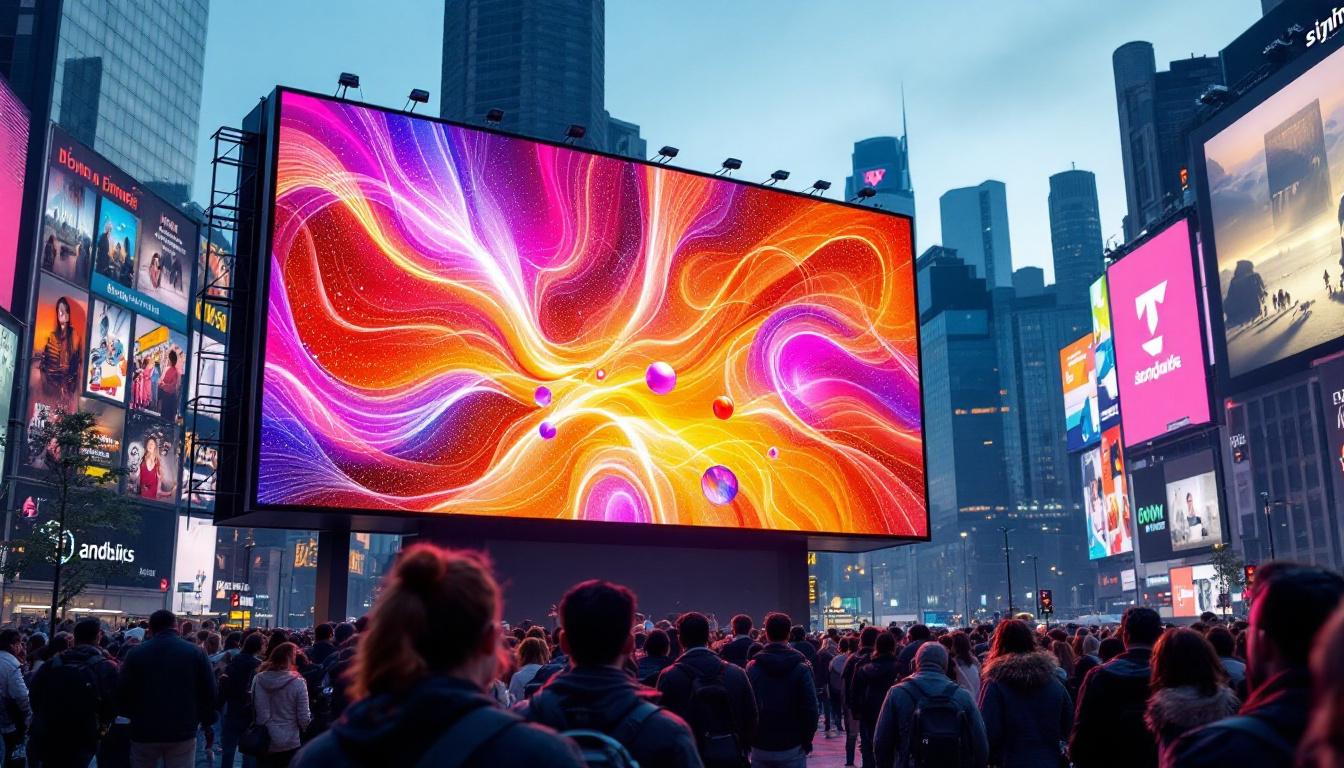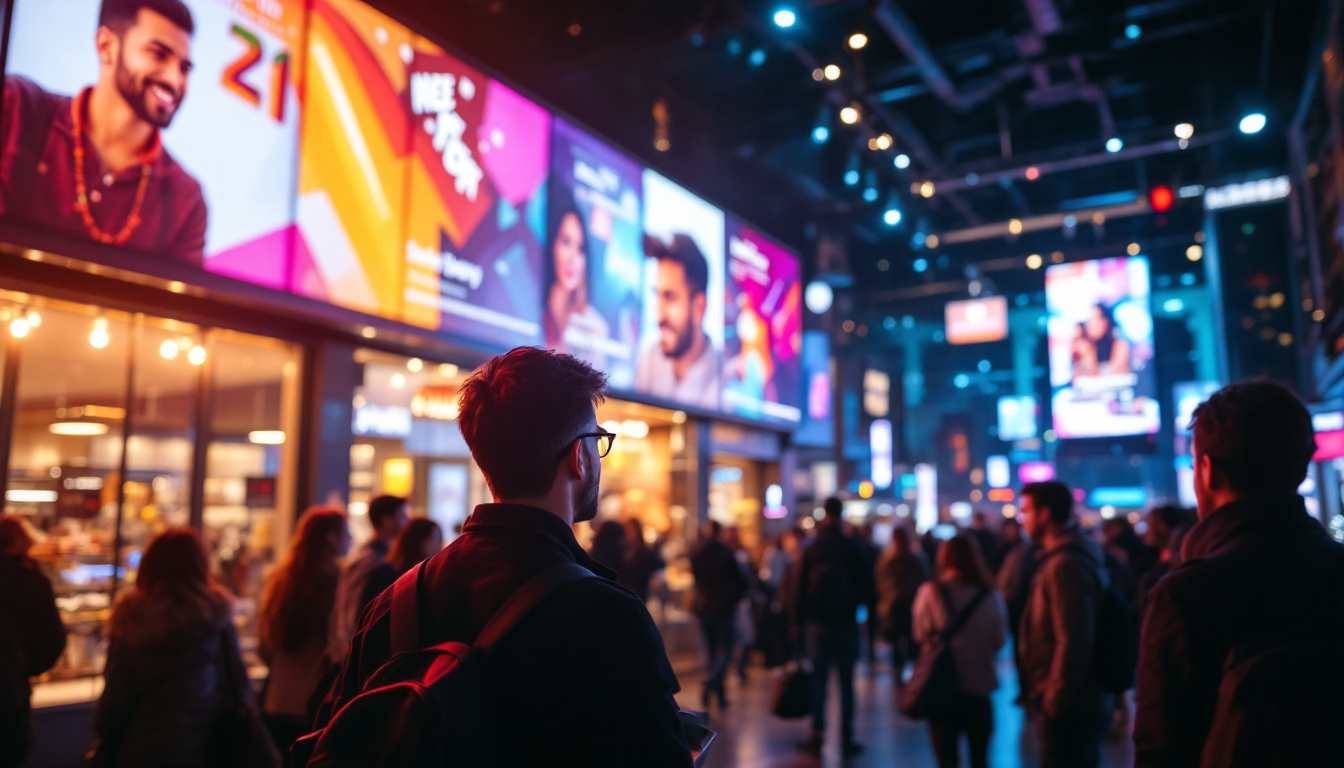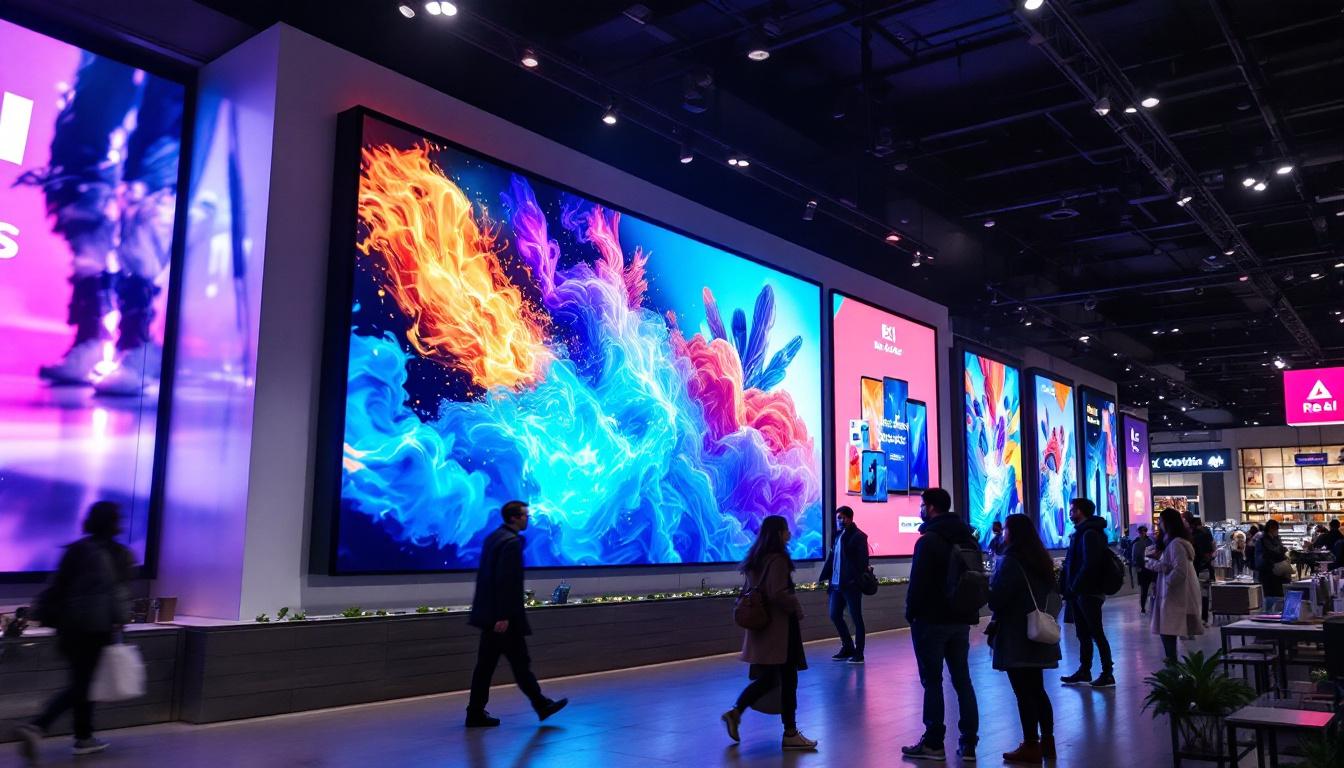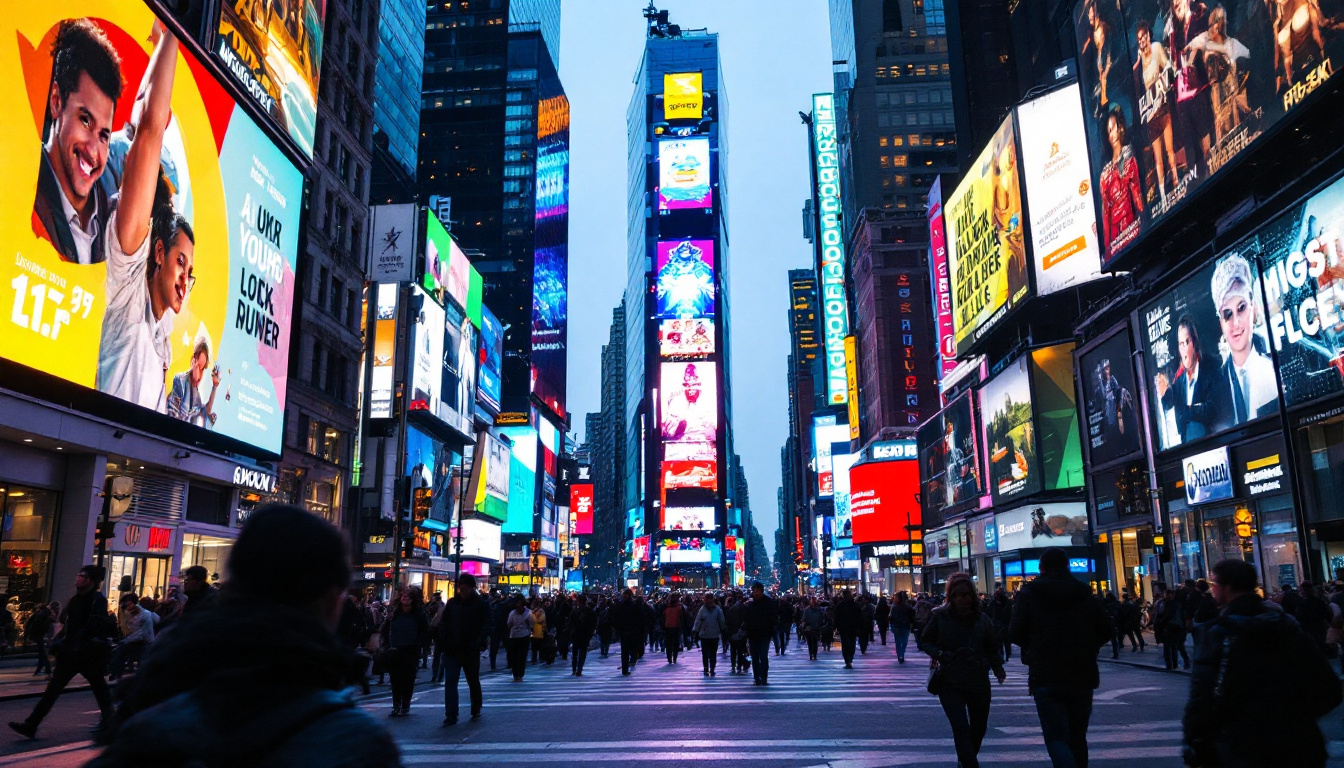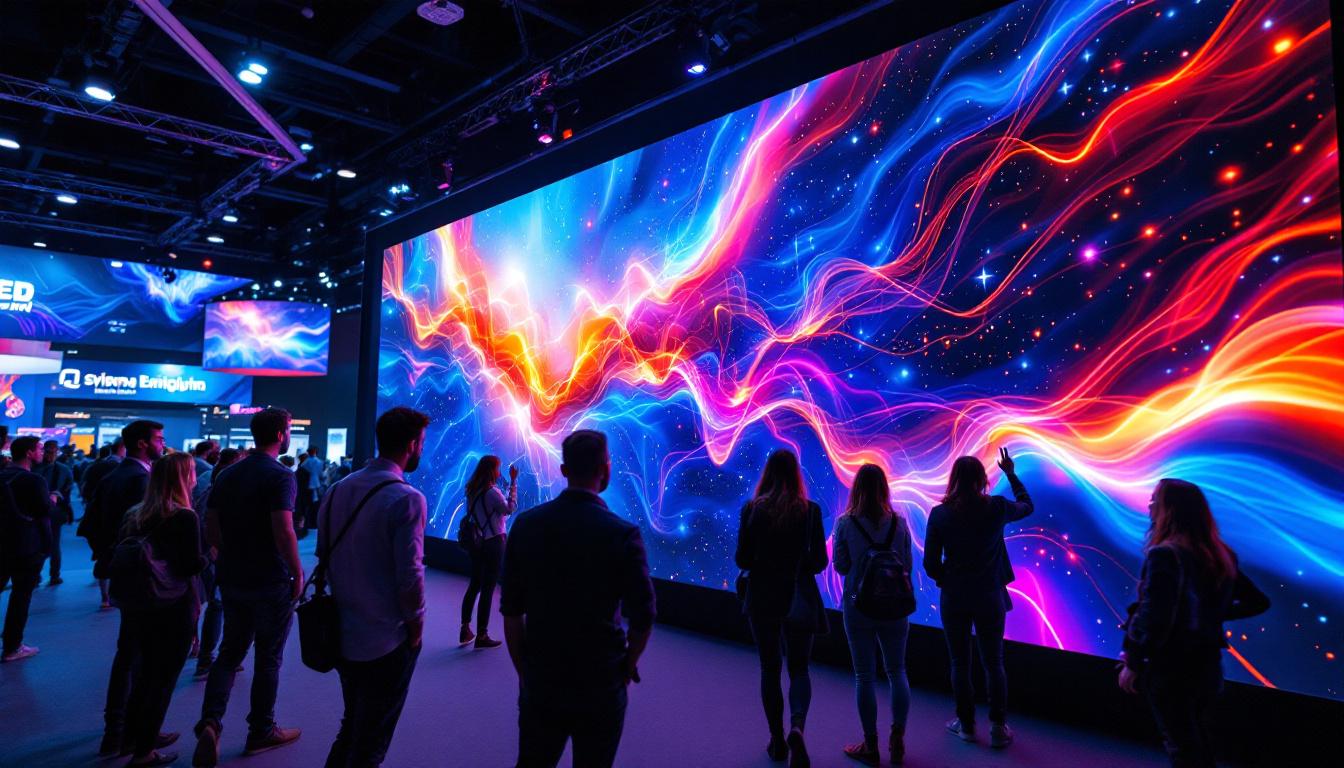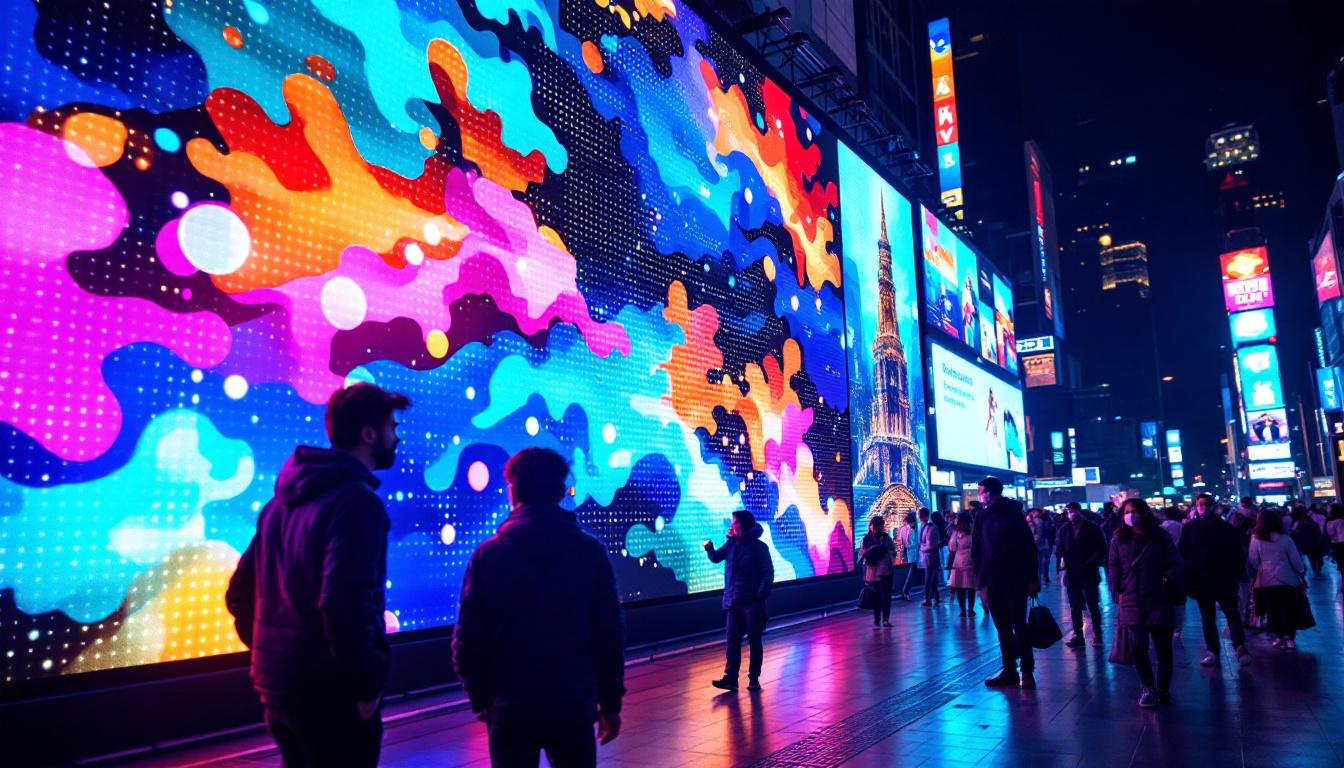
In today’s fast-paced digital world, LED displays have become a cornerstone of visual communication. From vibrant billboards in city centers to dynamic menu boards in restaurants, LED technology powers a vast array of signage solutions. At the heart of these displays lies the concept of the “pixel,” a fundamental building block that determines image quality, clarity, and overall effectiveness. This article dives deep into pixel signage and LED displays, unpacking how they work, why they matter, and what to consider when choosing or designing LED signage.
Understanding LED Displays: The Basics
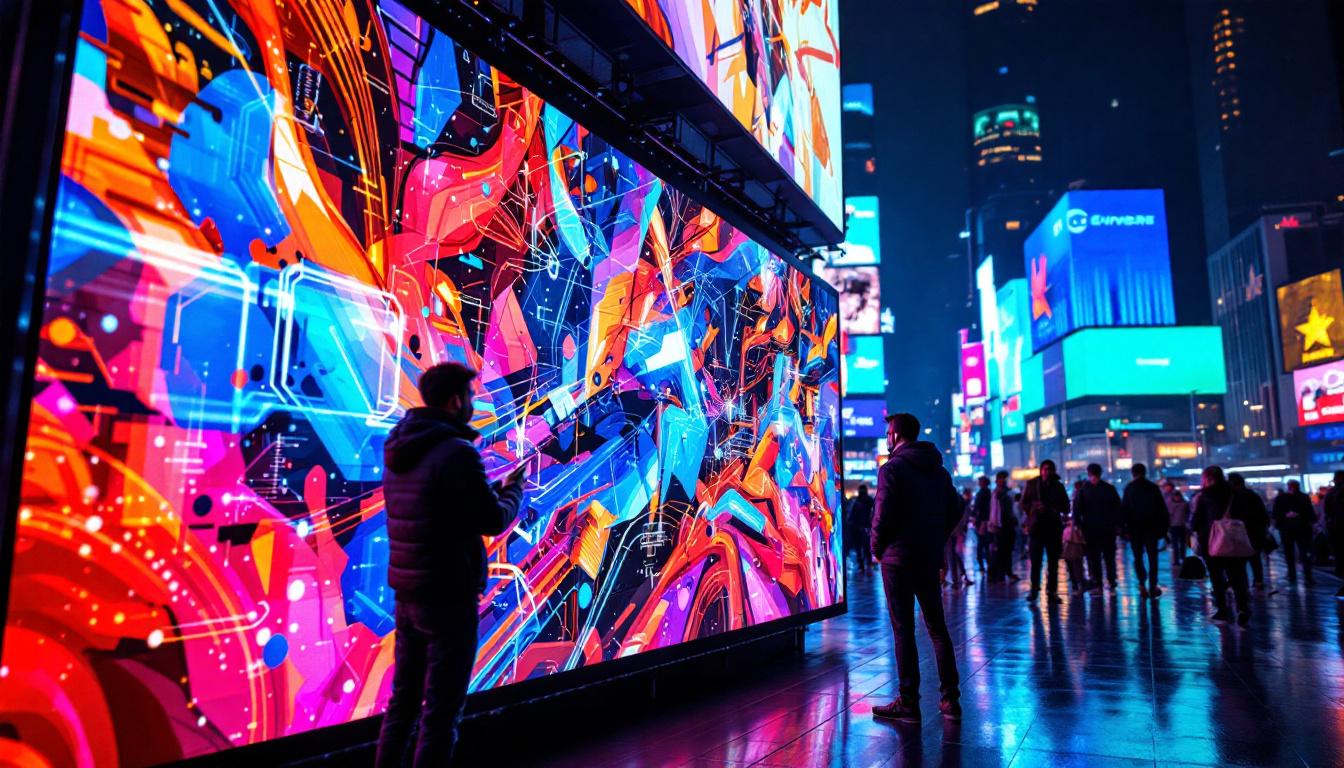
LED, or Light Emitting Diode, displays are composed of numerous tiny light sources that illuminate in various colors and intensities to form images and videos. Unlike traditional LCD or projection screens, LED displays emit their own light, resulting in brighter, more vibrant visuals that are easily visible even in direct sunlight.
The core advantage of LED technology lies in its modularity and scalability. LED panels can be combined seamlessly to create displays of virtually any size, from small indoor signs to massive outdoor billboards. This flexibility has made LED displays a popular choice for advertising, entertainment, transportation hubs, and public information systems worldwide. Additionally, LED technology is energy-efficient, consuming less power than traditional lighting methods, which not only reduces operational costs but also contributes to environmental sustainability.
The Role of Pixels in LED Displays
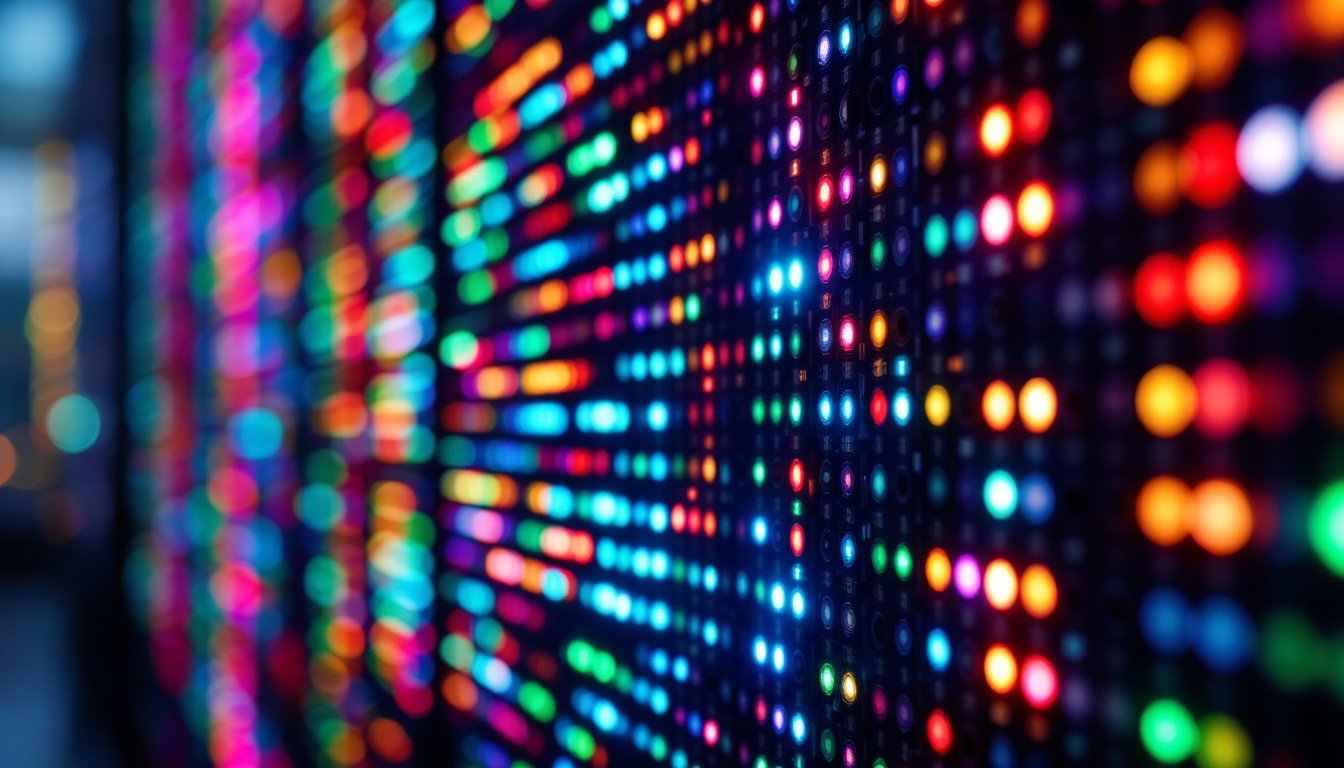
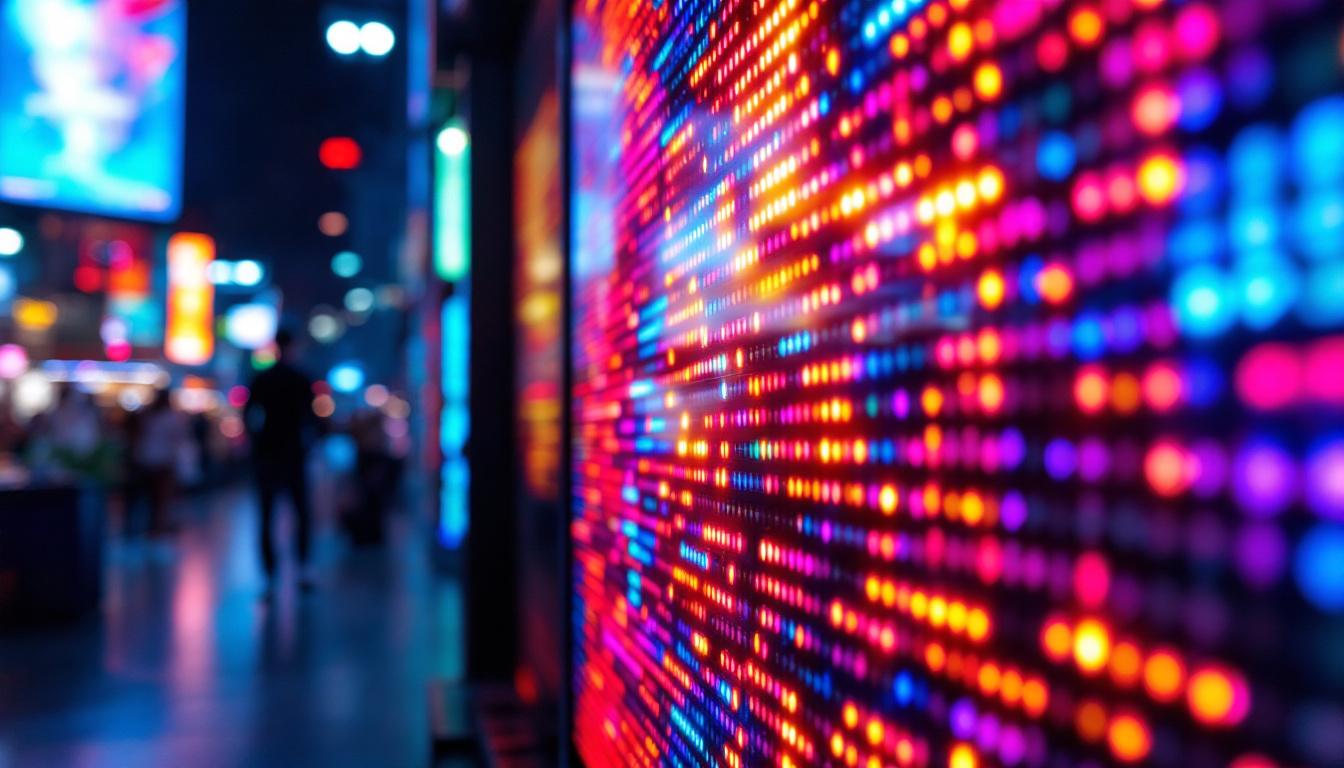
A pixel, short for “picture element,” is the smallest controllable unit of a digital image. In the context of LED signage, each pixel typically consists of a cluster of red, green, and blue (RGB) LEDs. By varying the brightness of these three LEDs, the pixel can produce a wide spectrum of colors, enabling the display to render rich, full-color images.
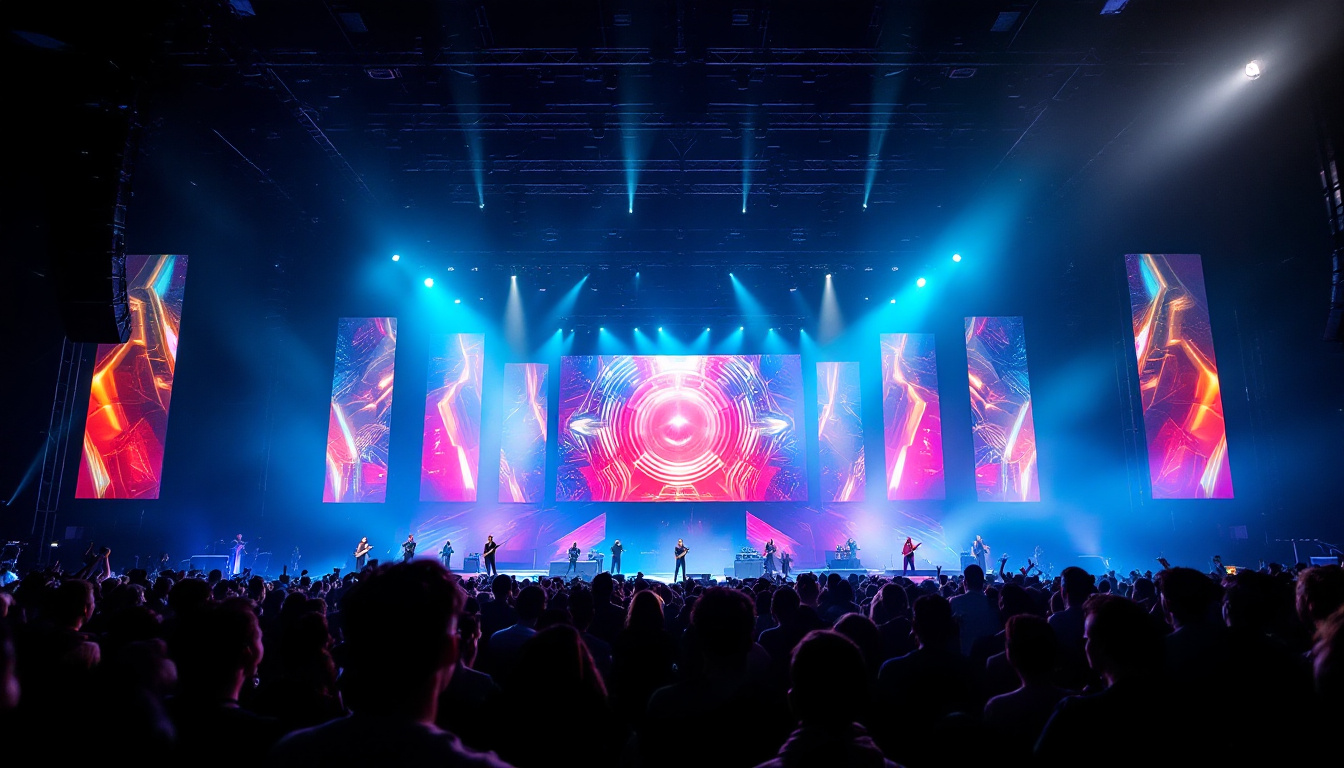
The resolution of an LED display is determined by the number of pixels it contains. More pixels generally mean higher resolution and sharper images. However, the physical spacing between pixels, known as pixel pitch, plays a critical role in how the display is perceived. A smaller pixel pitch allows for closer viewing distances without losing image quality, making it ideal for indoor environments like shopping malls or concert venues. Conversely, larger pixel pitches are often used for outdoor displays where viewers are typically farther away, ensuring that the visuals remain clear and impactful from a distance. This adaptability in pixel configuration further enhances the versatility of LED displays across various applications.
Moreover, advancements in technology have led to the development of flexible and transparent LED displays, which open up new possibilities for creative installations. These innovative designs can be integrated into windows, walls, and even vehicles, allowing for dynamic advertising and artistic expressions that blend seamlessly with their surroundings. As the demand for visually engaging content continues to rise, the evolution of LED display technology is set to play a pivotal role in shaping the future of visual communication.
Pixel Pitch: Why It Matters
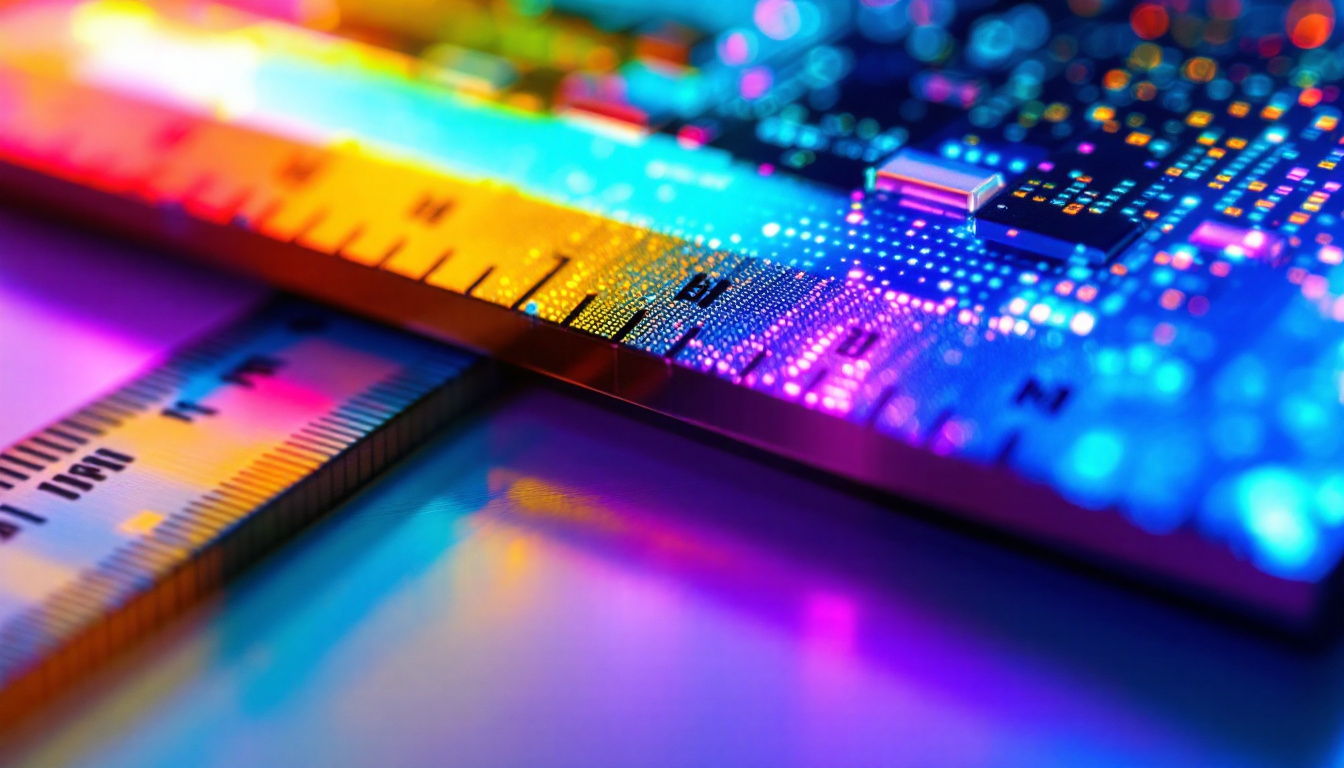
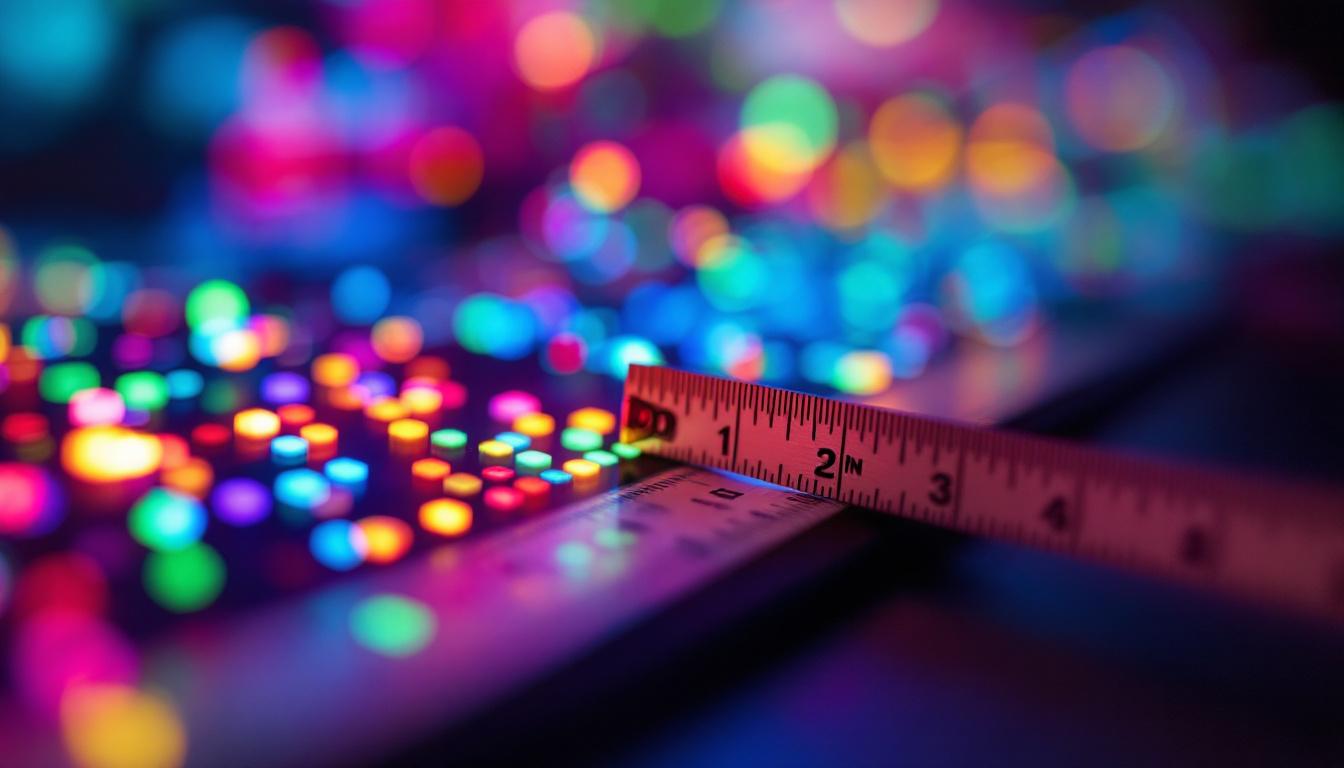
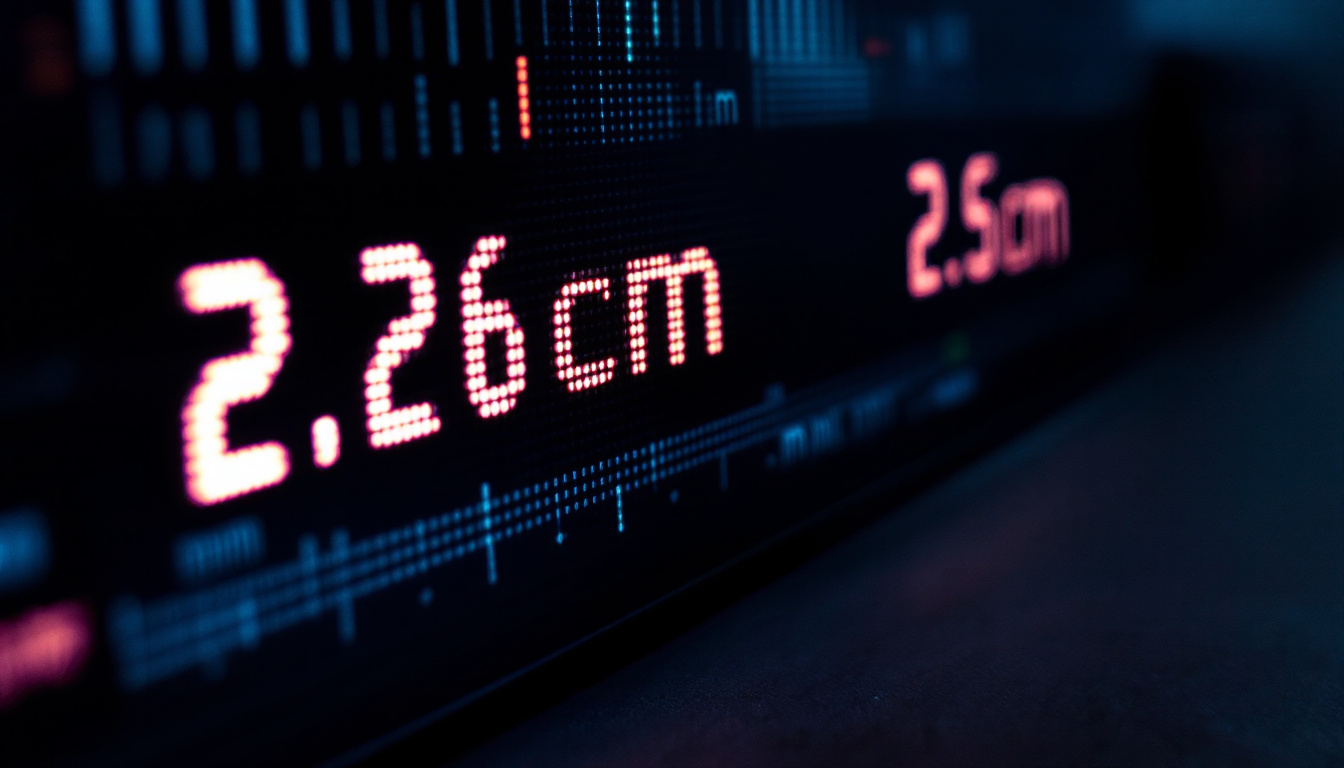
Pixel pitch is the distance from the center of one pixel to the center of the adjacent pixel, usually measured in millimeters. It directly influences the display’s resolution and viewing distance. A smaller pixel pitch means pixels are packed closer together, resulting in higher resolution and finer image detail.
For example, a display with a 1.5mm pixel pitch is often used in indoor environments where viewers are close to the screen, such as conference rooms or retail stores. Conversely, a 10mm or larger pixel pitch is suitable for outdoor billboards or stadium screens, where viewers are typically farther away.
Choosing the right pixel pitch is essential to balance cost and performance. Smaller pixel pitches require more LEDs per square meter, increasing manufacturing complexity and price. However, they provide superior image quality, which is crucial for applications demanding close-up viewing.
Pixel Density and Visual Impact
Pixel density, measured in pixels per square meter, is inversely related to pixel pitch. Higher pixel density means more pixels in a given area, which translates to crisper images and smoother video playback. This is particularly important for dynamic content such as animations, videos, and detailed graphics.
In advertising, the clarity and vibrancy of a message can significantly affect viewer engagement and recall. Studies have shown that high-resolution digital signage can increase brand awareness by up to 47% compared to static signs. Therefore, investing in appropriate pixel density tailored to the viewing environment can yield substantial returns.
Moreover, the choice of pixel pitch can also impact the overall aesthetic of a display installation. For instance, in art galleries or museums, where the visual experience is paramount, a smaller pixel pitch can create an immersive environment that captivates visitors. The intricate details of artwork or digital installations can be showcased with remarkable fidelity, enhancing the viewer’s experience. Similarly, in live events, such as concerts or sports, the ability to deliver high-definition visuals can elevate the atmosphere, making every moment more engaging for the audience.
Additionally, advancements in technology have led to the development of various pixel pitch configurations, allowing for greater flexibility in design and application. Manufacturers are now producing displays that can adapt to different environments, such as flexible LED screens that can be curved or shaped to fit unique spaces. This innovation not only maximizes the visual impact but also opens up new possibilities for creative installations, transforming the way we think about digital displays in public and private spaces.
Types of LED Displays and Their Applications
LED displays come in various forms, each optimized for specific use cases. Understanding these types helps businesses and organizations select the best solution for their needs.
Indoor LED Displays
Indoor LED displays are designed for environments with controlled lighting and closer viewing distances. They feature small pixel pitches, often ranging from 0.9mm to 4mm, enabling high-resolution images suitable for detailed content.
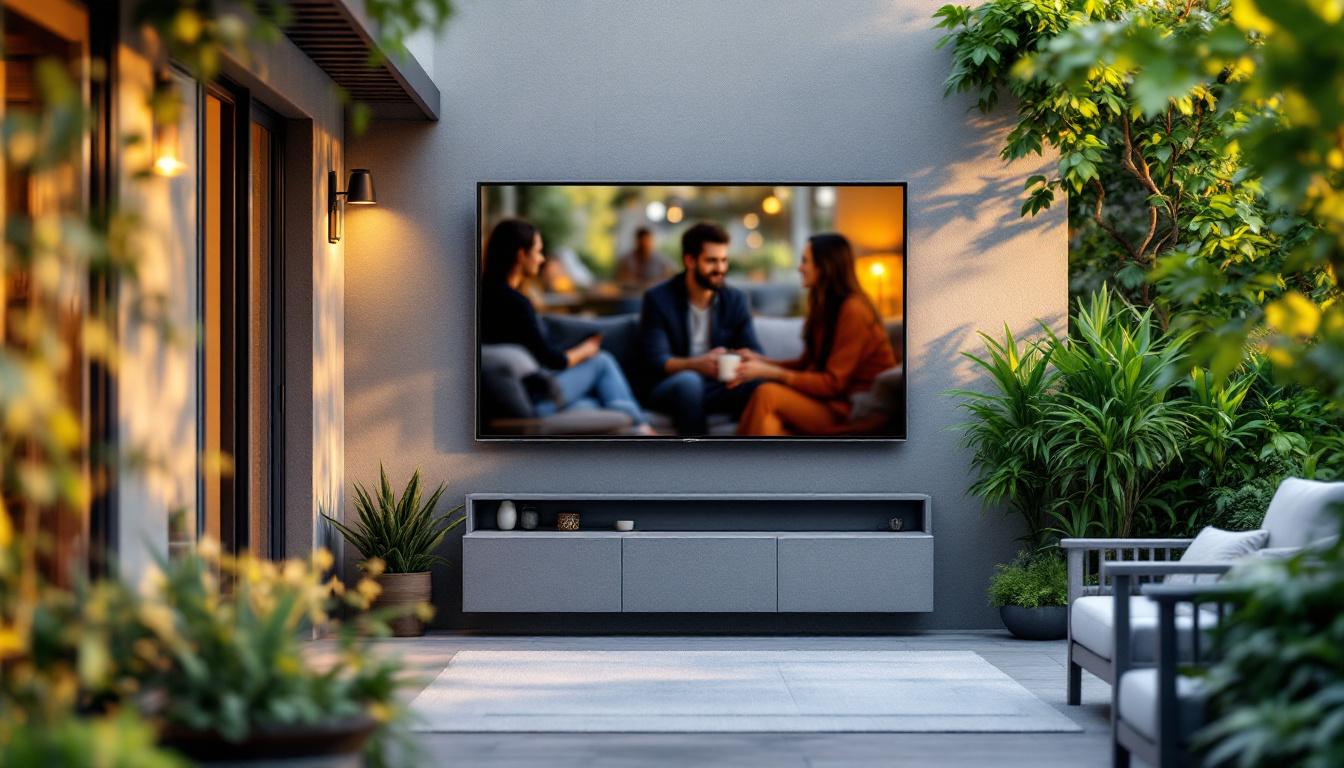
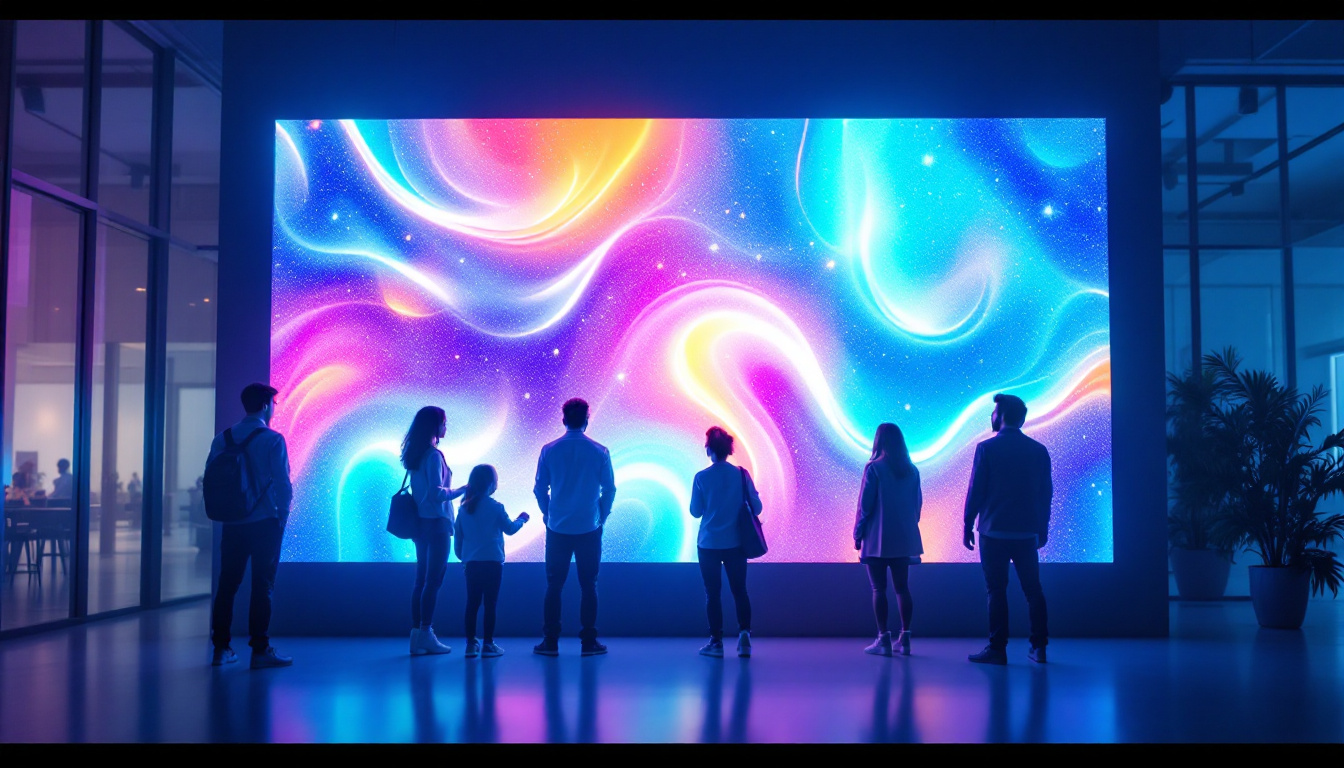
Common applications include corporate lobbies, retail stores, museums, and event venues. Indoor LED displays often emphasize color accuracy and uniform brightness, ensuring a premium visual experience.
Outdoor LED Displays
Outdoor LED displays must withstand environmental factors such as sunlight, rain, and temperature fluctuations. They typically have larger pixel pitches, from 4mm to 20mm or more, to maintain visibility over long distances.
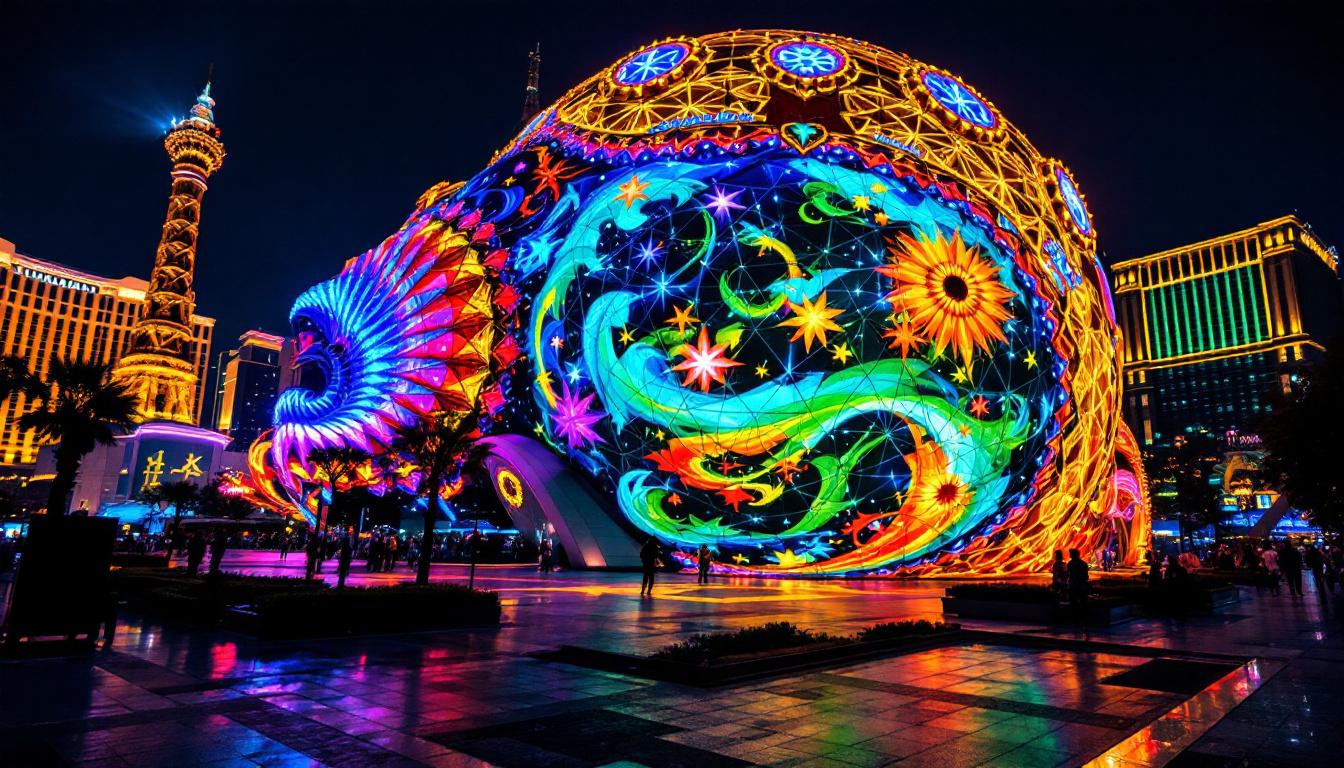
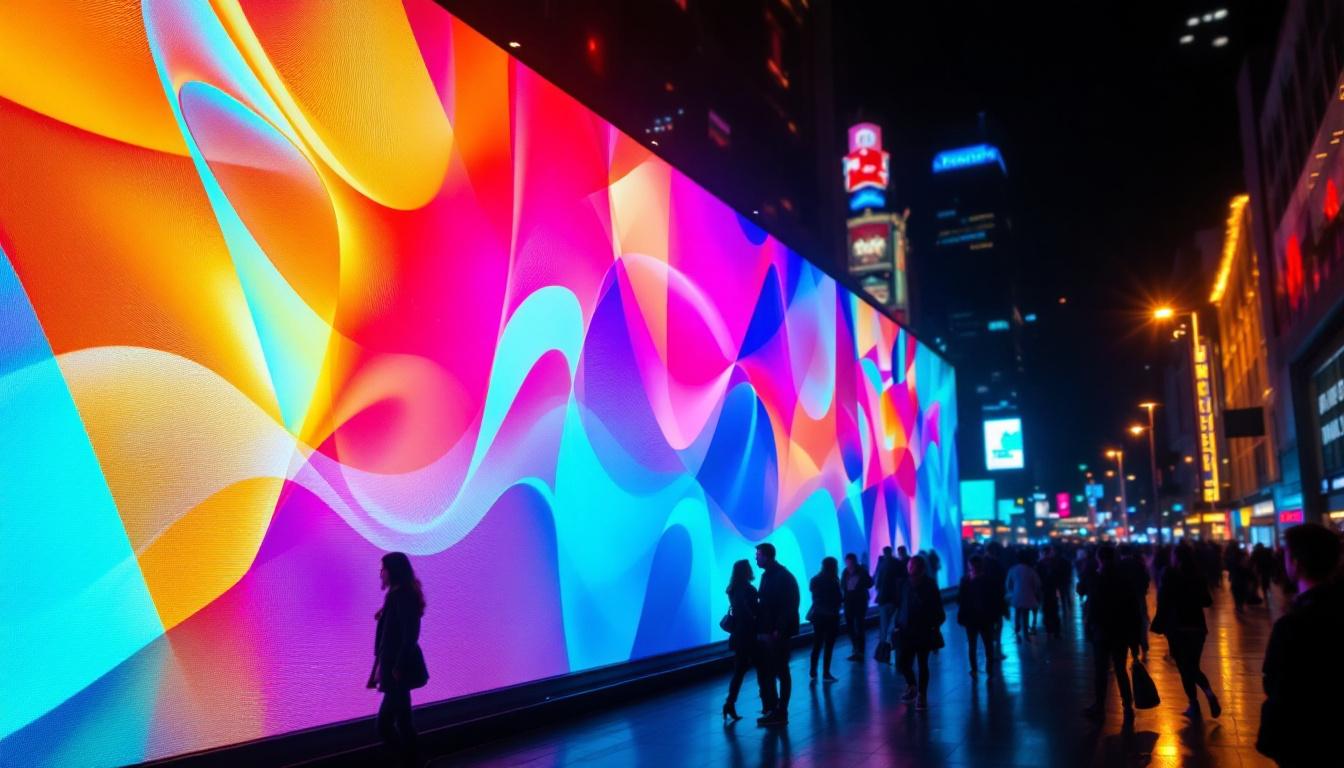
These displays are widely used for billboards, sports arenas, transportation signage, and public information boards. High brightness levels—often exceeding 5,000 nits—ensure readability even under direct sunlight.
Transparent LED Displays
Transparent LED displays integrate LEDs into glass panels, allowing light to pass through while displaying content. This innovative technology is popular for storefront windows and architectural installations where maintaining visibility through the glass is important.
Though pixel pitches tend to be larger and resolutions lower compared to traditional LED displays, transparent LEDs offer a unique blend of functionality and aesthetic appeal.
Technical Considerations for Pixel Signage
When designing or purchasing LED signage, several technical factors related to pixels and display performance should be evaluated to ensure optimal results.
Brightness and Contrast
Brightness, measured in nits, determines how well an LED display can be seen under various lighting conditions. Outdoor displays often require brightness levels above 5,000 nits, while indoor displays typically operate between 800 and 1,500 nits.
Contrast ratio, the difference between the brightest and darkest parts of an image, affects image depth and clarity. High contrast ratios enhance readability and visual impact, especially for text and fine details.
Viewing Angle
The viewing angle defines the range within which the display can be seen clearly without significant color distortion or brightness loss. LED displays generally offer wide viewing angles, often exceeding 120 degrees horizontally and vertically.
Wide viewing angles are crucial for signage placed in public spaces where audiences view the display from various positions.
Refresh Rate and Response Time
Refresh rate, measured in Hertz (Hz), indicates how many times per second the display updates its image. Higher refresh rates reduce flicker and motion blur, producing smoother video playback. For LED displays, refresh rates of 1,000 Hz or more are common, ensuring flicker-free viewing even on camera recordings.
Response time, the speed at which pixels change color, also contributes to image quality, particularly for fast-moving content.
Future Trends in Pixel Signage and LED Technology
The LED display industry continues to evolve rapidly, driven by advances in materials, manufacturing, and digital content delivery. Several emerging trends are shaping the future of pixel signage.
MicroLED and MiniLED Innovations
MicroLED technology features microscopic LEDs that offer exceptional brightness, color accuracy, and energy efficiency. Compared to traditional LEDs, MicroLEDs enable even smaller pixel pitches, pushing the boundaries of resolution and image quality.
MiniLEDs, slightly larger than MicroLEDs but smaller than conventional LEDs, are also gaining traction, particularly in high-end displays and televisions. These technologies promise thinner, lighter, and more durable signage solutions.
Integration with IoT and Smart Systems
Smart LED signage integrated with Internet of Things (IoT) technology allows for dynamic content updates, audience analytics, and environmental responsiveness. For example, displays can adjust brightness based on ambient light or change messaging based on real-time data such as weather or traffic conditions.
This level of interactivity enhances engagement and enables businesses to deliver highly targeted advertising and information.
Sustainability and Energy Efficiency
As environmental concerns grow, manufacturers are focusing on reducing the energy consumption and carbon footprint of LED displays. Advances in LED chip design, power management, and recyclable materials contribute to greener signage solutions.
Energy-efficient LED signage not only lowers operating costs but also aligns with corporate social responsibility goals, appealing to environmentally conscious consumers.
Conclusion: Making Informed Decisions About Pixel Signage
LED displays have transformed the way businesses and organizations communicate visually. Understanding the role of pixels, pixel pitch, and related technical factors is crucial for selecting the right signage that meets specific needs and viewing environments.
Whether deploying an indoor digital menu board, an outdoor advertising billboard, or an innovative transparent display, careful consideration of pixel density, brightness, viewing angles, and emerging technologies ensures maximum impact and return on investment.
As LED technology continues to advance, pixel signage will become even more versatile, immersive, and sustainable, cementing its place as a vital tool in modern visual communication.
Discover Cutting-Edge LED Solutions with LumenMatrix
Ready to elevate your visual communication with the latest in LED technology? LumenMatrix is at the forefront of innovation, offering a wide range of LED display modules designed to capture attention and create immersive experiences. From Indoor and Outdoor LED Wall Displays to specialized solutions like Vehicle, Sports, and Floor LED Displays, our products are crafted to meet the diverse needs of modern businesses. Embrace the future of digital signage with our Custom, All-in-One, and Transparent LED Displays, and see how LumenMatrix is redefining the art of visual storytelling. Check out LumenMatrix LED Display Solutions today and transform your brand’s visibility with unparalleled clarity and impact.