In the rapidly evolving world of visual technology, projectors have undergone significant transformations. Among these advancements, LED display technology stands out as a game-changer for premium projectors, offering enhanced image quality, longevity, and energy efficiency. This article delves into the intricacies of LED display technology in premium projectors, exploring how it works, its benefits, and why it is becoming the preferred choice for both consumers and professionals.
Understanding LED Display Technology in Projectors
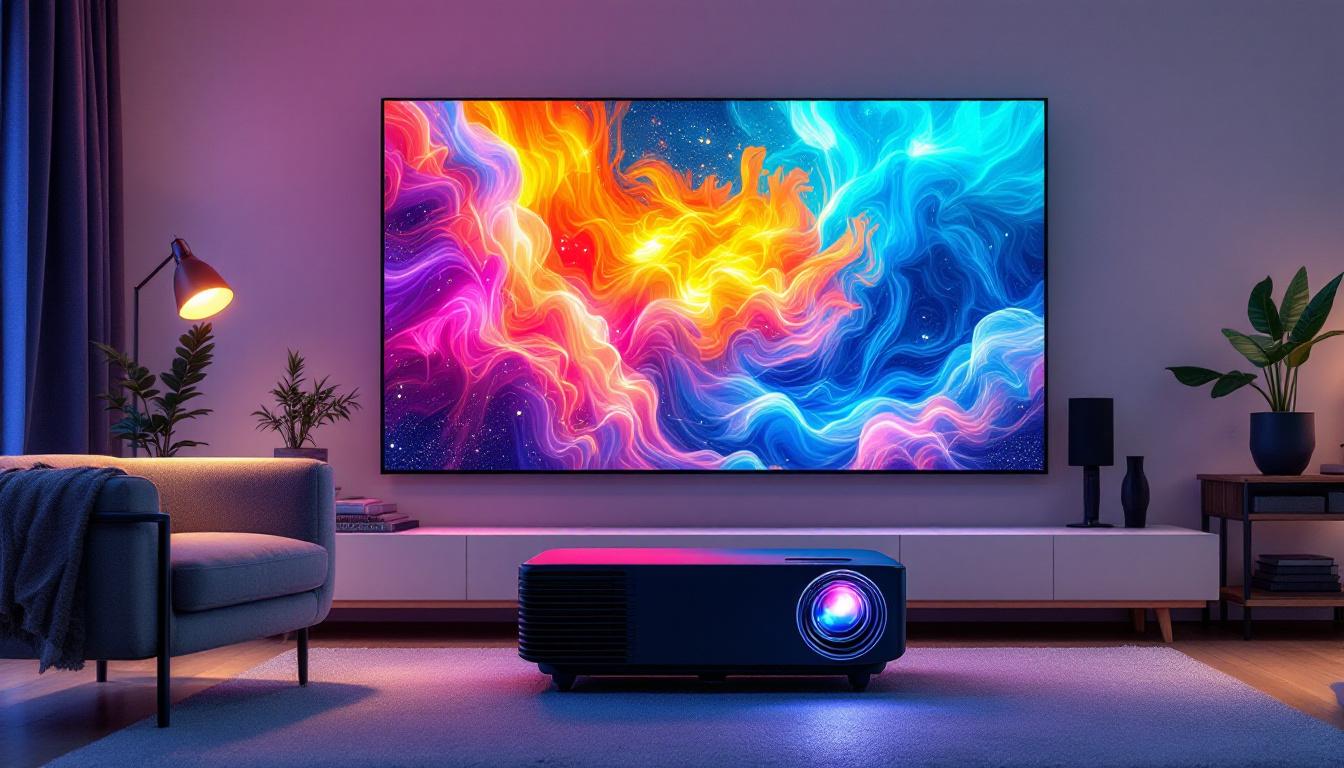
LED, or Light Emitting Diode, technology has revolutionized many display devices, including projectors. Unlike traditional lamp-based projectors that rely on high-intensity bulbs, LED projectors use arrays of tiny LEDs as their light source. This fundamental difference impacts everything from brightness and color accuracy to maintenance and lifespan.
At its core, an LED projector combines three primary LEDs—red, green, and blue—to create a full spectrum of colors. These LEDs are modulated to control the intensity of each color, producing vivid and precise images. The light emitted passes through microdisplay chips such as DLP (Digital Light Processing) or LCD (Liquid Crystal Display) panels, which shape the image before it is projected onto a screen or surface. This combination of technology not only enhances the visual experience but also allows for greater flexibility in various lighting conditions, making LED projectors suitable for both home theaters and professional presentations.
One of the key innovations in premium LED projectors is the use of advanced micro-LED or mini-LED arrays, which enhance brightness and contrast ratios. These developments allow LED projectors to compete with, and in some cases outperform, traditional lamp-based models in terms of image quality. Moreover, the compact nature of LED technology enables manufacturers to create smaller and lighter projectors, making them more portable and user-friendly. This portability is particularly advantageous for educators and business professionals who require reliable projection solutions on the go.
How LED Projectors Differ from Traditional Lamp-Based Projectors
Traditional projectors typically use high-pressure mercury or UHP (Ultra High Performance) lamps as their light source. These lamps generate intense light but come with several drawbacks, including shorter lifespans (usually between 2,000 to 4,000 hours), heat generation, and longer warm-up times. Additionally, the color performance of these lamps can degrade over time, leading to a less vibrant image as the projector ages.
In contrast, LED projectors offer a more durable and efficient light source. LEDs can last up to 20,000 to 30,000 hours, significantly reducing maintenance costs and downtime. Additionally, LEDs operate at lower temperatures, which minimizes cooling requirements and allows for more compact projector designs. This efficiency not only contributes to a longer lifespan but also translates to lower energy consumption, making LED projectors a more environmentally friendly option. Furthermore, many LED projectors come equipped with features such as automatic keystone correction and built-in speakers, enhancing user experience and making them versatile tools for various applications, from movie nights to business meetings.
Advantages of LED Display Technology in Premium Projectors
LED projectors bring a host of benefits that make them particularly attractive for premium applications, ranging from home theaters to professional presentations and large venue installations.
Superior Color Accuracy and Wide Color Gamut
One of the most compelling advantages of LED projectors is their ability to produce richer, more accurate colors. LEDs emit highly pure light wavelengths, which translates into a wider color gamut compared to traditional lamp-based projectors. This means users experience more vibrant reds, deeper greens, and brighter blues, resulting in images that are closer to what the human eye perceives in the real world.
For industries where color fidelity is critical—such as graphic design, film production, and medical imaging—this capability is invaluable. Premium LED projectors often support standards like Rec. 709 and DCI-P3, ensuring compatibility with professional color grading workflows. This precision in color reproduction not only enhances the viewing experience but also ensures that creative professionals can trust the colors they see on screen, leading to more accurate and impactful presentations.
Additionally, the superior color performance of LED projectors allows for enhanced image quality in various lighting conditions. Whether in a dimly lit room or a brightly lit conference hall, the ability of LED technology to maintain color integrity without significant loss of brightness makes it a preferred choice for many users. This adaptability is particularly beneficial for live events where lighting can fluctuate, ensuring that the visual content remains engaging and true to its intended hues.
Longer Lifespan and Lower Maintenance Costs
LEDs are inherently more durable than traditional projector lamps. With lifespans reaching up to 30,000 hours, LED projectors can operate for years without the need for bulb replacements. This longevity reduces both the direct costs of replacement lamps and the indirect costs associated with projector downtime and labor.
Furthermore, because LEDs generate less heat, the cooling systems in LED projectors tend to be quieter and more energy-efficient. This not only extends the lifespan of internal components but also creates a more pleasant user experience, especially in quiet environments like home theaters or conference rooms. The reduced thermal output also means that users can enjoy longer viewing sessions without the worry of overheating, which can often lead to performance issues in traditional projectors.
In addition to these benefits, the low maintenance requirements of LED projectors make them an attractive option for businesses and educational institutions. With fewer interruptions for maintenance and repairs, organizations can allocate their resources more effectively, focusing on delivering high-quality presentations and experiences rather than managing equipment issues.
Energy Efficiency and Environmental Impact
Energy consumption is a growing concern in both residential and commercial settings. LED projectors consume significantly less power than their lamp-based counterparts, often using 30% to 50% less energy for comparable brightness levels. This efficiency translates to lower electricity bills and a reduced carbon footprint.
Moreover, LED projectors do not contain hazardous materials such as mercury, which is present in many traditional projector lamps. This makes LED projectors more environmentally friendly and easier to dispose of safely at the end of their lifecycle. The commitment to sustainability extends beyond just the product; many manufacturers are adopting eco-friendly practices in their production processes, further minimizing environmental impact.
As awareness of environmental issues grows, the demand for energy-efficient technologies continues to rise. By choosing LED projectors, consumers and businesses alike can contribute to a more sustainable future while enjoying the benefits of cutting-edge display technology. This alignment with eco-conscious values not only enhances the appeal of LED projectors but also positions users as responsible stewards of the environment, making a positive statement in both personal and professional settings.
Applications of Premium LED Projectors
Thanks to their advanced features and reliability, premium LED projectors have found a wide range of applications across various sectors.
Home Theater and Entertainment
For home cinema enthusiasts, LED projectors offer an immersive viewing experience with vivid colors and sharp images. The long lifespan and quiet operation make them ideal for dedicated home theaters, where maintenance interruptions and noise can detract from the experience.
Additionally, the compact size of many LED projectors allows for flexible installation options, including ceiling mounts, portable setups, and even ultra-short throw configurations that project large images from a minimal distance.
Corporate and Educational Environments
In business and educational settings, reliability and clarity are paramount. LED projectors provide bright, crisp images that enhance presentations and lectures, improving audience engagement and comprehension. Their low maintenance requirements reduce the total cost of ownership for organizations, making them a cost-effective investment.
Some premium LED projectors also feature advanced connectivity options, such as wireless streaming and network integration, enabling seamless collaboration and content sharing.
Large Venues and Events
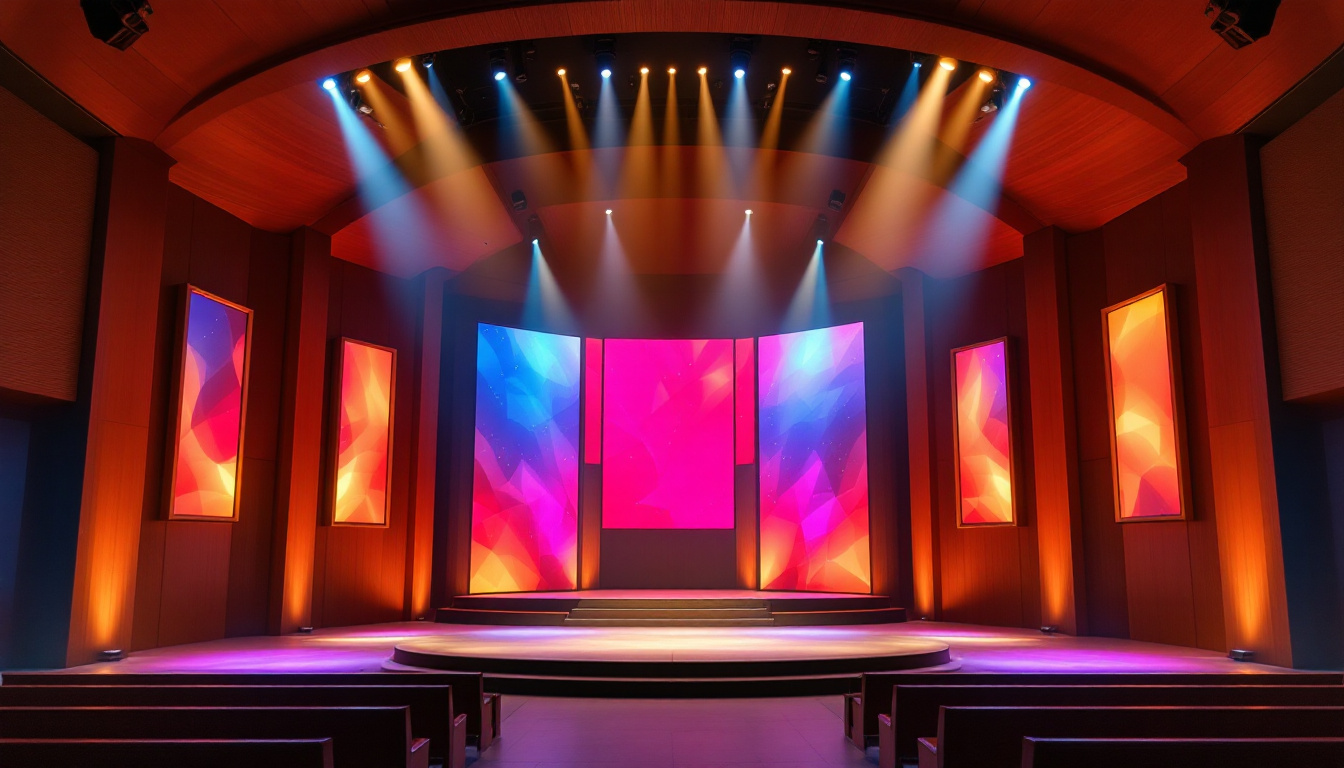
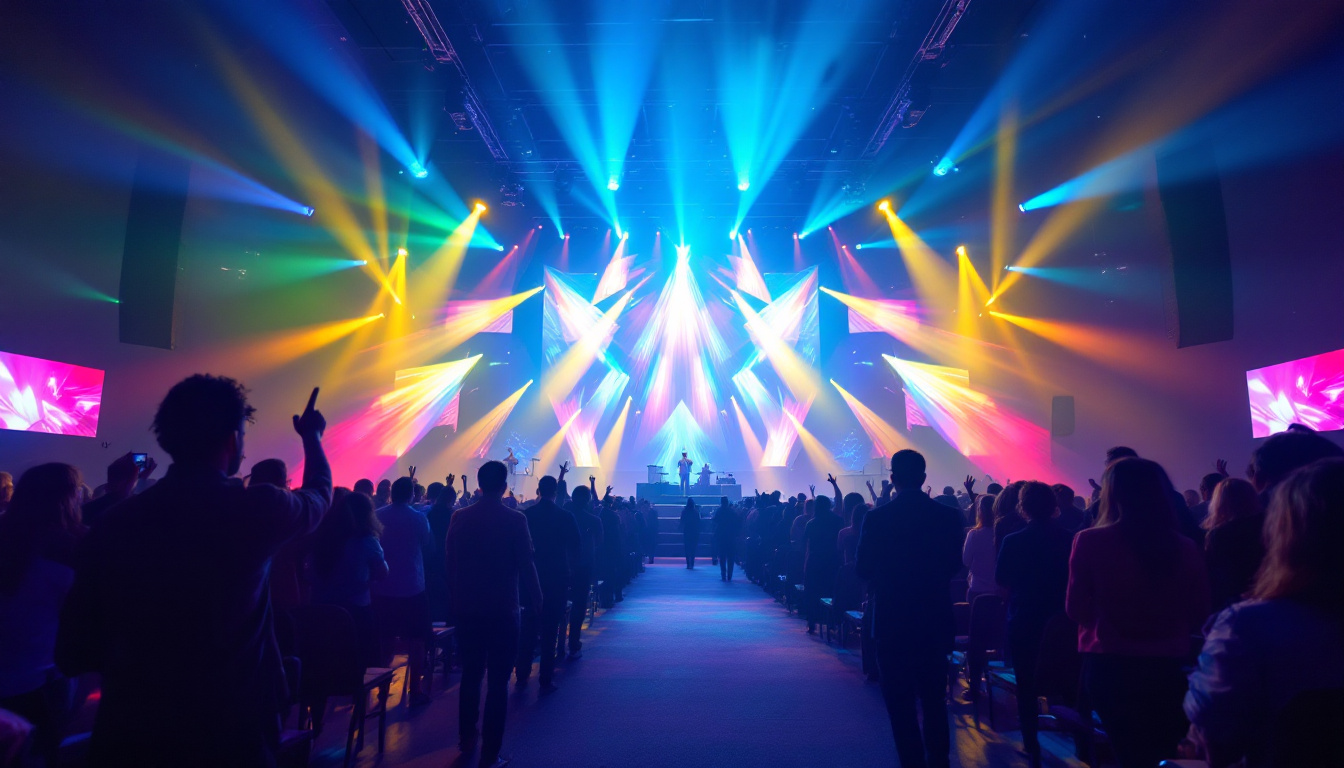
Large-scale venues, including auditoriums, museums, and event spaces, benefit from the high brightness and superior color performance of premium LED projectors. Their ability to maintain image quality over extended periods without overheating or dimming is critical for events that run for hours.
Innovations like laser-LED hybrid light sources further push the boundaries of brightness and color accuracy, allowing LED projectors to compete with traditional high-lumen lamp and laser projectors in demanding environments.
Challenges and Considerations When Choosing LED Projectors
While LED projectors offer numerous advantages, there are some factors to consider before making a purchase.
Brightness Limitations Compared to Laser and Lamp Projectors
Although LED technology has made significant strides, some high-end laser and lamp projectors still surpass LED models in maximum brightness output. For extremely large venues or environments with high ambient light, this can be a limiting factor.
However, for most home, office, and mid-sized venue applications, premium LED projectors deliver sufficient brightness with the added benefits of color accuracy and longevity.
Initial Cost Considerations
Premium LED projectors tend to have a higher upfront cost compared to conventional lamp-based models. This is largely due to the advanced LED arrays and microdisplay technologies they employ. Nonetheless, the total cost of ownership often favors LED projectors when factoring in reduced maintenance, energy savings, and longer lifespan.
Resolution and Image Processing
While LED projectors can support a range of resolutions, including Full HD and 4K, it is important to verify that the projector’s image processing capabilities meet the intended use case. High-quality video scaling, frame interpolation, and color calibration features are essential for delivering the best possible viewing experience.
Future Trends in LED Projector Technology
The future of LED display technology in projectors looks promising, with ongoing research and development pushing the boundaries of performance and affordability.
Micro-LED and Mini-LED Innovations
Emerging micro-LED and mini-LED technologies promise even greater brightness, contrast, and color precision. These tiny LEDs can be densely packed to create highly detailed light sources that rival or exceed the performance of current models.
As manufacturing processes improve and costs decrease, these innovations are expected to become standard in premium projectors within the next few years.
Hybrid Light Sources
Combining LED with laser technology is another trend gaining traction. Hybrid light sources leverage the strengths of both technologies—laser for high brightness and LED for color accuracy and longevity. This hybrid approach is particularly appealing for large venues and professional applications requiring top-tier performance.
Smart Features and Connectivity
Integration with smart home systems, wireless streaming, and cloud-based content management are becoming increasingly common in premium LED projectors. These features enhance usability and open new possibilities for interactive and remote presentations.
Conclusion
Premium projectors equipped with LED display technology represent a significant advancement in the field of visual display. Their superior color accuracy, long lifespan, energy efficiency, and versatility make them an excellent choice for a wide range of applications—from immersive home theaters to demanding professional environments.
While there are some considerations regarding brightness and initial cost, the overall benefits and ongoing technological improvements position LED projectors as a leading solution for anyone seeking high-quality, reliable projection technology. As LED innovations continue to evolve, their role in the future of premium display technology is set to expand even further.
Explore Cutting-Edge LED Display Solutions with LumenMatrix
Ready to experience the future of visual display technology? LumenMatrix is at the forefront of LED innovation, offering a diverse range of LED display modules tailored to your needs. From captivating Indoor LED Walls to dynamic Outdoor LED Displays, and from versatile Vehicle LED Displays to sleek LED Poster Displays, our solutions are designed to revolutionize visual communication. Whether you’re looking to enhance brand visibility, engage sports fans, or create immersive environments with Floor or Custom LED Displays, LumenMatrix has the technology to bring your vision to life. Elevate your visual experience with our All-in-One and Transparent LED Displays. Check out LumenMatrix LED Display Solutions today and empower your business to make a lasting impact.