In recent years, LED technology has revolutionized the lighting and display industries, offering energy-efficient, durable, and visually striking alternatives to traditional lighting and display systems. Among the many innovations, LED displays have become a cornerstone in advertising, entertainment, and information dissemination. This article explores the concept of LED replacement lights, focusing on LED displays, their technology, applications, and the benefits they bring to both consumers and businesses.
Understanding LED Technology and Its Evolution
Light Emitting Diodes (LEDs) are semiconductor devices that emit light when an electric current passes through them. Unlike incandescent bulbs that produce light by heating a filament, LEDs generate light through electroluminescence, making them far more efficient and longer-lasting. This efficiency translates not only to lower energy consumption but also to reduced heat output, which is a significant advantage in various applications, from household lighting to intricate electronic devices.
The evolution of LED technology has been remarkable. Early LEDs were limited to indicator lights and simple displays, but advances in materials science and manufacturing have enabled the production of high-brightness LEDs suitable for general lighting and large-scale displays. Today’s LEDs offer a wide color spectrum, including white light suitable for indoor and outdoor lighting, and vibrant colors for dynamic displays. The development of blue LEDs in the 1990s was a pivotal moment, as it allowed for the creation of white light through a combination of red, green, and blue LEDs, thus opening up a plethora of applications in various fields.
The Rise of LED Displays
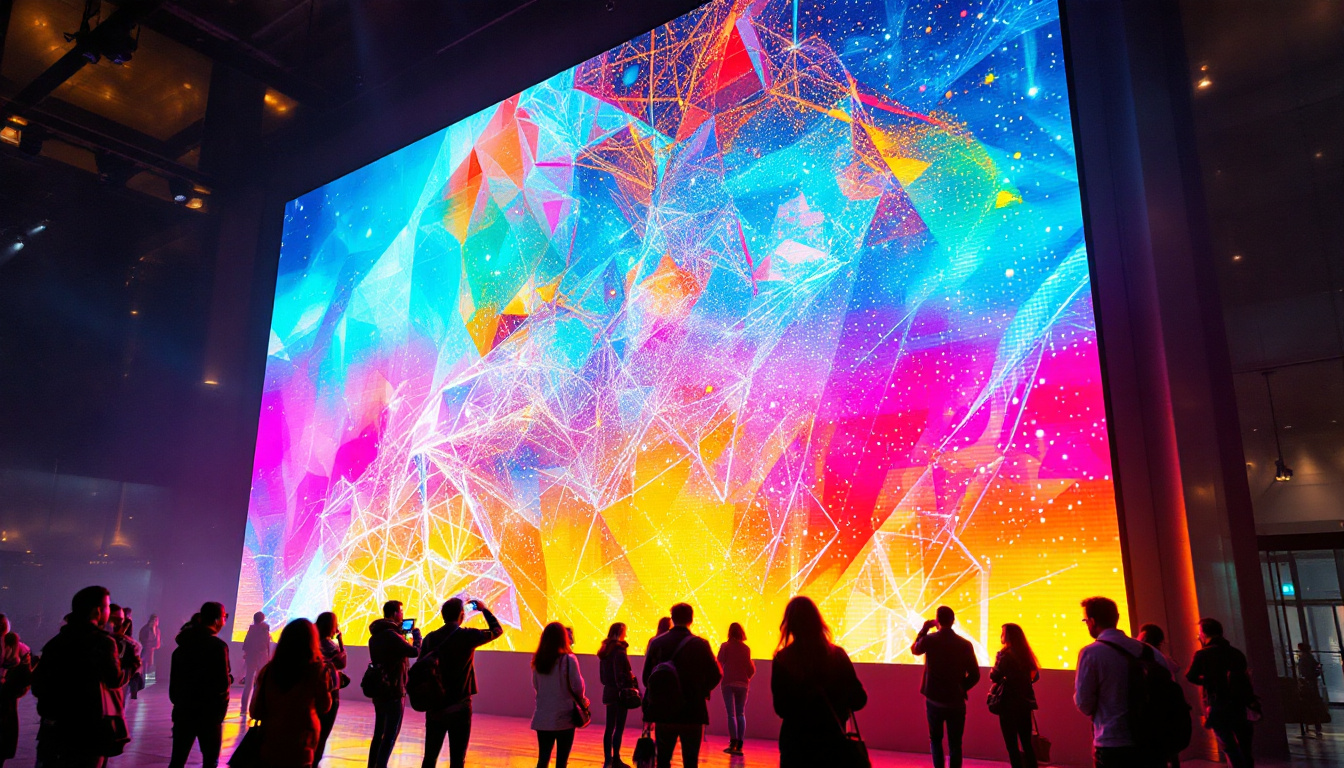
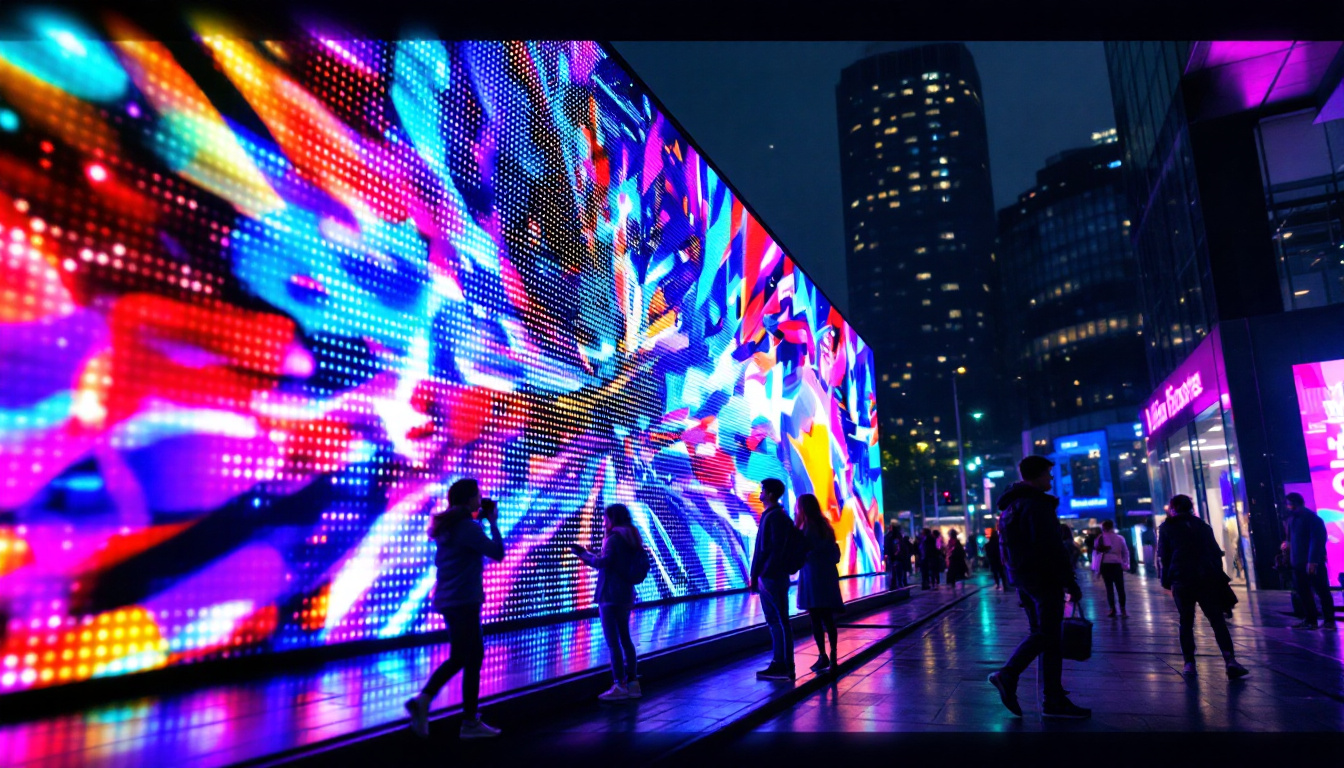
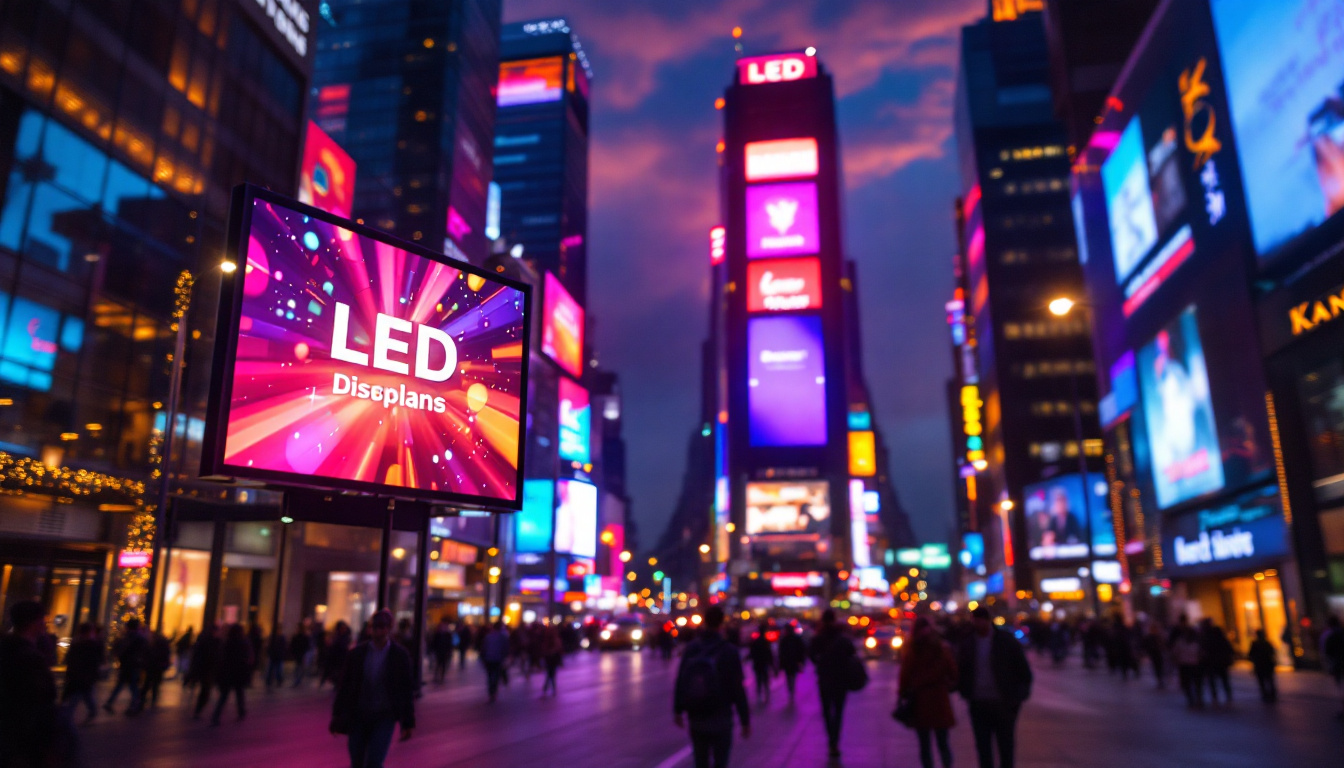
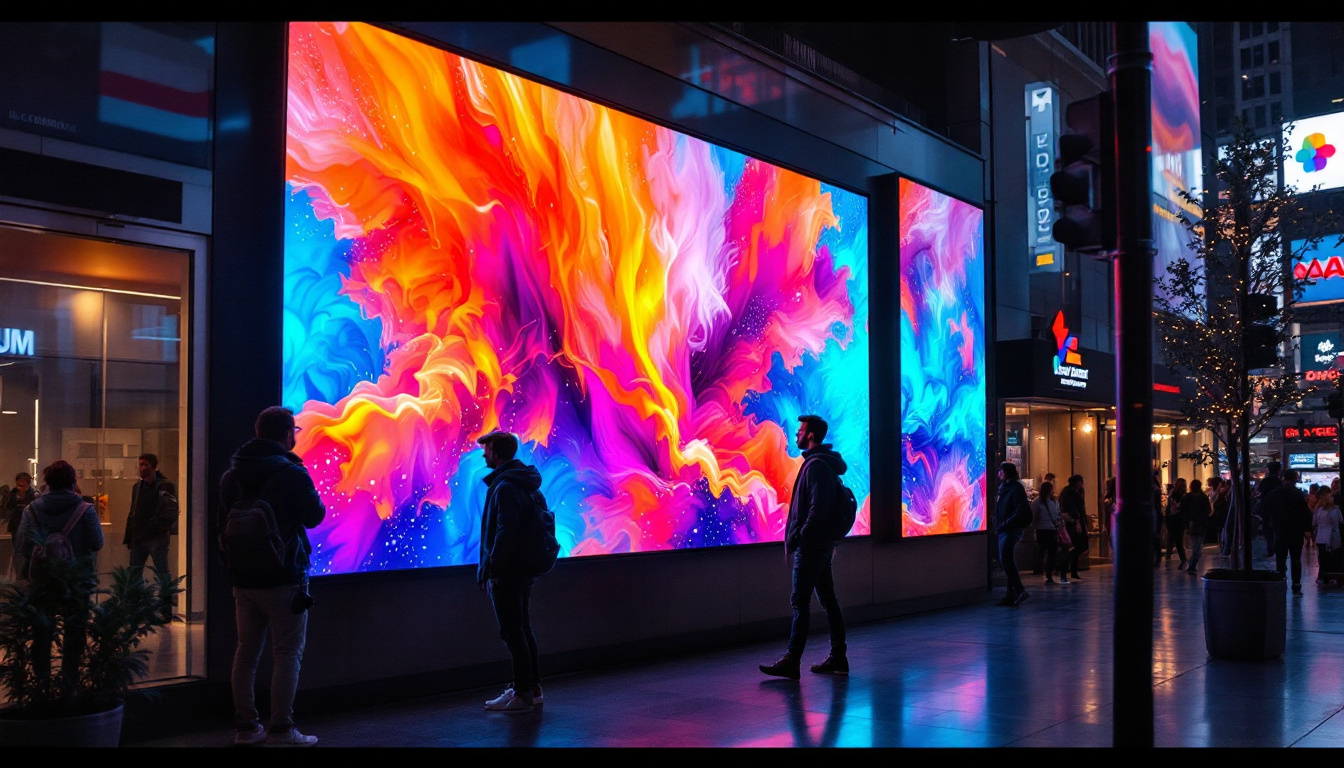
LED displays utilize arrays of LEDs to create images and videos. These displays can range from small digital clocks and billboards to massive stadium screens and video walls. The modular nature of LED panels allows for scalable and customizable solutions that can be tailored to various sizes and resolutions. This flexibility has made LED technology the go-to choice for advertising and entertainment, where visual impact is paramount. The ability to create curved or irregularly shaped displays has further expanded the creative possibilities for designers and advertisers alike.
One of the key drivers behind the popularity of LED displays is their superior brightness and contrast compared to traditional LCD or plasma screens. This makes them ideal for outdoor environments where sunlight can wash out less bright displays. Additionally, LEDs have faster refresh rates and wider viewing angles, enhancing the viewing experience. The durability of LED technology also plays a crucial role; unlike fragile glass screens, LED panels are often encased in robust materials that can withstand harsh weather conditions and physical impacts, making them suitable for both temporary installations and permanent fixtures in public spaces. Furthermore, the integration of smart technology with LED displays has paved the way for interactive experiences, allowing users to engage with content in real-time, thus revolutionizing advertising and information dissemination.
Can Light LED Replacement: What Does It Mean?
The term “Can Light LED Replacement” typically refers to replacing traditional recessed can light fixtures with LED alternatives. Can lights, also known as downlights or pot lights, are commonly used in residential and commercial settings for general illumination. LED replacements for these fixtures offer significant advantages in terms of energy savings, longevity, and light quality.
Why Replace Traditional Can Lights with LEDs?
Traditional can lights often use incandescent or halogen bulbs, which consume more energy and generate more heat. By switching to LED replacements, users can reduce their energy consumption by up to 75%, according to the U.S. Department of Energy. This translates to lower electricity bills and a smaller environmental footprint.
Moreover, LED can light replacements have a lifespan of 25,000 to 50,000 hours, compared to 1,000 to 2,000 hours for incandescent bulbs. This reduces maintenance costs and the inconvenience of frequent bulb changes. LEDs also produce less heat, which can improve comfort and reduce cooling costs in indoor environments.
Compatibility and Installation Considerations
When replacing traditional can lights with LED versions, it is important to consider compatibility with existing fixtures. Many LED retrofit kits are designed to fit standard can light housings, making installation straightforward. However, factors such as dimmer compatibility, color temperature preferences, and fixture size must be evaluated to ensure optimal performance.
Modern LED can light replacements come in various color temperatures, from warm white (2700K) to daylight (5000K), allowing users to customize the ambiance of their space. Additionally, many LED replacements are dimmable, but it is crucial to verify that the dimmer switch is compatible with LED technology to avoid flickering or reduced lifespan.
LED Displays: How They Work and Their Applications
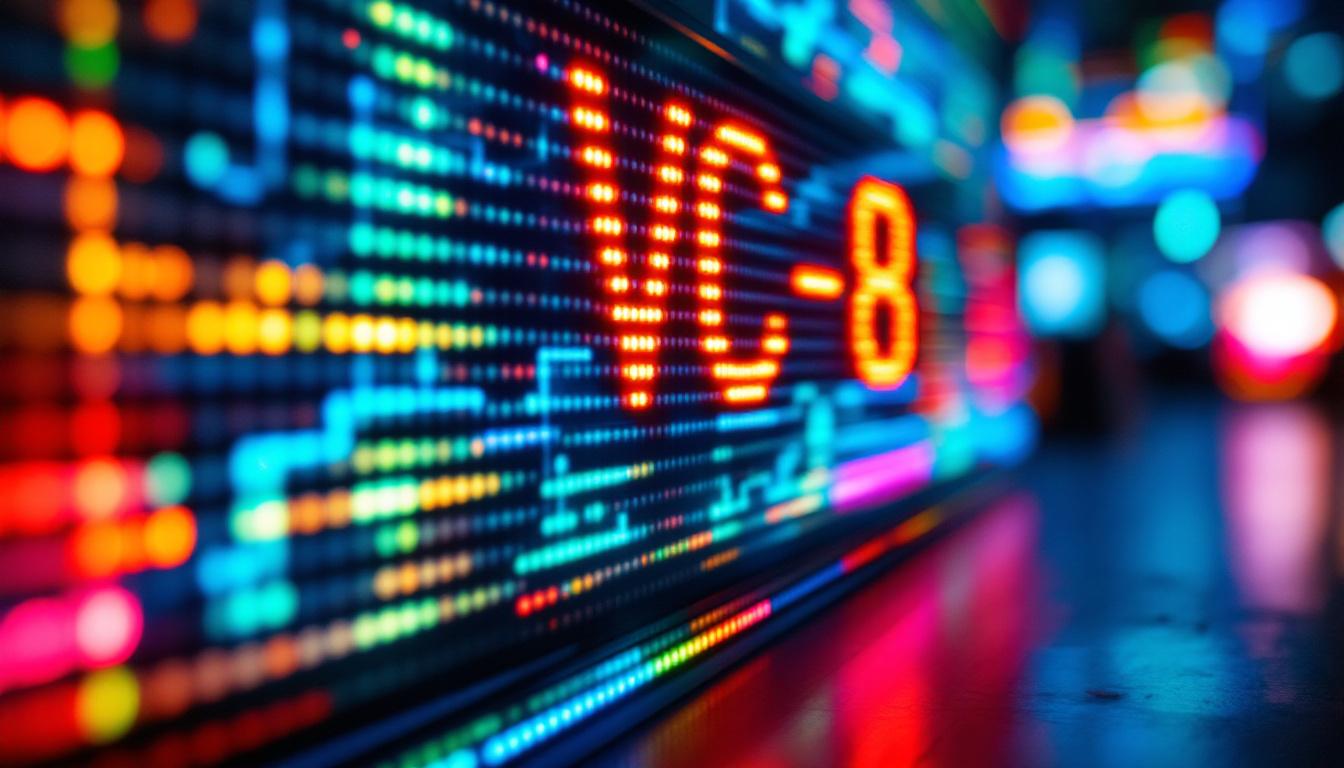
LED displays are composed of numerous tiny LEDs arranged in a grid to form pixels. Each pixel can be a single LED or a cluster of red, green, and blue LEDs that combine to produce a full spectrum of colors through color mixing. This RGB system allows LED displays to render vivid images and videos with high precision.
Types of LED Displays
There are several types of LED displays, each suited for different applications:
- Indoor LED Displays: Designed for environments with controlled lighting, these displays have higher pixel density and finer pitch, resulting in sharper images. They are commonly used in retail stores, conference rooms, and broadcast studios.
- Outdoor LED Displays: Built to withstand weather conditions, these displays feature higher brightness levels (often exceeding 5,000 nits) to remain visible in direct sunlight. Applications include billboards, sports arenas, and public information boards.
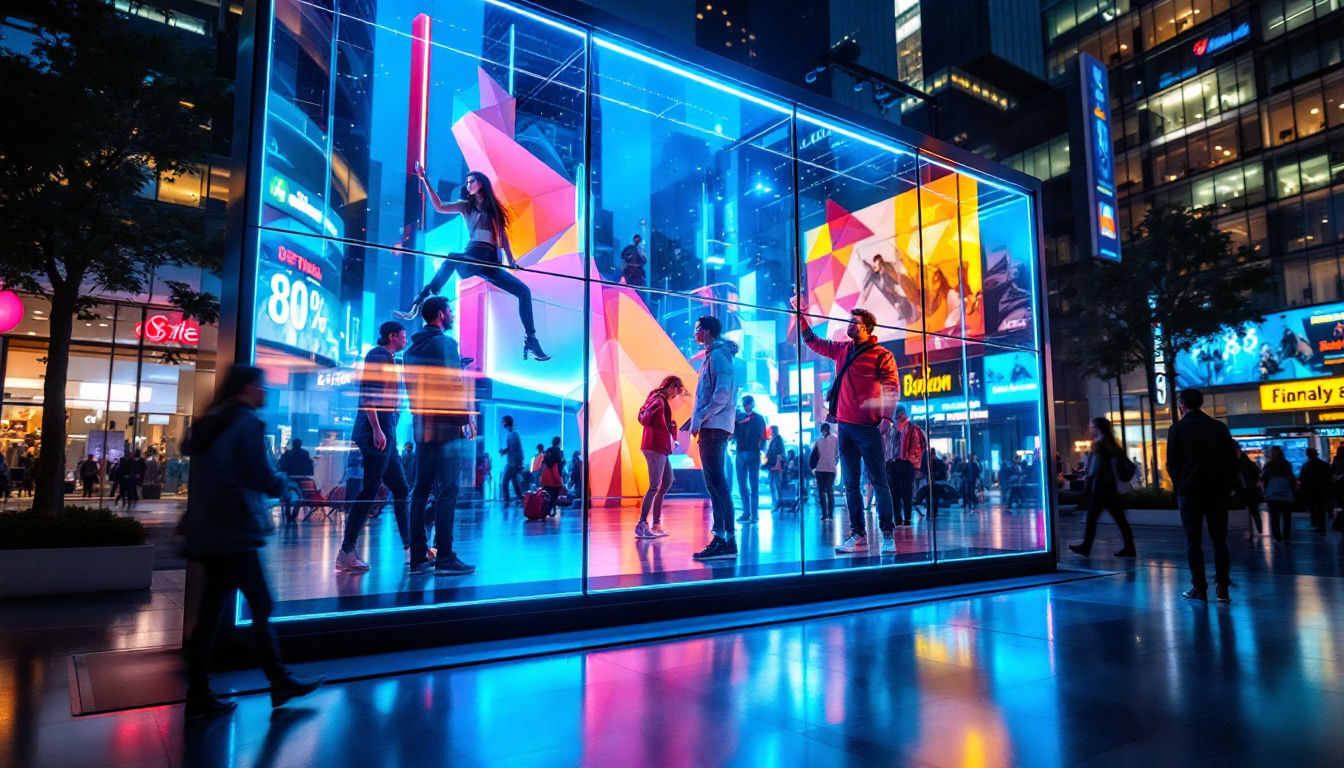
- Transparent LED Displays: These innovative screens allow light and visibility through the display, making them ideal for storefront windows and architectural installations where maintaining natural light is important.
- Flexible LED Displays: Utilizing bendable substrates, these displays can conform to curved surfaces, opening new possibilities for creative advertising and immersive environments.
Applications Across Industries
LED displays have transformed how information and advertising are delivered across various sectors:
- Advertising and Marketing: LED billboards and digital signage enable dynamic content updates, targeted messaging, and eye-catching visuals that attract consumer attention more effectively than static signs.
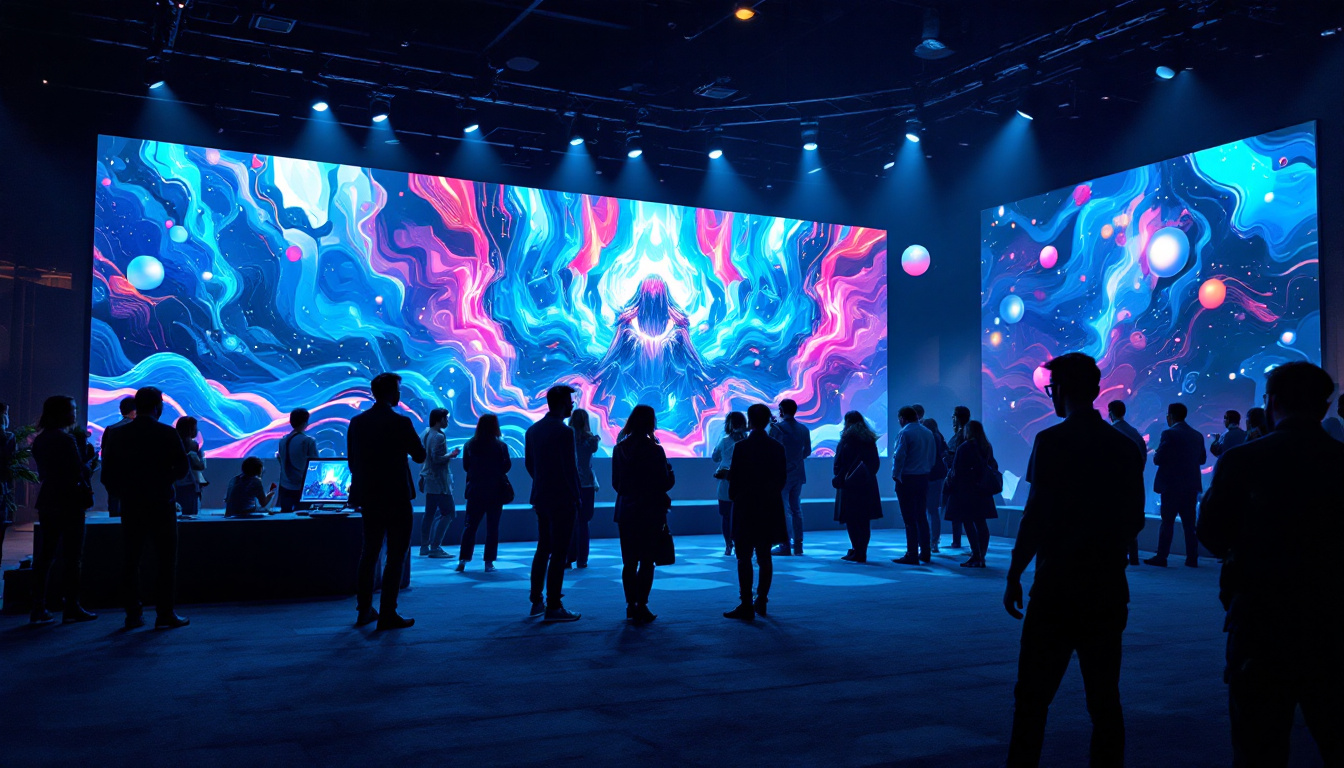
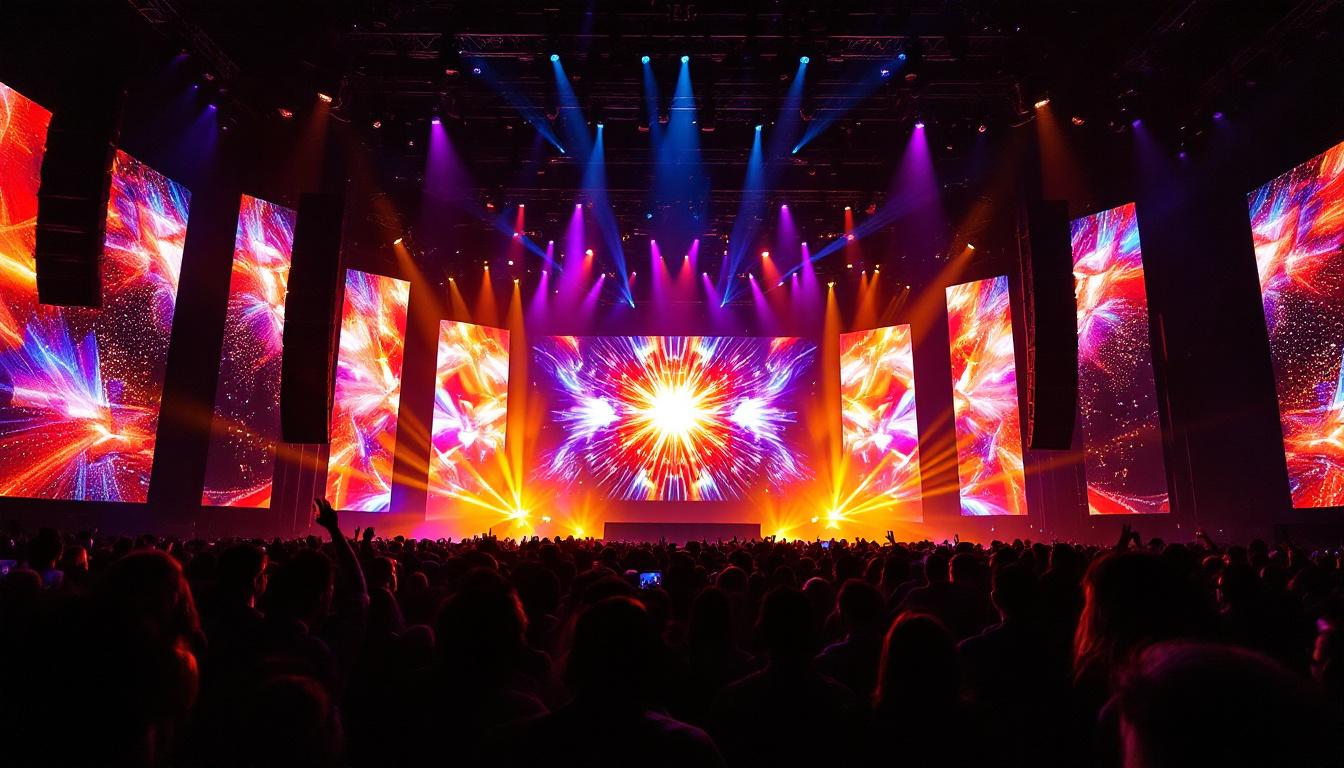
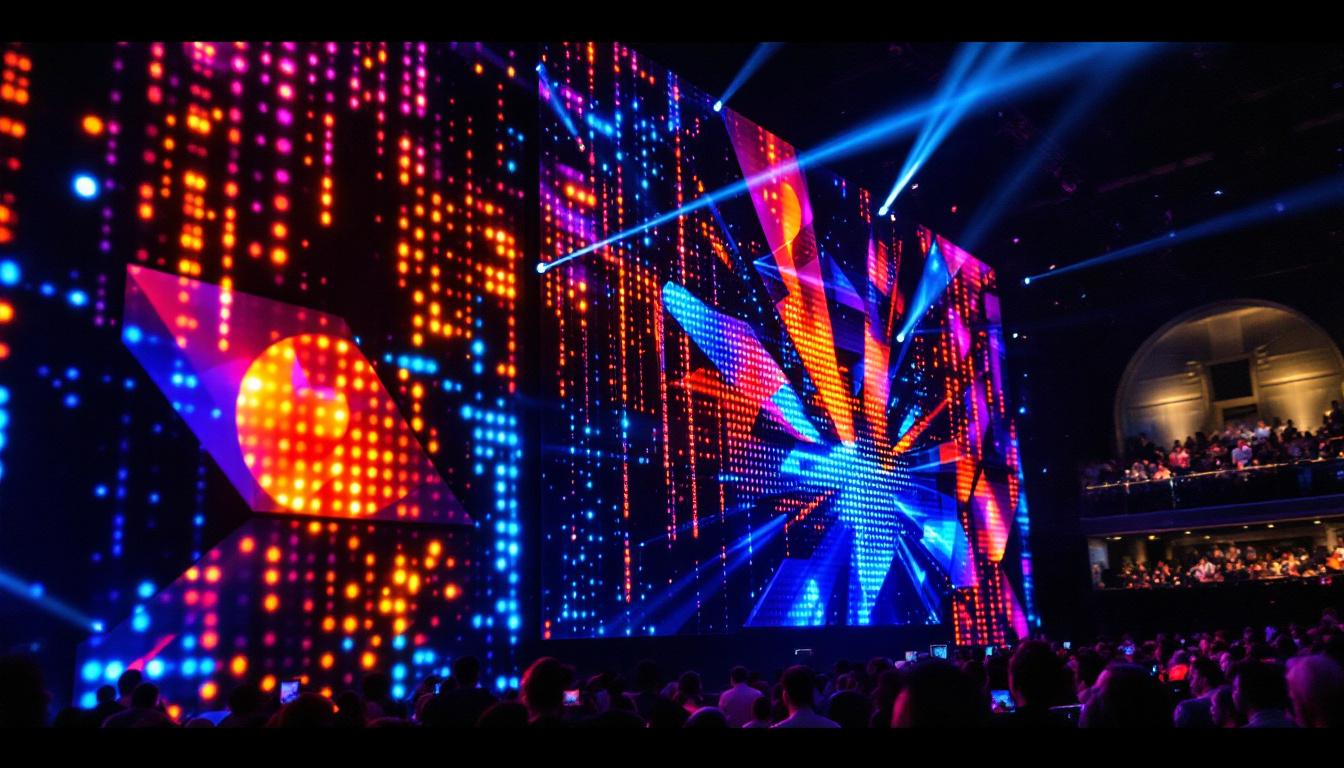
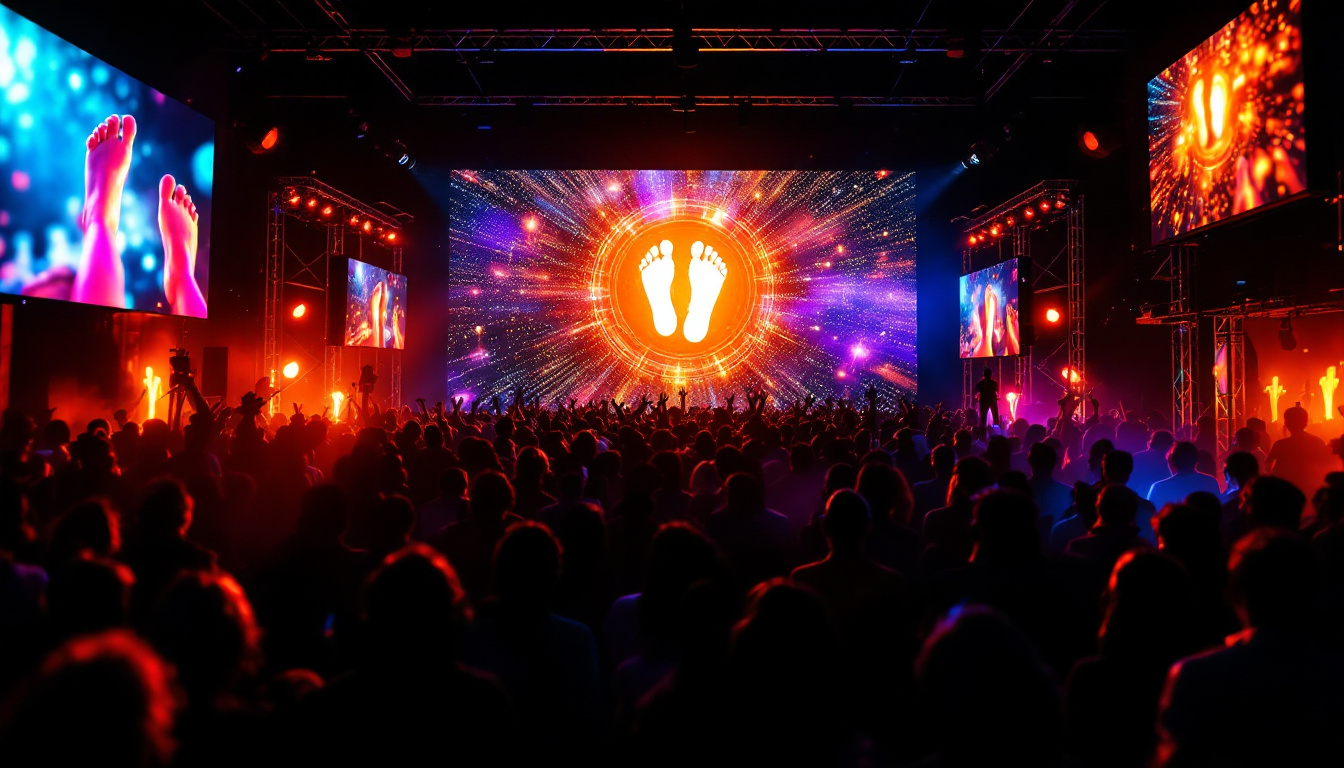
- Entertainment and Events: Concerts, sports events, and exhibitions use large LED screens to enhance audience engagement and provide real-time information and replays.
- Transportation and Public Safety: LED displays are used in airports, train stations, and highways for schedules, alerts, and directional signage, improving passenger experience and safety.
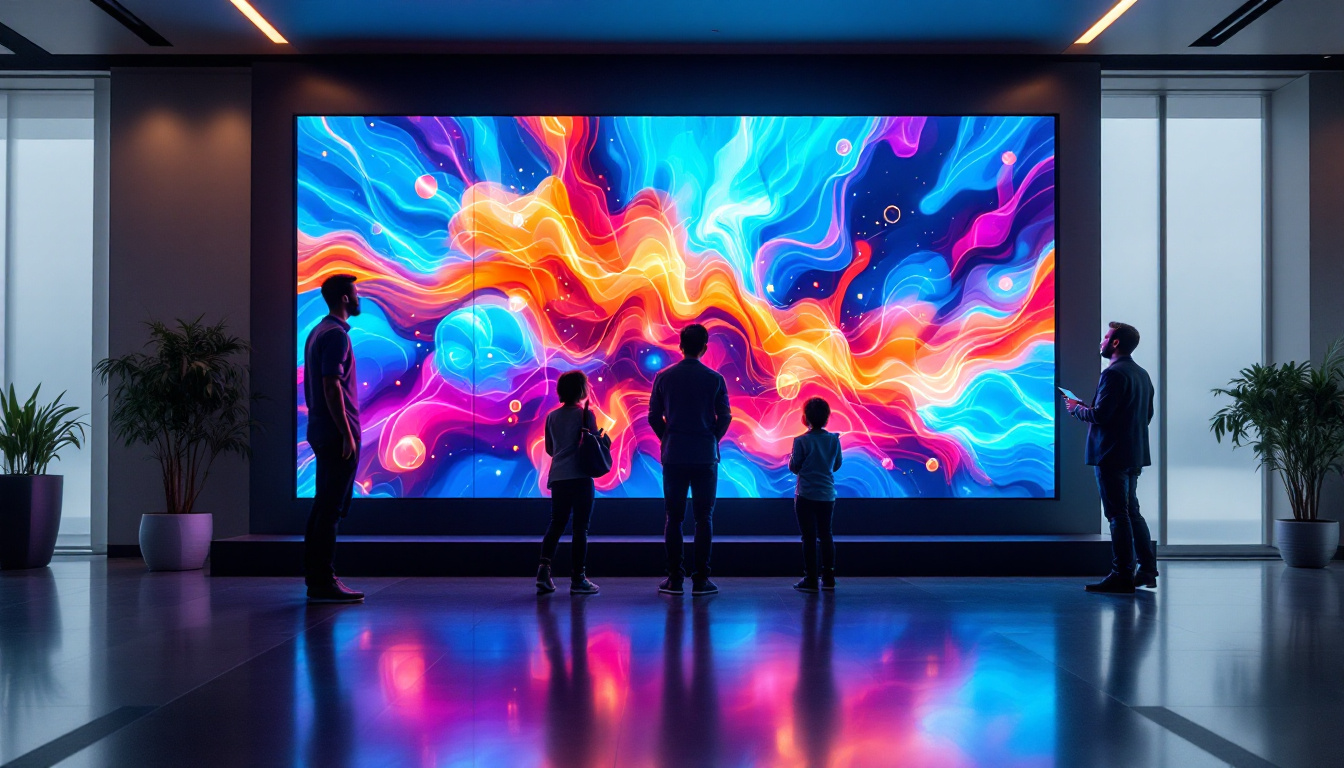
- Retail and Hospitality: Interactive LED walls and displays create immersive shopping experiences and enhance brand presence.
Benefits of LED Displays Over Traditional Display Technologies
LED displays offer numerous advantages compared to older technologies such as LCD, plasma, or projection-based systems. These benefits contribute to their widespread adoption and continued innovation.
Energy Efficiency and Environmental Impact
LED displays consume significantly less power than traditional display technologies. For example, an LED billboard can use up to 80% less energy than a comparable fluorescent or neon sign. This reduction in energy consumption not only lowers operational costs but also aligns with global efforts to reduce carbon emissions and promote sustainability.
Durability and Longevity
LEDs are solid-state devices, making them more resistant to shock, vibration, and temperature fluctuations. This durability is particularly valuable for outdoor displays exposed to harsh weather conditions. Additionally, the long lifespan of LEDs reduces the frequency and cost of replacements and maintenance.
Superior Visual Performance
With high brightness levels, excellent color accuracy, and wide viewing angles, LED displays provide an engaging visual experience. Their fast refresh rates eliminate motion blur, which is essential for video content and dynamic graphics. These qualities make LED displays suitable for both close-up viewing and large-scale installations.
Future Trends in LED Display Technology
The LED display industry continues to evolve rapidly, driven by advancements in materials, manufacturing, and digital integration. Several emerging trends are shaping the future of LED displays:
MicroLED and MiniLED Innovations
MicroLED and MiniLED technologies represent the next generation of LED displays, offering even higher resolution, brightness, and energy efficiency. MicroLEDs are tiny LEDs that enable displays with pixel-level control, resulting in exceptional image quality and contrast. These technologies are expected to compete with OLED and LCD in consumer electronics, including televisions and smartphones.
Integration with Smart Technologies
LED displays are increasingly integrated with Internet of Things (IoT) platforms and artificial intelligence (AI) to enable smart, interactive signage. This integration allows for real-time content updates, audience analytics, and personalized advertising, enhancing the effectiveness of digital displays.
Flexible and Transparent Displays Expansion
As flexible and transparent LED displays become more affordable and reliable, their adoption in retail, architecture, and automotive industries is expected to grow. These displays offer new creative possibilities, such as curved video walls and see-through digital windows.
Conclusion: The Impact of LED Replacement and Displays
Replacing traditional lighting and display technologies with LED alternatives offers tangible benefits in energy efficiency, cost savings, and visual performance. Whether upgrading can lights in a home or installing large-scale LED displays for advertising, the advantages are clear and compelling.
LED displays, in particular, have transformed how information is communicated and experiences are created across industries. Their versatility, durability, and superior image quality make them an essential tool for modern businesses and public spaces. As technology advances, LED displays will continue to push the boundaries of what is possible in lighting and visual communication.
For anyone considering LED replacements or investing in LED display technology, understanding the underlying principles and options available is crucial to making informed decisions that maximize value and impact.
Illuminate Your Space with LumenMatrix
Ready to elevate your visual communication with the latest in LED technology? Look no further than LumenMatrix, where innovation meets excellence. Our diverse range of LED display solutions, from Indoor and Outdoor LED Wall Displays to Custom and All-in-One LED Displays, is designed to captivate your audience and amplify your message. Embrace the future of digital signage with LumenMatrix and transform your space into a dynamic visual experience. Check out LumenMatrix LED Display Solutions today and see the difference for yourself.